
Reviewed · COOKING CLASSES
Venice: Pasta and Tiramisu Cooking Class with Wine
Fresh pasta is the real heart of this three-hour Venice cooking class. You roll, shape, fill, and cook fettuccine and ravioli, then make tiramisu before sitting down to eat your work with wine. It is a good change of pace from museums, churches, and narrow streets.
I like two things right away: you eat the meal you make, and the class gives you a friendly way to meet people from several countries. Hosts including Barbara, Serena, Thomas, and Eddie are praised for clear instruction and lively teaching. The main drawback is that the recipes remain traditional, with gluten, dairy, and eggs at their center. Substitutions may be available, but cross contamination cannot be ruled out.
Key points at a glance
- Three classic dishes: Make fresh fettuccine, ravioli, and tiramisu from supplied ingredients.
- A meal, not just a demonstration: Sit down afterward and sample the pasta and dessert with wine.
- Friendly English instruction: Hosts such as Barbara, Serena, Thomas, and Eddie keep the pace clear and social.
- A useful Dorsoduro base: The class takes place in the heart of Venice, with time to walk the neighborhood afterward.
- Good value at $78: Your class, ingredients, wine, limoncello, coffee, and prepared meal are part of the experience.
- Food restrictions need care: Tell the provider in advance, but traditional recipes and possible cross contamination remain important limits.
Rolling pasta in central Venice
The class begins when you step into the restaurant and meet your English-speaking host and fellow cooks. Meeting points can vary by the option you book, so check your confirmation closely rather than assuming every session starts at the same door.
The setting matters. You are not sent out to a farm or a distant kitchen. The class takes place in Venice, in or near the Dorsoduro area, so the activity fits neatly into a day spent exploring the city. Afterward, you can continue walking through Dorsoduro, or stay on with the people you met if the restaurant allows it.
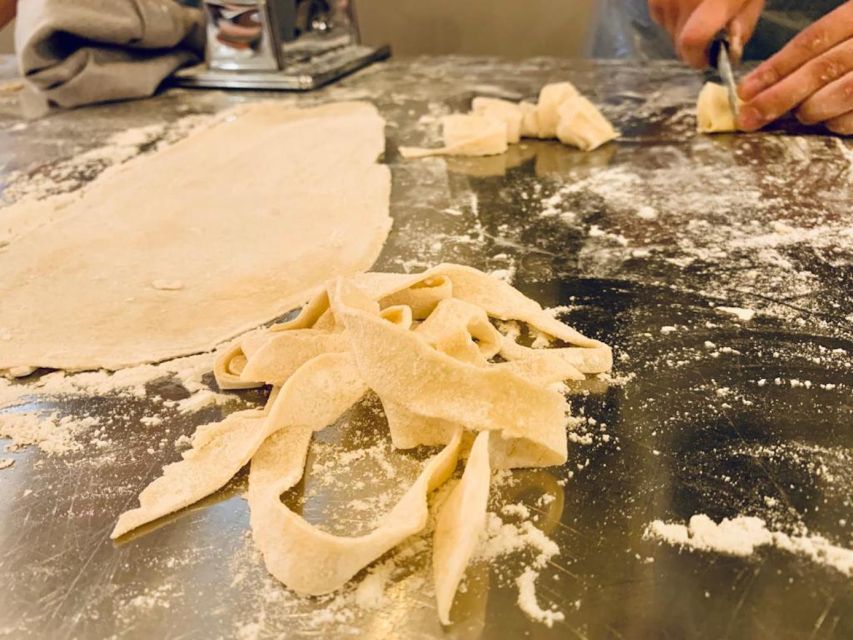
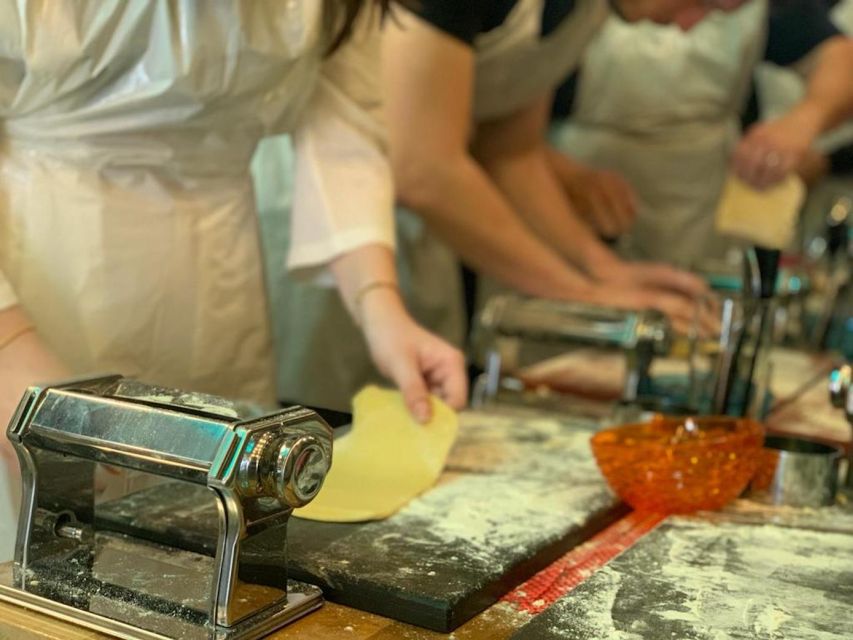
The first practical task is fresh pasta. You receive the ingredients and work through the process with instruction at each stage. The focus is hands-on, but not so intense that you need cooking-school skills. Several hosts are praised for keeping the pace easy to follow and for stopping to answer questions.
That balance is important. A cooking class can fail in two ways: the chef can do everything while you watch, or the group can be left to struggle alone. Here, the format aims for a middle ground. You get to make the food yourself, while the host shows the techniques that are hard to learn from a recipe alone.
More cooking classes in Venice:
- Pasta and Tiramisu Cooking Class with Wine in Venice
★ 5.0 · 945 reviews - Florence: Pasta Cooking Class with Unlimited Wine
★ 4.9 · 10,285 reviews - 3 in 1 Cooking Class near Navona: Fettuccine, Ravioli & Tiramisu
★ 5.0 · 7,376 reviews
Fettuccine and ravioli, two different pasta lessons
Fettuccine teaches you the basics of working with fresh dough. You learn how the dough feels, how it is shaped, and how it becomes long ribbons ready for cooking. It is a simple dish, but it gives you the foundation for the rest of the class.
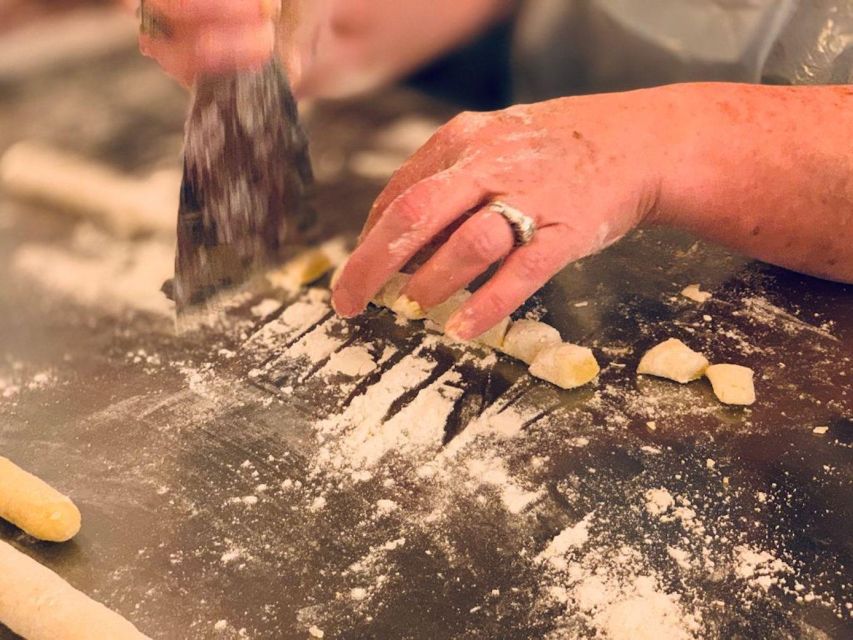
Ravioli adds another layer. You must handle the filling, place the dough, seal it, and shape the pieces without letting them split. The steps are still accessible to beginners, yet the result feels more special than ordinary noodles.
I like this pairing because the dishes give you two useful skills. Fettuccine shows the broad pasta method, while ravioli teaches care and control. The class is not only about eating Italian food in Venice. You leave with techniques you can try again at home.
The instructors also explain traditional methods and the background of the dishes. Reviews of the class repeatedly praise the clear teaching, patient pacing, and food knowledge of the hosts. Barbara is described as lively and entertaining, Serena as careful and easy to follow, and Thomas as a strong teacher who helped make the experience enjoyable.
Eddie brings a different kind of energy. He is praised for being funny, musical, and engaging, with one account noting that he even sang during the session. Your host depends on the date and option booked, so do not reserve the class solely to request one particular person. The wider point is that the teaching style appears to be a major part of the experience.
Making tiramisu before dinner
The dessert portion focuses on tiramisu. You learn the steps behind this familiar Italian favorite, including the techniques used to build the layers and texture. The class presents it as a traditional recipe, so expect the standard ingredients rather than a fully modified version.
Making dessert before eating the pasta is a smart order. Tiramisu needs time to come together, and preparing it early allows the dish to be ready when you sit down. It also breaks up the pasta work and gives the class a second kind of kitchen task.
This is one reason the activity suits people who cook at different levels. Pasta requires hands-on shaping, while tiramisu offers a less technical project. You can ask questions as you go, and the host explains the process rather than simply placing a finished dessert in front of you.
If you have a serious allergy or food restriction, speak up when booking and again at the start. Substitutes may be offered for some needs, but the class instruction remains based on gluten, dairy, and eggs. The provider does not guarantee a kitchen free from cross contamination.
The published information is also inconsistent on vegan and lactose-free participation. It says dietary options can be supported, but it also lists vegans and people with lactose intolerance as not suitable. Take the stricter warning seriously, and contact the provider before paying if your diet is a firm requirement.
Sitting down to eat what you made
The best part of the schedule comes after the work. You sit at the table and sample the fettuccine, ravioli, and tiramisu you helped prepare. Wine is served with the meal, and the experience description also includes limoncello and coffee.
This turns the class into a complete lunch or dinner rather than a short lesson followed by a separate restaurant search. Several people found the portion and timing enough to serve as a meal, which makes the $78 price easier to assess. You are paying for instruction, ingredients, food, drinks, and three hours of organized time in central Venice.
The meal also creates the social part of the class. You sit with other members of the group and have a natural chance to talk while eating. It is less formal than a guided city tour and less isolated than booking a private table for two.
I would not book this expecting a quiet, highly polished restaurant dinner. The point is to eat together after making the food, and the atmosphere can be lively. Music, jokes, birthday celebrations, and plenty of conversation have all been part of the tone described for different sessions.
That energy works well for couples, families with older children, and solo visitors who want company. It may be less appealing if you want a private culinary lesson or a long, refined tasting menu. The format is social first, with the food as the common ground.
A few other Venice mornings to weigh against this
- Florence Pizza or Pasta Class with Gelato Making at a Tuscan Farm
★ 5.0 · 6,801 reviews - Florence: Pasta & Tiramisu Cooking Class with Unlimited Wine
★ 4.9 · 6,708 reviews - Florence: Pasta Cooking Class with Unlimited Wine
★ 5.0 · 6,413 reviews - Rome: Pasta & Tiramisu Class with Fine Wine by the Vatican
★ 4.9 · 4,852 reviews
Why the Dorsoduro location helps
Dorsoduro is a useful part of Venice for this type of activity. You can pair the class with sightseeing in the neighborhood, then continue on foot once the meal ends. The experience itself stays inside the restaurant, which gives your feet a break after a morning of walking.
One participant specifically described the class as a welcome rest after other tours. That is practical advice. Venice can be tiring, and three seated hours with cooking, conversation, food, and wine can reset your day better than adding another long visit to a church or museum.
The location also gives the activity a stronger sense of place than a cooking lesson in a generic hotel room. You are learning Italian food in Venice, then stepping back onto the local streets when you finish. The class does not replace exploring Dorsoduro, but it gives you a reason to spend time there.
Allow extra time to find the meeting point. The starting location may change according to the option you choose, and the activity details do not provide one universal address. Check the booking information before setting out.
How much value do you get for $78?
At $78 per person, this is not the cheapest meal in Venice. It can still be good value if you want more than a plate of pasta.
Your fee covers three hours of activity, the ingredients, the instruction, wine, and the dishes you prepare. The stated experience also includes limoncello and coffee at the table. If you count the meal alone, you may find less expensive pasta nearby, but those alternatives will not give you the cooking lesson or the chance to make ravioli from scratch.
The value improves if you use the class as your main meal for the day. Several accounts describe it as a satisfying lunch or dinner, and one person treated it as a practical way to sort out the evening meal. You should not arrive expecting a small sample and then need to buy a full dinner immediately afterward.
The class also has a souvenir value. One participant bought a pasta press after returning home and taught the technique to family members. That is a better memento than another small trinket if you enjoy cooking.
Wine is part of the social price, but drink at your own pace. The class involves kneading, shaping, and following directions, so you will get more from the lesson if you stay clear-headed during the work. The wine belongs most naturally with the final meal.
Who will enjoy this class most?
I would recommend the class to first-time pasta makers, food-focused couples, families with older children, and solo visitors who like meeting people. You do not need advanced kitchen skills. The repeated praise for patient instruction suggests that beginners can keep up.
Teenagers have enjoyed the activity, and families with children have found it a good shared project. The formal restriction is clear for very young children: it is not suitable for children under three or babies under one. Older children may participate, but they still need to be able to follow kitchen instructions and sit through a three-hour activity.
The class is also a strong choice after a busy sightseeing day. You get a seated break without wasting valuable time, and the meal comes from your own work. If you are planning a birthday or anniversary, tell the provider in advance. A birthday song has been part of at least one session, though special touches should not be treated as guaranteed.
You may want to skip it if you dislike group dining, cannot eat gluten, dairy, or eggs, or want a lesson built around advanced technique. The menu centers on traditional recipes, and the class is designed for shared fun more than strict culinary training.
What makes the teaching work
A cooking class rises or falls with its host. The food matters, but the teacher controls the pace, explains the tricky parts, and decides how much room there is for questions.
The strongest pattern here is attentive instruction. Hosts are praised for explaining each step, answering questions, and checking that the whole group understood before moving on. That is especially useful when several people at the table have never made pasta.
The personalities vary. Barbara is described as warm, lively, and entertaining. Serena is praised for moving at a pace that suited everyone. Thomas helped make the experience easy and enjoyable, while Eddie added humor and performance to the cooking.
You should expect different hosting styles depending on your session. Some instructors may be more theatrical, while others may focus on careful technique. All of the named hosts have been associated with a welcoming and social class, but a specific host request is not something I would count on unless the provider confirms it.
The group setting also helps shy cooks. You can watch how others shape their pasta, compare results, and ask questions without feeling that every mistake is on display. By the time you eat, the table usually feels more relaxed because everyone has worked on the same dishes.
Timing, drinks, and practical limits
The duration is three hours, and starting times vary. That makes the class easy to fit into a Venice itinerary, but you should avoid placing a major timed attraction immediately afterward. Cooking, eating, and walking to your next stop can take longer than the formal class time.
Wear something comfortable and suitable for food preparation. The activity requires you to roll up your sleeves and work with ingredients, so this is not the moment for clothes that need special care. The supplied information does not specify apron or locker arrangements, so do not assume either is provided.
The class is conducted in English. If you need another language, this experience may not be the right match. The English format also makes it easier to ask about Italian food traditions as you work.
Dietary needs must be declared at booking. Vegetarian support is listed, along with other possible substitutions, but the provider warns that the lesson still follows recipes containing gluten, dairy, and eggs. The activity is explicitly marked unsuitable for vegans, people with gluten intolerance, and people with lactose intolerance.
Cancellation is flexible if your plans change: cancel up to 24 hours ahead for a full refund. You can also reserve now and pay later, which helps if your Venice schedule is still shifting.
Should you book the Venice pasta and tiramisu class?
I would book this if you want a practical food experience with a real meal at the end. The combination of fresh fettuccine, ravioli, tiramisu, wine, and Dorsoduro walking time gives you more than a standard restaurant visit. The $78 price makes sense when you use the class as lunch or dinner and value the skills you can take home.
I would be more cautious if you have strict dietary needs, dislike group activities, or want a private chef-led lesson. Contact the provider first about substitutions, and remember that cross contamination cannot be guaranteed.
For most food lovers, this is a smart three-hour pause in a busy Venice visit. You learn something useful, meet people at the table, and finish with a meal you helped create. That is a fine way to experience Italian cooking without giving up half a day to a formal tour.
FAQ
How long does the Venice cooking class last?
The class lasts three hours. Starting times vary, so check availability for the date you want.
What dishes will I make?
You will learn to make fresh fettuccine, ravioli, and tiramisu. You will sample the dishes you prepare during the class.
Are drinks included?
Wine is included. The experience information also describes limoncello and coffee served with the meal.
Is the class taught in English?
Yes. The class has a live English-speaking guide.
Can I request dietary substitutions?
You must inform the provider about allergies or food restrictions when booking. Substitutions may be available, but the class follows traditional recipes containing gluten, dairy, and eggs, and cross contamination cannot be guaranteed.
Is the class suitable for children?
It is not suitable for children under three or babies under one. Older children and teenagers have taken part, but the activity is still a three-hour cooking class requiring attention and participation.
More Workshops in Venice
- Venice: Carnival Mask Workshop
★ 4.5 · 1,925 reviews - Create Your Glass Artwork: Private Lesson With Local Artisan
★ 5.0 · 556 reviews - Venetian Carnival Mask Making Class in Venice, Italy
★ 4.5 · 525 reviews - Naples: Pizza-Making Workshop with Drink and Appetizer
★ 4.9 · 5,411 reviews
Fresh on the Venice list
- Murano: Glass Blowing Demonstration and Artistic Glass Gift★ 4.6 · 507 reviews
- From Venice: Dolomites, Lake Misurina, and Cortina Day Trip★ 4.6 · 508 reviews
- Venice Islands: Murano Glass & Burano Colors Guided Visit★ 4.5 · 510 reviews
- The Majestic Teatro La Fenice: Guided Tour in Venice★ 4.3 · 513 reviews
- Real Venetian Kayak – Tour of Venice Canals with a Local Guide★ 4.5 · 518 reviews
- Venetian Carnival Mask Making Class in Venice, Italy★ 4.5 · 525 reviews
- Half Day Murano and Burano Island Tour by Private Boat★ 4.5 · 529 reviews
- Venice Trilogy: Murano, Burano & Torcello by Lagoon Boat★ 4.5 · 532 reviews
Cooking Classes, compared.

3 in 1 Cooking Class near Navona: Fettuccine, Ravioli & Tiramisu
Read our review →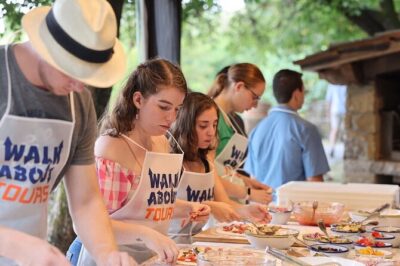
Florence Pizza or Pasta Class with Gelato Making at a Tuscan Farm
Read our review →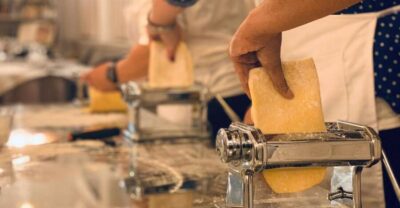
Pasta & Tiramisu Cooking Class with Unlimited Wine
Read our review →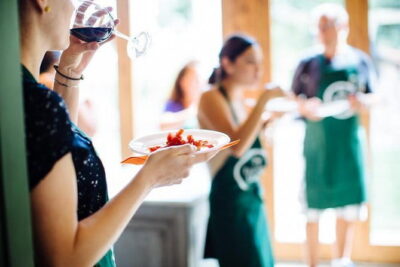
Cooking Class and Lunch at a Tuscan Farmhouse with Local Market Tour from Florence
Read our review →
Authentic Pizza Making Class in Naples with Appetizers and Drink
Read our review →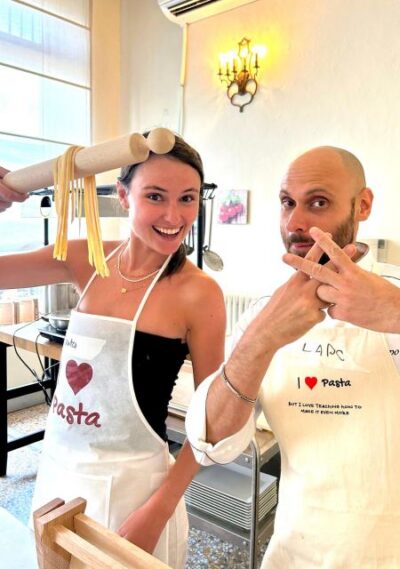
Pasta Making Class with Wine, Limoncello, and Dessert
Read our review →Browse the lists this tour appears in