
Reviewed · WORKSHOPS
Venice: Carnival Mask Workshop
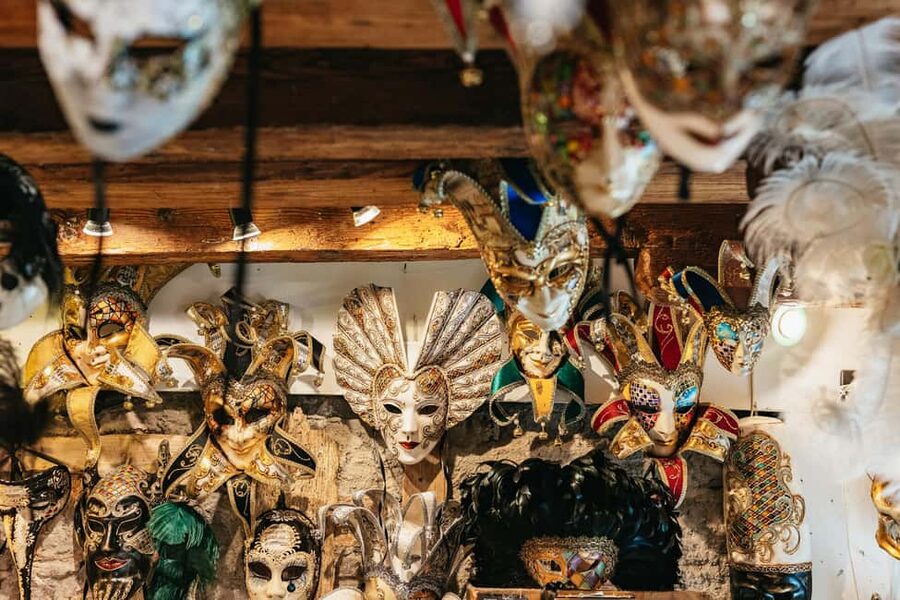
Venice’s Carnival masks are more than pretty faces for a costume. In this hands-on workshop, you choose a paper-mâché mask, paint it with guidance from a Venetian artisan, and leave with a souvenir you made yourself. The instructors may include Giorgio, Nicolò, Petra, Francesco, or another local artist, depending on the session.
I like two things right away: you get a real connection to Venetian craft rather than buying a plastic mask from a street stall, and the hour works well as a break from churches, bridges, and crowded lanes. The instructors explain Carnival customs while you work, and their final decorative touches can make a beginner’s mask look surprisingly polished.
The main drawback is the tight schedule. One hour is enough for a pleasing mask, but not for a slow, highly detailed masterpiece. The meeting point can vary, some sessions take place in a shop or atelier and others in a historical prison setting, and the workshop is not suitable for wheelchair users or people with walking difficulties.
Key points at a glance
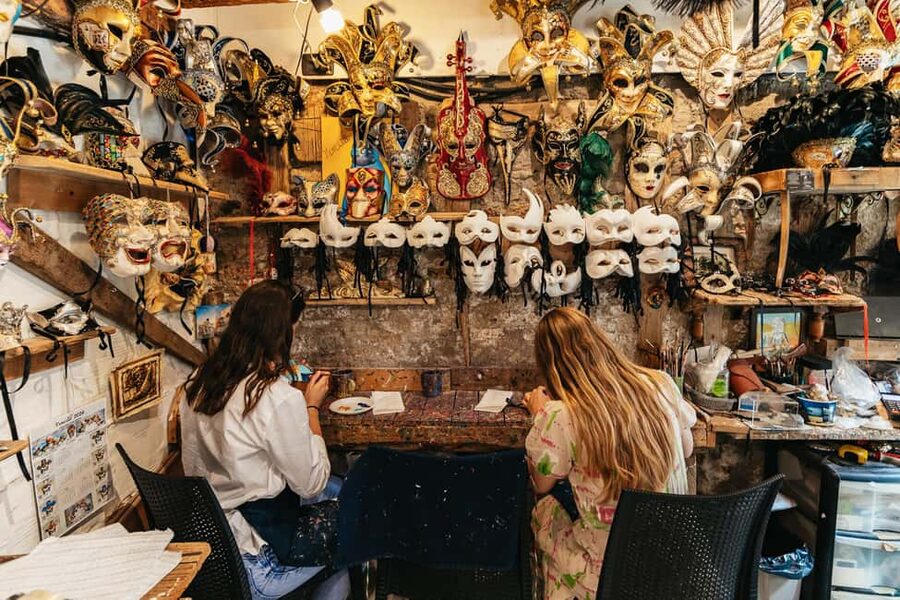
- Choose your own mask form: Select from several paper-mâché styles before you begin, with options varying by session.
- Paint with an artisan’s help: Instructors such as Giorgio and Nicolò guide color choices, outlines, layering, and finishing details.
- Hear the story behind Carnival: The class connects mask design with Venetian customs and the city’s masked past.
- Leave with a handmade souvenir: Your finished mask is included in the price and goes home with you.
- Good for families: Children as young as six have enjoyed the activity, while older children and adults can take on more detailed designs.
What the $91 price really buys you
At $91 per person, this is not the cheapest hour you can spend in Venice. You are paying for more than a blank mask and a table covered in paint, though. The fee includes the class, paper-mâché mask, paints, decorative supplies, apron, instruction, and the finished piece.
The value is strongest if you want an activity rather than another purchased object. A shop-bought Carnival mask may be more elaborate, but it does not carry your own brush marks or the memory of learning how it was decorated. Here, you take home something personal, even if the design is not perfectly symmetrical.
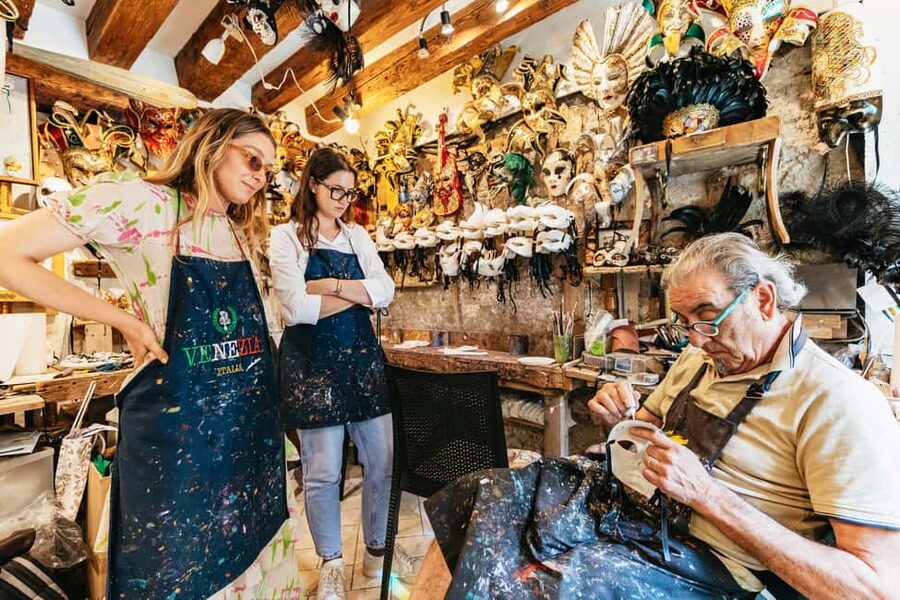
The class also gives you contact with people who work in Venetian mask making. Several instructors are practicing artists or members of mask-making families. Giorgio, for example, has been described as carrying on a family craft passed from his father to his sons. Nicolò is noted for adding fine, filigree-like details after the main painting is complete.
I would book this for a special occasion, a family outing, or a rainy afternoon when you want something more active than sightseeing. If your priority is getting the largest professional mask for your money, spend the $91 at an artisan shop instead. If you want to make your own and learn as you go, the price is easier to justify.
A few other Venice mornings to weigh against this
- Venice: Pasta and Tiramisu Cooking Class with Wine
★ 4.9 · 1,010 reviews - Pasta and Tiramisu Cooking Class with Wine in Venice
★ 5.0 · 945 reviews - Create Your Glass Artwork: Private Lesson With Local Artisan
★ 5.0 · 556 reviews
Arriving at the workshop
Check the exact meeting point carefully when you book. It can change with the option selected. Some sessions are held in a small mask shop near San Marco, while others have taken place in a historical prison setting beside the Doge’s Palace. That variation matters because the entrance procedure and surroundings may not be the same.
One useful detail: if your class is inside a museum or prison exhibition area, you may need to show your ticket at the door before reaching the workshop. Give yourself a little extra time, especially in the San Marco area, where a short walk can take longer than the map suggests.
The location is part of the appeal when the class is held near major sights. You can pair the workshop with the Doge’s Palace or St. Mark’s Square without sending half your day across the city. Still, do not assume every booking uses the same room. Follow the instructions attached to your chosen time.
The activity is indoors, which helps in hot weather or rain. One reported venue had air conditioning and enough room for a small group to work comfortably. Other sessions may feel more like a compact shop or atelier, so the atmosphere can range from tidy classroom to working mask studio.
Choosing a paper-mâché mask
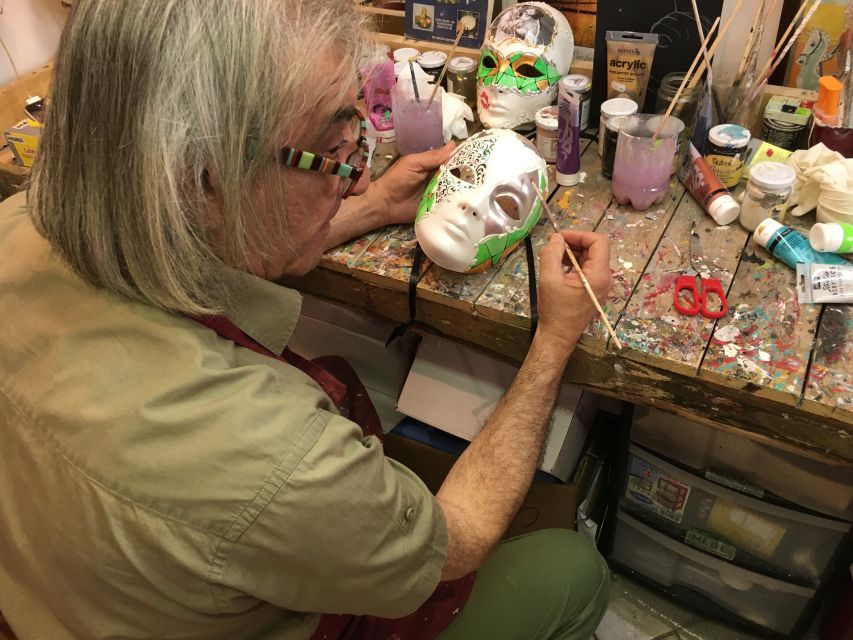
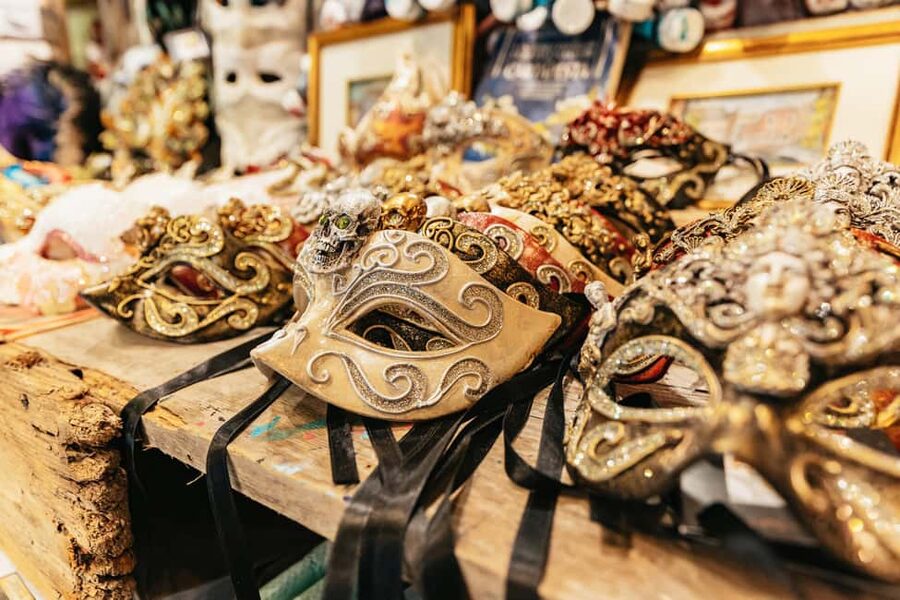
The class begins with a choice of mask. You may find several traditional shapes, and the selection can include different facial forms and styles. Displays may show additional designs that are not available for every session, so if you have your heart set on a particular shape, ask before booking or be ready to choose another.
The masks are made from paper mâché, not thin plastic. That makes the activity feel closer to the craft sold by Venetian mask makers, even though your own piece is designed for a beginner’s workshop. You are decorating a prepared form rather than building the mask from raw materials.
Your instructor may sketch light pencil lines to divide the mask into sections. This small step is useful. It gives you a plan for blocking in colors without taking away the freedom to change the design. You can follow an example, borrow ideas from finished masks, or create your own pattern.
You do not need formal art training. The class is structured for first-time painters, yet experienced hobby artists can still make something individual. The best approach is to choose a simple color plan first. Too many ideas at once can eat up your limited painting time.
Painting, drying, and adding detail
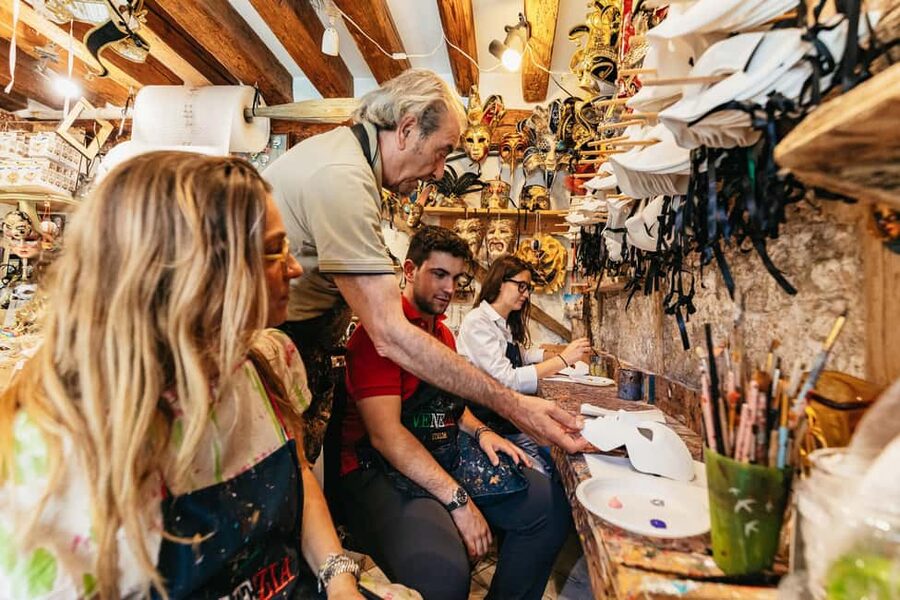
Once you select a mask, the practical work starts. You paint the larger areas first, building the design in stages. Depending on the session, supplies may include standard paints, glitter, sprays, and three-dimensional paints. The range gives children plenty to explore, though adults may need to resist covering every inch with glitter.
Drying time shapes the class. After one coat, the instructor may use a heater to speed the process, then you add another layer or move on to details. This is why the teacher’s help matters. Without it, you could spend most of the hour waiting for paint to set.
The instructors are praised for being patient and clear. Giorgio has guided families and solo participants, while Petra has been described as a trained artist who gave simple instructions. Francesco and Nicolò have also been noted for their calm, helpful approach. The exact teacher varies, but the activity is designed to include personal assistance rather than leaving you alone with a paintbrush.
The finishing stage is where the mask can change character. The artisan may add delicate lines, flourishes, or other decorative work after you complete the main color blocks. This is not a replacement for your own design. It is more like a professional frame around your effort, and it helps the finished mask look ready for display.
An hour can pass quickly here. Some classes run a little longer, especially when the group is small or the finishing work takes time, but you should plan on about one hour unless your booking says otherwise. If you want very fine patterns, ask for advice early so you do not save all the detail work for the final minutes.
Same city, an entirely different afternoon:
- Venice: Doge’s Palace Reserved Entry Ticket
★ 4.6 · 42,716 reviews - Venice: Grand Canal Gondola Ride with App Commentary
★ 4.1 · 18,908 reviews - Boat Trip: Glimpse of Murano, Torcello & Burano Islands
★ 4.3 · 15,699 reviews - Venice: Grand Canal by Gondola with Live Commentary
★ 4.1 · 13,681 reviews
The Carnival story behind the mask
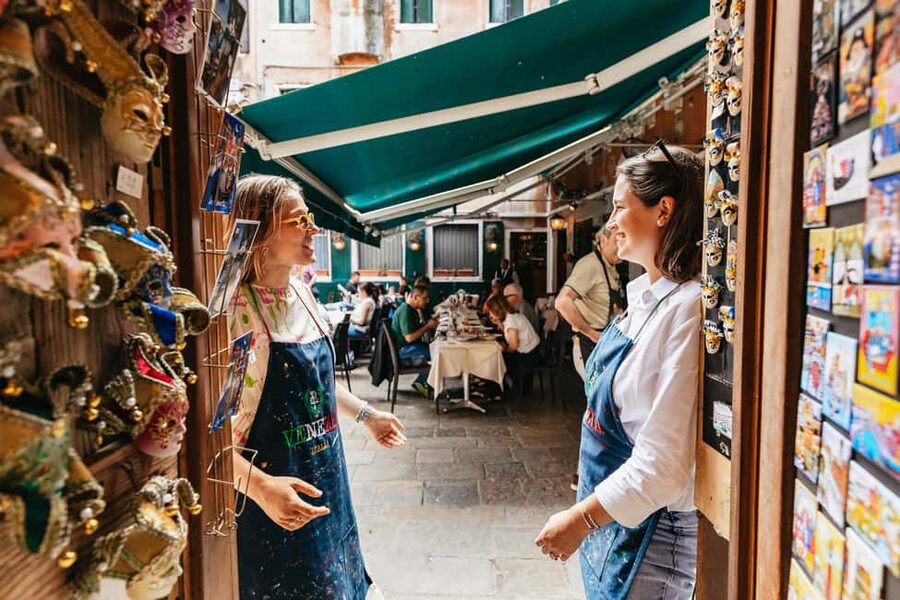
The class is not only about paint. The instructor explains how masks were used in Venice in earlier centuries and discusses the traditions of Carnival. The amount of history depends on the teacher and the group. Some instructors weave stories into the work, while others keep the focus more firmly on the craft.
This background gives the activity a reason to exist. A mask is not simply a decorative object in Venice. Its shape, expression, and level of ornament can suggest a role, mood, or period associated with Carnival. You do not need a long lecture to appreciate that. A few clear stories can make the mask in your hands feel connected to the city around you.
Several instructors also share personal experience. You might hear about life in modern Venice, a family mask-making business, or the work involved in producing masks for large events. That human contact is one of the strongest parts of the workshop. You are not just following a tourist craft pattern; you are meeting someone who works with this tradition.
The history segment can be shorter in a busy or bilingual class. The tour may be conducted in English, Italian, Spanish, or French, and it can be bilingual. If the Carnival background is your main reason for booking, mention that to the instructor at the start.
A small group makes a difference
A small group is available, and that can improve the experience. With fewer people at the table, the instructor can help with color choices, show you how to place decorative lines, and answer questions without making you wait.
Private-feeling sessions have been especially effective for families and couples. A group of three can receive close attention while still enjoying the relaxed social side of the workshop. Solo bookings may also be fortunate enough to have plenty of room and direct instruction, though group size depends on the option and date.
Larger groups can still have fun, especially with children, but expect less individual time. The class is not a formal art course with a long one-to-one lesson for every participant. It is a guided craft activity, and your result will reflect how much help and time the instructor can give.
The workshop suits children well. Six-year-olds have taken part with a parent or grandparent, and children around 11 to 15 have enjoyed choosing colors and adding decorations. Younger children may need help with paint control and patience, while older children can usually take more ownership of the design.
What to wear and what to carry
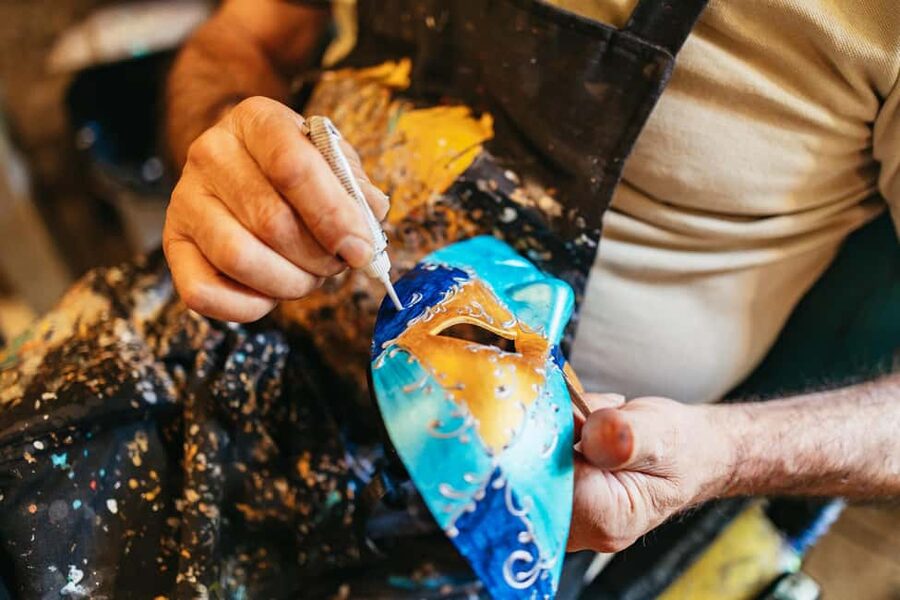
Wear clothing you can paint in. An apron is included, but an apron cannot protect every sleeve or trouser leg from a creative accident. This is particularly sensible advice for children.
Pets are not allowed. The activity is indoors and involves art supplies, drying equipment, and a shared working space. Bring only what you need, since a compact workshop table is easier to manage without extra bags and coats.
You can take photographs if the host permits it. One artisan welcomed photos in the studio, but it is still polite to ask before photographing people, works in progress, or family-made masks. The displays can be a useful source of design ideas before you start.
Plan how you will carry the mask afterward. It is a keepsake, not a flat postcard, and the paint may need care until fully dry. The activity includes the mask, but no special shipping service is listed, so protect it with your own packing if you have a long journey ahead.
A practical choice for families and couples
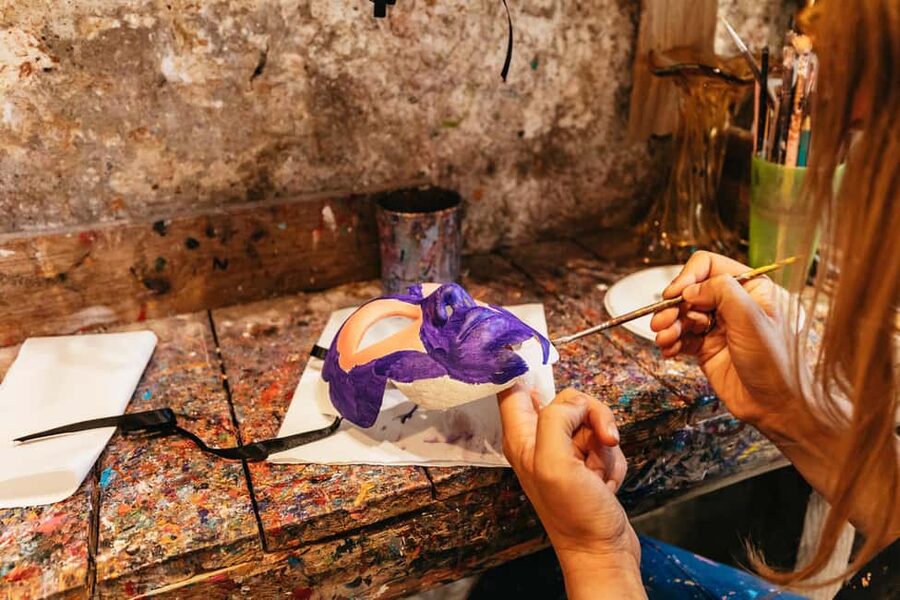
This is one of Venice’s better short activities for families. It gives children a clear task, but it also leaves room for adults to enjoy the art and stories. Grandparents and grandchildren can work side by side, and couples can make matching masks or deliberately choose completely different styles.
It also works well for a honeymoon or anniversary. The finished masks become a shared object rather than a standard souvenir, and the process gives you something to talk about beyond the usual sightseeing checklist.
Art lovers should appreciate the chance to see how a professional adds decorative work. You can also learn enough to look more closely at masks in Venetian shops afterward. The class will not turn you into a master mask maker in an hour, but it can help you recognize the difference between a carefully decorated paper-mâché piece and a mass-produced novelty.
I would be less keen on it for someone who dislikes crafts, has very limited time, or wants a major cultural tour. It is a practical, creative hour, not a full Carnival performance or a long workshop on constructing masks from scratch.
Timing, access, and cancellation
The advertised duration is one hour, and starting times depend on availability. Some sessions may run slightly over, but do not build a tight connection or timed museum entry immediately afterward.
The workshop is not fully accessible for wheelchair users or people with walking difficulties. If that applies to you, contact the provider before reserving, since the venue and access arrangements can vary.
Exceptional high tide can affect the operation. In that case, the class may be postponed to later days, or the cost may be refunded if it cannot go ahead. You can cancel up to 24 hours before the activity for a full refund, and the reserve-now, pay-later option lets you hold a place without paying immediately.
Should you book the Venice mask workshop?
Book it if you want a personal souvenir, enjoy making things, or need a one-hour activity that works for both children and adults. The best parts are the choice of mask, the artisan’s help, the Carnival background, and the professional finishing details.
Think twice if $91 feels high for a short class, if you want a completely unstructured art session, or if you need step-free access. Also check the meeting point and available mask designs before you commit.
For most families, couples, and curious first-time visitors, this is a worthwhile addition to a Venice schedule. You will not leave with a perfect museum piece, but you can leave with something better suited to a trip: a colorful mask made by you, shaped by a local craft tradition, and tied to an hour you will remember.
FAQ
How long does the Venice Carnival mask workshop last?
The advertised duration is one hour. Some sessions may run a little longer, depending on the group and the finishing work.
What is included in the price?
The price includes the paper-mâché mask, decorating class, paints and other necessary supplies, apron, and the finished mask to take home.
Which languages are available?
The instructor languages are English, Italian, Spanish, and French. The class may be bilingual.
Can children take part?
Yes. The activity is suitable for children, and children from around six years old have taken part with adults. Younger participants may need help with the painting.
Where does the workshop meet?
The meeting point depends on the option booked. Sessions may take place in a mask shop, atelier, or a historical prison setting near the Doge’s Palace. Check your booking details carefully.
Is the activity accessible for wheelchair users?
No. The workshop is not fully accessible for wheelchair users or people with walking difficulties.
Fresh on the Venice list
- Murano: Glass Blowing Demonstration and Artistic Glass Gift★ 4.6 · 507 reviews
- From Venice: Dolomites, Lake Misurina, and Cortina Day Trip★ 4.6 · 508 reviews
- Venice Islands: Murano Glass & Burano Colors Guided Visit★ 4.5 · 510 reviews
- The Majestic Teatro La Fenice: Guided Tour in Venice★ 4.3 · 513 reviews
- Real Venetian Kayak – Tour of Venice Canals with a Local Guide★ 4.5 · 518 reviews
- Venetian Carnival Mask Making Class in Venice, Italy★ 4.5 · 525 reviews
- Half Day Murano and Burano Island Tour by Private Boat★ 4.5 · 529 reviews
- Venice Trilogy: Murano, Burano & Torcello by Lagoon Boat★ 4.5 · 532 reviews
Workshops, compared.
3 in 1 Cooking Class near Navona: Fettuccine, Ravioli & Tiramisu
Read our review →
Florence Pizza or Pasta Class with Gelato Making at a Tuscan Farm
Read our review →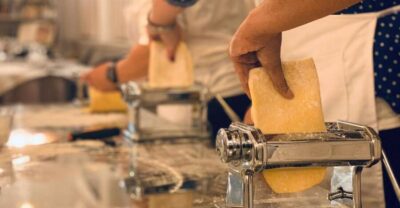
Pasta & Tiramisu Cooking Class with Unlimited Wine
Read our review →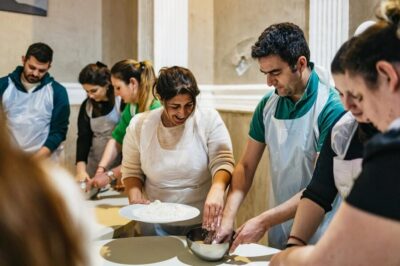
Pizza-Making Workshop with Drink and Appetizer
Read our review →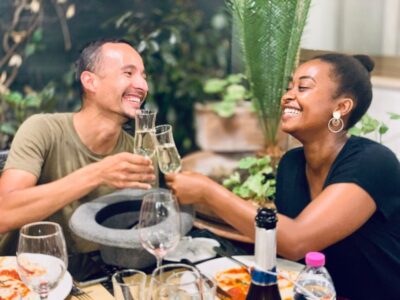
Pasta & Tiramisu Class with Fine Wine by the Vatican
Read our review →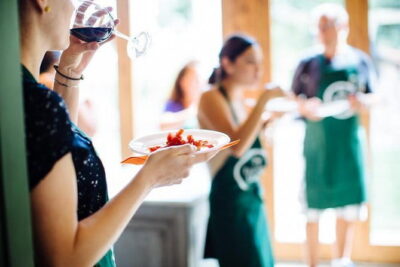
Cooking Class and Lunch at a Tuscan Farmhouse with Local Market Tour from Florence
Read our review →Browse the lists this tour appears in