
Reviewed · GENOA TOURS
Guided Tour of Rolli Palaces UNESCO Site, Genoa
Genoa’s Rolli Palaces turn a walk down Via Garibaldi into a tour of aristocratic power. For $16, you enter Palazzo Rosso, Palazzo Lomellino, Palazzo Tobia Pallavicino, and Palazzo Imperiale while learning how the republic housed visiting princes, cardinals, and ambassadors.
I like the mix of polished art rooms and less expected details, especially Palazzo Lomellino’s hidden fresco and the surprise garden. I also like the tour’s compact length and central meeting point. The main drawback is the bilingual format: every explanation is given in Italian and English, so the pace can feel slower if you speak only one language.
Key points to know before booking
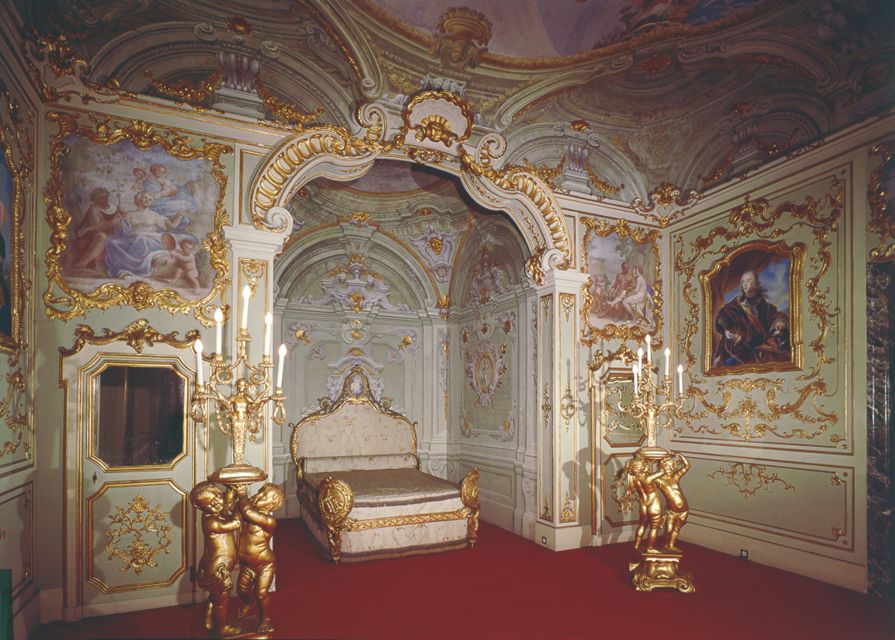
- Four very different palaces: You see art-filled rooms, a Golden Room, a fresco, a garden, and a grand staircase rather than one repeated palace interior.
- A $16 entry package: The price includes the guide and admission to all four named residences, including Palazzo Rosso and Palazzo Imperiale.
- Bilingual guiding: English and Italian are used throughout, with guides such as Ana, Manuela, Marina, and Fausta praised for clear presentations.
- A short but active walk: The tour lasts 2.5 hours and includes stairs, changes in level, courtyards, and palace interiors.
- A useful Genoa introduction: The tour explains the Rolli system and how Genoa’s leading families turned private homes into official lodging for state visitors.
- Good flexibility: You can cancel up to 24 hours ahead for a full refund and reserve now while paying later.
Why Genoa built the Rolli Palaces
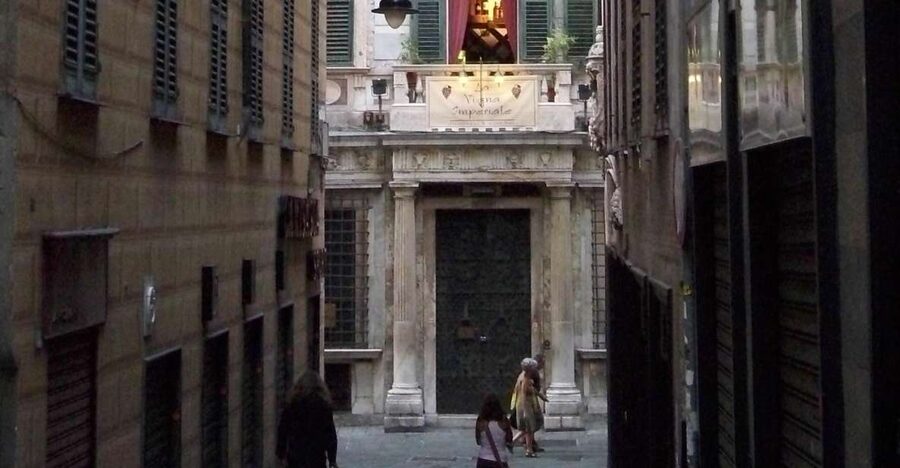
In the 16th and 17th centuries, Genoa entered its so-called Golden Century. Wealthy families built grand residences along the city’s main streets, using open staircases, courtyards, loggias, and garden terraces to show their status.
These were not simply private mansions. In 1576, the Senate of the Republic of Genoa created a formal system for hosting important visitors. Palaces were entered on parchment rolls, or Rolli, and placed into one of three balloting lists based on their size and splendor.
When a cardinal, prince, viceroy, landowner, or ambassador arrived, lots were drawn to decide which family had the privilege, and duty, of hosting them. It was an early state-run lodging system, long before the modern hotel industry.
That background makes the interiors easier to understand. The ornate rooms were not decoration for decoration’s sake. They were political tools. A palace had to impress a visiting dignitary, provide suitable rooms, and show that Genoa’s ruling families belonged among Europe’s powerful courts.
The Rolli Palaces became a UNESCO World Heritage Site in 2006. The designation covers a group of residences along Genoa’s historic streets, though this tour gives you access to a selected group rather than every palace in the system.
The Flemish painter Peter Paul Rubens saw the value of these buildings early. In the 17th century, he published drawings of Genoese palaces as models for the nobility of Antwerp. As you walk through the interiors, you can see why these buildings made such a strong impression.
A few other Italy mornings to weigh against this
- Colosseum, Roman Forum & Palatine Guided Tour
★ 4.7 · 63,148 reviews - Vatican Museums, Sistine Chapel & St Peter’s Basilica Guided Tour
★ 4.5 · 39,149 reviews - Rome: Colosseum, Palatine Hill and Roman Forum Guided Tour
★ 4.8 · 32,814 reviews
Starting on Via Garibaldi
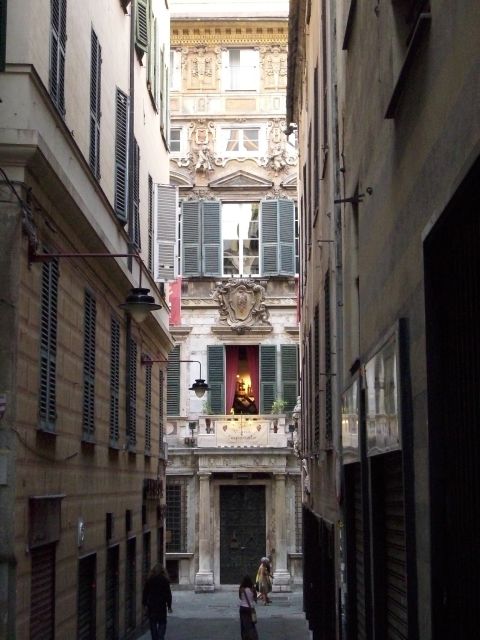
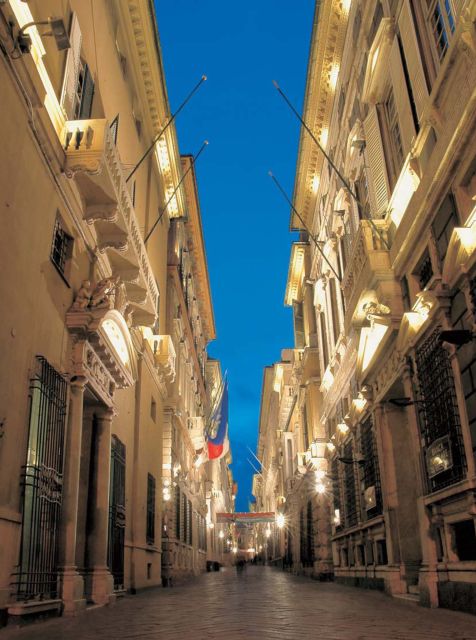
The meeting point is the Tourist Information Centre at Via Garibaldi 12red. This puts you directly on the street once known as Strada Nuova, the grand avenue lined with several of Genoa’s best-known aristocratic residences.
The street itself gives you useful context before the first interior. Palace fronts rise close together, but each building has its own entrance, courtyard, staircase, and internal arrangement. From the outside, you may see only a severe stone doorway. Inside, the plan opens up in unexpected ways.
The tour is guided in Italian and English by one bilingual guide. That arrangement has clear advantages: you can ask questions in either language, and the same guide leads the whole group through the story. Guides named in past departures include Ana, Manuela, Marina, and Fausta, all praised for lively and well-organized presentations.
The practical tradeoff is time. A bilingual explanation naturally takes longer than an English-only tour. One English-speaking participant found the switching between languages tiring, while others felt guides handled the two languages smoothly. Your experience will depend partly on the group and the guide, but you should expect a slower rhythm than on a single-language tour.
Palazzo Rosso and Genoa’s art-filled rooms
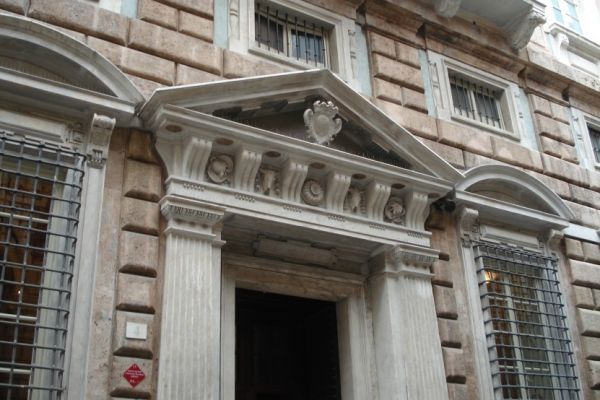
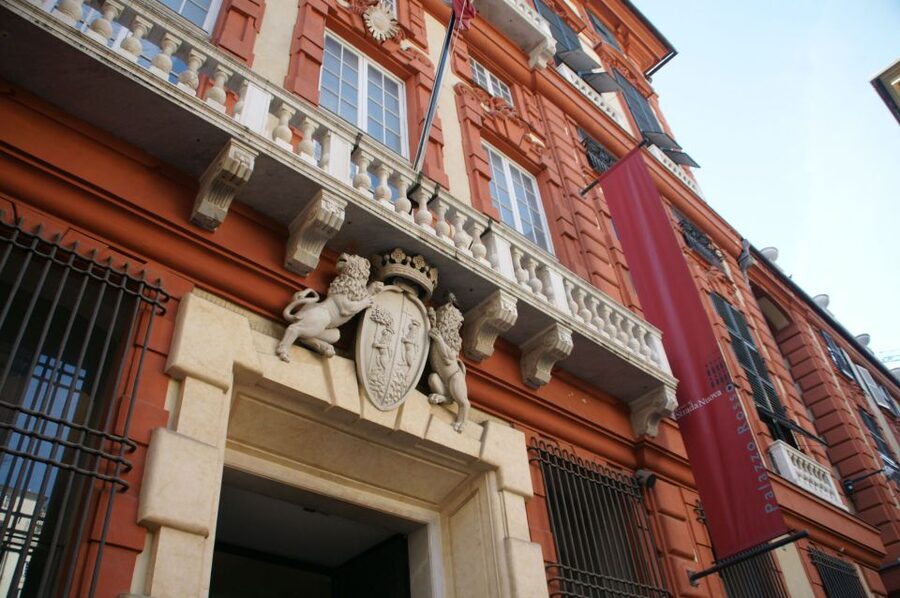
Palazzo Rosso is one of the three Strada Nuova museums, along with Palazzo Bianco and Palazzo Doria Tursi. This tour includes admission to Palazzo Rosso, giving you a chance to see both the building and its art collection.
The palace’s appeal is the combination of architecture and decoration. You move through rooms designed to display family wealth, with painted surfaces, grand proportions, and works of art arranged in a former noble residence rather than a purpose-built modern museum.
That setting matters. In a regular gallery, paintings often hang in plain rooms where the building fades into the background. Here, the ceiling, walls, floors, and doorways are part of the display. You get a sense of how a wealthy Genoese family wanted guests to feel when they entered.
The tour focuses on the beautiful rooms rather than trying to cover every object in the museum. That is a sensible choice during a 2.5-hour walk. You receive the building’s story and a selection of art without turning the visit into an exhausting catalog of names and dates.
A rooftop or upper-level viewpoint has also been included on some departures, with one past visitor describing a 360-degree view from the top of Palazzo Rosso as a memorable finish. Treat that as a possible bonus rather than a guaranteed part of every itinerary, since the stated inclusions specifically promise Palazzo Rosso but do not list a rooftop visit.
Allow yourself extra time after the guided tour if art museums are a major reason you came to Genoa. The included visit gives you a strong introduction, but it is not designed to replace a long independent museum visit.
Palazzo Tobia Pallavicino and the Golden Room
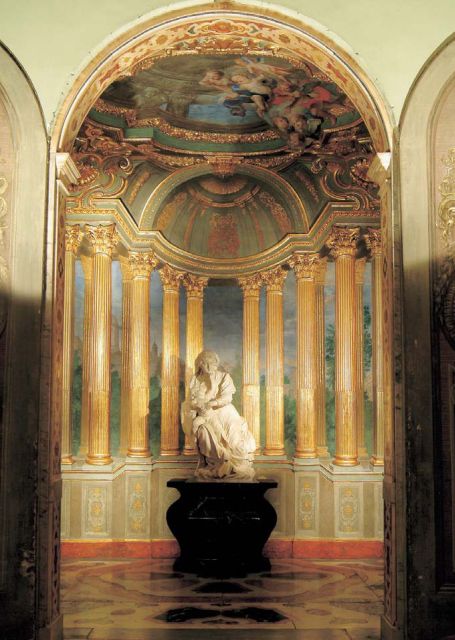
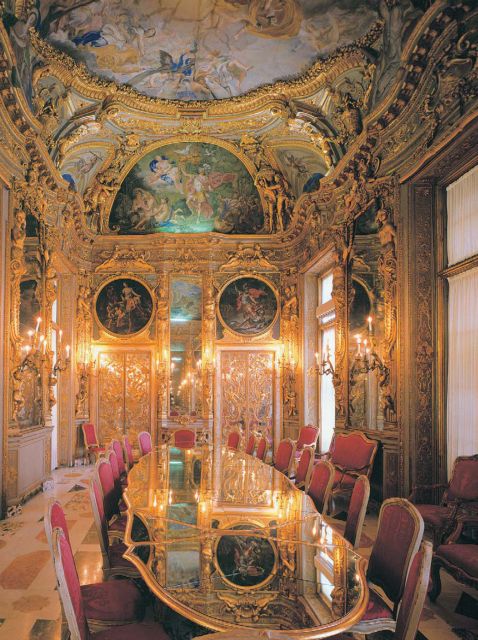
Palazzo Tobia Pallavicino brings the tour back to the idea of the palace as a stage for public life. Its most famous feature on this route is the Golden Room, a lavish interior designed to impress.
The name tells you what to look for, but the value of the visit goes beyond gold-colored decoration. The room shows how Genoese aristocrats used expensive materials, elaborate details, and controlled views to make social rank visible.
Your guide can connect this room to the larger Rolli system. A palace had to be impressive enough for the class of official assigned to it. The richer and larger the residence, the more important the visitor it could host.
This is also a good place to notice the difference between a functioning home and a museum display. The rooms were meant for movement, ceremony, conversation, and reception. Grand spaces were arranged to guide visitors from one impressive feature to the next.
Because the tour includes four palaces, you can compare the interiors instead of judging each one in isolation. Palazzo Rosso feels tied to the city’s museum tradition, while Palazzo Tobia Pallavicino presents the theatrical side of noble hospitality.
Same city, an entirely different afternoon:
- Vatican: Museums & Sistine Chapel Entrance Ticket
★ 4.5 · 144,003 reviews - Vatican Museums & Sistine Chapel Tour with Optional Basilica
★ 4.3 · 67,413 reviews - Milan: Cathedral and Duomo’s Terraces Entrance Ticket
★ 4.6 · 61,054 reviews - Venice: Doge’s Palace Reserved Entry Ticket
★ 4.6 · 42,716 reviews
Palazzo Lomellino and the unexpected fresco
Palazzo Lomellino is one of the tour’s more surprising stops. The itinerary includes a visit to the palace and a hidden fresco, along with access to a garden area that past participants have remembered as an unexpected highlight.
This stop helps you see why a palace visit should not be reduced to a list of famous rooms. The concealed artwork rewards attention and gives the building a sense of discovery without requiring a long museum search.
The garden is another welcome change after the decorated interiors. Genoese palaces were often built at different levels, with courtyards, loggias, and gardens fitted into the city’s steep urban form. A garden tucked behind a street facade shows how these residences created private outdoor space within a dense historic center.
One past guide even added several botteghe storiche, or historic shops, to the story of Genoa. They were not a formal stop listed in the tour, but the detail shows how a good guide can connect the palaces to the wider street around them. Do not count on an extended shop visit, but do listen for these side notes if your guide offers them.
Palazzo Lomellino is likely to appeal most if you enjoy details that are easy to miss. The Golden Room is immediately obvious. A concealed fresco or garden takes a more watchful eye.
Palazzo Imperiale and the staircases
Palazzo Imperiale supplies some of the tour’s most physical architecture. Admission is included, and the route takes you onto its magnificent stairs.
The stairways matter because Rolli palaces were built on complicated urban sites. Genoa rises sharply from the harbor, so residences often occupy different levels. Open staircases and internal flights linked entrance halls, reception rooms, courtyards, loggias, and upper floors.
You should be ready for steps. One past participant specifically advised visitors to prepare for lots of them, while another found the walk less tiring than expected. Both points can be true: the route is manageable for many people, but it is not a flat museum circuit.
Take your time on the stairs and look at how the architecture frames the space. A grand staircase was not merely a way to reach another room. It created an arrival sequence, giving an important guest a sense of ceremony before entering the main reception areas.
The tour may not include every floor or every room in each building. One participant wished the palace visits covered more of the buildings rather than only one floor in some cases. That is the tradeoff for seeing four residences in 2.5 hours. You get variety and access, but not a full architectural survey of each palace.
How the guiding affects the experience
The strongest part of this tour is the guide’s role in making the palaces readable. Without context, you might notice painted ceilings, expensive finishes, and large staircases without understanding how they fit Genoa’s political system.
The guides associated with past departures have included Ana, Manuela, Marina, Fausta, Barbara, Christina, and others. Ana was praised for a clear, funny bilingual presentation and for answering even very basic questions with patience. Manuela was described as generous with her time and especially good at English. Another guide, Fausta, was noted for switching languages without losing the group’s attention.
Those details point to what you should expect from a good departure: a mixture of dates, family stories, art explanations, and practical observations about the buildings. The best guides do not simply recite facts. They explain why the Rolli system existed and how the rooms served real social purposes.
Still, bilingual guiding requires patience. If the group is evenly split between Italian and English speakers, each point is delivered twice. Some people find that useful because the guide can clarify ideas in two ways. If you want a fast English-only tour, this may not be the right format.
The activity is listed as a small-group experience when available. Group size can affect the ease of hearing the guide and the time spent gathering between palaces. It is worth checking the selected departure when booking.
Is four palaces in 2.5 hours good value?
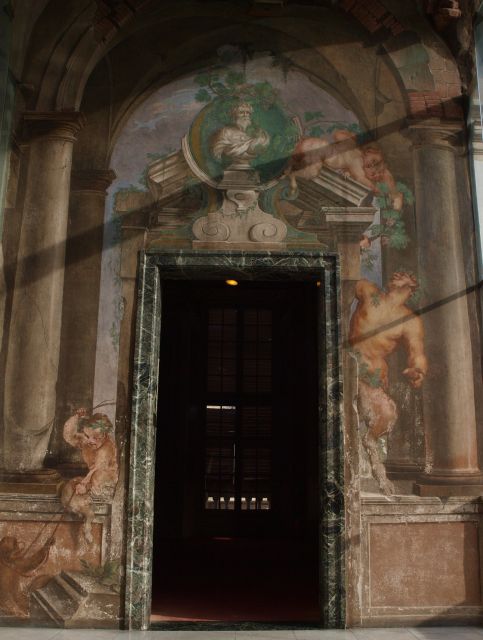
At $16 per person, the tour is inexpensive for an experience that includes a guide and entrance to four named palaces. Palazzo Rosso, Palazzo Lomellino, Palazzo Tobia Pallavicino, and Palazzo Imperiale each add something different, so the price is not paying for one short doorway visit.
I see the value in the structure. You do not need to work out which palaces are open, how to connect them, or what you are looking at once inside. The guide provides the story, while the admission fees are bundled into one straightforward outing.
The limit is depth. You cannot fully explore four large residences, study every painting, and linger in every courtyard within 2.5 hours. If you already know Genoa’s palace system and want extensive museum time, independent visits may suit you better.
For a first visit to Genoa, the tour makes a strong introduction. It gives you a framework for returning to Via Garibaldi on your own, perhaps to spend longer at Palazzo Rosso or visit other museums in the Strada Nuova group.
The cancellation policy adds useful flexibility. You can cancel up to 24 hours before the tour for a full refund, and the reserve-now, pay-later option lets you hold a place without paying immediately.
Who should book this palace walk?
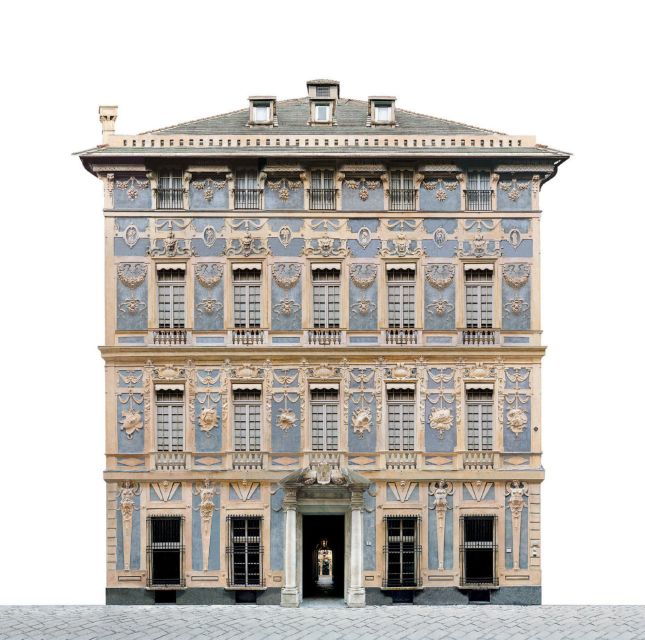
I would choose this tour if you want Genoa’s major historic buildings explained rather than simply photographed. It suits first-time visitors, architecture fans, art lovers, and anyone curious about how a republic managed visits from Europe’s elite.
It also works well for a short stay. The meeting point is central, the duration is contained, and the four stops create a clear two-and-a-half-hour plan. You can place it early in your Genoa visit and use the guide’s orientation to shape the rest of your time.
Families and mixed-language groups may also find the format useful, provided everyone accepts the slower pace of Italian and English explanations. The guide can answer questions in both languages, and past guides have been praised for keeping the mood friendly.
I would think twice if stairs are difficult for you, since the route includes grand staircases and buildings set at different levels. The activity information does not provide detailed accessibility guidance, so contact the provider before booking if you need step-free access or other accommodations.
Should you book the Rolli Palaces tour?
Book it if you want four palace interiors for $16, a clear introduction to Genoa’s Golden Century, and a guide who can connect art, architecture, and the Rolli hosting system. Palazzo Rosso and the Golden Room provide the expected grandeur, while Palazzo Lomellino’s fresco and garden add welcome surprises.
Skip it if you want a quiet, self-paced museum visit or a single-language tour with no repeated explanations. The bilingual format is the only consistent concern, and the short schedule means some palaces receive a selective visit rather than a complete tour.
For most first-time visitors, I think the balance is favorable. The route is affordable, central, historically focused, and varied enough to keep the two-and-a-half hours moving.
FAQ
How much does the Rolli Palaces tour cost?
The tour costs $16 per person.
How long does the tour last?
The guided tour lasts 2.5 hours.
Where does the tour meet?
It starts at the Tourist Information Centre, Via Garibaldi, 12red, 16124 Genova GE, Italy.
Which languages are offered?
The tour is conducted in English and Italian by a bilingual guide.
Which palaces are included?
The experience includes Palazzo Rosso, Palazzo Lomellino, Palazzo Tobia Pallavicino, and Palazzo Imperiale.
Is entrance included?
Yes. Admission to Palazzo Rosso and Palazzo Imperiale is included, along with visits to Palazzo Lomellino and Palazzo Tobia Pallavicino.
Is a small group available?
Yes. A small-group option is available.
Can I cancel the tour?
You can cancel up to 24 hours in advance for a full refund. You can also reserve now and pay later.
Fresh on the Italy list
- Florence: Uffizi Guided Tour with Skip-the-Line Entry Ticket★ 4.8 · 499 reviews
- Milan: Last Supper and Sforza Castle Guided Tour★ 4.6 · 498 reviews
- Boat trip La Maddalena Archipelago – Departure from Palau★ 4.5 · 499 reviews
- Turin: Egyptian Museum Skip-the-Line Group Tour★ 4.7 · 500 reviews
- Exclusive Golf Tour Private VIP with Local & Gelato o Wine★ 5.0 · 500 reviews
- Itria Valley: Polignano, Ostuni, and Locorotondo, from Bari★ 4.6 · 502 reviews
- Colosseum, Palatine Hill and Roman Forum with Guided Tour★ 5.0 · 500 reviews
- Catania: Etna Nature Tour with Hiking, Cave Visit, & Tasting★ 4.7 · 502 reviews
Genoa Tours, compared.




Cetacean Watching Cruise with Marine Biologist Guide
Read our review →
2-Hour Guided Walking Tour of the Historical Center
Read our review →
Boat Tour to Portofino with Free Time to Explore
Read our review →Browse the lists this tour appears in