
Reviewed · CRUISES & BOAT TOURS
Genoa: Cetacean Watching Cruise with Marine Biologist Guide
The best part of this cruise is the chance to see dolphins and whales where they actually live, far from tanks and staged shows. From Genoa, you head into the Pelagos Sanctuary with a marine biologist explaining what you are looking for, how these animals feed, and why this protected stretch of sea matters.
I like the 95 percent stated sighting rate, though no wildlife trip can promise an animal on cue. I also like the free return option within one year if you see no cetaceans at all. The main drawback is simple: 4.5 hours is a long time on open water, especially if the sea is rough or the animals stay out of sight.
Key points to know before booking
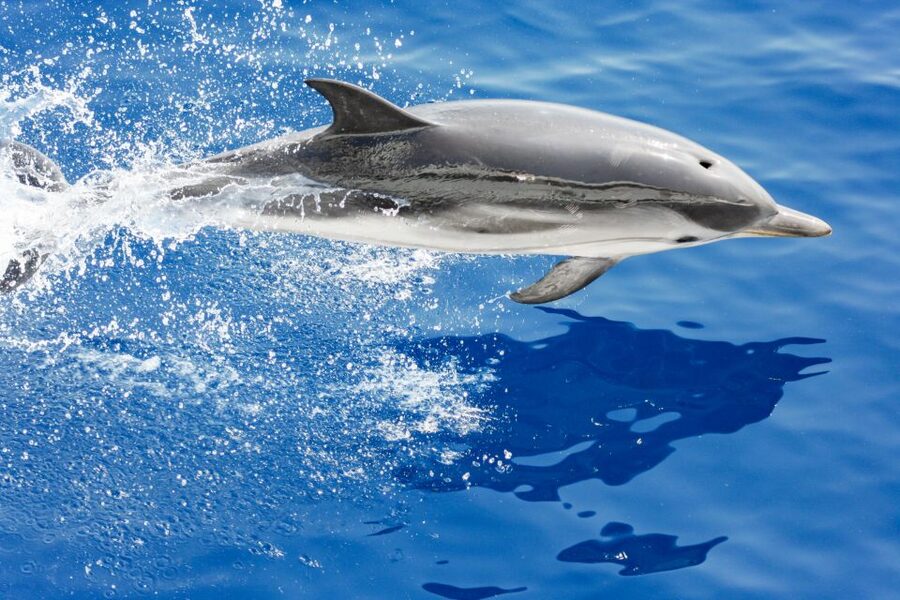
- Dolphins are the most likely reward: Groups of striped, bottlenose, and short-beaked common dolphins are among the species you may see.
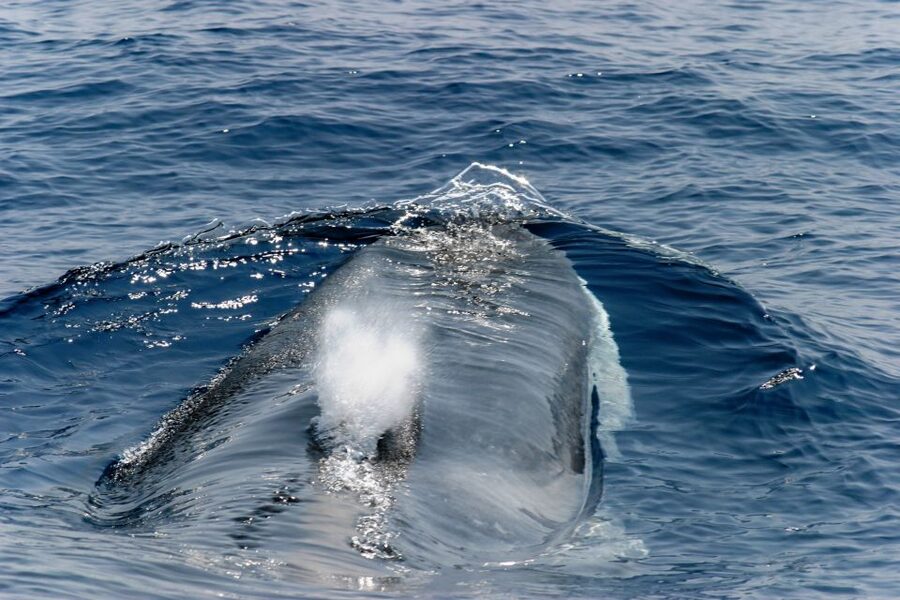
- Whales are possible but less certain: Fin whales, sperm whales, Cuvier’s beaked whales, and long-finned pilot whales inhabit the sanctuary.
- A marine biologist leads the outing: The guide explains behavior, feeding habits, species, and conservation in Italian and English.
- The trip leaves from Genoa’s Aquarium Pier: Find the partner’s ticket office on the left side at the beginning of the pier.
- Bring layers and sturdy comfort: The boat has indoor and outdoor seating, a toilet, and a paid bar service, but snacks and drinks are not included.
- No-sighting protection adds value: If no cetaceans are spotted, you can return free within one year with a new reservation and your original ticket.
Leaving from Genoa’s Aquarium Pier
The meeting point is easy to place if you know Genoa’s waterfront. Go to the beginning of the Aquarium Pier at Ponte Spinola and look for the Consorzio Liguria Via Mare ticket office on the left side.
Arrive at least 15 minutes before departure. That small time cushion matters because the cruise has two possible boarding references, both tied to Ponte Spinola and the Consorzio Liguria Via Mare office. Do not cut it close by arriving at the aquarium at departure time.
The cruise costs about $53 per person. For a 4.5-hour marine wildlife trip with a specialist guide, that is a fair price, especially when you consider the possible free return if the boat sees no cetaceans. It is not a bargain in the way a short harbor ride might be, but you are paying for time in the sanctuary and for expert interpretation, not just transportation.
The activity is wheelchair accessible. Smoking and pets are not allowed. The boat has indoor and outdoor seats, which gives you a choice between shelter and a better view of the water.
More boat trips in Italy:
- Boat Trip: Glimpse of Murano, Torcello & Burano Islands
★ 4.3 · 15,699 reviews - Venice: Burano, Torcello & Murano Boat Tour w/Glassblowing
★ 4.4 · 10,245 reviews - From Milan: Como & Bellagio with Private Lake Como Cruise
★ 4.6 · 9,788 reviews
Why the Pelagos Sanctuary matters
The Pelagos Sanctuary is a large protected area in the Mediterranean created to support marine mammals. The introductory briefing gives you the basic story of the sanctuary, its conservation programs, and the species that use these waters.
That opening talk is more than filler while everyone settles in. It helps you understand why the boat moves toward certain areas and why the crew does not simply chase every animal that appears. You learn to watch for a distant blow, a dorsal fin, a sudden splash, or the arc of a dolphin moving through the waves.
The sanctuary is home to several kinds of cetaceans. The list includes fin whales, sperm whales, Cuvier’s beaked whales, Risso’s dolphins, long-finned pilot whales, striped dolphins, bottlenose dolphins, and short-beaked common dolphins.
You should keep your expectations realistic. The presence of so many species does not mean you will see them all in one outing. A dolphin pod may offer repeated views, while a whale may surface only briefly before disappearing again.
Four and a half hours on the open sea
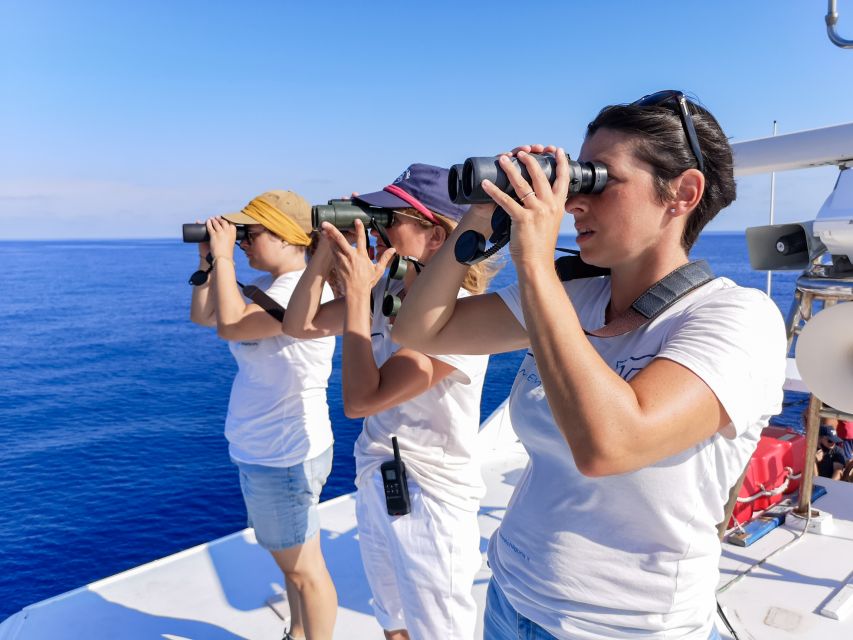
Once the boat leaves Genoa, the main activity is patient searching. This is not a short circuit with guaranteed scenery at fixed points. The crew heads toward areas considered favorable for marine mammal sightings, then watches, waits, and adjusts its search.
That waiting can be exciting. You may find yourself scanning a wide section of water for a small movement, then suddenly hearing that an animal has been spotted. A dolphin may appear beside the boat, or a group may move across the surface in a quick series of jumps.
The cruise follows non-disturbance rules when approaching marine mammals. That is important. Good wildlife watching gives animals room to behave naturally, even if that means your photograph is not perfect or your view lasts only a few seconds.
A four-and-a-half-hour schedule gives the crew time to search beyond the immediate coast. It also creates the chief challenge of the outing. If the animals are scarce, the middle portion can feel repetitive. One person described the length as tiring even after seeing several dolphin groups and a sperm whale.
I would treat the time as part of the wildlife experience rather than a promise of nonstop action. Bring patience, accept that the sea sets the schedule, and avoid booking this as your only activity of the day if you need a tightly packed itinerary.
What you may see in the sanctuary
Dolphins are the most realistic focus for many people. Large groups can appear, and a single outing may include different dolphin species. Striped dolphins, bottlenose dolphins, and short-beaked common dolphins are all listed among the regular possibilities.
Dolphin encounters can be the most rewarding part of the trip because the animals may remain near the boat for a while. Their movement is easier to follow than a whale surfacing far away, and their jumps can produce the photographs most people hope to take.
Whales are possible, but you should think of them as a bonus rather than the main guarantee. Fin whales and sperm whales are among the larger species associated with the sanctuary. Cuvier’s beaked whales and long-finned pilot whales are also possible, along with Risso’s dolphins.
A sperm whale sighting can be brief. It may surface, show part of its body, and begin another descent before the boat gets close. That can feel anticlimactic if you expected a long, clear view, but it is still a genuine encounter with an animal following its own routine.
Humpback whales are not listed among the expected species, so do not book this cruise with a specific humpback sighting in mind. The sanctuary offers a better reason to go: a chance to meet several Mediterranean cetacean species in their natural setting.
A few other Italy mornings to weigh against this
- Colosseum, Roman Forum & Palatine Guided Tour
★ 4.7 · 63,148 reviews - Vatican Museums, Sistine Chapel & St Peter’s Basilica Guided Tour
★ 4.5 · 39,149 reviews - Rome: Colosseum, Palatine Hill and Roman Forum Guided Tour
★ 4.8 · 32,814 reviews - Rome: Guided Tour of Colosseum, Roman Forum & Palatine Hill
★ 4.7 · 27,897 reviews
Learning from the marine biologist
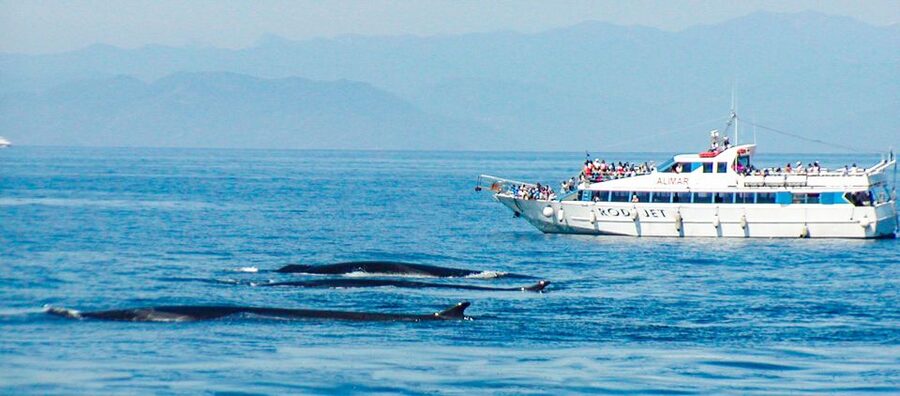
The guide is a central part of the experience. The live commentary is offered in Italian and English, and you can ask questions about the sanctuary, the animals, their diets, and their behavior.
You will hear why certain species feed in particular ways, how they move through the water, and what to notice when one surfaces. That context turns a distant fin or splash into something more meaningful.
The bilingual format has one practical downside. Information may be repeated in both languages, so announcements can run long. One report also found some English explanations difficult to understand, along with loud speaker announcements and an unpleasant voice. That will not affect every departure, but it is worth knowing if clear spoken English is very important to you.
I would stay near the guide when possible and ask questions during quieter moments. The value of a marine biologist is not only in identifying a species. It is in helping you understand what the animal is doing and why the crew keeps a respectful distance.
Photography, seating, and onboard comfort
Bring your camera, but also bring realistic expectations. Wildlife photography from a moving boat is hard. A dolphin may surface on the opposite side, and a whale may appear for only a few seconds.
Keep your phone or camera ready, but do not watch the entire cruise through a screen. You can miss the animal while trying to frame it. Wide shots are often more useful than a tight zoom because sightings may happen at a distance.
Wear comfortable shoes and clothing suited to the weather. Conditions at sea can feel different from conditions on the quay, so an extra layer is sensible even on a warm day. The boat provides indoor and outdoor seating, allowing you to move inside if the weather turns unpleasant.
A toilet is available onboard. Snacks and drinks are not included, though a bar service operates for purchases. If you need regular refreshments, plan to buy them onboard or eat before departure. Merchandise is also not included.
The boat is wheelchair accessible, which makes this outing possible for more people than many small wildlife boats. You should still confirm any personal boarding needs when booking, since accessibility can depend on the exact vessel and conditions.
Weather, sea conditions, and the no-sighting policy
The cruise can be canceled one day before departure if the weather or sea conditions are unsuitable. That is a sensible safety rule, not a flaw. Wildlife watching in rough water is unpleasant, and a marine mammal trip should not put comfort or safety ahead of the animals and crew.
You can cancel up to 24 hours before departure for a full refund. The reserve-now, pay-later option also helps if your Genoa schedule is still changing.
The stated chance of seeing cetaceans is about 95 percent, but that figure does not turn wildlife into a scheduled performance. You may see a large number of dolphins and no whales. You may spot a sperm whale only as it begins to descend. You may also have a quieter day.
The free return policy softens that risk. If no cetaceans are spotted, you can return within one year from the date of the excursion. You must make a new reservation through the company website and present the original ticket for the no-sighting date at the boarding gate.
That is a useful safeguard, but read it correctly. It applies when no cetaceans are seen, not when you hoped for a fin whale and saw dolphins instead. A dolphin sighting counts as a successful wildlife outing even if your preferred species does not appear.
Who will enjoy this cruise most
I would recommend this trip to anyone who enjoys wildlife, marine science, and unhurried time outdoors. It suits families with older children who can remain patient, couples looking for a different Genoa activity, and photographers who understand that the best image may come without warning.
It is also a good choice if you want more than a simple boat ride. The conservation briefing and guide commentary give the trip purpose, especially if you are curious about how protected sea areas work.
Think carefully before booking if you dislike open water, get seasick, or need constant activity. The experience lasts 4.5 hours, and the boat cannot control the weather, the swell, or the animals’ movements.
You should also avoid making this a fixed highlight on a very tight schedule. A cancellation due to sea conditions or a longer-feeling search can affect the rest of your day.
Booking advice for a better day at sea
Choose a day when you can keep your schedule flexible. If the cruise is canceled for weather, you will need room to move it to another date.
Arrive early, dress for changing conditions, and bring a camera with enough battery power. Comfortable shoes matter more than stylish ones, and a light layer can make the difference between enjoying the outdoor deck and retreating indoors.
Read the species list before you go. It helps you appreciate the sighting you receive rather than measuring the trip against one animal you wanted most.
The operator also allows free cancellation up to 24 hours before departure and offers reserve-now, pay-later booking. Those terms are helpful for a weather-sensitive activity, particularly if you are building a multi-day Genoa itinerary.
Should you book the Genoa cetacean cruise?
Book it if you want a serious wildlife outing with a marine biologist, are happy to spend half a day at sea, and value the chance to see dolphins and whales in the Pelagos Sanctuary. The high reported sighting rate, bilingual guide, onboard facilities, and free return after a no-sighting trip make the $53 price reasonable.
Skip it if you need guaranteed whale sightings, dislike waiting, or have little tolerance for rough water and repeated bilingual announcements. For the right person, the payoff is not just a dramatic breach. It is the chance to watch Mediterranean marine life on its own terms, with enough explanation to understand what you are seeing.
FAQ
Where does the cruise depart from?
The meeting point is the local partner’s ticket office at the beginning of the Aquarium Pier at Ponte Spinola. The office is on the left side.
How early should I arrive?
Arrive at least 15 minutes before departure.
How long does the cruise last?
The cetacean-watching experience lasts 4.5 hours.
What languages are available?
The live guide service is available in Italian and English.
Is the boat wheelchair accessible?
Yes, the activity is listed as wheelchair accessible.
Which animals might I see?
Possible species include fin whales, sperm whales, Cuvier’s beaked whales, Risso’s dolphins, long-finned pilot whales, striped dolphins, bottlenose dolphins, and short-beaked common dolphins.
Are cetacean sightings guaranteed?
No. Sightings are common, with a stated rate of about 95 percent, but they cannot be guaranteed.
What happens if no cetaceans are seen?
You may return free within one year from the excursion date. You must make a new reservation on the company website and bring the original ticket for the no-sighting date to the boarding gate.
Are food and drinks included?
No. Snacks and drinks are not included, but paid bar service is available onboard.
Can I cancel the booking?
Yes. You can cancel up to 24 hours in advance for a full refund. You can also reserve now and pay later.
Fresh on the Italy list
- Florence: Uffizi Guided Tour with Skip-the-Line Entry Ticket★ 4.8 · 499 reviews
- Milan: Last Supper and Sforza Castle Guided Tour★ 4.6 · 498 reviews
- Boat trip La Maddalena Archipelago – Departure from Palau★ 4.5 · 499 reviews
- Exclusive Golf Tour Private VIP with Local & Gelato o Wine★ 5.0 · 500 reviews
- Turin: Egyptian Museum Skip-the-Line Group Tour★ 4.7 · 500 reviews
- Itria Valley: Polignano, Ostuni, and Locorotondo, from Bari★ 4.6 · 502 reviews
- Colosseum, Palatine Hill and Roman Forum with Guided Tour★ 5.0 · 500 reviews
- Catania: Etna Nature Tour with Hiking, Cave Visit, & Tasting★ 4.7 · 502 reviews
Cruises & Boat Tours, compared.
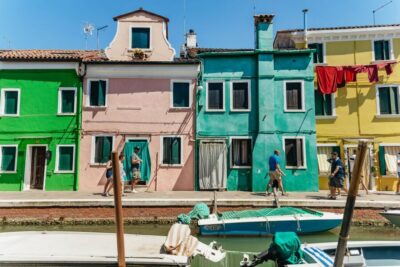
Boat Trip: Glimpse of Murano, Torcello & Burano Islands
Read our review →
Burano, Torcello & Murano Boat Tour w/Glassblowing
Read our review →
Como & Bellagio with Private Lake Como Cruise
Read our review →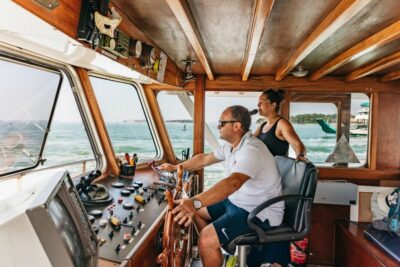
Murano and Burano Boat Tour with Glass Factory Visit
Read our review →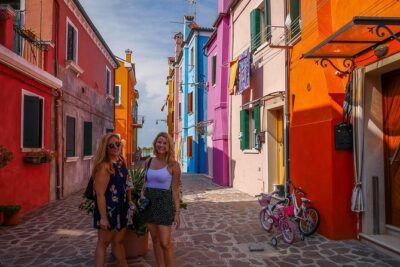
Murano & Burano Islands Guided Small-Group Tour by Private Boat
Read our review →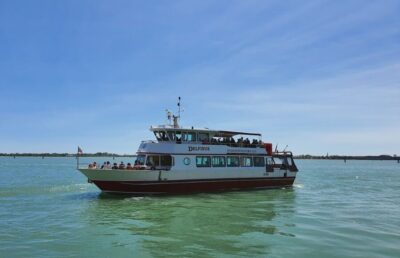
Murano & Burano Panoramic Boat Tour w/ Glassblowing
Read our review →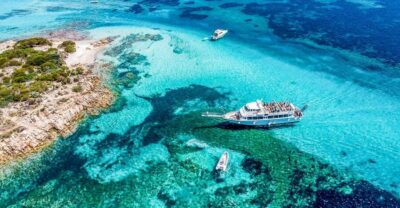
Browse the lists this tour appears in