
Reviewed · WALKING TOURS
Siena: 3h Private City Walking Tour with Optional Cathedral
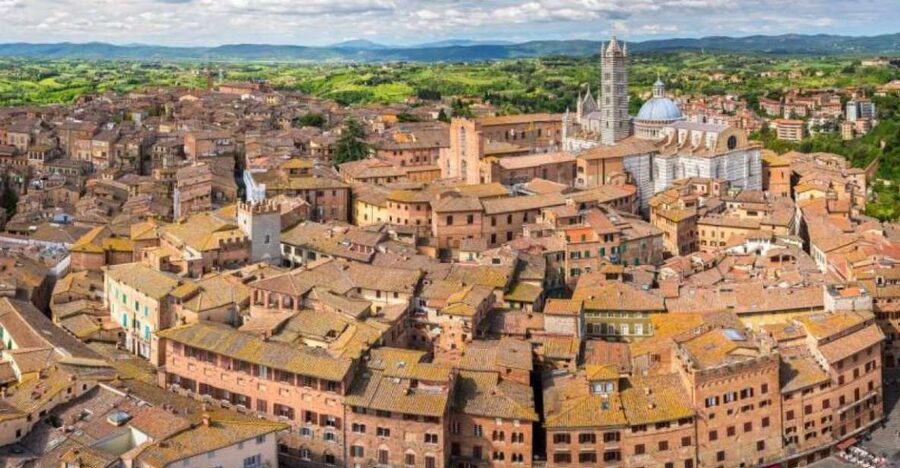
Siena’s medieval character comes alive best through its stories, and this private walk gives you those stories in a focused three-hour route. You’ll trace the city’s grand squares, Saint Catherine’s footsteps, and the colorful world of the Palio and its contrade, or neighborhood communities.
I like the private format, which lets the guide adjust the pace and explain details rather than delivering a speech to a crowd. I also like the route’s finish at the Duomo, especially if you add the cathedral option and see its remarkable marble work with a guide such as Mare, Ludovica, or Ludmila.
The main consideration is cost: at $164.26 per person, this is not a budget walk, especially since the cathedral ticket and museum fees are extra. It makes the best sense for couples, families, or small groups who value personal attention and want a strong introduction to Siena in one morning or afternoon.
Key points to know before booking
- Saint Catherine shapes the route: Start at her basilica and continue to the sanctuary where she lived with her family.
- The private group keeps the walk personal: You can ask questions and set a comfortable pace with a dedicated guide.
- The Palio gets proper context: Learn how Siena’s contrade shape local identity, not just how the famous horse race works.
- Piazza del Campo anchors the tour: See the Palazzo Pubblico, the shell-shaped square, and the civic heart of Siena.
- The Duomo is optional: Add the guided cathedral visit if you want help understanding its marble designs and artworks.
- Comfortable shoes and modest clothing matter: The route is on foot, churches require covered knees and shoulders, and the tour runs in all weather.
Why a private walk helps you read Siena
Siena can look simple at first glance: a handsome square, narrow lanes, striped churches, and old palaces. The details make more sense once someone explains how the city’s neighborhoods, saints, rivalries, and civic buildings fit together.
That is the strength of this tour. It does not try to cover every museum or church in town. Instead, it gives you a clear path through Siena’s central sights, with stops for photographs and explanations along the way.
A private guide also gives you room to ask the questions that often get skipped on a large group tour. You can ask about the Palio, Saint Catherine, the contrade, or why one building has UNESCO World Heritage status while another nearby does not.
The available guide languages are Italian, English, and Spanish. Guides named in the tour feedback include Mare, Ludovica, and Ludmila. Their strongest qualities are described as clear speaking, enthusiasm for Siena, and an ability to connect formal history with local traditions.
A few other Siena mornings to weigh against this
- Eat Like a Local: Venice 3-Hour Small-Group Food Tasting Tour
★ 5.0 · 3,137 reviews - Jewish Ghetto and Synagogues with Jewish Roman Guide 3 Hours
★ 5.0 · 907 reviews - Naples: The Holy Mile 3-Hour Guided Tour
★ 4.9 · 711 reviews
Starting at Basilica Cateriniana San Domenico
The meeting point is in front of the Basilica Cateriniana San Domenico, under the big tree. This is a practical place to begin because the basilica gives the tour an immediate subject: Saint Catherine of Siena.
Saint Catherine is one of Siena’s most important religious figures, and the basilica is connected with her relics. Your guide can explain her place in the city’s story before you set off through the streets.
This opening also gives you a useful orientation. Rather than beginning in the middle of a crowded square, you start at a major church and gradually work toward the civic center. The route then links religious Siena with political and commercial Siena.
The basilica is an active religious site, so keep your voice low and dress appropriately. As with the other churches on the route, your knees and shoulders must be covered if you enter.
Via Camporegio and the first photo stop
The stop at Via Camporegio is mainly for photographs. It provides a chance to pause after the opening visit and take in Siena from a different angle.
This is a good example of the tour’s rhythm. You are not pushed from one doorway to the next. The walk includes short pauses where you can take pictures, look around, and ask the guide to point out what you might otherwise miss.
I would keep your camera ready, but do not expect a long sightseeing stop here. It is a photo break within a larger walking route, not a separate attraction with a long visit inside.
Palazzo Tolomei and the old Banchi di Sopra
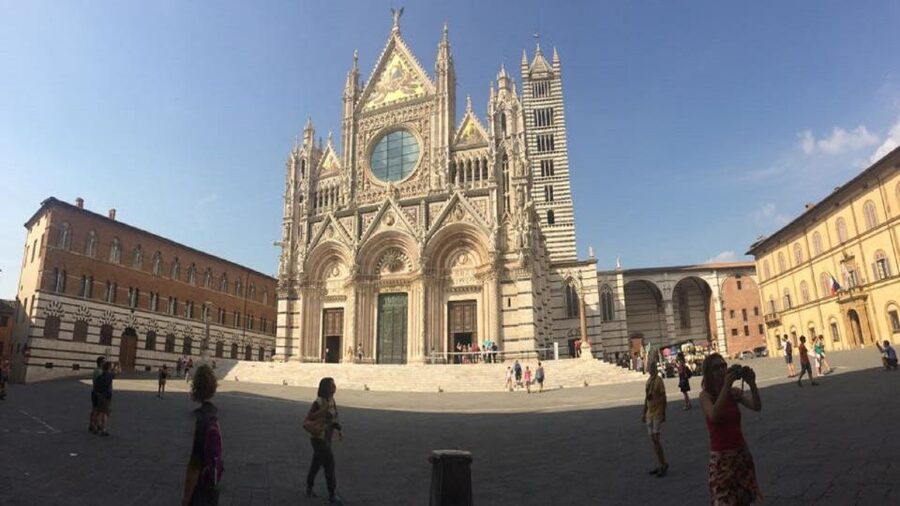
From the basilica, the route continues toward Palazzo Tolomei and the ancient Banchi di Sopra. This part of Siena helps you see how the city’s grand architecture is woven into ordinary streets.
Palazzo Tolomei is one of the city’s notable historic buildings. You will walk by and learn about its place in Siena rather than spend a long period inside. The focus is on the street-level story: how palaces, lanes, and commercial routes shaped the city.
Banchi di Sopra is one of Siena’s principal historic streets. The name points to its old commercial role, and the route gives you a sense of how the city’s main thoroughfare leads toward its great public spaces.
The guide’s local knowledge matters here. Without context, a handsome façade can become just another photograph. With explanation, you begin to see the competition, wealth, and civic pride behind Siena’s palaces.
More walking tours in Siena:
- Siena: Walking Tour and Skip-the-Line Duomo Tickets
★ 4.8 · 1,116 reviews - Skip the Line: Siena Duomo and City Walking Tour
★ 5.0 · 689 reviews - Siena Walking Tour with Cathedral and Crypt & Museum Option
★ 4.9 · 380 reviews - Discover Siena: Guided Walking Tour and Cathedral Visit
★ 4.3 · 314 reviews
Piazza del Campo, Siena’s great meeting place
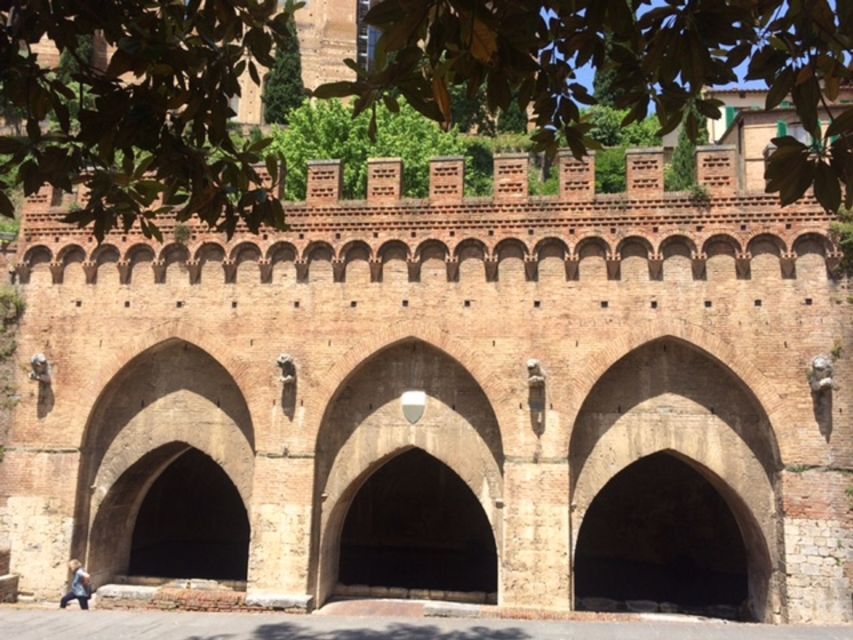
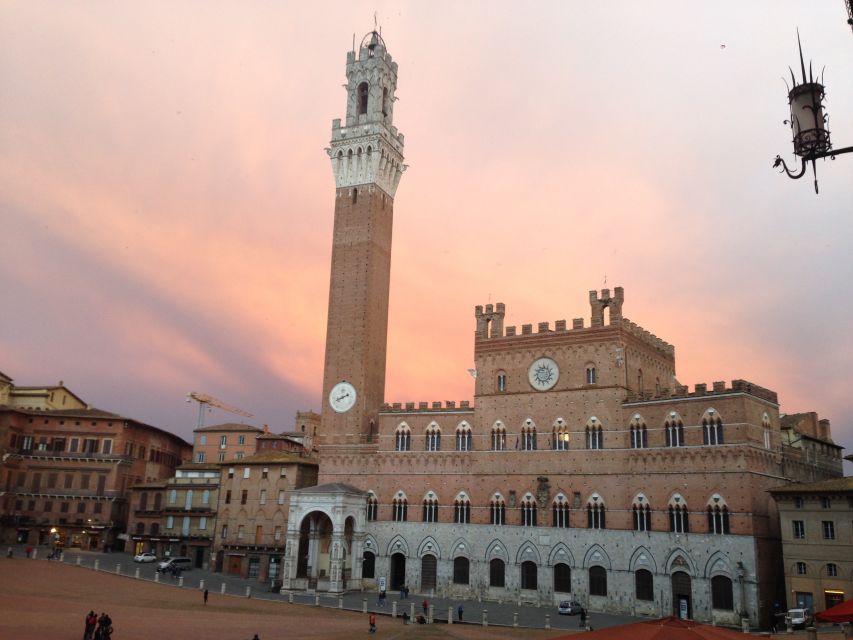
Piazza del Campo is the emotional center of the tour. Its broad, shell-shaped space is surrounded by historic buildings and remains the place most closely associated with Siena’s public life.
You will have time to photograph the square, walk through it, and hear about the Palazzo Pubblico. The square is also central to the Palio, Siena’s famous horse race, so this is where the city’s traditions start to feel especially tangible.
One of the tour’s best features is the explanation of the contrade. These are not merely decorative neighborhood names for the Palio. They are part of Siena’s local identity, with traditions and loyalties that help explain why the race matters so much.
The guide may also explain how the Palio connects to the city’s past and present. The most useful part is not memorizing race dates or contrada symbols. It is understanding that Siena’s neighborhoods carry a strong sense of belonging.
The square can be busy, and the ground is paved rather than smooth. Your guide will likely stop at several points, but you should expect to share the space with other people. This is one reason the private format helps: the group can pause without trying to keep a large crowd together.
Palazzo Pubblico and Siena’s civic story
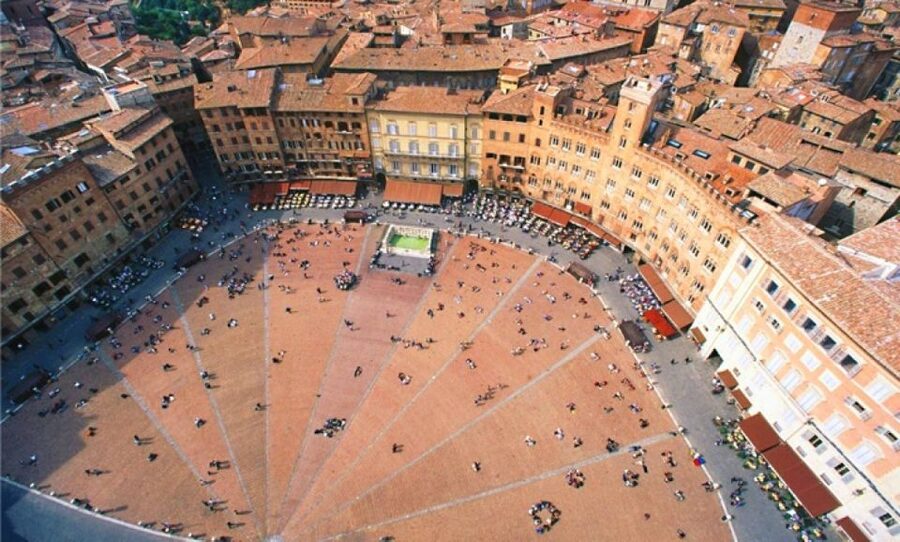
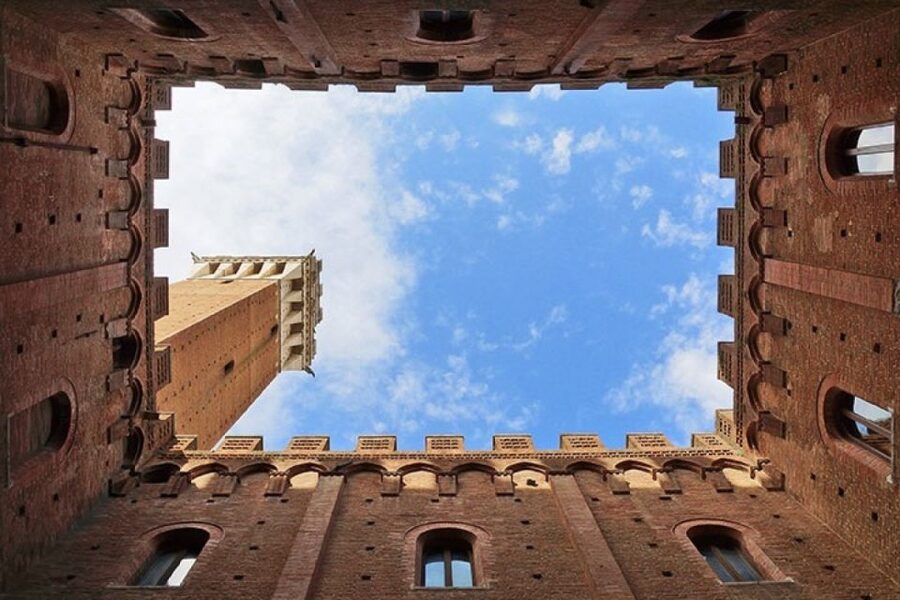
Palazzo Pubblico borders Piazza del Campo and gives the tour a civic counterpoint to the churches and shrines. It represents Siena as a self-governing medieval city, shaped by public decisions, rival families, and local pride.
The itinerary includes a visit and photo stop at the building, but museum entrance fees are not included. That distinction matters. You can see and discuss the palace from the outside as part of the walk, but a museum visit would involve an additional charge.
If you want to spend serious time inside the Palazzo Pubblico museum, this three-hour tour may not leave enough room for an extended visit. It is better suited to seeing the building in context and learning why it matters, rather than combining the walk with every interior room.
I like this balance. You get the building’s meaning without turning the entire experience into a museum tour. If you have only a short time in Siena, the guide helps you decide which interiors deserve a separate visit later.
The Duomo route and Saint Catherine’s sanctuary
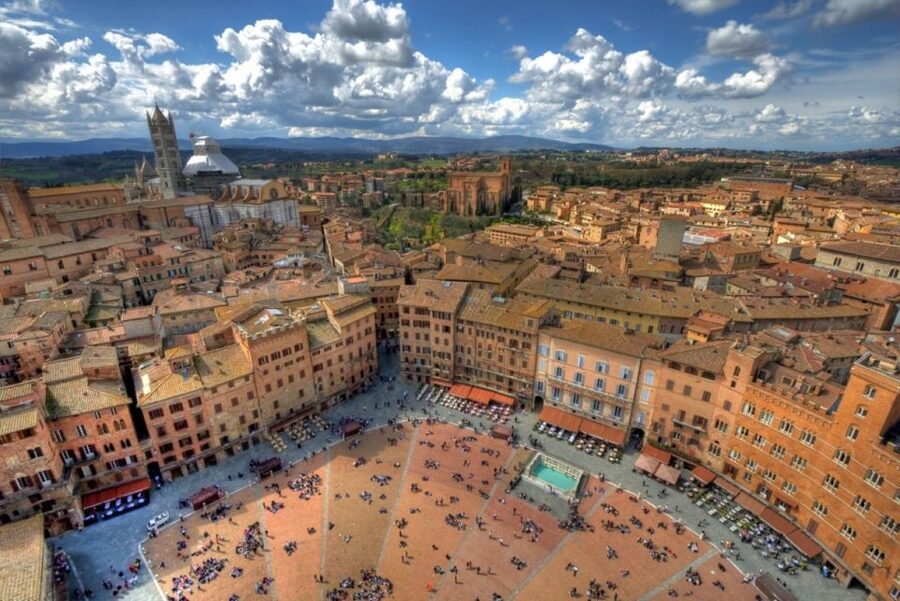
After the Campo and Palazzo Pubblico, the walk heads toward Piazza del Duomo. Along the way, you pass the Sanctuary of St. Catherine of Siena, where she once lived with her family.
This stop adds a personal side to the saint’s story. The basilica introduced her religious importance, while the sanctuary connects her to daily family life in Siena. Together, the two sites make her story easier to follow.
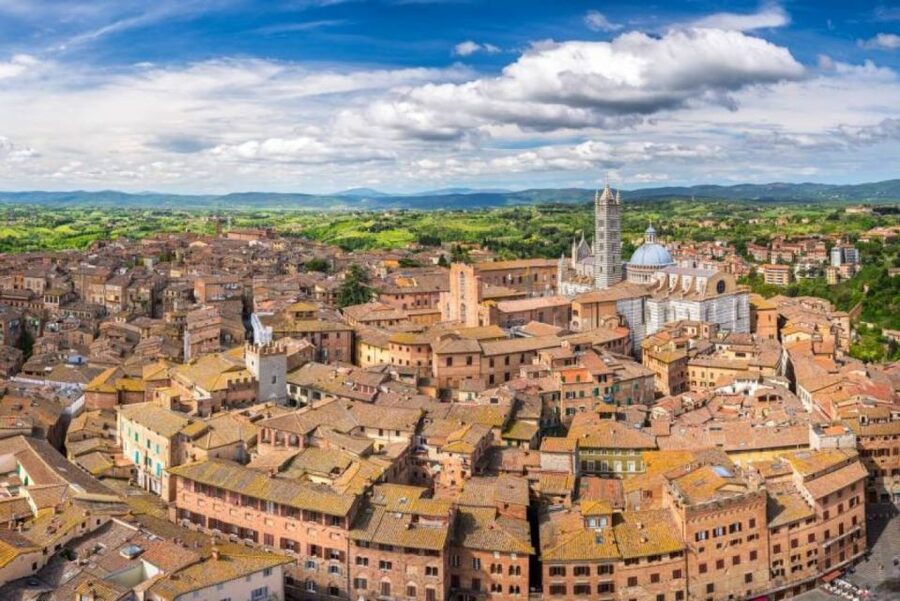
The route also passes the Baptistery and continues toward the Cathedral of Santa Maria della Scala, commonly called the Duomo di Siena. The exterior alone is worth your attention, with its strong black-and-white design and detailed decoration.
The tour ends in Piazza del Duomo, so you are well placed to continue sightseeing afterward. That is useful if you want to visit the cathedral independently, explore nearby museums, or stop for a meal after the walking portion.
Adding the optional Siena Cathedral visit
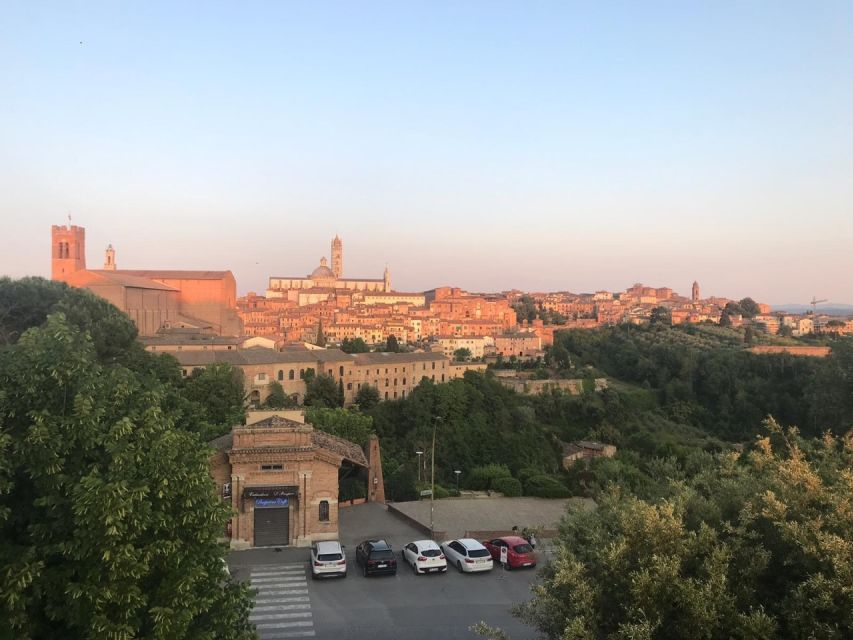
The cathedral option is the key upgrade. If you book it, the guide takes you inside for a closer look at the art and decoration. The visit can help you understand the layers of marble work and the contributions of major Italian artists.
The interior is not just a pretty church stop. There is a lot to look at, and the details can blur together without help. A guide can explain the various artworks and the meaning behind the marble designs, making the visit easier to appreciate.
One practical warning: the cathedral entrance fee is not included and must be paid onsite. The optional guided visit and the entrance ticket are separate issues, so check the booking details carefully before you assume the cathedral cost is covered.
The cathedral may not be visited during certain periods on Sunday morning. If the Duomo is the main reason you want this tour, choose your time with care and confirm availability.
Church dress rules are enforced as a condition of entry. Cover your knees and shoulders. A light scarf or modest layer is useful if you are sightseeing in warm weather.
The tour information says you can skip the ticket line, but the cathedral ticket still needs to be paid onsite. I would treat the guided option as the best choice for anyone who wants the interior explained, not simply entered.
What the three-hour timing feels like
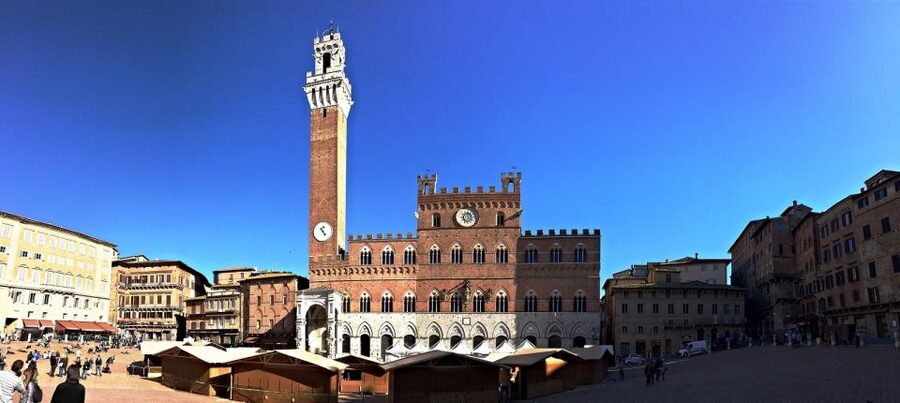
Three hours is enough for a strong introduction, but not enough for slow museum visits at every stop. The walking route includes the Basilica of San Domenico, Via Camporegio, Palazzo Tolomei, Piazza del Campo, Palazzo Pubblico, the Sanctuary of St. Catherine, the Baptistery, and Piazza del Duomo.
Expect a steady walking pace with regular stops. The route is designed to combine movement, stories, and photographs, so you are not standing in one place for the full three hours.
The length works especially well at the start of a Siena stay. You get your bearings, learn the key names, and finish near the cathedral. You can then return to the places that caught your attention.
If you already know Siena well, the tour may feel introductory. Its value lies in connecting the landmarks and explaining local traditions, not in uncovering every small lane or offering a specialist art lecture.
Price, group size, and overall value
At $164.26 per person, the price is high compared with a standard group walking tour. The reason to pay more is the private format, the local guide, and the chance to ask questions throughout the route.
The value improves if you are traveling with several people who can share the private experience. For one person or a couple on a tight budget, the price deserves closer thought, especially because cathedral admission and museum fees are extra.
I would see this as a time-saving purchase. You are paying for a clear route and local interpretation, not just access to the squares. The guide can explain the Palio and contrade in a way that a guidebook may not capture, then show you where those traditions fit into the city.
The experience has a 4.7 rating from 392 submitted ratings, with especially strong praise for the guides’ clarity, friendliness, enthusiasm, and personal attention. One recurring strength is the mix of formal history and local flavor. One mild criticism is that the amount of information can occasionally feel heavy.
That is a useful warning. If you prefer only a few facts and lots of free wandering, tell your guide early. If you enjoy stories and want to understand Siena beyond its postcard views, the amount of explanation should suit you.
Practical details that affect your day
Meet your guide under the big tree in front of Basilica Cateriniana San Domenico. The activity ends back at the meeting point according to the meeting information, while the planned sightseeing route finishes in Piazza del Duomo, so confirm the exact end arrangement when booking.
Wear comfortable shoes. Siena’s historic center is best explored on foot, and the route includes several stops across the city center.
The tour operates in all weather. Bring suitable clothing for the forecast, since rain or heat will affect how comfortable you feel during three hours outside.
The activity is wheelchair accessible. Still, you should confirm the practical route details in advance if you need specific assistance, especially because the experience includes historic churches and old streets.
A donation for entry to a Contrada Museum starts at 5 euros per person. This is an extra cost, not part of the stated tour price, and the museum visit should be treated as an additional local detail rather than a guaranteed main stop.
Free cancellation is available up to 24 hours before the activity for a full refund. You can also reserve now and pay later, which helps if your Tuscany schedule is still changing.
Who should book this Siena walk
I would recommend it to first-time visitors who want the city explained in one concentrated outing. It also suits people who care about local customs, religious history, and the Palio rather than only taking photographs.
Families and small groups should find the private setup useful because the guide can respond to questions and adjust the pace. The tour also works well for anyone who has only a day in Siena and wants to avoid spending hours figuring out the historic center alone.
The optional cathedral visit is worth adding if art and architecture matter to you. If you mainly want outdoor views and city orientation, you can skip the add-on and visit the Duomo on your own if you have time.
I would think twice if you dislike guided sightseeing, already know Siena’s central landmarks, or want long interior visits at the Palazzo Pubblico and other museums. The walk gives you a well-connected overview, not a full museum day.
Should you book the Siena private walking tour?
Book it if you want Siena’s famous sights tied together by stories about Saint Catherine, the Palio, and the contrade. The private guide is the main reason to choose it, and the cathedral add-on makes the experience more satisfying for art lovers.
Skip it if the $164.26 price feels too steep for a three-hour walk, especially after adding cathedral admission. In that case, you can still use the route as a self-guided outline and visit Piazza del Campo, San Domenico, and the Duomo at your own pace.
For most first visits, I see this as a strong orientation tour with a useful local voice. Keep the itinerary light afterward, wear sensible shoes, and leave time near the end to enjoy Piazza del Duomo on your own.
FAQ
Where does the Siena walking tour start?
Meet your guide in front of Basilica Cateriniana San Domenico, under the big tree.
How long does the tour last?
The private walking tour lasts three hours. Starting times depend on availability.
Where does the activity end?
The planned route ends in Piazza del Duomo. The meeting information also says the activity ends back at the meeting point, so confirm the exact arrangement when booking.
Which languages are available?
The live guide is available in Italian, English, and Spanish.
Is the Siena Cathedral entrance included?
No. The cathedral entrance fee is not included and must be paid onsite.
Can I add a guided visit to the cathedral?
Yes. The experience includes an optional guided cathedral visit. The cathedral may not be visited during certain periods on Sunday morning.
What should I wear for the tour?
Wear comfortable shoes and dress appropriately for the weather. To enter the churches, your knees and shoulders must be covered.
Is the tour wheelchair accessible?
Yes, the activity is listed as wheelchair accessible.
Are museum fees included?
No. Museum entrance fees are not included. A Contrada Museum donation starts at 5 euros per person.
What happens if the weather is bad?
The tour runs in all weather conditions, so dress appropriately for the forecast.
Can I cancel the booking?
Yes. You can cancel up to 24 hours in advance for a full refund. You can also reserve now and pay later.
Fresh on the Siena list
- Siena: San Gimignano, Chianti & Montalcino Small-Group Tour★ 4.6 · 195 reviews
- Siena’s Ultimate Food Tour: Full Tuscan Meal by Do Eat Better★ 5.0 · 203 reviews
- Siena: Educational Wine Tour & Tasting★ 5.0 · 203 reviews
- From Siena: Pienza and Montepulciano Small-Group Tour★ 4.9 · 220 reviews
- A Brunello Cooking Class with Vineyards View Winery★ 5.0 · 221 reviews
- Discover the Medieval Charm of Siena on a Private Walking Tour★ 5.0 · 247 reviews
- Wine Class – Tuscan Classics★ 5.0 · 264 reviews
- Siena: Pasta and Tiramisu Cooking Class with Wine★ 4.8 · 274 reviews
Walking Tours, compared.
Guided Walking Tour & Last Supper Visit with Ticket
Read our review →
Rialto Bridge & Offbeat Unusual Venice Walking Tour
Read our review →
Private 3 hrs Venice Tour: St Mark’s, Walking tour & Boat tour
Read our review →
Skip the line: Uffizi and Accademia Small Group Walking Tour
Read our review →Browse the lists this tour appears in