
Reviewed · WALKING TOURS
Florence: Guided Walking Tour
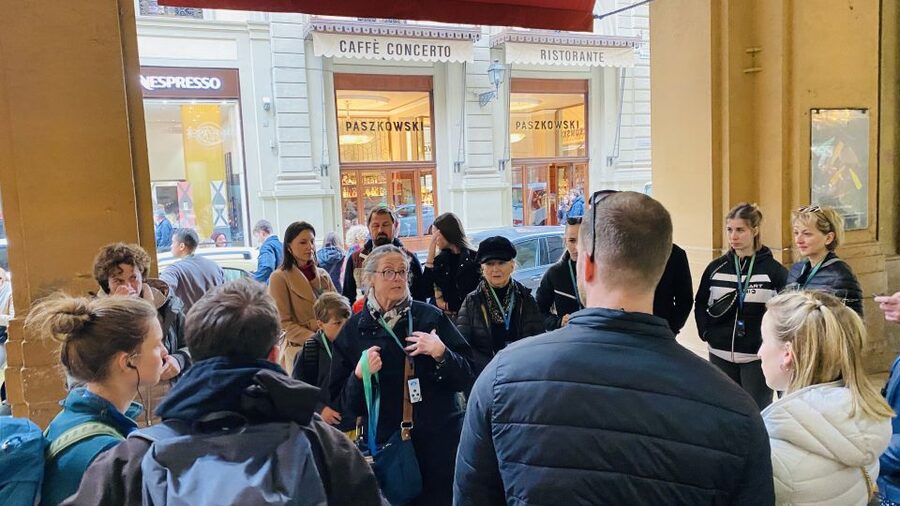
Florence reveals itself best on foot, and this tour connects the city’s major sights with the stories that bind them together. In 90 minutes, you walk from Medici power to Renaissance art, the Duomo, Piazza della Signoria, and Ponte Vecchio, with a guide explaining what you are seeing rather than leaving you to guess.
I like the compact route, which gives you a useful first look without eating half a day. I also like the human side of the commentary: guides such as Julia, Rosa, Eduardo, Rachel, Alessandra, Luigi, and Guido are praised for lively storytelling, practical food tips, and less obvious streets. The main consideration is time. Ninety minutes is enough for orientation, not for entering museums or inspecting every monument at leisure.
Key points to know before booking
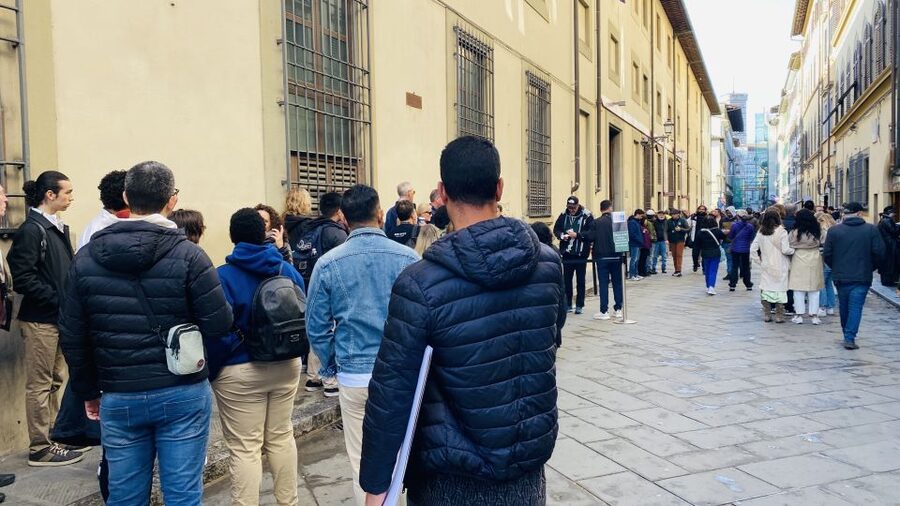
- A fast Renaissance introduction: See Florence’s Duomo, Medici buildings, Signoria Square, and Ponte Vecchio in one short outing.
- Strong guide element: Julia, Rosa, Eduardo, Rachel, Alessandra, Luigi, Mary, and Guido are among the guides singled out for clear, engaging explanations.
- Useful local advice: Guides point out places to eat, shops, quieter lanes, and sights worth returning to later.
- Easy city-center route: The walk begins and ends near Via de’ Martelli, close to the Duomo area.
- Good value at $31: You pay for context and orientation, not admission to museums or monuments.
- Flexible booking: You can cancel up to 24 hours ahead for a full refund and reserve without paying today.
Why a 90-minute walk works well in Florence
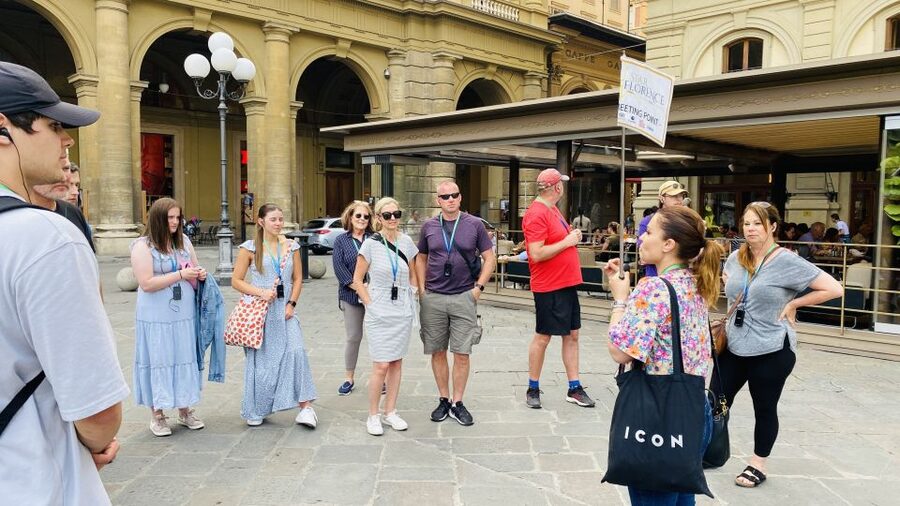
Florence is compact, but its story is not. A few streets can carry you from medieval politics to Medici banking, Renaissance art, religious power, and modern café life. A guide helps you connect those pieces before the city’s details blur together.
At $31 per person, this is a reasonable price for a first look at the center. You are not paying for entry to the cathedral, a museum, or the Ponte Vecchio. You are paying for a person who can explain why the buildings matter, point out details you might miss, and help you decide what deserves more of your time later.
That distinction matters. If you already know Florence well, or have booked a detailed art tour, this walk may repeat familiar ground. If you arrive with no plan, it can save you from spending your first afternoon simply wandering between famous addresses.
The guides are the heart of the experience. Julia is repeatedly described as engaging and clear, with a strong focus on Florence and the Medici family. Rosa is praised for mixing the main sights with unusual lanes and food suggestions. Eduardo brings a strong command of Italian history and gives the Medici story plenty of attention. Rachel is noted for energy, humor, and unusual facts.
Those differences are normal on a guided walk. Your experience depends partly on who leads your group and which language you select. The available languages are English, Spanish, French, German, Italian, Russian, and Portuguese.
More Walking Tours in Florence
- Skip the line: Uffizi and Accademia Small Group Walking Tour
★ 4.5 · 3,135 reviews - Florence: Guided Walking Tour
★ 4.6 · 1,602 reviews - Florence: Renaissance and Medici Tales Guided Walking Tour
★ 4.8 · 1,549 reviews
Starting near Via de’ Martelli
The meeting point is connected with My Green Tour on Via de’ Martelli. The supplied address appears in slightly different forms, including Via de’ Martelli 33 and 33r, so check the exact meeting point attached to your booking before setting out.
This is a practical place to begin because you are already near the Duomo district. Do not arrive at the last second. Florence’s center has busy pedestrian streets, and a few minutes spent finding the correct doorway is wiser than rushing into the group.
The walk ends back near the same meeting area. That makes it easy to continue sightseeing afterward, return to your hotel, or stop for food without arranging a separate ride.
A free luggage deposit is included. That can be useful if you are arriving before check-in or leaving Florence later that day, though you should confirm the exact deposit procedure when you book.
Wear comfortable shoes. The tour uses city streets and includes enough walking that footwear matters more than dressing up for photographs.
Palazzo Medici Riccardi and the family that shaped Florence
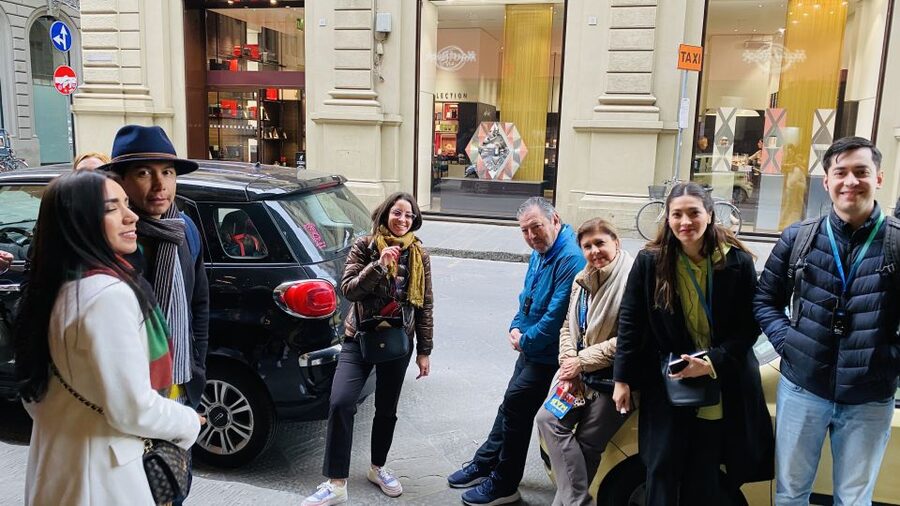
One of the first major stops is Palazzo Medici Riccardi. This is an excellent place to begin the political story of Florence because the Medici family’s influence reached far beyond one elegant residence.
The building helps explain how wealth, banking, patronage, and political control worked together. The Medici did not simply collect art. They supported artists, influenced public life, and helped turn Florence into a center of Renaissance culture.
Guides often use the Medici family as a thread through the whole walk, and that makes sense. Their presence is visible in palaces, churches, public squares, and artistic commissions. Eduardo is especially praised for explaining how the family affected Florence, while Julia is noted for making the subject accessible and enjoyable.
The stop is viewed from outside as part of the walking route. If you want to explore the interior, you will need separate time and admission. The tour’s value here is the context: you learn why the building matters before moving on through the city.
San Lorenzo and the working heart of old Florence
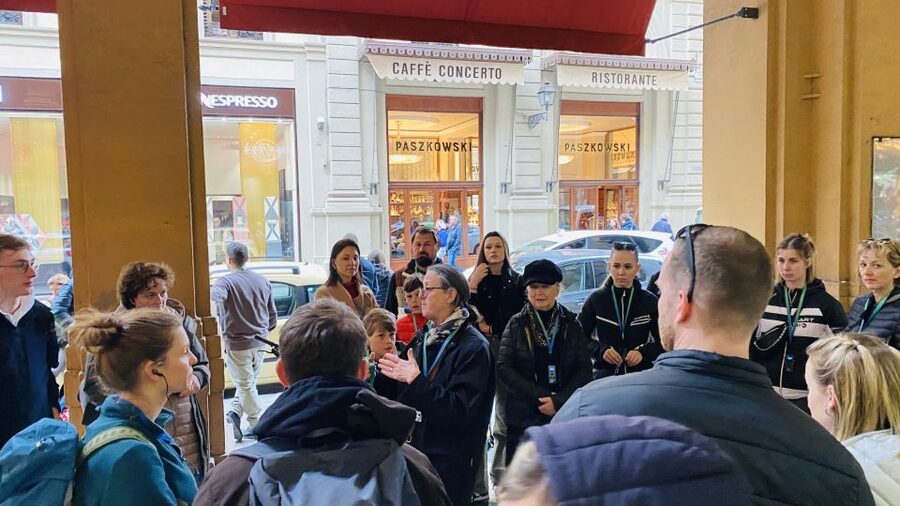
The route continues to the Basilica of San Lorenzo. This area gives you a different view of Florence from the grand ceremonial spaces. San Lorenzo connects religion, commerce, neighborhood life, and Medici patronage.
The basilica is closely tied to the Medici family, so it builds naturally on the earlier palace stop. A guide can help you see how a church becomes part of a family’s public image and private legacy.
The walking section also gives the group time to shift from one part of the city to another. Do not expect a long visit inside the basilica. This is an overview walk, and the emphasis is on what you see along the streets and how each place fits into Florence’s story.
If you plan to return here later, note the name during the tour and set aside extra time. The guide can provide the historical frame, but you will not have time to study every architectural detail during a 90-minute circuit.
Same city, an entirely different afternoon:
- Florence: Skip-The-Line Uffizi Gallery Timed Entry Ticket
★ 4.5 · 27,832 reviews - Tuscany Day Trip from Florence: Siena, San Gimignano, Pisa and Lunch at a Winery
★ 5.0 · 21,634 reviews - Florence: Timed Entrance Ticket to Michelangelo’s David
★ 4.6 · 16,983 reviews - Florence: Michelangelo’s David Skip-the-Line Entry Ticket
★ 4.5 · 12,764 reviews
The Duomo complex and Florence’s most famous view
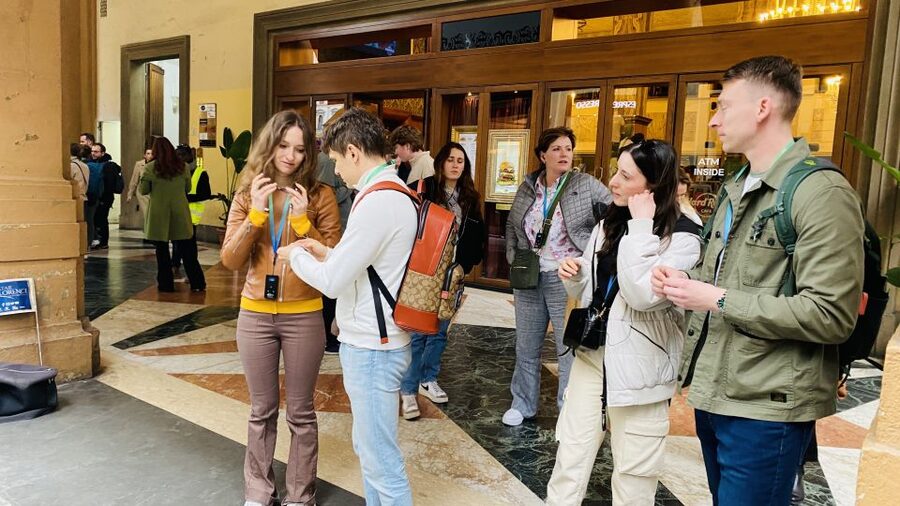
The Florence Duomo complex is the visual center of the route. Santa Maria del Fiore Cathedral, with its enormous dome, is one of the sights that makes Florence instantly recognizable.
The tour includes the cathedral and Piazza del Duomo as exterior sights. That is important when setting expectations. This is not a dome climb, a cathedral interior tour, or a ticketed museum visit. You get an explanation of the complex, the surrounding architecture, and its place in the city.
A short guided stop can make a major difference here. The Duomo is so large and so familiar from photographs that it is easy to look, take a picture, and move on. A guide can point you toward the architectural ambition behind the complex and explain why it became such a powerful symbol of Florence.
The piazza can be crowded, especially at popular times. Keep close enough to hear your guide and pay attention to the meeting instructions. The open square is also a good place to notice the contrast between the formal cathedral buildings and the narrow streets feeding into them.
This is likely to be one of the busiest parts of the walk, so anyone hoping for a quiet architectural study should return independently at another time.
Piazza della Repubblica and the changing city
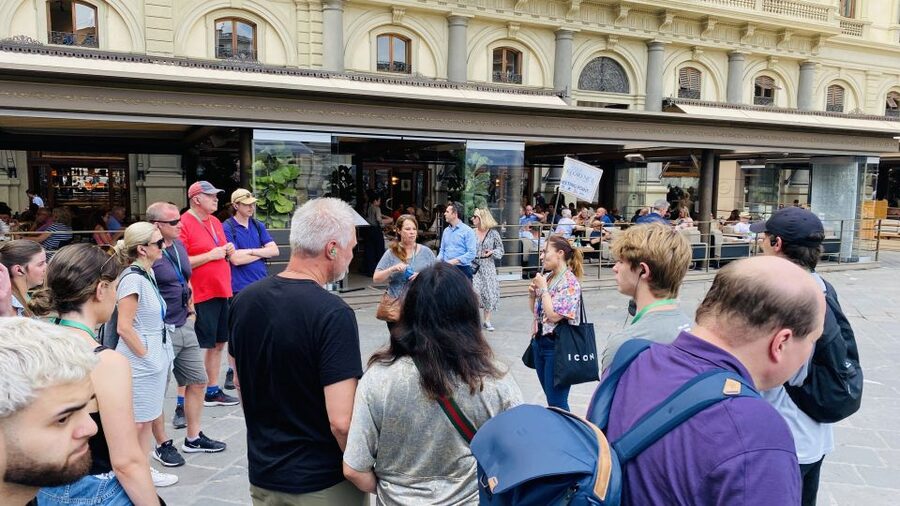
Piazza della Repubblica offers a look at a more modern layer of Florence. The broad square feels different from the tighter medieval streets and the formal space around the Duomo.
A guide can use this stop to show how the city changed over time. Florence is not frozen in the Renaissance. Its streets and squares reflect later rebuilding, changing public priorities, and the city’s ongoing commercial life.
This part of the route also helps break up the succession of palaces and churches. You get a wider urban view before turning toward the political center at Piazza della Signoria.
The stop is not likely to satisfy anyone seeking a major museum visit, but that is not its role. It helps you read the city as a living place rather than a collection of isolated monuments.
Piazza della Signoria and Florence’s public drama
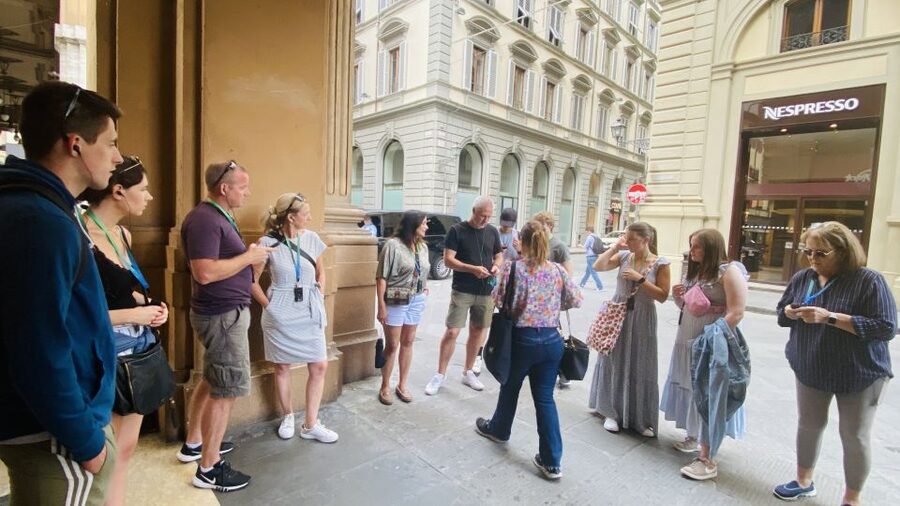
Piazza della Signoria is one of the most important outdoor stops on the walk. It is tied to Florence’s civic identity and to the powerful presence of Palazzo Vecchio.
This is where the city’s political story becomes especially visible. The square connects public ceremonies, power struggles, sculpture, and the Medici world introduced earlier. Your guide can help turn a square full of statues and façades into a place with purpose.
The route also puts you in the footsteps of artists associated with Florence, including Botticelli and Michelangelo. You are not visiting their studios or viewing a gallery collection on this tour, but the walk shows you the streets and public spaces that shaped their careers and reputations.
The guide’s delivery matters here. A dry list of names will not do much. The most praised guides, including Alessandra and Rachel, are described as animated and good at making history easy to follow. That style is useful in a busy square where there is plenty to look at and plenty competing for your attention.
Ponte Vecchio, the scenic finish
The walk ends with sightseeing at Ponte Vecchio, Florence’s famous bridge over the Arno. It is a natural final stop because the bridge offers a change of mood after the dense history of palaces, churches, and civic squares.
You can expect time to take in the bridge and hear more about its place in Florence. The stop is listed as sightseeing rather than a long guided visit, so use the time for photographs and for noticing the bridge as part of the city’s daily life.
The experience finishes back at the meeting area rather than leaving you at the bridge. That is practical, but it also means the group does not end with a long independent pause on the river. If you want sunset views, shopping, or a slower walk along the Arno, plan to return later.
Luigi is praised for leading groups down streets people might otherwise miss and for giving a restaurant recommendation that led to a successful meal at 100 Poveri. That is the sort of advice that can make a short city walk more useful after the official route ends.
What the guides do especially well
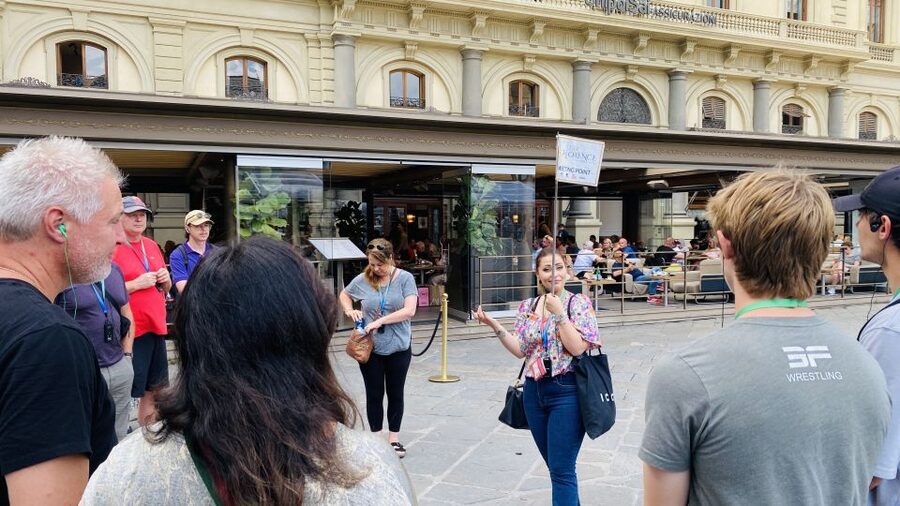
The strongest part of this experience is not the number of monuments. Florence has plenty of those. It is the guide’s ability to connect them.
Julia is repeatedly described as passionate, engaging, and clear, with special strength in explaining the Medici family. Rosa combines famous sights with quirky details, quieter alleys, and food suggestions. Eduardo is praised for superb English, careful explanations, and a strong grasp of Italian history.
Rachel brings enthusiasm and unusual facts. Alessandra is noted for showing shops and offering a useful sense of what to return to later. Guido is praised for holding the attention of a group ranging from age 27 to 67.
That range matters if you are booking for a mixed group. A good city walk should give children and adults something to follow, and it should leave room for questions. The strongest guide descriptions point to regular checks that everyone is keeping up and an open invitation to ask questions.
The tour can also work with a baby in a carrier. One family completed it with a six-month-old baby, but the practical advice remains simple: use comfortable shoes and be ready for a city walk rather than a seated activity.
Group size, languages, and private options
A private group option is available if you want more control over the pace or a more personal format. The standard experience can vary in size, and one group was around 10 people while another was around 20.
That difference affects the feel of the walk. A smaller group usually makes it easier to hear, ask questions, and stay close to the guide. A larger group may require more attention at street crossings and crowded squares.
Live guiding is offered in English, Spanish, French, German, Italian, Russian, and Portuguese. Choose the language in which you can comfortably follow historical details. Florence’s story includes many names, dates, and family connections, and missing a few key points can make the commentary harder to follow.
The tour lasts 1.5 hours. Starting times depend on availability, so check the date and time before planning museum visits around it.
Who should book this Florence walking tour
I would choose this walk for a first visit, especially if you have limited time in Florence. It gives you a useful map of the center and introduces the main subjects you will keep seeing: the Medici, the Renaissance, the Duomo, civic power, and the Arno.
It also suits you if you like history explained through stories rather than through an audio guide. The emphasis on former residents, artists, food places, shops, and side streets adds a personal layer to the major sights.
Families may appreciate the short duration, and the tour can work with a baby in a carrier. The private option may be better for a group that wants to stop often or ask many questions.
I would look elsewhere if your main goal is entering the Duomo, climbing the dome, visiting the Uffizi, or seeing the Accademia. None of those admissions is included, and 90 minutes leaves no room for a full museum visit.
Is $31 a fair price?
At $31, the tour is fairly priced for a guided orientation in central Florence. The value is strongest when you use the walk as a starting point and return later to the sights that interest you most.
The price includes the walking tour, a live guide, and free luggage deposit. It does not include museum or monument admission, and no food or transportation is listed.
Flexible terms also reduce the risk of booking early. You can cancel up to 24 hours in advance for a full refund, and you can reserve now while paying later. That is useful when your Florence schedule is still changing.
Should you book it?
Book this tour if you want the main Florence sights organized into one clear story, with room for practical advice about food, shops, and quieter streets. Guides such as Julia, Rosa, Eduardo, Rachel, and Alessandra appear especially suited to people who want history delivered with energy rather than a string of dates.
Skip it if you already have a detailed Florence guide, dislike group walks, or want interior access to major monuments. For most first-time visitors, though, this is a sensible 90-minute introduction at a fair price. Use it to get your bearings, then spend the rest of your stay choosing which places deserve a slower second look.
FAQ
How long does the Florence walking tour last?
The tour lasts 1.5 hours.
What sights are included on the route?
The route includes Palazzo Medici Riccardi, the Basilica of San Lorenzo, the Florence Duomo complex, Piazza della Repubblica, Piazza della Signoria, and Ponte Vecchio.
Does the tour enter the Duomo or museums?
The provided information lists these as sightseeing stops and does not include museum or monument admission. Plan on an exterior-focused walking tour.
Where does the tour start?
The starting point is connected with My Green Tour on Via de’ Martelli. The exact meeting point may vary according to the option booked.
Where does the tour finish?
The activity ends back at the meeting point, with drop-off locations listed near Via de’ Martelli and My Green Tour.
Which languages are available?
Live guiding is available in Spanish, English, French, German, Italian, Russian, and Portuguese.
Is a private tour available?
Yes. A private group option is available.
What should I bring?
Bring comfortable shoes. A free luggage deposit is also included.
Fresh on the Florence list
- Florence: Uffizi Guided Tour with Skip-the-Line Entry Ticket★ 4.8 · 499 reviews
- The Best of Florence Walking Tour in a Small Group★ 5.0 · 503 reviews
- Florence: Uffizi Gallery Tickets with Optional Audio Guide★ 4.1 · 503 reviews
- Premium Pasta and Gelato Cooking Class in Florence★ 5.0 · 508 reviews
- From Florence: Tuscany & San Gimignano Tour with 2 Tastings★ 4.8 · 511 reviews
- Florence: Guided Tour of Medici Family Secrets and Chapels★ 4.7 · 512 reviews
- Tuscany Vespa Tours Through the Hills of Chianti★ 5.0 · 515 reviews
- Pasta and Tiramisu Cooking Class with optional Local Market Tour★ 5.0 · 515 reviews
Walking Tours, compared.
Guided Walking Tour & Last Supper Visit with Ticket
Read our review →
Rialto Bridge & Offbeat Unusual Venice Walking Tour
Read our review →
Private 3 hrs Venice Tour: St Mark’s, Walking tour & Boat tour
Read our review →
Skip the line: Uffizi and Accademia Small Group Walking Tour
Read our review →
Trastevere & Campo de Fiori Street Food Walking Tour
Read our review →Browse the lists this tour appears in