
Reviewed · WORKSHOPS
Top Class of Ravioli, Fettuccine and Tiramisu Workshop in Rome
The best part of this Rome cooking class is that one batch of fresh dough becomes two kinds of pasta. You roll it out for fettuccine, shape plump ravioli with ricotta, spinach, and Parmigiano, then sit down to eat what you helped prepare. Tiramisu comes first, giving it time to chill before dessert.
I like the relaxed, social format and the choice of mid-afternoon or evening sessions. I also like that the meal includes a glass of red or white wine, water, and either coffee or limoncello, so you are not left paying for every small extra. The main caution is that the experience may feel more like a guided demonstration for some adults, and several past participants found the drink arrangements unclear.
Key points at a glance
- Three Italian staples in one class: Make ravioli, fettuccine, and tiramisu during an approximately three-hour session.
- Chefs who keep the room lively: Instructors including Paris, Lori, Mattia, Laura, Hassan, Mimi, Lory, Leo, and Furio are praised for clear directions and humor.
- A meal follows the cooking: Eat ravioli with butter and sage, fettuccine with your chosen sauce, and your own tiramisu.
- Central location: The meeting point is Via Giuseppe Zanardelli 14, close to public transportation in central Rome.
- Small enough to feel social: The maximum group size is 16, with some sessions reported as smaller.
- Good for families and couples: Children can take part with an adult, while vegetarian cooking is available if requested at booking.
What you actually make in three hours
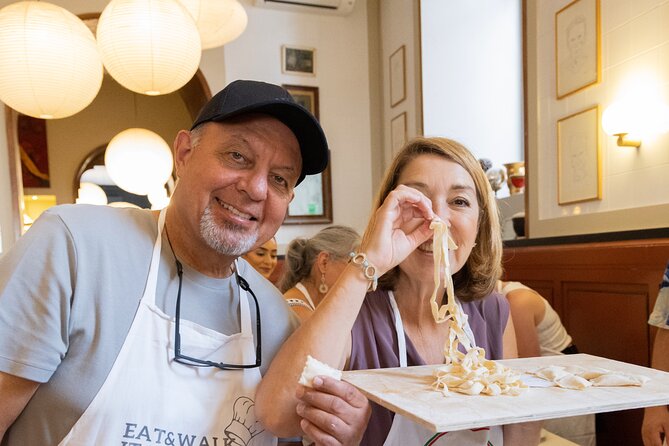
This is not a market tour followed by a cooking demonstration. The focus is a sit-down pasta lesson with a chef, followed by dinner in the same restaurant. You receive an apron and your own workstation, then work through the stages of dough preparation and shaping.
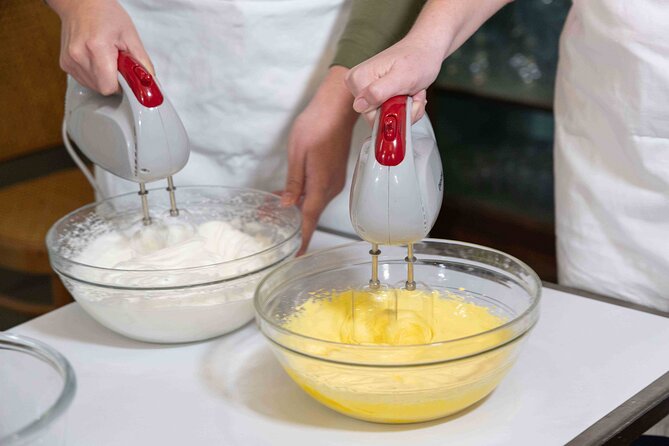
The order can vary slightly, but tiramisu is generally made early. That makes practical sense. The dessert needs time to rest, and you can then turn your attention to the pasta without rushing the final course.
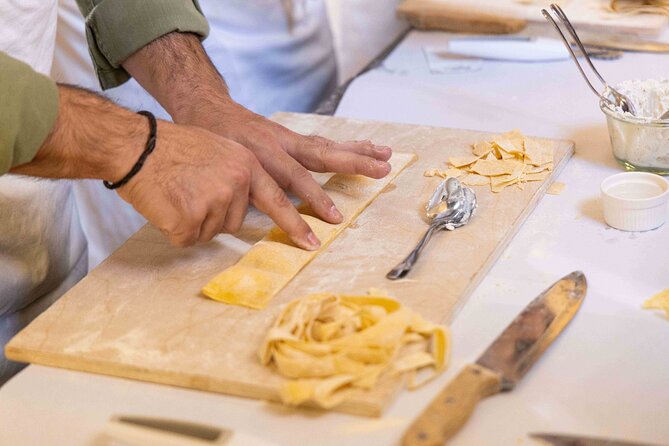
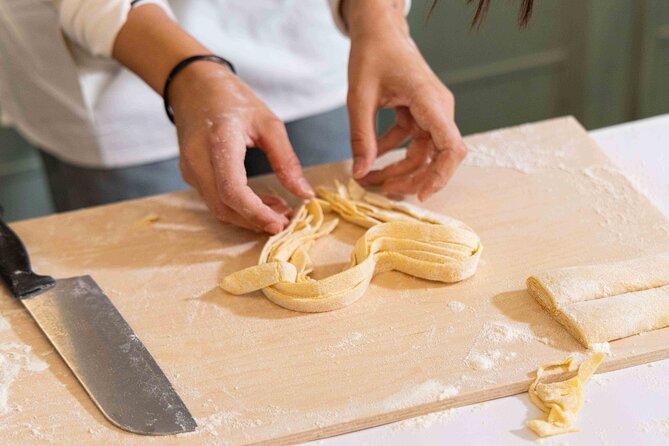
The pasta dough is used for both fettuccine and ravioli. You learn how to mix and prepare it from scratch, roll it thin, and cut it into ribbons. Part of the appeal is seeing how a simple dough changes shape depending on the dish. Fettuccine needs neat, even strips, while ravioli calls for filling, folding, and sealing.
The class is designed for beginners. You do not need prior pasta-making experience, and the clearest instruction comes when you ask for help as you work. Chefs Paris, Lori, Mattia, Laura, Hassan, Mimi, Lory, Leo, and Furio are all praised at different sessions for being funny, patient, clear, and willing to give individual guidance.
Still, the hands-on level may depend on the group and the instructor. Some participants received plenty of one-on-one feedback. One adult found that too much attention went to children, leaving other people to work with little correction. If you want a serious technical lesson, speak up and ask the chef to check your dough, rolling, and ravioli seals.
A few other Rome mornings to weigh against this
- 3 in 1 Cooking Class near Navona: Fettuccine, Ravioli & Tiramisu
★ 5.0 · 7,376 reviews - Rome: Pasta & Tiramisu Class with Fine Wine by the Vatican
★ 4.9 · 4,852 reviews - Rome: Pasta Making Class with Wine, Limoncello, and Dessert
★ 4.9 · 3,177 reviews
Starting with tiramisu before the pasta
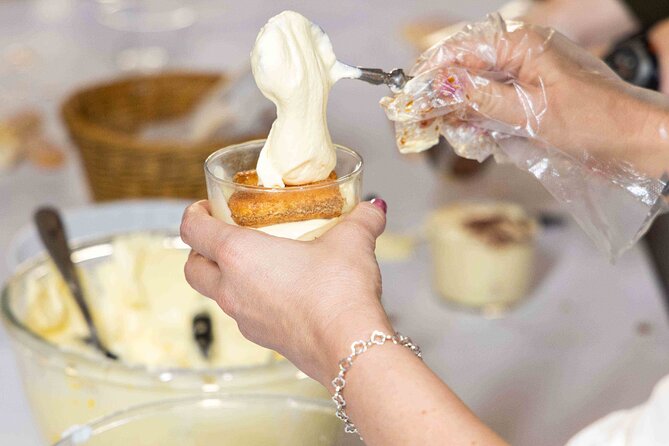
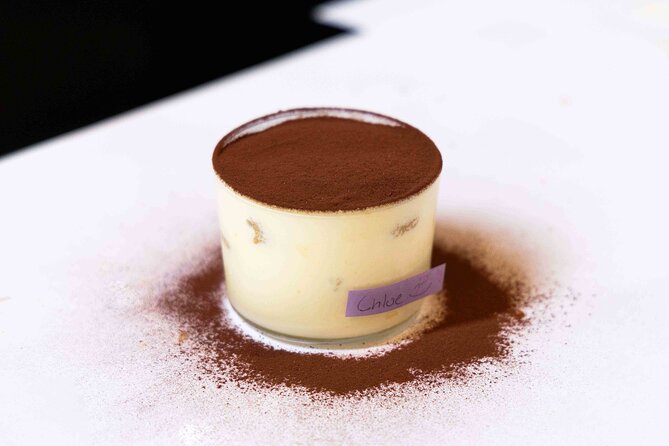
Tiramisu is a smart opening course because it can rest while you make the pasta. You follow a traditional recipe and prepare the dessert yourself rather than simply receiving a pre-made portion at the end.
The coffee flavor can be adjusted for personal taste. One family session included a version adapted for a child who did not like coffee, so it is worth mentioning preferences to the chef. The information provided does not promise every possible dietary alteration, but the class does list a vegetarian option if you request it when booking.
This part is also accessible to children. It gives younger cooks a manageable task before the more physical work of kneading and rolling dough. Adults who already know how to make tiramisu may find this section basic, but it works well as part of a first-night-in-Rome activity.
Rolling dough into fettuccine and ravioli
The pasta section is the heart of the class. You work with the same dough to produce two different shapes, which gives the lesson more substance than a single-recipe workshop.
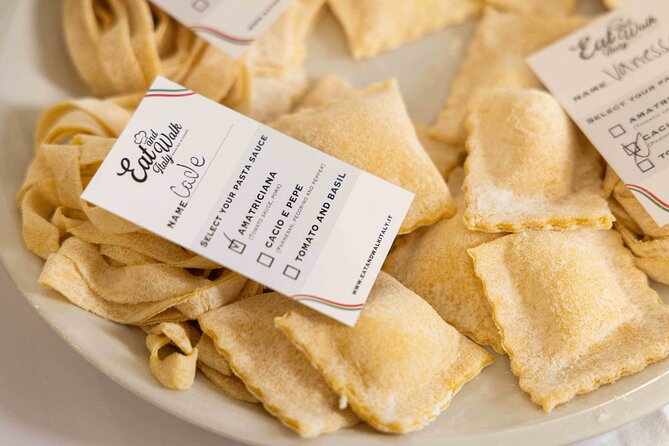
For ravioli, the filling combines ricotta, spinach, and Parmigiano. You place the filling on the pasta, fold it, and cut the parcels into shape. The finished ravioli is served with butter and sage, a classic Roman and central Italian pairing that lets the pasta and filling carry most of the flavor.
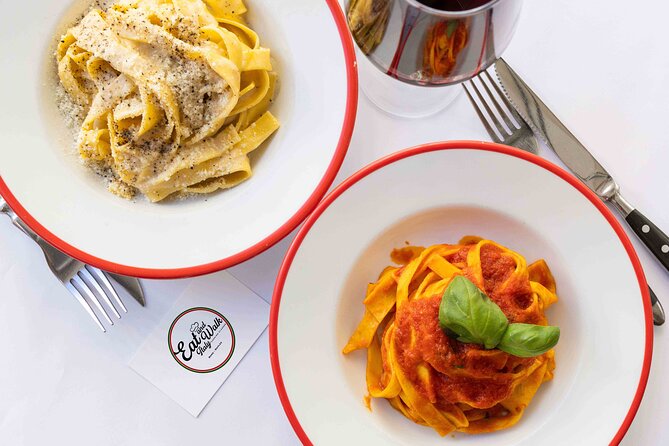
Fettuccine is served with a sauce of your choice. The listed options are tomato and basil, Cacio e Pepe, or Amatriciana. These choices cover three distinct styles: a light tomato sauce, the peppery cheese sauce associated with Rome, and the pork and tomato character of Amatriciana.
You do not make the sauces yourself. That is important to know before booking. The class teaches fresh pasta and tiramisu, while the restaurant handles the sauces and cooking service. If your main goal is learning how to build an Amatriciana or emulsify Cacio e Pepe, this is not the right format.
The practical question is what happens to the pasta after you shape it. Most participants enjoyed the finished meal, but some were disappointed that the pasta served at dinner did not appear to be the exact pasta they had made. Concerns included different ravioli shapes and fettuccine cuts, along with the possibility that pasta from the group was combined during cooking.
That matters because eating your own work is a major reason to book a class. The experience is still useful for learning the process, but you should ask the chef how the pasta will be identified and cooked if that point is important to you.
Sitting down to eat your Roman supper
Once the cooking ends, the room changes from classroom to dining area. You sit with the group and eat the meal prepared during the session, usually over the next hour or so. Several people especially liked this shared table, saying that the cooking gave the group an easy way to meet.
The meal includes ravioli with butter and sage, followed by fettuccine with your selected sauce. Dessert is the tiramisu you made earlier. The portions are intended as part of a class meal, not as a large restaurant feast. Two participants felt the servings were small, particularly the number of ravioli, so do not book this expecting an enormous dinner.
A glass of red or white wine is included, along with water. A soft drink is also listed as an option. At the end, you choose hot coffee or a shot of limoncello.
Here is where you need to pay attention. The included drink is supposed to be part of the experience, but some people were asked about wine before the class and later received a bill for expensive drinks. Others felt the included wine serving was modest and inexpensive. The safest approach is simple: ask clearly which wine or drink is included before ordering anything, and confirm the price of extras.
The meal itself receives strong praise, especially when the instructor keeps the cooking moving and the group is well managed. You are eating fresh pasta made during the session, even if the exact portion you receive may not be the pieces you personally shaped.
Same city, an entirely different afternoon:
- Vatican Museums & Sistine Chapel Tour with Optional Basilica
★ 4.3 · 67,413 reviews - Colosseum, Roman Forum & Palatine Guided Tour
★ 4.7 · 63,148 reviews - Vatican Museums, Sistine Chapel & St Peter’s Basilica Guided Tour
★ 4.5 · 39,149 reviews - Rome: Colosseum, Palatine Hill and Roman Forum Guided Tour
★ 4.8 · 32,814 reviews
The chefs make a real difference
The class is only as good as the person leading it. The strongest sessions are described as funny, interactive, and easy to follow rather than stiff or overly formal.
Chef Paris is praised for creating a welcoming atmosphere and keeping the whole group involved. Lori and Lory are noted for clear instructions, humor, and a comfortable pace. Matt and Mattia are described as engaging teachers who make pasta seem less difficult than expected. Laura receives especially warm praise for being sweet, funny, and attentive during the process.
Hassan is credited with thorough explanations and a friendly manner, while Mimi is praised for making the three-hour format easy to follow. Leo is noted for helping a couple enjoy both the social and educational sides of the class. Furio is praised for individual feedback, an important detail if you are cooking with children.
These different names suggest that the teaching style can vary by session. You are not booking a particular chef based on the details provided, so go in expecting a capable instructor, but not one fixed personality or exact lesson plan.
Location, timing, and finding the entrance
The meeting point is Via Giuseppe Zanardelli 14, 00186 Rome, in central Rome. The area is near public transportation, and a nearby bus stop can make the approach easier. The activity ends where it begins, which is useful if you are planning dinner or an evening walk afterward.
Finding the correct entrance may take a little care. One session was held on the second floor above Antico Cafe Ruschena, and the advice was to check in with the restaurant downstairs if you are unsure where to go. The supplied information also connects the activity with restaurant settings such as Oste Cavour, so check the exact confirmation details on the day and do not assume the street entrance will look like a cooking school.
Use a map app and allow extra time. This is especially sensible for an evening booking, when arriving late could mean missing the dough demonstration. The class offers several start times, including mid-afternoon and later evening options. The evening session can work well after sightseeing, while the earlier time leaves your night open for a walk, concert, or second dinner stop.
The dress code is smart casual. You receive an apron, but you are still working with flour, dough, filling, and coffee-based dessert. Wear comfortable clothes and shoes that you do not mind wearing during a practical class.
Is the class good value at $84.65?
At $84.65 per person, this is not the cheapest way to eat pasta in Rome. You are paying for instruction, ingredients, an apron, the social setting, and a meal with drinks, not just for a plate of fettuccine.
The value is strongest if you want to learn a skill you can repeat at home. You make three dishes, use fresh pasta dough in two ways, choose a sauce, and finish with coffee or limoncello. Some sessions also provide recipes to take home, along with a tote, which makes the class more useful after your holiday.
The price works less well if you mainly want a large meal or a detailed culinary course. Sauces are not part of the lesson, drink portions may be limited, and extra food or drinks cost more. The class also does not promise that your exact pasta pieces will be the ones served to you.
I would compare it with the cost of a central Rome dinner plus a separate activity. If you want both an evening meal and a participatory food experience, the price is reasonable. If you are happy eating at a local trattoria and only want to watch a chef, you can find better value elsewhere.
Family suitability and group atmosphere
Families are a strong match for this experience. Children must be accompanied by an adult, and the food is familiar enough to keep younger cooks interested. Making tiramisu, cutting pasta, and eating the result gives children a clear sense of progress.
There is one tradeoff. When children are in the group, the instructor may spend extra time helping them. That is helpful for families but can frustrate adults who want constant technical feedback. Couples and adult groups should participate actively and ask questions rather than waiting quietly for the chef to come around.
The maximum group size is 16. That is not a private lesson, but it is small enough for a social evening when the class is organized well. One session had 10 people and became especially friendly by the time everyone sat down to eat.
Vegetarian cooking is available if you advise the operator at booking. The listed ravioli filling is vegetarian, but the fettuccine sauce choice should still be confirmed when you make your reservation.
What can go wrong, and how to protect your evening
Most of the problems described are not about the basic idea of the class. They concern organization, communication, and expectations.
A serious check-in problem once left a family waiting while the restaurant tried to locate the reservation. The class started without them, and they missed much of the instruction. This is unusual compared with the many positive experiences, but it is a good reason to arrive early with your mobile ticket ready.
The restaurant entrance can also be confusing, especially if the lesson takes place upstairs. Ask the staff downstairs where to check in rather than waiting outside.
During the meal, clarify included drinks before accepting anything beyond the advertised wine, soft drink, coffee, or limoncello. Extra drinks and extra food are not included, and confusion over charges can spoil an otherwise pleasant evening.
Finally, wash your hands carefully before handling food and ask how the pasta will be kept separate during cooking. The class is built around making your own meal, so good hygiene and clear handling procedures should be part of the experience.
Who should book this Rome pasta class?
I would choose this class if you want an easy introduction to fresh pasta, prefer doing something active in Rome, and like the idea of eating with a small group afterward. It suits couples, families, and first-time cooks particularly well.
You will get the most from it if you enjoy a little noise, humor, and shared activity. Bring questions, take notes, and ask for help with your dough instead of treating the lesson as a performance.
I would hesitate if you want advanced pasta technique, individual tuition, a generous restaurant dinner, or complete control over the exact food served to you. The class has a few organizational weak spots, and drink charges deserve care.
At $84.65, book it for the lesson and the shared evening, not simply for the meal. If that sounds like your kind of Roman souvenir, it is a sensible choice. You can leave with a better feel for dough, two pasta shapes, a tiramisu recipe, and the confidence to try them at home.
FAQ
How long does the cooking class last?
The activity lasts approximately three hours. Cooking takes roughly 1.5 to 2 hours in some sessions, followed by time to sit down and eat the food prepared during the class.
Where does the class meet?
The meeting point is Via Giuseppe Zanardelli 14, 00186 Rome, Italy. The activity ends back at the meeting point.
What dishes do I make?
You make ravioli filled with ricotta, spinach, and Parmigiano, fresh fettuccine, and homemade tiramisu.
Which sauces are available for the fettuccine?
You can choose from Amatriciana, Cacio e Pepe, or tomato and basil sauce. The sauces are prepared by the restaurant and are not part of the cooking lesson.
Are drinks included?
The experience includes water, a glass of red or white wine or a soft drink, and your choice of coffee or limoncello. Extra drinks and extra food are not included.
Can vegetarians join the class?
Yes. A vegetarian option is available, but you must advise the operator when booking.
Is the class suitable for children?
Yes, but children must be accompanied by an adult. The class includes hands-on food preparation and is suitable for different skill levels.
What happens if I need to cancel?
You can receive a full refund if you cancel at least 24 hours before the local start time. Cancellations or changes made less than 24 hours before the activity are not accepted for a refund.
Fresh on the Rome list
- Rome: Guided Catacombs Tour & Capuchin Crypt (Audio Guide)★ 4.3 · 191 reviews
- Guided tour of the Colosseum, Roman Forum and Palatine in Spanish★ 4.5 · 191 reviews
- Rome: Borghese Gallery Guided Tour with Skip-the-Line Ticket★ 4.5 · 192 reviews
- Rome: Arena Colosseum Tour with Arena Access★ 4.6 · 193 reviews
- Colosseum, Forum, Palatine Hill with audio guide and Arena or Bus option★ 4.0 · 193 reviews
- Rome: Colosseum & Roman Forum Guided Tour★ 5.0 · 194 reviews
- Rome: Domus Aurea Guided Tour and Virtual Reality Experience★ 4.7 · 194 reviews
- Rome Vintage Fiat 500 car Tour With Photographer★ 5.0 · 194 reviews
Workshops, compared.
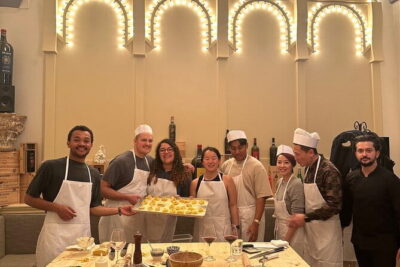
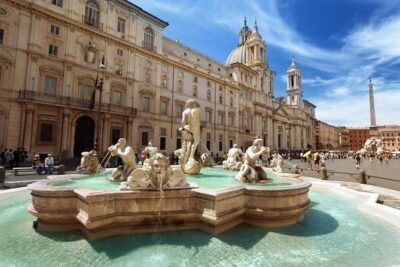
3 in 1 Cooking Class near Navona: Fettuccine, Ravioli & Tiramisu
Read our review →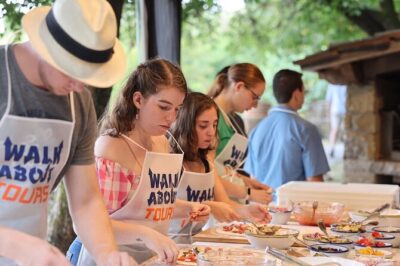
Florence Pizza or Pasta Class with Gelato Making at a Tuscan Farm
Read our review →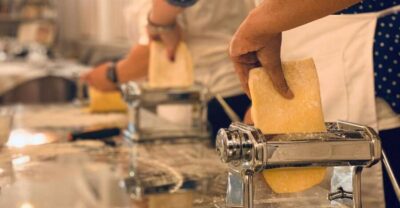
Pasta & Tiramisu Cooking Class with Unlimited Wine
Read our review →
Pizza-Making Workshop with Drink and Appetizer
Read our review →
Pasta & Tiramisu Class with Fine Wine by the Vatican
Read our review →
Cooking Class and Lunch at a Tuscan Farmhouse with Local Market Tour from Florence
Read our review →Browse the lists this tour appears in