
Reviewed · PASTA
Super Fun Pasta & Gelato Class by Vatican with Wine + Oil Tasting
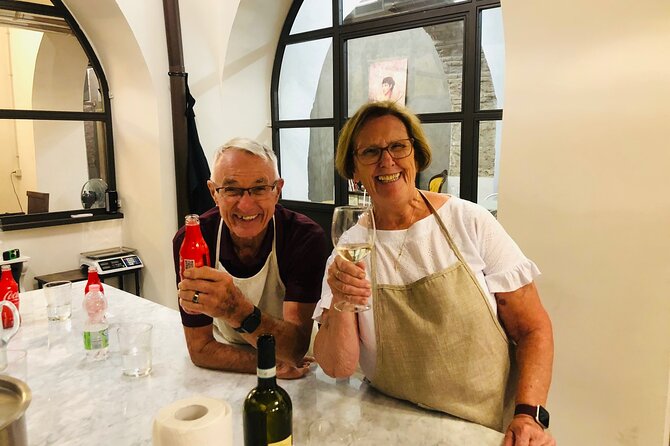
The best part of this Rome experience is that you do not just eat Italian food, you learn how to make it with your own hands. In about two and a half hours, you work through fresh pasta, sauce, bruschetta, and gelato, then sit down to enjoy the meal.
I like the simple equipment: several people praise making pasta with just their hands and a rolling pin, so you can repeat the lesson at home. I also like the warm, playful teaching style, especially from Massimo, who has a knack for keeping children and adults involved.
The one thing to consider is the word fun. The class is lively, and the chef may poke fun at people in a teasing way. Most people enjoy that style, but if you prefer a quiet, formal cooking lesson, this may feel more like a social evening than a serious culinary course.
Key things to know before booking
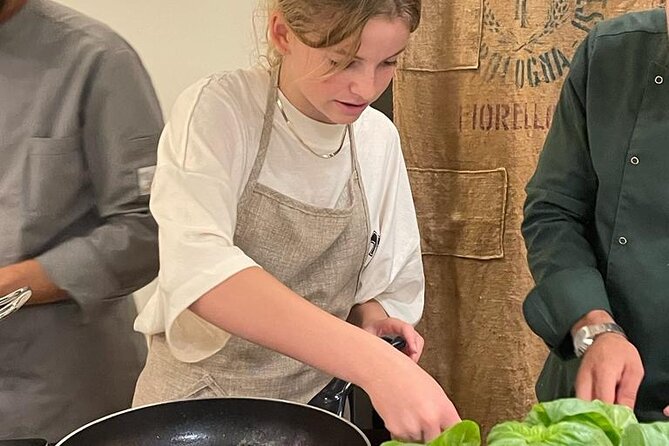
- Pasta made by hand: You work with dough from scratch, often using a rolling pin rather than relying on a pasta machine.
- A full three-part meal: The usual menu includes bruschetta, handmade pasta with seasonal sauce, and gelato.
- Strong family appeal: Children as young as 11 have been kept busy and engaged during the class.
- Near the Vatican: The meeting point is at Via Simone de Saint Bon 57, a location described as within walking distance of the Vatican.
- Drinks are included: You can sip wine, beer, water, or soft drinks while cooking and eating.
- Small-group setting: The class accepts a maximum of 15 people, though group size can vary.
A hands-on taste of Rome, not just another restaurant meal
Rome is full of excellent food, but restaurant meals can blur together after a few days of sightseeing. This class gives you something to take home besides a full stomach: a practical way to make fresh pasta and gelato yourself.
The cooking is intentionally approachable. You do not need advanced kitchen skills, and the lesson welcomes beginners as well as confident home cooks. That matters because pasta making can look intimidating when you see a professional working quickly. Here, you get time to mix, shape, roll, and understand what you are doing.
The format also suits a family, couple, or solo visitor who wants a social activity. The group limit is 15 people, which is small enough for hands-on participation without making the class feel entirely private. In quieter periods, the group may be much smaller. One family even ended up with a private lesson after a scheduling change.
The activity is run by Holy Pizza, and the chefs named in the feedback include Massimo, Carlo, Luca, Carla, David, Max, Mersad, and Peter. Your instructor can vary, but the teaching style is consistently described as friendly, humorous, and involved.
A few other Rome mornings to weigh against this
- Rome: Tuscany & Montepulciano Day Trip with Lunch & Wine Tasting
★ 4.5 · 5,232 reviews - Winner 2025 Rome Twilight Trastevere Food Tour by Eating Europe
★ 5.0 · 5,157 reviews - Rome: Trastevere or Jewish Quarter Street Food Tour
★ 4.8 · 3,839 reviews
Meeting near the Vatican at Via Simone de Saint Bon 57
You meet at Via Simone de Saint Bon 57, 00195 Rome. The class ends at the same place, so you do not need to arrange a second pickup point after dinner.
The location is useful if you are planning a Vatican day. The class has been described as within walking distance of the Vatican, and the area is near public transportation. Still, allow time to find the exact building and arrive without rushing. A cooking class is much more enjoyable when you are not trying to read directions while carrying sightseeing fatigue.
The setting is described as a clean, comfortable room with air conditioning. That is a welcome detail in Rome, especially if you are visiting during hot weather. You will be handling dough and food, so a cool indoor space can make the lesson easier than cooking in a warm, crowded room.
The meeting point is not a famous monument or a scenic piazza. That is worth knowing. You are coming for the food lesson, not a grand setting. The practical location works well as a break from museums and churches, but it does not add much visual drama on its own.
Bruschetta starts the meal with little fuss
The sample menu begins with bruschetta. This is a sensible first course because it gets you involved right away without demanding complicated technique.
You can expect the starter to focus on the basics of good Italian cooking: bread, fresh ingredients, and careful seasoning. The broader lesson is that Italian food does not need a long ingredient list to taste good. The quality of the ingredients and the balance of the dish do the work.
The advertised experience also includes wine and oil tasting, though the exact wines, oils, and tasting format are not specified. You should expect drinks during the session, with wine, beer, water, and soft drinks listed as options. If the tasting element is important to you, ask the host what will be served on your date.
This first course also gives you something to eat while the pasta dough and sauce are being prepared. That helps keep the class from feeling like a long wait before dinner, especially for children.
Making pasta with your hands and a rolling pin
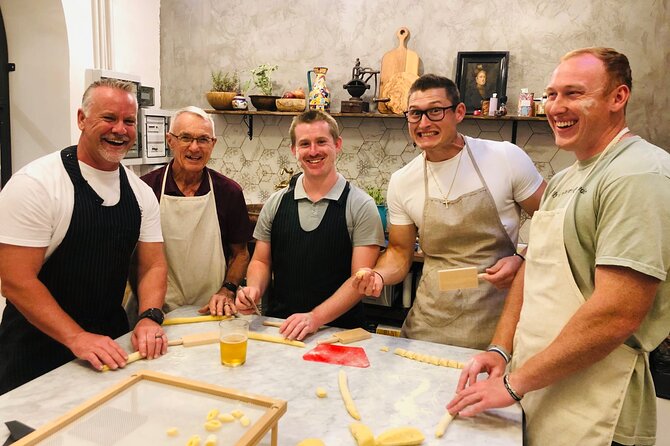
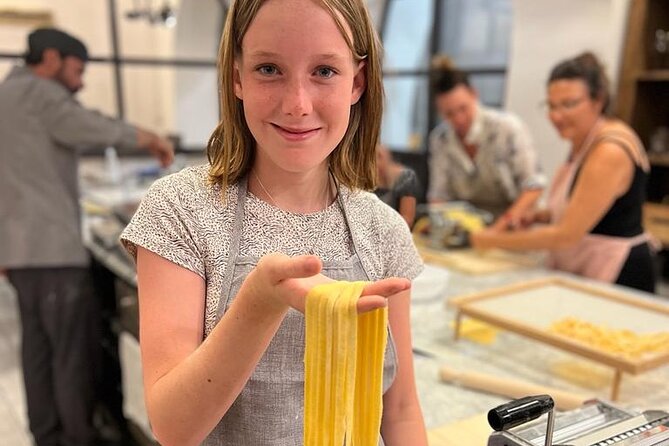
The main lesson is handmade pasta. The most useful feature is that you learn a method that does not depend on expensive equipment. Several people specifically appreciated making pasta with their hands and a rolling pin, and one person preferred hand rolling to using a machine because it is simpler and creates less cleanup.
That is exactly the kind of holiday skill I value. You may not want to pack a pasta roller in your suitcase, but you can find a rolling pin at home. The class shows you that fresh pasta can be a realistic weekend project rather than a special occasion reserved for experts.
The chefs explain techniques and offer cooking tips as you work. Massimo is praised for patient instruction and for making each person feel included. Carlo is described as both informative and playful, while David also receives credit for creating a fun, relaxed evening.
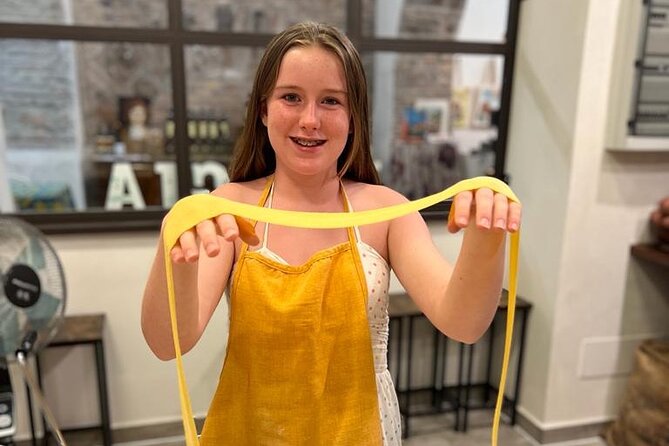
You will likely work with fettuccine-style pasta, based on the dishes described. The exact shape can depend on the day and the lesson plan. The key point is that this is a participation class, not a demonstration where you sit and watch a chef do everything.
That distinction matters. Your pasta may not look perfectly uniform, and that is part of the point. You learn how dough should feel, how to roll it, and how to turn it into a meal. The finished dish becomes more satisfying because you had a hand in every stage.
Same city, an entirely different afternoon:
- Vatican Museums & Sistine Chapel Tour with Optional Basilica
★ 4.3 · 67,413 reviews - Colosseum, Roman Forum & Palatine Guided Tour
★ 4.7 · 63,148 reviews - Vatican Museums, Sistine Chapel & St Peter’s Basilica Guided Tour
★ 4.5 · 39,149 reviews - Rome: Colosseum, Palatine Hill and Roman Forum Guided Tour
★ 4.8 · 32,814 reviews
Seasonal sauce keeps the cooking grounded in Rome
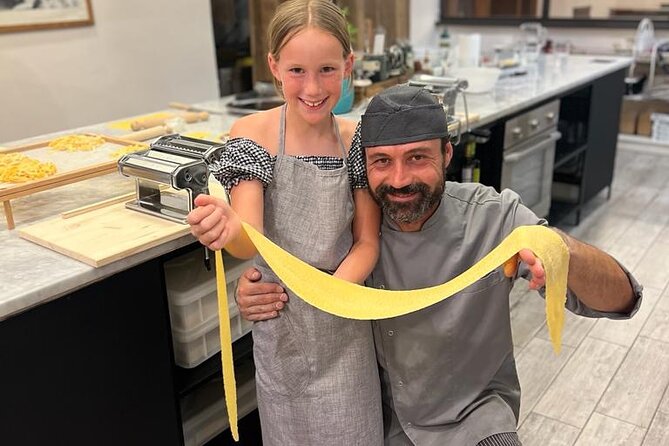
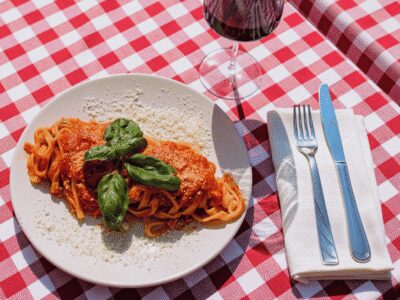
The sauce is generally tomato based, depending on the season. That seasonal note is important. The lesson is not built around a fixed, elaborate recipe that ignores what is available. Instead, it uses a straightforward sauce to show how Italian home cooking gets flavor from good produce, sensible technique, and restraint.
You will help prepare the sauce while the pasta comes together. This creates a natural rhythm: make the dough, work on the sauce, shape the pasta, and then bring everything to the table.
The class is not designed as a technical course in regional Italian cuisine. You should not expect a long lecture on every pasta shape or a detailed study of Roman food traditions. Its strength is practical instruction. You learn a few useful dishes that you can make again.
The meal also gives you a chance to taste how fresh pasta differs from dried pasta. It is softer and more delicate, and the sauce clings to it in a different way. You will understand that difference more clearly after making the pasta yourself.
Gelato brings the class to a sweet finish
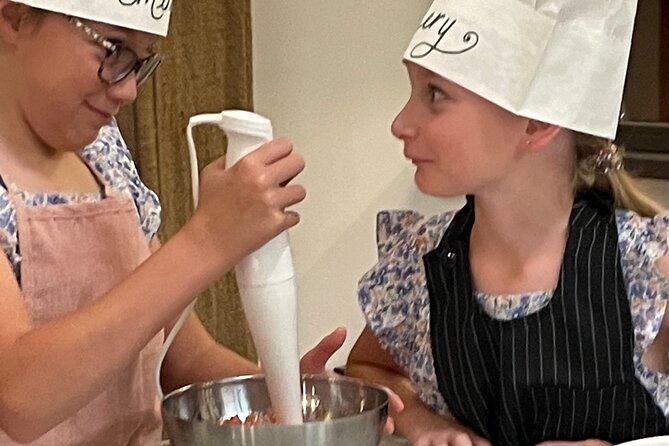
Dessert is gelato, with strawberry gelato or strawberry sorbetto appearing in some sessions. The dessert lesson is more than a quick reward at the end. You learn how gelato can be made at home without relying on unnecessary additives, according to the instruction described by past participants.
That is a useful takeaway for families. Children can take part in the mixing and preparation, and the final dessert gives them a clear result from the work they have done. Several families found the class especially successful with children, including 11-year-olds and teenagers.
The gelato also changes the pace of the activity. Pasta making is hands-on and floury, while dessert feels lighter and more playful. By the time you sit down to eat, you have made a starter, main course, and dessert rather than a single bowl of pasta.
Do not expect an industrial gelato laboratory or a lesson in every Italian frozen dessert. The value is in learning a simple preparation you might be able to repeat at home. The recipes are reported as easy enough to save and use later, which is one reason this activity has lasting value beyond the evening itself.
The chefs make or break the mood
The strongest part of this experience is the instructor. Massimo is the name that appears most often in the feedback, and he is repeatedly described as warm, patient, funny, and good with children. He also keeps the lesson moving while still explaining useful techniques.
Other chef and host combinations receive similar praise. Carla and Luca are described as a lively team, while Mersad and Peter are credited with humor and clear instruction. The recurring theme is personal attention rather than a stiff classroom routine.
That said, the tone may not suit everyone. One person found that the host poked fun at participants and felt the class differed from other cooking lessons. I would treat that as a useful warning, not a flaw for every group. If you enjoy friendly teasing and a relaxed dinner-party mood, it can add energy. If you want a quiet, serious lesson, it may test your patience.
The chefs speak English, and the experience is offered in English. That makes the steps easier to follow, especially when the instructor is explaining dough texture, rolling, or timing.
Why the two-and-a-half-hour schedule works
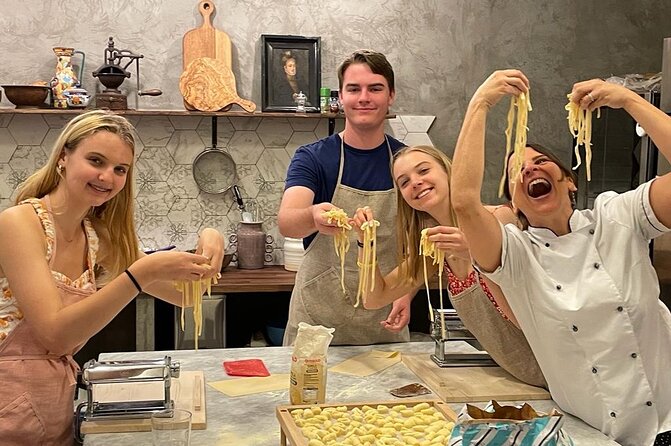
The class lasts about two hours and 30 minutes. That is long enough to cover several dishes without taking up an entire day.
You should think of it as a small meal event rather than a quick activity. The time includes preparation, instruction, cooking, and eating. The pace may change depending on the group, the number of participants, and the recipes used that day.
A morning session can break up a long sightseeing schedule. An evening session works well as dinner and an activity in one. Many people use it as a final night in Rome because it creates a shared memory and ends with food you helped prepare.
The class can also work after a Vatican visit, but be careful with timing. Vatican sightseeing can run long, and you do not want to arrive late with flour already on the table. Plan your museum visit and transport with a buffer.
Drinks and the advertised oil tasting
Wine is part of the appeal, but you are not limited to alcohol. Beer, water, and soft drinks are also listed, so a family or mixed group can choose what suits each person.
The drink service adds to the social side of the lesson. You can sip while shaping pasta and then pair a drink with the finished meal. It makes the activity feel more like a shared Italian evening than a school exercise.
The name also includes oil tasting. The available details do not specify which oils are included, how many you taste, or how much instruction is devoted to them. I would not book this solely as a serious olive oil course. Think of it as an added food element alongside the pasta and gelato lesson.
Value at $85.26 per person
At $85.26 per person, this is not the cheapest way to eat dinner in Rome. You can find a plate of pasta for less. The value comes from combining a meal, a cooking lesson, drinks, a dessert workshop, and a social activity in one booking.
For a family, the price can make sense because the children are not simply sitting through dinner. They are part of the process. For a couple, it offers a more memorable evening than another restaurant reservation, especially for an anniversary or final night.
The class is also useful if you cook at home. Learning to make pasta with basic tools gives you a skill that can pay off long after the trip. If you never plan to cook, the value is mainly the shared experience and the meal.
The high rating and 99 percent recommendation indicate very strong satisfaction, but you should still match the class to your personality. The experience earns its price best when you take part fully, enjoy conversation, and want to learn recipes you can use again.
Who should book this cooking class
I would recommend it most strongly for:
- Families with children who enjoy hands-on activities
- Couples seeking a relaxed food experience
- First-time pasta makers
- Solo visitors who like meeting a small group
- Home cooks who want simple recipes and techniques
- Anyone needing a break from Rome’s churches and museums
It is less suitable if you want a formal chef-led course with advanced culinary theory. It may also disappoint you if you expect a large-scale wine or olive oil tasting, since the available details focus much more on pasta, gelato, and the meal.
All cooking levels are welcome. Service animals are allowed, and the location is near public transportation. Food allergies have been accommodated successfully in at least one class, but you should tell the provider in advance rather than assume every substitution will be possible.
The group maximum is 15 people. Because attendance can be popular, it is booked an average of 42 days ahead. If you want a particular date, especially during a busy Rome visit, booking early is sensible.
Free cancellation is available until 24 hours before the start time for a full refund. Changes or cancellations within 24 hours are not accepted for a refund, and the local time controls the cutoff. The experience also needs a minimum number of participants, so a cancellation by the provider may lead to another date, another experience, or a full refund.
Should you book it?
Book this class if you want to leave Rome with a recipe in your phone, flour on your hands, and a dinner you helped create. The strongest reasons are the simple hand-rolled pasta method, the family-friendly teaching, the included drinks, and the chefs’ warm, humorous approach.
Skip it if you want a polished restaurant meal with no work, or if playful teasing makes you uncomfortable. For most visitors, though, this offers good value near the Vatican and a welcome change from sightseeing. Massimo, when he is leading the class, is a particularly strong choice for families and beginners, but the other named chefs also bring an easygoing style to the table.
FAQ
Where does the pasta and gelato class meet?
The meeting point is Via Simone de Saint Bon 57, 00195 Rome, Italy. The activity ends back at the same meeting point.
How long does the experience last?
The class lasts approximately two hours and 30 minutes.
What food will I prepare?
The sample menu includes bruschetta, handmade pasta with a tomato-based sauce depending on the season, and gelato. Some sessions have included strawberry gelato or strawberry sorbetto.
Are drinks included?
You can drink wine, beer, water, or soft drinks during the experience.
Do I need cooking experience?
No. All cooking skill levels are welcome, including beginners and advanced home cooks.
How many people can join the class?
The maximum group size is 15 people. The actual group may be smaller, and some sessions can become private if scheduling changes affect attendance.
More Workshops in Rome
- 3 in 1 Cooking Class near Navona: Fettuccine, Ravioli & Tiramisu
★ 5.0 · 7,376 reviews - Rome: 3-in-1 Fettuccine, Ravioli, and Tiramisu Cooking Class
★ 4.9 · 2,704 reviews - Become a Masterchef in Rome: Pasta, Ravioli and Tiramisù Class
★ 5.0 · 2,156 reviews - Rome: Fettuccine and Tiramisu Cooking Class with Wine
★ 4.8 · 2,013 reviews
More Pasta in Rome
- Rome: Pasta & Tiramisu Class with Fine Wine by the Vatican
★ 4.9 · 4,852 reviews - Rome: Pasta Making Class with Wine, Limoncello, and Dessert
★ 4.9 · 3,177 reviews - Rome: Fettuccine Pasta Cooking Class in Rome’s City Center
★ 4.8 · 2,414 reviews - Rome: Traditional Pasta with Cocktails Cooking Class
★ 5.0 · 2,374 reviews
Fresh on the Rome list
- Exclusive Golf Tour Private VIP with Local & Gelato o Wine★ 5.0 · 500 reviews
- Colosseum, Palatine Hill and Roman Forum with Guided Tour★ 5.0 · 500 reviews
- Rome Trastevere Pasta Making Class with Eating Europe★ 5.0 · 505 reviews
- Rome by Night Walking Tour★ 4.5 · 506 reviews
- Rome: Colosseum Express Tour with Forum & Palatine Access★ 4.5 · 511 reviews
- Rome Food Experience Max 6 People Group Tour | w/Private Option★ 5.0 · 516 reviews
- Rome: Navona Square Underground Ticket with Audio Guide★ 4.0 · 518 reviews
- Rome: Escorted Papal Audience Experience with Entry Ticket★ 4.4 · 518 reviews
Pasta, compared.
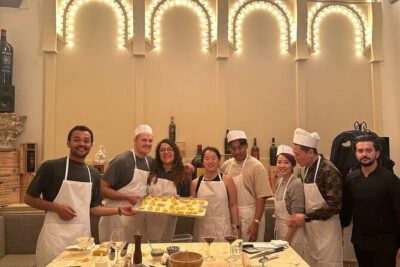
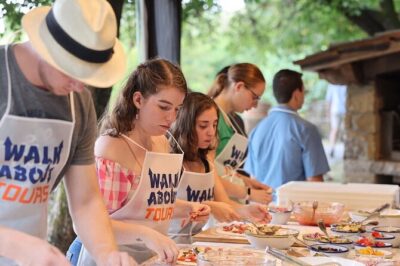
Florence Pizza or Pasta Class with Gelato Making at a Tuscan Farm
Read our review →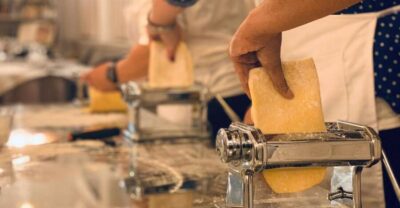
Pasta & Tiramisu Cooking Class with Unlimited Wine
Read our review →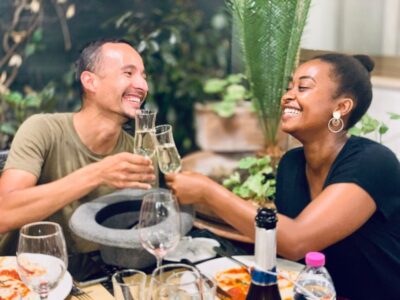
Pasta & Tiramisu Class with Fine Wine by the Vatican
Read our review →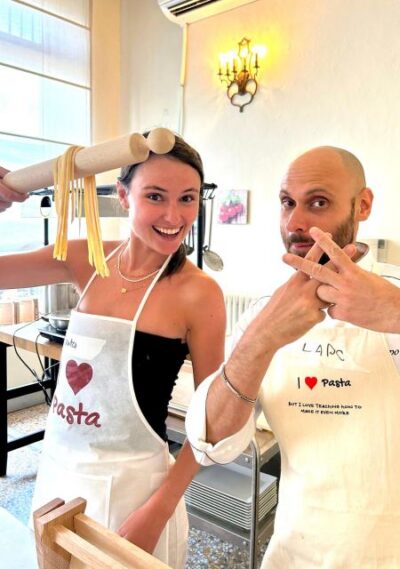
Pasta Making Class with Wine, Limoncello, and Dessert
Read our review →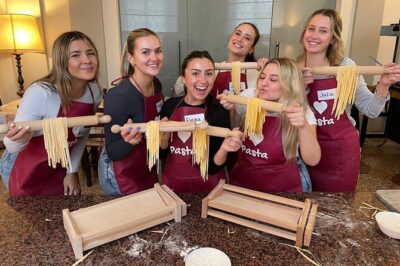
Fettuccine Pasta Cooking Class in Rome’s City Center
Read our review →Browse the lists this tour appears in