
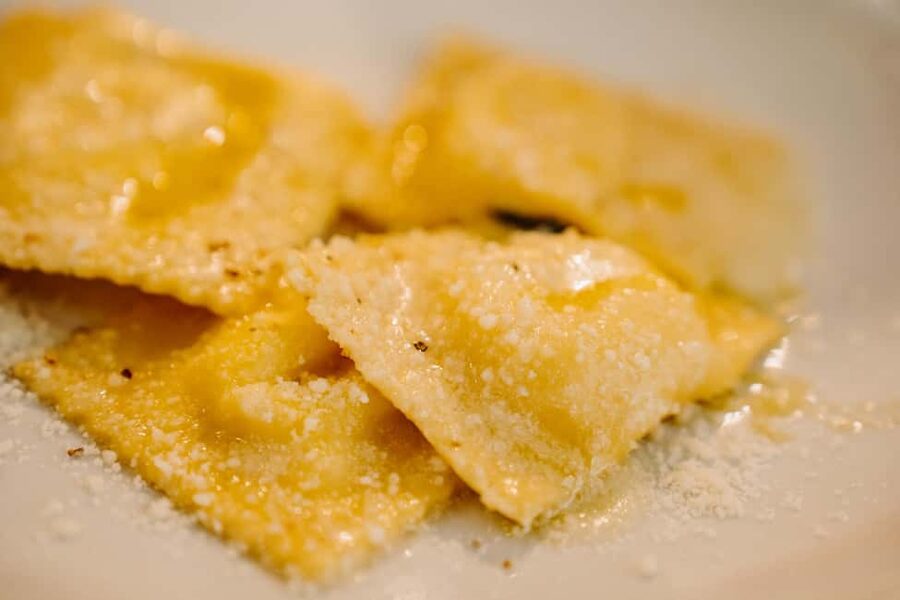
Reviewed · COOKING CLASSES
Rome: Traditional Pasta Making Class with Wine & Gelato
Fresh pasta is the heart of this three-hour experience. In a cooking school in Rome’s Trastevere neighborhood, you’ll roll dough, shape ravioli, prepare two sauces, and then eat the meal you made. Chefs such as Elisa, Stefano, Luca, Manuela, and Federica have led sessions, with a friendly, hands-on approach that suits first-timers.
I like the relaxed start with prosecco, cured meats, and cheese, and I like that the class teaches sauces as well as pasta. You may learn cacio e pepe, amatriciana, gricia, or puttanesca, depending on seasonal ingredients. The main drawback is that the class is not suitable for wheelchair users, guests with mobility impairments, or strollers, and celiac diets cannot be accommodated.
Key points at a glance
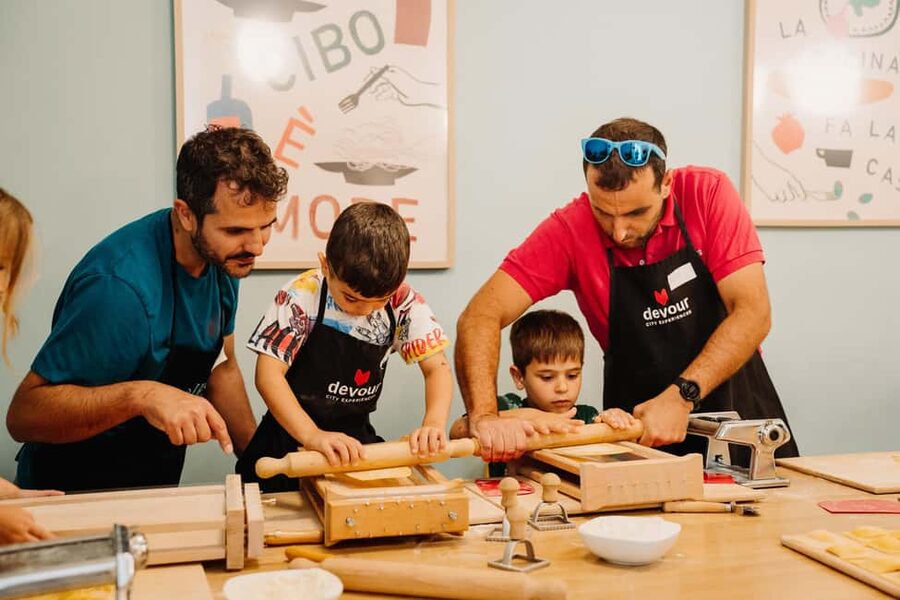
- Start with a Roman aperitivo: Prosecco, cured meats, and cheese give the class an easy, sociable opening.
- Make two pastas by hand: You’ll prepare fettuccine and ravioli from scratch, then cook and eat them.
- Sauces change with the market: The chef chooses from classic Roman sauces and seasonal ingredients.
- English-speaking instruction: Chefs explain the steps, answer questions, and share practical food tips.
- A full meal is included: Wine accompanies the pasta, and homemade gelato finishes the experience.
- Good for families and solo visitors: The class can be private or shared, with small groups available.
Starting with prosecco in Trastevere
The class begins at Piazza di San Giovanni della Malva, in front of the San Giovanni della Malva church. Arrive 15 minutes early and look for a guide carrying a red bag or a Devour Tours sign.
That meeting point puts you right in Trastevere, one of Rome’s most enjoyable neighborhoods for an evening walk. The class itself takes place in a charming cooking school and private kitchen space reserved for your group. Pickup is not included, so you’ll need to make your own way there and back. The activity ends at the same meeting point.
Once inside, the tone is set with a glass of prosecco and a plate of cured meats and cheese. This is more than a snack. In Italy, an aperitivo gives people time to settle in, talk, and work up an appetite before the main meal. If you choose a shared class, this is also the natural moment to meet the other people at your table.
I like this opening because it avoids the rushed feeling of many short cooking demonstrations. You have time to relax before handling flour, and the food makes the setting feel more like an Italian kitchen than a formal lesson.
More Cooking Classes in Rome
- 3 in 1 Cooking Class near Navona: Fettuccine, Ravioli & Tiramisu
★ 5.0 · 7,376 reviews - Rome: Pasta Making Class with Wine, Limoncello, and Dessert
★ 4.9 · 3,177 reviews - Rome: 3-in-1 Fettuccine, Ravioli, and Tiramisu Cooking Class
★ 4.9 · 2,704 reviews
Making fettuccine and ravioli from scratch
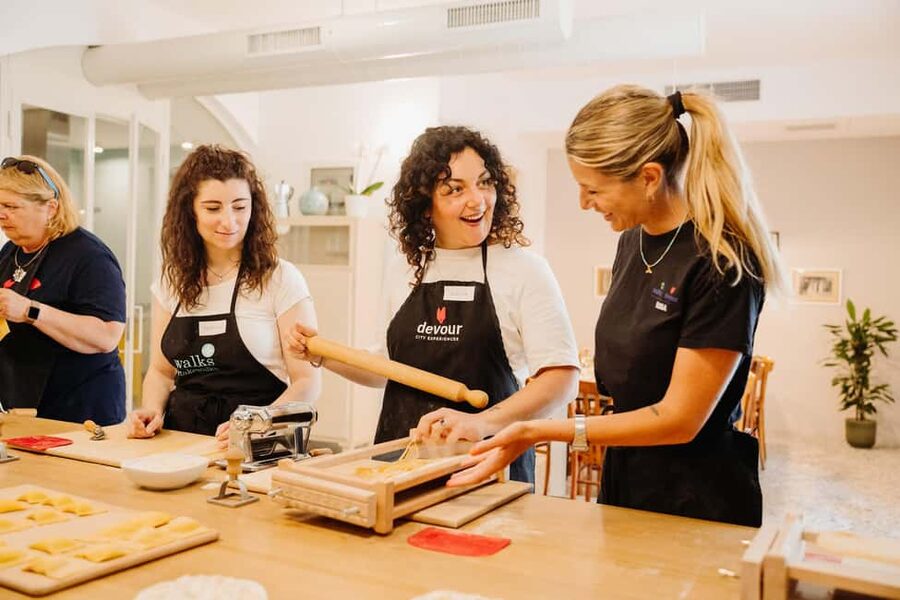
After the aperitivo, the chef gets to work with the pasta dough. You’ll make fettuccine and ravioli, two shapes that teach different skills. Fettuccine gives you practice rolling and cutting long ribbons. Ravioli requires more care, since you must fill, seal, and shape each piece without trapping too much air or letting the filling escape.
The process is hands-on. You are not simply watching a chef prepare a finished dish at the front of the room. You’ll handle the dough and follow each stage with help from the instructor. That makes this a good pick if you want to return home with a skill you can repeat, not just a pleasant meal.
The chefs focus on the reasons behind the steps. Federica, for example, has been praised for explaining why certain methods work, not only what to do next. That sort of instruction matters when you cook later without someone standing beside you. You learn how the dough should feel, how to work with it, and how small choices affect the final texture.
You can ask questions about Italian food, Roman customs, and cooking at home. Several of the chefs also share restaurant suggestions around Rome. This adds a useful local angle, especially if you want to eat well after the class and avoid choosing restaurants at random.
Roman sauces are half the lesson
The pasta is only part of the meal. You’ll also make two sauces, using traditional Roman recipes such as amatriciana, puttanesca, gricia, or cacio e pepe. The exact choices depend on what is seasonal and available at local markets.
That changing menu is worth noting. You are not guaranteed one fixed pair of sauces, so book this for the cooking experience rather than for a specific recipe. If you have your heart set on cacio e pepe or amatriciana, you can ask the chef, but the final menu may depend on the ingredients available that day.
This flexibility also gives the lesson a more useful connection to everyday Italian cooking. You learn to work with good ingredients that are on hand, rather than treating a recipe as a rigid formula. The chef can explain how Roman sauces differ and how they are commonly prepared.
For many people, the sauce lesson may be the most valuable part. Fresh pasta is fun to make, but sauces are what you’ll use most often at home. Learning the balance of a simple Roman sauce can improve an ordinary weeknight meal without requiring expensive equipment.
Sitting down to eat your own Roman meal
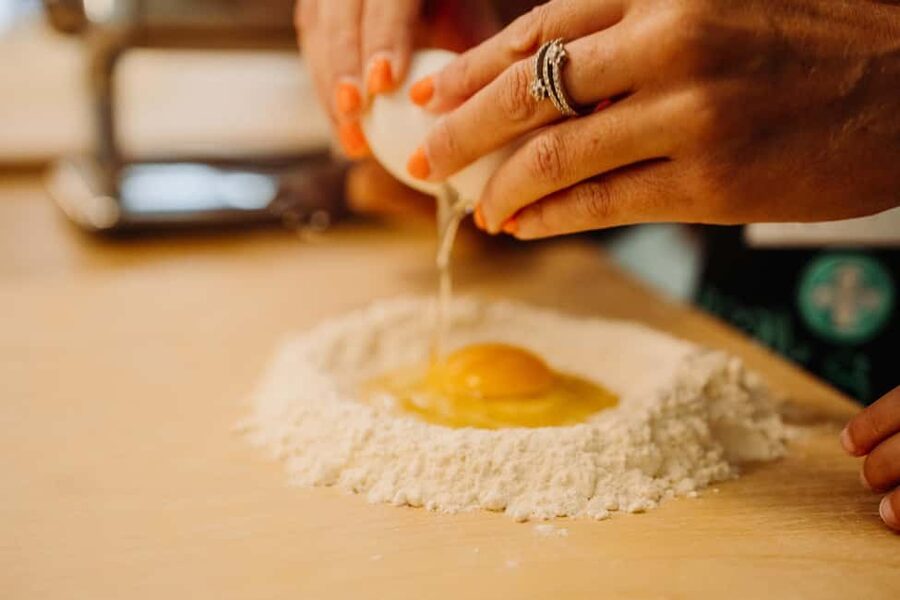
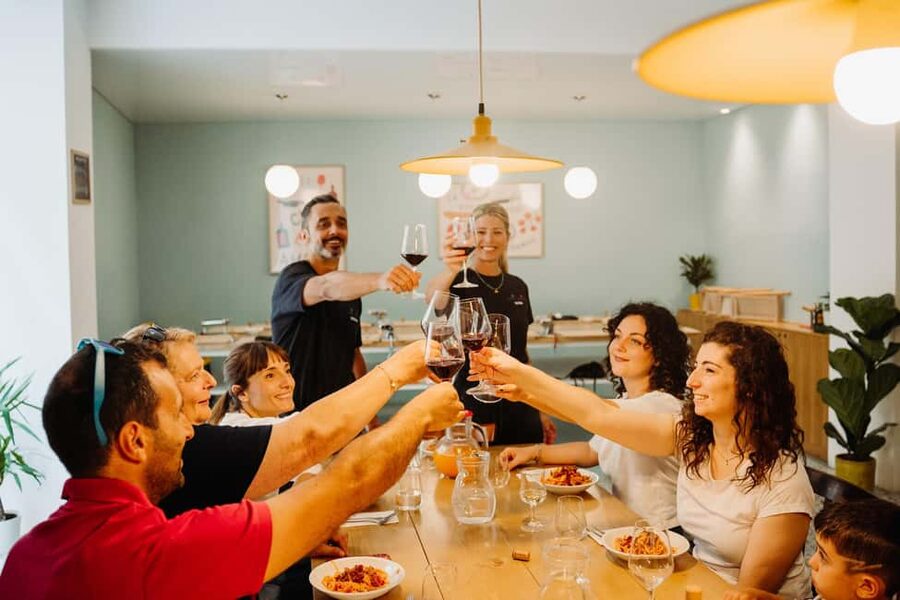
Once the pasta and sauces are ready, you sit down to eat. Two homemade pasta dishes are included, along with wine. The class finishes with homemade gelato prepared by the chef.
This meal gives the class a satisfying rhythm: aperitivo, preparation, dinner, dessert. You are not leaving hungry after a small sample of pasta. The experience is built around a proper shared meal, which helps explain the three-hour length and the price of $66.84 per person.
The gelato is a particularly nice finish for families and anyone who has spent the day visiting Roman sights. It also adds a sweet course without requiring you to find another stop afterward. Additional food and drinks may be available if you want to stay at the location, but those extras are not included.
The cooking school is described as modern, clean, and spacious in guest feedback. That matters during a hands-on class, since cramped work surfaces can turn pasta making into a nuisance. Still, room and group size can vary by departure, so choose the private option if personal attention and space are especially important to you.
Same city, an entirely different afternoon:
- Vatican Museums & Sistine Chapel Tour with Optional Basilica
★ 4.3 · 67,413 reviews - Colosseum, Roman Forum & Palatine Guided Tour
★ 4.7 · 63,148 reviews - Vatican Museums, Sistine Chapel & St Peter’s Basilica Guided Tour
★ 4.5 · 39,149 reviews - Rome: Colosseum, Palatine Hill and Roman Forum Guided Tour
★ 4.8 · 32,814 reviews
Private class or shared group?
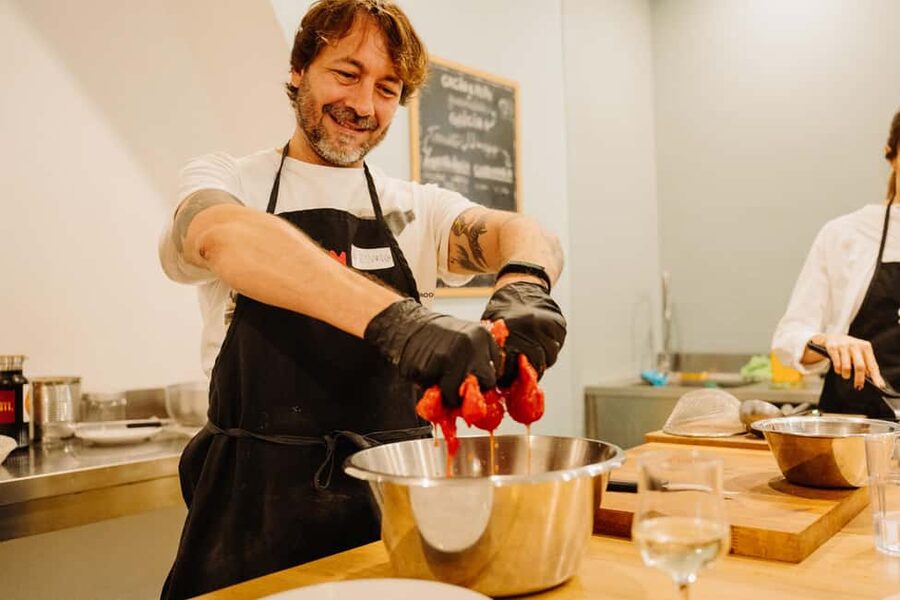
You can book either a private or shared class, depending on the option selected. A shared class is the more social choice. You’ll meet other participants, compare pasta shapes, and cook as part of a small group. Solo visitors have also found the format comfortable, since the chefs keep the activity moving and make it easy to take part.
A private class gives you more control over the pace and conversation. It is the better fit for a family group, a couple marking an anniversary, or anyone who wants to ask many questions without worrying about holding up other people.
The class has worked well for children, too. A six-year-old enjoyed the activity with a parent, and a group that included nine and eleven-year-old children described it as a favorite part of a ten-day Italy trip. The hands-on work gives children something real to do, though younger children will need adult help around ingredients, utensils, and the cooking area.
The chef names vary by departure. Past sessions have been led by Elisa, Federica, Stefano, Luca, Manuela, Asia, Jamila, Jeanmarie, Guilia, Fernanda, and Alessandro. The common thread is an energetic teaching style, with plenty of encouragement for people who have never made pasta before.
What the cooking instruction is really like
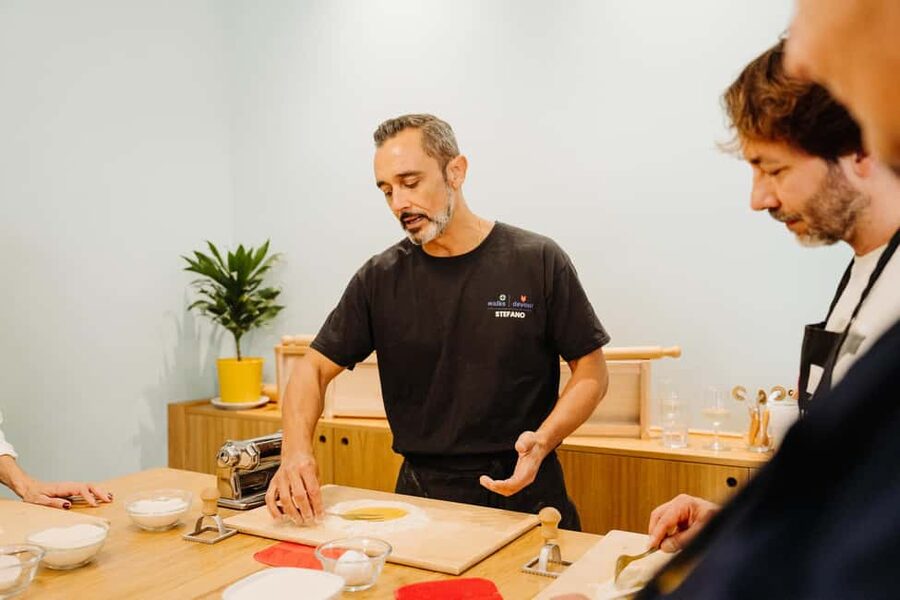
The best part of this class is the balance between instruction and fun. You’ll receive guidance at each stage, but the goal is not to turn the session into a technical culinary exam. The chefs keep the pace lively, explain what they are doing, and give you room to try the work yourself.
That approach is useful for mixed groups. An experienced home cook can ask about sauce technique, while a complete beginner can follow along without feeling lost. Several instructors have also shared broader lessons about Italian cooking and why food matters in local culture.
You should expect a social class rather than a quiet private lesson unless you select the private option. There may be conversation, laughter, and time spent waiting while other people complete a step. For most people, that is part of the appeal. If you want a fast, highly technical workshop, this may feel too relaxed.
You also should not expect a full cooking course covering every kind of pasta. The focus is narrow and practical: two fresh pasta shapes, two sauces, a meal, wine, and gelato. That focus is a strength if you want a manageable lesson you can remember and repeat.
Dietary needs, mobility, and practical limits
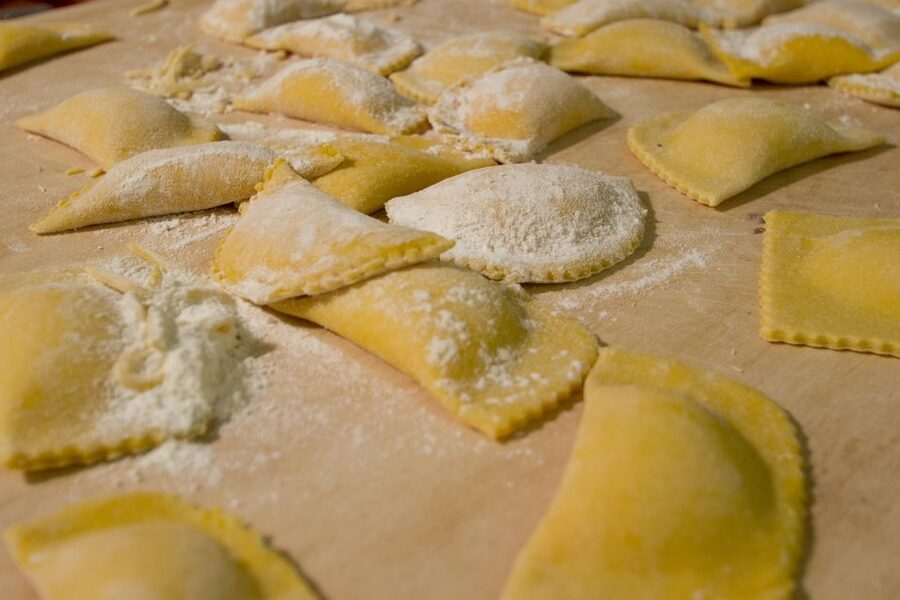
The class can adapt to dietary needs except for celiac disease. If you have allergies or other restrictions, contact the provider before joining so the food can be arranged. Do not wait until you arrive, since the kitchen needs advance notice.
This experience is not suitable for wheelchair users, people with mobility impairments, or strollers. The supplied information does not describe the exact physical setup, so if you have any concern about standing, moving around the work area, or accessing the kitchen, ask before booking.
The class is taught in English. That makes it a straightforward choice if you want to follow detailed cooking instructions and ask questions during the preparation. The lesson lasts three hours, and starting times vary, so check the available departure when booking.
Cancellation is free up to 24 hours before the activity for a full refund. You can also reserve now and pay later, which helps if your Rome schedule is still changing.
Is $66.84 a fair price?
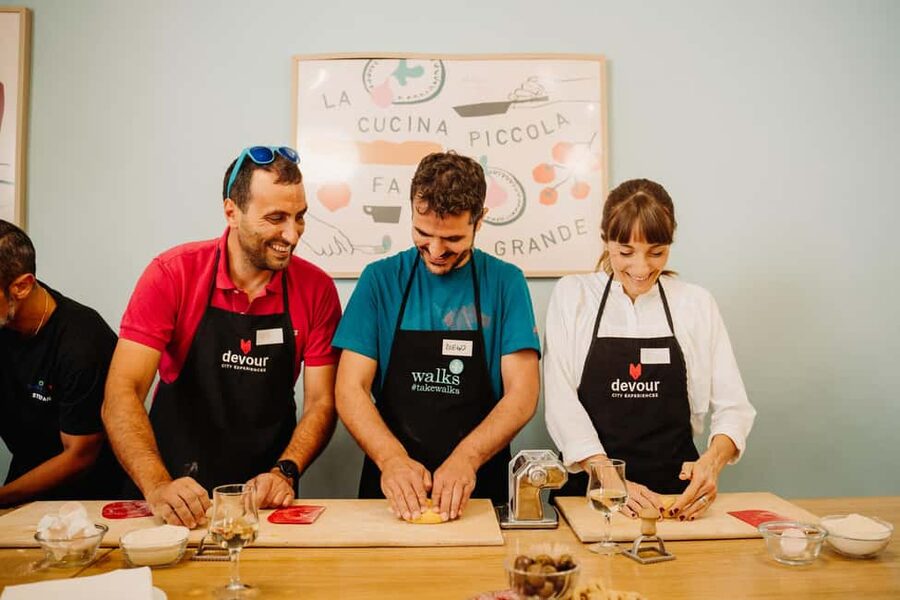
At $66.84 per person, this is not simply a pasta lesson priced by the hour. The cost includes a prosecco aperitivo, appetizers, all ingredients, instruction from a local chef, two pasta dishes with sauces, wine, and homemade gelato.
If you compare it with the cost of a restaurant meal in central Rome, the value becomes clearer. You receive dinner and dessert, but also three hours of entertainment and a skill you can use at home. The price makes the most sense when you want an activity that combines food, conversation, and local context.
A private class may be worth the added cost for families or special occasions. A shared class is likely the better value if you enjoy meeting people and are happy to work at the group’s pace.
The main value is not in the number of dishes. It is in learning the method, especially the sauces. If you only want to eat fresh pasta, Rome offers many restaurants. Choose this class when you want to understand how the meal comes together and take that knowledge home.
Who should book this class?
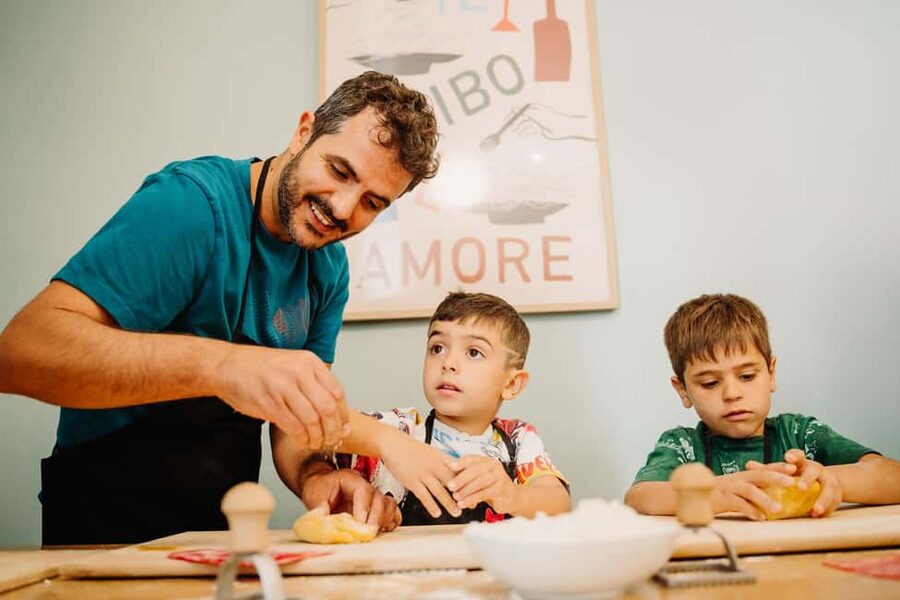
I’d recommend it to first-time pasta makers, families with older children, couples looking for a meal with an activity attached, and solo visitors who like social experiences. It also fits well on a Rome itinerary when you want a break from monuments and museums.
Food lovers who already cook Italian dishes may still enjoy the Roman sauce discussion and the chance to compare methods. Just keep your expectations realistic: this is an approachable class, not advanced chef training.
I would hesitate if you have celiac disease, need wheelchair access, or dislike group activities. You should also think twice if your schedule is tightly packed, since three hours plus transport to Trastevere is a real block of time.
Should you book it?
Book this Rome pasta-making class if you want to do more than photograph Italian food. The combination of aperitivo, hands-on pasta work, Roman sauces, wine, and gelato gives you a full evening with a clear sense of place.
Choose the shared option for the best social value, or pay more for private time if you want a slower family lesson or a special celebration. Contact the provider ahead of time about dietary needs, arrive 15 minutes early at Piazza di San Giovanni della Malva, and leave room in your schedule for the meal.
FAQ
Where does the pasta-making class meet?
The class meets at Piazza di San Giovanni della Malva, 00153 Roma RM, in the square in front of the San Giovanni della Malva church in Trastevere.
How early should I arrive?
Arrive 15 minutes before the scheduled start time. The guide will be holding a red bag or a Devour Tours sign.
How long does the experience last?
The cooking class lasts three hours. Starting times vary, so check availability when booking.
Is the class taught in English?
Yes. The instructor language is English.
What food and drinks are included?
The experience includes appetizers, prosecco, wine, two homemade pastas with sauces, gelato, and all ingredients needed for the meal.
Which pasta dishes will I make?
You’ll make fettuccine and ravioli from scratch.
Which sauces will be prepared?
Possible Roman-style sauces include amatriciana, puttanesca, gricia, and cacio e pepe. The chef selects the sauces based on seasonal ingredients and local market availability.
Can the class accommodate dietary restrictions?
The class can adapt to dietary needs except for celiac disease. Contact the provider before joining so arrangements can be made.
Is the class suitable for wheelchair users or strollers?
No. The activity is not suitable for wheelchair users, guests with mobility impairments, or strollers.
Can I cancel the booking?
Yes. You can cancel up to 24 hours in advance for a full refund. Reserve now and pay later is also available.
More Workshops in Rome
- Rome: Pasta & Tiramisu Cooking Class near the Spanish Steps
★ 4.8 · 1,395 reviews - Rome Tipsy Cooking Class: Make Pasta and Mix 3 Spritz Cocktails
★ 5.0 · 1,357 reviews - Cooking Class in the Heart of Rome: Pizza and Tiramisu Making
★ 5.0 · 1,330 reviews - Rome Pasta and Tiramisu Class: Ravioli, Fettuccine & Fine Wine 5*
★ 5.0 · 1,319 reviews
More Pasta in Rome
- Rome: Pasta & Tiramisu Class with Fine Wine by the Vatican
★ 4.9 · 4,852 reviews - Learn to Make Pasta & Tiramisu with Wine and Limoncello Included
★ 5.0 · 2,345 reviews - Become a Masterchef in Rome: Pasta, Ravioli and Tiramisù Class
★ 5.0 · 2,156 reviews - Enjoy Spritz and Pasta Making in Piazza Navona
★ 5.0 · 1,681 reviews
Fresh on the Rome list
- Exclusive Golf Tour Private VIP with Local & Gelato o Wine★ 5.0 · 500 reviews
- Colosseum, Palatine Hill and Roman Forum with Guided Tour★ 5.0 · 500 reviews
- Rome Trastevere Pasta Making Class with Eating Europe★ 5.0 · 505 reviews
- Rome by Night Walking Tour★ 4.5 · 506 reviews
- Rome: Colosseum Express Tour with Forum & Palatine Access★ 4.5 · 511 reviews
- Rome Food Experience Max 6 People Group Tour | w/Private Option★ 5.0 · 516 reviews
- Rome: Navona Square Underground Ticket with Audio Guide★ 4.0 · 518 reviews
- Rome: Escorted Papal Audience Experience with Entry Ticket★ 4.4 · 518 reviews
Cooking Classes, compared.
3 in 1 Cooking Class near Navona: Fettuccine, Ravioli & Tiramisu
Read our review →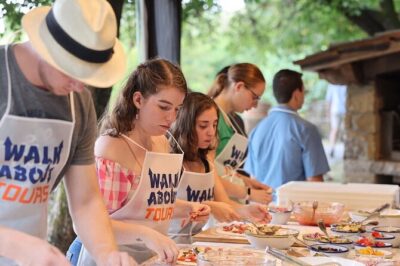
Florence Pizza or Pasta Class with Gelato Making at a Tuscan Farm
Read our review →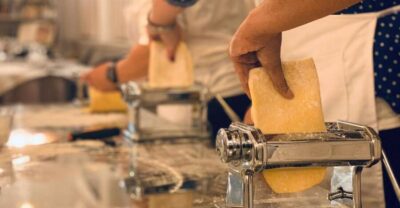
Pasta & Tiramisu Cooking Class with Unlimited Wine
Read our review →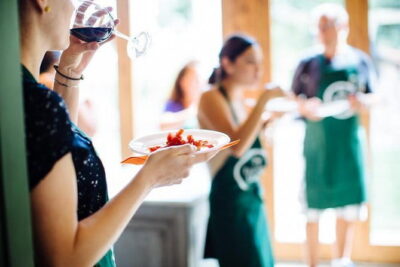
Cooking Class and Lunch at a Tuscan Farmhouse with Local Market Tour from Florence
Read our review →
Authentic Pizza Making Class in Naples with Appetizers and Drink
Read our review →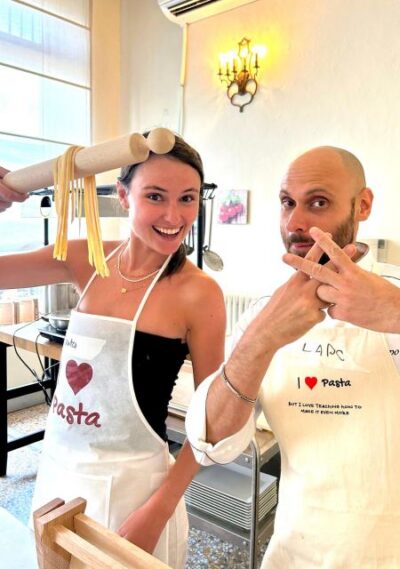
Pasta Making Class with Wine, Limoncello, and Dessert
Read our review →Browse the lists this tour appears in