
Reviewed · COOKING CLASSES
Rome: Pizza Making Class Small Group Experience
Making pizza from flour, water, and yeast is the heart of this hands-on Roman food class. Near the Vatican Museums, you’ll work at your own station, learn how dough behaves, choose your toppings, and slide your pizza into the oven yourself.
I like the warm aperitivo start, with a Spritz and homemade Roman cheese-and-pepper chips. I also like that your meal is part of the lesson, not an extra charge, and that the recipe book helps you repeat the class at home. The main consideration is that the cooking session lasts about one hour within a roughly two-hour visit, and the dough you first mix may be replaced with prepared dough so you can eat pizza the same day.
Key points at a glance
- A pizza class beside the Vatican Museums: An easy add-on before or after a museum visit, at Via Andrea Doria, 41 M.
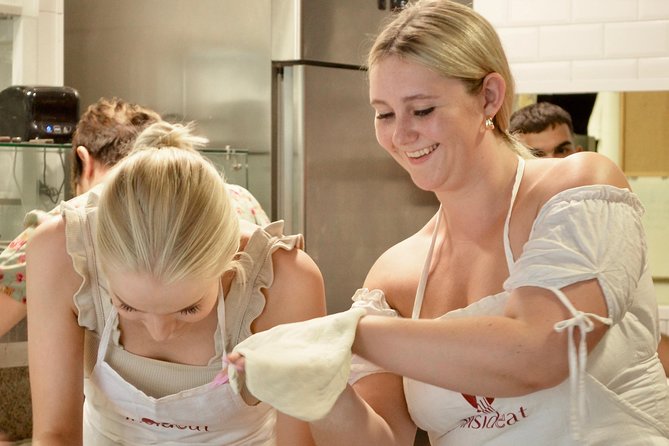
- Your own cooking station: You mix, knead, shape, top, and bake your personal pizza with supplied tools and ingredients.
- A proper Italian welcome: Begin with a Spritz or sparkling wine and homemade Roman cheese-and-pepper chips.
- More than a recipe: The chef explains the science behind yeast, resting time, dough texture, and baking.
- A relaxed finish: Eat your pizza in the air-conditioned restaurant or outdoor terrace with wine, beer, a soft drink, and water.
- Good for mixed groups: Children, solo participants, families, vegetarians, pescatarians, lactose-intolerant diners, and gluten-free diners can be accommodated with advance notice.
Starting near the Vatican Museums
The class begins at Via Andrea Doria, 41 M, in the 00192 area of Rome. That puts you just steps from the Vatican Museums, though the class itself is a separate food activity rather than a museum tour.
This location makes the experience easy to pair with a Vatican day. You can schedule it before or after the museums, but watch your timing. The class lasts about two hours, and a museum visit can take far longer than expected. Give yourself enough time to reach the meeting point without turning the cooking lesson into a race.
The venue is air-conditioned, which matters during Rome’s warmer months. Kneading dough is more pleasant when you are not working in a hot room, and the cool interior gives you a comfortable place to eat afterward. You may also sit on the outdoor terrace if you prefer fresh air.
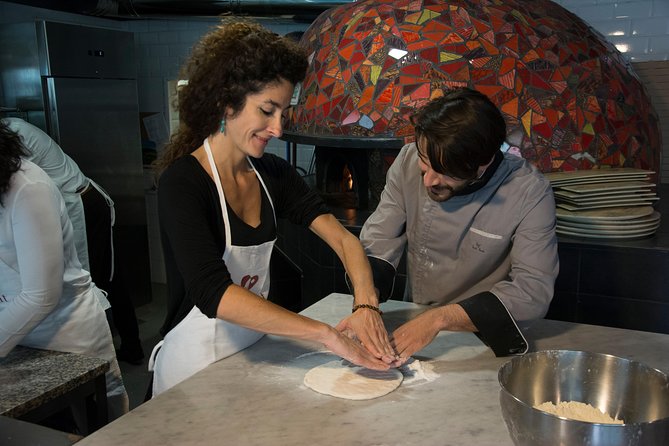
The group can include up to 14 people. That is small enough for a personal workstation and direct help, though it is not a private lesson by default. One particularly good possibility is that a lightly booked session may feel almost private. A couple once found themselves as the only two participants, with Davide guiding them through the process.
More Cooking Classes in Rome
- 3 in 1 Cooking Class near Navona: Fettuccine, Ravioli & Tiramisu
★ 5.0 · 7,376 reviews - Rome: Pasta Making Class with Wine, Limoncello, and Dessert
★ 4.9 · 3,177 reviews - Rome: 3-in-1 Fettuccine, Ravioli, and Tiramisu Cooking Class
★ 4.9 · 2,704 reviews
The Spritz, chips, and Roman welcome
The lesson opens with a classic Italian aperitivo. You receive a Spritz or sparkling wine, along with handmade crunchy chips served with a typical Roman cheese.
These are not just filler snacks while you wait. The aperitivo gives the class a friendly beginning and introduces you to the Roman habit of taking a small drink and bite before a meal. The cheese-and-pepper flavor also gives the welcome snack a local touch instead of relying only on generic bar food.
Your package includes the welcome drink, chips, your pizza, water, and one meal drink. For that drink, you can choose wine, beer, or a soft drink. This all-in pricing is useful because food activities can become expensive when drinks and small courses are added one by one.
If you do not drink alcohol, you can choose a soft drink. If you are pacing yourself during a full day of sightseeing, water is included as well. The welcome Spritz or sparkling wine is part of the menu, so anyone avoiding alcohol should mention their preference when arranging the experience.
From flour and water to workable dough
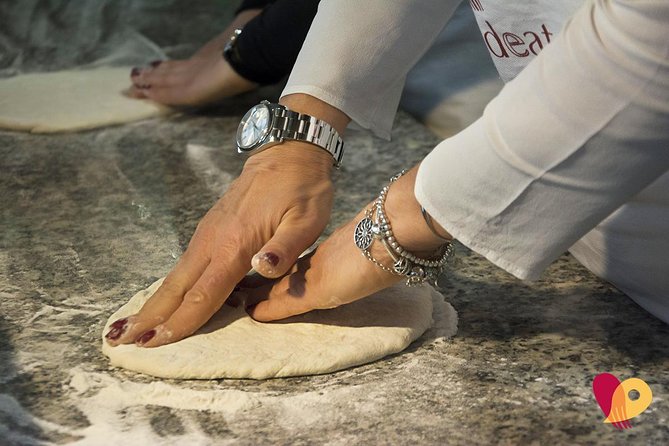
The central lesson begins with the basics. You work with flour, water, and yeast, then mix and knead the dough under the chef’s direction.
This is where the class earns its keep. Pizza dough looks simple, but the texture depends on several small choices. The instructors explain why each step matters, including the science behind yeast and the reason dough needs time to rest.
There is one practical wrinkle. Freshly mixed dough normally needs about two days to rest before it is ready for the best result. Since you are eating your pizza during the class, the dough you first mix may not be the dough that goes into the oven. The staff can replace it with dough that has already rested for the proper amount of time.
That may surprise you if you expect to eat the exact dough you handled from start to finish. It is also the sensible way to run a same-day class. You still learn the mixing and kneading process, then work with properly rested dough for the pizza you will actually eat.
One hands-on moment described by a participant involves handling the dough with plenty of energy before shaping it. You can expect the process to be active rather than a quiet demonstration. The chef shows you what to do, then gives you time to try it yourself.
Shaping, topping, and baking your own pizza
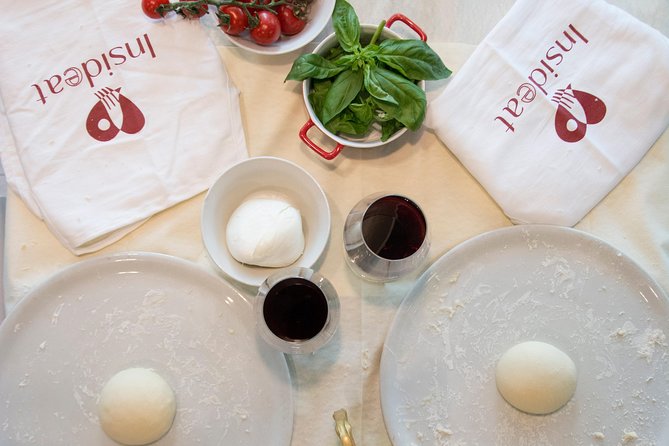
Once the dough is ready, you shape it and choose your toppings. The menu promises fresh, seasonal ingredients and the freedom to make a classic Margherita or create your own combination.
This is a good setup for a group with different tastes. One person can keep things simple, while another can experiment. You are not handed a fixed pizza and asked to watch someone else cook it. The point is to make your own meal.
Each participant has a fully equipped workstation, with an apron and cooking utensils provided. That detail matters. You do not need to share every tool with the entire group, and you have a clear place to work. It also makes the class easier for children, since each child can take part under adult supervision.
The instructor helps with the practical parts that are hard to learn from a recipe alone. You learn how to handle the dough, spread it, add toppings without overloading it, and prepare it for the oven. The lesson is meant for all skill levels, so you do not need previous baking experience.
The final step is especially satisfying: you get to slide your pizza into the oven yourself. That gives the class a clear finish. You have handled the ingredients, made the choices, and taken responsibility for the bake.
The description refers to a wood-fired oven in the cooking process, but the experience information does not promise a particular oven for every session. If that detail matters to you, confirm it before booking.
Same city, an entirely different afternoon:
- Vatican Museums & Sistine Chapel Tour with Optional Basilica
★ 4.3 · 67,413 reviews - Colosseum, Roman Forum & Palatine Guided Tour
★ 4.7 · 63,148 reviews - Vatican Museums, Sistine Chapel & St Peter’s Basilica Guided Tour
★ 4.5 · 39,149 reviews - Rome: Colosseum, Palatine Hill and Roman Forum Guided Tour
★ 4.8 · 32,814 reviews
Why the science lesson matters
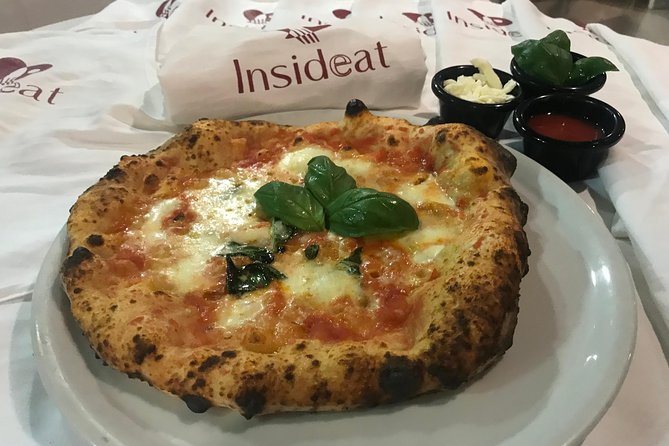
A pizza class can be a tourist gimmick if it only asks you to sprinkle toppings on a ready-made base. This one goes further by explaining why the steps work.
You learn that the dough is not just a blank surface for toppings. Yeast, time, water, flour, kneading, and heat all affect the final crust. Understanding those links is more useful than memorizing a list of ingredients.
The recipe material sent after class adds value. The cookbook and emailed recipe information give you a way to try the process at home. You should still remember that home ovens and flour vary, so your first attempt may not match the pizza from the Roman kitchen. The class gives you a starting point and the confidence to practice.
The UNESCO connection also gives the lesson cultural context. The traditional art of the Neapolitan pizzaiuolo is recognized as Intangible Cultural Heritage, so pizza-making is more than a popular dish. The class offers a small, practical way to connect with that living food tradition.
Eating in the restaurant or on the terrace
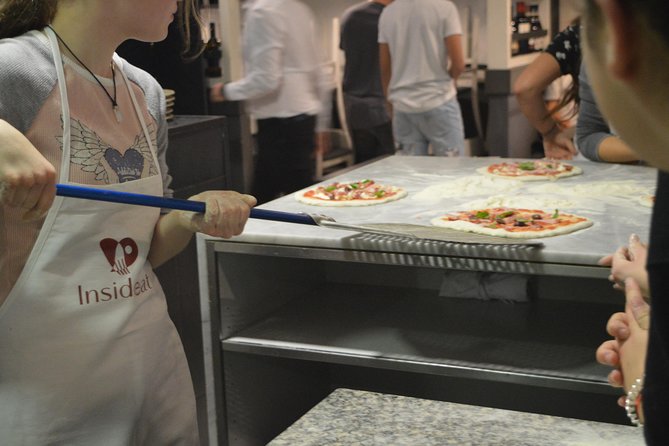
After the pizza comes out of the oven, you sit down and eat what you made. You can use the cozy restaurant or outdoor terrace, depending on the setting and your preference.
The meal includes one drink, with wine, beer, or a soft drink available, plus water. There is no cleanup for you afterward. That is important after a flour-heavy session, especially if you are fitting the class into a long sightseeing day.
The food is simple by design. You get the aperitivo snacks, your own pizza, and a drink. This is not a multi-course Roman cooking workshop, and it should not be judged by that standard. Its appeal is the combination of instruction, participation, and a meal you prepare yourself.
The class can also become a social break in a busy itinerary. You may arrive as a solo participant, as one couple did, or with friends and family. The format allows you to work independently while still sharing the meal and the occasional laugh with the group.
What the class does especially well
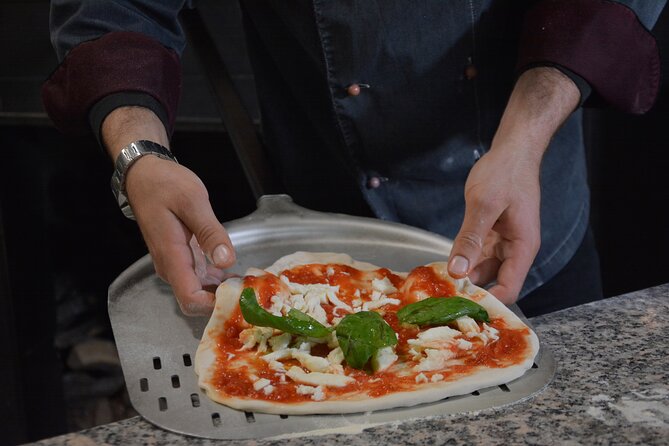
The strongest part of the experience is the instructor’s role. Carlo is described as warm, funny, and passionate, with a teaching style that makes the process approachable. Davide is also praised for patience and clear help, while Mara worked especially well with a six-year-old participant.
Instructor assignments can change, so do not book on the assumption that one particular chef will lead your session. Still, the range of positive comments about Carlo, Davide, Mara, and the wider team points to a consistent focus on friendly teaching.
The class also handles different ages well. A six-year-old enjoyed taking part, and families have used the activity as a shared bonding experience. Children must be accompanied by an adult, and younger participants may need help with hot ovens and sharp utensils.
For solo visitors, the format is less awkward than many group activities. You have your own station and a clear task, so you do not need to arrive with a large party to take part fully.
Dietary needs and practical limits
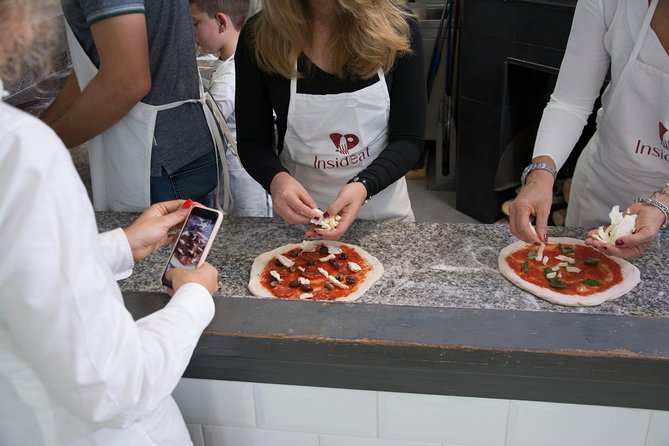
Vegetarian and pescatarian diners can join, and lactose-intolerant participants can be accommodated. Gluten-free pizza is available on request, but you must provide that information in advance.
Do not wait until you arrive to mention a dietary restriction. The staff needs notice to prepare the right ingredients and make sensible arrangements. The same advice applies to vegan requirements, which are listed among the accommodations.
The activity is offered in English. Service animals are allowed, and the venue is near public transportation. Children need an accompanying adult.
The price is about $64.09 per person. That is a fair amount for a two-hour experience when you count the chef’s instruction, ingredients, apron, tools, aperitivo, pizza, meal drink, water, and recipe material. It is not the cheapest way to eat pizza in Rome, but you are paying for a lesson and a meal rather than only a plate of food.
I would compare it with the cost of a good lunch plus a separate activity. If you only want a quick pizza, spend less at a pizzeria. If you want to learn, cook, and leave with recipes, the price makes more sense.
The experience is booked an average of 46 days ahead, so plan early if your Rome schedule is fixed. Free cancellation is available up to 24 hours before the start time. Changes or cancellations inside that window are not accepted for a refund, and the class requires a minimum number of participants.
Who should book this pizza class?
I would choose this activity for families, couples, solo food lovers, and anyone who wants a break from museums and monuments. It works especially well for children old enough to follow instructions and enjoy handling dough.
It is also a good pick if you like learning the reason behind a recipe. The science of resting dough, yeast, and texture gives the class more substance than a simple topping workshop.
You may want something else if you are looking for a serious professional baking course, a long regional food tour, or a large Italian meal with several courses. The cooking portion is about one hour, and the full visit lasts roughly two hours. The focus stays firmly on pizza.
Final decision: book it for the activity, not just the meal
I recommend this class if you want to make your lunch, not simply order it. The own-station setup, friendly instruction, included drinks, air-conditioned room, and recipe material create good value at $64.09.
Book it early, especially if you are visiting Rome on a set schedule. Tell the staff about gluten-free, vegan, vegetarian, pescatarian, or lactose-free needs before the class. If you accept that your fresh dough may be exchanged for properly rested dough, you get a fun and useful lesson that ends with a pizza you made yourself.
FAQ
Where does the pizza-making class begin?
The class starts at Via Andrea Doria, 41 M, 00192 Roma RM, Italy, near the Vatican Museums. The activity ends back at the meeting point.
How long does the experience last?
The full activity lasts approximately two hours. About one hour is devoted to hands-on pizza cooking.
What food and drinks are included?
You receive a Spritz or sparkling wine, homemade chips with a typical Roman cheese, your pizza, water, and one meal drink. The meal drink can be wine, beer, or a soft drink.
Is the class suitable for children?
Yes. The class is suitable for all ages, but children must be accompanied by an adult.
Can the class accommodate dietary restrictions?
Vegetarian, pescatarian, and lactose-intolerant diners can be accommodated. Gluten-free options are available on request, and vegan needs can also be accommodated. Tell the provider in advance.
What is the cancellation policy?
You can cancel up to 24 hours before the experience begins for a full refund. Cancellations or changes made less than 24 hours before the start time are not accepted for a refund.
More Workshops in Rome
- Rome: Pasta & Tiramisu Class with Fine Wine by the Vatican
★ 4.9 · 4,852 reviews - Rome: Fettuccine Pasta Cooking Class in Rome’s City Center
★ 4.8 · 2,414 reviews - Rome: Traditional Pasta with Cocktails Cooking Class
★ 5.0 · 2,374 reviews - Become a Masterchef in Rome: Pasta, Ravioli and Tiramisù Class
★ 5.0 · 2,156 reviews
Fresh on the Rome list
- Rome: Guided Catacombs Tour & Capuchin Crypt (Audio Guide)★ 4.3 · 191 reviews
- Guided tour of the Colosseum, Roman Forum and Palatine in Spanish★ 4.5 · 191 reviews
- Rome: Borghese Gallery Guided Tour with Skip-the-Line Ticket★ 4.5 · 192 reviews
- Rome: Arena Colosseum Tour with Arena Access★ 4.6 · 193 reviews
- Rome: Colosseum & Roman Forum Guided Tour★ 5.0 · 194 reviews
- Colosseum, Forum, Palatine Hill with audio guide and Arena or Bus option★ 4.0 · 193 reviews
- Rome: Domus Aurea Guided Tour and Virtual Reality Experience★ 4.7 · 194 reviews
- Rome Vintage Fiat 500 car Tour With Photographer★ 5.0 · 194 reviews
Cooking Classes, compared.
3 in 1 Cooking Class near Navona: Fettuccine, Ravioli & Tiramisu
Read our review →
Florence Pizza or Pasta Class with Gelato Making at a Tuscan Farm
Read our review →
Pasta & Tiramisu Cooking Class with Unlimited Wine
Read our review →
Cooking Class and Lunch at a Tuscan Farmhouse with Local Market Tour from Florence
Read our review →
Authentic Pizza Making Class in Naples with Appetizers and Drink
Read our review →
Pasta Making Class with Wine, Limoncello, and Dessert
Read our review →Browse the lists this tour appears in