Reviewed · PASTA
Rome: Fresh Pasta and Tiramisu Making Class with Fine Wine
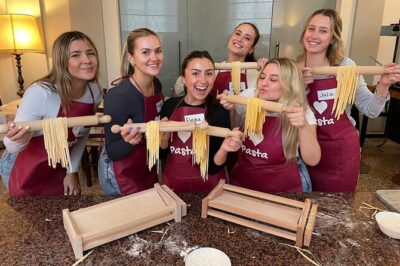
The best part of this Rome cooking class is that you do not simply watch a chef make pasta. You mix the dough, shape it, fill ravioli, prepare tiramisu, and then sit down to eat the results. It is a hands-on taste of Roman food culture in a restaurant near the Vatican.
I like the generous food and drink, especially since the meal includes your homemade pasta and dessert, along with prosecco, fine wine, soft drinks, coffee, and limoncello. I also like the social setup. You work at your own station, meet people from other countries, and share the finished meal around a table.
The main drawback is that this is a group class, not a private cooking lesson. Your pasta may be combined and served family-style, and a warm kitchen can feel stuffy. Finding the venue may also take care, since one session was difficult to locate from the map.
Key points at a glance
- Three Italian staples in one class: Prepare tiramisu, fettuccine, and ravioli from scratch.
- A meal comes after the work: Sit down to eat the pasta and dessert you helped make.
- Drinks are part of the experience: Prosecco, wine, soft drinks, coffee, and limoncello are included.
- English-speaking instruction: Chefs including Alessia, Claudio, Anna, Eddie, Alice, and Sonia have led different sessions.
- A social Rome activity: You cook at your own station, then share the meal with the group.
- Good value for a long afternoon or evening: The class lasts 3 to 4 hours and costs $77.03 per person.
Making tiramisu before the pasta
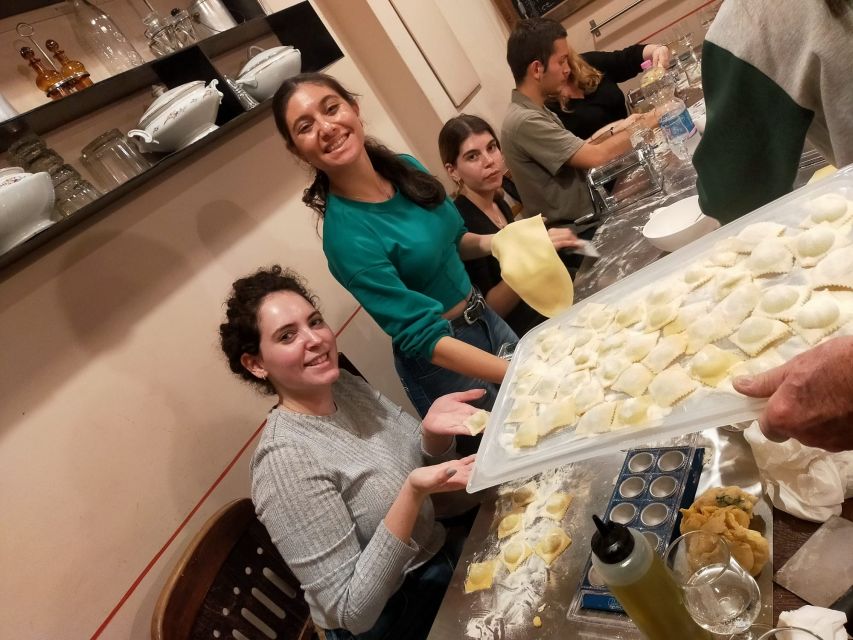
The class usually begins with tiramisu. That is a smart choice. The dessert needs time to come together, and starting with it lets the flavors rest while you make the pasta.
You work with the classic ingredients: mascarpone, eggs, coffee, sugar, and cocoa powder. The chef shows you how the ingredients are handled and explains the tools needed. You are not just handed a finished dessert at the end. You take part in the mixing and assembly.
I like this first stage because it is approachable. Pasta dough can be messy and takes a little muscle. Tiramisu gives you an easy win before the flour hits the table. It also gives the chef time to explain small details that are useful at home, such as how to build the layers and balance the coffee and cocoa.
The class uses traditional recipes rather than turning the dish into a modern restaurant project. That matters if your goal is to return home and make the dessert again. Recipes are provided to take with you, so you do not have to rely on memory after a busy day in Rome.
A few other Rome mornings to weigh against this
- Rome: Pasta & Tiramisu Class with Fine Wine by the Vatican
★ 4.9 · 4,852 reviews - Rome: Pasta Making Class with Wine, Limoncello, and Dessert
★ 4.9 · 3,177 reviews - Rome: Fettuccine Pasta Cooking Class in Rome’s City Center
★ 4.8 · 2,414 reviews
Rolling dough for fettuccine and ravioli
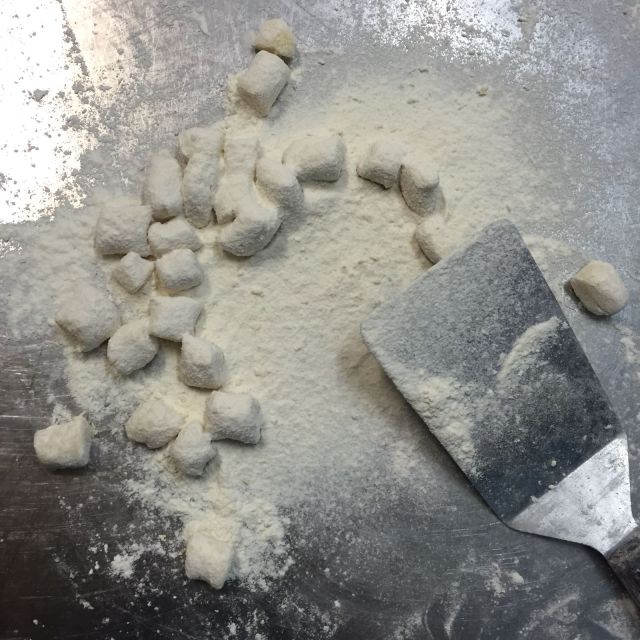
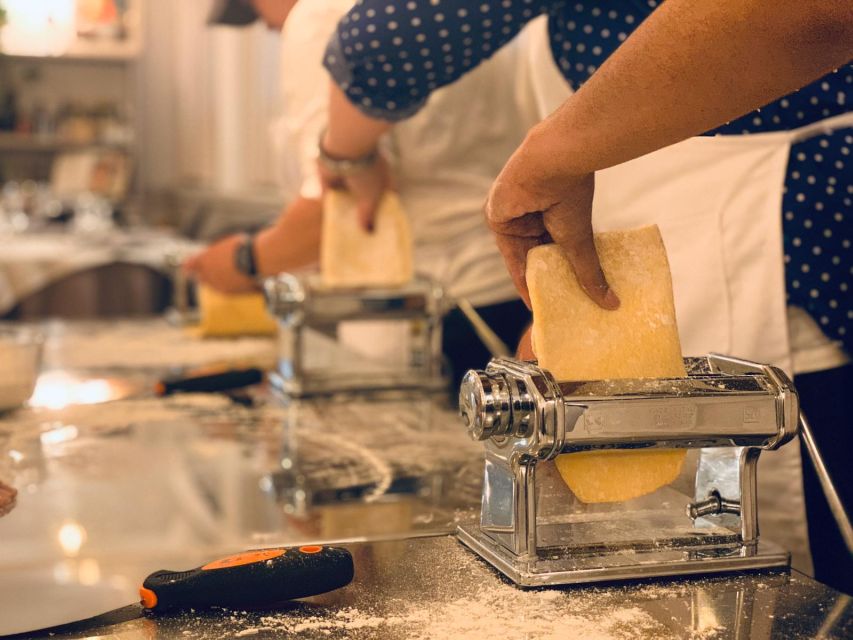
Next comes the main event: fresh pasta. You learn how to make the dough, work it until it has the right texture, and prepare it for two different shapes.
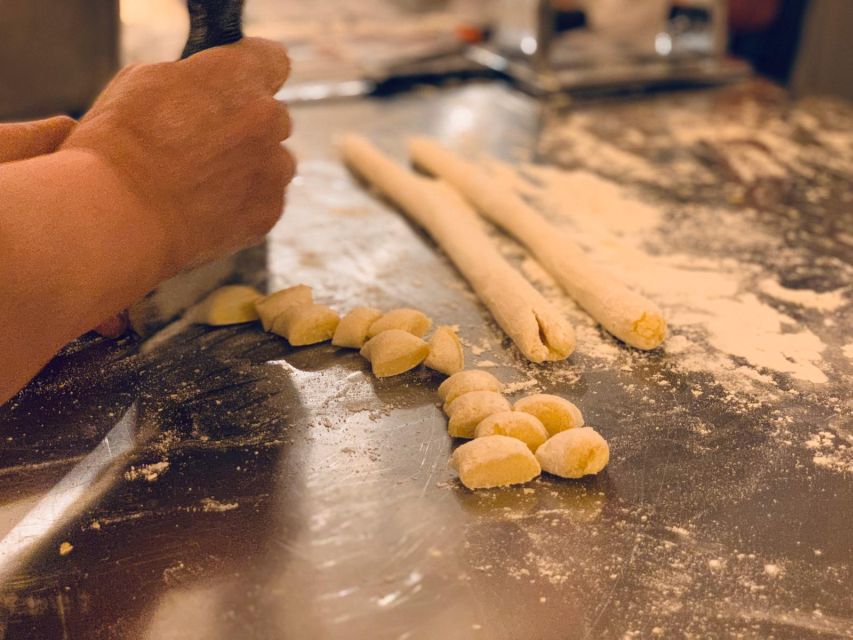
The first is fettuccine, the broad ribbon pasta that carries sauce well. The second is ravioli, which requires more care because you need to fill, seal, and cut the pasta without trapping too much air or leaving weak edges.
The useful part is seeing how one dough can become two very different dishes. You learn about the ingredients used for each pasta type and the steps that affect the final texture. A good chef will correct your technique as you work, and the class format allows for that kind of help.
Several instructors have received special praise for making beginners feel comfortable. Alessia is described as both fun and clear in her teaching. Anna has been especially attentive with questions, while Claudio is known for keeping the class moving and entertaining. Sonia, the owner, has also led sessions and worked directly with each station.
The instructors vary, so the personality of your class will depend on the day. That is worth knowing. The teaching style may be lively, humorous, and highly social rather than quiet and formal. Some sessions have included music, and one morning class even turned into an impromptu dance party while the pasta was being prepared.
Do not worry if your dough becomes sticky or your first attempt looks rough. That is part of the point. You are learning a practical skill, not producing a competition entry.
A group format with its own rhythm
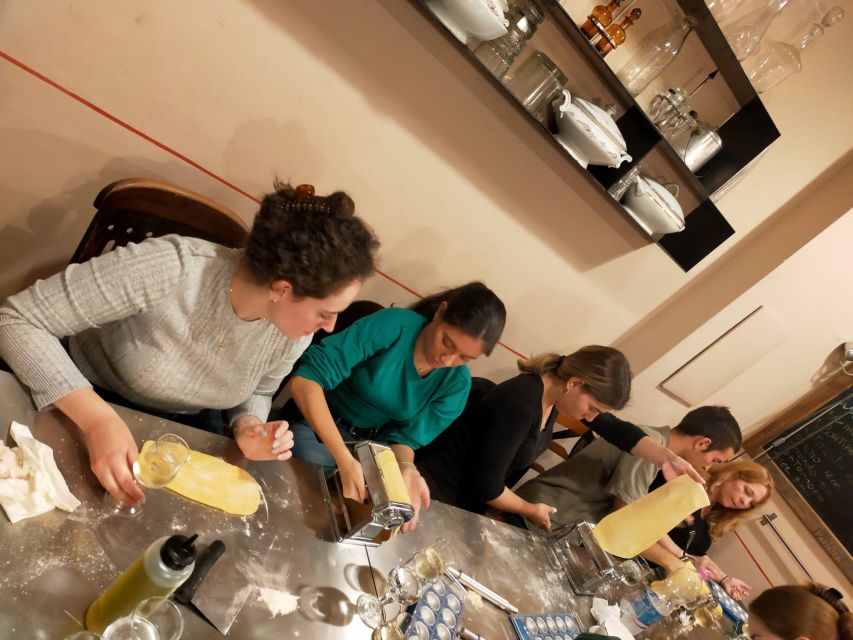
You typically work at an individual station, alongside other people in the class. One reported setup had about 12 to 14 participants, while another had only four. Group size can vary, and that changes the feel of the lesson.
A smaller group gives the chef more time to help each person. A larger group can be more lively and may suit you if you enjoy meeting people while you cook. The class has a social purpose as much as a culinary one. You make pasta, but you also talk, compare your dough, and eventually share the meal.
This is a good pick for solo visitors who want an easy way to meet people. One solo participant found the group welcoming, and couples and families have also enjoyed the activity. A 13-year-old joined a family group and especially enjoyed making pasta with a parent. An older family member in her late sixties also took part successfully.
The class is not designed around private portions or separate plating for every person. At least one session mixed the pasta together for family-style service. If you need to keep your ravioli separate or prefer a tightly controlled cooking lesson, ask yourself if that arrangement will bother you.
For most people, sharing the food is part of the fun. It keeps the evening relaxed and removes the pressure to make every piece perfect.
Prosecco, wine, and the finished meal
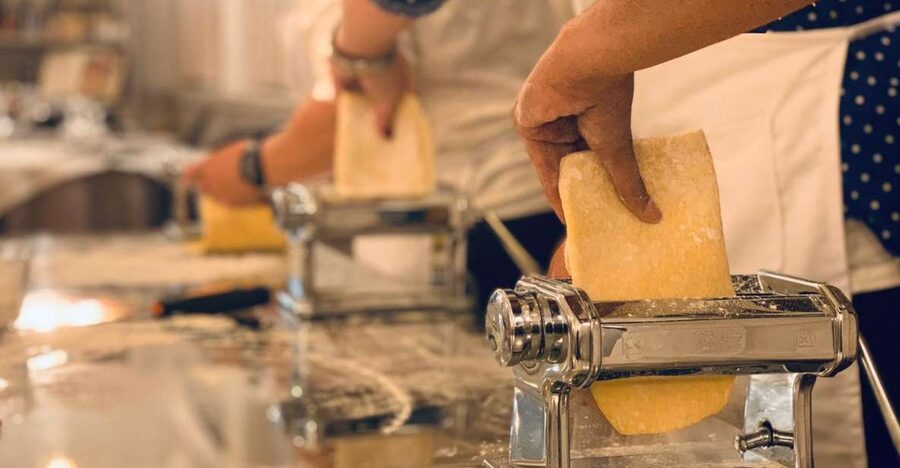
Drinks are served during the class, including prosecco and fine wine. Unlimited soft drinks are also included, along with coffee and limoncello at the end.
The drinks change the mood. This is not a dry demonstration where you stand quietly at a counter and take notes. The class is built as a social meal, and the wine helps the group loosen up. You can expect conversation, laughter, and a more festive pace.
Still, the free-flowing wine deserves a practical note. If you are attending an early morning session, pacing yourself matters. One class began at 9:30 a.m. and included cappuccino at the start, followed by prosecco and wine. That can be a pleasant holiday treat, but it is not the setup for anyone hoping to keep the day completely alcohol-free.
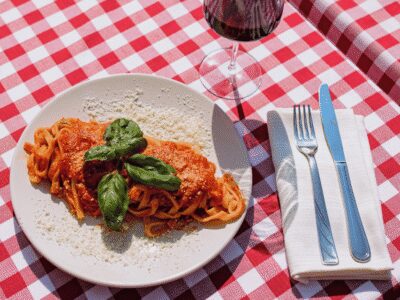
The meal is served after the preparation. You sit down and eat the pasta you helped make, followed by tiramisu. Coffee and limoncello finish the meal in traditional Italian fashion.
The food is the real payoff. You get to taste how fresh pasta differs from dried supermarket pasta, and you see the connection between preparation and texture. You also leave with a better sense of why Italian meals take time. The cooking and eating are one continuous event.
Same city, an entirely different afternoon:
- Vatican Museums & Sistine Chapel Tour with Optional Basilica
★ 4.3 · 67,413 reviews - Colosseum, Roman Forum & Palatine Guided Tour
★ 4.7 · 63,148 reviews - Vatican Museums, Sistine Chapel & St Peter’s Basilica Guided Tour
★ 4.5 · 39,149 reviews - Rome: Colosseum, Palatine Hill and Roman Forum Guided Tour
★ 4.8 · 32,814 reviews
Why the $77.03 price can be good value
At $77.03 per person, this is not the cheapest meal you will find in Rome. It is also more than the price of buying pasta and tiramisu at a casual restaurant. The value comes from combining instruction, dinner, drinks, and recipes in a 3 to 4-hour experience.
If you only want a plate of pasta, book a restaurant. You can eat for less and avoid the work. If you want a meal plus a practical activity, the calculation looks better.
The included drinks are a meaningful part of the price. You receive prosecco, fine wine, soft drinks, coffee, and limoncello, rather than paying separately for each course and beverage. You also get two pasta shapes and a dessert, not just one recipe.
I would consider this particularly good value for couples, families, and solo visitors who want one substantial activity in the Vatican area. It can fill much of an afternoon or evening without requiring extra transport between a cooking studio and a restaurant.
The value is less clear if you are already booking several food experiences in Rome. You may prefer a smaller, more specialized workshop focused only on pasta or only on desserts. This class aims for variety and sociability rather than advanced culinary training.
Location near the Vatican
The restaurant is conveniently located near the Vatican, making this easy to pair with sightseeing in that part of Rome. You can plan the class around a Vatican visit, but do not assume the cooking venue is inside a museum area or directly beside a major entrance.
The meeting point can vary depending on the option you book. Read the final meeting instructions carefully, and give yourself extra time to find the entrance. One participant found that map directions led to the back side of the venue, creating an avoidable scramble.
The venue may also change. In one case, the new location was sent clearly the day before and proved easy to find. That means a last-minute message check is important, even if you think you know the original address.
This is one of the few areas where the experience needs a little more care from you. Do not arrive at the last minute after crossing Rome. Check the meeting point, look for the correct side of the building, and allow time to get oriented.
The chefs make a real difference
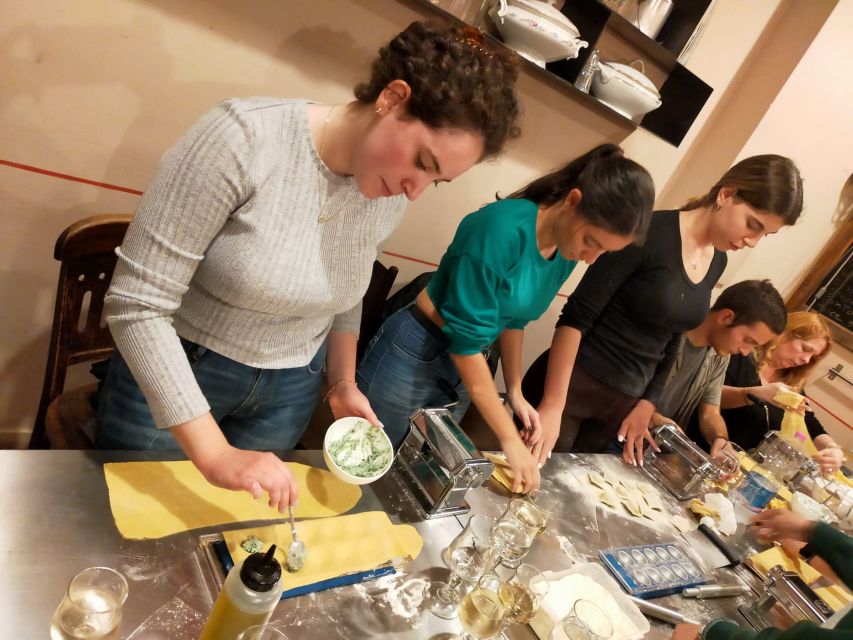
The class is led in English by a live local chef, but the exact instructor varies. That is normal for a cooking operation with several sessions.
The strongest part of the teaching is the personal energy. Alessia, Claudio, Anna, Eddie, Alice, Sonia, Arna, and Irene have all led sessions described as friendly, patient, lively, or attentive. Those qualities matter more here than a formal lecture style.
Eddie, for example, began one morning with cappuccino and quickly got the group talking. Claudio kept the activity organized and fun. Alice handled a group of ten with warmth and clear structure. Irene helped when one participant got dough all over the place, which is exactly the kind of small rescue a beginner needs.
You should expect an instructor who demonstrates, jokes, checks your work, and keeps the group on schedule. You should not expect a silent, one-on-one chef lesson. The personality of the chef is part of the experience, and it may be one of the reasons you remember the class.
What to bring and how to prepare
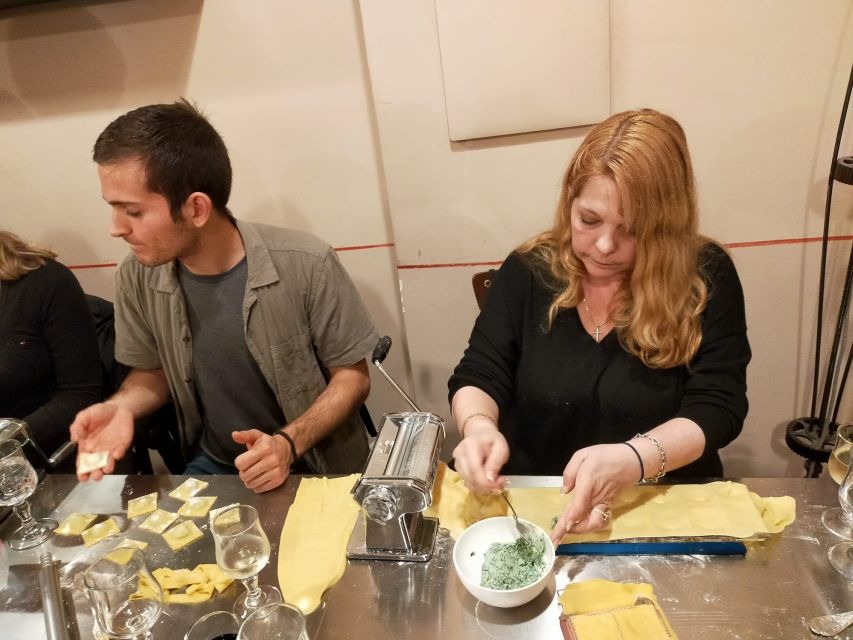
Come hungry. The class includes a substantial meal after the cooking, and the food can be more than some people are able to finish.
Wear something comfortable and practical. Working with dough is hands-on, and flour may end up on your clothing. You will want to keep your phone nearby for the meeting instructions, but the main activity is at the work station, not behind a camera.
If you have dietary restrictions, allergies, or strong food preferences, confirm what can be accommodated before booking. The listed recipes use eggs, mascarpone, coffee, sugar, cocoa, and pasta ingredients. The supplied information does not promise special menus or substitutions.
The class is suitable for beginners, and you do not need to arrive with pasta-making skills. You do need to be willing to work with your hands, stand or move around the cooking area, and share the finished food in a group setting.
Air-conditioning may not be available or strong in every room. One session was uncomfortable because the space was warm. If you are visiting Rome in hot weather, dress lightly and keep water in mind, even though soft drinks are included.
Who should book this Rome cooking class?
I would recommend it to you if you want an activity that feels social, practical, and generous. It works especially well for:
- Couples looking for a shared memory beyond sightseeing
- Families with older children who enjoy cooking
- Solo visitors who want an easy group activity
- First-time pasta makers
- People staying near the Vatican
- Anyone who likes a long meal with wine and conversation
It may not suit you if you want a private lesson, strict portion control, a quiet setting, or advanced chef-level instruction. It is also not the best fit if you do not drink alcohol and would rather avoid a class where wine is a central part of the atmosphere.
The English instruction is useful for international visitors. The recipes are practical enough to take home, and several participants found themselves making pasta again after returning home. That is a strong sign that the class teaches more than a one-night trick.
Should you book it?
Book this class if you want to combine dinner, drinks, and a hands-on activity near the Vatican. At $77.03, the price makes sense for a 3 to 4-hour session with three dishes, included beverages, and recipes to use later.
Choose another option if you want a private kitchen, a small fixed group, or a highly technical lesson. For everyone else, this is a cheerful and filling way to spend part of a Rome trip. Check the meeting point closely, arrive ready to get flour on your hands, and save room for tiramisu.
FAQ
How long does the cooking class last?
The activity lasts 3 to 4 hours. Starting times vary, so check availability when choosing your date.
What foods will I make?
You will prepare tiramisu, fettuccine, and ravioli from scratch. The class covers the dough, ingredients, shaping, and preparation of the pasta.
Is the class taught in English?
Yes. The activity includes a live English-speaking guide or chef.
Are drinks included?
Yes. Prosecco, fine wine, unlimited soft drinks, coffee, and limoncello are included.
Where does the class meet?
The meeting point may vary according to the option booked. The activity takes place at a restaurant near the Vatican and ends back at the meeting point.
Can I cancel the booking?
You can cancel up to 24 hours in advance for a full refund. You can also reserve now and pay later, which keeps your plans flexible.
More Workshops in Rome
- 3 in 1 Cooking Class near Navona: Fettuccine, Ravioli & Tiramisu
★ 5.0 · 7,376 reviews - Rome: 3-in-1 Fettuccine, Ravioli, and Tiramisu Cooking Class
★ 4.9 · 2,704 reviews - Rome: Traditional Pasta with Cocktails Cooking Class
★ 5.0 · 2,374 reviews - Become a Masterchef in Rome: Pasta, Ravioli and Tiramisù Class
★ 5.0 · 2,156 reviews
Fresh on the Rome list
- Rome: Guided Catacombs Tour & Capuchin Crypt (Audio Guide)★ 4.3 · 191 reviews
- Guided tour of the Colosseum, Roman Forum and Palatine in Spanish★ 4.5 · 191 reviews
- Rome: Borghese Gallery Guided Tour with Skip-the-Line Ticket★ 4.5 · 192 reviews
- Rome: Arena Colosseum Tour with Arena Access★ 4.6 · 193 reviews
- Colosseum, Forum, Palatine Hill with audio guide and Arena or Bus option★ 4.0 · 193 reviews
- Rome: Colosseum & Roman Forum Guided Tour★ 5.0 · 194 reviews
- Rome: Domus Aurea Guided Tour and Virtual Reality Experience★ 4.7 · 194 reviews
- Rome Vintage Fiat 500 car Tour With Photographer★ 5.0 · 194 reviews
Pasta, compared.
Florence Pizza or Pasta Class with Gelato Making at a Tuscan Farm
Read our review →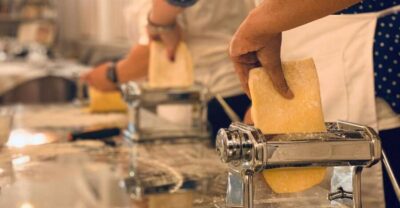
Pasta & Tiramisu Cooking Class with Unlimited Wine
Read our review →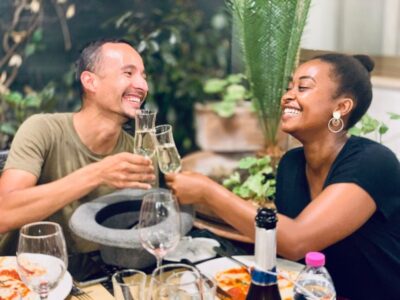
Pasta & Tiramisu Class with Fine Wine by the Vatican
Read our review →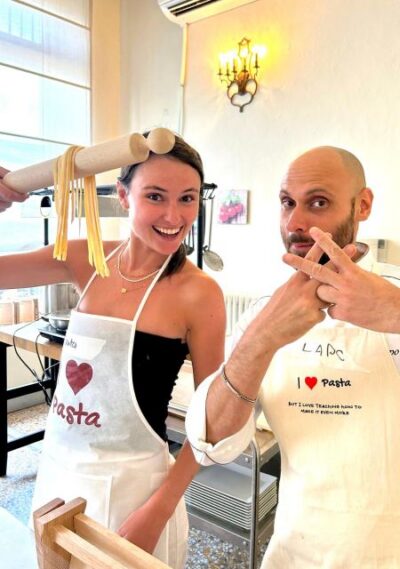
Pasta Making Class with Wine, Limoncello, and Dessert
Read our review →