
Reviewed · WORKSHOPS
Naples: Premium Pizza-Making Class at a Pizzeria
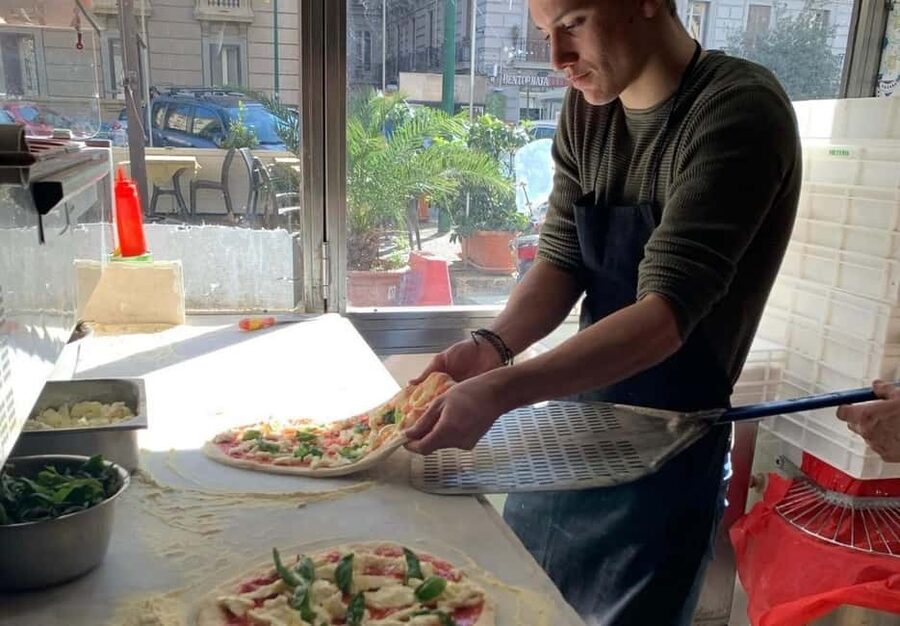
The best part of this Naples pizza class is that you do not just watch a chef toss dough. You work at your own station, learn the old staglio method for forming dough balls, and bake a Margherita in a traditional wood-fired oven. I especially like the simple four-ingredient lesson and the chance to eat the pizza you make.
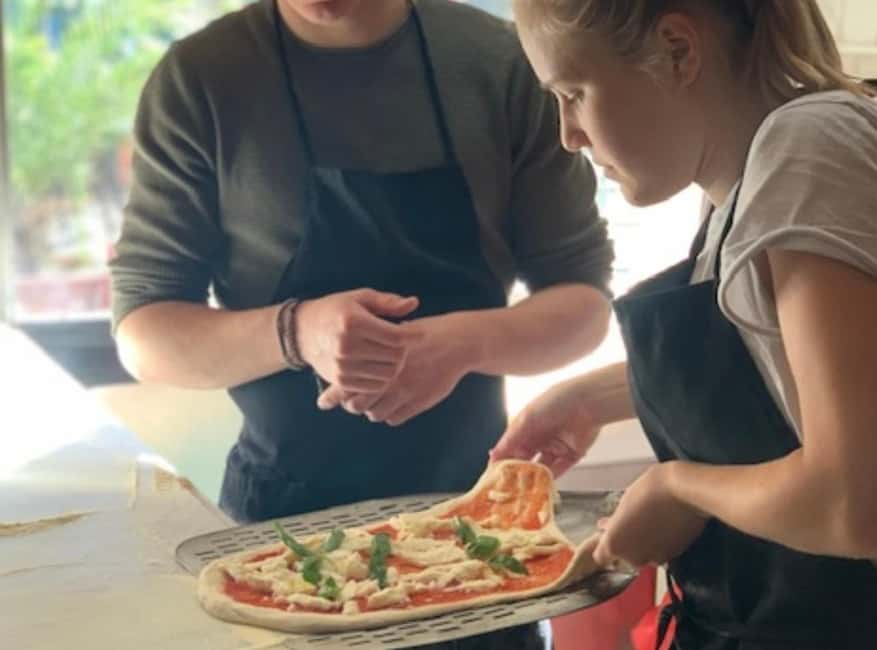
I also like the friendly guide-and-chef setup. Guides such as Francesca, Lucia, Sabrina, Federica, and Dora have helped translate the pizzaiolo’s Italian instructions and keep the group involved. The main consideration is that the dough may not have enough time to fully prove during a two-hour class, so some sessions use it for bread while the chef supplies properly rested dough for the pizza.
Key points at a glance
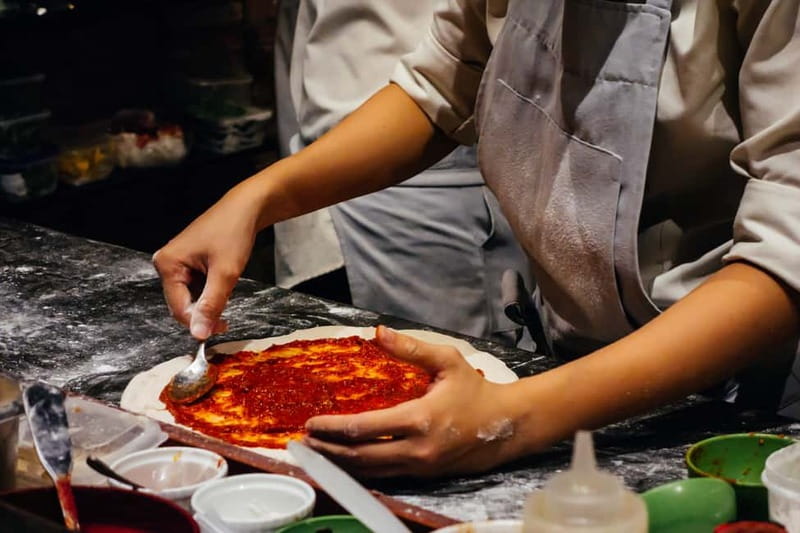
- Your own pizza station: You mix, knead, stretch, top, and bake rather than standing at the edge of a demonstration.
- A 2017 World Champion pizzeria: The lesson takes place in a working Neapolitan pizzeria, not a generic cooking studio.
- The four essentials: Water, flour, salt, and yeast form the base of the class and make the recipe easy to repeat at home.
- The staglio technique: You learn how pizzaioli divide dough into smooth panetti, the round portions used for pizza.
- A full meal: Your Margherita is followed by fried dough with chocolate spread, a drink, water, and limoncello.
- Small groups: Private and small-group options make it easier to get help with shaping and stretching.
Why this class is more than a pizza demonstration
Naples is the right place to learn pizza because the dish here is treated with unusual seriousness. The appeal is not a long list of toppings. It is the handling of the dough, the quality of a few ingredients, and the speed and judgment needed to bake a soft, blistered crust in a hot oven.
This class keeps that idea front and center. You begin with only water, flour, salt, and yeast. The lesson shows how much can come from those basics when the proportions, kneading, resting, shaping, and baking are handled properly.
I like this approach because it gives you something useful to take home. You are not simply told that Neapolitan pizza is about simplicity. You see how simplicity works in your hands.
The pizzeria has the strong credential of winning the World Pizza Championship in 2017. That does not mean your first attempt will look like a champion’s, and it should not. The value is having a skilled pizzaiolo nearby to correct the little problems that are hard to spot in a cookbook, such as overworking the dough or pressing out too much air.
A few other Naples mornings to weigh against this
- Naples: Pizza-Making Workshop with Drink and Appetizer
★ 4.9 · 5,411 reviews - Authentic Pizza Making Class in Naples with Appetizers and Drink
★ 5.0 · 3,178 reviews - Naples: Pasta Making Class with Starter and Drink
★ 4.9 · 1,060 reviews
From flour and water to Neapolitan dough
The class starts with the dough. A master pizzaiolo demonstrates the process while an English-speaking guide explains the steps when needed. The chef may speak mainly Italian, but the guide translates instructions and answers questions, allowing you to follow the demonstration without losing the practical details.
You will work with the four basic ingredients: water, flour, salt, and yeast. The lesson is intentionally spare. There is no complicated shopping list and no parade of specialty ingredients hiding the technique.
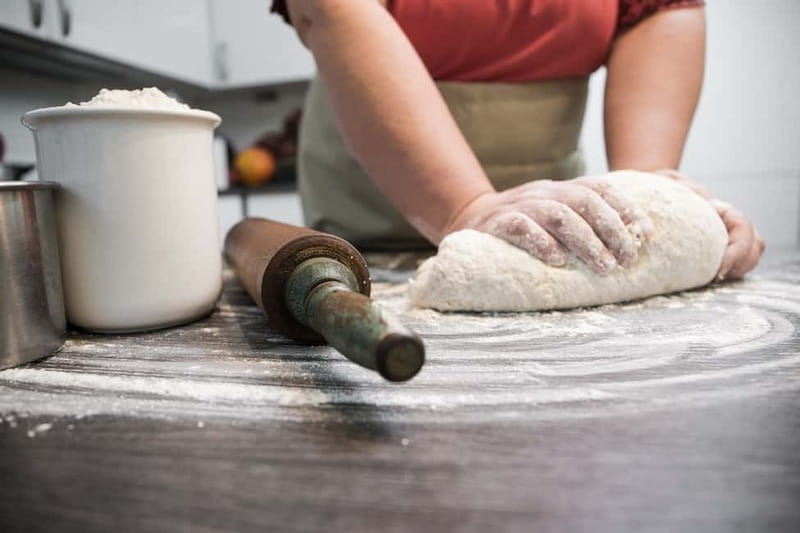
You will knead the dough and learn how it changes as it comes together. This is useful for home cooks because dough often feels wrong before it looks wrong. The class gives you a chance to notice those changes under direct guidance.
The short schedule has one limitation. A proper dough needs time to rest and ferment, and a two-hour class cannot reproduce every part of a long pizzeria production cycle. One practical solution used in the class is to turn the dough you make into bread if it has not proved long enough, while you work with prepared dough for the pizza itself.
That is not a flaw in the teaching. It is an honest adjustment to the clock. You still learn the method, but you should not expect the dough you mix at the beginning to be the exact dough that goes into your pizza oven later.
Staglio and the panetti
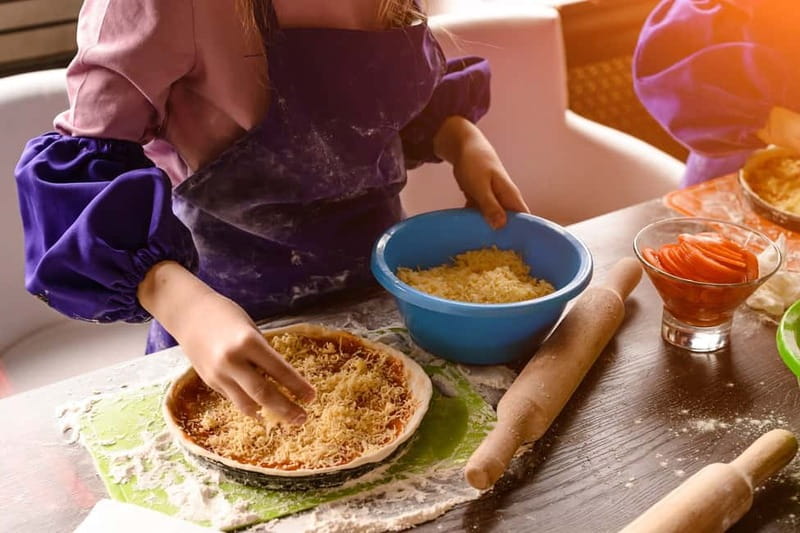
The most distinctive technical lesson is staglio. This is the traditional method of dividing a larger mass of dough into individual portions, called panetti. The goal is not merely to cut dough into equal pieces. You shape each portion into a smooth, tensioned ball that can later be opened into a pizza.
This step is easy to underestimate. A rough dough ball can make stretching harder, while a well-shaped one helps the dough spread in a controlled way. The pizzaiolo demonstrates the hand movements, then helps you when your dough resists or starts to lose its shape.
I find this one of the most valuable parts of the experience because it is the kind of small skill that videos often make look effortless. You can watch a professional perform it in seconds, then discover how much finger pressure and timing it takes to do it yourself.
The class is suitable for beginners. You do not need previous cooking experience, and the instruction is broken into clear steps. Still, expect to use your hands and make a few imperfect shapes. That is part of the lesson, not a reason to hang back.
Stretching, topping, and the Margherita
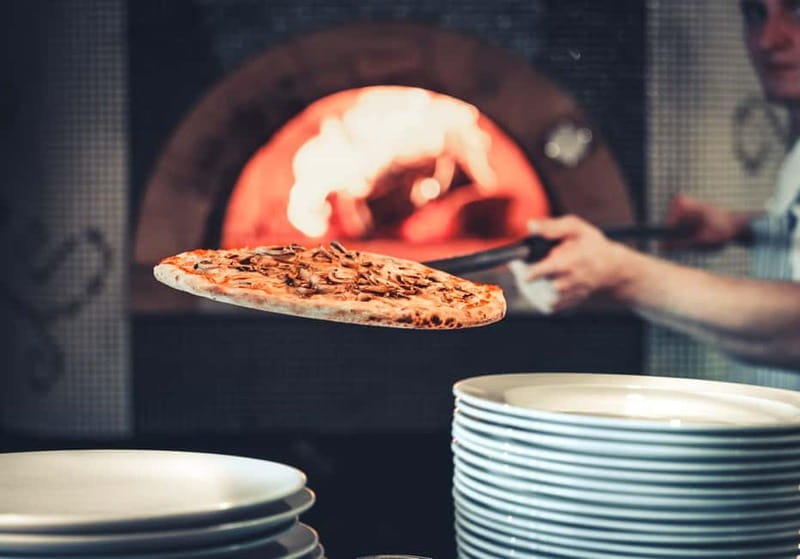
Once the dough is ready, you shape it into a pizza. The chef shows you how to press and stretch it without flattening the edge completely. That raised rim is a key part of the Neapolitan style, giving the crust its soft center and puffed border.
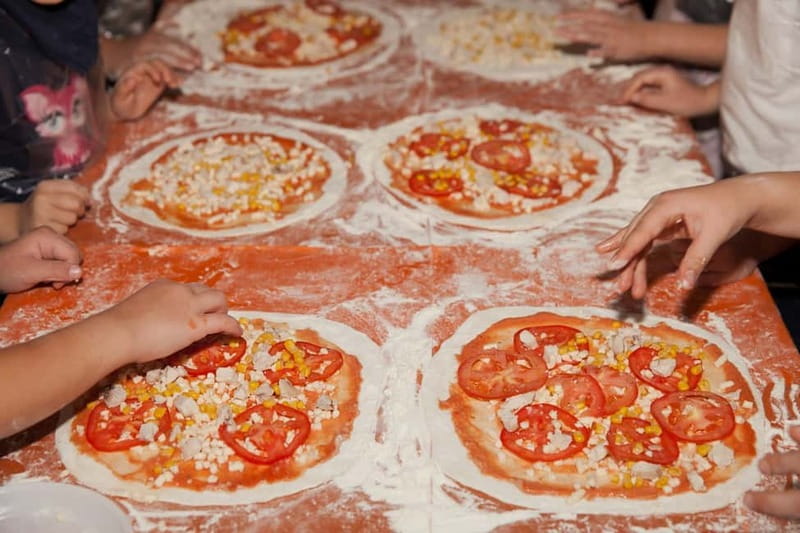
The toppings are classic and local: San Marzano tomatoes, buffalo mozzarella, basil, and DOP extra virgin olive oil. These ingredients matter because the pizza is built around balance. The tomato brings acidity, the mozzarella adds creaminess, the basil gives a fresh herbal note, and the olive oil ties it together.
You will top your own pizza rather than choosing from an oversized menu. That keeps the lesson focused and helps you see why a Neapolitan pizza does not need to be overloaded.
The pizzaiolo then handles the wood-fired oven. It is a fast, hot cooking method, and the timing can make the difference between a soft, properly baked pizza and one that is too pale or too dry. Watching your pizza go into the oven is part of the fun, but the better payoff is sitting down with the finished result while it is still hot.
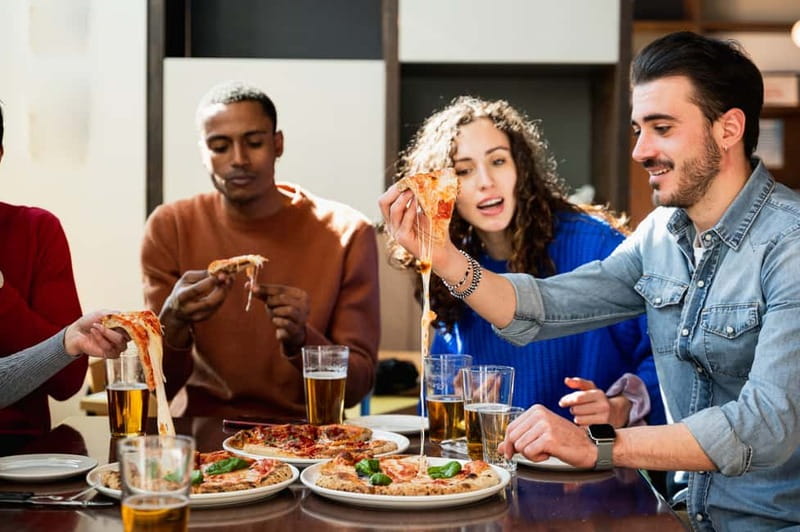
The class provides a glass of local wine, water, or beer with the meal. The drink choice makes this feel like a shared dinner rather than a technical workshop with a snack at the end.
Same city, an entirely different afternoon:
- Naples: Naples Underground Entry Ticket and Guided Tour
★ 4.4 · 21,781 reviews - From Naples: Pompeii Ruins & Mount Vesuvius Day Tour
★ 4.3 · 11,459 reviews - From Naples: Sorrento, Positano and Amalfi Full-Day Tour
★ 4.6 · 10,988 reviews - From Naples: Sorrento, Positano & Amalfi Coast – Small Group Tour
★ 5.0 · 8,643 reviews
The sweet side of pizza dough
The class finishes with a playful use of the same dough. You taste crispy fried pizza dough bites filled with the world’s most famous chocolate spread. This brings in the street-food side of Neapolitan cooking, where pizza dough can move from savory to sweet with very little fuss.
The dessert is rich and filling. If you have already eaten a full Margherita, you may find the fried dough a bit much, especially if you prefer a light dessert. Still, it is a memorable way to show that the dough has more than one use.
Some sessions also include fried pizza in a savory form, such as a stuffed fried dough preparation. The exact serving can vary, so you should think of this as an extra taste of Neapolitan street food rather than a fixed second pizza course.
Limoncello follows the meal. It is a traditional local finish, and the small pour gives the evening a distinctly southern Italian ending.
The people make the lesson work
This class depends heavily on the partnership between the pizzaiolo and the guide. The chef demonstrates the physical work, while the guide explains, translates, and keeps the group moving through the stages.
Several guides have been associated with the experience, including Francesca, Lucia, Sabrina, Federica, and Dora. The exact team can change, but the format remains useful: the chef gives the Italian instruction and the guide makes sure English-speaking participants understand what to do.
Francesca has been praised for explaining the origins of pizza, the importance of ingredient quantities, and the wider culture around the dish. Lucia is known for patient, step-by-step help and for making beginners feel included. Sabrina has been especially effective at translating technical points, including subtle dough-shaping problems.
That guide role matters. A chef who has worked with pizza for decades may show a movement naturally, but a first-time student needs the movement slowed down and explained. In some sessions the pizzaiolo has had 46 years of experience, which gives you the benefit of watching someone who knows the work by touch.
The setting is warm and social. A group of four has been used in some sessions, and that size gives each person room to work without turning the class into a private lesson. Private options are also available if you want more control over the pace or prefer to keep the activity within your own party.
How the two hours feel
Two hours passes quickly. The session generally follows this rhythm:
- Introduction to Neapolitan pizza and the four basic ingredients
- Mixing and kneading the dough
- Demonstration and practice of staglio
- Shaping and stretching the pizza
- Adding tomatoes, mozzarella, basil, and olive oil
- Baking in the wood-fired oven
- Eating the Margherita with a drink
- Tasting fried sweet dough and limoncello
The class is active, but it is also a meal. You should not schedule it immediately before another large dinner. It works especially well as an evening activity, though starting times depend on availability.
The end point is the same meeting point where the class begins. The exact meeting location can vary by the option you book, so check that detail carefully before setting out. The experience is offered in English and Italian.
Is $67.19 a fair price?
At $67.19 per person, this is not the cheapest way to eat pizza in Naples. You can buy an excellent pizza for much less. The price makes sense only if you want the instruction, the personal workstation, the pizzeria setting, the dessert, drinks, and the social meal that comes with it.
I think the value is good for someone who wants a practical food experience rather than just another restaurant visit. You receive a full meal, a hands-on lesson, wine, beer, or water, limoncello, and a digital recipe for home use.
The recipe is an important part of the value. Several sessions have sent the instructions after class, and the method is simple enough to repeat without a professional oven. You will not reproduce every detail of a wood-fired bake at home, but you can still apply the dough ratios, shaping ideas, and topping restraint.
For families, the price also buys an activity that works across ages. Teenagers who already eat a lot of pizza can take part in the process instead of simply ordering another meal. Children may need help with hot equipment and dough handling, but the class itself requires no previous cooking skill.
What to know before you book
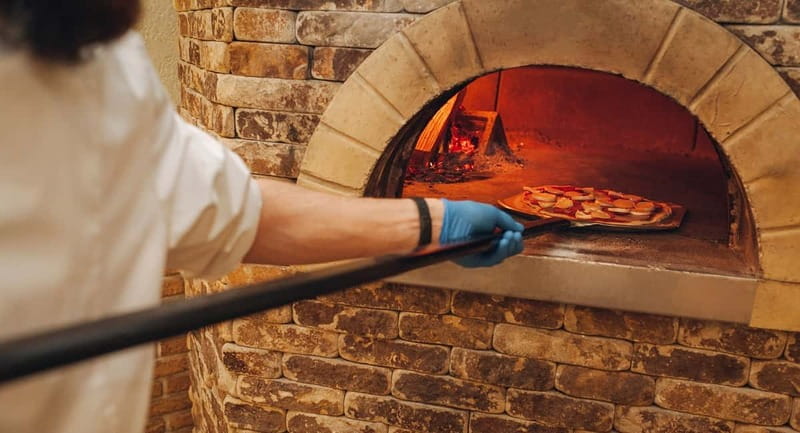
Come ready to work with dough. This is not a class where you sit at a table and watch a chef do everything. You will knead, shape, stretch, and top your own pizza, and the result may look uneven before it comes out of the oven.
Keep your schedule slightly flexible around the start time. The duration is two hours, and the meeting point may depend on the option selected. If you arrive late, contact the provider as soon as possible. Staff have sometimes helped late or misplaced participants, but that should not be treated as a guarantee.
Ask about dietary needs before booking or as early as possible. The class has accommodated an intolerance while still allowing the participant to take part in the process, but the available adaptations are not specified.
The recipe is sent digitally, but delivery timing may vary. If having the recipe is important to you, confirm that it has arrived after the class.
Cancellation is free up to 24 hours before the activity for a full refund, and you can reserve now while paying later. Those terms are helpful if your Naples schedule is still shifting.
Who will enjoy this pizza class most?
I would choose this for you if you want food instruction, local context, and a meal in one compact activity. It suits first-time cooks because the chef demonstrates each stage and guides are available in English.
It is also a good fit for couples, families, solo visitors who enjoy meeting a small group, and anyone who wants a useful souvenir rather than another trinket. The digital recipe gives the class a life beyond Naples.
You may want to skip it if you only want to eat quickly, dislike hands-on cooking, or already have a full food itinerary. The fried dough and limoncello make the meal generous, and the two-hour format leaves limited time for a full fermentation lesson.
For serious home bakers, the class offers a sound introduction rather than a complete professional course. You will learn the essential motions and principles, but the short schedule cannot cover every detail of long fermentation, oven management, or commercial production.
Should you book it?
I would book this Naples pizza-making class if you want to understand why Neapolitan pizza is about technique more than toppings. The 2017 World Champion pizzeria gives the setting credibility, the personal workstations keep you involved, and the combination of Margherita, fried dough, drinks, and limoncello makes the two hours feel complete.
The main caveat is the dough schedule. You may not bake the exact dough you mix at the start because it needs more time to prove. If that distinction bothers you, choose a longer baking course. If you want a friendly, well-paced introduction with plenty to eat and a recipe to try at home, this is a strong choice.
FAQ
How long does the pizza-making class last?
The activity lasts two hours. Starting times depend on availability.
Where does the class take place?
It takes place in a real Neapolitan pizzeria in Campania, Italy. The meeting point may vary depending on the option you book.
What ingredients do I use for the dough?
The class teaches dough made from four basic ingredients: water, flour, salt, and yeast.
Do I make my own pizza?
Yes. Each participant has an individual workstation and takes part in mixing, kneading, shaping, stretching, topping, and baking the pizza.
What kind of pizza will I make?
You will prepare a Neapolitan Margherita using San Marzano tomatoes, buffalo mozzarella, basil, and DOP extra virgin olive oil.
Is food and drink included?
Yes. The experience includes the savory pizza you make, a sweet fried dough preparation filled with chocolate spread, one glass of wine, water, or beer, water, and limoncello.
Is the class offered in English?
Yes. Instruction is available in English and Italian. An English-speaking guide translates and explains the pizzaiolo’s instructions when needed.
Can I cancel the booking?
You can cancel up to 24 hours in advance for a full refund. Reserve now and pay later is also available.
Fresh on the Naples list
- Sorrento, Positano and Amalfi: Private Tour of Coastal Gems★ 5.0 · 196 reviews
- Naples Shore Excursion: Pompeii and Sorrento Day Trip★ 3.5 · 198 reviews
- Naples Walking Tour: Old Town and Spaccanapoli★ 5.0 · 200 reviews
- Naples Pizza & Drinks Tour: A Slice of Naples with Eating Europe★ 5.0 · 203 reviews
- From Naples: Ruins of Pompeii★ 4.3 · 204 reviews
- Tour of the island of Ischia in schooner★ 5.0 · 208 reviews
- Naples: Historic Center and Sansevero Chapel Walking Tour★ 4.8 · 208 reviews
- From Naples: Tour of the Amalfi Coast, Sorrento, and Pompeii★ 5.0 · 211 reviews
Workshops, compared.

3 in 1 Cooking Class near Navona: Fettuccine, Ravioli & Tiramisu
Read our review →
Florence Pizza or Pasta Class with Gelato Making at a Tuscan Farm
Read our review →
Pasta & Tiramisu Cooking Class with Unlimited Wine
Read our review →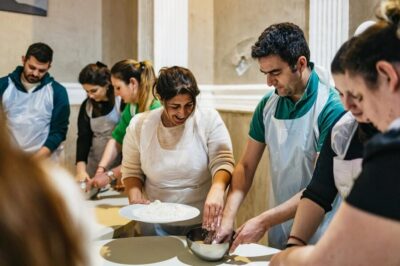
Pizza-Making Workshop with Drink and Appetizer
Read our review →
Pasta & Tiramisu Class with Fine Wine by the Vatican
Read our review →
Cooking Class and Lunch at a Tuscan Farmhouse with Local Market Tour from Florence
Read our review →Browse the lists this tour appears in