
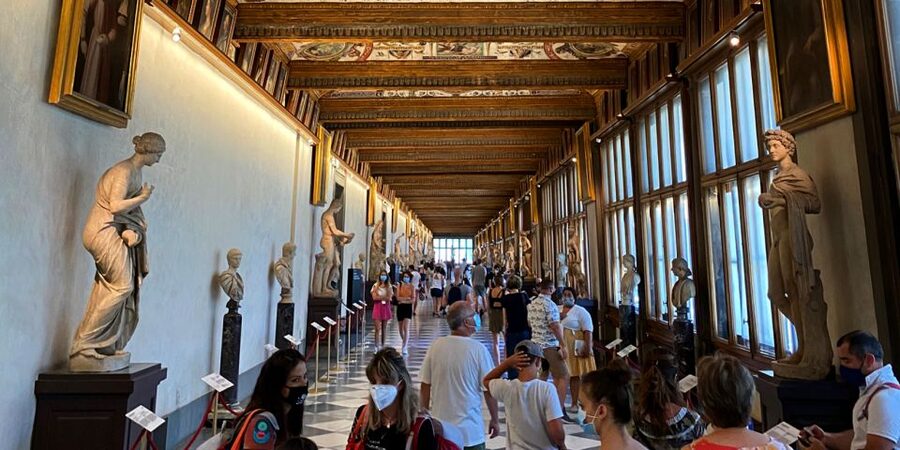
Reviewed · UFFIZI & ACCADEMIA GALLERY TOURS
Florence: Uffizi Gallery Priority Ticket & Small-Group Tour
The best reason to take this Uffizi tour is simple: a good guide gives order to a museum that can otherwise feel like a grand attic of masterpieces. In 90 minutes, you follow the Medici story from civic offices to a private family gallery, while stopping for Botticelli, Leonardo, Raphael, Michelangelo, and other major names.
I like the small group of no more than 10 people, which makes it easier to hear explanations and ask questions. I also like the separate entrance and priority access, especially in busy months when the outdoor line can eat up hours. The main caution is the price: the activity is listed at $87, yet several bookings reported paying an additional €30 for gallery admission, so confirm the exact total before you go.
Key points to know before booking

- The tour follows a clear art story: You move from Gothic painting into the Florentine Renaissance instead of viewing isolated works without context.
- Botticelli gets proper attention: The guide discusses Venus and other famous works, with useful details that are easy to miss on your own.
- A 10-person limit matters: This is more personal than a large crowd, and past groups have sometimes been as small as six people or even fewer.
- Priority entry saves valuable time: A June booking reported avoiding a line of roughly four hours, though museum crowds can still slow your progress inside.
- The guide makes the difference: Guides including Vittoria, Vera, Elisa, Elvis, Anna, and Catherina have been praised for clear English, storytelling, and thoughtful answers.
- Plan to stay after the guided hour: The tour focuses on key works, and you may want extra time for Titian, Caravaggio, and rooms not covered in detail.
Why the Uffizi works better with a guide
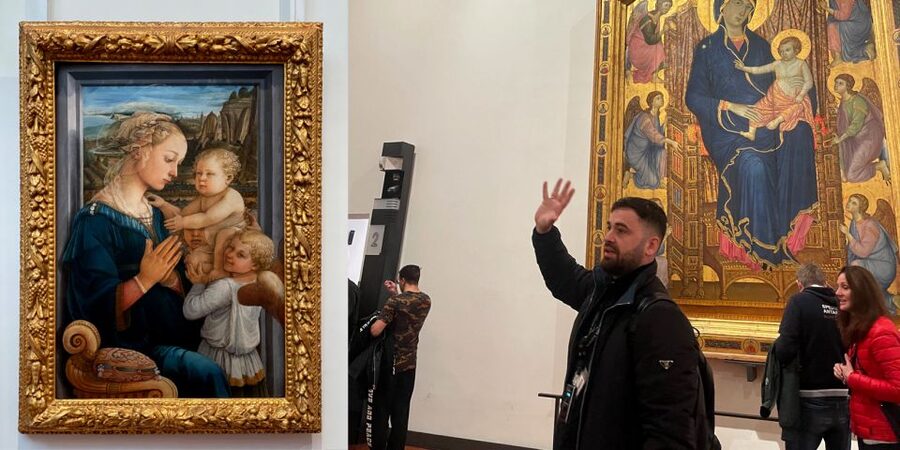
The Uffizi is not a tidy little museum where you can glance at ten paintings and feel finished. Its galleries hold centuries of art, and the famous rooms can be crowded, warm, and slow to cross. Without a plan, you may spend too much time waiting for a view of Botticelli and too little time understanding why his work matters.
This tour gives you a route through the main story. You begin with the older Gothic tradition, then see how Florentine artists changed the treatment of space, bodies, light, and religious subjects. The value is not just in naming the paintings. It is in seeing how one generation influenced the next.
Your guide also supplies the human story behind the collection. The Medici were not simply wealthy patrons with good taste. Their power shaped Florence, and the Uffizi itself began as a working government building rather than a museum.
That background helps explain the building you are walking through. In 1560, Duke Cosimo I de’ Medici ordered the city’s important magistracies, or administrative offices, to be gathered under his control. Giorgio Vasari, Cosimo’s favored architect, designed the new building for those offices.
In 1581, Cosimo’s son Francesco I closed the upper loggia and used it as a private gallery for his collection of fifteenth-century paintings. That decision is why the Uffizi is often described as the world’s oldest museum. The building moved from administration to family display, and eventually to public art collection.
A guide can bring that change to life in a way a wall label rarely does. You see the political purpose behind the collection, then the personal taste of the Medici family. It is a useful reminder that art museums are also records of power.
More Museums in Florence
- Florence: Skip-The-Line Uffizi Gallery Timed Entry Ticket
★ 4.5 · 27,832 reviews - Florence: Leonardo Interactive Museum Entry Ticket
★ 4.5 · 11,763 reviews - Florence Accademia Gallery Tour with Entrance Ticket Included
★ 4.5 · 6,148 reviews
Meeting at door 3 and getting inside
The meeting point is door number 3 at the Uffizi Gallery. This sounds easy, but the Uffizi has several entrances and the square can be busy, so give yourself time to find the correct door. The directions identify the meeting point clearly, but arriving early is still sensible.
The tour uses priority entry through a separate entrance. That is the practical feature that can justify much of the cost. One June booking reported bypassing a line of about four hours, although line length changes with the season, time of day, and museum demand.
Priority access does not mean you walk straight into the first gallery without any checks. You still need to follow the museum’s entry process, and the group must gather before moving inside. Bring a passport or identity card. A copy is accepted, and an ID is required for children according to the activity information.
Large bags and luggage are not allowed. Do not arrive with your main suitcase or a bulky day bag. A small, practical bag is the safer choice, but the supplied information does not specify an exact size limit, so pack lightly.
The first 90 minutes: a guided route through the collection
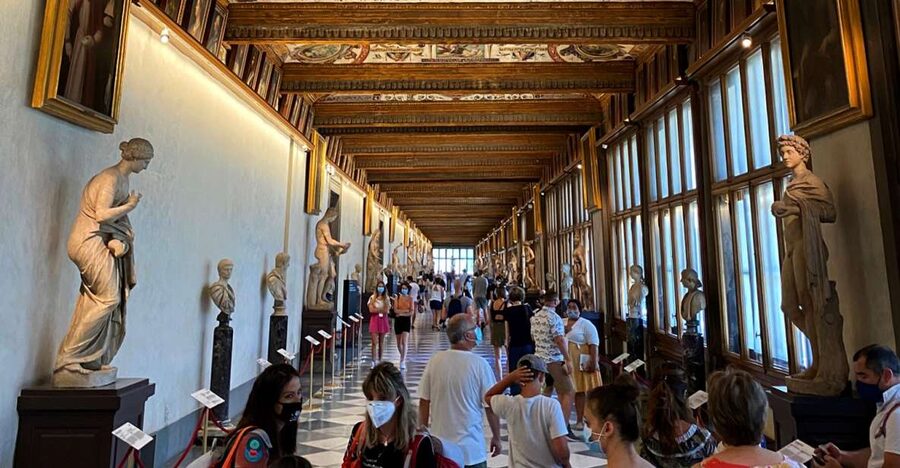
The advertised duration is 1.5 hours. That is enough for a strong introduction, not enough for every room. The guide leads you toward the major works and explains how they fit into the larger development of European painting.
The route begins with the Gothic section. These works can seem formal at first, especially beside the famous Renaissance rooms, but they give you a useful starting point. You can watch artists gradually change how they show space, figures, and emotion.
The guide then moves into the Florentine Renaissance, where the Uffizi becomes especially rewarding. Florence was a center of artistic experiment, and the collection lets you see that change in sequence. Details such as perspective, the handling of blue skies, and the treatment of the human body become easier to spot once someone points them out.
One useful part of the commentary is the comparison between a master’s work and paintings made by assistants or followers. That kind of distinction is difficult to make when you are looking at a crowded wall by yourself. It also helps you understand that Renaissance art was produced within workshops, not only by solitary geniuses.
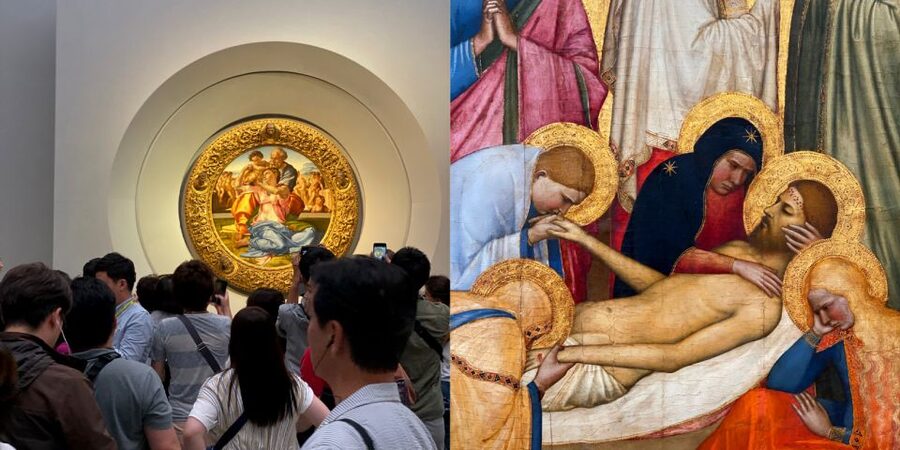
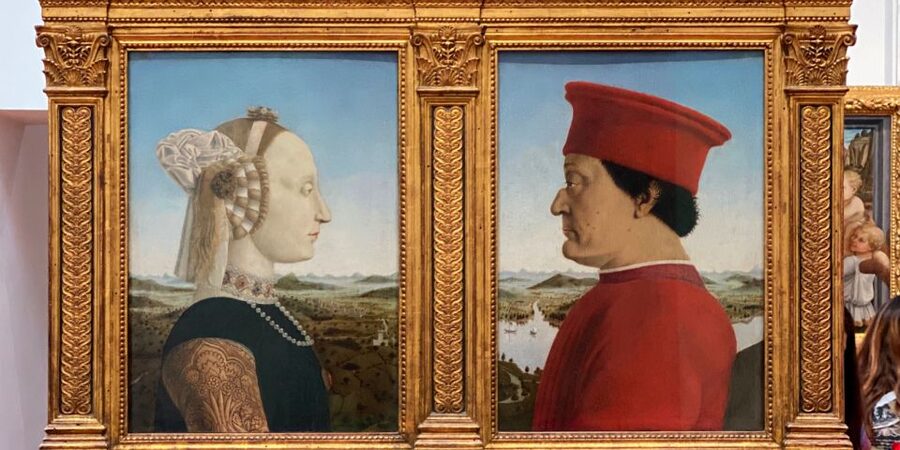
The tour includes Michelangelo and Piero della Francesca, along with Leonardo da Vinci and Raphael. The exact order may vary, but the aim is to connect artists and ideas rather than rush past each name.
Several guides have been praised for keeping a good pace. That matters in a museum where stopping too long at one painting can mean missing an entire section. At the same time, one booking preferred seeing more works with less time spent on each one. If you want to study every painting closely, 90 minutes will feel short.
Botticelli’s Venus and the Uffizi’s famous rooms
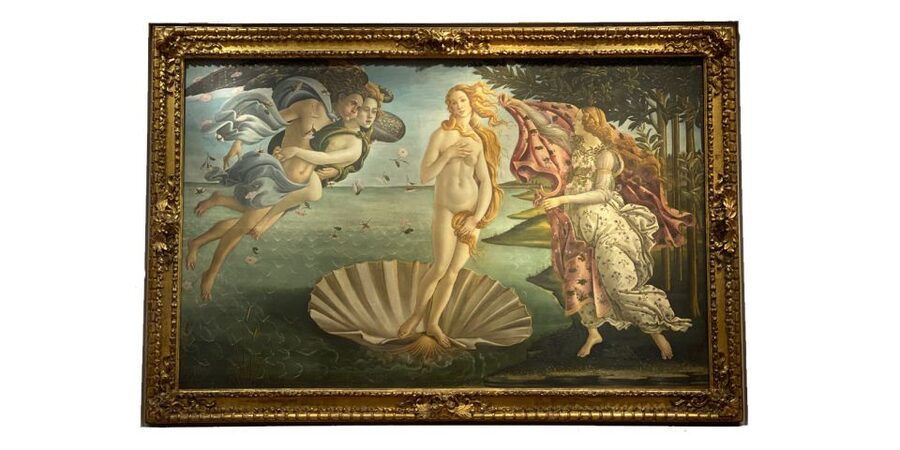
Botticelli is a major reason many people come to the Uffizi, and this tour gives his work a central place. The guide discusses who Botticelli’s Venus was, along with the stories and ideas attached to the painting.
Seeing The Birth of Venus in person is not just a matter of checking off a famous image. The painting is large, delicate, and filled with details that reproduction can flatten. A guide can direct your attention to the figures, movement, and visual choices before the room becomes too crowded.
Botticelli’s paintings are also useful for understanding the Medici taste. They show how mythological subjects could serve a cultured and powerful household. You get a better sense of why the family collected these works and how art operated within elite Florentine life.
Expect competition for a clear view in the most popular rooms. One booking found the Uffizi crowded and hot, with lines forming to see certain paintings even after entering. Priority admission gets you into the museum faster, but it cannot remove the crowd around a major Botticelli.
This is where the guide’s positioning and timing help. A good explanation lets you notice key details while you wait for a better view. You should still expect to share the room with other groups.
A few other Florence mornings to weigh against this
- Florence: Timed Entrance Ticket to Michelangelo’s David
★ 4.6 · 16,983 reviews - Florence: Michelangelo’s David Skip-the-Line Entry Ticket
★ 4.5 · 12,764 reviews - Florence: Cathedral & Brunelleschi’s Dome Ticket & Audio App
★ 4.4 · 6,973 reviews - Florence: Michelangelo’s David Priority Ticket & Audio App
★ 4.4 · 6,812 reviews
Leonardo, Raphael, Michelangelo, and the shift in style
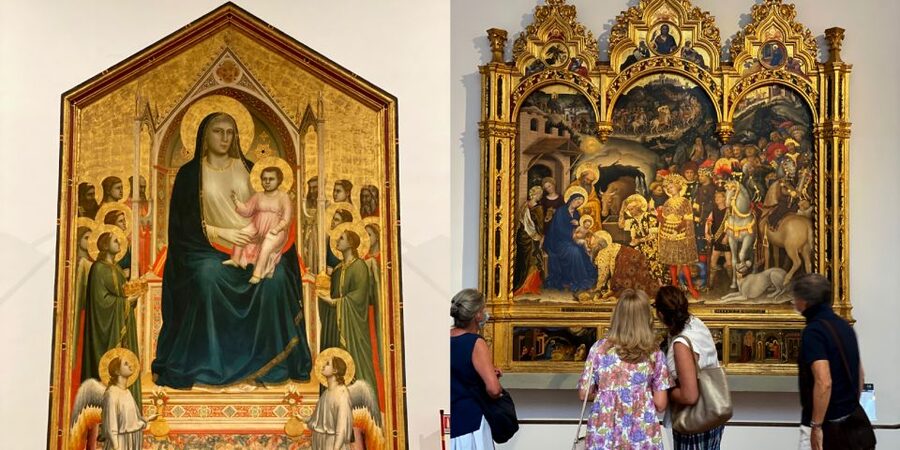
Leonardo’s works receive special attention, and the tour places his art within the larger development of Renaissance painting. The most useful explanations focus on how artists created depth, arranged figures, and made faces and bodies feel more natural.
The guide may also explain how one artist influenced the next generation. That approach was praised by one participant who appreciated moving from one century to another and seeing changes in both style and subject. It turns the tour into a visual lesson rather than a string of biographies.
Raphael and Michelangelo add another layer to the story. Their paintings help show the growing confidence of Renaissance artists, along with the changing expectations of patrons. You may not spend long enough with each work to absorb every detail, but the connections make the highlights easier to remember later.
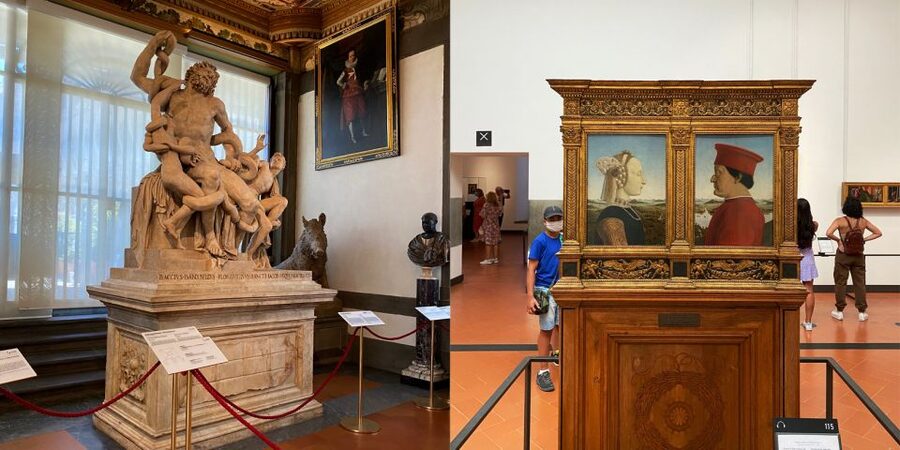
Piero della Francesca is another valuable stop. His paintings reward patient looking, and a guide can help you notice the structure and calm geometry that might otherwise pass without much attention.
The commentary is delivered in English, with headsets supplied so you can hear the guide in busy rooms. That is especially useful when the group must keep moving or when another tour is speaking nearby.
What the guides do well
The strongest feature of this experience is the quality of the guiding. Vittoria, also identified in some feedback as Victoria, received repeated praise for her clear English, warmth, storytelling, and command of names and dates. Several people described her explanations as detailed without feeling like a lecture.
Elvis was praised for wit, personal charm, and strong storytelling. One group felt his presentation changed the way they looked at Florence and Italian art. That is a high bar, but it points to what a lively guide can add in a museum setting.
Vera, Elisa, Anna, Catherina, and Mirella were also singled out for clear explanations, patience, and enthusiasm. The guide assigned to your departure may vary, so you should not book on the assumption that one particular person will lead it.
The best guides do three things well:
- They identify the main works without burying you in dates.
- They link art to Medici politics and Florentine life.
- They leave room for questions and personal reactions.
Most of the available feedback points to that balance. One person, however, found the guide late and distracted by a phone. Another felt the tour offered too much detail and not enough viewing time. Those are fair cautions. A guide-led museum visit is partly a matter of style, and not every group wants the same pace.
Small group size and family fit
The group limit is 10 participants. That is a meaningful advantage in a museum with narrow viewing areas and constant foot traffic. You are more likely to hear the guide, stay together, and ask a question without interrupting a large crowd.
Some groups have been as small as six people, and one booking had only another couple in addition to the participant’s party. A smaller group can make the explanations feel more personal, though group size depends on the date you choose.
The tour can work well for families if the children can handle 90 minutes of art and walking. One family appreciated the guide’s pace because the children did not become too tired or bored. The headsets also help younger listeners follow along.
Still, this is not a short photo stop. There is a lot of information, especially at the beginning. If your children need frequent breaks, plan extra time afterward rather than expecting the guided portion to cover the whole museum at a relaxed pace.
The experience is wheelchair accessible. The supplied details do not explain the exact route or any temporary access limits, so you should confirm current arrangements if you need specific support.
Is $87 good value for the Uffizi?
At $87 per person, this is not a budget museum visit. The value rests on two things: avoiding a long wait and getting a strong explanation of the art.
If the priority entrance saves you several hours, the price may make sense on a tight Florence schedule. A four-hour queue can swallow half a day, particularly in summer. The small group and headset add practical value, and a skilled guide can help you understand works that would otherwise remain attractive but distant.
There is an important pricing problem to sort out. The activity information says skip-the-line tickets are included, but multiple bookings reported paying an extra €30 for the Uffizi admission at the entrance, often in cash. Some people did not notice this before arriving and felt the total cost was too high.
I would confirm three points before paying:
- Is the €87 price the full amount?
- Is the museum admission included in your voucher?
- If an extra fee applies, can it be paid by card?
Do not arrive assuming the advertised figure is the final cost. This is the single biggest weakness in the booking information, and it affects the value calculation.
How to use the rest of your Uffizi visit
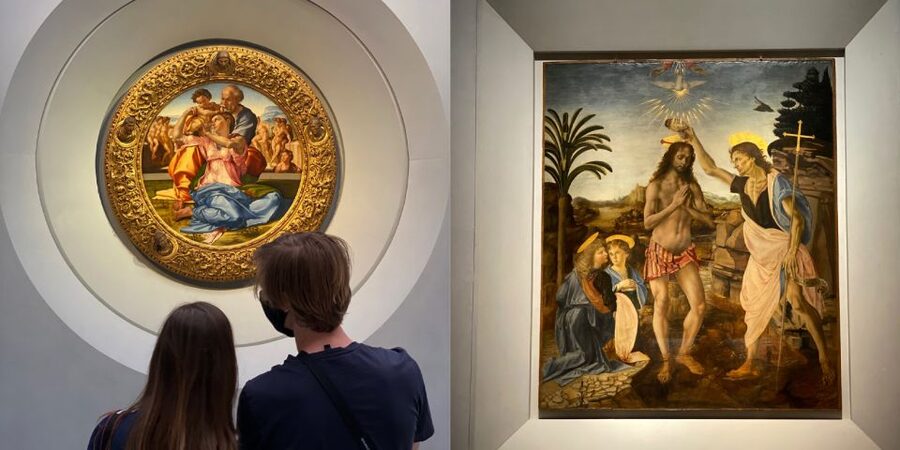
The guided route is designed around highlights. Once the 90 minutes are finished, you may be able to continue on your own, but the exact reentry terms are not stated, so ask the guide or organizer before leaving the group.
If you can stay, use the extra time to revisit the rooms that moved too quickly. One booking returned to see the rest of the exhibits independently. Another specifically recommended the Titian and Caravaggio sections.
You might also want time for the rooftop terrace. One visitor enjoyed taking a drink there after the tour. It offers a useful pause after the concentration required by the galleries, though the information provided does not promise a particular view or availability.
Do not schedule another demanding museum immediately afterward if you want to explore beyond the highlights. The Uffizi has enough material to fill several hours, and the guided visit can leave you eager to look again rather than finished.
Who should book this Uffizi tour?
I would choose this tour if you have limited time in Florence, dislike waiting in museum lines, or want a clear introduction to Renaissance art. It is particularly useful for first-time visitors who want Botticelli, Leonardo, Raphael, and Michelangelo explained in a connected story.
It also suits you if you enjoy asking questions. The small group gives you a better chance to get an answer than a large, anonymous tour.
I would think twice if you prefer to move at your own speed, spend ten minutes with one painting, or examine every gallery. The 90-minute route is selective, and one person felt it moved too quickly through some sections.
I would also hesitate until the admission fee is confirmed in writing. The extra €30 reported by several bookings can change this from a reasonable time-saving purchase into an expensive one.
FAQ
Where does the Uffizi tour meet?
The meeting point is at door number 3 of the Uffizi Gallery in Florence.
How long does the guided experience last?
The tour lasts 1.5 hours.
What language is the tour conducted in?
The live tour guide speaks English.
How large is the group?
The group is limited to 10 participants. Some bookings have had smaller groups.
Does the tour include priority entry?
Yes, the activity provides priority access through a separate entrance.
Are museum admission tickets included in the price?
The activity information lists skip-the-line tickets as included, but several bookings reported paying an additional €30 at the entrance. Confirm the final admission cost before booking.
What artworks and artists are covered?
The tour discusses Botticelli, Leonardo da Vinci, Raphael, Michelangelo, and Piero della Francesca. It also covers Gothic art, Florentine Renaissance painting, and the Medici family.
What should I bring?
Bring a passport or identity card. A copy is accepted, and children need identification.
Can I bring luggage or a large bag?
No. Luggage and large bags are not allowed.
Should you book it?
Book this tour if priority entry and expert interpretation are your main goals. The strongest guides, especially Vittoria and Elvis, have made the Uffizi easier to understand through clear stories, useful comparisons, and a lively pace. The small group is another real advantage.
Before committing, confirm the ticket charge. If $87 is the full price, the time saved and guiding can make it worthwhile. If you must add €30 for admission, compare the total with other guided options and decide how much you value the line skip.
For most first-time visitors with one morning or afternoon in Florence, I would choose a guided Uffizi visit over wandering in cold. Just leave room afterward to see Titian, Caravaggio, and the rooms the highlights tour cannot cover.
Fresh on the Florence list
- Semi Private Deep Wine Chianti and San Gimignano from Florence★ 5.0 · 191 reviews
- Small Group Florence Cathedral Guided Tour with Priority Access★ 4.0 · 192 reviews
- From Florence: Wine Tasting and Dinner in Chianti Vineyards★ 4.6 · 192 reviews
- Hard Rock Cafe Florence with Set Menu for Lunch or Dinner★ 4.5 · 193 reviews
- Florence Sunset Food Tour with Wine & Dine at a Tuscan farmhouse★ 5.0 · 194 reviews
- Wine Experience In Chianti Hills from Florence★ 4.5 · 195 reviews
- Brunelleschi’s Dome and Cathedral Complex Reserved Ticket★ 4.5 · 195 reviews
- Florence: Duomo Complex Guided Tour★ 4.2 · 195 reviews
Uffizi & Accademia Gallery Tours, compared.
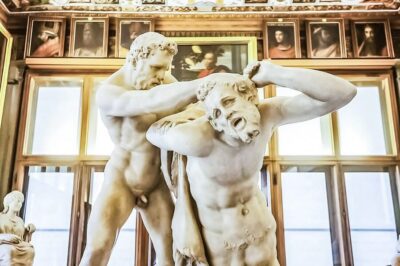
Skip-The-Line Uffizi Gallery Timed Entry Ticket
Read our review →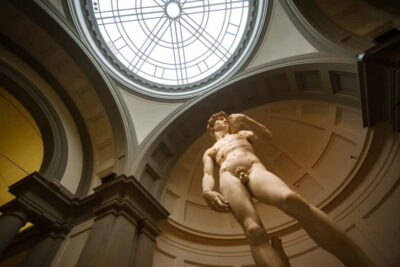
Timed Entrance Ticket to Michelangelo’s David
Read our review →
Michelangelo’s David Skip-the-Line Entry Ticket
Read our review →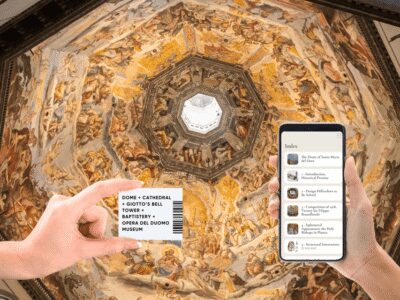
Cathedral & Brunelleschi’s Dome Ticket & Audio App
Read our review →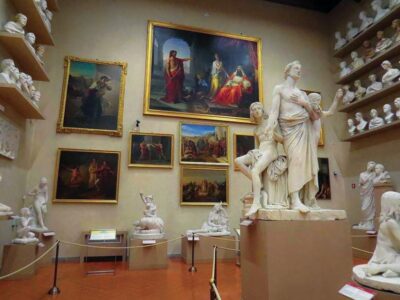
Michelangelo’s David Priority Ticket & Audio App
Read our review →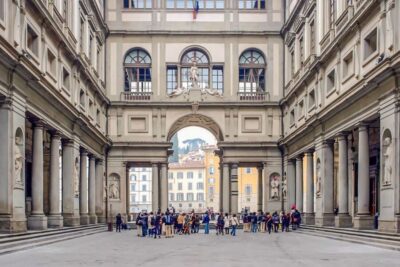
Uffizi Priority Ticket & Masterpieces Audio App
Read our review →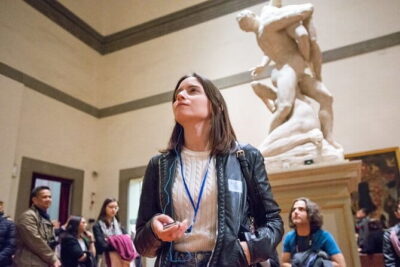
Florence Accademia Gallery Tour with Entrance Ticket Included
Read our review →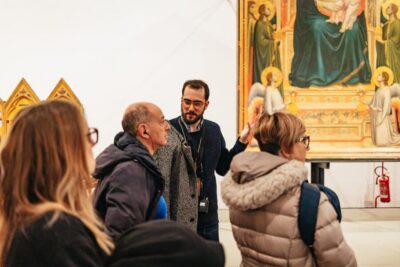
Browse the lists this tour appears in