
Reviewed · COOKING CLASSES
Cooking Class in Rome’s Countryside
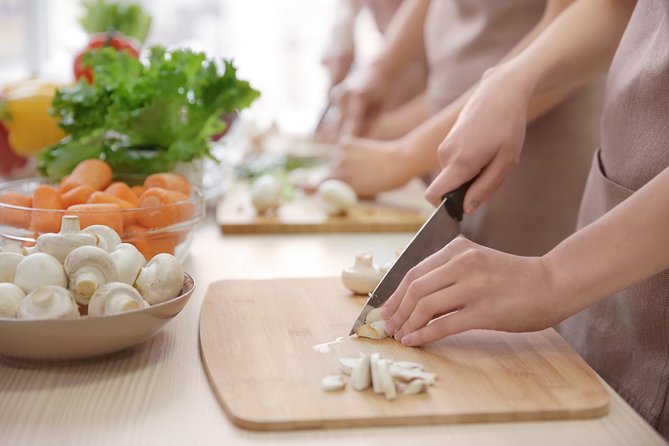
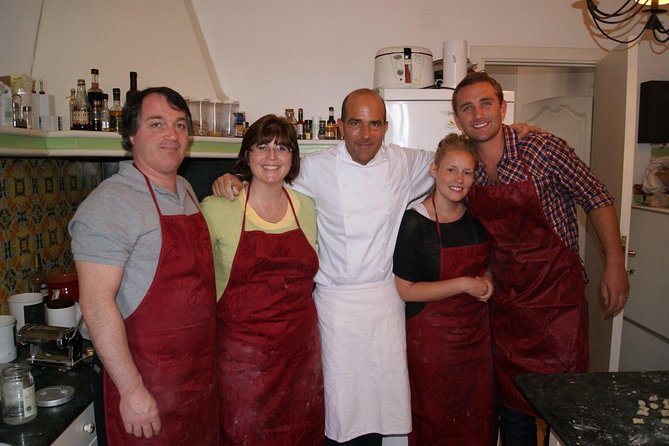
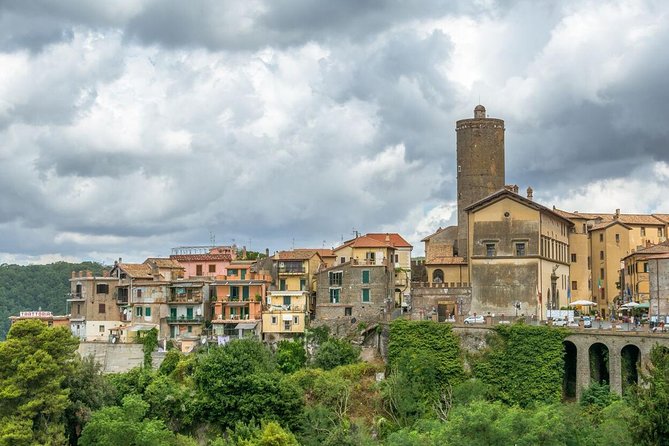
Mazzano Romano gives this experience its real character. You leave Rome’s busy streets, shop for ingredients in a small countryside village, then cook in a private home or historic village kitchen with a chef such as Roberto, Roy, Fabio, Luca, or Eugene. This is not simply a pasta lesson. It is a full day built around food, conversation, and a slower side of Italy.
I like the market-to-table format, especially the stops at local produce shops and butchers. I also like the small group of no more than eight, since chefs can correct your pasta technique and adjust dishes to your tastes. The main consideration is price: at $266.81 per person, this costs much more than many cooking classes held in central Rome, and the long day includes roughly 40 minutes of driving each way.
Key points to know before booking
- Mazzano Romano is the star setting: Cook in an old village, sometimes in a private home or a historic castle residence.
- You shop before you cook: Your chef helps choose vegetables, eggs, meat, spices, cheese, and other fresh ingredients.
- Several pasta shapes are included: Expect hands-on work with up to three types of homemade pasta, depending on the day’s menu.
- The group stays small: The maximum is eight people, and some departures may have only two participants.
- Lunch is the payoff: Eat the dishes you prepared, from antipasti through dessert, with Italian wine.
- Plan for a full morning and afternoon: Pickup begins at 8:30 a.m., and the activity lasts about seven hours.
Leaving Rome for Mazzano Romano
The day begins at 8:30 a.m. at Via Ludovisi 60, near Rome’s central streets. Round-trip transportation to Mazzano Romano is included, which matters here. You are not just heading to a classroom across town. You are going north into the Roman countryside, and the drive gives the day a clear change of pace.
The trip to the village takes about 40 minutes according to the detailed descriptions of the outing. That is not a long ride by Italian day-trip standards, but it is still time you should factor into the price and schedule. You finish back at the same meeting point, so you do not need to arrange a separate return from the countryside.
The guides often use the drive to learn what you like to eat. That detail is useful because the meal may be shaped around your preferences, with the chef adding personal touches. If you have strong dislikes, allergies, or dietary needs, mention them when booking. Vegetarian classes are available if requested in advance.
More Cooking Classes in Rome
- 3 in 1 Cooking Class near Navona: Fettuccine, Ravioli & Tiramisu
★ 5.0 · 7,376 reviews - Rome: Pasta Making Class with Wine, Limoncello, and Dessert
★ 4.9 · 3,177 reviews - Rome: 3-in-1 Fettuccine, Ravioli, and Tiramisu Cooking Class
★ 4.9 · 2,704 reviews
Shopping for lunch in a local village
The first stop is not a cooking studio with ingredients already lined up. You go with your guide to local food shops and market stalls to help source the meal. You may visit a produce market and a butcher, and you learn how to choose fresh vegetables, eggs, spices, and meat.
This is one of the most appealing parts for me. A cooking class can feel detached from daily life if everything arrives premeasured. Here, the food has a visible connection to the village. Some of the more detailed experiences included samples of cured meats at a butcher whose meat came from its own farm. You may also pick fresh herbs for the meal.
The shopping stop adds context without turning into a formal sightseeing tour. Your chef explains what you are buying and why it fits the menu. You also get a chance to see the sort of small food shops that serve local residents, rather than only the polished restaurants and souvenir stores found in Rome’s center.
The tradeoff is that the market portion is not a long, structured tour with a fixed list of sights. Its length and exact stops can vary with the menu and the chef. Think of it as a practical introduction to local ingredients, not a separate village-market attraction.
Cooking in an old village home
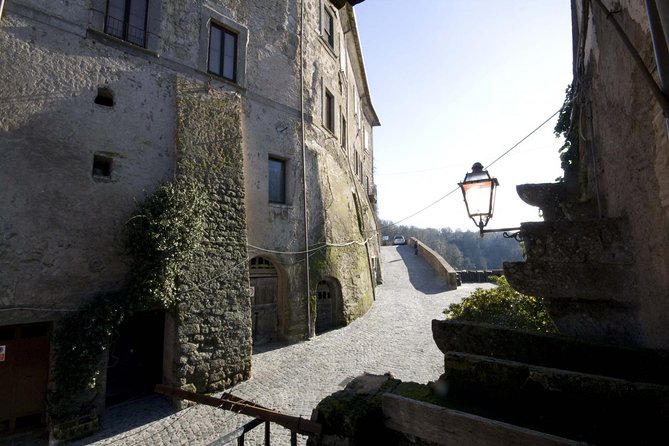
After shopping, you head to a fully equipped kitchen in Mazzano Romano. Several descriptions place the class in a beautiful private home, including one set in a castle or historic residence. One account describes a 16th-century home, while another mentions a house connected with a castle built in 1790.
These details help explain the appeal. You are not cooking in an anonymous commercial room. The setting gives the class a domestic feel, with the group gathered around food in an old village environment. You may also cook in a rustic kitchen or outside area, depending on the location and conditions.
The chefs teach step by step, and the small size makes a practical difference. You are not just watching a demonstration from the back of a room. You help mix, shape, fill, season, and cook the dishes. Chefs named in the descriptions include Roberto, Roy, Fabio, Luca, Eugene, and others, so your instructor may vary by departure.
The teaching style is aimed at ordinary home cooks, not professionals. The chefs are described as patient with beginners and willing to explain small techniques that can be repeated at home. Experienced cooks should not dismiss the class, though. The detailed accounts include useful methods for pasta, gnocchi, sauces, and seasoning that even confident cooks may add to their routine.
Making three kinds of fresh pasta
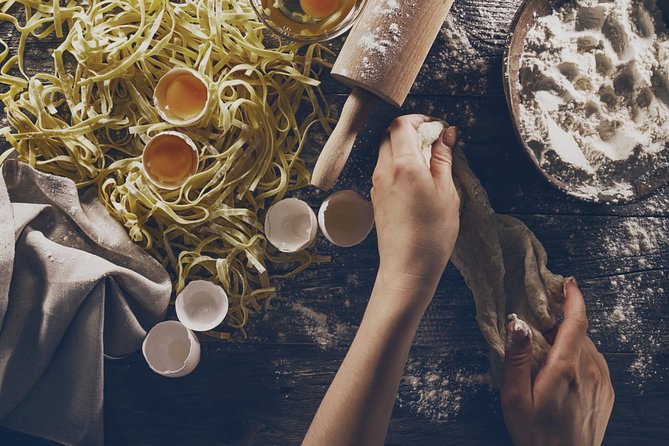
Pasta is the heart of the class. The planned format includes three different types of homemade pasta, and the sample dishes described in detail include ravioli, gnocchi, cavatelli, cavatappi, and other handmade shapes. The exact menu can change, but you should expect to work with dough rather than simply boil dried pasta.
You may prepare ravioli with a filling such as ricotta and artichokes. Another possible dish is cacio pepe gnocchi, with the familiar Roman combination of cheese and pepper. Cavatappi with red pepper and a tomato and sausage sauce has also appeared, along with cavatelli and other fresh shapes.
The useful part is not only the finished plate. Your chef explains how to make pasta that you can reproduce at home, including shaping and filling techniques. Recipes may be provided, and one participant received a ridged gnocchi board to help continue the project at home. Do not count on a souvenir tool with every booking, but asking about recipes and equipment is sensible.
The class also covers sauces and pairings. You might make saltimbocca, veal with prosciutto, baked potatoes, or a seasonal dessert alongside the pasta. The meal has enough variety to feel like a proper Italian lunch, not a single bowl of noodles.
Same city, an entirely different afternoon:
- Vatican Museums & Sistine Chapel Tour with Optional Basilica
★ 4.3 · 67,413 reviews - Colosseum, Roman Forum & Palatine Guided Tour
★ 4.7 · 63,148 reviews - Vatican Museums, Sistine Chapel & St Peter’s Basilica Guided Tour
★ 4.5 · 39,149 reviews - Rome: Colosseum, Palatine Hill and Roman Forum Guided Tour
★ 4.8 · 32,814 reviews
From antipasti to tiramisu
The sample meal follows a familiar Italian rhythm. You begin with antipasti, move to handmade pasta and other savory dishes, and finish with dessert. The format lets you see how separate plates fit together, rather than treating pasta as the entire meal.
Dessert is simply listed as dessert in the planned menu, but detailed descriptions include homemade tiramisu and fresh fruit. That variation suggests the final course may depend on the chef, season, or ingredients found that morning.
Some menus have been generous. One detailed meal included ravioli, cacio pepe gnocchi, cavatappi with red pepper and tomato sausage sauce, baked potato, veal with prosciutto, and tiramisu. Another included several fresh pastas, veal, and fresh fruit. You should arrive hungry. The meal can be substantial, and wine is served with it.
The best part comes after the work. You sit down with the group and eat food you helped prepare. That shared meal turns the lesson into a social day, and it gives you time to ask more questions without a cutting board or saucepan in the way.
Wine, teaching, and the pace of the day
Wine is paired with the prepared dishes, and detailed accounts describe white wine or prosecco being served. The emphasis is on learning how the right varietal can bring out the flavor of the food, not on a formal wine course.
You should pace yourself. The day includes a drive, shopping, several hours of cooking, and a full lunch with wine. One description specifically notes that plenty of wine may be provided, so drinking water before and during the experience is a smart move.
The atmosphere appears relaxed rather than rushed. Chefs such as Roy and Tamara, Fabio, Luca, and Roberto are described as friendly, patient, and willing to laugh with the group. That matters if you are nervous around dough or unsure of your kitchen skills. You are expected to take part, but the class is not built around performance.
The small group also helps couples and families stay involved. A booking requires at least two participants, and the maximum is eight. On some dates, a pair or family may find itself in a very intimate class. That can be a major advantage if you want personal attention, though it also means the experience depends heavily on the chef assigned to your departure.
What the $266.81 price really buys
At $266.81 per person, this is a premium cooking day. A central Rome pasta class can cost far less, especially if it lasts only a few hours and does not include countryside transportation or a market visit.
You are paying for more than ingredients. The fee covers round-trip transportation, the guided shopping stop, instruction from a professional chef, the cooking ingredients, lunch, wine, and a group capped at eight. It also buys time in a village home and the chance to see a side of Italy that is hard to arrange independently during a short Rome visit.
Still, the price will not feel like a bargain to everyone. One detailed assessment put the value under pressure, noting that a cheaper class in central Rome might cost about half as much. That is a fair comparison. If your goal is only to learn how to roll pasta, choose a shorter Rome-based lesson.
I would consider this outing better value if you care about the whole day: transport, food shopping, the village setting, the meal, and direct time with the chef. It makes less sense if you have a tight budget, dislike group activities, or want maximum sightseeing time in Rome.
Who will enjoy this most
You are a good match for this experience if you want an active food day rather than another museum or monument. It suits couples, families, friends, and people who enjoy cooking at home. Beginners should feel comfortable, since the instruction is designed to be patient and practical.
It also works well for repeat visitors to Rome. If you have already seen the Colosseum, Vatican Museums, and major piazzas, Mazzano Romano offers a quieter change of scene. The village itself is part of the appeal, especially if you like old homes, small shops, and local food traditions.
You do not need to be a serious Italian-food fan. One participant joined mainly for the activity and social experience, not because Italian cuisine was a favorite. The format still worked because the focus was on making food, meeting people, and learning techniques.
You may want to skip it if you prefer a tightly scheduled sightseeing day or a short class close to your hotel. The seven-hour duration, early meeting time, and drive each way make this a commitment. You should also be comfortable with wine being part of the lunch.
Practical details that matter
The experience is offered in English and uses a mobile ticket. Start at Via Ludovisi 60 at 8:30 a.m., then return to that same meeting point at the end.
The activity requires at least two participants and accepts no more than eight. The small maximum is one of the strongest reasons to choose it over a large urban cooking school.
Vegetarian cooking classes are available, but you need to state that preference when booking. The standard meal can include meat, including butcher-shop selections and dishes such as veal or sausage, so do not wait until the morning of the class to explain dietary needs.
The price includes the listed ingredients, lunch, and wine. Extra food and drinks are not included unless specified. The experience is non-refundable and cannot be changed after booking, so confirm your date carefully. If the operator cancels because the minimum number is not reached, you are offered another date or experience, or a full refund.
Should you book the Mazzano Romano cooking class?
I would book this if you want a countryside day with food at its center, not just a technical pasta lesson. The market visit, old village setting, small group, patient instruction, and large shared lunch give the outing a sense of place that a cheaper central class may not provide.
I would not book it automatically for every Rome itinerary. At $266.81, the cost is high, and the same basic pasta skills may be available for less in town. But if you have seven hours to spare and value personal teaching, local shopping, wine, and a meal you help create, this is a strong choice.
For the best fit, request a vegetarian menu if needed, arrive ready to cook and eat, and treat the day as a countryside food experience. You are buying the setting and the human contact as much as the pasta lesson.
FAQ
Where does the cooking class take place?
The class takes place in Mazzano Romano, a village in the countryside north of Rome. Cooking is held in a fully equipped kitchen, private home, or historic village residence.
How long does the experience last?
The activity lasts approximately seven hours, including transportation, shopping, cooking, lunch, and the return drive to Rome.
What time does the tour start?
The start time is 8:30 a.m.
Where do I meet the group?
Meet at Via Ludovisi, 60, 00187 Roma RM, Italy. The experience ends back at the same meeting point.
Is transportation included?
Yes. Round-trip transportation from Rome to Mazzano Romano is included.
How many people can join the class?
The maximum group size is eight people. The booking requires at least two participants.
Is the class offered in English?
Yes. The class is offered in English.
Is a vegetarian menu available?
Yes. Vegetarian cooking classes are offered, but you need to mention this preference when booking.
What food and drink are included?
The fee includes the ingredients used in the class, lunch made from the prepared dishes, and wine paired with the meal. Additional food and drinks are not included unless specified.
Can I cancel or change my booking?
No. The experience is non-refundable and cannot be changed for any reason. If the activity is canceled because the minimum number of participants is not reached, you are offered another date or experience, or a full refund.
More Workshops in Rome
- Rome: Pasta & Tiramisu Class with Fine Wine by the Vatican
★ 4.9 · 4,852 reviews - Rome: Fettuccine Pasta Cooking Class in Rome’s City Center
★ 4.8 · 2,414 reviews - Rome: Traditional Pasta with Cocktails Cooking Class
★ 5.0 · 2,374 reviews - Become a Masterchef in Rome: Pasta, Ravioli and Tiramisù Class
★ 5.0 · 2,156 reviews
Fresh on the Rome list
- Rome: Guided Catacombs Tour & Capuchin Crypt (Audio Guide)★ 4.3 · 191 reviews
- Guided tour of the Colosseum, Roman Forum and Palatine in Spanish★ 4.5 · 191 reviews
- Rome: Borghese Gallery Guided Tour with Skip-the-Line Ticket★ 4.5 · 192 reviews
- Rome: Arena Colosseum Tour with Arena Access★ 4.6 · 193 reviews
- Colosseum, Forum, Palatine Hill with audio guide and Arena or Bus option★ 4.0 · 193 reviews
- Rome: Colosseum & Roman Forum Guided Tour★ 5.0 · 194 reviews
- Rome: Domus Aurea Guided Tour and Virtual Reality Experience★ 4.7 · 194 reviews
- Rome by Night Private Walking Tour★ 5.0 · 194 reviews
Cooking Classes, compared.
3 in 1 Cooking Class near Navona: Fettuccine, Ravioli & Tiramisu
Read our review →
Florence Pizza or Pasta Class with Gelato Making at a Tuscan Farm
Read our review →
Pasta & Tiramisu Cooking Class with Unlimited Wine
Read our review →
Cooking Class and Lunch at a Tuscan Farmhouse with Local Market Tour from Florence
Read our review →
Authentic Pizza Making Class in Naples with Appetizers and Drink
Read our review →
Pasta Making Class with Wine, Limoncello, and Dessert
Read our review →Browse the lists this tour appears in