
Reviewed · COOKING CLASSES
Florence: Pasta & Tiramisu Cooking Class with Unlimited Wine
The best part of this Florence class is that you do the work yourself. You knead the dough, roll it thin, shape ravioli, cut pappardelle, and build tiramisu from scratch, then sit down to enjoy the meal with unlimited regional wine. It is a friendly, practical way to meet Italian food on its own terms.
I like the small-class attention, which gives you room to ask questions and fix a sticky dough or crooked ravioli before dinner. I also like that you receive recipes to take home, so the class has value after your holiday ends. The main consideration is the wine: free-flowing pours suit adults who want a social meal, but this may not be the right pick if you prefer a quiet, alcohol-free cooking lesson.
Key things to know before booking
- You make three Italian staples: Fresh ravioli, pappardelle, and tiramisu all feature in the lesson.
- The class is hands-on: You knead, roll, cut, fill, shape, and layer instead of watching a chef do everything.
- Chef guidance is beginner-friendly: Instructors such as Lucella, Andrea, and Leo explain each stage in simple steps.
- Wine is part of the experience: Regional wine is available without a separate per-glass charge.
- The 2.5-hour length works well: It fits neatly into a morning or evening in Florence.
- Recipes go home with you: You can repeat the dishes in your own kitchen.
Making pasta from flour, eggs, and patience
This is not a demonstration with a few token floury moments. You take part from the first mixing and kneading. The chef guides you through the dough step by step, showing how it should feel as it comes together and how to work it into a smooth sheet.
That hands-on approach matters. Fresh pasta is simple in theory, yet small changes in dough texture can affect the finished dish. Too dry, and it becomes difficult to roll. Too soft, and it can stick or lose its shape. With a chef nearby, you can ask questions at the useful moment, rather than trying to work out the problem later from a recipe.
You do not need previous cooking experience. The class welcomes beginners, and the teaching style is methodical rather than showy. That makes this a good choice if you have always wanted to make pasta but have been put off by the thought of buying special equipment or getting the dough wrong.
The class also gives you a feel for the physical side of Italian cooking. Rolling pasta takes a little effort. Shaping it takes attention. You will not simply press a button and produce dinner, which is exactly why the lesson can be so satisfying.
More Cooking Classes in Florence
- Florence: Pasta Cooking Class with Unlimited Wine
★ 4.9 · 10,285 reviews - Florence Pizza or Pasta Class with Gelato Making at a Tuscan Farm
★ 5.0 · 6,801 reviews - Florence: Pasta & Tiramisu Cooking Class with Unlimited Wine
★ 4.9 · 6,708 reviews
Ravioli: the small parcels that test your technique
Once the dough is ready, you move on to ravioli. This is where neatness starts to count. You learn how to place filling, leave enough space between portions, press out excess air, and cut the pasta into individual pieces.
Ravioli looks easy until you try to seal it cleanly. A rushed edge can open during cooking, while too much filling can make the pasta difficult to close. The benefit of the intimate format is clear here. You can get help with the details instead of producing a plateful of misshapen parcels and hoping for the best.
I like this section because it gives you a skill you can repeat at home without needing to copy a restaurant dish exactly. You can use the same method with different fillings later. The class focuses on the technique and the traditional process, not only on getting one meal onto the table.
The finished ravioli becomes part of your meal, so your work has an immediate reward. You can taste how fresh pasta differs from dried pasta and see why the shape and thickness matter.
Pappardelle brings out the rustic side of Tuscany
Pappardelle gives the class a second pasta shape and a different challenge. These broad ribbons are less fiddly than ravioli, but rolling and cutting them evenly still takes care.
The shape is closely linked with central Italian cooking, making it a fitting choice for a class in Florence and Tuscany. You are not just learning a generic pasta recipe. You are working with a form that belongs to the food traditions of the area.
This part of the lesson can feel more relaxed after the concentration required for ravioli. You cut the dough into wide strips and learn how fresh pasta should be handled before cooking. The chef’s instructions help you understand the practical points, such as thickness and portion size, without burying you in culinary jargon.
For home cooks, pappardelle may be the easiest dish to repeat. It needs fewer shaping steps than filled pasta, and you can prepare it with sauces you already know. The recipe sheets make it easier to remember the proportions and method once you are back home.
Tiramisu adds a sweet finish
The class does not stop at pasta. You also prepare tiramisu from scratch, including the layers that give the dessert its familiar texture and contrast.
This is a useful addition because many cooking classes focus only on savory food. Here, you get a complete Italian meal with dessert included. You can follow the process from ingredients to final assembly, rather than simply receiving a premade sweet at the end.
The tiramisu section also gives the pace of the class some variety. Pasta requires kneading, rolling, cutting, and shaping. Dessert calls for careful layering and attention to texture. Moving between the two keeps the session from feeling like one long repetition of the same task.
You should expect a traditional preparation rather than a pastry-school course. The point is to learn a reliable Italian dessert you can make again. If you enjoy bringing holiday dishes back to your own kitchen, this is one of the most useful parts of the experience.
Same city, an entirely different afternoon:
- Florence: Skip-The-Line Uffizi Gallery Timed Entry Ticket
★ 4.5 · 27,832 reviews - Tuscany Day Trip from Florence: Siena, San Gimignano, Pisa and Lunch at a Winery
★ 5.0 · 21,634 reviews - Florence: Timed Entrance Ticket to Michelangelo’s David
★ 4.6 · 16,983 reviews - Florence: Michelangelo’s David Skip-the-Line Entry Ticket
★ 4.5 · 12,764 reviews
Chefs who teach rather than simply perform
The instructors are a major part of the class. English and Italian are offered, and the teaching is built around clear, sequential instructions. That matters when you are handling dough for the first time and need to know what to do next.
Several instructors have made a strong impression on past participants. Lucella is described as fun and encouraging, Andrea as especially good at making pasta accessible to beginners, and Leo as a simple, clear teacher with an entertaining style. Your assigned chef may vary, but these names give you an idea of the tone to expect.
I value the balance between instruction and conversation. A good cooking class should help you learn without making you feel as if you are taking an exam. The chefs appear to keep the mood light while still explaining the important steps.
The class also includes stories about the dishes and ingredients. That cultural context adds meaning to the meal. You learn not only what to do with the dough, but also why these foods matter in Italian cooking.
Wine turns the lesson into a social meal
Unlimited regional wine is included, along with water. At $35 per person, that makes the price notably attractive, especially since the class includes ingredients, equipment, chef instruction, the meal you prepare, dessert, and wine.
The wine is not a separate tasting course with a formal lecture. It supports the relaxed, social mood of the cooking session. You can chat with people at your table, compare pasta shapes, and enjoy the food once the work is done.
There is a practical point here. Free-flowing wine can make the class lively, but it also means you should pace yourself. You still need to knead, roll, and shape pasta, so a sensible approach is to enjoy the wine gradually rather than treating the first pour as a challenge.
If you do not drink alcohol, check the arrangements before booking. Water is included, but the supplied details do not promise a specific range of alternative drinks. The wine is central to the advertised format, so it is worth considering how well that suits your plans.
Why the small class size matters
The class is described as intimate, and that is more than a pleasant phrase. Pasta making works best when the chef can look at your dough, watch your technique, and answer questions as they arise.
One class group was divided into smaller groups, with one section taught by the restaurant chef. That arrangement can be helpful when demand is high, because a smaller working group gives you more direct contact with the instructor. Group arrangements may vary, but the experience is designed to provide personal help.
I would choose this format over a large demonstration if your goal is to leave with practical skills. You can ask how thin to roll the dough, how firmly to seal ravioli, or how to adjust your method at home. Those small answers are often more valuable than a polished cooking show.
The social side is also part of the appeal. Families and couples can work together, while solo visitors have a natural way to meet people. The class has been described as a good activity for families, including a family of five, and as an enjoyable way to share food with new companions.
A useful Florence activity for rainy weather
The 2.5-hour schedule makes this easy to fit into a Florence itinerary. You can use it as a morning activity, an evening meal, or a weather-proof plan when rain puts a dent in outdoor sightseeing.
A cooking class also gives you a different look at the city. Instead of spending another few hours moving from one museum room to the next, you work with food, talk with a local chef, and sit down to eat. It is still a tourist activity, but it connects you with a daily part of Italian life.
The meeting point can vary depending on the option you book, so read your confirmation carefully. Do not assume every departure uses the same address. Comfortable shoes are recommended, which makes sense for a practical class involving standing and kitchen work.
The experience is wheelchair accessible. If you need specific arrangements beyond that, contact the provider before booking, since the available information does not explain the exact room layout or kitchen setup.
What the $35 price really buys you
At $35, this is a low-cost cooking experience for Florence. The value comes from the combination of instruction and dinner. You are not paying only for a short pasta lesson. You also receive the ingredients, kitchen equipment, tiramisu preparation, the food you make, unlimited regional wine, water, Wi-Fi, and recipes to take home.
The price is especially strong if you planned to eat out anyway. Instead of spending money on a separate meal, you learn how to make several dishes and then eat them as part of the class. The recipes add longer-term value, provided you actually try them again.
There are limits to keep in mind. This is not a private lesson, and the chef cannot give you one-on-one attention every minute. The class also lasts 2.5 hours, so it offers a useful introduction rather than a full professional cooking course.
For most people, I would judge the price by the practical result: do you leave able to make fresh pasta with confidence? The repeated feedback about clear teaching, good food, and willingness to cook again at home suggests that the class succeeds on that point.
Who will enjoy this most
I would recommend this class to first-time pasta makers, couples, families, and solo visitors who enjoy meeting people through food. It suits you if you want a meal with an activity attached, rather than a passive restaurant dinner.
It is also a smart choice for a rainy morning or evening. The class gives you a firm two-and-a-half-hour plan and ends with food you helped prepare.
You may want to choose another activity if you are looking for a formal wine education session, a private chef experience, or a very quiet lesson. The atmosphere is social, and wine is served throughout. You should also be comfortable with a class that includes standing, handling dough, and working at a shared pace.
The class welcomes all skill levels, so do not let a lack of cooking experience stop you. The stronger reason to book is curiosity, not confidence. You should leave with more confidence than you brought in.
Simple ways to get more from the class
Arrive ready to work, not just watch. Pay attention to how the dough feels in your hands, since that lesson is harder to capture in a written recipe.
Ask questions when you are unsure. The small-class format is most valuable when you use it. If your ravioli seal looks weak or your pasta sheet seems too thick, ask the chef before moving on.
Take mental notes about the process, not only the ingredients. Remember how the chef handles the dough, how the ravioli is closed, and how the pappardelle is cut. Those visual details will help when you repeat the recipes later.
Wear comfortable shoes, as requested. You will be in a working kitchen rather than sitting through a lecture, and comfort will help you stay focused.
Finally, pace the wine. You want to remember how you made the pasta, enjoy the meal, and still make it back to your next Florence plan.
Should you book this Florence pasta class?
Yes, if you want a practical, sociable food experience at a modest price. The strongest reasons are the hands-on pasta work, the three recipes, the helpful English-speaking instruction, and the included wine and meal.
I would book it especially for a family, a couple, or a solo visitor looking for an easy way to connect with Italian food. The class is less suited to anyone who dislikes group activities or does not want alcohol to be part of the setting.
Check the meeting point for your selected option, wear comfortable shoes, and arrive ready to get your hands messy. If you do, you should leave Florence with a full stomach, a few good stories, and enough pasta-making confidence to try again at home.
FAQ
How long does the cooking class last?
The class lasts 2.5 hours. Starting times vary, so you should check availability when choosing your date.
How much does the experience cost?
The listed price is $35 per person.
What will I learn to make?
You will learn to make fresh ravioli, pappardelle, and tiramisu from scratch.
Do I need previous cooking experience?
No. The class welcomes all skill levels, and no prior experience is required.
Is wine included?
Yes. Unlimited regional wine is included, along with water.
Which languages are available?
Instruction is available in English and Italian.
Is the class wheelchair accessible?
Yes, the activity is listed as wheelchair accessible.
What should I wear or bring?
Comfortable shoes are recommended. Cooking ingredients and equipment are provided.
Can I cancel the booking?
You can cancel up to 24 hours in advance for a full refund. The reserve-now, pay-later option allows you to book without paying immediately.
More Workshops in Florence
- Cooking Class and Lunch at a Tuscan Farmhouse with Local Market Tour from Florence
★ 5.0 · 4,831 reviews - Florence Cooking Class The Art of Making Gelato & Authentic Pizza
★ 5.0 · 2,053 reviews - Small Group Cooking Class & Market Food Tour in Florence
★ 5.0 · 1,574 reviews - Florence: Pizza and Gelato Preparation Class
★ 4.8 · 1,143 reviews
More Pasta in Florence
- Florence: Pasta Cooking Class with Unlimited Wine
★ 5.0 · 6,413 reviews - Pastamania – Florence Pasta Making Class
★ 5.0 · 3,050 reviews - Florence: Cooking Class Pasta & Tiramisu Making Unlimited Wine
★ 5.0 · 2,234 reviews - Florence: Handmade Pasta & Dessert Class with Unlimited Wine
★ 4.8 · 788 reviews
Fresh on the Florence list
- Florence: Uffizi Guided Tour with Skip-the-Line Entry Ticket★ 4.8 · 499 reviews
- The Best of Florence Walking Tour in a Small Group★ 5.0 · 503 reviews
- Florence: Uffizi Gallery Tickets with Optional Audio Guide★ 4.1 · 503 reviews
- Premium Pasta and Gelato Cooking Class in Florence★ 5.0 · 508 reviews
- From Florence: Tuscany & San Gimignano Tour with 2 Tastings★ 4.8 · 511 reviews
- Florence: Guided Tour of Medici Family Secrets and Chapels★ 4.7 · 512 reviews
- Tuscany Vespa Tours Through the Hills of Chianti★ 5.0 · 515 reviews
- Pasta and Tiramisu Cooking Class with optional Local Market Tour★ 5.0 · 515 reviews
Cooking Classes, compared.
3 in 1 Cooking Class near Navona: Fettuccine, Ravioli & Tiramisu
Read our review →
Florence Pizza or Pasta Class with Gelato Making at a Tuscan Farm
Read our review →
Pasta & Tiramisu Cooking Class with Unlimited Wine
Read our review →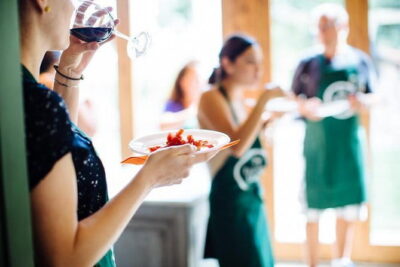
Cooking Class and Lunch at a Tuscan Farmhouse with Local Market Tour from Florence
Read our review →
Authentic Pizza Making Class in Naples with Appetizers and Drink
Read our review →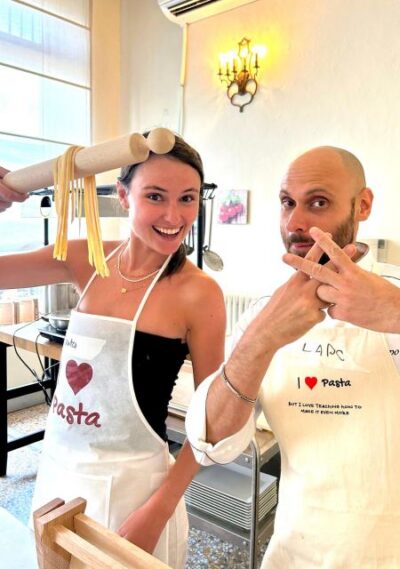
Pasta Making Class with Wine, Limoncello, and Dessert
Read our review →Browse the lists this tour appears in