
Reviewed · WALKING TOURS
Florence: Guided Walking Tour
Florence’s greatest sights sit close together, and this 90-minute walking tour gives you a useful first look without asking you to spend a full day indoors. You move from the Duomo to Signoria Square, across Ponte Vecchio, and toward Pitti Palace while a local guide fills in the stories behind the stone and statues.
I like the clear route and the way the guides bring small details into view, including street features you might otherwise walk past. I also like the value: at $27 per person, you get a certified guide, a radio system, and a solid introduction to Florence’s Renaissance story.
The main thing to consider is that this is an outside-only tour. You will pass the major attractions but receive no entrance tickets, so you need separate time and tickets for the cathedral interior, museums, bell tower, or palace.
Key points to know before booking
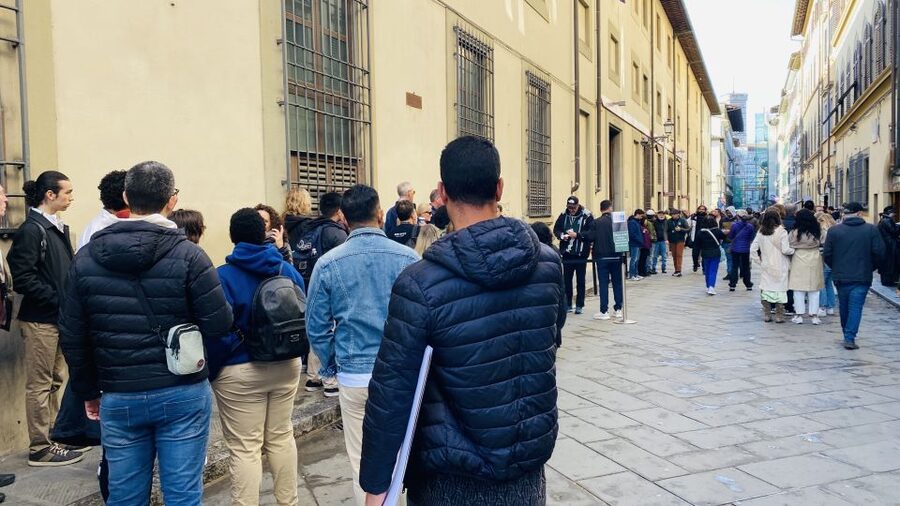
- The Duomo complex comes first: See Santa Maria del Fiore, the Baptistery, Giotto’s Bell Tower, and the Opera del Duomo Museum from outside.
- Michelangelo’s David is a replica here: The statue in Signoria Square is outside Palazzo Vecchio, not the original in the Accademia Gallery.
- Ponte Vecchio is part of the route: You cross Florence’s famous Old Bridge and hear why it became such a symbol of the city.
- Guides add local color: Chiara, Matteo, Pam, and other guides have been praised for clear explanations, humor, and restaurant suggestions.
- The tour can suit a short stay: In 1.5 hours, you get a city orientation before choosing which museums and churches deserve your time.
- Plan for a punctual start: Late arrivals are not offered a refund or rescheduled place, and at least two people are needed for the tour to run.
Why this short Florence walk works
Florence can feel easy to navigate on a map, but its famous buildings make more sense when you know how they fit together. A guide can point out the political rivalries, artistic choices, and Medici connections that turn a pleasant stroll into a more useful introduction.
I see this tour as an orientation rather than a complete art visit. You will not study individual paintings for long, climb Giotto’s Bell Tower, or enter the Duomo. Instead, you get the city’s main visual landmarks and enough context to make better choices afterward.
That distinction matters. If you have only a day in Florence, the route helps you locate the center quickly. If you have several days, it gives you a framework for later visits to the Uffizi, Accademia, Opera del Duomo Museum, or Palazzo Vecchio.
The strongest part is the guide. Guides including Chiara, Matteo, Pam, Laura, Luigi, and others have been praised for making the walk lively without losing the historical thread. Some have used pictures to explain how Florence looked in earlier periods, while others have offered practical suggestions about places to eat and see later.
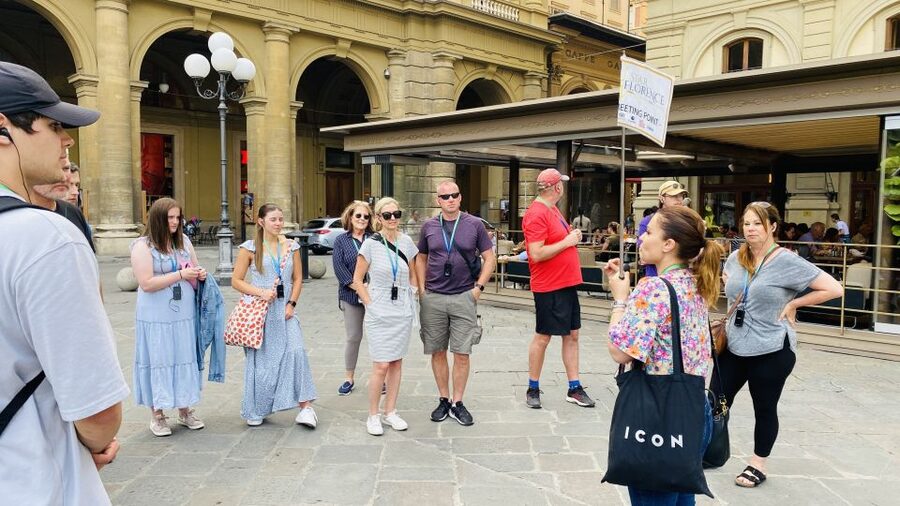
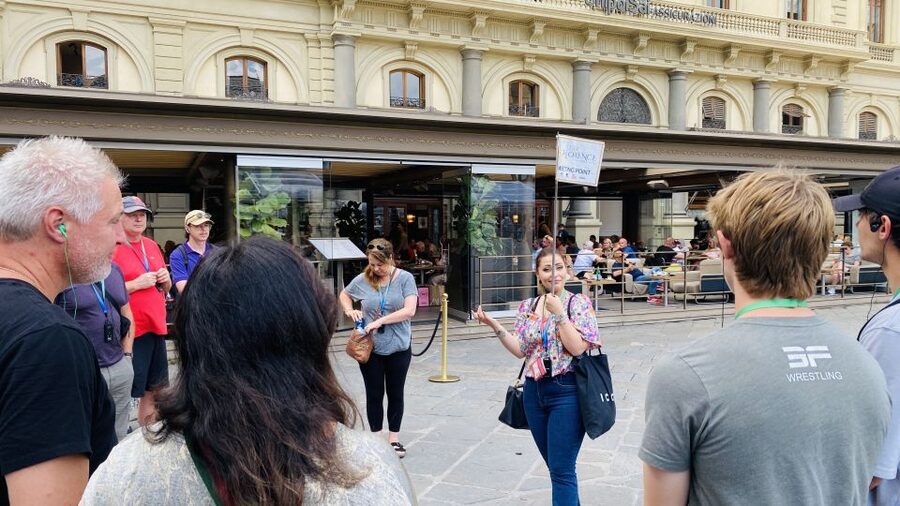
The radio system is a useful touch, especially in crowded squares. You do not need to stand shoulder to shoulder with the guide to hear the explanation, though you still need to keep the group in sight.
More Walking Tours in Florence
- Florence: Guided Walking Tour
★ 4.5 · 3,334 reviews - Skip the line: Uffizi and Accademia Small Group Walking Tour
★ 4.5 · 3,135 reviews - Florence: Renaissance and Medici Tales Guided Walking Tour
★ 4.8 · 1,549 reviews
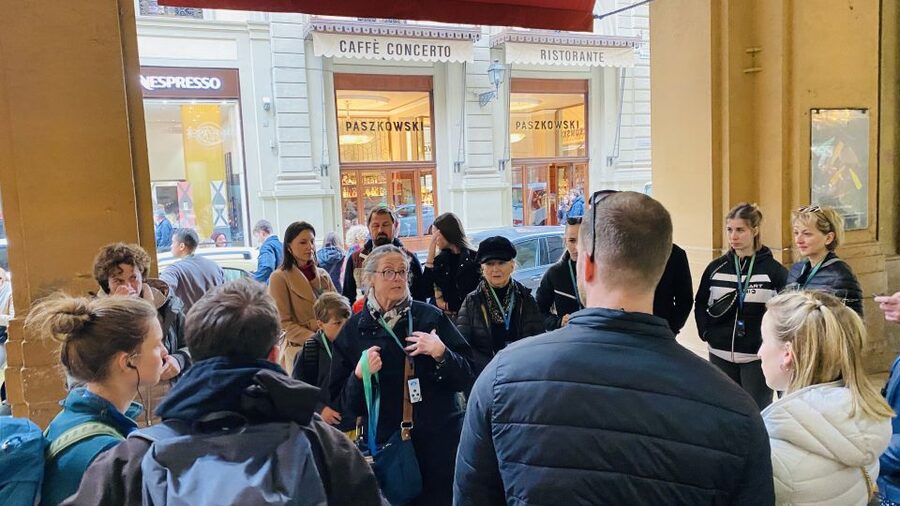
Starting in Piazza della Repubblica
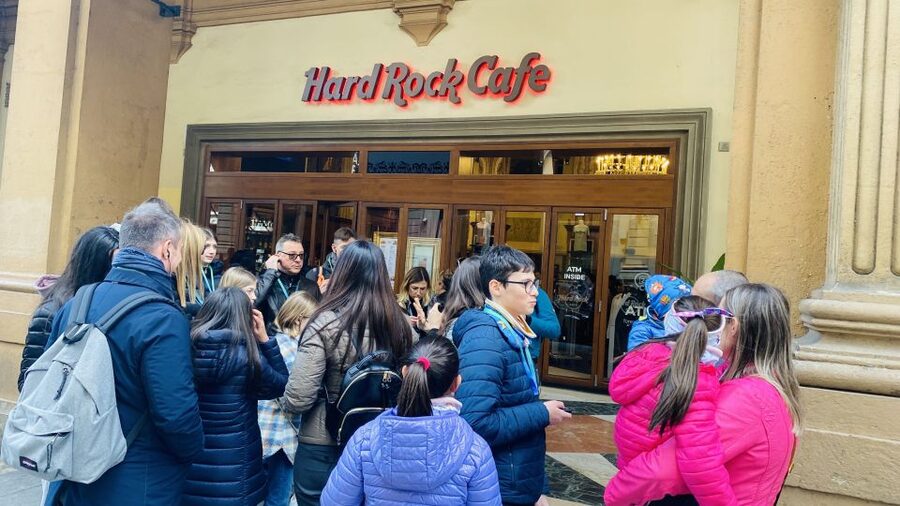
The meeting point varies by the option you book, with starting points listed around Piazza della Repubblica and the Hard Rock Cafe Florence. Check your exact meeting point carefully before leaving your hotel. Florence’s center is compact, but a wrong starting corner can cost you the few minutes you need to arrive calmly.
Piazza della Repubblica is a sensible place to begin. It is a broad city square with a modern, open feel compared with the narrow streets nearby, so it helps you get oriented before the route moves into the denser historic center.
The square also introduces one of Florence’s recurring themes: the city you see today has been reshaped many times. Your guide may connect the present-day streets with Florence’s Roman, medieval, and later urban story. The supplied details promise history, curiosities, and Medici tales rather than a simple list of dates.
This opening is also where the pace matters. The walk covers several major areas in a short period, but the best guide reports describe an easy pace with time for questions. Some guides have extended the tour by 20 minutes or more when the group wanted to continue. That can be a pleasant bonus, but I would plan around the stated 1.5 hours, not an expected extension.
Reading the Duomo complex from the outside
The Florence Duomo is the visual centerpiece of the route. Santa Maria del Fiore, with its enormous dome, is not just another church stop. It represents the ambition and skill that made Florence a major center of Renaissance art and architecture.
You will see the cathedral, the Baptistery of Saint John, Giotto’s Bell Tower, and the Museo dell’Opera del Duomo. The museum holds original works made for the cathedral complex, but this tour does not take you inside. That is important: you get the setting and explanation, not the museum collection itself.
The Baptistery and bell tower help make the complex easier to understand as a group of connected buildings rather than one isolated church. Your guide can show you how the structures relate to one another and explain why this small area carries so much artistic weight.
This is one place where the 90-minute format has both a strength and a limit. You can take in the exterior without committing your morning to a museum visit. But if you want detailed explanations of the dome’s construction, the cathedral interior, or the original sculptures in the museum, you will need a separate visit.
For that reason, I would schedule this walking tour before your paid attractions. One guide specifically recommended doing the walk before visiting other museums or sights, and that is good advice. Once you know the basic story and layout, later visits feel less like a parade of famous names.
Signoria Square and the political David
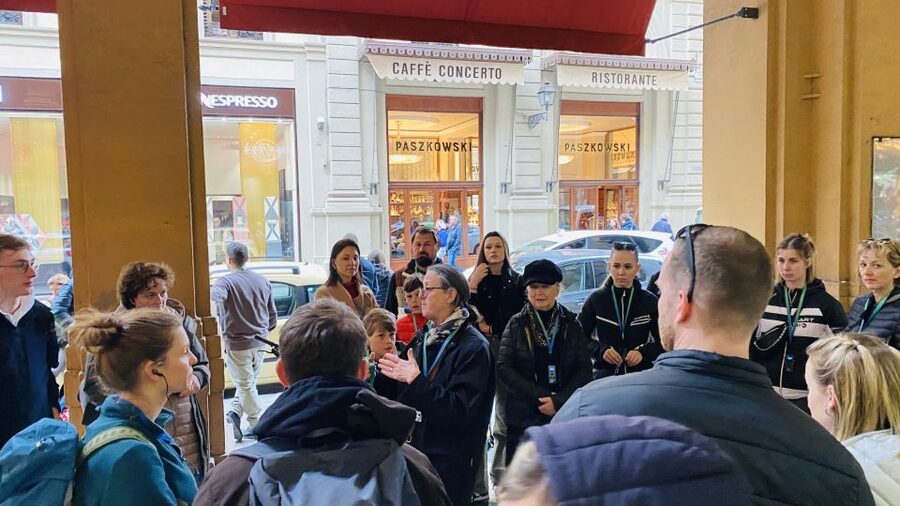
From the Duomo area, the route continues to Piazza della Signoria, Florence’s great outdoor political stage. Here you see Palazzo Vecchio and the replica of Michelangelo’s David placed outside the building.
The statue is not the original David. The original is in the Accademia Gallery, where you need a separate entrance ticket. The outdoor copy still matters, though, because its location recalls David’s role as a symbol of the Florentine Republic’s defiance of Medici rule.
That political meaning is exactly the sort of detail that improves a city walk. Without it, you see a famous statue in a handsome square. With it, you begin to understand why certain sculptures were placed in particular locations and how art worked as public messaging.
Signoria Square also gives the guide room to connect Florence’s artists with its rulers, feuds, and changing government. The information provided for this tour includes stories about the Medici, the Renaissance, the Romans, the Middle Ages, World War II, and even the Mafia. The precise emphasis will depend on your guide, but the subject range is broad.
I would not expect a quiet, museum-like explanation here. This is an open public square, and crowds can make it harder to pause. The radio headset helps, and the guides are expected to keep the group safe around busy roads and foot traffic. Still, stay alert and keep close when the group moves.
Same city, an entirely different afternoon:
- Florence: Skip-The-Line Uffizi Gallery Timed Entry Ticket
★ 4.5 · 27,832 reviews - Tuscany Day Trip from Florence: Siena, San Gimignano, Pisa and Lunch at a Winery
★ 5.0 · 21,634 reviews - Florence: Timed Entrance Ticket to Michelangelo’s David
★ 4.6 · 16,983 reviews - Florence: Michelangelo’s David Skip-the-Line Entry Ticket
★ 4.5 · 12,764 reviews
Crossing Ponte Vecchio
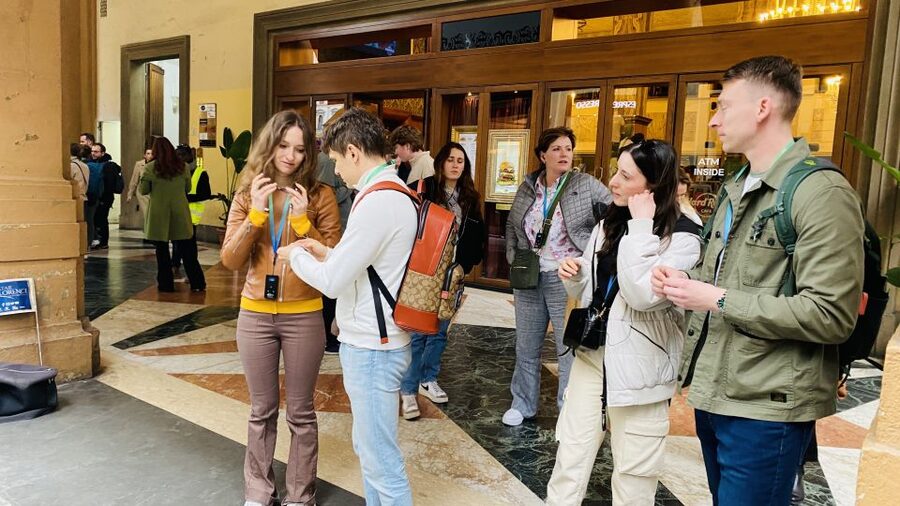
Ponte Vecchio is the route’s most recognizable bridge stop. The name means Old Bridge, and it crosses the Arno in the heart of Florence. Its fame comes not only from the view but also from the shops built along it, which give the bridge an unusual street-like character.
You pass across the bridge rather than treating it as a long standalone visit. That is the right scale for this tour. The guide can explain the bridge’s place in Florence’s story, point out details, and help you notice how it links the central streets with the Oltrarno side of the city.
Ponte Vecchio is also a useful orientation marker. After crossing, you are no longer simply moving among the cathedral and civic buildings. You are heading toward the Pitti Palace side of Florence, where the city’s grand political and residential story continues.
Expect people, shopfronts, and limited space. The bridge can be crowded, so it is not the best place for a long group lecture. I would save your photographs for moments when the guide has stopped and avoid blocking the walkway.
Finishing near Pitti Palace
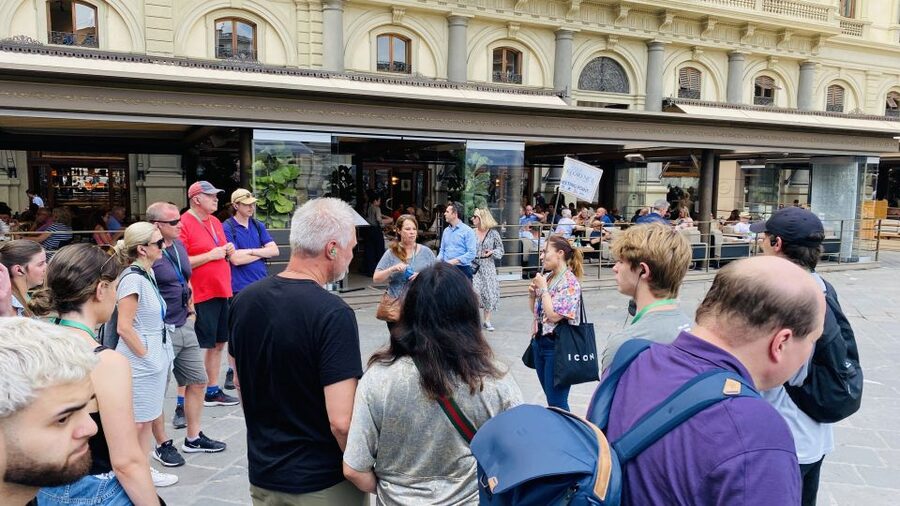
The route includes Pitti Palace as a pass-by stop. You view it from outside rather than entering its rooms, galleries, or gardens.
That makes the palace a useful final landmark, but not a substitute for a palace visit. If you want to explore the interior collections or the grounds, plan another visit and check entrance arrangements separately.
Ending around the Pitti Palace area gives the walk a natural sense of movement across Florence. You begin near Piazza della Repubblica, pass the Duomo and Signoria Square, cross Ponte Vecchio, and finish on the other side of the Arno. You have not covered every corner of town, but you have seen the main historic spine.
The listed drop-off points return you around the Hard Rock Cafe Florence or Piazza della Repubblica area, depending on the option booked. Since the tour is on foot, do not think of drop-off as hotel transport. You are simply finishing at a central point from which you can continue exploring.
What the guides add to the experience
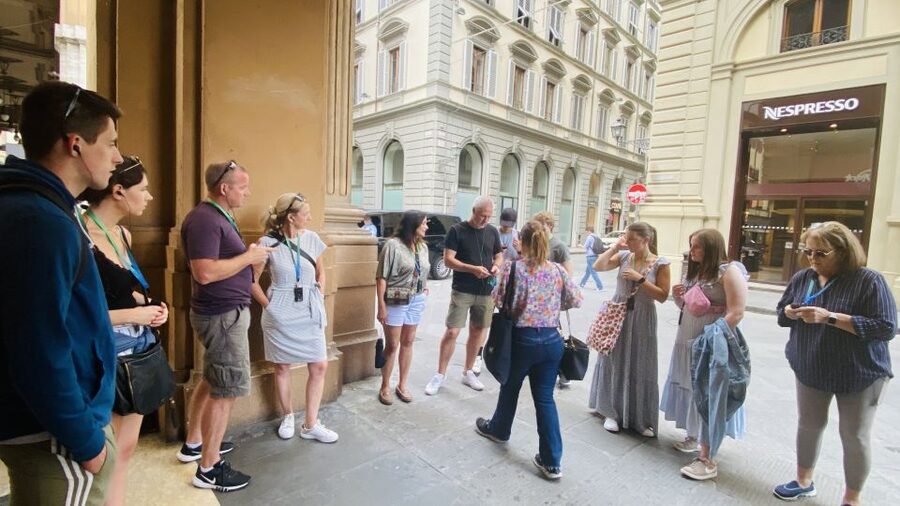
The tour’s best asset is not a special ticket or unusual vehicle. It is the person leading the walk.
Chiara has been praised for explaining Florence’s role in the Renaissance and for selecting strong stops along the route. Matteo has been described as funny, warm, and able to answer questions while keeping a good pace. Pam has received praise for using the city’s small details, even markings on walls, to make the streets more interesting.
Other guides, including Laura, Luigi, Lazaro, Marko, Sharon, and Mateo, have been described as friendly and engaging. The language choices are English, German, Spanish, and French. A Spanish-language tour led by Lazaro was especially useful for a family who wanted children to hear native Spanish while learning about Roman and Renaissance Florence.
You should not book based on one particular guide’s name, since assignments can change. But the pattern is clear: this works best when the guide tells stories, takes questions, and adjusts the pace. Small groups have made some walks feel more personal, though the exact group size is not specified.
Several guides have run beyond the scheduled time when the group was happy to continue. Treat that as a possible extra, not a promise. Your guide may need to finish on time for the next departure.
Price, timing, and who gets the most value
At $27 per person, this is a reasonable price for a guided introduction to central Florence. You are paying for a certified guide, a radio system, and the convenience of a planned route through the city’s most important outdoor sights.
The value is strongest for first-time visitors, short-stay guests, and anyone who wants historical context before buying museum tickets. It is also useful for families, since a good storyteller can make dates and dynasties easier to follow. One guide managed to keep a 13-year-old engaged for the whole walk, which is a practical sign that the format can work for younger visitors.
I would be less likely to book it if you have already taken a detailed Florence tour or prefer to explore without a set route. Art specialists may also want a museum-focused experience rather than exterior commentary.
The 1.5-hour length is manageable, but you still need comfortable shoes. You should bring a passport or identity card, and large bags, luggage, smoking, and pets are not allowed. Hotel pickup and drop-off are not included.
The tour is wheelchair accessible, though the route remains a city walk with public streets and squares. Check the specific meeting point when booking if you need to plan around mobility needs.
You can cancel up to 24 hours ahead for a full refund, and reserve now while paying later. The tour needs at least two participants to operate. Poor weather can also cancel it, in which case you are offered another date or a full refund. Do not cut arrival close: late arrivals are not rescheduled or refunded.
My recommendation for Florence visitors
I would book this walking tour early in a Florence stay, ideally before your museum visits. It gives you a practical map of the center, explains why the Duomo, David, and Ponte Vecchio matter, and may point you toward food and sights that fit your remaining time.
You should book it if you want a friendly guide, a quick orientation, and a good amount of Renaissance and Medici context for a modest price. You should skip it if you need interior access, detailed art scholarship, or complete freedom to stop whenever you like.
For most first visits, the balance is right. You see the landmarks, learn how Florence’s power and art shaped one another, and finish with a better plan for the rest of your stay.
FAQ
How long does the Florence walking tour last?
The scheduled duration is 1.5 hours. Some guides may continue longer if the group agrees, but you should plan for the stated 90 minutes.
What sights are included on the route?
The route includes Piazza della Repubblica, the Florence Duomo complex, Piazza della Signoria, Ponte Vecchio, and Pitti Palace. The attractions are visited from outside.
Are entrance tickets included?
No. The tour does not include entrance tickets and operates entirely from outside the attractions.
Can I see Michelangelo’s original David?
No. The tour shows a replica of David outside Palazzo Vecchio in Signoria Square. The original is not part of this tour.
Which languages are available?
Live guides are available in English, German, Spanish, and French.
Is the walking tour wheelchair accessible?
Yes, the activity is listed as wheelchair accessible.
What happens if the tour is canceled?
If there are fewer than two participants or poor weather prevents the tour from operating, you are offered an alternative date or a full refund. You can also cancel up to 24 hours in advance for a full refund.
Fresh on the Florence list
- Florence: Uffizi Guided Tour with Skip-the-Line Entry Ticket★ 4.8 · 499 reviews
- The Best of Florence Walking Tour in a Small Group★ 5.0 · 503 reviews
- Florence: Uffizi Gallery Tickets with Optional Audio Guide★ 4.1 · 503 reviews
- Premium Pasta and Gelato Cooking Class in Florence★ 5.0 · 508 reviews
- From Florence: Tuscany & San Gimignano Tour with 2 Tastings★ 4.8 · 511 reviews
- Florence: Guided Tour of Medici Family Secrets and Chapels★ 4.7 · 512 reviews
- Tuscany Vespa Tours Through the Hills of Chianti★ 5.0 · 515 reviews
- Pasta and Tiramisu Cooking Class with optional Local Market Tour★ 5.0 · 515 reviews
Walking Tours, compared.
Guided Walking Tour & Last Supper Visit with Ticket
Read our review →
Rialto Bridge & Offbeat Unusual Venice Walking Tour
Read our review →
Private 3 hrs Venice Tour: St Mark’s, Walking tour & Boat tour
Read our review →
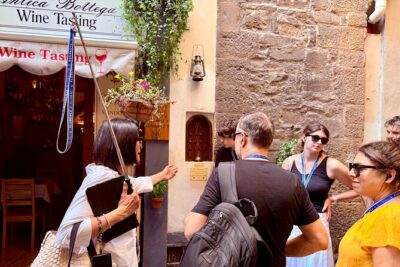
Skip the line: Uffizi and Accademia Small Group Walking Tour
Read our review →Browse the lists this tour appears in