
Reviewed · FLORENCE TOURS
Florence: Guided Tour of Medici Family Secrets and Chapels
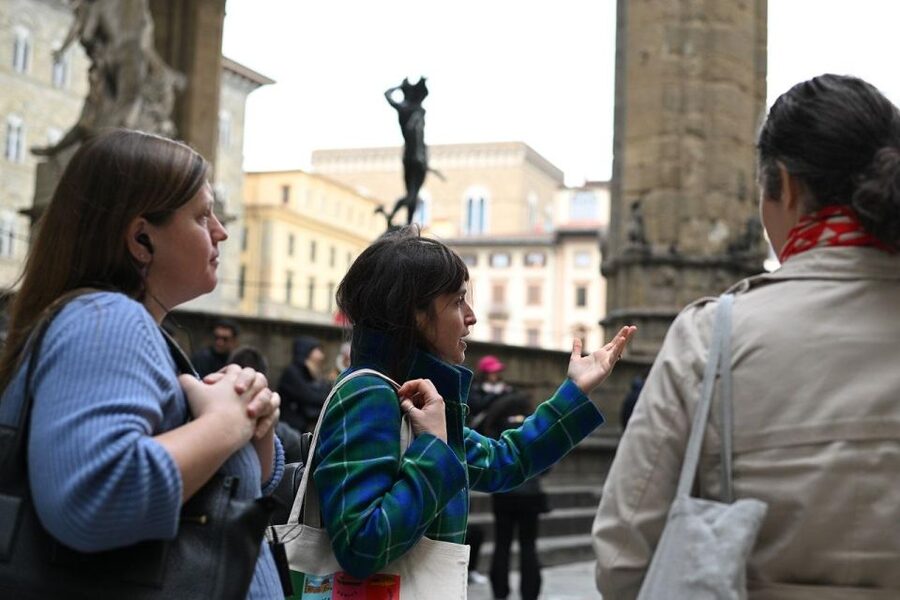
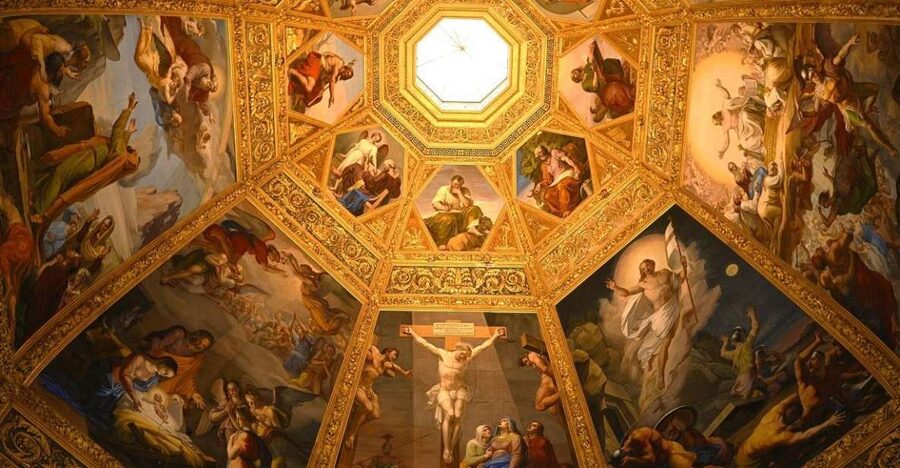
The most striking part of this Florence tour is the Medici Chapel, where Michelangelo’s tomb sculptures share space with the dazzling Chapel of the Princes. You also hear about a crypt found beneath the chapel only in 2004 and a room where Michelangelo hid in 1530, seen from outside.
I like the timed entry because it saves you from wasting a short Florence morning in a ticket queue. I also like the way the walk links art to money and power, taking you from the Medici family’s former home to the Duomo and the government square. The main drawback is pace: two hours covers a lot, and most stops after the chapel are exterior views.
Key points to know before you book
- Michelangelo’s New Sacristy: See the Medici burials and famous sculptures with pre-booked entry.
- A family story, not just an art tour: Learn about Cosimo the Elder, Lorenzo the Magnificent, Piero the Unfortunate, and their rivals.
- Florence’s major squares included: The route connects San Lorenzo, Piazza del Duomo, Piazza della Signoria, and the Uffizi.
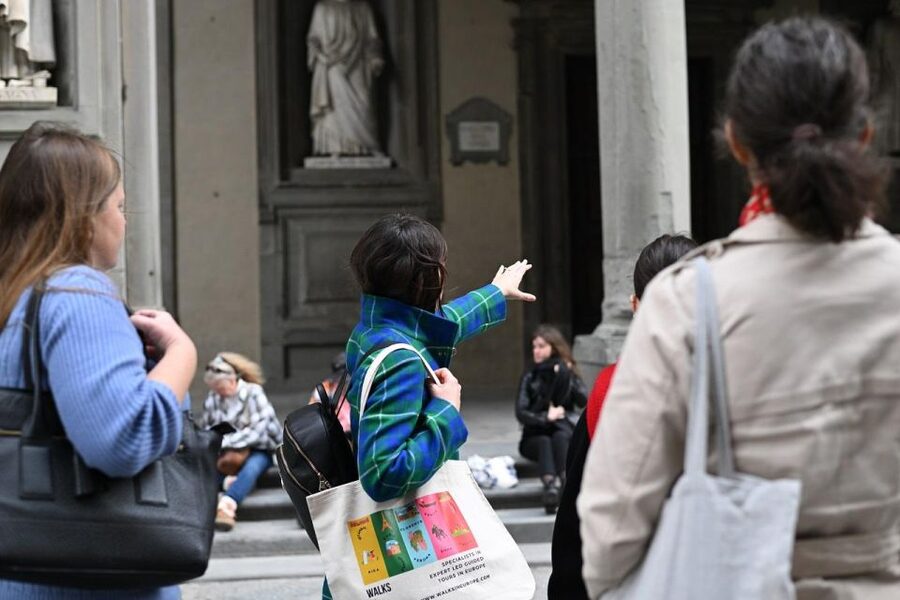
- Guides make the difference: Vanessa, Chiara, Valentina, Marco, Michaela, Julia, and others have earned strong praise for clear storytelling and warm answers.
- Small groups may be possible: Some departures have had only three people, while private options are also available.
- Plan for a strict meeting time: Arrive 15 minutes early, carry no large bag, and do not count on joining after the tour begins.
Why the Medici Chapel is the heart of the tour
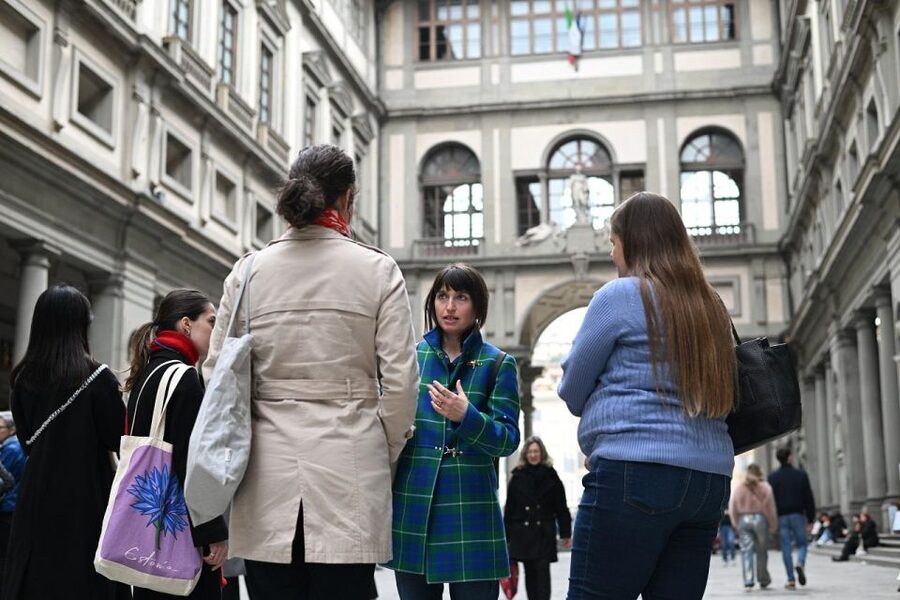
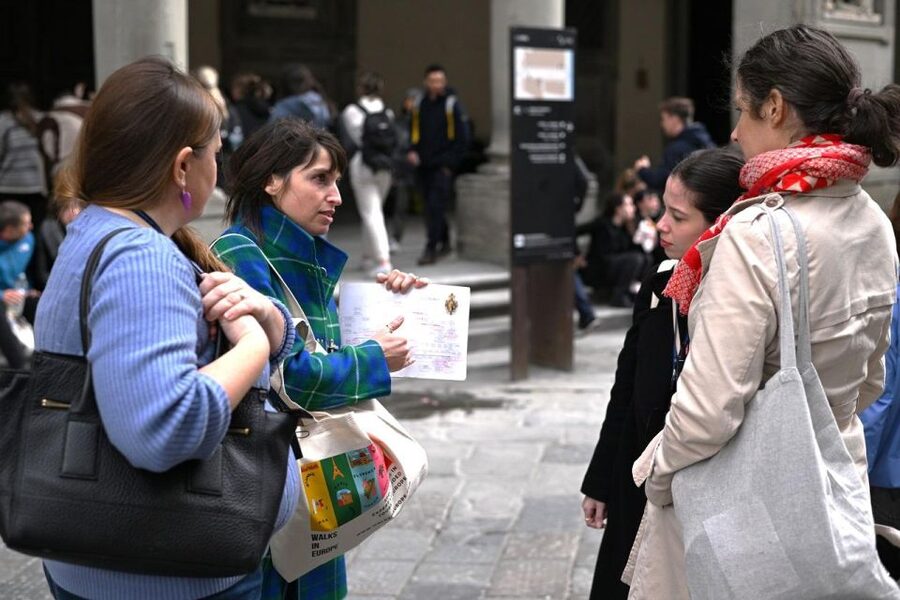
The tour begins in Piazza di Madonna degli Aldobrandini, beside the entrance to the Medici Chapels. This is a useful meeting point because you do not need to search for a distant office or arrange transport across Florence. Look for a guide holding a Walks in Europe sign.
Once inside, you spend about 30 minutes with the guide in the Medici Chapel complex. The visit includes the Chapel of the Princes, an octagonal room faced with elaborate marble and glittering semi-precious stone. It is not subtle. The Medici wanted a family mausoleum that announced wealth before you had time to admire the craftsmanship.
The New Sacristy gives the visit a different mood. Michelangelo designed the tombs for members of the Medici family, and his figures of Day, Night, Dawn, and Dusk turn the burial spaces into a study of time, death, and power. Your guide helps connect the sculptures to the people buried there, which matters because the names can blur together quickly.
I find this kind of explanation especially useful if you know Michelangelo mainly from the Sistine Chapel. Here, you can look at the tombs at close range and understand how the work served both art and family image. The chapel is beautiful on its own, but the political purpose gives the beauty an edge.
The tour also introduces the family’s secret crypt, hidden behind the main altar and uncovered in 2004 after researchers lifted a stone slab. You hear about Michelangelo’s Secret Room too, though this tour does not take you inside it. The room is viewed from an external point, and entry is not included.
That distinction is important. If you are booking because you expect access to Michelangelo’s hiding place, adjust your expectations. The main interior experience is the Medici Chapel and New Sacristy, not the secret room.
A few other Florence mornings to weigh against this
- The Best tour in Florence: Renaissance & Medici Tales – guided by a STORYTELLER
★ 5.0 · 12,316 reviews - Florence: Duomo Cathedral Guided Tour
★ 3.9 · 5,970 reviews - Uffizi Gallery Small Group Tour with Guide
★ 4.5 · 4,923 reviews
San Lorenzo and the family bank
After the chapel, the walk moves through the San Lorenzo neighborhood. The Basilica of San Lorenzo is viewed from outside, with about 15 minutes devoted to its design and place in Medici life. The church’s square can feel like a simple passage between sights, but the guide gives it a role in the family story.
This is where you start to see how the Medici became powerful before they became famous patrons of artists. Their bank grew into one of Europe’s most successful financial institutions. That money gave the family access to rulers, church leaders, architects, and painters.
I like this part because it keeps the tour from becoming a string of marble façades. The Medici did not shape Florence through taste alone. Banking, marriages, rivalries, and careful public gifts all helped build their position.
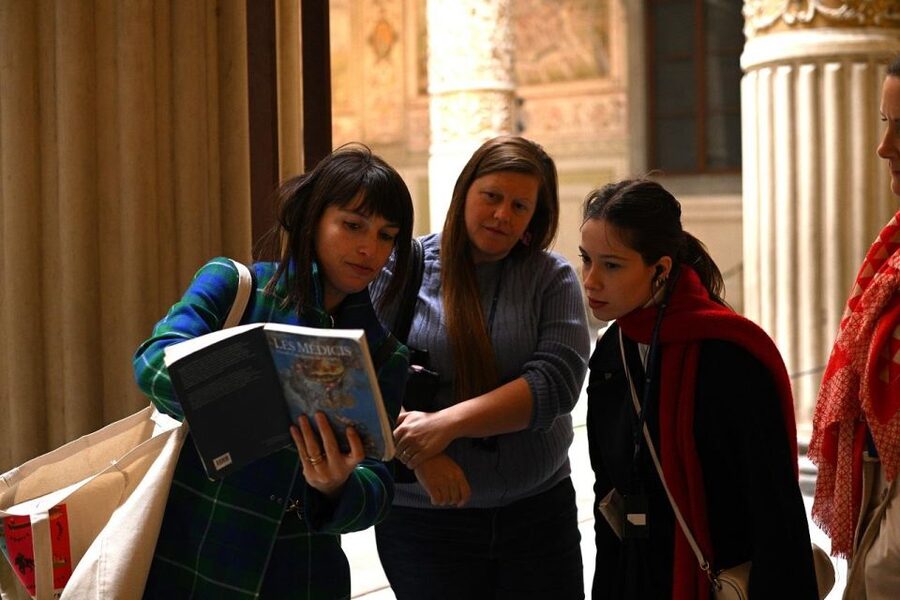
Guides have used visual aids such as a Medici family tree to make the names easier to follow. That can be a real help. Cosimo the Elder, Lorenzo the Magnificent, and Piero the Unfortunate belong to different chapters of the family story, and the guide explains how one generation’s choices affected the next.
You also hear about clashes with the Strozzis and the Pazzis. These rivalries give the polished palaces and chapels a human layer. Florence was not simply a city where great art appeared. It was a place where families competed for office, influence, and survival.
Palazzo Medici Riccardi and the art of looking powerful
The route passes Palazzo Medici Riccardi, the family’s former home. You see the building from the exterior and admire the courtyard decorations from outside rather than taking a full interior tour.
That limitation is worth noting. If you want to explore the palace rooms, this experience is not a substitute for an admission visit. Its value is the guide’s explanation of what the building meant in Florence and how its architecture projected authority.
The Medici understood that power had to be visible. A residence in the right place, a church filled with family monuments, and support for artists all helped turn private wealth into public status. Your guide frames the palace as part of that larger strategy.
This is also where the tour’s storytelling can lift the experience above a basic orientation walk. Guides including Chiara, Vanessa, Nora, and Michaela have been praised for making the family’s personalities easy to remember. Michaela has also pointed out favorite coffee and gelato stops along the route, a small but useful touch if you want to continue exploring after the tour.
Piazza del Duomo, with context instead of a full cathedral visit
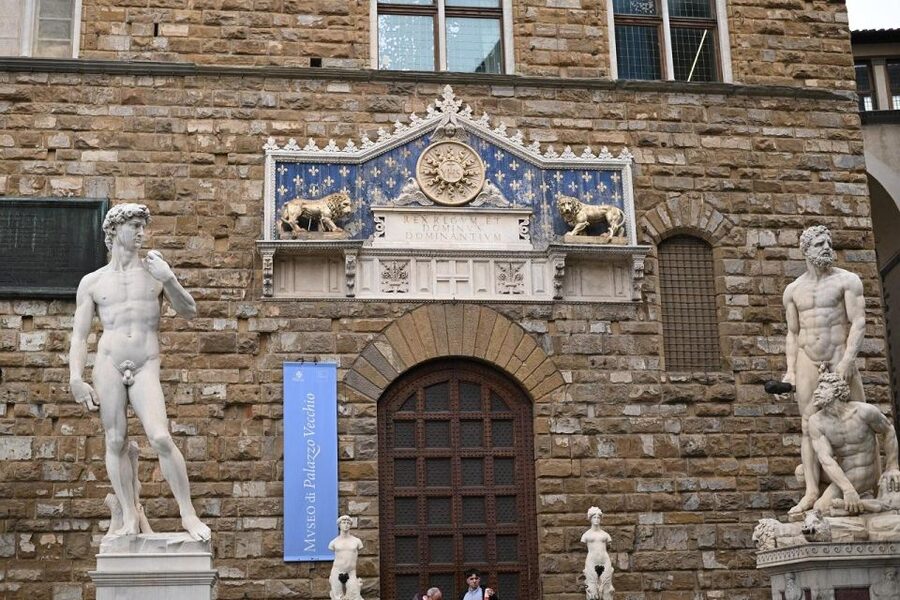
The walk continues to Piazza del Duomo for about 15 minutes. You see the cathedral area and hear about its connection to the Medici period. The square is one of Florence’s busiest sightseeing zones, so having a guide explain the setting can save you from looking at the famous buildings as isolated monuments.
This is a guided outdoor stop, not a complete cathedral tour. The experience does not include general transport or food and drinks, and the Basilica of San Lorenzo is also an exterior visit. Keep that in mind when comparing this tour with a broader Duomo ticket.
Still, the stop adds scale. The Medici story was not confined to one chapel. Their influence touched the city’s religious buildings, public spaces, and artistic programs. A guide can point out those links while you move through the center.
One useful feature is the compact format. You get a quick framework for Florence’s major landmarks without giving up an entire half-day. For a first day in the city, that can help you decide which places deserve a later, longer visit.
Same city, an entirely different afternoon:
- Florence: Skip-The-Line Uffizi Gallery Timed Entry Ticket
★ 4.5 · 27,832 reviews - Tuscany Day Trip from Florence: Siena, San Gimignano, Pisa and Lunch at a Winery
★ 5.0 · 21,634 reviews - Florence: Timed Entrance Ticket to Michelangelo’s David
★ 4.6 · 16,983 reviews - Florence: Michelangelo’s David Skip-the-Line Entry Ticket
★ 4.5 · 12,764 reviews
Piazza della Signoria and the Medici takeover
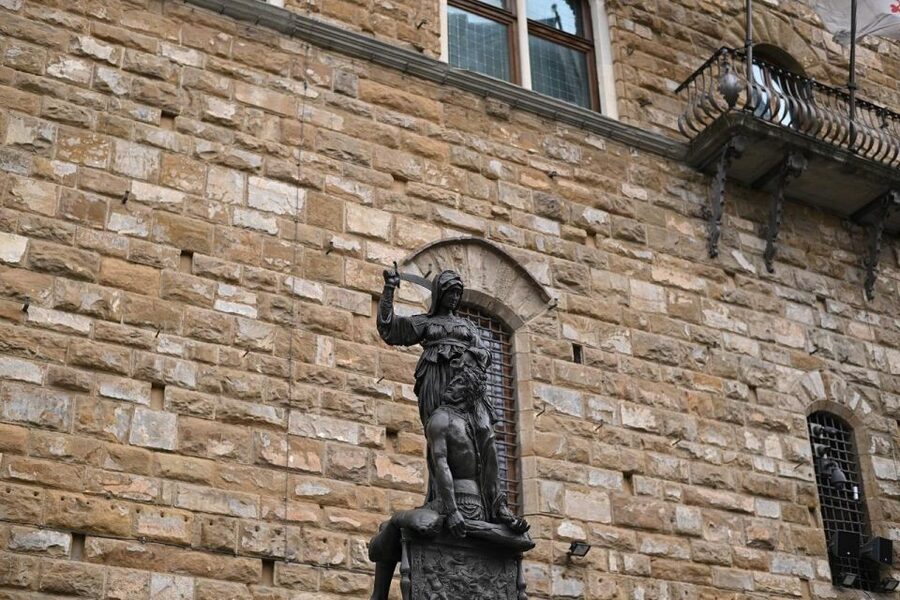
The final stretch leads to Piazza della Signoria, Florence’s political heart since the 14th century. Here, the emphasis shifts from family chapel to government and control.
You see Palazzo Vecchio from the outside and learn how the medieval government building became a Medici Palace in 1540. The tour offers an exterior or special vantage point rather than a complete Palazzo Vecchio admission.
That story is one of the clearest examples of Medici power changing shape. The family moved from influential bankers and political operators to rulers who occupied the symbols of government. The building’s meaning changed because the people using it changed.
The route ends at Piazzale degli Uffizi. It is a sensible finish because you are left near one of Florence’s major art districts, with the Medici connection still fresh. The family’s support helped shape the artistic culture that made Florence famous, and the Uffizi area provides a natural place to continue thinking about that connection.
Your guide can also suggest places to visit or eat afterward. Treat those suggestions as a useful bonus, especially if this is your first day in Florence and you want help choosing your next stop.
What the guides add to the experience
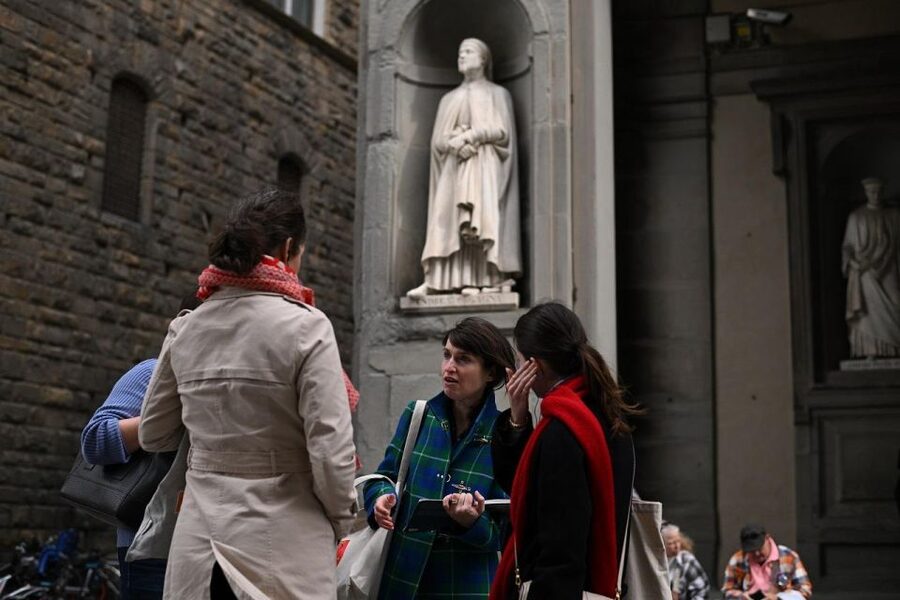
The strongest part of this tour is the human delivery. The subject has a long list of names, dates, plots, and commissions. A dry lecture could turn it into homework. The guides instead use stories, family connections, and questions to keep the walk moving.
Vanessa appears frequently among the standout guide experiences. She has been praised for clear explanations, a good walking pace, and the ability to answer questions without losing the group. She has also used a family tree to put the Medici generations in order.
Chiara has been praised for an engaging style and for adapting the discussion when a group was very small. Marco has been singled out for turning the Medici story into an absorbing narrative. Valentina has been noted for covering key sites efficiently and answering questions carefully.
Other well-regarded guides include Julia, Nora, Michaela, Simona, Alex, Elisa, Emanuela, and Roberta. The exact guide depends on the departure, so you should not book expecting one named person. What you can reasonably expect is an English-speaking local guide, with the possibility of a small group or a private format depending on the option you choose.
The pace seems to suit people who want plenty of explanation. One visitor found two hours too short, and I understand why. The chapel alone could take longer if you want to study every detail. On the other hand, the short length is a strength if you have limited time or want a strong introduction before exploring Florence independently.
Price, group size, and practical value
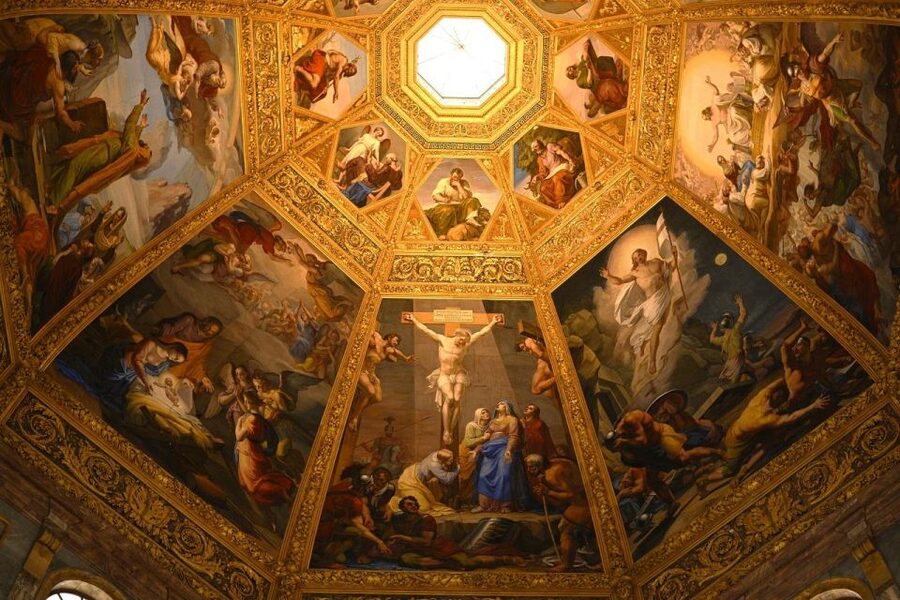
At $93 per person, this is not the cheapest way to walk around central Florence. You are paying for an expert guide, a two-hour route, and pre-booked admission to the Medici Chapels and New Sacristy. The key value is the timed ticket, especially during busy periods when a long wait can eat up a large part of your day.
The price makes the most sense for three types of visitor:
- You want Michelangelo’s Medici tombs but prefer help understanding them.
- You are new to Florence and want the city’s landmarks tied into one clear story.
- You have limited time and value a reserved entry over wandering from site to site.
It is less suitable if you prefer slow, silent museum visits or want full interior access to Palazzo Medici Riccardi, Palazzo Vecchio, the cathedral, or Michelangelo’s Secret Room. Those places are touched on, but they are not all entered.
The walk is not suitable for wheelchair users or people with mobility impairments. Large bags and backpacks are not allowed in the monument, so arrive with only what you can carry comfortably. You must be at the meeting point 15 minutes early because the timed tickets expire within roughly five to ten minutes, and joining after the start is not possible.
The tour does not run on the first Sunday of the month. You can cancel up to 24 hours ahead for a full refund, and the reserve-now, pay-later option can help if your Florence plans are still shifting.
Who will get the most from this Medici walk
I would put this near the start of a Florence visit for anyone who wants the city’s power story explained before tackling its museums. It gives you a useful framework for later visits to the Uffizi, Palazzo Vecchio, or other Medici sites.
It also works well for families with older children. One family reported that children aged 11 and 14 stayed interested throughout, which makes sense: rival families, secret rooms, hidden crypts, banking success, and political takeovers give the art a plot.
Art lovers will value the Michelangelo focus, while first-time visitors will appreciate the broad route. The tour can also suit repeat visitors. One person who had already visited Florence three times found that the Medici walk offered a new way to see familiar streets and buildings.
Rain does not automatically ruin the experience, but much of the route is outdoors. Guides have adjusted plans during bad weather, sometimes replacing an outdoor stop with more discussion inside the cathedral area when conditions required it. Even so, bring suitable shoes and clothing for a city walk.
Should you book it?
Book this tour if you want the Medici Chapel and Michelangelo’s New Sacristy, but also want to understand the family behind the marble. The reserved entry, strong guide-led storytelling, and compact route give you more than a quick monument visit.
Skip it if your main goal is extensive interior access to several palaces or a long, unhurried art study. For most visitors, though, $93 is fair when timed admission and a capable English guide are included. Arrive early, leave the large backpack at your accommodation, and let the Medici family lead you through Florence’s art, money, and power.
FAQ
How long does the Medici family tour last?
The tour lasts two hours. It includes the Medici Chapels and New Sacristy, followed by guided stops at several central Florence squares and buildings.
Where is the meeting point?
Meet in Piazza di Madonna degli Aldobrandini by the entrance to the Medici Chapels. The guide carries a sign saying Walks in Europe.
Is entry to Michelangelo’s New Sacristy included?
Yes. The tour includes pre-booked tickets to the Medici Chapels and Michelangelo’s New Sacristy.
Can I enter Michelangelo’s Secret Room?
No. The room is discussed and viewed from an external point, but entry is not included.
Does the tour include Palazzo Vecchio or Palazzo Medici Riccardi interiors?
No. These buildings are visited from outside or viewed from an exterior vantage point. The Basilica of San Lorenzo is also an exterior visit.
Is the tour suitable for wheelchair users?
No. The experience is not suitable for wheelchair users or people with mobility impairments. Large bags and backpacks are also not allowed inside the monument.
Fresh on the Florence list
- Florence: Uffizi Guided Tour with Skip-the-Line Entry Ticket★ 4.8 · 499 reviews
- The Best of Florence Walking Tour in a Small Group★ 5.0 · 503 reviews
- Florence: Uffizi Gallery Tickets with Optional Audio Guide★ 4.1 · 503 reviews
- Premium Pasta and Gelato Cooking Class in Florence★ 5.0 · 508 reviews
- From Florence: Tuscany & San Gimignano Tour with 2 Tastings★ 4.8 · 511 reviews
- Tuscany Vespa Tours Through the Hills of Chianti★ 5.0 · 515 reviews
- Pasta and Tiramisu Cooking Class with optional Local Market Tour★ 5.0 · 515 reviews
- Walking Food Tour of Florence with Tastings and Wine★ 5.0 · 518 reviews
Florence Tours, compared.
Skip-The-Line Uffizi Gallery Timed Entry Ticket
Read our review →
Tuscany Day Trip from Florence: Siena, San Gimignano, Pisa and Lunch at a Winery
Read our review →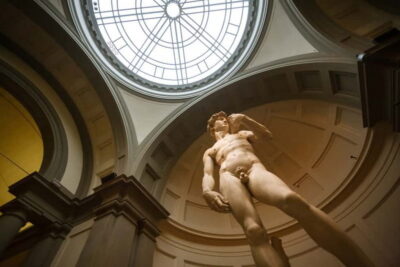
Timed Entrance Ticket to Michelangelo’s David
Read our review →
Michelangelo’s David Skip-the-Line Entry Ticket
Read our review →
The Best tour in Florence: Renaissance & Medici Tales – guided by a STORYTELLER
Read our review →

The Best Tour in Florence: Renaissance and Medici Tales
Read our review →
Browse the lists this tour appears in