
Reviewed · WORKSHOPS
Wine Class – Tuscan Classics
Tuscan wine can look like a puzzle on a restaurant menu. This two-hour class in central Siena gives you a useful key: how soil, grapes, aging, aroma, body, and finish shape the wines of Chianti Classico, Brunello di Montalcino, and other local areas. You taste several wines as you learn, so the lesson never feels dry.
I like the small maximum group of 14, which gives the instructor room to answer questions and remember names. I also like the practical food pairing, with pecorino, cured meats, bruschetta, olive oil, bread, and chocolate. The one drawback is that wine quality can feel uneven if you already drink high-end Tuscan bottles, and the $72.59 price may seem steep for a short class.
Key points to know before booking
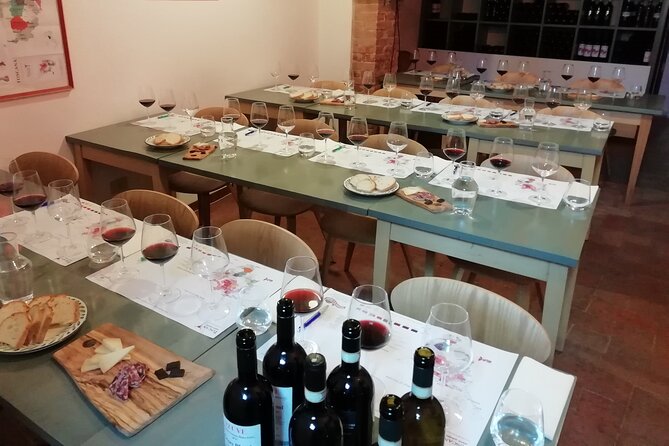
- Six Tuscan wines in a classroom setting: Expect several generous pours, including Chianti Classico and Brunello di Montalcino.
- A practical lesson for restaurant dining: Learn how to compare aroma, body, persistence, vintages, grape varieties, and regional styles.
- Food is part of the lesson: Local pecorino, cured meats, bruschetta with extra virgin olive oil, bread, and chocolate help explain pairings.
- Central Siena location: The class begins at 5pm near Via Stalloreggi and ends back at the meeting point, making it easy to fit around sightseeing.
- Friendly instructors with different strengths: Giorgia, Manuel, Milo, and Nina are praised for warm teaching, humor, clear explanations, and generous pours.
- A strong choice early in a Tuscan trip: The class can help you make better wine choices before visiting vineyards or ordering in restaurants.
What this Siena wine class is really teaching you
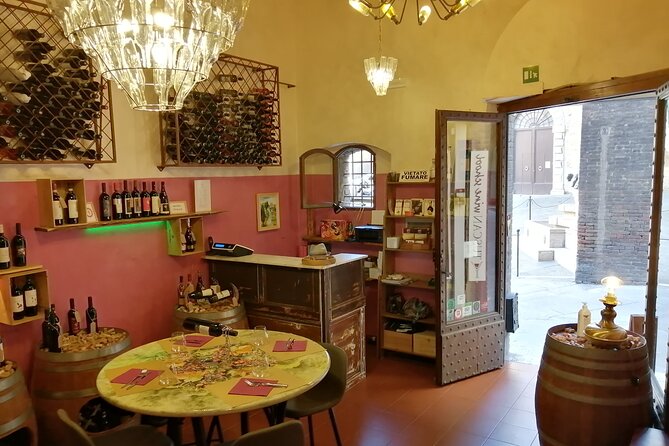
This is not simply a row of glasses and a plate of snacks. The aim is to teach you how to think about Tuscan wine. You move through different regions, soils, grape varieties, styles, and vintages while learning what to notice in the glass.
That matters in Tuscany because wine names often tell you more than the grape does. Chianti Classico and Brunello di Montalcino are famous names, but they represent different places, rules, aging patterns, and tastes. A little background can turn a restaurant order from a guess into a choice.
The instructor explains how to swirl, smell, and sip. You compare aromas, body, persistence, and vintages rather than treating every red wine as the same. You also learn why two wines made in the same broad part of Tuscany can feel very different.
The class is offered in English and is led by a local wine expert. The available instructors have included Giorgia, Manuel, Milo, and Nina. Each brings a slightly different style, but the repeated strengths are clear: humor, personal attention, passion for Tuscan wines, and an ability to make technical points easy to follow.
A few other Siena mornings to weigh against this
- Tuscan Cooking Class in Central Siena
★ 5.0 · 337 reviews - Siena: Pasta and Tiramisu Cooking Class with Wine
★ 4.8 · 274 reviews - A Brunello Cooking Class with Vineyards View Winery
★ 5.0 · 221 reviews
Starting at 5pm near Via Stalloreggi
The meeting point is on Via Stalloreggi, with the activity ending back there. The class also places you near Via di Citta, in the historic center of Siena. That central setting is a real advantage if you are already spending the day walking around the city.
The 5pm start is well chosen. You can see Siena’s main sights first, then settle in for a seated evening activity instead of rushing to a distant vineyard. After two hours of tasting and instruction, you are already in town for dinner.
You should still allow time to find the exact meeting point. Siena’s old center is made for walking, but its lanes can be confusing, and the class begins at a specific address. Public transportation is nearby, and most people can take part.
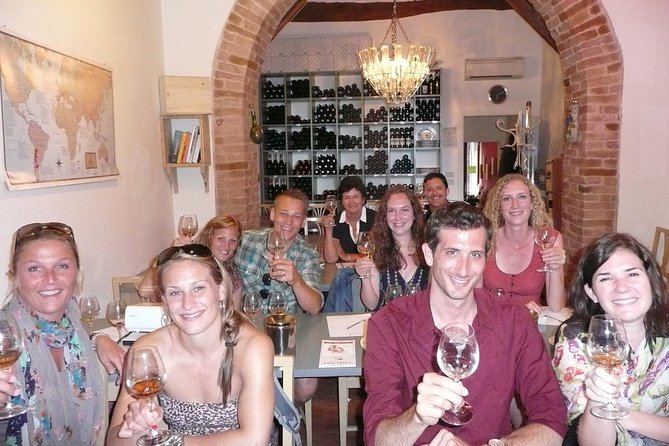
The maximum group size is 14. That is large enough to create a social evening but small enough for direct contact with the instructor. A class of this size also gives you a fair chance to ask about a wine you have tasted elsewhere, or about a bottle you are considering for dinner.
Understanding Tuscan regions, soils, and grapes
The first part of the class builds a map in your head. Tuscany is not one single wine area with one single taste. Its soils, elevations, local customs, and grape blends help explain the differences between bottles on a menu.
You learn about the area’s main wine regions and the characteristics linked to each one. The discussion covers soils and grape varieties, then connects those ideas to the wines in front of you. This is useful because wine descriptions can sound vague until you have a few glasses to compare.
The class also gives context on how Tuscan wine gained worldwide attention. The focus is not just on famous labels. You look at the reasons behind their reputations, including production traditions and the way different places affect the final wine.
A particularly useful part is the comparison of wine styles and vintages. You may learn why one year produces a softer or more approachable bottle, while another gives more structure or staying power. The class does not promise that one vintage is always best. Instead, it helps you understand what you are choosing.
Swirling, smelling, and tasting without the fuss
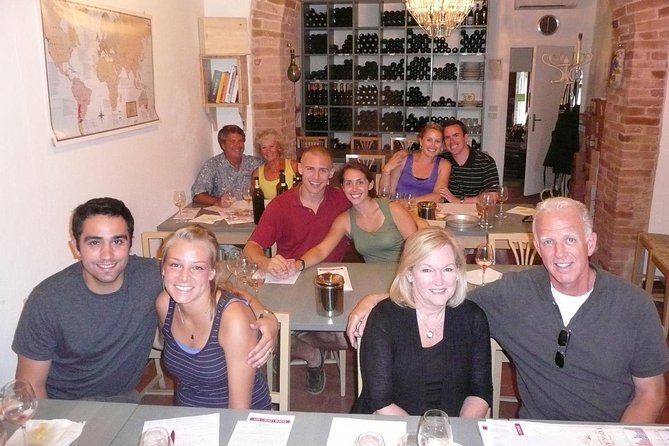
Wine tasting can feel intimidating when people use too many grand words. This class keeps the mechanics simple: swirl, smell, sip, and compare.
Swirling helps release aromas. Smelling gives you an early sense of fruit, herbs, spice, wood, or other notes. Sipping lets you consider texture, weight, acidity, and the length of the finish. You do not need a trained palate to begin. You need curiosity and a willingness to compare one glass with the next.
The instructor discusses aroma, body, persistence, and vintages as you taste. These terms are practical once you connect them to an actual wine. Body refers to how heavy or light a wine feels. Persistence is the length of the taste after swallowing. Aroma gives you clues before the wine even reaches your tongue.
The format also suits people who already know some wine. One participant who considered themselves an avid wine lover still found useful lessons in the class. That said, serious collectors may find the level introductory rather than advanced.
Same city, an entirely different afternoon:
- From Florence: San Gimignano, Siena, and Chianti Wine Tour
★ 4.5 · 3,762 reviews - Siena: Siena Cathedral and Piccolomini Library Entry Ticket
★ 4.5 · 3,462 reviews - Siena: Cathedral Complex Pass with Audio Guide (OPA SI PASS)
★ 4.4 · 2,773 reviews - Siena: Walking Tour and Skip-the-Line Duomo Tickets
★ 4.8 · 1,116 reviews
The wines: from Chianti Classico to Brunello
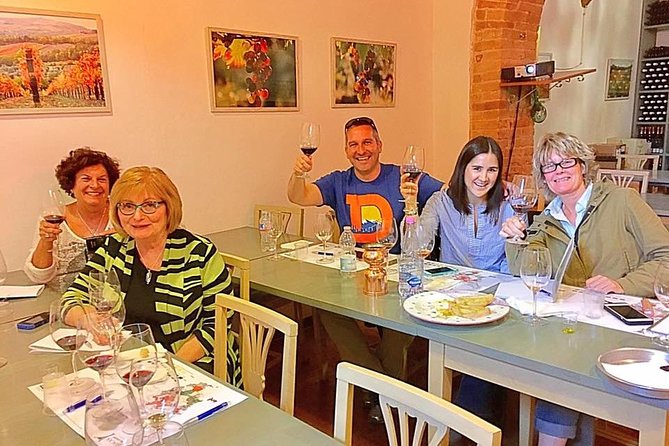
The tasting includes six local wines according to the experience details, while the general description describes four or five different Tuscan wines. Either way, you should expect a broad sample rather than a full bottle of each.
Chianti Classico is one of the key pours. This is an important wine to understand if you are eating around Siena, Florence, or the wider Tuscan region. The class explains its place among traditional Tuscan wines and gives you a chance to judge its aromas, body, and finish for yourself.
Brunello di Montalcino is another featured wine. Its name carries more weight on a restaurant menu, and tasting it alongside other Tuscan styles helps explain why. You can compare structure, persistence, and the effect of aging rather than relying on the price or reputation alone.
The instructor also presents other local wines so you can see the range of Tuscan production. The point is not to declare one bottle the winner. It is to help you recognize what you prefer and make a better choice when faced with unfamiliar regional names.
Several participants found the pours generous, with refills encouraged in some sessions. That is good value for anyone who wants a real tasting rather than a token sip. It also means you should pace yourself, especially if the class follows a full day of sightseeing.
Pecorino, cured meats, and the food pairing lesson
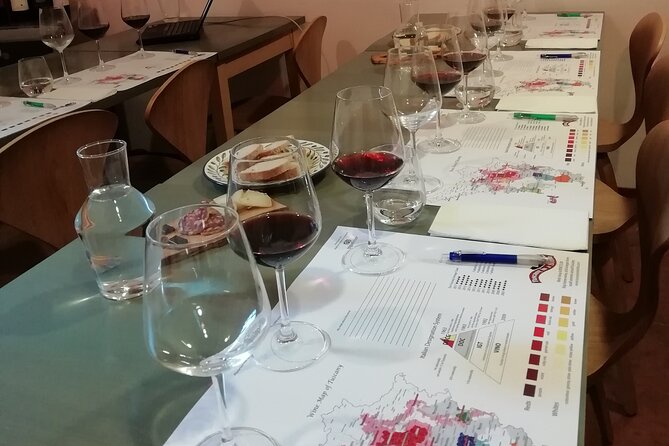
The food is simple, local, and well suited to the class. You receive pecorino sheep cheese, cured meats, bruschetta with extra virgin olive oil, bread, and chocolate. These are not decorative nibbles. They give you a way to see how food changes the taste of wine.
Pecorino is especially fitting in Tuscany. Its salty, firm character can make a wine seem fruitier or softer. Cured meats bring fat, salt, and seasoning into the test. Bruschetta with olive oil shows how a basic Tuscan combination can affect the mouthfeel of a wine.
Chocolate appears later as a contrasting pairing. It is a useful reminder that not every wine suits every sweet food. You can pay attention to how sweetness, bitterness, and alcohol interact.
The portions have been described as generous for a tasting. Do not treat this as a full dinner, but the food should take the edge off and make the two-hour session more comfortable. If you are booking for a special meal afterward, the class still leaves you time to eat in Siena.
The instructors and the mood of the room
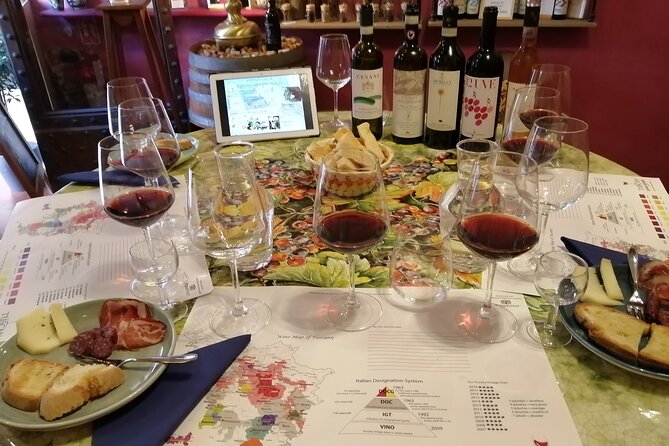
The class has a friendly, informal tone rather than a stiff lecture format. The setup has included a projector, a map, stationary wine glasses, and snacks. That classroom touch helps organize the information, especially when the instructor moves between geography, wine production, and tasting technique.
Giorgia has been praised for remembering names and giving clear instruction on how to taste wine properly. Manuel is described as engaging, entertaining, and good natured, with a relaxed approach and no pressure to buy anything. Milo brings a lively mood and a strong focus on Tuscan wine history and categories.
Nina has been praised for explaining wine in a way that helps you order based on more than price or production year. Those details point to the class’s main strength: you are not just handed a glass. You are given a method for making your own decisions.
The tone can vary with the instructor and group. One session might feel like a lively social evening, while another may feel more like a focused lesson. The small group size helps either format work.
Is $72.59 a fair price?
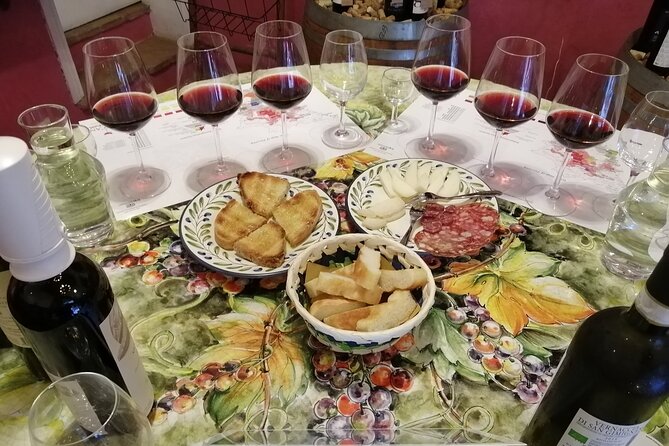
At $72.59 per person, this is not the cheapest way to taste wine in Siena. You can order a glass or two at a wine bar for less. But that comparison misses the teaching, the number of wines, the food, and the chance to ask questions.
The value is strongest if you are new to Tuscan wine or plan to eat at several local restaurants. A single good ordering decision can make the class feel worthwhile, especially if it helps you avoid choosing a bottle only because its name is familiar.
The price also includes the chance to taste Brunello di Montalcino and Chianti Classico within one guided session. Buying comparable pours separately in a restaurant could cost a fair amount, and you would not necessarily receive the regional explanation or pairing guidance.
The value is weaker for someone who already knows Tuscan wine well and wants rare bottles or a vineyard visit. This is an introduction, not a private cellar tasting. One assessment found the wine quality average for the price, so your expectations should stay realistic.
Who should book this class?
I would recommend it to first-time visitors who want a clear introduction before ordering wine across Tuscany. It is also useful for couples, solo visitors, and small groups looking for a relaxed evening activity inside Siena.
Food lovers should enjoy the pairing section, even if wine is not their main interest. The samples show how local cheese, meat, bread, oil, and chocolate fit into the regional table.
You should also consider it if a vineyard trip is coming later in your holiday. Taking the class first can give you a basic vocabulary and make cellar visits easier to follow.
This may not suit someone who wants to spend the whole afternoon among vines. There is no vineyard transport or countryside visit in the stated plan. It is a city-based class, and that is precisely its strength for a short stay in Siena.
Timing, group size, and cancellation details
Plan on about two hours, beginning at 5pm. The activity ends at the meeting point, so you do not need to arrange a separate return transfer.
A mobile ticket is provided, and confirmation arrives at booking. The class is near public transportation, and most people can participate. The group maximum is 14.
You can cancel for a full refund up to 24 hours before the local start time. Changes or cancellations inside that window are not accepted for a refund. The class requires good weather and a minimum number of participants. If poor weather or low enrollment cancels the session, you are offered another date or experience, or a full refund.
Final call: book it or skip it?
Book this class if you want to understand Tuscan wine rather than simply drink it. The central location, manageable two-hour length, local food, and several generous pours make it easy to fit into a Siena itinerary. The instructors, including Giorgia, Manuel, Milo, and Nina, bring humor and personal attention to what could otherwise be a dry subject.
Skip it if you already have strong knowledge of Chianti Classico, Brunello, and Tuscan tasting styles, or if your priority is a full vineyard day outside Siena. For most visitors, though, this is a useful first step. You leave better prepared to read a wine list, judge a bottle by more than its price, and enjoy the next glass with a little more confidence.
FAQ
Where does the wine class begin?
The class begins at Via Stalloreggi, 53100 Siena, Italy.
What time does the experience start?
The stated start time is 5pm.
How long does the class last?
The class lasts approximately two hours.
How many people can join the class?
The activity has a maximum group size of 14 participants.
Is the class offered in English?
Yes. The class is offered in English and led by a local English-speaking wine expert.
Which wines are included?
The tasting includes several local Tuscan wines, with six stated in the included details. Chianti Classico and Brunello di Montalcino are specifically included.
What food is served with the wine?
The food includes local pecorino sheep cheese, cured meats, bruschetta with extra virgin olive oil, bread, and chocolate.
Can I cancel for a refund?
Yes. You can cancel at least 24 hours before the start time for a full refund. Cancellations or changes made less than 24 hours before the experience are not refunded.
Fresh on the Siena list
- Siena: San Gimignano, Chianti & Montalcino Small-Group Tour★ 4.6 · 195 reviews
- Siena’s Ultimate Food Tour: Full Tuscan Meal by Do Eat Better★ 5.0 · 203 reviews
- Siena: Educational Wine Tour & Tasting★ 5.0 · 203 reviews
- From Siena: Pienza and Montepulciano Small-Group Tour★ 4.9 · 220 reviews
- A Brunello Cooking Class with Vineyards View Winery★ 5.0 · 221 reviews
- Discover the Medieval Charm of Siena on a Private Walking Tour★ 5.0 · 247 reviews
- Siena: Pasta and Tiramisu Cooking Class with Wine★ 4.8 · 274 reviews
- Small-Group Montepulciano and Pienza Day Trip from Siena★ 5.0 · 281 reviews
Workshops, compared.
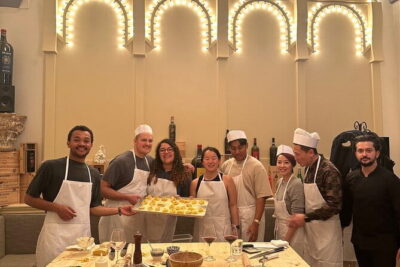
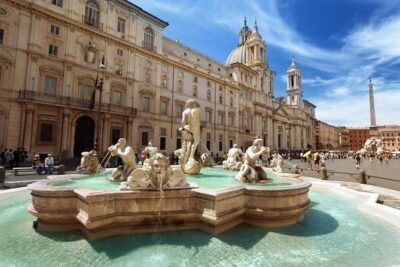
3 in 1 Cooking Class near Navona: Fettuccine, Ravioli & Tiramisu
Read our review →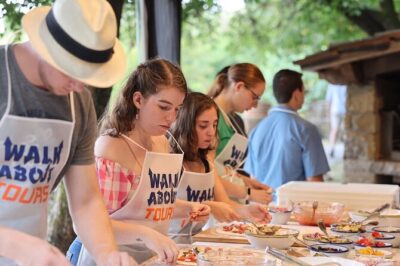
Florence Pizza or Pasta Class with Gelato Making at a Tuscan Farm
Read our review →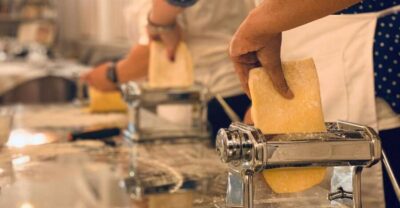
Pasta & Tiramisu Cooking Class with Unlimited Wine
Read our review →
Pizza-Making Workshop with Drink and Appetizer
Read our review →
Pasta & Tiramisu Class with Fine Wine by the Vatican
Read our review →
Cooking Class and Lunch at a Tuscan Farmhouse with Local Market Tour from Florence
Read our review →Browse the lists this tour appears in