
Reviewed · COOKING CLASSES
Pasta Making and Tiramisù Cooking Class in Rome
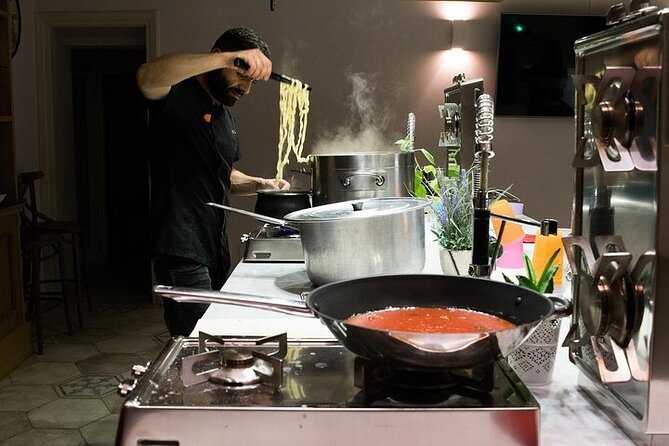
Fresh pasta is the star here, but the evening works because you also make two pasta shapes, two Roman sauces, and tiramisù before sitting down to eat. The class meets near Piazza Navona and takes place in a proper Italian kitchen, with an English-speaking chef guiding each stage.
I like the warm start with Prosecco and antipasti, and I like that the lesson includes practical advice on substitutions and ways to repeat the recipes at home. The relaxed teachers, including Simone, Marco, Alessandro, David, and Sara, are praised for patience and humor. The main concern is space and sound: one class can feel lively, and the cooking school may host two groups at once.
Key points to know
- Two pasta styles in one class: You knead dough by hand and prepare two kinds of fresh pasta, such as spaghetti, fettuccine, ravioli, or another shape selected by the chef.
- Roman sauces are part of the lesson: You learn two traditional sauces, with useful guidance on how one base can lead to several variations.
- Tiramisù is made from scratch: The dessert is simple enough for beginners and comes with a bit of culinary background.
- Dinner and drinks are included: Prosecco, antipasti, wine, soft drinks, bottled water, and the meal are part of the experience.
- The class is central and social: The meeting point is on Corso del Rinascimento, close to Piazza Navona and handy for an evening walk afterward.
- Allow for a lively kitchen: The advertised maximum is 15 people, though some sessions run with smaller groups and two chefs.
What the 5:30 pm class is really like
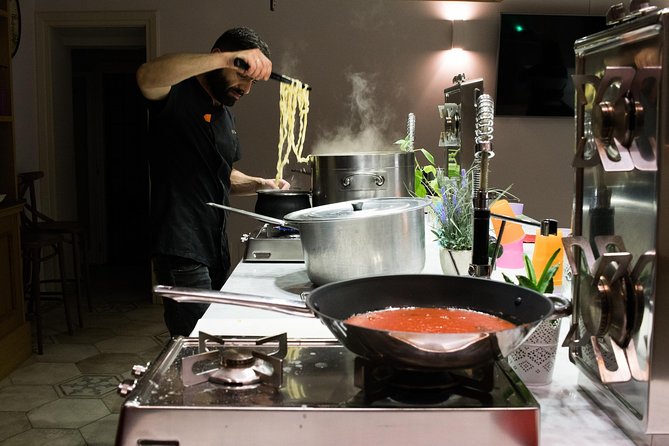
This is an evening cooking class lasting about two and a half hours. You meet at Corso del Rinascimento 65, near Piazza Navona, at 5:30 pm. The cooking school is nearby, but you may be led a short distance from the meeting point to the actual kitchen, so do not assume the class begins at the exact doorway where you first gather.
That short walk is not a problem, but it is worth knowing in advance. If you are arriving straight from sightseeing, keep the address and start time handy. Rome’s center is easy to reach by public transport, and the location works well if you want to stroll around Piazza Navona before or after the meal.
The evening begins with a welcome drink, usually Prosecco, along with Italian appetizers. This is more than a polite greeting. It gives you a few minutes to settle in, meet the people at your table, and get comfortable before flour starts flying.
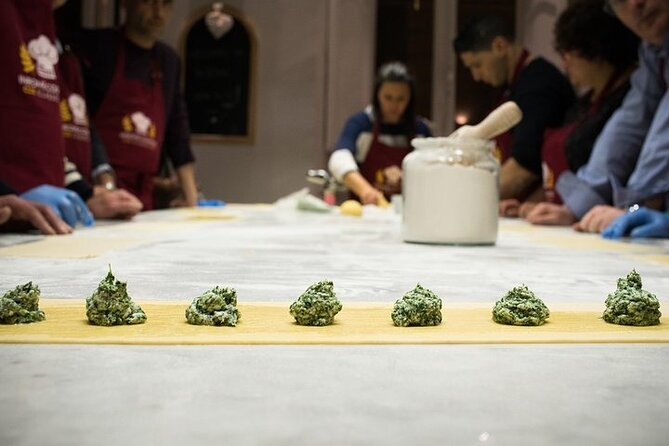
The format is social without requiring you to perform. You are not watching a chef cook an entire meal while standing at the back of a room. You work with the dough, shape the pasta, prepare the dessert, and take part in the cooking.
More Cooking Classes in Rome
- 3 in 1 Cooking Class near Navona: Fettuccine, Ravioli & Tiramisu
★ 5.0 · 7,376 reviews - Rome: Pasta Making Class with Wine, Limoncello, and Dessert
★ 4.9 · 3,177 reviews - Rome: 3-in-1 Fettuccine, Ravioli, and Tiramisu Cooking Class
★ 4.9 · 2,704 reviews
Kneading dough and shaping two kinds of pasta
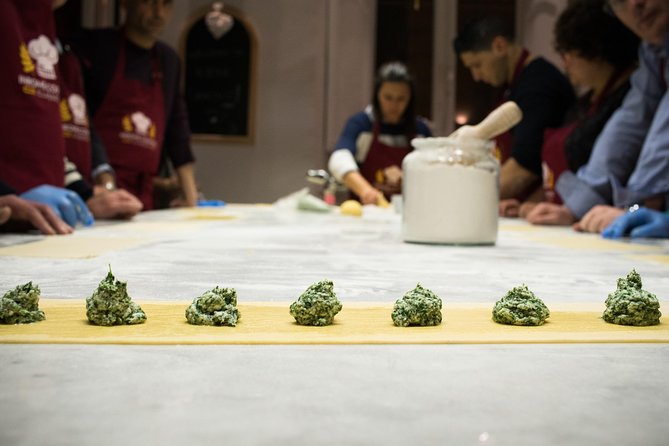
The pasta lesson is the heart of the experience. You make fresh dough from scratch, kneading it by hand before rolling and shaping it. That simple process gives you a better feel for pasta than a standard restaurant meal ever can. You see how the dough changes under your hands and learn why texture matters.
The exact shapes can vary. Sessions have included spaghetti, fettuccine, ravioli, and other fresh pasta styles. The supplied menu describes two types of pasta, but the precise combination is not fixed, so you should think of the class as a chance to learn two methods rather than a guarantee of two specific shapes.
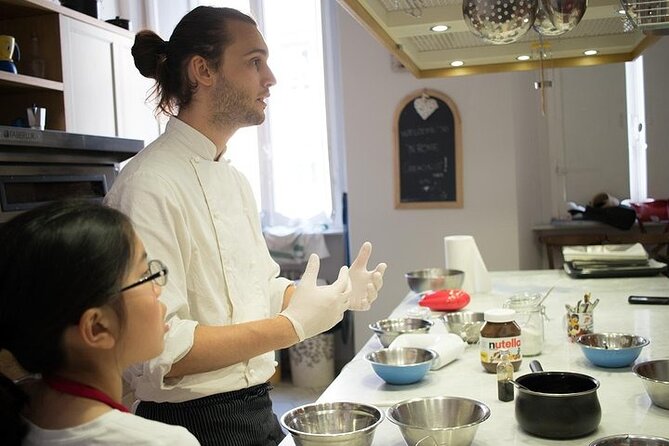
This is suitable for beginners. The instructors explain each stage step by step, and the class is designed for people with little cooking experience. At the same time, it should not feel pointless if you already make pasta at home. Alessandro, David, Marco, Simone, Sara, and the other chefs are praised for explaining the reasons behind the techniques, not just telling you which motion to copy.
That detail matters. A useful cooking class should help you understand what to do when the dough feels too dry, how to adjust a sauce, or how to substitute an ingredient at home. The teaching here includes practical tips of that sort, including advice on making the recipes easier to repeat in your own kitchen.
Families can take part as well. Groups have included children as young as six, along with adults of several generations. Kids get a real job to do, rather than being asked to watch quietly, though young children will still need an adult close by during the cooking.
Two Roman sauces and the value of the lesson
The class also covers two traditional Roman sauces. This gives the pasta a stronger sense of place than a generic Italian cooking lesson. Roman cooking is often built around a short list of ingredients, careful timing, and getting the texture right.
The teaching can go beyond the two planned sauces. In one session, the chefs prepared four sauces, including an extra sauce requested by a participant and another adapted for an allergy. That sort of flexibility will depend on the class and the chef, so I would not book expecting a four-sauce workshop. Still, it shows that the kitchen can respond to special needs and curious questions.
One especially useful idea is how a basic sauce can be changed into several other versions. That is the kind of information you can use after returning home. You are not simply collecting a recipe card to forget in a drawer. You are learning a small set of principles that can help you cook pasta more confidently.
The meal is served after the hands-on work is finished. The dining room is described as elegant and comfortable, a nice change after standing around the kitchen. Wine, soft drinks, and bottled water are included, along with the food you have prepared.
The final meal is not a separate restaurant dinner. It is the payoff for the work you have just done. You can taste the difference between fresh pasta and dried pasta, see how the sauce coats it, and enjoy the tiramisù while the instructions are still fresh in your mind.
Making tiramisù without the fuss
Tiramisù is the second major project. You prepare a classic creamy version and learn something about the dessert’s background along the way. It is a smart choice for a group class because it requires less time and technical skill than many Italian desserts.
The recipe is approachable, which makes it a good part of the evening for children and first-time cooks. You also get a useful home-cooking lesson: tiramisù can look impressive without demanding advanced pastry skills.
Do not expect a separate pastry course. The dessert lesson is one part of a larger class, and the pasta receives more attention. But making tiramisù yourself adds a welcome finish and gives you another recipe to recreate.
The provided recipes are available to take home through a cookbook link. That is an important value point. A cooking class is much more useful when you can remember the quantities and method later, rather than relying on a blurry photograph of the chef’s demonstration.
Same city, an entirely different afternoon:
- Vatican Museums & Sistine Chapel Tour with Optional Basilica
★ 4.3 · 67,413 reviews - Colosseum, Roman Forum & Palatine Guided Tour
★ 4.7 · 63,148 reviews - Vatican Museums, Sistine Chapel & St Peter’s Basilica Guided Tour
★ 4.5 · 39,149 reviews - Rome: Colosseum, Palatine Hill and Roman Forum Guided Tour
★ 4.8 · 32,814 reviews
The chefs make or break the evening
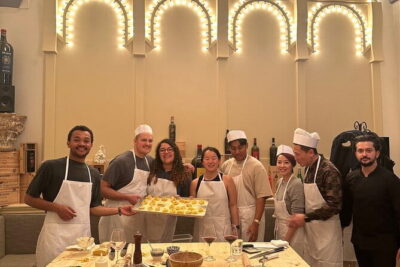
The strongest part of the experience is the teaching style. Several instructors receive especially warm praise for patience, humor, and energy. Simone is described as kind and encouraging. Marco is praised for clear instruction and for handling allergy concerns carefully. Alessandro is known for keeping the lesson lively, while David is praised for patiently walking beginners through each stage. Sara is described as cheerful, engaging, and attentive.
You should not book based on one particular chef unless the booking process confirms who will teach your session. The staff can vary. Still, the pattern is clear: this is intended to be an interactive class led by a chef who stays involved with the group.
The school uses professional-grade equipment and aims for a small-group feel. The stated maximum is 15 people. Some classes have had eight participants, and the school has described a setup with two chefs and up to nine people per chef. That means your actual experience may feel quite personal, but the room can also contain more than one group.
Here is the practical catch. One participant found a session too loud because two classes were operating in a tight space, making it hard to hear the instructor. Most of the available feedback is strongly positive, but this complaint points to a real possibility. If clear sound and lots of personal space are essential to you, ask about the group arrangement when you book or arrive early enough to get oriented.
Is the $119.77 price good value?
At $119.77 per person, this is not a cheap meal. It is also more than the price of buying pasta and tiramisù at a Roman trattoria. The value depends on what you want from the evening.
You receive a welcome drink, appetizers, a hands-on pasta and dessert lesson, two pasta preparations, two Roman sauces, dinner, wine, soft drinks, water, and recipes to use at home. For someone who wants only to eat, the price is hard to justify. For someone who wants an activity, instruction, and a full meal in one central location, it is more reasonable.
I especially like that you are not paying for a cooking demonstration followed by a small tasting. You help make the main course and dessert, then sit down to eat a proper two-course meal. The drinks also reduce the extra spending that can creep into an evening activity.
The class is often reserved well ahead, with an average booking lead time of 52 days. That suggests you should not leave it until the last night of a busy Rome trip, especially if you need a certain date. The free cancellation policy helps: you can cancel for a full refund up to 24 hours before the local start time. Changes or cancellations inside that window are not refunded.
Who will enjoy this Rome cooking class?
I would recommend it most strongly to:
- Couples who want a shared evening activity rather than another restaurant meal
- Families with children who enjoy making things with their hands
- Friends looking for a social dinner near Piazza Navona
- Solo visitors who like meeting people over food
- Pasta fans who want techniques they can use at home
- First-time cooks who prefer clear, guided instruction
It also works for more experienced home cooks, though you should set your expectations correctly. You are learning traditional methods in a friendly group setting, not attending an advanced culinary school course.
The English-language format makes the class easy to follow for English speakers. Vegetarian and gluten-free options are available, but you should identify your needs when booking and speak with the staff at the start. The class has also handled allergy concerns with care, though the kitchen may be serving more than one group, so clear communication remains important.
Timing your evening around Piazza Navona
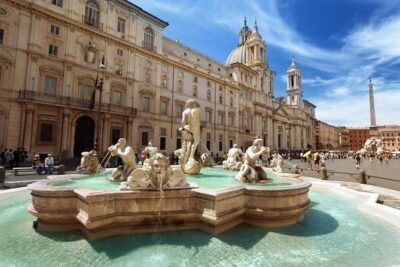
The 5:30 pm start is well placed for a Rome sightseeing day. You can spend the afternoon around the Pantheon, Piazza Navona, or the Trevi Fountain, then walk to the meeting point. The class normally finishes around 8:00 or 8:30 pm, giving you an easy evening afterward.
The food timing is worth considering. The description notes that morning classes are timed to finish at lunch, but the scheduled session provided here begins at 5:30 pm. You should therefore plan this as dinner, not as a late afternoon snack.
The end point is the same meeting point, so you are not left figuring out a new part of town after the meal. Transportation to the class is not included, and there is no hotel pickup or drop-off. In central Rome, that is usually manageable, but you need to make your own way there.
Small drawbacks to weigh before booking
The most important drawback is the possible noise level. The school is described as a charming 17th-century cooking venue, but historic buildings do not always offer the open, quiet rooms of a modern culinary studio. If two classes run together, the kitchen may feel crowded and loud.
The second concern is consistency in the exact pasta shapes and sauces. The experience promises two pasta types and two Roman sauces, but the chef may adapt the menu. That is good for flexibility, allergies, and group requests, but less ideal if you have your heart set on one exact recipe.
Finally, the class takes about two and a half hours, and the meal comes after the preparation. You need to be comfortable with a structured evening and some standing or hands-on work. This is not the right choice if you want a quick lesson or a quiet dinner with no group interaction.
Should you book it?
I would book this class if you want to cook your dinner, not just order it. The central location, included drinks, friendly English-speaking chefs, useful recipes, and mix of pasta and tiramisù make it a strong choice for a first food activity in Rome.
I would hesitate only if you dislike group cooking, need a very quiet room, or care more about eating at a top restaurant than learning a skill. For everyone else, it offers a good blend of instruction, conversation, and a satisfying meal. Book ahead, mention dietary needs clearly, and remember that the evening is at the nearby cooking school rather than necessarily inside the first meeting-point doorway.
FAQ
Where does the cooking class meet?
The meeting point is Corso del Rinascimento 65, 00186 Rome, Italy, near Piazza Navona. The class ends back at the meeting point.
What time does the class start?
The scheduled start time is 5:30 pm.
How long does the experience last?
The class lasts approximately two hours and 30 minutes. Some sessions finish around 8:00 or 8:30 pm.
What food will I make?
You will make two types of fresh pasta with two traditional Roman sauces, followed by homemade tiramisù.
Are drinks included?
Yes. The experience includes welcome Prosecco, alcoholic beverages, soft drinks, bottled water, and light refreshments with Italian appetizers.
Is the class taught in English?
Yes. The experience is offered in English and includes instruction from an English-speaking local chef.
Are vegetarian and gluten-free options available?
Yes. Vegetarian and gluten-free options are available. Dietary needs should be shared when booking.
What is the cancellation policy?
You can cancel up to 24 hours before the local start time for a full refund. Cancellations or changes made less than 24 hours before the start time are not refunded or accepted.
More Workshops in Rome
- Become a Masterchef in Rome: Pasta, Ravioli and Tiramisù Class
★ 5.0 · 2,156 reviews - Rome: Fettuccine and Tiramisu Cooking Class with Wine
★ 4.8 · 2,013 reviews - Pasta Cooking Class Near the Colosseum with 3 Spritz Cocktails
★ 5.0 · 1,686 reviews - Rome: Pasta & Tiramisu Cooking Class near the Spanish Steps
★ 4.8 · 1,395 reviews
More Pasta in Rome
- Rome: Pasta & Tiramisu Class with Fine Wine by the Vatican
★ 4.9 · 4,852 reviews - Rome: Fettuccine Pasta Cooking Class in Rome’s City Center
★ 4.8 · 2,414 reviews - Rome: Traditional Pasta with Cocktails Cooking Class
★ 5.0 · 2,374 reviews - Learn to Make Pasta & Tiramisu with Wine and Limoncello Included
★ 5.0 · 2,345 reviews
Fresh on the Rome list
- Rome: Guided Catacombs Tour & Capuchin Crypt (Audio Guide)★ 4.3 · 191 reviews
- Guided tour of the Colosseum, Roman Forum and Palatine in Spanish★ 4.5 · 191 reviews
- Rome: Borghese Gallery Guided Tour with Skip-the-Line Ticket★ 4.5 · 192 reviews
- Rome: Arena Colosseum Tour with Arena Access★ 4.6 · 193 reviews
- Rome: Colosseum & Roman Forum Guided Tour★ 5.0 · 194 reviews
- Colosseum, Forum, Palatine Hill with audio guide and Arena or Bus option★ 4.0 · 193 reviews
- Rome: Domus Aurea Guided Tour and Virtual Reality Experience★ 4.7 · 194 reviews
- Rome Vintage Fiat 500 car Tour With Photographer★ 5.0 · 194 reviews
Cooking Classes, compared.
3 in 1 Cooking Class near Navona: Fettuccine, Ravioli & Tiramisu
Read our review →
Florence Pizza or Pasta Class with Gelato Making at a Tuscan Farm
Read our review →
Pasta & Tiramisu Cooking Class with Unlimited Wine
Read our review →
Cooking Class and Lunch at a Tuscan Farmhouse with Local Market Tour from Florence
Read our review →
Authentic Pizza Making Class in Naples with Appetizers and Drink
Read our review →
Pasta Making Class with Wine, Limoncello, and Dessert
Read our review →Browse the lists this tour appears in