
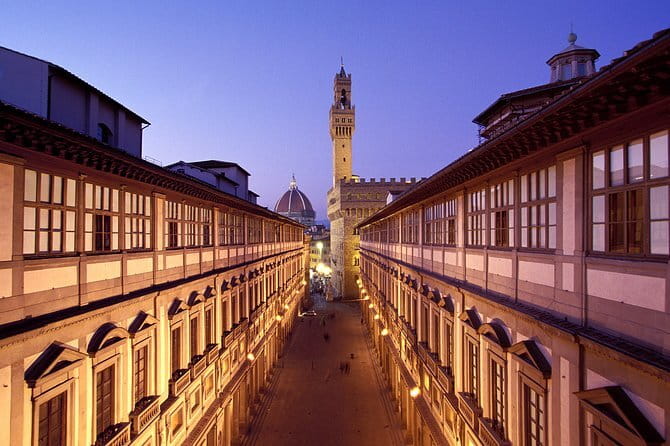
Reviewed · UFFIZI & ACCADEMIA GALLERY TOURS
Uffizi and Accademia Small Group Guided Tour
Florence’s two essential art museums fit into one tightly planned morning or afternoon here, with Michelangelo’s David and Botticelli’s Birth of Venus as the major draws. I like the small maximum of 15 people and the way the walk between museums adds a quick look at central Florence without needing a separate city tour. The main concern is pace: you may get the masterpieces, but not much time to linger over them.
I also like having an authorized English-speaking guide explain the symbols, patrons, and stories behind the art. Guides such as Marta, Pamela, Laura, Rosa, and Francesco have been praised for bringing the paintings and sculptures to life. Still, entry lines can delay the schedule, and some groups have felt rushed, especially at the Uffizi.
Key points to know before booking
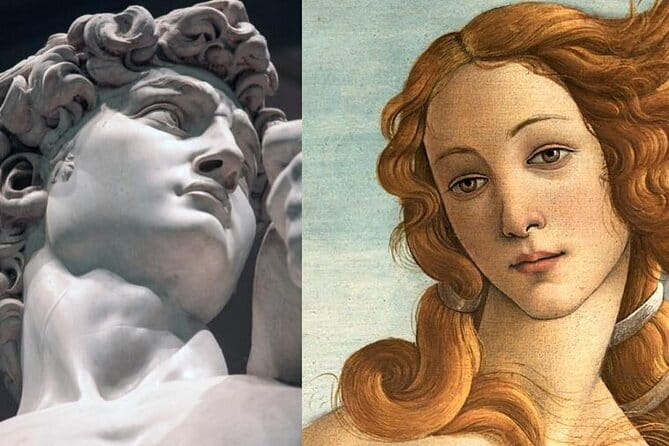
- Two major museums in about three hours: The tour covers the Uffizi and Accademia in one compact visit.
- Michelangelo’s David is the Accademia centerpiece: You’ll also see Michelangelo’s Prisoners, musical instruments, and gold-background paintings.
- The Uffizi route focuses on famous works: Expect Botticelli, Caravaggio, Michelangelo, and the main Renaissance story rather than every room.
- The group maximum is 15 people: Earphone radios are supplied when more than four people are in the group.
- The museums are linked by a roughly 15-minute walk: The tour starts near the Uffizi and ends at the Accademia.
- The price is $151.16 per person: That pays for the guide, booking fee, Uffizi ticket, and priority entry at the Accademia.
Why this pairing works in Florence
The Uffizi and Accademia show two different sides of Florence. The Uffizi is a long sweep through European and Italian painting, from the Middle Ages into the Renaissance and beyond. The Accademia is smaller and more focused, with sculpture, musical instruments, devotional paintings, and the single work that draws nearly everyone through its doors: David.
I like seeing them together because the order creates a useful contrast. At the Uffizi, you follow the development of painting, composition, religious storytelling, and the rise of the Renaissance. At the Accademia, you shift toward the human body, marble, and Michelangelo’s belief that a figure was already present inside the stone.
You should know that this is not a slow museum day. The advertised visit lasts about three hours, with roughly one hour and 45 minutes at the Uffizi and one hour and 15 minutes at the Accademia. That includes guided time, moving between the museums, and the practical business of entering two busy attractions.
A few other Florence mornings to weigh against this
- Florence: Skip-The-Line Uffizi Gallery Timed Entry Ticket
★ 4.5 · 27,832 reviews - Florence: Timed Entrance Ticket to Michelangelo’s David
★ 4.6 · 16,983 reviews - Florence: Michelangelo’s David Skip-the-Line Entry Ticket
★ 4.5 · 12,764 reviews
The Uffizi: Botticelli, Caravaggio, and the Medici story
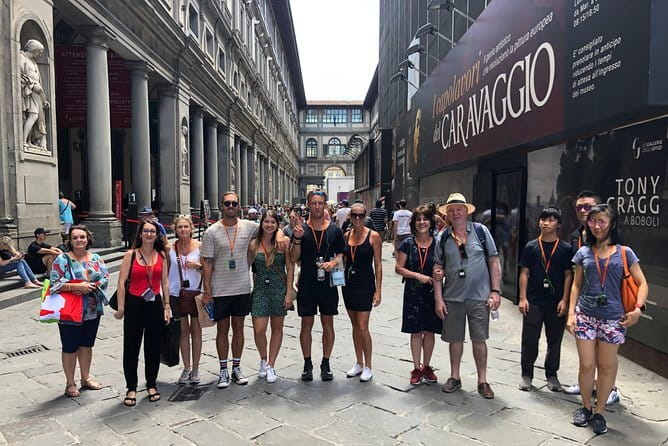
The tour begins at Via dei Castellani, 14, close to the Uffizi Gallery. You meet the guide there, present the required voucher, and enter with the group. Each person must provide a passport or identity card matching the full name given at booking, so do not treat that detail as paperwork you can ignore.
Inside, the guide leads you through the main artistic story rather than trying to cover every gallery. That is the right approach for a first visit. The Uffizi is large, and a self-guided wander can easily turn into a tiring march through rooms without a clear sense of how one period connects to the next.
Botticelli’s Birth of Venus and Spring are the headline paintings. They reward close attention, but they are also crowded magnets. A good guide helps you find the important details quickly, such as the figures, gestures, and mythological references that can blur together when you are looking over a crowd.
Caravaggio’s Medusa gives the tour a sharp change of mood. The painting’s force comes from its direct gaze and violent subject, and it is a useful stop for seeing how Caravaggio moved away from the calm balance associated with earlier Renaissance art.
You’ll also see Michelangelo’s Tondo Doni, described as the only painting he made on wood. That detail gives the guide a chance to explain the artist beyond David, as a painter and designer as well as a sculptor. The Uffizi portion is strongest when the guide connects individual works to the people who commissioned them and to the changing ideas of Florence.
The official guided portion lasts about 90 minutes, followed by free time inside the Uffizi. That extra time matters, but you need to understand its limits. You may remain at the museum after the guided route, yet the combined schedule sends you on to the Accademia, so you cannot count on having an unlimited afternoon at the Uffizi.
Some tours move through the Uffizi in about two hours, while others feel shorter because of crowd control and the need to keep the group on schedule. I would book this format if you want the major works explained in a clear sequence. I would choose a longer Uffizi-only visit if you want to sit with less famous paintings, study rooms in detail, or return to a favorite work.
The walk across Florence to the Accademia
After the Uffizi, the group walks for about 15 minutes to the Accademia. No private transport is included, but that is hardly a problem here. The two museums are close enough to link on foot, and the transfer gives you a brief change of scene after the noise and concentration of the Uffizi.
This is not a full walking tour of Florence. Still, a guide may point out landmarks or offer food suggestions along the route. Francesco, for example, was praised for adding useful recommendations for eating nearby. Think of the walk as a practical transfer with a small extra taste of the city, not a substitute for a dedicated Florence stroll.
Keep the timing in mind. If the first museum runs late, the second visit can feel compressed. One disappointing experience involved a substantial wait before entering the Uffizi, followed by a late arrival at the Accademia. The group then had to choose between the planned schedule and more time at the larger museum.
The Accademia and Michelangelo’s David
The Accademia is the emotional high point for many people. The priority entrance is valuable here, particularly when Florence is crowded, though priority entry does not always mean walking straight through the door. Museum procedures and queues can still create delays.
David measures about 520 centimeters in height and was carved by Michelangelo between 1501 and the beginning of 1504. The sculpture became a symbol of Florence and of Italian Renaissance art, but a guide can help you see more than the famous face and hands.
Notice the tension in the pose. David is not shown after the victory, but before the fight, alert and ready. The scale, the turn of the head, and the treatment of the body give the marble a sense of thought as well as physical power.
The Accademia visit also includes the Sala dei Prigioni, with sculptures designed for the tomb of Pope Julius II. These unfinished figures are especially useful for understanding Michelangelo’s working method. Their incomplete surfaces make the act of carving feel present, rather than hidden behind a polished final result.
You’ll also see the museum’s collection of musical instruments and its large group of gold-background paintings. Those rooms can be easy to skip when everyone is eager to reach David, so the guide provides a reason to pause. The museum is not only a single-statue stop.
The guided route lasts about an hour, after which you can stay inside and look at more works. That flexibility is one of the better features of the experience. Once the guide has given you the basic framework, you can revisit David or spend time with the Prisoners at your own pace, assuming the museum schedule allows you to remain.
Same city, an entirely different afternoon:
- Tuscany Day Trip from Florence: Siena, San Gimignano, Pisa and Lunch at a Winery
★ 5.0 · 21,634 reviews - The Best tour in Florence: Renaissance & Medici Tales – guided by a STORYTELLER
★ 5.0 · 12,316 reviews - Florence: Leonardo Interactive Museum Entry Ticket
★ 4.5 · 11,763 reviews - The Best Tour in Florence: Renaissance and Medici Tales
★ 5.0 · 10,810 reviews
What the small group changes
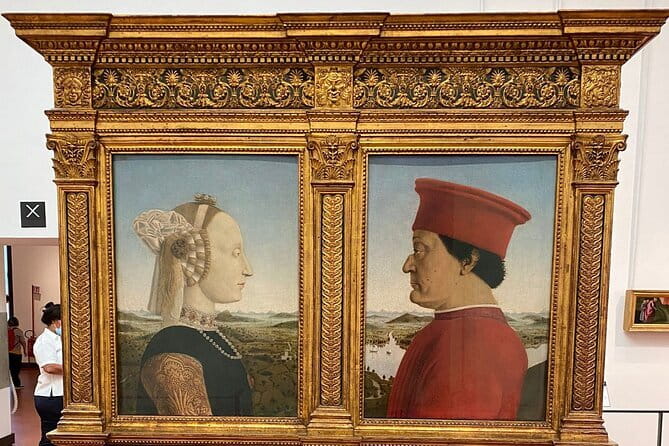
The maximum group size is 15 people. That is not the same as a private tour, but it is far easier to manage than a large coach group. A smaller group can gather around a painting without taking over an entire room, and the guide has a better chance of answering questions.
The supplied earphone radios are used for groups larger than four. This is helpful in the Uffizi, where rooms are noisy and guides cannot always speak loudly without disturbing other people. In a group of six to ten, the guide can usually keep everyone together more easily, though you still need to watch the person leading the route.
Guide quality has a major effect on this tour. Marta has been praised for her background stories and gentle pace. Pamela handled a group of 10 people through a very busy Tuesday and answered many questions patiently. Laura was singled out for making a short art-history visit clear, while Rosa was praised for steering the group around crowds.
That range also points to the risk. Some guides ask questions and encourage participation, while others focus on direct explanation. If you prefer a quiet, self-directed visit, a guided group can feel restrictive. If you want someone to explain why a painting matters and where it fits in Florence’s story, the guide is likely worth the added cost.
Is $151.16 a fair price?

At $151.16 per person, this is not a cheap museum visit. The package includes an authorized guide, the Uffizi admission ticket listed at €29, the booking fee, and priority entrance to the Accademia. Food, drinks, private transport, and tips are not included.
The value depends on how you use the three hours. If you are new to Florence and want the two headline museums explained in one block, the price can make sense. You are paying for planning, timed access, a route through crowded rooms, and interpretation that an audio guide may not provide.
The value drops if you want long, quiet viewing time. The Uffizi alone can absorb half a day, and a combined tour naturally limits your freedom. You may prefer buying museum tickets directly and using an audio guide if your main goal is to set your own pace.
I would also factor in the cost of a missed portion. If delays or confusion cause you to skip the Accademia, you may feel the package has not delivered what you paid for. Arrive early, keep the meeting point details open on your phone, and make sure every name on the reservation matches the correct identity document.
Who should book this tour?
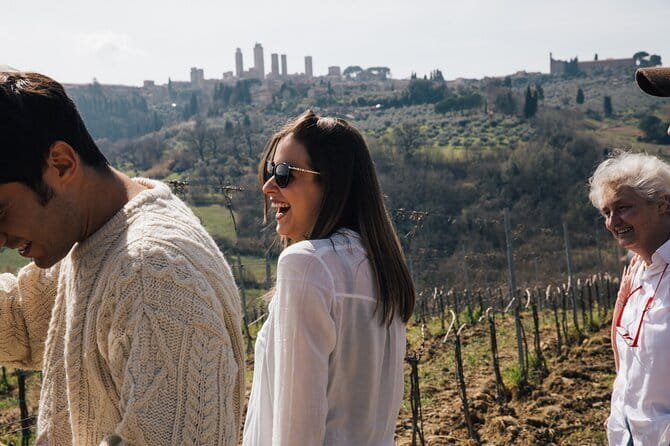
I think this tour suits a first-time visitor with limited time in Florence. It gives you a useful introduction to Renaissance painting and sculpture without requiring you to plan two separate museum visits. Families can also benefit from a guide who keeps the route moving and adds stories for younger members.
It is a good fit for you if you want:
- The key works at both museums
- Clear background on Florence and the Renaissance
- A group smaller than 16 people
- Help handling the route and museum crowds
- Some time to continue looking after the guided portion
I would be more cautious if you are an art specialist, a slow museum browser, or someone who dislikes fixed schedules. The Uffizi is the larger and more varied museum, and a fast route may leave you wishing for more time. The combined format is efficient, but efficiency is not the same as quiet contemplation.
The tour is offered in English only. Most people can participate, and the museums are near public transportation, but the walk between sites and the pace through crowded galleries are worth considering before you book.
Practical details that can save you trouble
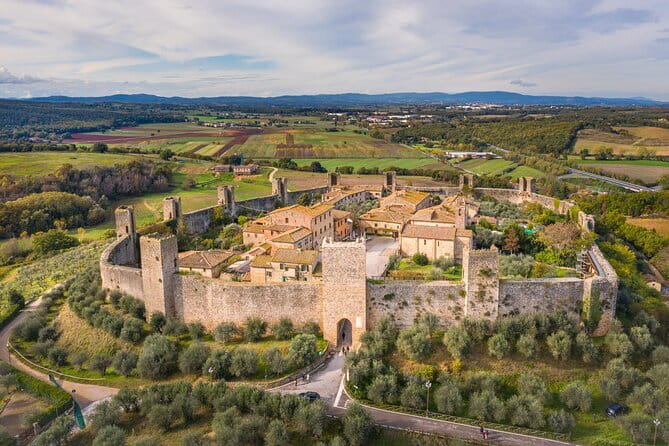
The meeting and ticket redemption point is Via dei Castellani, 14, near the Uffizi. The tour ends at the Accademia Gallery on Via Ricasoli, 58/60, so plan your next activity from that side of central Florence rather than expecting to return to the Uffizi.
The experience is booked an average of about 40 days ahead, which suggests that you should not leave it until the last moment during a busy visit. Confirmation arrives at booking, and free cancellation is available up to 24 hours before the start time. Changes or cancellations inside that 24-hour window are not refunded.
The tour requires a minimum number of people to operate. If that minimum is not reached and the experience is canceled, you are offered another date or experience, or a full refund.
Should you book the Uffizi and Accademia tour?
I would book it if you want a well-organized introduction to Florence’s major art museums and you accept a brisk pace. The strongest part is the human explanation: a good guide can show you the hidden details in Medusa, explain the symbolism in Botticelli, and make David feel like more than a famous photograph stop.
I would skip it and buy separate tickets if you want to control every minute. The Uffizi rewards extra time, and some visitors will prefer staying there longer rather than being moved on to the Accademia.
For most first visits, this is a practical compromise. Arrive early, carry matching identification, expect some waiting even with priority access, and treat the tour as a guided highlight route with optional extra museum time, not as a complete study of either collection.
FAQ
How long does the Uffizi and Accademia tour last?
The experience lasts about three hours. The Uffizi portion is listed at about one hour and 45 minutes, and the Accademia portion at about one hour and 15 minutes.
Which museums are included?
The tour includes the Uffizi Gallery and the Galleria dell’Accademia in Florence.
Is admission included in the price?
Yes. Admission tickets are included for the museums. The Uffizi ticket is listed as €29, and priority entrance to the Accademia is included.
What artworks will I see at the Uffizi?
The guided route includes Botticelli’s Birth of Venus and Spring, Caravaggio’s Medusa, and Michelangelo’s Tondo Doni. The tour covers the development of art from the Middle Ages through the Italian Renaissance.
Will I see Michelangelo’s David?
Yes. David is the main highlight of the Accademia visit. The sculpture is about 520 centimeters tall and was made by Michelangelo between 1501 and the beginning of 1504.
Can I remain inside the museums after the guided tour?
You can stay inside the Uffizi during the free time provided after the guided route, and you can remain at the Accademia after its guided path to see more of the collection. The combined schedule still requires you to follow the timing for the second museum.
How large is the group?
The tour has a maximum of 15 people. Earphone radios are provided for groups larger than four.
Where does the tour start and finish?
It starts at Via dei Castellani, 14, near the Uffizi Gallery. It ends at the Accademia Gallery at Via Ricasoli, 58/60.
What identification do I need?
Each person must present a valid passport or identity card matching the full name supplied at reservation. If the names and documents do not match, entry to the Uffizi may be refused.
Fresh on the Florence list
- Semi Private Deep Wine Chianti and San Gimignano from Florence★ 5.0 · 191 reviews
- From Florence: Wine Tasting and Dinner in Chianti Vineyards★ 4.6 · 192 reviews
- Small Group Florence Cathedral Guided Tour with Priority Access★ 4.0 · 192 reviews
- Hard Rock Cafe Florence with Set Menu for Lunch or Dinner★ 4.5 · 193 reviews
- Florence Sunset Food Tour with Wine & Dine at a Tuscan farmhouse★ 5.0 · 194 reviews
- Wine Experience In Chianti Hills from Florence★ 4.5 · 195 reviews
- Brunelleschi’s Dome and Cathedral Complex Reserved Ticket★ 4.5 · 195 reviews
- Florence: Duomo Complex Guided Tour★ 4.2 · 195 reviews
Uffizi & Accademia Gallery Tours, compared.
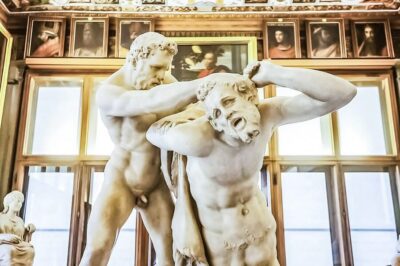
Skip-The-Line Uffizi Gallery Timed Entry Ticket
Read our review →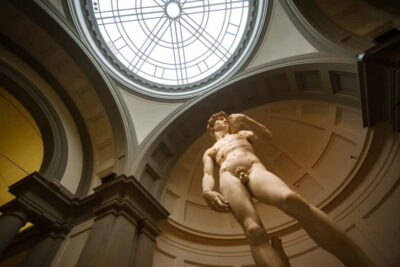
Timed Entrance Ticket to Michelangelo’s David
Read our review →
Michelangelo’s David Skip-the-Line Entry Ticket
Read our review →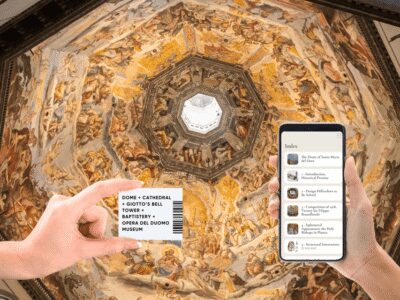
Cathedral & Brunelleschi’s Dome Ticket & Audio App
Read our review →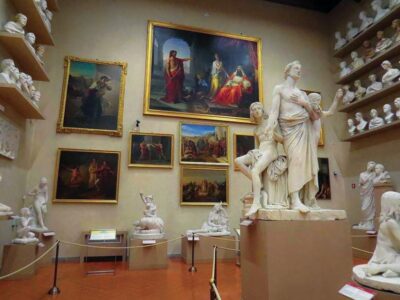
Michelangelo’s David Priority Ticket & Audio App
Read our review →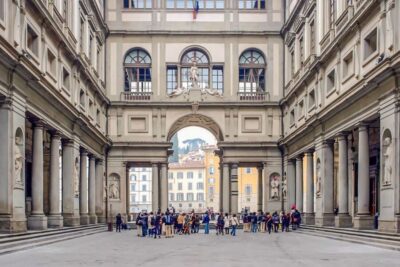
Uffizi Priority Ticket & Masterpieces Audio App
Read our review →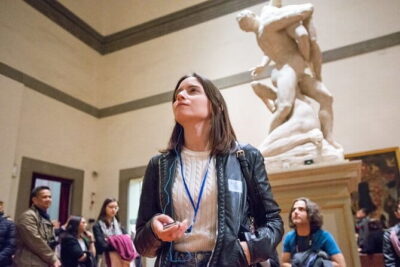
Florence Accademia Gallery Tour with Entrance Ticket Included
Read our review →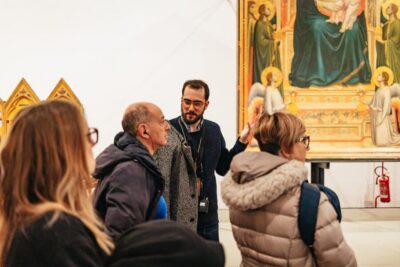
Browse the lists this tour appears in