
Reviewed · FLORENCE TOURS
The Best Tour in Florence: Renaissance and Medici Tales
Florence makes more sense once you connect its grand buildings to the Medici family. This two-hour walking tour does that well, moving from the Medici burial church at San Lorenzo to the political heart of Piazza della Signoria while your guide explains how banking, art, religion, and power shaped the city.
I like two things in particular: the route covers a lot without sending you across town, and the guides lean into stories rather than dry dates. Guides such as Aurora, Alberto, Camilla, Deborah, Manuel, Simona, and Elizabeth have been praised for clear explanations, humor, and vivid storytelling. The main consideration is the donation model. The listed price is only $3.62, but the guide’s only payment comes from what you choose to donate at the end.
Key points at a glance
- Medici stories give the route a clear thread: You learn how one family influenced Florence’s churches, palaces, art, and government.
- The route links the city’s major landmarks: San Lorenzo, the Baptistery, the Duomo, Dante’s house, Palazzo Vecchio, and the Uffizi area all fit into one walk.
- The guides are the main attraction: Aurora, Alberto, Camilla, Deborah, Manuel, Simona, and Elizabeth are noted for humor, strong delivery, and useful local advice.
- The price is unusually low: The $3.62 booking price supports a donation-based format, so plan to tip if the guide earns it.
- You get orientation, not museum entry: Admission is not included at most paid sites, and the tour focuses on outdoor explanations.
- The small time commitment helps: About two hours is enough to get your bearings before you choose which interiors deserve more of your time.
Why the Medici theme works so well in Florence
Florence can feel like a catalogue of famous names: Brunelleschi, Michelangelo, Dante, Giotto, and the Medici. This route gives those names a useful connection. The Medici were bankers, political operators, patrons of artists, and major builders. Their influence appears in the church where they were buried, the palace they commissioned, and the public spaces where Florence displayed its power.
You do not need a strong background in Renaissance art to follow the tour. The guides are praised for making the subject accessible to people who do not usually study history. That matters in Florence, where a quick look at a facade can otherwise leave you admiring the marble without understanding the forces behind it.
The tour also gives you a practical map of the center. You begin at Piazza di San Lorenzo and finish at Piazza della Signoria, close to the Uffizi Gallery. Afterward, you can return to the places that caught your eye, reserve museum time, or simply walk with a better sense of how the old center fits together.
A few other Florence mornings to weigh against this
- Florence: Skip-The-Line Uffizi Gallery Timed Entry Ticket
★ 4.5 · 27,832 reviews - Tuscany Day Trip from Florence: Siena, San Gimignano, Pisa and Lunch at a Winery
★ 5.0 · 21,634 reviews - Florence: Timed Entrance Ticket to Michelangelo’s David
★ 4.6 · 16,983 reviews
Starting at San Lorenzo with the Medici family
Meet at Piazza di San Lorenzo, 35R, in front of the Basilica di San Lorenzo. The specific meeting point is next to the statue of Giovanni de’ Medici sitting on a throne, a useful detail in a crowded part of central Florence.
The basilica is a fitting first stop. San Lorenzo is one of Florence’s largest churches and the burial place of principal Medici family members from Cosimo il Vecchio through Cosimo III. Even if you do not enter, the building gives the guide a natural place to explain the family’s reach and the link between private wealth and public architecture.
The scheduled stop lasts about 10 minutes, and admission is not included. That means you should think of this part as an outdoor introduction unless you independently arrange entry. The short stop is enough to establish the theme, but not enough for a close look at every artistic detail inside.
From here, the walk moves into the central market district and toward Palazzo Medici Riccardi. This is one of the best early moments for understanding that Medici power was not hidden away in a distant castle. It was placed directly in the working center of Florence.
Palazzo Medici Riccardi and the family’s first great palace
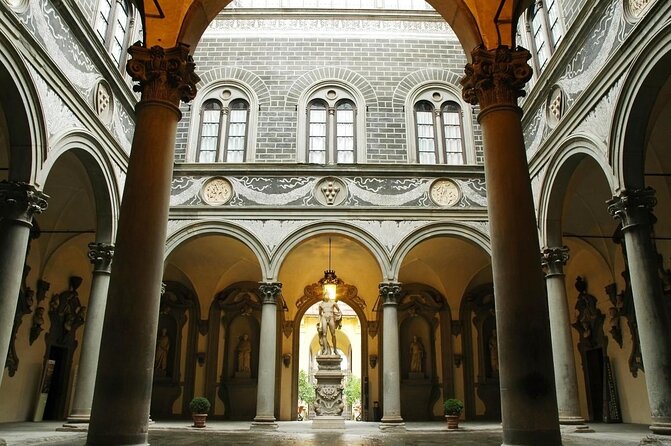
Palazzo Medici Riccardi was designed for Cosimo de’ Medici and built between 1444 and 1484. Its position on the route helps explain the family’s rise. This was not just a private home. It was a visible statement of status, taste, and control.
Your guide’s commentary is especially useful here because the outside of a palace cannot tell the whole story by itself. You learn why the building mattered and how the Medici used architecture to project authority without appearing to openly challenge Florence’s republican traditions.
The stop lasts about 10 minutes, with admission not included. If you want to visit the interior, save it for another time and check its opening arrangements separately. The walking tour is not designed to pause for full museum visits, so trying to tour every building along the way would work against its brisk city orientation.
The Baptistery, Duomo, and the heart of Florence
The Florence Baptistery is one of the oldest buildings in the city. Its Florentine Romanesque design dates from 1059 to 1128, and its location across from the cathedral makes it part of the city’s most concentrated group of monuments.
The 10-minute stop lets you compare the Baptistery with the later cathedral complex. This is a good place to pay attention to how your guide explains changing styles and the long span of Florence’s building history. The Baptistery is not simply another photogenic stop. It helps show that Renaissance Florence grew out of an older medieval city.
Next comes the Duomo, formally the Cathedral of Santa Maria del Fiore. Construction began in 1296 in the Gothic style, and the cathedral, Baptistery, and Giotto’s Campanile form part of the UNESCO-listed historic center.
Admission to the cathedral is listed as free, but that does not mean every part of the complex is included in this tour. Your guide gives you an exterior explanation, while entry to paid areas is not included. Treat this as a first look, not a substitute for a dedicated cathedral visit.
The route also pauses at Giotto’s Campanile. The tower is known for its Florentine Gothic design, sculptural decoration, and colored marble facing. At 10 minutes, the stop is short, but the guide can help you notice the relationship between the tower, cathedral, and Baptistery instead of viewing each structure in isolation.
Same city, an entirely different afternoon:
- Florence: Michelangelo’s David Skip-the-Line Entry Ticket
★ 4.5 · 12,764 reviews - The Best tour in Florence: Renaissance & Medici Tales – guided by a STORYTELLER
★ 5.0 · 12,316 reviews - Florence: Leonardo Interactive Museum Entry Ticket
★ 4.5 · 11,763 reviews - Florence: Pasta Cooking Class with Unlimited Wine
★ 4.9 · 10,285 reviews
Brunelleschi’s dome and the challenge of building it
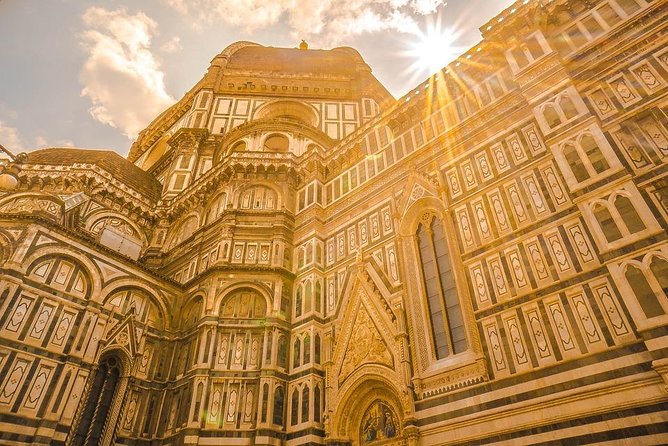
The Cupola del Brunelleschi is the architectural headline of this section. It was once the largest dome in the world and remains the largest brick dome ever constructed.
The tour does not take you inside or up the dome. Admission is not included, so you will need a separate plan if you want to climb it or visit other ticketed parts of the cathedral complex. Still, hearing the basic story on site gives the dome more force than seeing it from a distance with no context.
This is one place where a good guide can make a major difference. The dome is easy to photograph, but harder to understand. The route’s Medici theme also helps place Brunelleschi’s achievement within the wider competition, money, and civic pride of Florence.
Dante’s Florence in five focused minutes
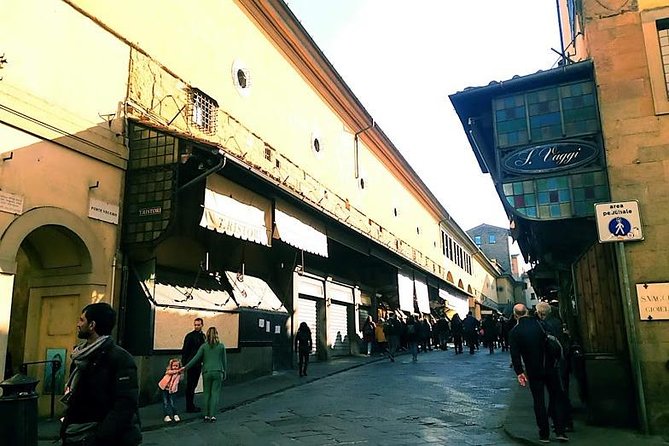
The next stop is the Museo Casa di Dante, associated with the Florentine writer Dante Alighieri, author of the Divine Comedy. The stop is listed at five minutes, so expect a quick exterior orientation rather than a museum visit.
Dante adds a useful change of subject. Until this point, the walk is dominated by churches, architecture, and Medici power. Here, you get a glimpse of Florence through language and literature. The guide can connect the city’s medieval identity to one of the most important writers in the Italian language.
Admission is listed as free, but the tour does not include a full museum visit. If Dante is a main interest, you should reserve separate time. For everyone else, the brief stop works as a reminder that Florence’s cultural influence was not limited to painting and buildings.
Piazza della Signoria and Florence’s public stage
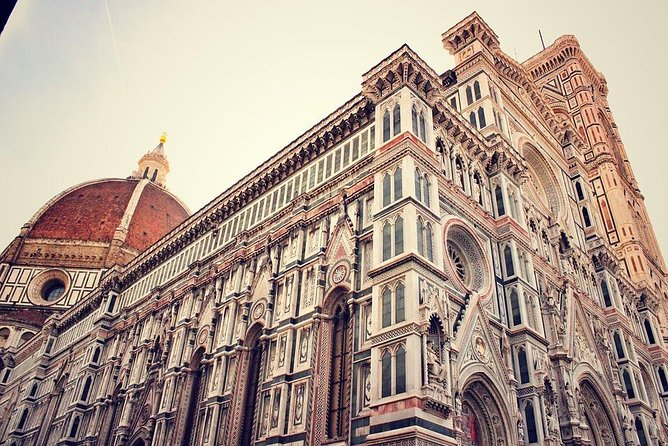
Piazza della Signoria is where the route shifts from religious and family power to civic power. The L-shaped square sits in front of Palazzo Vecchio and provides the gateway to the Uffizi Gallery.
This is a strong setting for storytelling because the square is filled with public symbols. You see Palazzo Vecchio, the Loggia dei Lanzi, and the copy of Michelangelo’s David. The David outside is a replica, not Michelangelo’s original, and the guide explains that distinction along with the square’s role in Florence’s political life.
One especially useful detail from the tour’s feedback is praise for the explanation of the fake David. That may sound like a small point, but it saves you from confusing the outdoor copy with the original sculpture inside the Accademia Gallery. It also gives the guide a chance to discuss why the statue became such a powerful symbol of Florence.
The group spends about 10 minutes in the piazza, and admission is free. You can linger after the tour, study the sculpture displays, or continue toward the Uffizi without needing another transport connection.
Palazzo Vecchio and the Uffizi finish
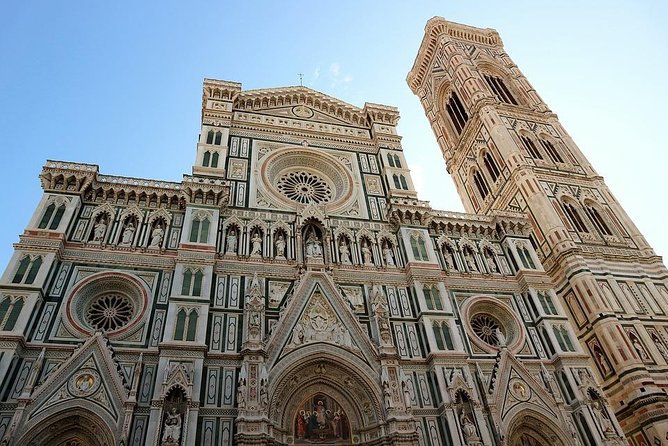
Palazzo Vecchio is Florence’s town hall, a fortress-like civic building overlooking Piazza della Signoria. It is among Tuscany’s most impressive town halls and contains cultural sites and museum spaces.
The stop is listed at 10 minutes, with admission not included. That distinction matters. The tour gives you the building’s public role and exterior setting, but a full visit would require more time and a separate ticket.
The walk ends in Piazza della Signoria, with the endpoint described as indicative and subject to slight variation within the area. This is a useful finish because the Uffizi Gallery is nearby. You can continue directly to a timed museum visit if your schedule allows, though you should not assume the walking tour itself includes entry.
The Uffizi occupies a former office complex begun by Giorgio Vasari in 1560 for Cosimo I de’ Medici. Its collection is especially important for Italian Renaissance art. Ending here gives you a natural next step: you have heard why the Medici mattered, then you can see part of the artistic world they helped fund.
What the guides do best
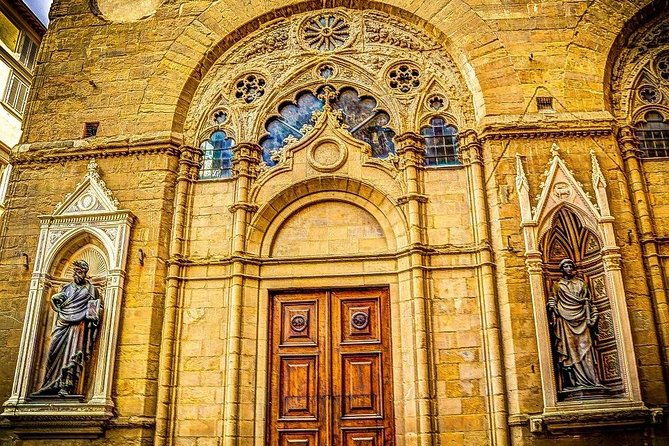
The guide is the heart of this experience. The most consistent praise goes to clear speaking, passion, humor, and storytelling. Aurora is noted for her art-history background and insight into less familiar facts. Alberto is praised for fitting Florence’s history, Medici politics, architecture, food, and local suggestions into a short route.
Camilla is described as lively, informed, and good at answering questions. Deborah receives especially strong praise for making Florence’s art and Medici tales feel immediate, while also handling a large group and keeping people engaged. Manuel is known for making the city come alive, and Simona for animated delivery that works well even if you are not a history enthusiast.
Guide quality can vary from one departure to the next, but the range of specific praise suggests a strong guide team. I would arrive ready to listen, ask questions, and note recommendations. Several guides have offered advice on restaurants, local foods, and places to visit after the walk, which adds value beyond the formal route.
The $3.62 price and donation question
At $3.62 per person, this is one of the cheapest ways to get a structured introduction to central Florence. The price is appealing for students, families, and anyone who wants an overview before spending money on museums or longer tours.
But the low listed price needs context. The tour is made possible by donations, and the guide’s only compensation is what you choose to give at the end. In other words, you should not treat $3.62 as the full value of the service. If the guide provides the kind of clear, energetic introduction described above, plan a fair donation.
One direct suggestion in the feedback is to tip at least €20 per person for an excellent experience. That is not presented as a fixed fee, so you remain free to decide. Still, the donation model works best when you budget for it rather than assume the booking price covers the guide.
Timing, group size, and walking comfort
The tour lasts about two hours and has a maximum of 30 people. That is a manageable group size for a city walk, though 30 people can still spread out around the Duomo or Piazza della Signoria. Stay close to the guide and arrive early at the statue meeting point.
The route includes about 10 stops, with most scheduled for 10 minutes and Dante’s house for five. The listed stop times add up to roughly 95 minutes, leaving the rest for walking, transitions, and explanations. You should expect a steady overview rather than long breaks.
Wear comfortable shoes. The tour is entirely on foot, and Florence’s center rewards walking but can be tiring if you are not prepared. The activity requires good weather and may be canceled if conditions are poor or if the minimum number of participants is not met. In either case, you are offered another date or a full refund.
The activity is offered in English, uses a mobile ticket, allows service animals, is near public transportation, and is described as suitable for most people. Free cancellation is available up to 24 hours before the start time. Inside 24 hours, refunds are not available and changes are not accepted.
Who should book this Florence walk
I would put this near the start of a first Florence visit. The route gives you a working map of the center and helps you decide which places deserve a longer visit. It is also a good choice if you enjoy history but prefer stories and city streets to a formal lecture.
Repeat visitors can benefit too, especially if you have seen the Duomo and Palazzo Vecchio before but never connected them to the Medici family. The guides’ local suggestions may also help you move beyond the standard sights.
I would be more cautious if you want interior access, long art explanations, or a slow photographic walk. Most admissions are not included, and the stops are short by design. This is an orientation tour, not a replacement for the Uffizi, the Duomo climb, Palazzo Medici Riccardi, or a dedicated Medici museum visit.
Should you book The Best Tour in Florence?
Yes, if you want a lively first look at Florence at a very low booking price. The route is well chosen, the Medici theme gives the history a clear shape, and the strongest guide descriptions point to humor, passion, and useful explanations rather than a recital of dates.
Book it early in your stay, arrive before the meeting time, and keep the rest of your day flexible enough to revisit the places that interest you. Most important, remember that this is donation-based. Bring enough to thank a guide who makes Florence easier to understand.
FAQ
How long does the Florence walking tour last?
The tour lasts approximately two hours.
Where does the tour begin?
It begins at Piazza di San Lorenzo, 35R, 50123 Firenze, in front of San Lorenzo Church. Meet beside the statue of Giovanni de’ Medici sitting on a throne.
Where does the tour end?
It ends in Piazza della Signoria, near the Uffizi Gallery. The exact endpoint can vary slightly within the stated area.
Is the tour offered in English?
Yes. The tour is offered in English.
Is admission to the attractions included?
The licensed guide is included, but admission is not included at most paid attractions. The Duomo, Dante’s house, and Piazza della Signoria are listed with free admission, while San Lorenzo, Palazzo Medici Riccardi, the Baptistery, Giotto’s Campanile, Brunelleschi’s dome, Palazzo Vecchio, and the Uffizi show admission not included.
How much does the tour cost?
The listed price is $3.62 per person. The tour operates through donations, and the guide’s only compensation is the amount you choose to donate at the end.
How many people can join the tour?
The maximum group size is 30 participants.
Can I cancel for a refund?
Yes. You can cancel at least 24 hours before the start time for a full refund. Cancellations or changes made less than 24 hours before the start time are not refunded or accepted. If bad weather or insufficient participation cancels the tour, you are offered another date or a full refund.
Fresh on the Florence list
- Florence: Uffizi Guided Tour with Skip-the-Line Entry Ticket★ 4.8 · 499 reviews
- Florence: Uffizi Gallery Tickets with Optional Audio Guide★ 4.1 · 503 reviews
- The Best of Florence Walking Tour in a Small Group★ 5.0 · 503 reviews
- Premium Pasta and Gelato Cooking Class in Florence★ 5.0 · 508 reviews
- From Florence: Tuscany & San Gimignano Tour with 2 Tastings★ 4.8 · 511 reviews
- Florence: Guided Tour of Medici Family Secrets and Chapels★ 4.7 · 512 reviews
- Tuscany Vespa Tours Through the Hills of Chianti★ 5.0 · 515 reviews
- Pasta and Tiramisu Cooking Class with optional Local Market Tour★ 5.0 · 515 reviews
Florence Tours, compared.
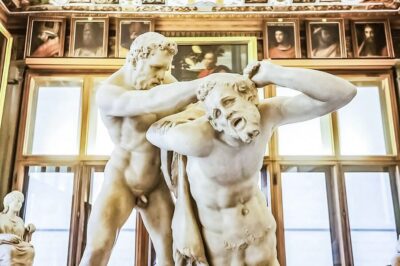
Skip-The-Line Uffizi Gallery Timed Entry Ticket
Read our review →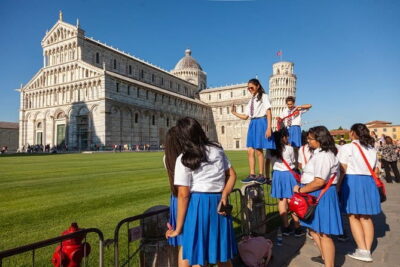
Tuscany Day Trip from Florence: Siena, San Gimignano, Pisa and Lunch at a Winery
Read our review →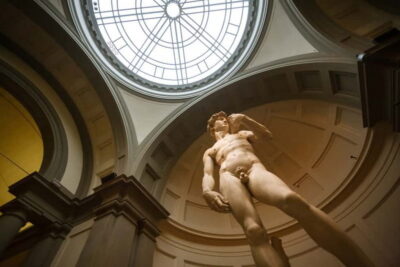
Timed Entrance Ticket to Michelangelo’s David
Read our review →
Michelangelo’s David Skip-the-Line Entry Ticket
Read our review →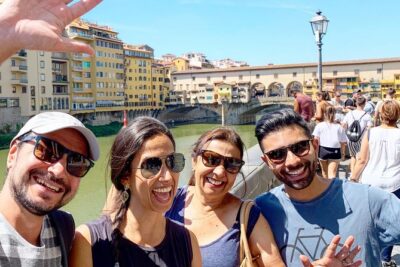
The Best tour in Florence: Renaissance & Medici Tales – guided by a STORYTELLER
Read our review →
Pisa, Siena and San Gimignano Day Trip with Lunch
Read our review →Browse the lists this tour appears in