
Reviewed · COOKING CLASSES
Bologna Local Pasta Cooking Class, Ragu, Spritz, Wine & Gelato
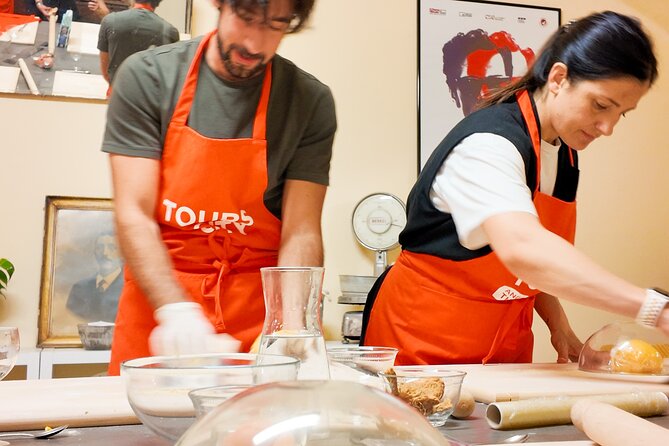
Bologna’s best food lesson is wonderfully simple: eggs, flour, and your own rolling pin become tagliatelle for lunch or dinner. A local sfoglina guides you through the dough, cutting, and cooking, while the ragù is already simmering and ready for the finished pasta.
I like two things right away. You get a social meal rather than a stiff demonstration, and the class covers more than pasta, with mortadella, Crescenta, Pignoletto, Casoni Spritz, Sangiovese, Parmigiano Reggiano, coffee, amaro, and gelato. The main consideration is that you do not prepare the ragù yourself, since the sauce is made ahead to fit the three-hour schedule.
Key points to know before booking
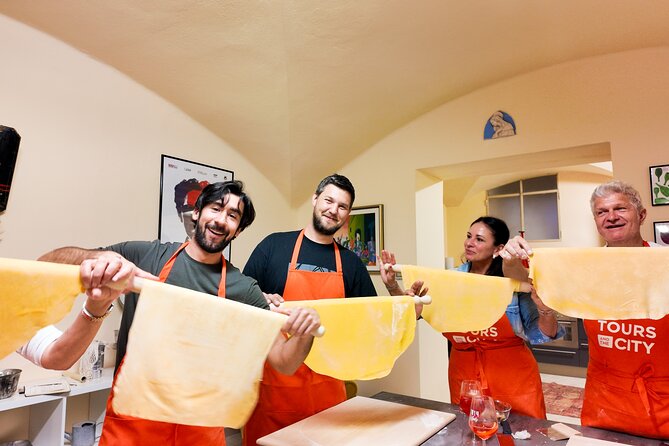
- Handmade tagliatelle: You mix, knead, roll, and cut the dough yourself without a pasta machine.
- Local aperitivo: Mortadella, Crescenta, Piadina, Pignoletto, and a Casoni Spritz get the class moving.
- Bolognese meal: Your pasta is served with homemade ragù, 24-month Parmigiano Reggiano, and local Sangiovese.
- Small-group format: The class is designed for a sociable group, with a stated maximum of 13 people and sessions that may be smaller.
- Useful takeaway: Recipes can be sent as PDF files by email, and extra pasta may be available to cook at home.
- Full three-hour spread: Coffee, amaro, and a mystery gelato finish the meal, making the price feel fair for more than a basic cooking lesson.
Why this Bologna pasta class works
Bologna calls itself Italy’s food capital for good reason. This is the home of tagliatelle, mortadella, Parmigiano Reggiano, and the sauce commonly called Bolognese outside Italy. A class here can easily become a tourist performance, but this experience keeps its focus on food you can actually make again.
You work with the dough by hand. That matters. A machine gives you even sheets, but it hides the feel of the pasta. Here, the rolling pin is your engine. You learn how the dough changes under pressure, how thin the sheet should become, and how to cut it into proper ribbons.
I would not book this expecting professional-chef training. The lesson is built for ordinary people, including first-time pasta makers. The teachers demonstrate each step, then help you through the rough patches. Several instructors have led sessions, including Sonia, Stella, Stefania, Claudia, Valentina, Roberta, Lucrezia, and Beatrice, so the exact teaching team can vary.
That variety does not seem to change the basic shape of the class: friendly instruction, shared food, and a meal at the end. The best part is that nobody needs to arrive with serious cooking skills. Even an experienced home pasta maker can pick up useful tips, while a beginner can follow along without feeling behind.
More Cooking Classes in Bologna
- Pastamama, Home Cooking Classes at Grace’s Home
★ 5.0 · 521 reviews - Bologna: Pasta and Tiramisu Cooking Class with Wine
★ 4.7 · 507 reviews - Bologna: Pasta and Tiramisu Small Group Cooking Class with Wine
★ 5.0 · 409 reviews
Starting at Piazza Galileo Galilei
The meeting point is Piazza Galileo Galilei, in central Bologna. The location is near public transportation, and the activity returns to the same meeting point when the three hours are finished.
Arrive with enough time to find the square without rushing. The class begins with food and conversation, so coming in late means missing the easiest part of the social welcome. Your mobile ticket is accepted, and confirmation is provided when you book.
The setting is described as a traditional Bolognese kitchen or a well-laid-out cooking space. It is not a market tour or a restaurant meal with a short pasta demonstration. You spend the time at the worktable, then sit down to eat what you prepared.
This format suits solo participants particularly well. You are paired with other people who have come to cook, drink, and eat, rather than being left at a separate table. Couples and families also fit comfortably, though children are welcome mainly as participants in an adult-oriented menu and class.
Mortadella, Crescenta, and Pignoletto first
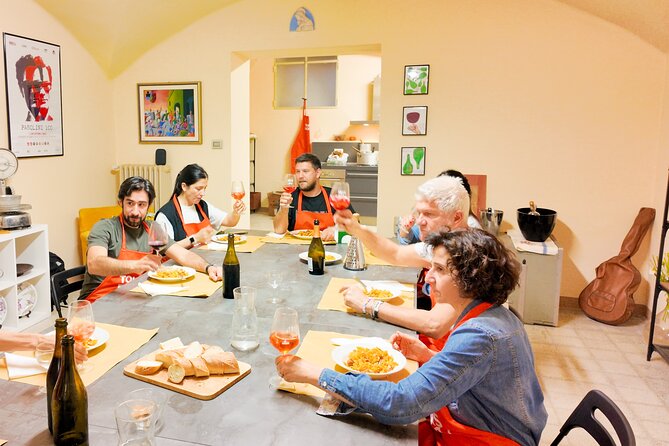
The opening aperitivo serves a practical purpose. You begin with local wine, usually Pignoletto, along with mortadella and Crescenta or Piadina. These are not random snacks added to fill time. They introduce the food culture of Emilia-Romagna before you start working with flour and eggs.
Mortadella is Bologna’s famous seasoned pork sausage, and it tastes very different from the packaged lunch meat many people know. Crescenta and Piadina provide the bread element, giving you something to eat while the instructors explain the class and the group gets acquainted.
This is one of the strongest parts of the experience for people who enjoy a relaxed table setting. The drinks help break the ice, and the early food keeps you from cooking hungry. It also gives the instructors room to talk about local habits without turning the afternoon into a lecture.
The pace is informal. You can ask questions, compare cooking habits, and settle into the group before the hands-on work begins. If you prefer a quiet, private lesson, this may feel more social than expected. If you want to meet people during your time in Bologna, that is a major advantage.
Making a proper Casoni Spritz
The cocktail lesson focuses on Casoni, a regional aperitif made with local herbs and recipes. It is presented as a local alternative to the better-known international brands used in many Spritzes.
That local angle gives the drink lesson a reason to exist. You are not simply being handed an Aperol Spritz while someone else cooks. You learn how the local version is made and taste something linked to Emilia-Romagna.
The exact drink service can vary by session. The menu identifies a Casoni Spritz, while one class account describes tasting the difference between Campari and Aperol Spritz. You should treat the central promise as a local Spritz lesson, not as a guaranteed comparative tasting of every aperitif brand.
The cocktail arrives while you begin the pasta dough. This pairing works well because making pasta by hand is repetitive enough to encourage conversation. It also turns the lesson into a proper Italian aperitivo, where food and drink accompany the preparation rather than appearing only after the work is done.
Keep track of your drinks, especially if you attend an evening class. Pignoletto, Spritz, Sangiovese, coffee, and amaro all appear during the experience. The generous beverage menu is part of the value, but it also means this is not a dry cooking workshop.
More cooking classes in Italy:
- Florence: Pasta Cooking Class with Unlimited Wine
★ 4.9 · 10,285 reviews - 3 in 1 Cooking Class near Navona: Fettuccine, Ravioli & Tiramisu
★ 5.0 · 7,376 reviews - Florence Pizza or Pasta Class with Gelato Making at a Tuscan Farm
★ 5.0 · 6,801 reviews - Florence: Pasta & Tiramisu Cooking Class with Unlimited Wine
★ 4.9 · 6,708 reviews
Rolling tagliatelle with eggs and flour
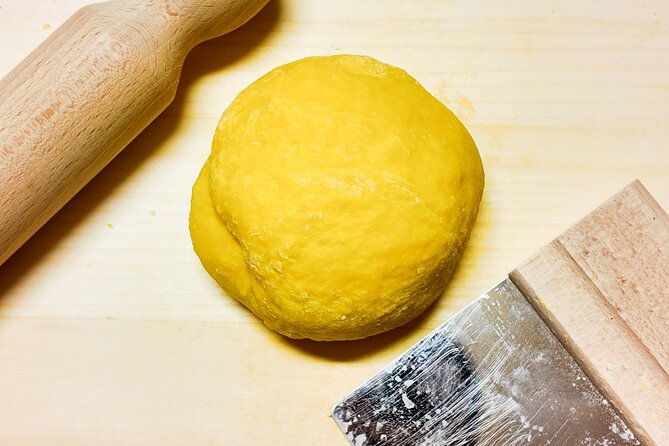
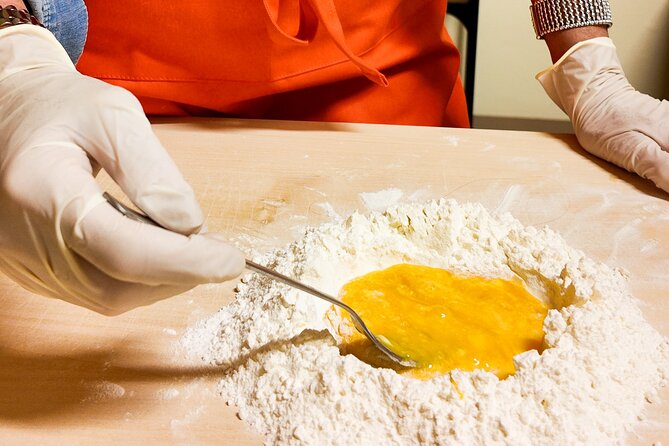
The central lesson uses locally sourced eggs and flour. You mix the dough, knead it, and roll it out by hand. No pasta machine does the work for you.
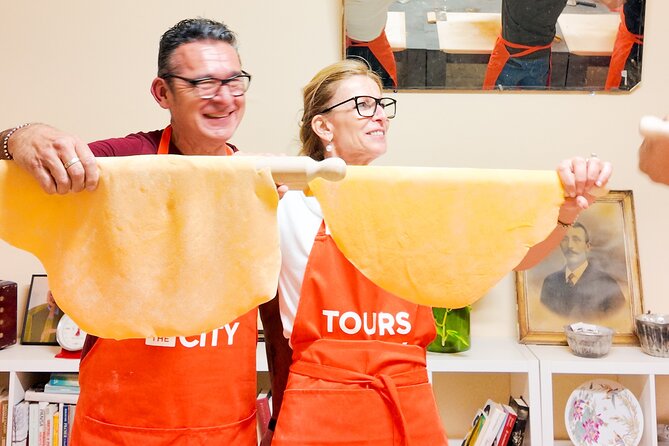
For a beginner, the rolling stage is the most useful skill to take home. You see how much pressure is needed, how to turn the dough, and how to keep the sheet from becoming uneven. The instructors work step by step and offer help when the dough does not behave.
The dough can look too dry, too sticky, or simply wrong at first. That is normal, and the hands-on format lets you correct the problem rather than watching a polished chef produce perfect pasta. The aim is not identical ribbons from every person. The aim is confidence with the basic method.
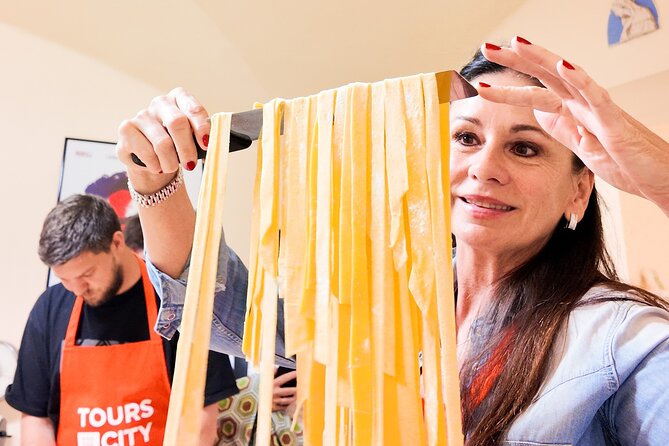
You then cut the sheet into tagliatelle. This is where the homemade character becomes clear. Fresh pasta does not need to look factory-made to taste good. Slight differences in width are part of the charm, and the instructors keep the process manageable for people who have never made pasta.
Some participants have experience making pasta at home, while others begin from zero. The class has enough guidance for novices but still leaves room for questions about technique. If you already make pasta regularly, focus on the local proportions, rolling style, and cultural details rather than expecting advanced shapes or a new machine technique.
The ragù is homemade, but prepared in advance
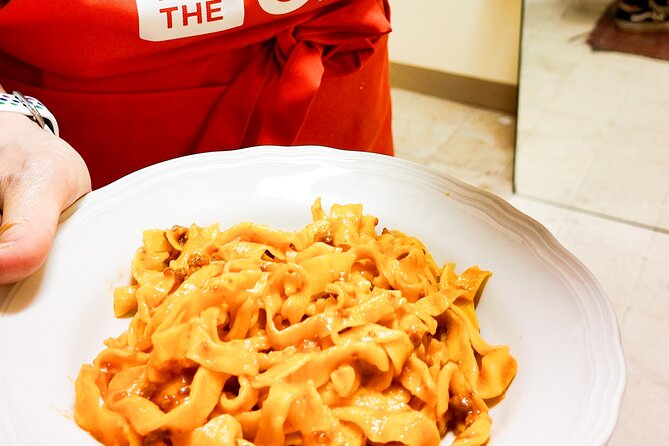
The finished tagliatelle is paired with house-made ragù. The sauce is fully homemade, but its preparation is not included in the class because there is not enough time.
That is a small but important distinction. You will learn to make the pasta, not the complete ragù recipe from raw ingredients. The sauce is already simmering or ready when your noodles are cooked, which keeps the three-hour schedule realistic.
I see this as a sensible compromise, though it may disappoint you if ragù is the main reason you booked. A full sauce lesson, a pasta lesson, several drinks, dessert, and a sit-down meal would require a longer class. Here, the organizers spend the hands-on time on the skill most people cannot easily learn from a recipe alone: rolling and cutting the pasta.
The meal combines your tagliatelle with the homemade ragù and 24-month-aged Parmigiano Reggiano. That cheese adds a savory finish and gives you a useful idea of how Bolognese pasta is served locally.
You then eat together with regional red wine, generally Sangiovese. The final dish is the payoff for the flour-covered worktable, but the shared table is just as important. You cook, sit, and eat with the people from your group rather than taking your pasta away in a box.
Coffee, amaro, and mystery gelato
Italian meals often finish with coffee and a small digestif, and this one does too. Local coffee and amaro follow the pasta, then a mystery gelato brings the class to a sweet close.
The gelato flavor is not specified in advance, which is the point of the surprise. One session included a drizzle of aged balsamic vinegar from Modena with the dessert, but you should not assume that exact extra will appear every time.
The ending makes the class feel like a complete meal rather than a two-hour workshop followed by a search for lunch. It also gives the group time to slow down and talk. By this point, the class has moved from introductions to shared cooking, so the final coffee feels natural rather than tacked on.
If you are planning the experience as an early dinner, remember that the food and drink are substantial. You receive an aperitivo, a pasta main course, wine, dessert, coffee, and amaro. Plan your next meal accordingly.
What the $59.26 price really includes
At $59.26 per person, this is priced below many cooking classes that include only a short lesson and one dish. Here, the fee covers approximately three hours of instruction, the aperitivo, Spritz, pasta meal, Parmigiano Reggiano, wine, coffee, amaro, and gelato.
The value depends on what you want from a food experience. If you only want to eat tagliatelle in Bologna, a trattoria may cost less and require less time. If you want to leave with a repeatable skill, a social evening, and a full meal with drinks, the price is reasonable.
The recipes are available as PDF files by email upon request. That matters more than it may seem. Fresh pasta is easy to understand during a demonstration but harder to remember a week later. A written recipe gives you a practical way to recreate the meal at home.
The class also avoids the cost of a separate aperitivo and dinner. You are paying for the lesson, but the food and drinks are not minor extras. Several sessions included enough pasta for participants to take some home, though you should confirm this rather than count on leftovers.
Group size, teaching style, and atmosphere
The experience is designed as a small-group class. The highlights describe a limit of 10 people, while the additional information gives a maximum of 13. Since both figures appear in the details, check the current booking information for your date if group size is important.
In practice, the class can be much smaller. One session had four participants, and another group had eight. A smaller group means more direct help with the dough and an easier conversation around the table. A fuller session will feel more like a shared cooking party.
The instructors receive the strongest praise for being encouraging, organized, and easy to talk with. Sonia and Stella, Stefania and Claudia, Roberta and Lucrezia, and other teaching pairs have been singled out for patient demonstrations and local recommendations.
That last point is useful beyond the meal. The instructors have helped participants find bars and pubs in Bologna, including suggestions for New Year’s Eve. You can ask for local ideas, though the cooking remains the main event.
The class feels friendly rather than formal. You should expect jokes, conversation, and help when your dough needs rescuing. That makes it a good choice for couples, friends, families with older children, and solo visitors who want company for an evening.
Dietary needs and who should skip it
Gluten-free pasta and vegetarian sauces can be accommodated, but you must give advance notice. The experience may not suit people with severe allergies or strict dietary requirements, so ask before booking rather than hoping adjustments can be made at the table.
The standard menu includes wheat pasta, meat-based ragù, mortadella, dairy, wine, spirits, and gelato. Even if you plan to eat only selected items, cross-contact may still matter for serious allergies. The supplied information does not promise a fully separate preparation area.
Children are welcome, but the menu and pace are designed for adult participation. A child who enjoys hands-on cooking may have a good time, while a very young child could find a three-hour food-and-drink program long.
I would choose this class if you want practical pasta skills, a generous meal, and a relaxed group atmosphere. I would look elsewhere if you want to prepare ragù from start to finish, study many pasta shapes, or receive a private lesson.
Timing, cancellation, and planning advice
The activity lasts about three hours and ends back at Piazza Galileo Galilei. Since it includes a meal and several drinks, avoid scheduling it too close to a train, flight, or another fixed appointment.
It is often reserved around 27 days ahead, so popular dates may fill before your arrival. Booking earlier is sensible if you have only one evening in Bologna, especially around holidays.
Free cancellation is available until 24 hours before the local start time. Canceling or changing the booking inside that window does not qualify for a refund, so keep your plans firm once the deadline passes.
Bring a sense of humor and wear something comfortable for working with flour. The experience information does not specify a dress code or equipment list, but your hands will be busy, and you will likely want to enjoy the meal without worrying about formal clothes.
Should you book the Bologna pasta class?
Book it if you want to do more than photograph Bologna’s food. You will make tagliatelle with your own hands, learn a local Spritz, eat with a small group, and leave with recipes you can use at home.
The strongest reasons to choose it are the patient instruction, the unusually generous food-and-drink program, and the chance to turn a famous Bolognese dish into a real skill. The main limitation is clear: the ragù is homemade but prepared before class, and dietary flexibility has limits.
For solo visitors and couples, this is an easy way to meet people without sacrificing a proper meal. For families, it works best when children are ready for adult-paced cooking. At $59.26, it is a good value for a three-hour class that includes aperitivo, dinner, dessert, and regional drinks.
FAQ
Where does the pasta cooking class start?
The class starts at Piazza Galileo Galilei, Bologna, Italy. The activity ends back at the same meeting point.
How long does the experience last?
The cooking class lasts approximately three hours.
What pasta will I make?
You will make tagliatelle by hand using eggs and flour. The dough is rolled and cut without a pasta machine.
Is the ragù prepared during the class?
No. The ragù is 100 percent homemade, but it is prepared in advance because there is not enough time to make it during the class.
What food and drinks are included?
The experience includes Pignoletto, mortadella, Crescenta or Piadina, a Casoni Spritz, handmade tagliatelle with ragù, Parmigiano Reggiano, Sangiovese, coffee, amaro, and mystery gelato.
Can the class accommodate vegetarian or gluten-free diets?
Gluten-free pasta and vegetarian sauces can be accommodated if you notify the provider in advance. The experience may not be suitable for severe allergies or strict dietary requirements.
Are children allowed to participate?
Yes, children are welcome. The menu and class format are designed for adult participation, so consider your child’s ability to take part in a three-hour cooking and meal experience.
How many people can join the class?
The activity is described as a small-group experience. The information gives a maximum of 13 participants, while the highlights describe a limit of 10, so check the booking details for your selected date.
Can I cancel for a full refund?
Yes, if you cancel at least 24 hours before the experience start time. Cancellations or changes made less than 24 hours in advance are not accepted for a refund.
More Workshops in Italy
- Naples: Pizza-Making Workshop with Drink and Appetizer
★ 4.9 · 5,411 reviews - Cooking Class and Lunch at a Tuscan Farmhouse with Local Market Tour from Florence
★ 5.0 · 4,831 reviews - Authentic Pizza Making Class in Naples with Appetizers and Drink
★ 5.0 · 3,178 reviews - Rome: 3-in-1 Fettuccine, Ravioli, and Tiramisu Cooking Class
★ 4.9 · 2,704 reviews
More Pasta in Italy
- Florence: Pasta Cooking Class with Unlimited Wine
★ 5.0 · 6,413 reviews - Rome: Pasta & Tiramisu Class with Fine Wine by the Vatican
★ 4.9 · 4,852 reviews - Rome: Pasta Making Class with Wine, Limoncello, and Dessert
★ 4.9 · 3,177 reviews - Pastamania – Florence Pasta Making Class
★ 5.0 · 3,050 reviews
Fresh on the Italy list
- Boat trip La Maddalena Archipelago – Departure from Palau★ 4.5 · 499 reviews
- Florence: Uffizi Guided Tour with Skip-the-Line Entry Ticket★ 4.8 · 499 reviews
- Milan: Last Supper and Sforza Castle Guided Tour★ 4.6 · 498 reviews
- Exclusive Golf Tour Private VIP with Local & Gelato o Wine★ 5.0 · 500 reviews
- Turin: Egyptian Museum Skip-the-Line Group Tour★ 4.7 · 500 reviews
- Itria Valley: Polignano, Ostuni, and Locorotondo, from Bari★ 4.6 · 502 reviews
- Colosseum, Palatine Hill and Roman Forum with Guided Tour★ 5.0 · 500 reviews
- Catania: Etna Nature Tour with Hiking, Cave Visit, & Tasting★ 4.7 · 502 reviews
Cooking Classes, compared.
3 in 1 Cooking Class near Navona: Fettuccine, Ravioli & Tiramisu
Read our review →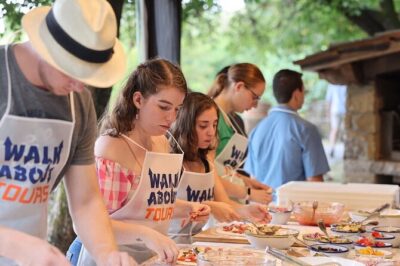
Florence Pizza or Pasta Class with Gelato Making at a Tuscan Farm
Read our review →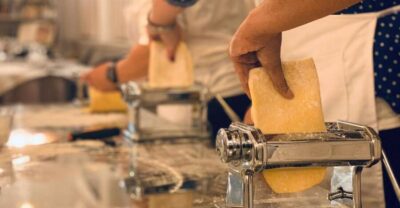
Pasta & Tiramisu Cooking Class with Unlimited Wine
Read our review →
Cooking Class and Lunch at a Tuscan Farmhouse with Local Market Tour from Florence
Read our review →
Authentic Pizza Making Class in Naples with Appetizers and Drink
Read our review →
Pasta Making Class with Wine, Limoncello, and Dessert
Read our review →Browse the lists this tour appears in