
Reviewed · COOKING CLASSES
Bologna: Pasta and Tiramisu Cooking Class with Wine
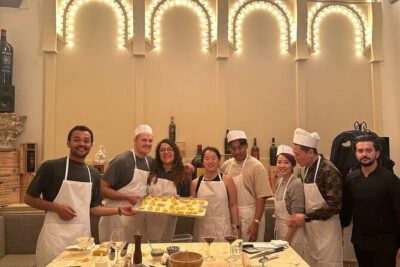
Bologna’s food culture is best understood with your hands covered in flour. This three-hour class takes you from tiramisu to fresh pasta, then brings everyone to the table to eat what you made. It is held inside a working restaurant, so the setting feels more connected to everyday dining than a staged cooking studio.
I like the generous mix of food, instruction, and drinks for $57 per person. I also like the social rhythm: you cook in a group, trade jokes with people from several countries, and share the finished meal. The main consideration is that you prepare the pasta but do not necessarily cook it yourself. The restaurant kitchen handles that final step.
Key points to know before booking
- Tiramisu comes first: You begin with the classic Italian dessert and learn about its origins and traditional method.
- Two pasta styles may be included: Past classes have featured tagliatelle, fettuccine, and stuffed spinach-and-ricotta pasta.
- The instructors shape the mood: Luca, Al, Peter, and Steven are among the English-speaking chefs who have led sessions.
- The meal is part of the value: Your pasta is cooked and served with sauces, followed by the tiramisu you prepared.
- Drinks are included: You receive a welcome glass of Prosecco and wine with the meal.
- Food restrictions need careful checking: Substitutions may be possible, but the class centers on recipes containing gluten, dairy, and eggs.
Why this Bologna cooking class works so well
Bologna is known across Italy for handmade pasta, and this class gives you a useful introduction without asking you to commit to a full-day food program. You spend three hours learning a few core techniques, eating a substantial meal, and hearing practical food talk from an English-speaking instructor.
The class takes place in a popular restaurant in central Bologna. That location matters. You can fit it into a sightseeing day without arranging transport outside town, and you get a look at how a restaurant kitchen and dining room work together.
I would book this for an afternoon or evening when you want a change from churches, museums, and crowded streets. It is also a good first-night activity because the instructors often share suggestions for places to eat and have coffee around Bologna. Just remember that the class itself is a full meal, so plan accordingly.
More Cooking Classes in Bologna
- Bologna Local Pasta Cooking Class, Ragu, Spritz, Wine & Gelato
★ 5.0 · 527 reviews - Pastamama, Home Cooking Classes at Grace’s Home
★ 5.0 · 521 reviews - Bologna: Pasta and Tiramisu Small Group Cooking Class with Wine
★ 5.0 · 409 reviews
Arrival with Prosecco and a restaurant setting
The experience starts with a glass of Prosecco. It is a small touch, but it sets an easy tone before the practical work begins. You are not expected to arrive as a trained cook, and the class is designed for beginners as well as people who already make pasta at home.
The restaurant setting adds some character. You are not simply following a recipe in a neutral classroom. You are working in a place built around food service, with the cooking lesson connected to the meal you will later eat.
One practical point deserves attention. The booking information gives you the address, but one participant found the restaurant entrance unclear because the restaurant name was not obvious on the confirmation. If you arrive and are unsure, ask the restaurant staff directly for the cooking class or the instructor. Once you meet the chef, the process becomes much clearer.
The group atmosphere is a major part of the experience. Classes can include couples, families, solo participants, and people from several countries. Some sessions are small, while others bring together a larger table. That means the social side can vary, but the format gives you a natural way to meet people.
Making tiramisu before the pasta
Your first task is tiramisu. Starting with dessert is practical because the dish needs time to rest before you eat it. You learn how the components fit together, hear about the dessert’s origins, and work through the traditional technique with guidance from the instructor.
This is not presented as a complicated pastry course. The value lies in understanding the basic method and seeing why each step matters. The recipe uses the familiar traditional ingredients, including dairy and eggs, and the instructor explains how to build the dessert rather than simply handing you a finished portion.
I like this opening because it gives you a quick success before the pasta work begins. Tiramisu feels special enough to make the class memorable, yet the method is approachable for first-time cooks.
It also gives the instructor a chance to learn how the group works. Some people move quickly, while others need a repeated explanation or a closer look at the technique. Instructors such as Luca and Steven have been praised for clear demonstrations, patience, and a relaxed manner. Al has also been noted for keeping the class moving while making time for questions.
Your tiramisu is set aside while you make the pasta. At the end, you sample the dessert you prepared, so this is not only a demonstration. You take part in the full process.
Flour, eggs, and the right pasta dough
Next, you wash your hands, put on an apron, and move to the pasta station. The instructor explains the difference between flour types and between pasta fresca, or fresh pasta, and pasta secca, the dried pasta commonly sold in shops.
This part is where you gain the most useful skill for home cooking. You learn how to mix and work the dough, then roll, cut, and shape it. The instructor offers step-by-step help, so you do not have to guess when the dough feels ready or how thin to roll it.
Past sessions have included two pasta types, with tagliatelle and fettuccine appearing often. Another class made pasta stuffed with spinach and ricotta, along with tagliatelle. The exact shapes can vary, so you should think of the class as a lesson in several pasta techniques rather than a fixed menu guaranteed every time.
That variety is useful. Long ribbons teach you about rolling and cutting. Stuffed pasta adds another skill, since you need to handle the filling and shape the pieces without tearing them. You leave with a better sense of how fresh pasta changes from one form to another.
The work is hands-on, but it is not a private lesson. You share space and instruction with the rest of the group. If you want constant one-on-one attention, this may feel less tailored than a private class. For most people, though, watching other beginners make the same mistakes is helpful and often funny.
More cooking classes in Italy:
- Florence: Pasta Cooking Class with Unlimited Wine
★ 4.9 · 10,285 reviews - 3 in 1 Cooking Class near Navona: Fettuccine, Ravioli & Tiramisu
★ 5.0 · 7,376 reviews - Florence Pizza or Pasta Class with Gelato Making at a Tuscan Farm
★ 5.0 · 6,801 reviews - Florence: Pasta & Tiramisu Cooking Class with Unlimited Wine
★ 4.9 · 6,708 reviews
What happens after you make the pasta
The restaurant kitchen cooks the pasta, rather than having the class handle every stage. This is an important detail to understand before booking. You learn to prepare and shape the pasta, then sit down while the chefs finish the cooking and sauces.
That arrangement has both a benefit and a limit. The benefit is that you can enjoy the meal without worrying about overcooking a dozen portions at once. The restaurant can serve the food at the right time and keep the group together. The limit is that you do not get a full lesson in boiling, timing, or finishing the pasta in the pan.
Past meals have included tomato sauce and burnt butter with sage. The pasta is served as a proper shared meal, not merely a bite-sized sample. Several participants described leaving full, and one practical piece of advice is worth taking seriously: arrive hungry and do not schedule another dinner afterward.
The menu is generally vegetarian in the examples provided. That makes the meal useful for people who prefer meat-free food, but you should still report all restrictions when booking. The traditional recipes contain gluten, dairy, and eggs, and the provider does not guarantee a kitchen free from cross-contamination.
Wine, conversation, and the shared table
Once the pasta is ready, everyone sits down together for lunch or dinner. You receive a glass of wine with the meal, in addition to the welcome Prosecco. The drink service helps create the relaxed, communal mood that many people want from a cooking class.
The shared table is not an extra detail. It is the second half of the experience. You eat the food you helped prepare, compare pasta shapes, and talk with the group. Couples can enjoy it as a joint activity, but solo participants also have an easy way to meet people.
The instructors are a big reason the social side works. Luca is often described as humorous, relaxed, and clear with instructions. Al is known for being friendly, efficient, and attentive to the group. Peter has been praised for keeping people engaged and making them laugh, while Steven combines cooking guidance with facts about Bologna and nearby areas.
You should not expect the same person at every session. The instructor may be Luca, Al, Peter, Steven, or another member of the team. The consistent point is that the class is run in English and built around active participation.
The wine is generous enough to shape the evening, so pace yourself if you have more sightseeing afterward. The format is social, not formal. You get a meal, but you also get a long conversation around the table.
The teaching style and pace
The class aims for fun as much as technical precision. That is a strength if you want an easygoing introduction to Italian cooking. It may be less satisfying if you are looking for a highly technical course focused on exact measurements, restaurant methods, or advanced knife work.
The instructors repeat steps when needed and move around to help participants stay on track. That matters when a group includes people who have never made pasta before. You can ask questions without feeling that you are slowing down the class.
Several instructors also share local suggestions outside the kitchen. Al has offered tips on places to eat and find coffee in Bologna. Steven has added food facts and information about the surrounding area. These comments are not the main product, but they can help you make better use of the rest of your stay.
The pace can feel relaxed, though the three-hour schedule gives the class a clear shape. You start with Prosecco and tiramisu, move to dough and shaping, then eat together. One session ran longer than the scheduled time because the group was enjoying itself and the instructor was accommodating. You should not count on extra time, but do not be surprised if the meal lingers.
The room has been described as spacious enough for the whole class. That is helpful when several people are rolling dough at once. A past electrical problem delayed one session, and the instructor kept everyone comfortable until it was fixed. That kind of delay is unusual and outside the normal plan, but it shows why leaving a little space in your schedule is wise.
Price, value, and what you actually receive
At $57 per person, the price is strong for central Bologna if you value the complete package. You get the cooking instruction, tiramisu, pasta, a welcome Prosecco, wine with the meal, and three hours of activity.
You are not paying only for a recipe lesson. You are also paying for restaurant preparation, the meal service, an English-speaking chef, and an evening structured around meeting other people. A restaurant meal in Bologna can use much of this budget on its own, though this class is not a substitute for a carefully chosen traditional trattoria dinner.
The best value comes if you want to learn and eat at the same time. If you care only about sampling pasta, you can find cheaper meals. If you want a private chef, take-home ingredients, or detailed culinary theory, this group class may not offer enough personal attention.
The included wine adds real value, but it also shapes the tone. This is a friendly food-and-drink activity, not a sober professional workshop. Families can take part, and one family with two children found the class welcoming, but the wine-centered meal may appeal more to adults and older children.
Who should book this experience
I would recommend it to:
- First-time visitors who want a taste of Bologna’s food culture.
- Couples looking for a shared activity beyond sightseeing.
- Solo visitors who enjoy meeting people over a meal.
- Families with children old enough to follow kitchen instructions.
- Beginners who want a simple pasta lesson they can repeat at home.
- Vegetarians who can eat traditional dishes containing gluten, dairy, and eggs.
It is less suitable for people with serious food allergies, gluten intolerance, or lactose intolerance because cross-contamination cannot be ruled out. Vegans are listed as not suitable, even though the general dietary notes discuss substitutions. If your diet is strict, ask the provider before paying and do not assume a replacement menu will be available.
Children under three and babies under one are not suitable for the activity. Comfortable clothes are the only stated item to bring, but I would also wear something that can handle a little flour or food splatter.
Booking advice for your Bologna itinerary
Book this on a day when you can arrive without rushing. The class lasts three hours, and the meal at the end is part of the plan. A tight connection, theater booking, or important dinner reservation afterward would make you watch the clock.
An afternoon session can work well after a morning of sightseeing. An evening session makes a complete dinner plan, especially if you want to meet other people. Since starting times vary, check the available schedule before arranging the rest of your day.
You can cancel up to 24 hours in advance for a full refund, and the reserve-now-pay-later option lets you hold a place without paying immediately. Those terms are useful if your Bologna plans are still shifting.
The activity has a 4.7 rating from 507 reviews, which fits the main pattern of the experience: strong praise for the instructors, food, relaxed mood, and overall value. The few practical cautions are just as important: the restaurant entrance may not be obvious, the exact pasta menu can vary, and the kitchen is not suitable for strict allergy needs.
Should you book the pasta and tiramisu class?
Book it if you want an approachable, social introduction to Bologna’s cooking traditions and like the idea of eating a real meal at the end. The combination of hands-on pasta shaping, tiramisu, Prosecco, wine, and a central restaurant makes $57 a fair price.
Skip it if you want a private or highly technical lesson, need a strictly controlled kitchen, or already have a full dinner arranged afterward. For most visitors, this is less about becoming an expert cook and more about learning a few useful skills, sharing a table, and leaving Bologna with a full stomach and a recipe you can try at home.
FAQ
How long does the Bologna cooking class last?
The class lasts three hours. Starting times vary, so check availability when choosing your date.
What food will I prepare?
You will prepare tiramisu and fresh pasta. The class explains pasta dough, flour types, fresh and dried pasta, and techniques for rolling, cutting, and shaping. Past sessions have included tagliatelle, fettuccine, and stuffed spinach-and-ricotta pasta.
Do I cook the pasta myself?
You prepare and shape the pasta, but the restaurant kitchen cooks it for the final meal. The pasta is then served with sauces.
Are drinks included?
Yes. The experience includes a welcome glass of Prosecco and a glass of wine with your lunch or dinner.
Is the class suitable for dietary restrictions?
Dietary options may be available, including vegetarian and some other substitutions, but the instruction focuses on traditional recipes containing gluten, dairy, and eggs. Cross-contamination cannot be guaranteed. Vegans, people with food allergies, gluten intolerance, and lactose intolerance are listed as not suitable, so contact the provider before booking.
Is the class taught in English?
Yes. The listed language is English, and instructors including Luca, Al, Peter, and Steven have led classes in English.
More Workshops in Italy
- Naples: Pizza-Making Workshop with Drink and Appetizer
★ 4.9 · 5,411 reviews - Cooking Class and Lunch at a Tuscan Farmhouse with Local Market Tour from Florence
★ 5.0 · 4,831 reviews - Authentic Pizza Making Class in Naples with Appetizers and Drink
★ 5.0 · 3,178 reviews - Rome: 3-in-1 Fettuccine, Ravioli, and Tiramisu Cooking Class
★ 4.9 · 2,704 reviews
More Pasta in Italy
- Florence: Pasta Cooking Class with Unlimited Wine
★ 5.0 · 6,413 reviews - Rome: Pasta & Tiramisu Class with Fine Wine by the Vatican
★ 4.9 · 4,852 reviews - Rome: Pasta Making Class with Wine, Limoncello, and Dessert
★ 4.9 · 3,177 reviews - Pastamania – Florence Pasta Making Class
★ 5.0 · 3,050 reviews
Fresh on the Italy list
- Florence: Uffizi Guided Tour with Skip-the-Line Entry Ticket★ 4.8 · 499 reviews
- Milan: Last Supper and Sforza Castle Guided Tour★ 4.6 · 498 reviews
- Boat trip La Maddalena Archipelago – Departure from Palau★ 4.5 · 499 reviews
- Exclusive Golf Tour Private VIP with Local & Gelato o Wine★ 5.0 · 500 reviews
- Turin: Egyptian Museum Skip-the-Line Group Tour★ 4.7 · 500 reviews
- Itria Valley: Polignano, Ostuni, and Locorotondo, from Bari★ 4.6 · 502 reviews
- Colosseum, Palatine Hill and Roman Forum with Guided Tour★ 5.0 · 500 reviews
- Catania: Etna Nature Tour with Hiking, Cave Visit, & Tasting★ 4.7 · 502 reviews
Cooking Classes, compared.
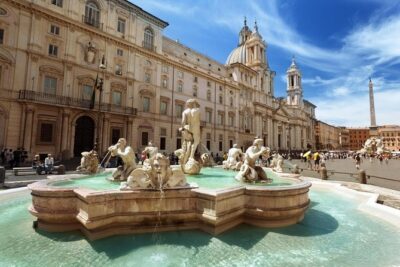
3 in 1 Cooking Class near Navona: Fettuccine, Ravioli & Tiramisu
Read our review →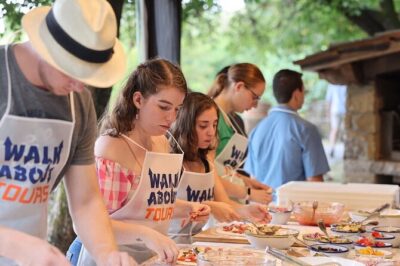
Florence Pizza or Pasta Class with Gelato Making at a Tuscan Farm
Read our review →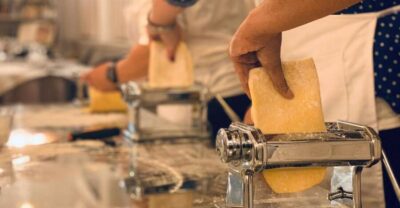
Pasta & Tiramisu Cooking Class with Unlimited Wine
Read our review →
Cooking Class and Lunch at a Tuscan Farmhouse with Local Market Tour from Florence
Read our review →
Authentic Pizza Making Class in Naples with Appetizers and Drink
Read our review →
Pasta Making Class with Wine, Limoncello, and Dessert
Read our review →Browse the lists this tour appears in