
Reviewed · POMPEII & VESUVIUS TOURS
Pompeii: Skip-the-Line Tickets and Tour with Archaeologist
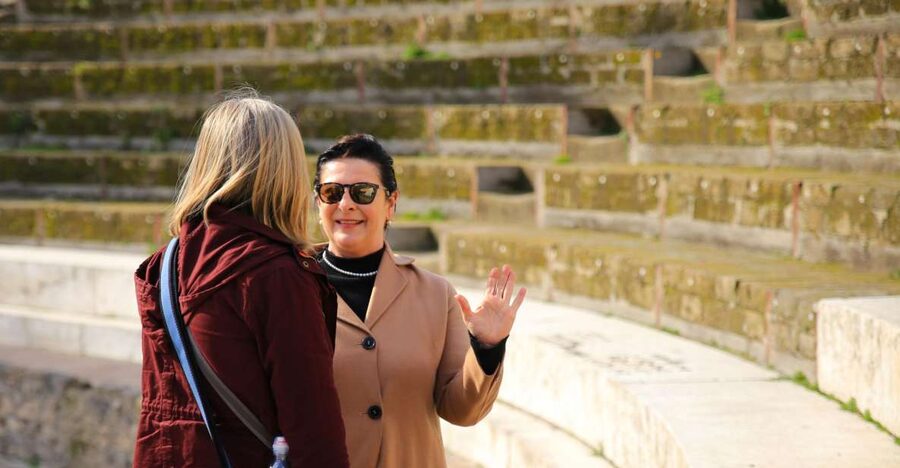
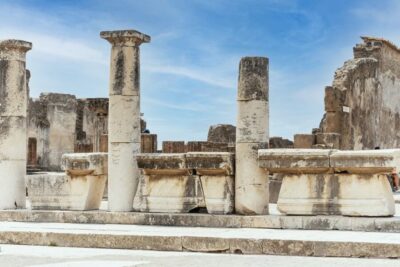
Pompeii is far more than a field of broken columns. You walk on original volcanic paving, pass old bakeries and bathhouses, and enter spaces where Roman families ate, worked, worshiped, and argued. With an archaeologist such as Lello, Italo, or Raffaele leading the way, the ruins become easier to read. I especially like the separate skip-the-line entrance and the way the guides explain ordinary life, not just emperors and battles.
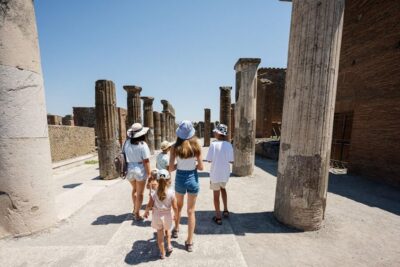
I also like the small-group format, which makes it easier to hear, ask questions, and keep moving through busy areas. Guides such as Lello have been especially good with children, using humor and questions to keep families involved. The main drawback is time: two hours gives you a strong introduction, but Pompeii is huge, and you will likely want to stay afterward to see more.
Key points to know before booking
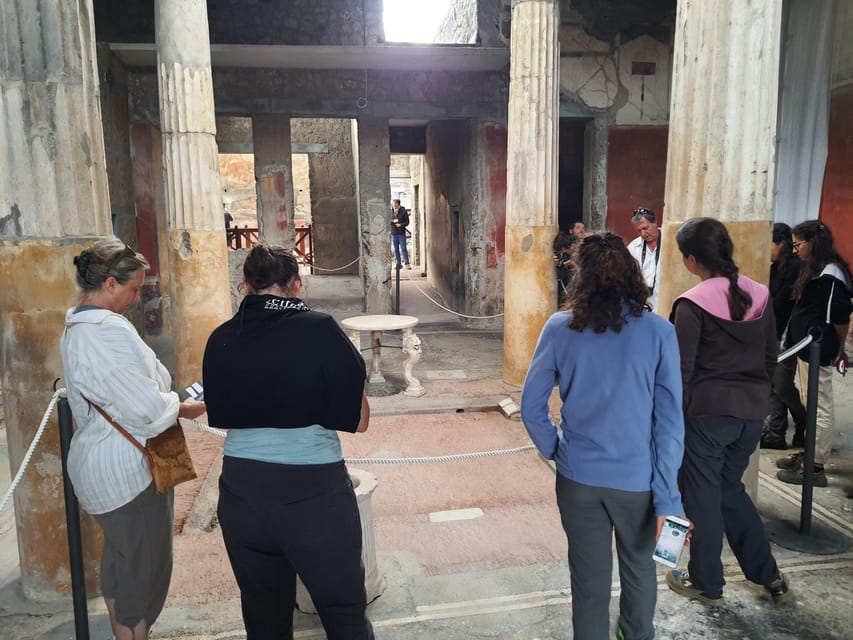
- Meet near Porta Marina Inferiore: Your guide waits at the entrance of Coffee Shop Vittoria, close to one of Pompeii’s main access points.
- An archaeologist leads the tour: The commentary focuses on how the city worked and how archaeologists interpret what remains.
- You see the essential core: Expect original streets, the Forum, villas, bathhouses, bakeries, the market area, and other major points.
- Two hours goes quickly: The route covers a useful section of the city, but it cannot show you every neighborhood.
- Families are well served: Guides use stories, humor, and questions to keep younger visitors involved.
- Pack lightly and dress for the sun: Comfortable shoes, a hat, and sunscreen matter on Pompeii’s uneven open-air paths.
Why an archaeologist changes Pompeii
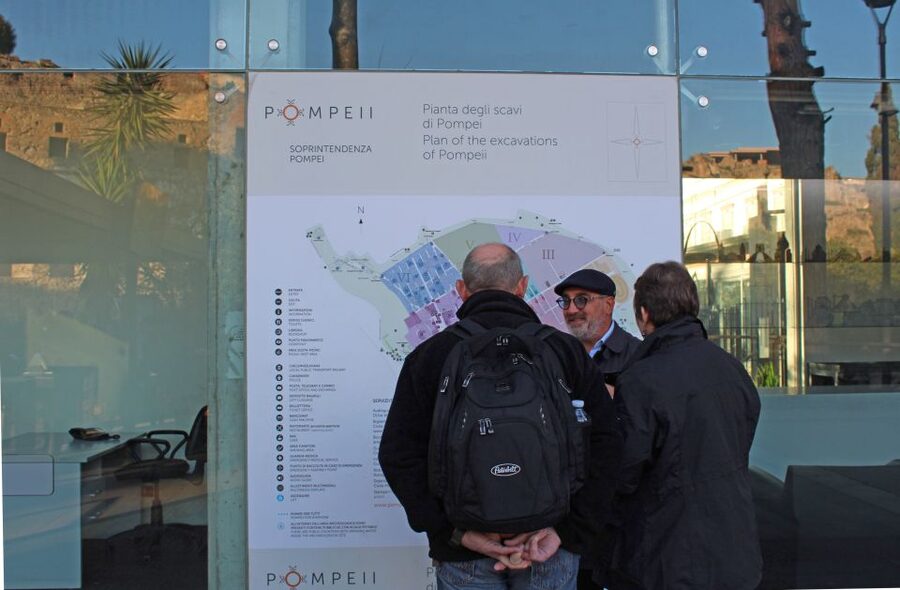
You can walk into Pompeii alone and still be impressed. The scale is striking, and the preserved streets give the place an unusual sense of reality. But without context, a wall can remain just a wall. A guide helps you understand what you are seeing and why it matters.
The best part of this tour is its focus on daily Roman life. You hear about the routines of people who lived in this Greek-Roman city, from food and work to bathing, politics, entertainment, and social status. The guide may ask you to picture gladiators training in the gymnasium, diners reclining on a marble triclinium, or bread baking in an oven nearby.
That style of explanation gives you a way to interpret the rest of Pompeii after the tour ends. It is not only a procession from one famous ruin to the next. You learn to notice how streets, buildings, shops, gathering places, and homes fit together.
Several guides have received especially warm praise for this approach. Lello, also referred to as Lelo or Lello in booking details, is often described as funny, energetic, and good at drawing children and adults into the story. Italo is praised for explaining more than the surface facts and for showing visitors how to make sense of Pompeii on their own. Raffaele is described as an archaeologist who gives detailed explanations, while guides including Anna, Leonardo, Maria, Nello, and Rosanna have also been praised for warmth and strong presentation.
The exact guide can vary, so you should not book expecting one particular person unless the reservation confirms it. Still, the consistent strength of this experience is the use of an archaeology-based guide rather than a basic escort who only points out names and dates.
More Skip-the-Line Tickets in Pompeii
- Pompeii: Skip-the-Line Entrance Ticket with Audio Guide
★ 4.0 · 2,509 reviews - Pompeii: Skip-the-line-Ticket and Guided Tour
★ 4.6 · 1,152 reviews - Pompeii: Guided Tour with Skip-the-Line Entry
★ 4.9 · 812 reviews
Meeting at Coffee Shop Vittoria
The meeting point is the entrance of Coffee Shop Vittoria, close to the Porta Marina Inferiore entrance to Pompeii. This detail matters because the archaeological area has several access points, and arriving at the wrong gate can waste precious time.
Give yourself enough time to find the café and identify the guide before the start. Your admission ticket is included, and the guide takes the group toward the site using a separate entrance for quicker access. The skip-the-line benefit is most useful when Pompeii is busy, since standing in an entry queue under the sun is a poor use of your visit.
You will need to provide each participant’s first and last name as shown on identification documents. Bring a passport or ID card for children, as requested in the booking information.
The tour is offered in English. Since Pompeii is spread across a large archaeological area, the guide may use a headset or similar audio system so the group can hear while walking. One past visitor specifically noted that this made it easier to listen without standing directly beside the guide.
Walking Pompeii’s original streets
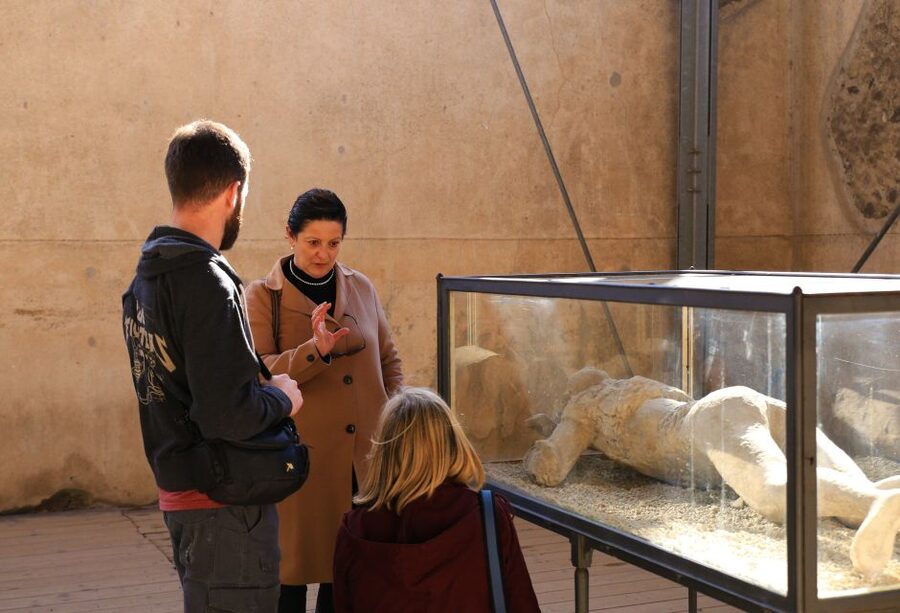
The tour begins with the basic structure of the ancient city. You walk along volcanic stone streets, the same broad routes used by residents nearly 2,000 years ago. Underfoot, the paving is uneven, so comfortable shoes are not a minor suggestion. They are one of the most useful things you can bring.
The streets help explain Pompeii as a functioning town rather than a collection of ruins. Your guide introduces the rhythm of Roman life and points out how people moved between homes, shops, public buildings, and gathering places.
This is also where a guide’s storytelling can make a large difference. The preserved road surfaces, doorways, walls, and building remains offer clues, but the guide connects them into a picture of work, shopping, family life, and public affairs. You may begin to see Pompeii as a place where people bought bread in the morning, met friends in public spaces, visited the baths, and attended political gatherings.
The walking is not difficult in the sense of a mountain hike, but it can be tiring. Much of the area is exposed, and the pavement is rough. In warm weather, wear a sun hat, use sunscreen, and carry water. Drinks and lunch are not included.
The Forum and the public side of Roman life
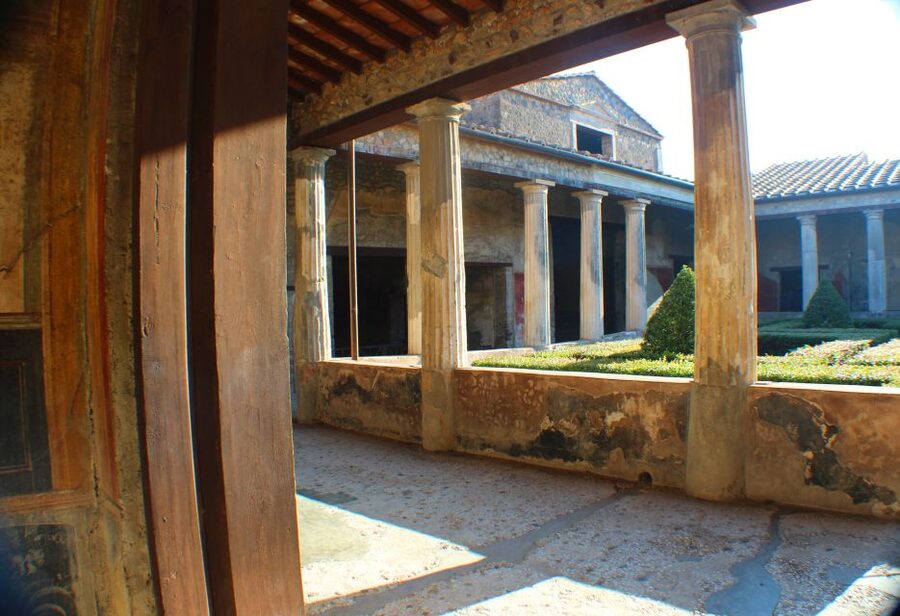
The Forum is one of the major stops and one of the most useful places for understanding Pompeii’s public life. This was where people gathered, conducted business, and watched political activity. Your guide explains how the space functioned and helps you imagine the crowds that once moved through it.
The Forum can feel grand and open, but its importance is not only visual. It shows how public life shaped the city. The guide’s job is to connect the architecture with the people who used it, including politicians, merchants, worshipers, and residents passing through on ordinary errands.
This stop also gives you a sense of scale. Pompeii is large enough that you will not see everything during a short guided route. The Forum, along with a selection of homes, commercial spaces, and public buildings, gives you a useful framework for exploring further on your own.
A good guide will also point out what to see after the formal tour. Italo and Lello, in particular, have directed visitors toward additional areas once the two-hour route ended. That is valuable because Pompeii can be confusing on a first visit, and a few clear suggestions help you use your remaining time well.
A few other Pompeii mornings to weigh against this
- Pompeii: Entry Ticket and Guided Tour with an Archaeologist
★ 4.8 · 19,459 reviews - Pompeii: Entry Ticket with Optional Audio Guide
★ 4.2 · 12,360 reviews - Pompeii: Small Group Tour with an Archaeologist
★ 4.8 · 12,264 reviews - Pompeii Small Group Tour with an Archaeologist
★ 5.0 · 6,593 reviews
Villas, tricliniums, baths, and bakeries
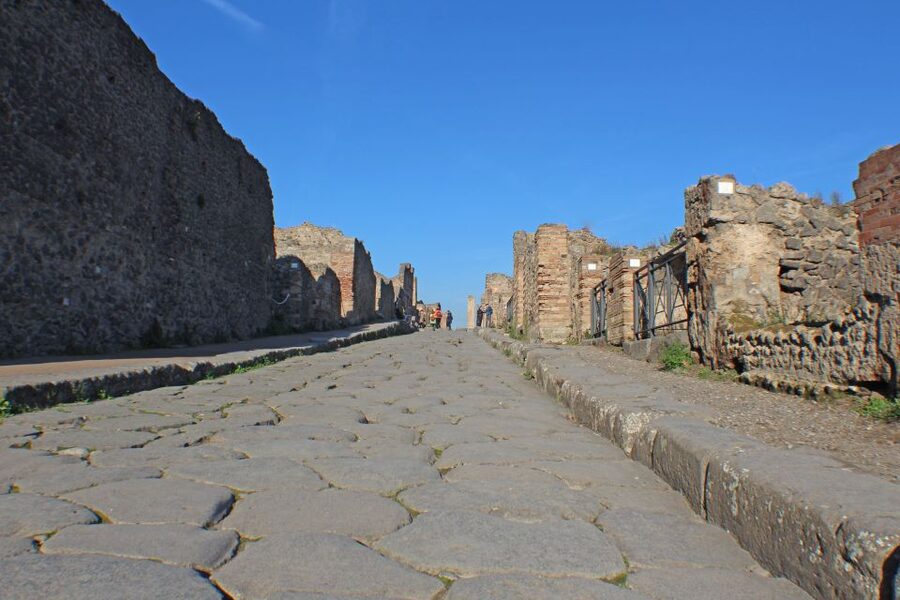
The residential and commercial stops are where Pompeii becomes most human. You may see villas, bathhouses, bakeries, and rooms connected with dining and social life. These places reveal more about habits and status than a list of rulers ever could.
The triclinium, a dining room with couches or reclining arrangements, helps explain how a Roman feast worked. The guide may ask you to picture diners reclining around a marble setting while food was served. It is an effective reminder that Roman meals were social events shaped by custom and rank.
The bakeries are equally memorable for a different reason. Ovens and work areas show that food production happened within the city, close to the streets and homes. The image of fresh bread rising from the ovens is simple, but it helps you connect the preserved structures with an everyday task.
Bathhouses offer another window into routine. They were not simply places to wash. They were part of public social life, and their remains can help you understand the engineering and organization of Roman towns.
The tour does not promise every villa, bath, or shop in Pompeii. Instead, it selects a portion of the city and explains it carefully. That trade-off is sensible for a two-hour visit. You see fewer buildings than you might on a full-day exploration, but you are less likely to pass important details without understanding them.
The gymnasium, market, and stories of Pompeii’s people
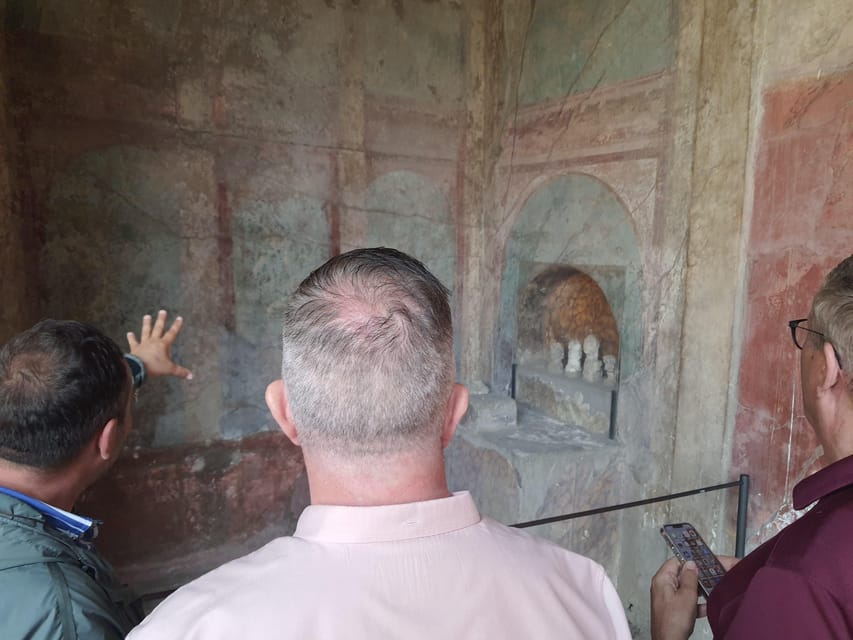
The route also includes areas tied to exercise, commerce, and public activity. At the gymnasium, the guide discusses gladiators and training. At the market area, you learn how people shopped and gathered. These stops broaden the picture beyond wealthy homes.
The strongest guides add anecdotes and humor without treating the subject lightly. That balance matters at Pompeii. The site includes evidence of a city destroyed by volcanic ash, and some areas call for quiet respect. One guide was specifically appreciated for treating a room associated with a slave girl with care and dignity while also explaining the cost and difficulty of excavation and restoration.
You should expect the guide to discuss both the beauty and the harsh reality of Pompeii. The ruins show impressive design, technology, and organization, but they also preserve signs of a sudden disaster. A thoughtful tour lets you hold both parts of the story at once.
The commentary is interactive rather than a long speech delivered at each stop. Guides ask questions, invite participation, and adjust the pace to the group. That works well for families. Children aged 11, 14, and 16 were described as staying engaged during one tour, while another guide kept a younger group laughing and involved throughout.
What two hours can and cannot cover
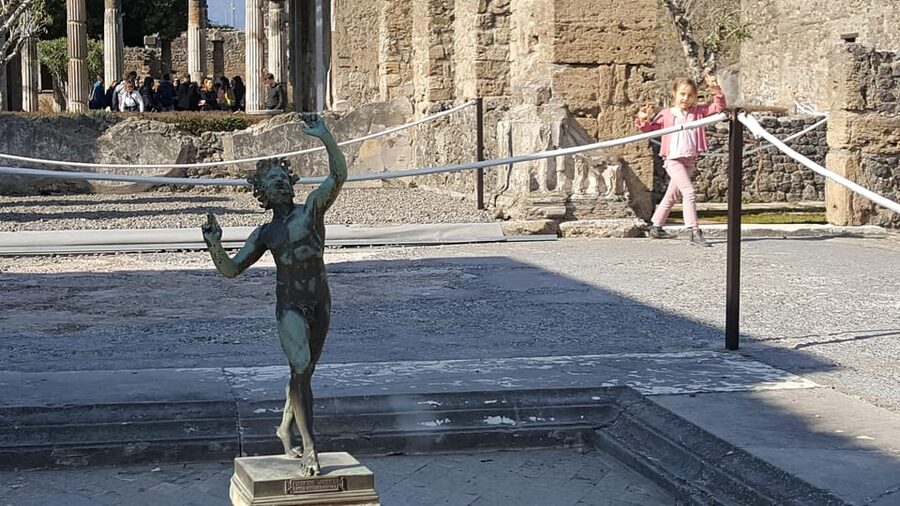
Two hours is a reasonable length for a first guided look, especially if you are visiting Pompeii as part of a larger Campania itinerary. It gives you an organized route, historical context, and enough time for questions and photographs without turning the day into a full archaeological marathon.
Still, do not mistake the tour for a complete visit. Pompeii is vast, and the route covers only a portion of it. Several people wished they had booked more time or had a longer guided option. Others found the two-hour introduction just right, then continued alone afterward.
I would plan to remain at the site after the tour if your schedule allows. The guide can help you understand the rest of the city, and you will have a better idea of what deserves your attention. If you have only a narrow window before a train or another appointment, the guided portion still gives you a solid introduction, but avoid adding a tight connection immediately afterward.
Some tours have lasted around two and a half hours in practice, but the stated duration is two hours. Plan around the official time, not the longer examples.
Small groups, headsets, and crowd control
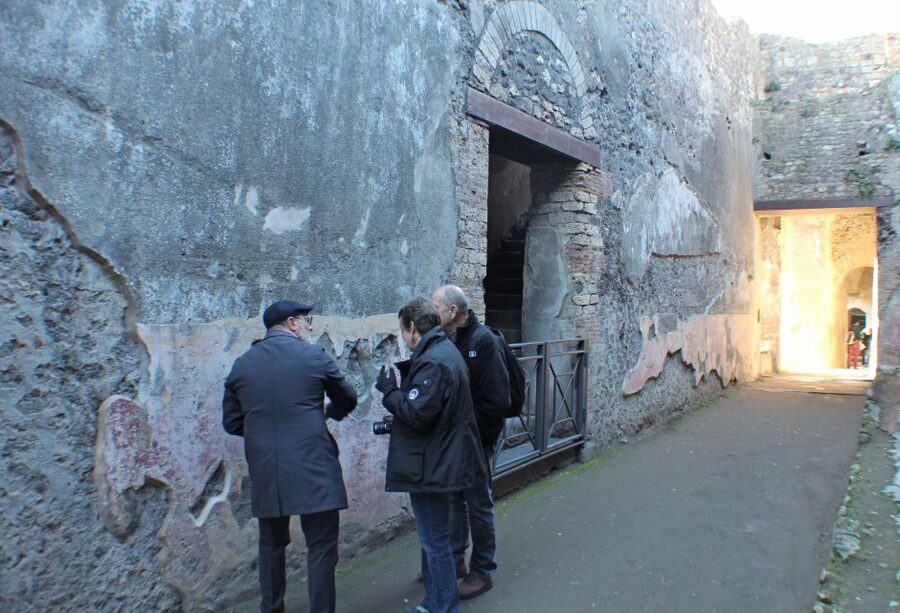
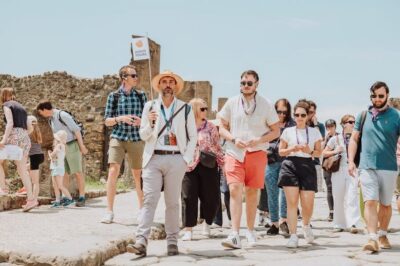
The small-group setup is one of the practical strengths here. A compact group is easier to move through narrow or busy sections, and the guide can respond to individual questions. It also feels more personal than a large crowd following a flag.
Group size is not specified as a fixed number, but past groups have been described as small, including one of roughly 15 people. A smaller group does not eliminate crowds at Pompeii, but it can make them easier to manage.
Several guides are praised for choosing a sensible pace and steering the group away from the worst congestion. One guide was noted for politely dealing with people who tried to cut into a queue. That sort of practical awareness can save time and reduce frustration, especially during busy periods.
If audio equipment is supplied, use it. Pompeii is open and spread out, and trying to stay shoulder-to-shoulder with the guide can make walking awkward. The ability to hear while leaving a little space around you makes the tour more comfortable.
The $105 price and what you receive
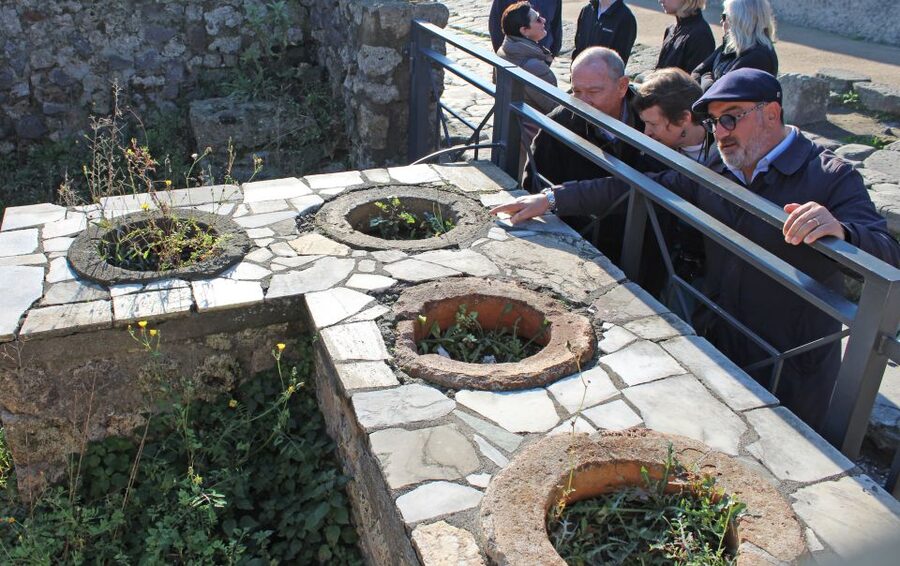
At $105 per person, this is not a bargain entry ticket. The price includes admission, a professional English-speaking guide, and the guided visit. It does not include lunch, drinks, hotel pickup, or hotel drop-off.
The value depends on how you use Pompeii. If you want only to enter, walk around, and read signs, a guided experience may feel expensive. If you want to understand the city and avoid spending the first part of your visit in an entry queue, the price is easier to justify.
I think the strongest value comes from the guide’s interpretation. Pompeii’s size can overwhelm you, and the key buildings do not always explain themselves. A good archaeologist helps you recognize what you are seeing, then leaves you better prepared to explore independently.
The tour is particularly worthwhile if this is your first visit, if you have children, or if ancient Roman life interests you. It may be less suitable for someone who wants a slow, solitary day photographing every street or reading every sign. In that case, use the tour as an introduction and stay longer afterward, or consider exploring without a guide.
Free cancellation up to 24 hours before the start and the option to reserve now and pay later add useful flexibility. These terms do not make the tour cheaper, but they reduce the risk when your Campania schedule is still changing.
What to bring and what to leave behind
Wear sturdy, comfortable shoes. The original stone paving is part of the appeal, but it is not smooth modern pavement.
A sun hat and sunscreen are important because the archaeological site is largely open to the elements. Bring water, since drinks are not included, and consider a small personal bag that meets the site’s rules.
Do not bring baby strollers, luggage, large bags, or umbrellas. This is especially important if you are arriving by train with suitcases. Arrange storage or leave large items elsewhere before meeting the guide, since they are not suitable for the visit.
Families should bring identification documents for children and make sure all names on the booking match the IDs. That small bit of preparation can prevent trouble at entry.
Who should book this Pompeii tour
I would choose this tour if you want Pompeii to make sense, not just look impressive. It is a strong fit for first-time visitors, families, history fans, and anyone traveling on a schedule who wants the main story in two hours.
It also suits repeat visitors who want a different angle. One person who had already visited Pompeii found the archaeologist-led route much more focused and useful than walking alone. The guide’s explanations can reveal details you missed on an earlier visit.
I would think twice if you dislike group touring, need complete freedom to set your own pace, or plan to spend the entire day in one quiet corner. The route is selected for you, and the short format means you will move steadily.
Should you book it?
Book it if the $105 price fits your budget and you want context, quick entry, and a human guide who can explain Roman life with humor and care. The strongest part is not simply seeing the Forum or walking on old streets. It is learning how to read the city.
Allow extra time after the tour if possible. Two hours gives you a clear start, but Pompeii deserves more than a quick look. For many visitors, this combination works best: let an archaeologist explain the core, then wander farther on your own with a better sense of what you are seeing.
FAQ
How long is the Pompeii guided tour?
The stated duration is two hours. Some past tours have lasted around two and a half hours, but you should plan according to the official two-hour schedule.
Where do I meet the guide?
Meet the guide at the entrance of Coffee Shop Vittoria, close to the Porta Marina Inferiore entrance to Pompeii.
Is admission to Pompeii included?
Yes. The admission ticket to the archaeological site is included in the price.
Is the tour offered in English?
Yes. The listed live tour language is English.
Does the tour skip the entry line?
Yes. The tour uses a separate entrance for skip-the-line access.
Are meals and drinks included?
No. Lunch and drinks are not included, so bring water and plan separately for food.
Can I bring luggage or a stroller?
No. Baby strollers, luggage, and large bags are not allowed for this activity. Umbrellas are also listed as not allowed.
What should I bring to Pompeii?
Bring comfortable shoes, a sun hat, sunscreen, and identification for children. You should also provide all participant names exactly as they appear on their identification documents.
Fresh on the Pompeii list
- Stories of Pompeii: Small Group tour with archeology expert guide★ 5.0 · 191 reviews
- Mount Vesuvius: Vineyard Tour with Wine Tasting and Lunch★ 4.8 · 193 reviews
- Pompeii: Skip-the-Line Guided Tour with Expert Archaeologist★ 4.8 · 196 reviews
- Pompeii: 2 Hour Private Tour with an Archeologist Guide★ 5.0 · 214 reviews
- Pompeii: Skip-the-Line Entry & Audioguide★ 3.8 · 225 reviews
- Herculaneum: Tickets & Tour with a Local Archaeologist★ 4.8 · 226 reviews
- Pompeii and Mount Vesuvius Small Group Tour★ 4.5 · 233 reviews
- From Naples/Salerno: Pompeii, Sorrento, and Positano Tour★ 4.5 · 250 reviews
Pompeii & Vesuvius Tours, compared.
Entry Ticket and Guided Tour with an Archaeologist
Read our review →


Pompeii Small Group Tour with an Archaeologist
Read our review →
Pompeii, Amalfi Coast and Positano Day Trip from Rome
Read our review →Browse the lists this tour appears in