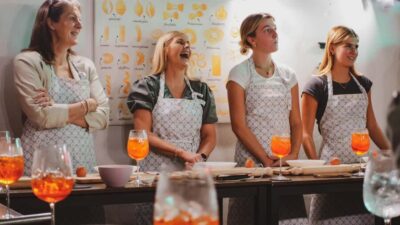
Reviewed · PASTA
Rome: Pasta & Tiramisu Class with Fine Wine by the Vatican
The best part of this Rome class is that you do not just eat Italian food, you make the pasta and tiramisu yourself, then sit down with the group to enjoy the results. It takes place in a restaurant near the Vatican, so it fits neatly into a day of sightseeing.
I like the small-group format, which gives the chef time to help beginners. I also like the generous drinks package: fine wine, Prosecco, water, and soft drinks are included. The main consideration is that this is a friendly, basic cooking lesson, not an advanced course for experienced cooks. Traditional recipes focus on gluten, dairy, and eggs, so dietary needs require planning.
Key points to know before booking

- You make two Italian staples: fresh handmade pasta and traditional tiramisu.
- The class runs near the Vatican: a handy choice before or after Vatican City sightseeing.
- Several named instructors lead sessions: Cid, Carlos, Irene, and Patrik are praised for clear English and lively teaching.
- Wine and Prosecco keep flowing: soft drinks and water are also included.
- You eat what you prepare: the lesson ends with a sit-down meal at the restaurant.
- The $41 price is strong value: especially if you make use of the meal and drinks.
A pasta class that feels social, not fussy
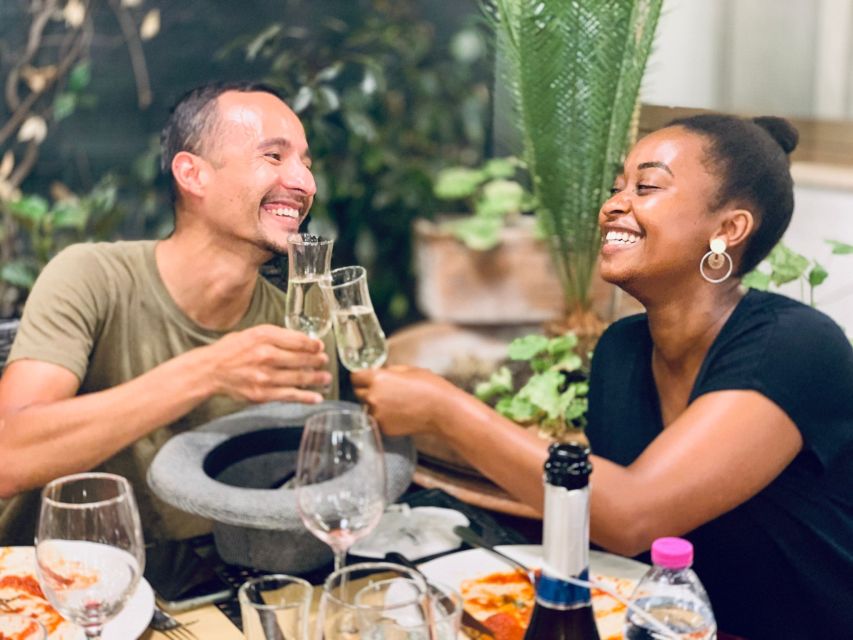
This is the sort of cooking class that works best when you want a good evening out, not a formal culinary education. You arrive at a locally loved restaurant near the Vatican, meet the English-speaking chef, and settle into a small group at the work area.
The tone is relaxed. Chef Carlos is described as lively and engaging, while Irene is praised for helping everyone keep pace. Cid is noted for being friendly and good value, and Patrik combines humor with practical cooking advice. Your instructor depends on the session, but the format remains much the same: learn, laugh, prepare food, and eat together.
That social side matters. Pasta making gives people a natural reason to talk, and the shared meal removes the awkwardness that can come with a group activity. The class has also worked well for families with children aged five and eight, though the stated restrictions exclude very young children.
You should expect a hands-on lesson rather than a lecture. You will work with the ingredients, follow the chef’s instructions, and pick up useful tips along the way. If you already cook Italian food often, the techniques may feel familiar. If you are new to fresh pasta, the pleasure is in learning the basic method and seeing your work become dinner.
A few other Rome mornings to weigh against this
- Rome: Pasta Making Class with Wine, Limoncello, and Dessert
★ 4.9 · 3,177 reviews - Rome: Fettuccine Pasta Cooking Class in Rome’s City Center
★ 4.8 · 2,414 reviews - Rome: Traditional Pasta with Cocktails Cooking Class
★ 5.0 · 2,374 reviews
Making fresh pasta from scratch
The pasta portion is the main event. You learn how to make handmade pasta from scratch, with the chef guiding you through the process in a group setting.
The supplied details do not specify the exact pasta shape or sauce, so do not book this expecting a particular regional recipe. What you can count on is a practical lesson centered on fresh pasta and a meal built around what you prepare.
For a first-time cook, this is useful because fresh pasta can seem harder than it is. The class gives you a chance to handle the dough and see the stages in order. You can also ask questions while the chef is nearby, rather than trying to decode a recipe alone at home.
The quality of the ingredients is part of the appeal. Good ingredients make a simple pasta dish taste better, and they help you understand why Italian cooking often relies on a short list of well-chosen components. The class also gives you recipes to take home, so the value does not end when you leave the restaurant.
The lesson is not aimed at professional cooks. One person described it as a basic class that would not suit experienced cooks looking for a technical challenge, but a lot of fun for families and beginners. That is a fair way to view it. Come for confidence, company, and a taste of the process, not for restaurant-level training.
Preparing tiramisu the traditional way
Tiramisu provides a pleasant change of pace from the pasta work. You create your own dessert from scratch, following a traditional recipe and learning tips from the instructor.
The activity information warns that the standard instructions use gluten, dairy, and eggs. Substitutes can be offered for allergies or food preferences, but the teaching remains focused on the traditional preparation. If you have a serious allergy or strict dietary requirement, tell the provider when booking and confirm that the available substitute works for you.
The dessert is also a smart part of the class from a pacing point of view. Pasta requires hands-on preparation, while tiramisu lets you slow down and enjoy the group atmosphere. By the time the meal arrives, you have made both a main dish and dessert.
Do not expect a pastry-school lesson. The tiramisu is presented as a classic Italian recipe you can repeat at home. That makes the recipe handout worthwhile. You can recreate the dish after your trip and remember the class through something you actually learned to prepare.
Sitting down to eat your own work

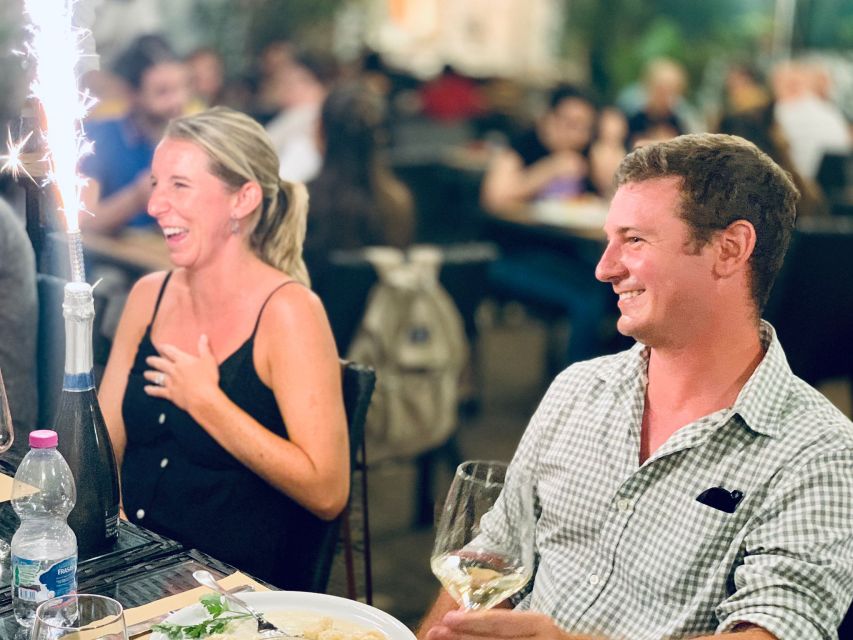
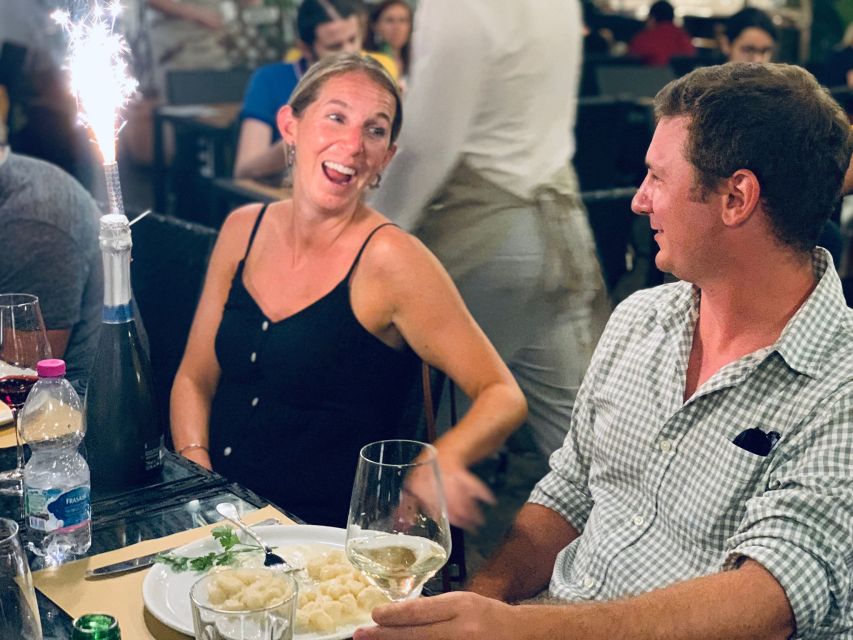
After the cooking, you sit down in the restaurant and eat the meal you have made. This is more satisfying than simply receiving a plate at the end of a demonstration, because you have seen the ingredients and taken part in the preparation.
The meal also gives the class a proper finish. You are not rushed straight out after the final instruction. Instead, you have time to eat with the group and continue the conversation.
The restaurant setting is important here. You get the comfort of a working food venue rather than a temporary classroom, and the meal feels connected to Rome’s everyday dining culture. The class is located in a foodie area near the Vatican, which makes it easy to pair with sightseeing. Check the exact meeting point for your selected option, since it can vary.
The food itself depends on the recipe taught that day. The available details do not promise a particular menu beyond fresh pasta and tiramisu, so keep your expectations focused on those two dishes. The real attraction is the process, followed by a meal you helped create.
Same city, an entirely different afternoon:
- Vatican Museums & Sistine Chapel Tour with Optional Basilica
★ 4.3 · 67,413 reviews - Colosseum, Roman Forum & Palatine Guided Tour
★ 4.7 · 63,148 reviews - Vatican Museums, Sistine Chapel & St Peter’s Basilica Guided Tour
★ 4.5 · 39,149 reviews - Rome: Colosseum, Palatine Hill and Roman Forum Guided Tour
★ 4.8 · 32,814 reviews
Wine, Prosecco, and the real value of the price
At $41 per person, this is priced below many cooking classes in major European cities. The cost includes the lesson, the ingredients, the sit-down meal, free-flowing fine wine and Prosecco, plus unlimited soft drinks and water.
That package makes the price especially appealing if you plan to enjoy the drinks. It is not simply a short demonstration with one tasting portion. You receive instruction, food, dessert, and a social evening in one booking.
The wine also shapes the mood. It makes the class feel more like a shared Italian meal than a school exercise, though you can choose soft drinks or water instead. If you are traveling with children or do not drink alcohol, the nonalcoholic options mean you still have something included.
I would compare the price with the cost of a normal restaurant meal near the Vatican. A meal alone may be cheaper or more expensive depending on what you order, but this class adds instruction, entertainment, and recipes to take home. For a visitor who wants one memorable food activity, the combination is persuasive.
The main limit is that the value depends on what you want. If you only want to eat pasta, booking a restaurant is simpler. If you want an advanced lesson with detailed technique, look for a specialist culinary school. For beginners who want food, drinks, and an easy social setting, $41 is a good deal.
How long the 2.5 to 3.5-hour schedule works
The class lasts about two and a half to three and a half hours. The exact duration can vary, so leave room around it when planning Vatican City visits or other timed tickets.
That length is enough to avoid a rushed lesson. You have time to prepare the pasta, make tiramisu, sit down for the meal, and enjoy the drinks. It also makes the activity more than a quick tourist stop. You are giving a meaningful part of the day to food and conversation.
I would avoid placing it immediately before a must-not-miss attraction unless you have plenty of spare time. Meeting points may vary by booking option, and the class can run toward the longer end of the stated range. Build in a cushion rather than trying to cross Rome on a tight schedule.
The Vatican location makes the class convenient, but it does not mean the cooking venue is inside Vatican City. Treat it as a nearby neighborhood activity and check your confirmation for the precise meeting location.
Who will enjoy this class most
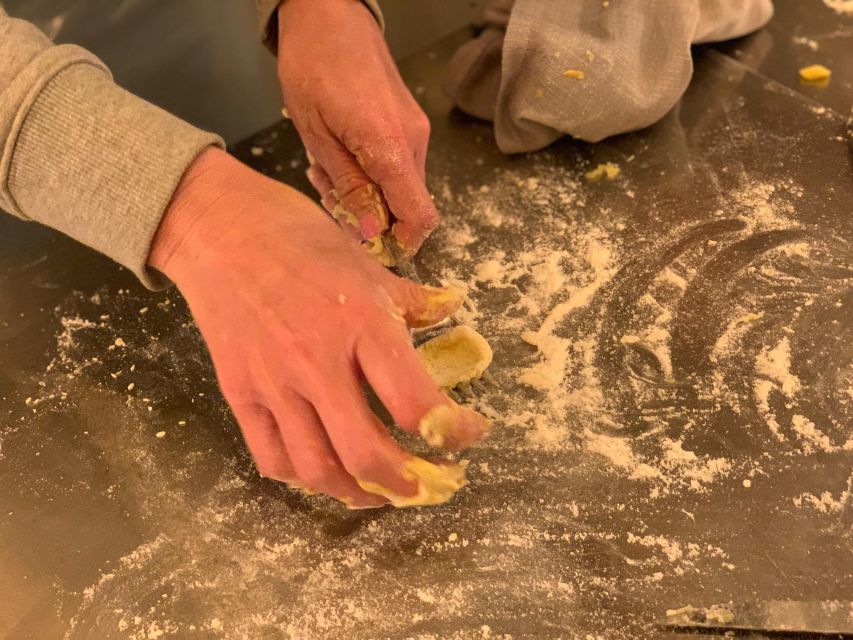
This is a strong choice for first-time pasta makers, couples, families with older children, and friends who want a light activity after sightseeing. The class encourages conversation, and the instructors are described as friendly, funny, and attentive to people who are new to cooking.
It also suits solo visitors who want a group setting. Cooking gives you an easy way to meet people without needing to force conversation. The shared meal at the end adds to that feeling.
Families should note the age limits carefully. The information includes restrictions for children under two and under three, as well as babies under one. The wording is inconsistent, so if you are traveling with a very young child, confirm the minimum age before paying. Children aged five and eight have enjoyed the class, but very young children are not a good fit.
The class is less suitable for vegans, people with gluten intolerance, and people with lactose intolerance, since the traditional recipes center on gluten, dairy, and eggs. Substitutes may be available for some needs, but the lesson itself will still explain the standard recipe. Contact the provider before booking if food restrictions are central to your decision.
What the instructors add to the evening
The chef can make or break a hands-on class. Here, the teaching style appears to be one of the main reasons the activity works.
Chef Carlos is known for a bubbly manner and for making sure nobody feels left behind. Irene is praised for being welcoming, helpful, and humorous from start to finish. Cid brings a friendly approach, while Patrik mixes jokes with useful cooking advice. These details point to a class that values participation over perfection.
That matters if your dough behaves badly or you are slower than the rest of the group. A patient instructor can turn a mistake into part of the fun. You should still expect to follow directions and take part, but you do not need to arrive with cooking skills.
The assistant also helps during the session. That extra support is useful in a small-group class because the chef cannot stand beside every person at once. The provided information does not give a fixed instructor roster, so you cannot request a particular chef unless the provider confirms it.
Booking details that affect your plans
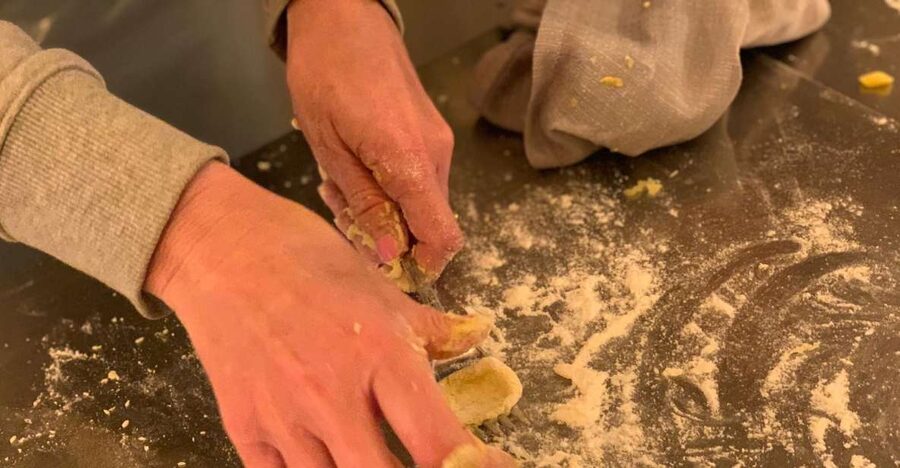
The class is offered in English, and private groups are available. A private option may suit a family or group of friends that wants a more personal setting, though the price and exact arrangements depend on the option selected.
Dietary requirements should be shared when you book. The provider says vegetarian, vegan, lactose-free, and other diets can be supported in some form, but the separate restrictions say vegans and people with gluten or lactose intolerance are not suitable. That conflict is worth taking seriously. Ask for confirmation before booking rather than relying on a general dietary note.
You can cancel up to 24 hours before the activity for a full refund. The reserve-now, pay-later option keeps your plans flexible and lets you hold a place without paying immediately. Check the available start times, since the schedule changes by date.
The meeting point may vary. Read the booking details carefully and do not assume the venue is at the same location as your Vatican ticket, hotel, or train stop.
Should you book the Rome pasta and tiramisu class?
Book it if you want a friendly, affordable food activity near the Vatican, especially if you are new to cooking and enjoy a glass of wine with your meal. The combination of fresh pasta, homemade tiramisu, included drinks, an English-speaking chef, and recipes to take home gives you plenty for the $41 price.
I would choose it for a family with school-age children, a couple looking for a relaxed evening, or a solo visitor who wants an easy way to meet people. The class is fun first and technical second, which is exactly why it suits beginners.
Skip it if you are seeking advanced culinary training, a highly specific regional menu, or a class built around vegan or gluten-free cooking. Also check the age and dietary rules carefully. For everyone else, this offers a tasty break from monuments and a practical souvenir you can use long after Rome.
FAQ
How long does the pasta and tiramisu class last?
The class lasts between 2.5 and 3.5 hours. Check the available start times and leave extra space in your schedule because the exact duration can vary.
Where does the cooking class take place?
It takes place in a locally loved restaurant in a food-focused neighborhood near Vatican City. The precise meeting point may vary depending on the option you book.
What food will I make?
You will make handmade pasta from scratch and prepare traditional tiramisu. You then sit down and eat the food you made.
Are drinks included?
Yes. Fine wine and Prosecco are free-flowing, and unlimited soft drinks and water are included.
Is the class taught in English?
Yes. The instructor language is English.
Can I request dietary accommodations?
Vegetarian, vegan, lactose-free, and other dietary options may be supported, but the standard instruction focuses on recipes containing gluten, dairy, and eggs. Tell the provider about your needs when booking and confirm that the available substitute is suitable.
Can I cancel or pay later?
You can cancel up to 24 hours in advance for a full refund. A reserve-now, pay-later option is also available, so you can book without paying immediately.
More Workshops in Rome
- 3 in 1 Cooking Class near Navona: Fettuccine, Ravioli & Tiramisu
★ 5.0 · 7,376 reviews - Rome: 3-in-1 Fettuccine, Ravioli, and Tiramisu Cooking Class
★ 4.9 · 2,704 reviews - Become a Masterchef in Rome: Pasta, Ravioli and Tiramisù Class
★ 5.0 · 2,156 reviews - Rome: Fettuccine and Tiramisu Cooking Class with Wine
★ 4.8 · 2,013 reviews
Fresh on the Rome list
- Exclusive Golf Tour Private VIP with Local & Gelato o Wine★ 5.0 · 500 reviews
- Colosseum, Palatine Hill and Roman Forum with Guided Tour★ 5.0 · 500 reviews
- Rome Trastevere Pasta Making Class with Eating Europe★ 5.0 · 505 reviews
- Rome by Night Walking Tour★ 4.5 · 506 reviews
- Rome: Colosseum Express Tour with Forum & Palatine Access★ 4.5 · 511 reviews
- Rome Food Experience Max 6 People Group Tour | w/Private Option★ 5.0 · 516 reviews
- Rome: Navona Square Underground Ticket with Audio Guide★ 4.0 · 518 reviews
- Rome: Escorted Papal Audience Experience with Entry Ticket★ 4.4 · 518 reviews
Pasta, compared.
Florence Pizza or Pasta Class with Gelato Making at a Tuscan Farm
Read our review →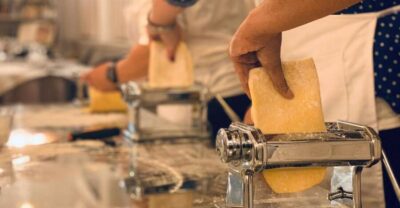
Pasta & Tiramisu Cooking Class with Unlimited Wine
Read our review →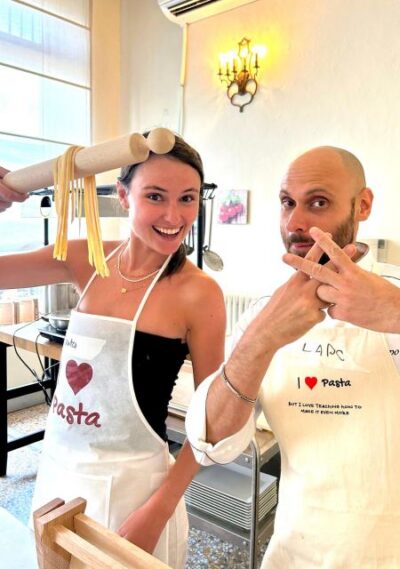
Pasta Making Class with Wine, Limoncello, and Dessert
Read our review →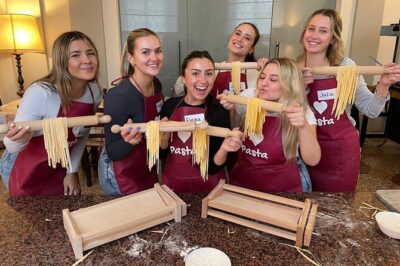
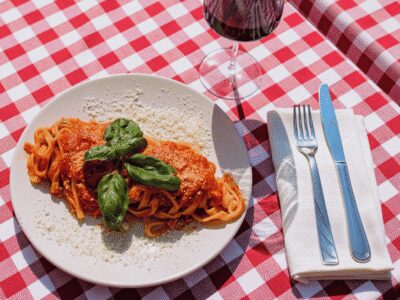
Fettuccine Pasta Cooking Class in Rome’s City Center
Read our review →