
Reviewed · SKIP-THE-LINE TICKETS
Rome: Capuchin Crypts Skip-the-Line Ticket and Tour
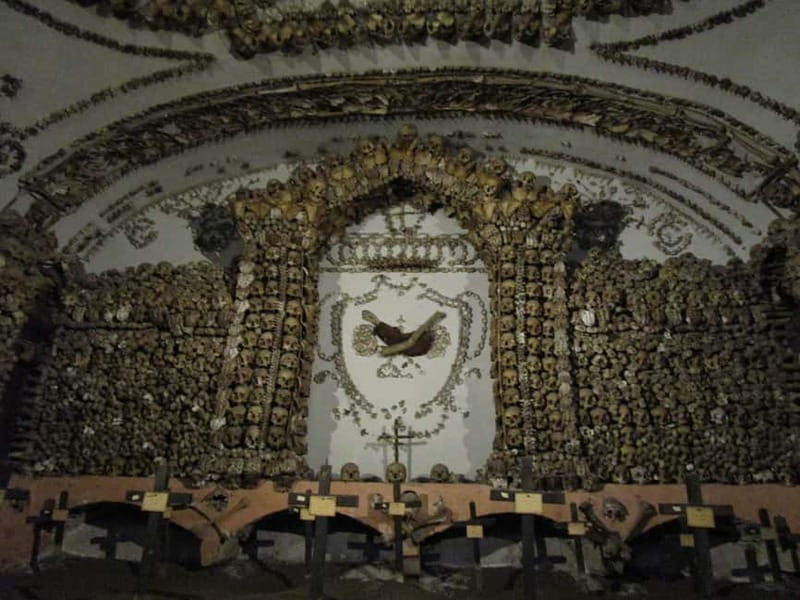
Rome’s Capuchin Crypt is not a conventional museum. Beneath a busy street, about 3,700 human remains form patterns, symbols, and decorations across a series of underground rooms. The effect is eerie, but the purpose is religious rather than theatrical: the crypt reflects the Capuchin view that death is part of life and that worldly status does not last.
I like two things here. The small group, capped at 10 people, gives you a much better chance to hear the guide in the quiet chambers. I also like the short, focused format. In about an hour, you see the museum, the major crypts, and the Mass Chapel without using half a day.
The main consideration is obvious: this is an intense sight. Human bones are the central material, not a minor detail, and some rooms may feel too grim for young children or anyone uneasy around death. You also need to cover your shoulders and knees before entering.
Key points to know before booking
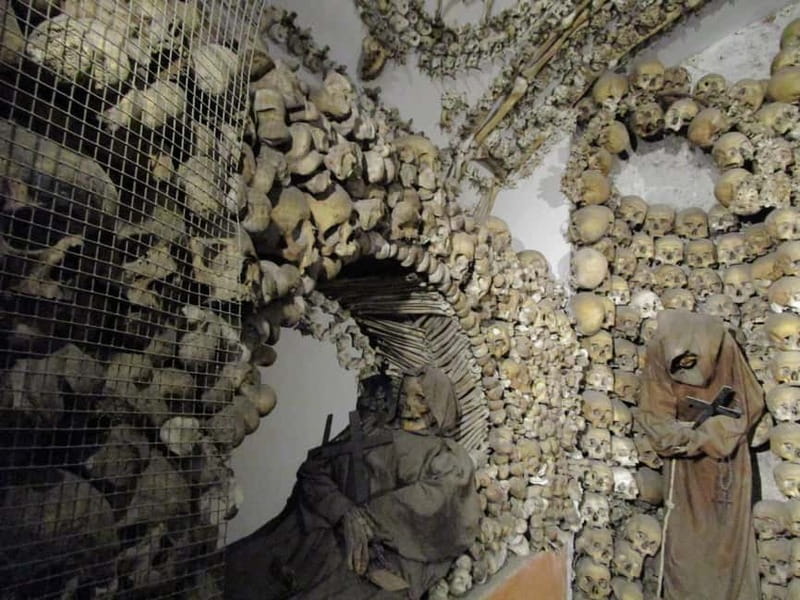
- About 3,700 remains fill the underground rooms: The bones were collected over centuries and arranged into religious designs.
- The Crypt of the Three Skeletons has the only complete skeleton display: It is the clearest look at an intact human body in the crypt.
- The guide adds meaning that labels cannot: Symbols, crosses, the hourglass, and the burial customs make more sense with explanation.
- The group stays small: The maximum group size is 10, with private options also available.
- The visit lasts 50 minutes to one hour: It fits neatly into a Rome sightseeing day.
- Dress for a religious site: Shoulders and knees must be covered, so plan your clothing before you arrive.
Why the Capuchin Crypt is unlike other sights in Rome
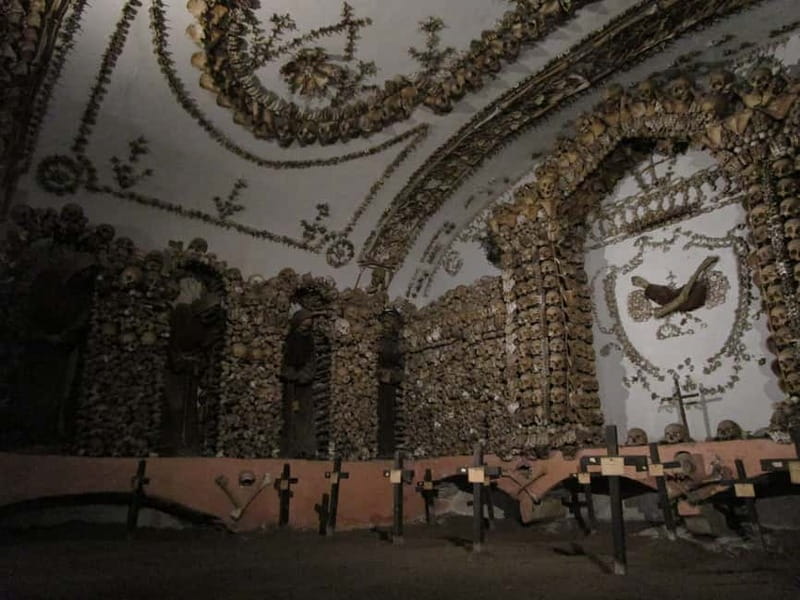
Rome is full of grand churches, marble statues, and ancient ruins. The Capuchin Crypt offers something very different: an underground series of rooms decorated almost entirely with the bones of Capuchin friars.
That contrast is part of the appeal. You are not simply looking at old remains in glass cases. The bones become architecture and ornament. Thigh bones form patterns. Skulls create repeated designs. Pelvises are placed in an arched arrangement. Crosses on the floor mark the resting places of seven Capuchins.
The crypt contains approximately 3,700 individuals whose remains were gathered over the centuries. The display can feel macabre at first, but the guide helps place it in a spiritual setting. The rooms are meant to prompt reflection on mortality, humility, and the temporary nature of earthly life.
I would not book this as a casual stop if you want something light and cheerful. I would book it if you enjoy unusual museums, religious history, or places that raise difficult questions instead of simply providing pretty photographs.
More Skip-the-Line Tickets in Rome
- Vatican Museums & Sistine Chapel Skip-the-Line Entry Ticket
★ 4.4 · 13,838 reviews - Skip-the-Line Group Tour of the Vatican, Sistine Chapel & St. Peter’s Basilica
★ 4.5 · 12,779 reviews - Vatican, Sistine Chapel & St. Peter’s Skip-the-Line Tour
★ 4.5 · 7,770 reviews
Starting at Via Vittorio Veneto 27
The meeting point is in front of Via Vittorio Veneto 27, at street level beside the bronze gate. This is a useful detail because the crypt is underground, and the entrance can be easy to miss if you are only looking for a large museum facade.
Arrive with your shoulders and knees covered. The clothing rule is stated clearly, but it is easy to forget in Rome’s warm weather. A light cover-up can save you from an awkward problem at the door. One guide has even provided a cover for a child’s legs when a family arrived without realizing the requirement, but you should not rely on that.
The experience begins with the guide and the entry ticket. Skip-the-line access matters most when Rome is busy, since you can avoid spending part of this short visit waiting outside. The activity finishes back at the same meeting point, so you do not need to work out a second pickup location.
The Capuchin Museum sets the scene
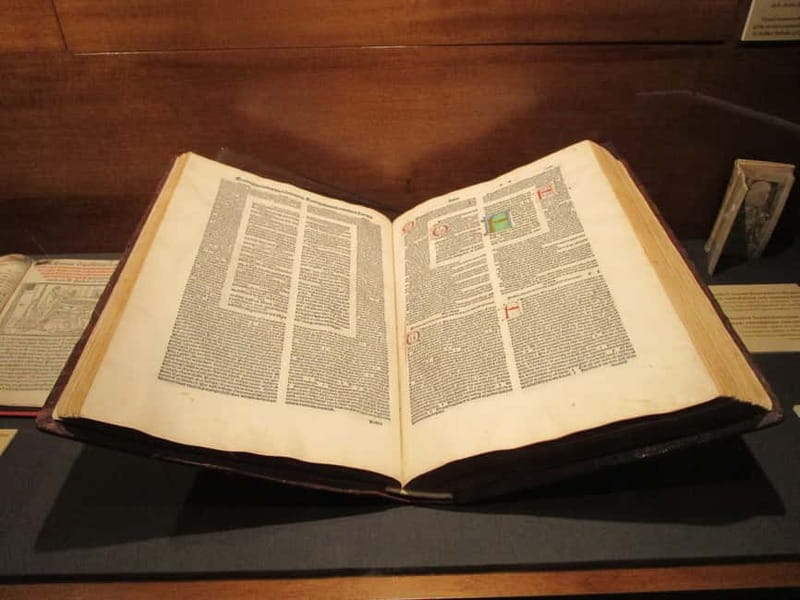
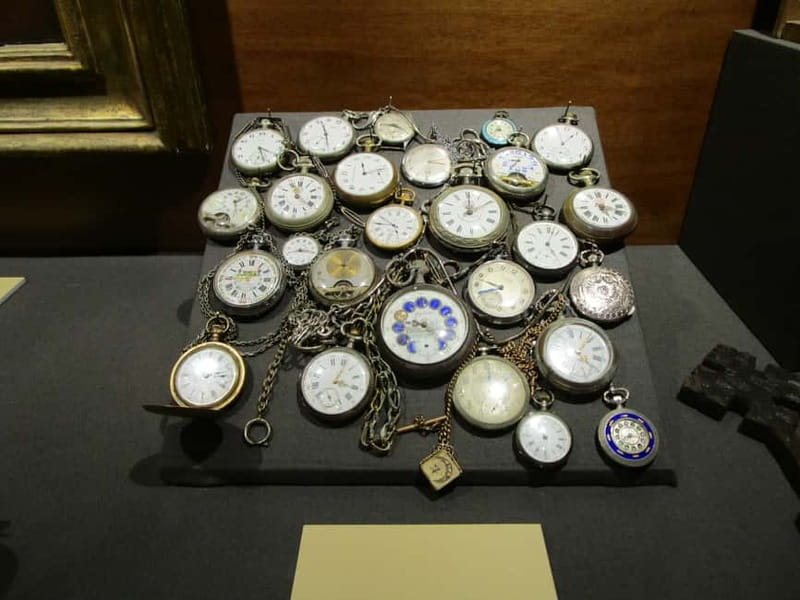
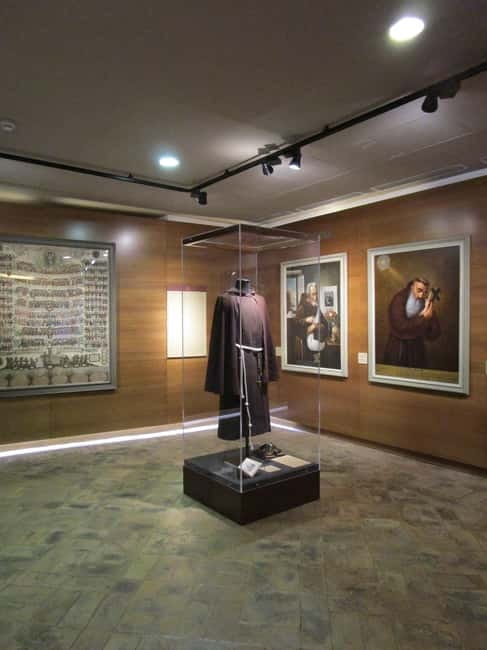
The first part takes place in the Capuchin Museum. This gives you context before you reach the bone-filled chambers, which is important because the crypt can otherwise seem like a shock display.
The museum introduces the Capuchin order and the cultural and spiritual setting behind the rooms below. Your English-speaking guide explains why the bones are here and how the crypt relates to the friars’ burial customs.
The story begins with an older friary near the Trevi Fountain. When the Capuchins moved, the bones of friars buried at the former friary were relocated to the new site. The order followed a rule against burials inside churches, so an underground cemetery was created instead.
That detail changes how you read the crypt. The bones were not collected as decoration from random burial grounds. They belonged to members of the order and were transferred as part of a specific religious practice. The crypt then continued as the final resting place of Capuchin friars.
The museum is also where you get a chance to adjust to the subject. If you are unsure how you will react, take your time here and listen closely to the introduction before going farther underground.
The Crypt of the Three Skeletons
The Crypt of the Three Skeletons is the first major chamber on the route. It is the only area where a complete human skeleton is displayed in its natural state.
That makes this room particularly direct. Elsewhere, bones are arranged into patterns, but here you see the human form more plainly. It gives the rest of the visit a useful point of reference.
The guide’s role is especially valuable in this room. A good explanation keeps the experience from becoming a simple shock reaction and connects the skeleton to the larger message of the crypt. Guides named Luigi and Slobodan have been singled out for a strong mix of humor, warmth, and historical detail, while other guides have been praised for speaking with real feeling about the subject.
You may find the tone lighter than expected. The guides use humor carefully, helping groups handle an uncomfortable topic without making fun of the dead or the religious setting. Still, the subject remains serious, and the balance depends partly on your own comfort level.
Same city, an entirely different afternoon:
- Vatican Museums & Sistine Chapel Tour with Optional Basilica
★ 4.3 · 67,413 reviews - Colosseum, Roman Forum & Palatine Guided Tour
★ 4.7 · 63,148 reviews - Vatican Museums, Sistine Chapel & St Peter’s Basilica Guided Tour
★ 4.5 · 39,149 reviews - Rome: Colosseum, Palatine Hill and Roman Forum Guided Tour
★ 4.8 · 32,814 reviews
Bone patterns in the leg, thigh, and pelvis crypts
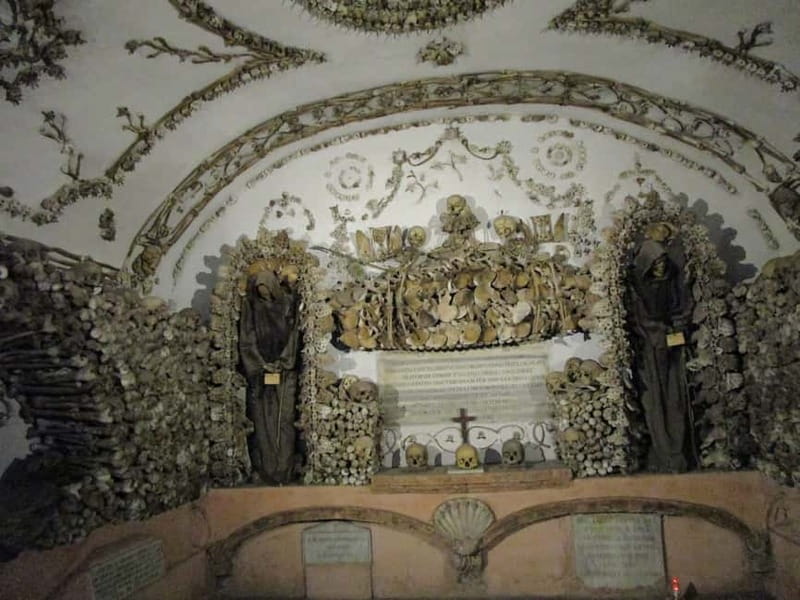
Next come the Crypt of the Leg Bones and Thigh Bones, followed by the Crypt of Pelvises. These rooms show how human remains were arranged to create repeated shapes and balanced designs.
The leg and thigh bones are long and recognizable, which makes their use in the decoration easy to understand. The pelvis room has a more unusual arrangement, including two Capuchin friars positioned peacefully within an arched formation.
Look down as well as ahead. Seven crosses on the floor mark the resting places of seven Capuchins. Those simple floor markings add a personal note to rooms that could otherwise feel abstract or decorative.
This is one reason I recommend a guided visit instead of entering alone. Information boards can identify rooms, but they do not always explain the symbols or the ideas connecting them. Your guide can point out what you might otherwise walk past and explain why the bones were placed in particular ways.
The rooms are not large, so the group limit matters. With up to 10 people, you can usually stay close enough to hear the explanation without being surrounded by a crowd. A private group is available if you want the guide’s attention to remain entirely with your party.
The Crypt of Skulls and its famous hourglass
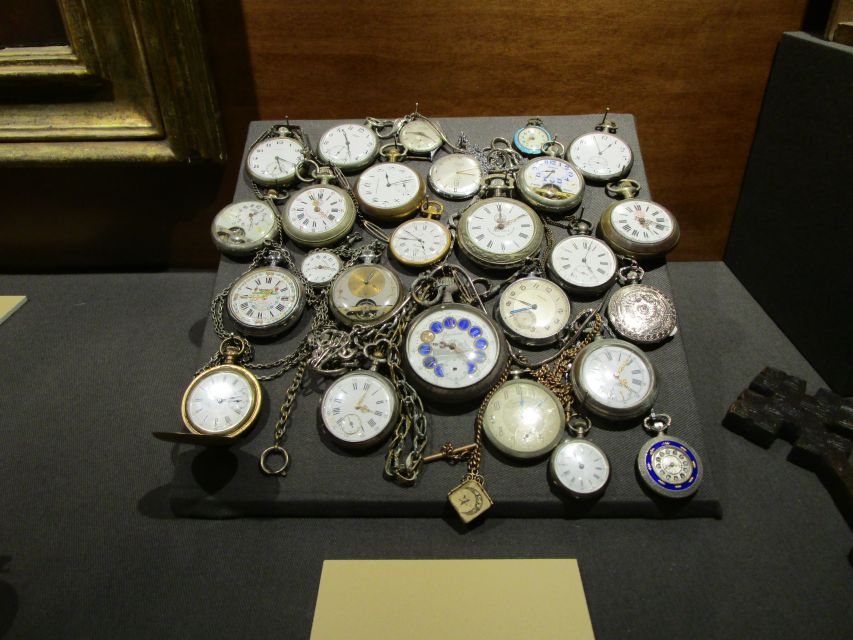
The Crypt of Skulls is perhaps the room most people picture before arriving. Skulls are arranged in repeated forms, creating a powerful visual effect that is both unsettling and carefully ordered.
The famous hourglass is another detail to watch for. It reinforces the crypt’s central idea: time passes, bodies change, and worldly importance eventually gives way to death.
You do not need to know every religious symbol in advance. The guide explains the messages and patterns as you move through the rooms. That turns the visit from a collection of grim images into a lesson about Capuchin thought.
Some people find this room the most memorable section. Others may find it the hardest. You are free to keep your distance, and the visit is short enough that the experience does not drag on. The one-hour format is an advantage here: you get a clear introduction to the crypt without being asked to spend an entire afternoon in a place that may feel emotionally heavy.
The Mass Chapel adds a quieter note
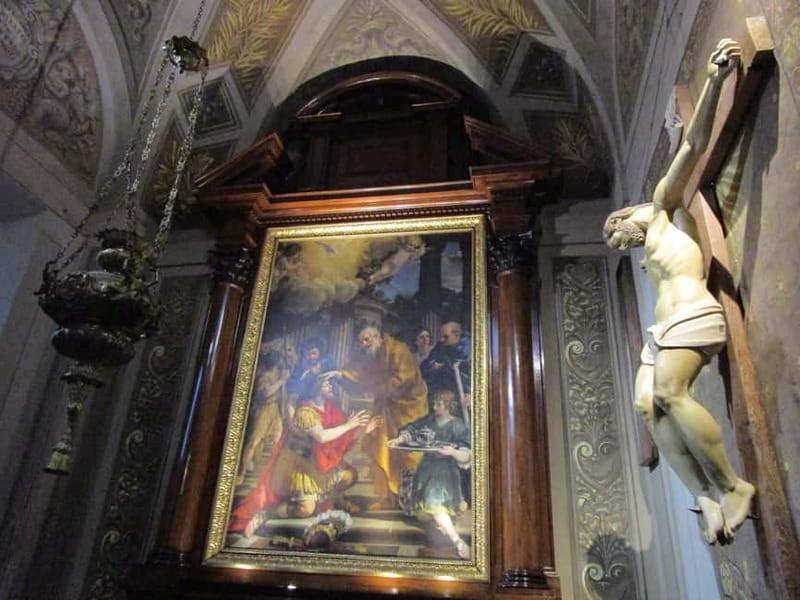
The route also includes the Mass Chapel. After the more visually dramatic crypts, this space helps restore the religious purpose of the site.
The chapel is not simply another room covered in bones. It connects the underground cemetery with worship and remembrance. The guide can help you understand how the crypt functioned as part of Capuchin religious life rather than as a strange display created for modern curiosity.
Pay attention to the change in mood. The bone arrangements may attract attention, but the chapel makes the experience feel more reflective. This is where the ideas of prayer, burial, and mortality come together most clearly.
The crypt is best understood as a place of faith first and an unusual attraction second. If you approach it only as a macabre spectacle, you will miss much of what makes it significant.
What the guide adds to the visit
The guide is the heart of this experience. The physical route is fairly compact, but the meaning behind the rooms is not obvious at a glance.
The best guiding style here combines facts with restraint. You want clear explanations of the Capuchin order, the move from the friary near the Trevi Fountain, the burial rule, and the symbolism of the bones. You also want enough warmth to make an uncomfortable subject manageable.
Guides including Luigi and Slobodan have received particular praise for keeping groups involved. Their approach combines history, humor, and questions, which can work well for families and teenagers. Other guides have been noted for enthusiasm, friendliness, and an ability to make the tour both educational and moving.
That does not mean every moment will feel identical. Small-group tours depend on the guide assigned that day and on the mood of the group. Still, the format gives the guide room to answer questions, speak at a sensible pace, and make the crypt more understandable than a self-guided visit.
Is $44.41 a fair price?
At $44.41 per person, this is not Rome’s cheapest museum entry. The visit itself lasts only 50 minutes to one hour, so you are paying for a short experience.
The value comes from the combination of skip-the-line admission and live guiding. The crypt is unusual, but the visual impact alone does not explain the historical and religious background. If you simply want to walk through quickly, the price may feel high. If you want the symbols, burial customs, and Capuchin story explained in English, the fee is easier to justify.
The maximum group size of 10 also helps. You are not paying for a huge walk-through group where it is hard to hear. Private groups are available for people who want a more personal format, though the supplied price is listed per person and may vary for a private booking.
The short length can work in your favor. You can fit the crypt between larger Rome sights instead of giving up a full morning. It is also a good choice if you want one unusual cultural stop alongside the Colosseum, churches, and archaeological sites.
Who will enjoy this most?
I would recommend the Capuchin Crypt tour to adults and older children who enjoy unusual history, religious sites, and thought-provoking museums. Families with teenagers may find it especially memorable, since the subject is unlike the usual Rome sightseeing fare.
It also suits you if you prefer a guide who tells a story rather than handing you a room map. The experience rewards curiosity. You will get more from it if you want to understand why the crypt exists and what its designs mean.
I would think twice if you dislike confined underground spaces, have a strong reaction to human remains, or want a relaxed sightseeing stop. The visit is not frightening in the traditional sense, but it is visually direct and emotionally serious.
Dress requirements also matter. Shoulders and knees must be covered, and this is not optional. Plan accordingly, especially during hot weather.
Timing, flexibility, and practical details
The activity runs at set starting times, so you need to check availability before booking. The tour begins at Via Vittorio Veneto 27 and ends at the same meeting point.
English is the listed tour language. You can choose a small group or a private option, depending on availability. The small group maximum is 10 participants.
The booking terms are useful if your Rome schedule is still changing. You can reserve now and pay later, and cancellation is allowed up to 24 hours in advance for a full refund. Keep in mind that these terms do not remove the need to arrive at the correct meeting point and dressed for entry.
After the guided portion, you may be able to look through the museum again. That gives you a little extra value, especially if the guide moved quickly through the introductory material or you want another look at an object that caught your attention.
Should you book the Capuchin Crypt tour?
Book it if you want a short, unusual, well-explained Rome experience and you can handle the sight of human bones. The crypt offers a side of Rome that grand monuments cannot provide: a direct encounter with death, faith, and the way a religious order chose to remember its own.
The strongest reasons to choose this tour are the small group, the English-speaking guide, and the context provided in the museum and crypts. At $44.41, it is best value for someone who wants interpretation rather than a quick admission.
Skip it if you are looking for a cheerful family attraction or if the subject will make you uncomfortable throughout the visit. For everyone else, this is a compact and memorable stop, especially when your guide brings the symbols, burial story, and spiritual purpose into focus.
FAQ
Where does the Capuchin Crypt tour begin?
Meet at Via Vittorio Veneto 27, at street level next to the bronze gate.
Where does the activity finish?
The tour ends back at the meeting point.
How long does the Capuchin Crypt tour last?
The activity lasts approximately 50 minutes to one hour. Starting times vary, so check availability when booking.
Is the tour conducted in English?
Yes. The listed live tour language is English.
How many people are in the small group?
The small group option has a maximum of 10 participants. Private groups are also available.
What should I wear to enter the crypts?
Your shoulders and knees must be covered. This requirement applies to everyone entering the crypts.
Fresh on the Rome list
- Exclusive Golf Tour Private VIP with Local & Gelato o Wine★ 5.0 · 500 reviews
- Colosseum, Palatine Hill and Roman Forum with Guided Tour★ 5.0 · 500 reviews
- Rome Trastevere Pasta Making Class with Eating Europe★ 5.0 · 505 reviews
- Rome by Night Walking Tour★ 4.5 · 506 reviews
- Rome: Colosseum Express Tour with Forum & Palatine Access★ 4.5 · 511 reviews
- Rome Food Experience Max 6 People Group Tour | w/Private Option★ 5.0 · 516 reviews
- Rome: Navona Square Underground Ticket with Audio Guide★ 4.0 · 518 reviews
- Rome: Escorted Papal Audience Experience with Entry Ticket★ 4.4 · 518 reviews
Skip-the-Line Tickets, compared.
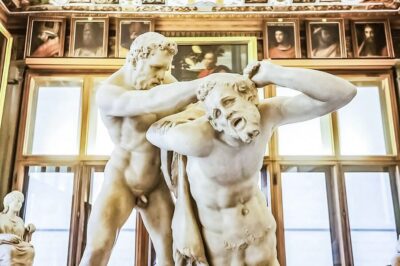
Skip-The-Line Uffizi Gallery Timed Entry Ticket
Read our review →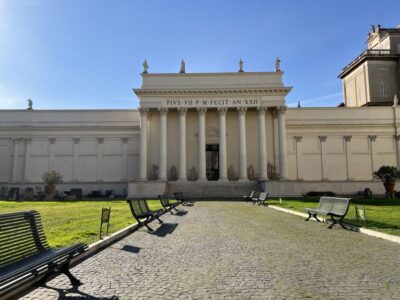
Vatican Museums & Sistine Chapel Skip-the-Line Entry Ticket
Read our review →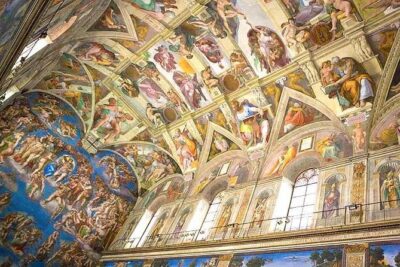
Skip-the-Line Group Tour of the Vatican, Sistine Chapel & St. Peter’s Basilica
Read our review →
Michelangelo’s David Skip-the-Line Entry Ticket
Read our review →
Vatican Museums & Sistine Chapel Skip-The-Line Ticket
Read our review →
Vatican, Sistine Chapel & St. Peter’s Skip-the-Line Tour
Read our review →
Skip-the-Line Vatican, Sistine Chapel & St. Peter’s | Small Group
Read our review →
Vatican: Vatican Museums Sistine Chapel Skip-the-Line Ticket
Read our review →Browse the lists this tour appears in