
Reviewed · NAPLES TOURS
Naples: San Gaudioso Catacombs Guided Tour
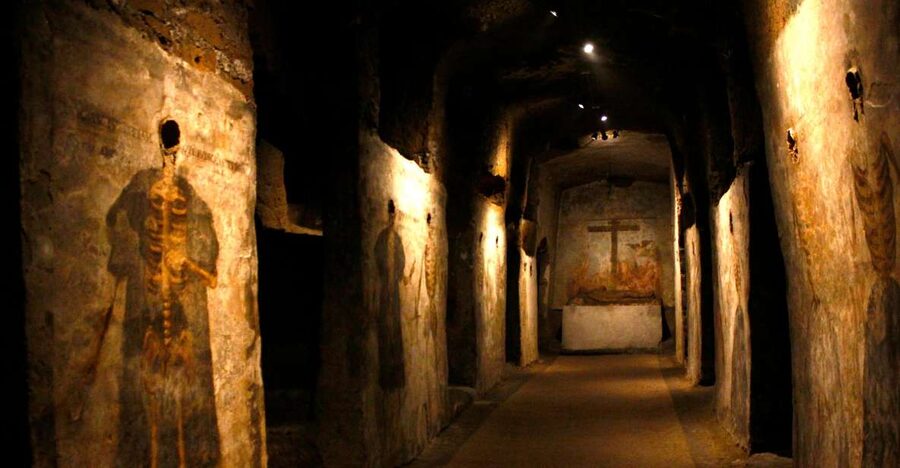
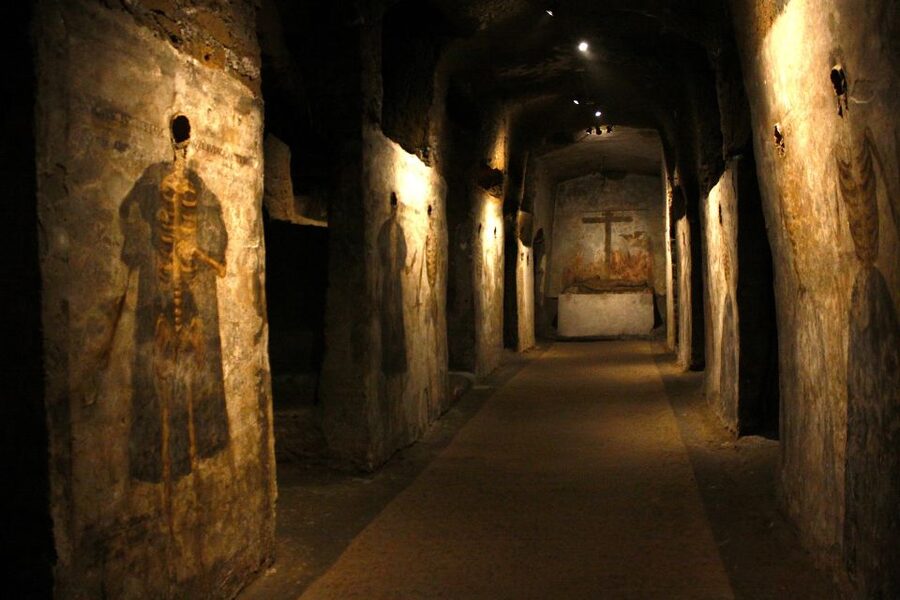
Beneath the streets of Naples, the Catacombs of San Gaudioso preserve an unusual mix of early Christian burial art and 17th-century aristocratic tombs. I like the vivid frescoes and mosaics, and I like that your $15 ticket also includes free entry to the Catacombs of San Gennaro for 12 months. The main drawback is the short 45-minute tour, which can feel quick when the group is large.
The visit also includes the Basilica di Santa Maria della Sanità, a beautiful church above the underground cemetery. Guides such as Nello, Antonella, Claudia, and Emanuele have been praised for lively storytelling and clear English. Arrive 15 minutes early, since late arrivals cannot join a later departure or receive a refund.
Key points to know before you go
- St. Gaudiosus gave the cemetery its purpose: The site expanded after the North African bishop was buried here between 451 and 453 AD.
- The art spans many centuries: You will see 5th- and 6th-century Christian imagery alongside 17th-century tombs and frescoes by Giovanni Balducci.
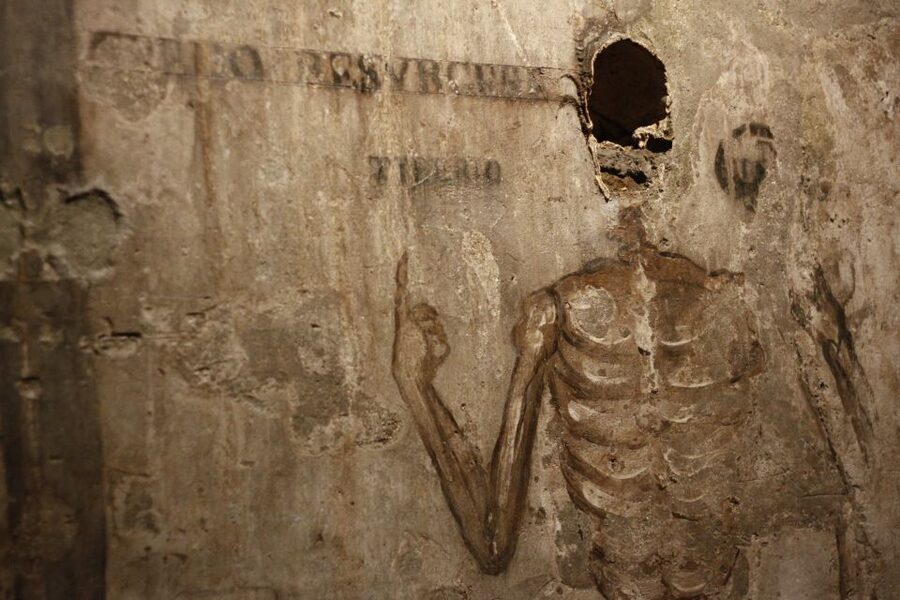
- The skull displays are unsettling but important: In the 17th century, skulls were set into the walls of the ambulatory as part of elaborate burial customs.
- The church is part of the experience: The Basilica di Santa Maria della Sanità adds a bright, ornate counterpoint to the dark chambers below.
- One ticket gives you a second visit: Free entry to the Catacombs of San Gennaro remains valid for 12 months.
- Your money supports local renewal: The project is linked with community work in the Sanità district, including support for local young people.
What makes San Gaudioso different
Naples has several underground burial sites, but San Gaudioso offers an especially striking collision of old and new. The earliest layers belong to an early Christian cemetery. Much later, the catacombs became a burial place for nobles, whose tombs reflect the social customs of 17th-century Naples.
That change in use is the key to the visit. You are not simply walking through one ancient cemetery. You are following how the space was altered, decorated, and reused over more than a thousand years.
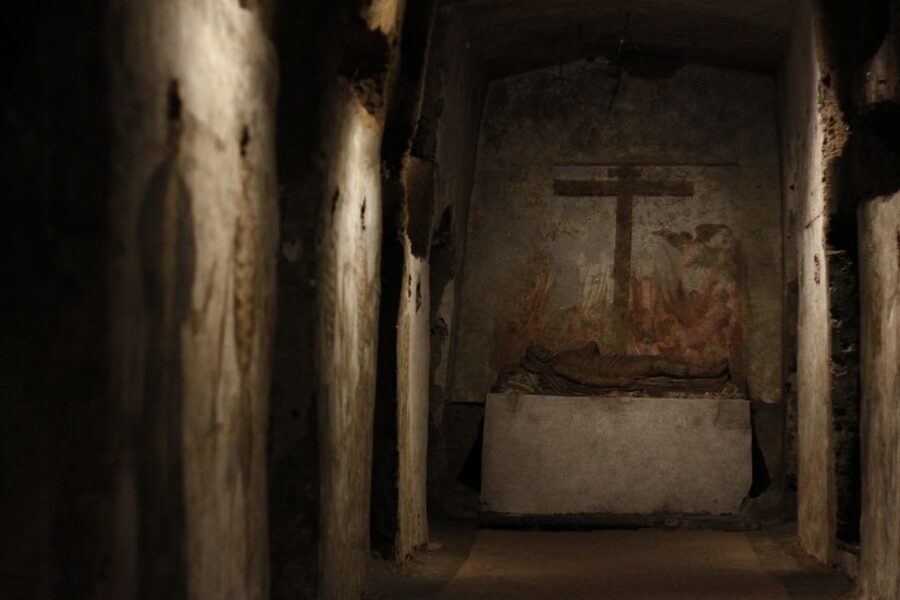
The name comes from St. Gaudiosus, a bishop from North Africa who was buried here between 451 and 453 AD. His burial helped turn the site into an important Christian cemetery. It is described as the second most important early Christian cemetery in Naples, and the remains of that period include the saint’s tomb, 5th- and 6th-century frescoes, and mosaics with familiar early Christian designs.
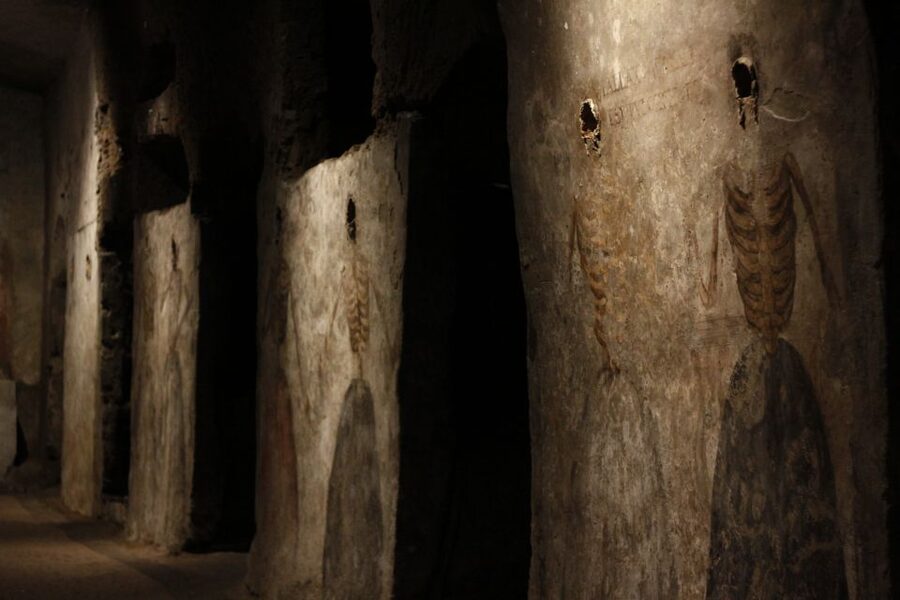
Later, the catacombs resumed their role as a burial site for the city’s upper classes. The 17th-century sections reveal a very different attitude toward death. The skulls placed in the walls of the ambulatory are the detail most likely to stay with you. They are not merely spooky decoration. They show how burial, status, religion, and public memory were joined together.
A few other Naples mornings to weigh against this
- Naples: Naples Underground Entry Ticket and Guided Tour
★ 4.4 · 21,781 reviews - Naples: Catacombs of San Gennaro Entry Ticket & Guided Tour
★ 4.6 · 7,941 reviews - Naples: Spanish Quarters Underground Guided Tour
★ 4.8 · 5,064 reviews
From the basilica into the underground cemetery
The tour begins at the ticket office of the Catacombs of San Gaudioso and includes the basilica above. The church gives you a useful first impression of the neighborhood and its religious setting before you move below ground.
I would not rush through Santa Maria della Sanità. The church is repeatedly singled out for its beauty, and it helps you understand the physical relationship between Naples above and below. From the street, the area can feel like an ordinary part of the Sanità district. Beneath it, the catacombs reveal a much older layer of the city.
The transition is part of the fun. You leave the light of the church and enter a quieter, more enclosed setting where the guide’s explanation becomes essential. This is not a site where every detail is obvious on its own. The guide points out the burial spaces, artwork, and changes made over time, then connects them to Naples’ wider story.
The meeting point deserves care. The official instruction is to meet at the ticket office, but some people have mistaken the exit for the entrance or found the route confusing. One visitor specifically wished for clearer directions and had not realized an elevator from street level led down toward the meeting area. Give yourself extra time to locate the ticket office rather than arriving at the last moment.
The early Christian chambers and St. Gaudiosus
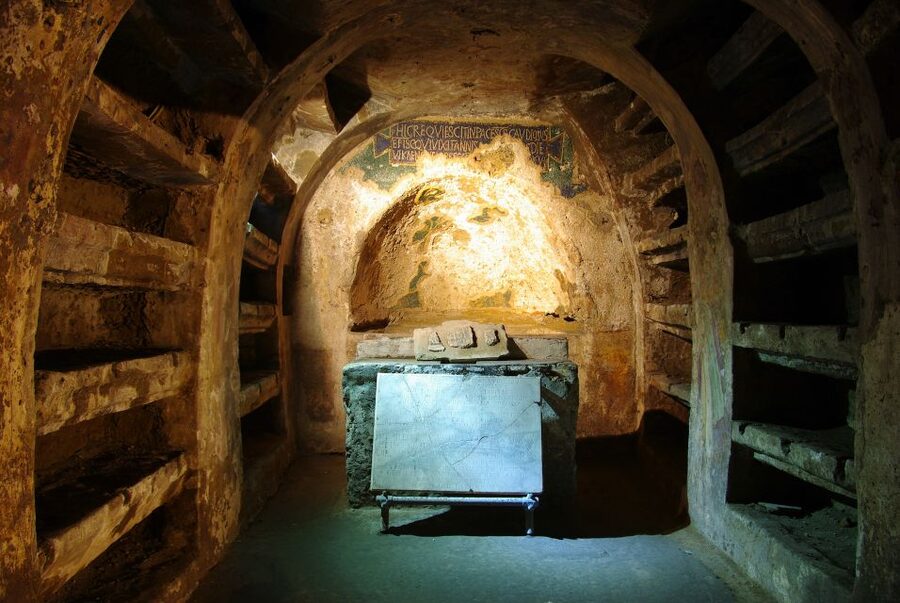
The first major section focuses on the cemetery’s Christian beginnings. Here, the atmosphere is subdued and the decoration is more restrained than in the later noble tombs. The 5th- and 6th-century frescoes and mosaics use early Christian motifs, giving you a direct look at how faith was expressed in burial art during late antiquity.
The tomb associated with St. Gaudiosus is the natural center of this part of the tour. His burial between 451 and 453 AD helped the cemetery grow in importance. Your guide explains how the site expanded around this event and how it functioned as a place of Christian remembrance.
This section rewards close attention. The chambers are not presented as a simple collection of bones. Their layout and artwork show how a burial ground could also express belief, community, and the standing of an important religious figure.
A good guide makes a large difference here. Nello has been praised for turning the subject into a clear story, while Antonella has been noted for explaining the material with energy and precision. Other guides, including Lisa, Flavia, Valentina, and Ricardo, have also led tours in English or Italian. The exact guide depends on the departure, but the strongest part of this experience is the human explanation rather than the size of the site.
The 17th-century noble tombs and skulls
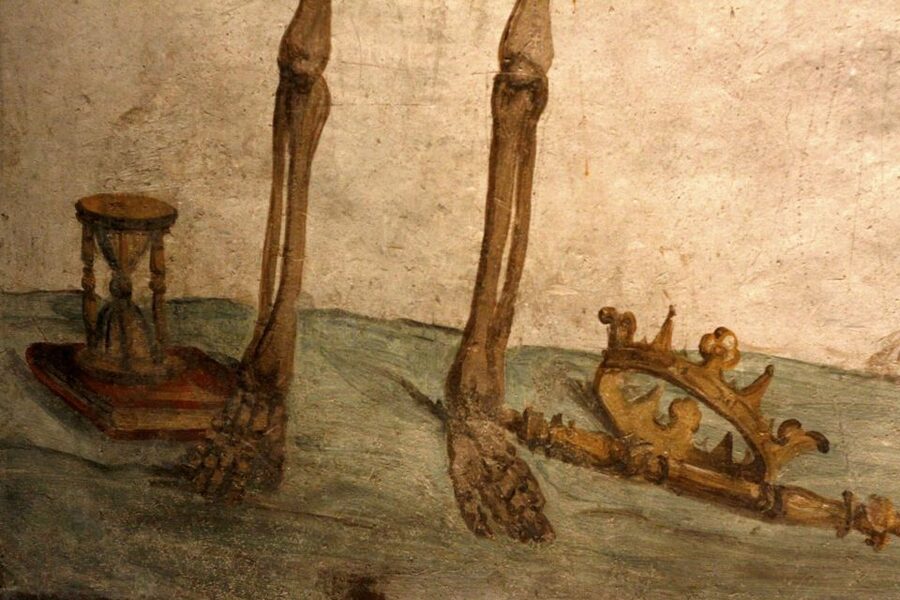
The later section is more theatrical and more unsettling. In the 17th century, the catacombs were used again for burials, this time with spaces reserved for nobles. The Dominicans organized these areas, and the arrangement reflects a society where rank continued beyond death.
The skulls in the walls of the ambulatory are the most memorable sight. They were placed on display as part of the burial practices of the period. You might find the arrangement fascinating, disturbing, or both. The tour does not treat the bones as a cheap scare. Instead, the guide explains the customs that gave them meaning.
This is where the experience feels distinctly Neapolitan. Naples has a long tradition of placing ordinary life, religious devotion, theatrical art, and death close together. San Gaudioso makes that connection visible without needing a large museum or a long walk.
The frescoes by Giovanni Balducci add another remarkable layer. Balducci reportedly refused payment for his work so he could be buried among the city’s aristocrats. That detail links the art to the social world around it. The paintings are not just attractive surfaces. They reflect ambition, devotion, and the desire to secure a place in a powerful community.
The catacombs can be eerie, and some parts may be difficult if you are squeamish or claustrophobic. A visitor also noted that people with mobility issues may struggle in certain areas. The supplied information does not give detailed accessibility specifications, so contact the provider before booking if stairs, narrow passages, or enclosed spaces are a concern.
Same city, an entirely different afternoon:
- From Naples: Pompeii Ruins & Mount Vesuvius Day Tour
★ 4.3 · 11,459 reviews - From Naples: Sorrento, Positano and Amalfi Full-Day Tour
★ 4.6 · 10,988 reviews - From Naples: Sorrento, Positano & Amalfi Coast – Small Group Tour
★ 5.0 · 8,643 reviews - Naples: Downtown Tour with Veiled Christ & St Clare Tickets
★ 4.9 · 6,462 reviews
Why the guide matters so much
The official tour lasts 45 minutes, so there is little spare time for wandering. The guide keeps the visit moving and makes the compact route count.
The best guides use humor and questions to keep the material from becoming a list of dates. Nello, in particular, has been praised for a strong sense of humor and an engaging way of telling the story. Claudia was noted for allowing plenty of questions during a small-group visit, while Antonella and Emanuele have been praised for their enthusiasm and clear explanations.
Guide quality can vary slightly from one departure to another, as it does on any scheduled tour, but the repeated pattern is clear: English and Italian explanations are central to the experience. If you do not understand the language of your departure comfortably, much of the value will be lost.
A larger group can also affect the visit. One person found that the commentary became difficult to follow when several groups were moving through the catacombs at once. That is not necessarily a regular problem, but it is a reason to stay close to the guide and choose a time that suits your schedule rather than squeezing the tour into a rushed gap.
The community connection in Sanità
The ticket supports more than access to an old burial site. The catacombs are part of a local regeneration effort associated with La Paranza and the work of Don Antonio Loffredo. The project supports young people in the Sanità neighborhood and helps develop cultural activity in the district.
That matters because the tour connects archaeology with present-day Naples. Your entry fee helps maintain a site and supports local employment, including the young people who guide visitors through the catacombs. Several guides have been described as coming from the Sanità neighborhood, which gives the explanations a personal connection to the area.
I like this aspect because it changes the way you see the district. You are not only looking backward at ancient tombs. You are also seeing how cultural work can help a neighborhood build a new future. The connection is explained during the tour, so it does not feel like an unrelated charitable add-on.
There is no need to romanticize the area or pretend the work is finished. The value is more practical: tourism revenue is directed toward preservation, jobs, and community projects. For a modest ticket price, that gives the visit a purpose beyond sightseeing.
The Basilica di Santa Maria della Sanità
The basilica is included in the 45-minute guided visit, and it deserves its own attention. The church above the catacombs is described as breathtaking, beautiful, and full of artwork. Its scale and decoration provide a strong contrast with the low, shadowy burial chambers below.
This pairing is one of the tour’s best features. If you visited only the underground cemetery, you might miss how the site fits into the neighborhood’s religious life. If you saw only the church, you would miss the hidden cemetery that gives the building such a powerful setting.
The church also gives the tour a welcome change of pace. After the dark passages and skull displays, the brighter interior lets you look at religious art in a more open space. The exact amount of time in the basilica can depend on the guide and group, but it is included rather than left as an optional extra.
The San Gennaro bonus and overall value
At $15 per person, this is a strong-value introduction to Naples’ underground history. The guided portion is only 45 minutes, so do not book it expecting a half-day outing. Think of it as a focused cultural stop that fits neatly between other plans.
The extra value comes from the free entry to the Catacombs of San Gennaro. That ticket is valid for 12 months, giving you plenty of time to visit the second site during the same trip or return later. The San Gennaro catacombs are different from San Gaudioso, so using the included admission lets you compare two underground sites rather than repeating the same experience.
This is also a good rainy-day activity. One person described it as an ideal way to spend a cold, dark evening in Naples, and the underground setting makes sense when the weather is poor. It is also useful if you have only a short time in the city and want something more distinctive than another church interior.
The main limitation is time. A 45-minute visit does not allow long pauses at every fresco or tomb. You will need to listen closely and ask questions as the guide moves through the route. If you want a slow photographic study, this is not the right format.
Practical details for planning your visit
The ticket office opens at 9:30 AM. Starting times vary, so check availability before choosing a slot. Your ticket is valid only for the day and time purchased, and you need to arrive at the ticket office 15 minutes before departure.
Late arrival is a serious issue here. If the tour has left, you cannot simply join the next one and you will not receive a refund. I would plan to reach the Sanità district early, especially if you are unfamiliar with the entrance.
The tour is offered in English and Italian with a live guide. The itinerary includes the catacombs and the basilica, then leaves you with free admission to San Gennaro. The free-cancellation rule allows a full refund if you cancel at least 24 hours in advance, and you can reserve now and pay later if you want to keep your plans flexible.
The catacombs are a better fit for adults and older children who can handle macabre imagery. The skull displays are real historical burial features, not decorative props. If your group includes someone who dislikes enclosed spaces or death-related sights, consider that before booking.
A gift shop is not guaranteed. One person would have liked to buy a small souvenir, so bring no expectation of a substantial shopping stop at the end.
Should you book San Gaudioso?
Book this tour if you want a short, affordable look at Naples below street level, especially if you enjoy religious art, unusual burial customs, and local history told by an enthusiastic guide. The basilica, early Christian frescoes, noble tombs, skull displays, and second-catacomb ticket make the $15 price easy to justify.
I would choose it even more readily if you can visit San Gennaro later, since the included admission turns a 45-minute tour into the first part of a wider underground itinerary. Arrive early, follow the meeting-point instructions carefully, and stay near the guide so you do not miss the commentary.
Skip it if enclosed spaces, bones, or a brisk guided route will make you uncomfortable. For everyone else, San Gaudioso offers a memorable look at Naples’ past and a practical way to support the Sanità neighborhood today.
FAQ
How long does the San Gaudioso tour last?
The guided visit lasts 45 minutes and includes the Catacombs of San Gaudioso and the Basilica di Santa Maria della Sanità.
What is included in the ticket?
The ticket includes the 45-minute guided tour, entry to the basilica, and free entry to the Catacombs of San Gennaro.
How long is the free San Gennaro ticket valid?
Free entry to the Catacombs of San Gennaro is valid for 12 months.
What languages are available?
The live guided tour is available in English and Italian.
Where is the meeting point?
Meet at the ticket office of the Catacombs of San Gaudioso.
How early should I arrive?
You should arrive at the ticket office 15 minutes before your booked tour time. The ticket is valid only for the selected day and time.
Can I cancel the booking?
You can cancel up to 24 hours in advance for a full refund. Reserve now and pay later is also available.
Fresh on the Naples list
- Naples Pasta Class: Fettuccine & Ravioli with Grandma’s Recipe★ 5.0 · 506 reviews
- Naples Walking Tour with Underground Roman Ruins Ticket★ 4.5 · 510 reviews
- Private Day tour of Positano, Amalfi and Ravello from Naples★ 5.0 · 522 reviews
- Naples: Street Art & History Tour in the Spanish Quarters★ 4.9 · 540 reviews
- Private Day Tour: Sorrento, Positano, Amalfi, Ravello from Naples★ 4.5 · 546 reviews
- Day Trip of Pompeii, Herculaneum and Vesuvius from Naples★ 4.5 · 547 reviews
- Day Trip of Pompeii, Sorrento and Positano from Naples/Salerno★ 5.0 · 560 reviews
- Naples Underground Official Skip-the-line Ticket★ 4.0 · 563 reviews
Naples Tours, compared.
Naples Underground Entry Ticket and Guided Tour
Read our review →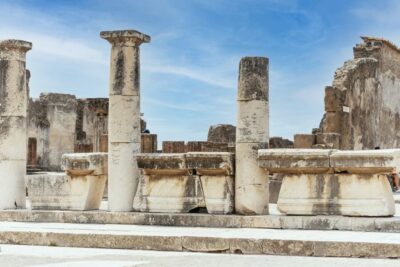

Sorrento, Positano and Amalfi Full-Day Tour
Read our review →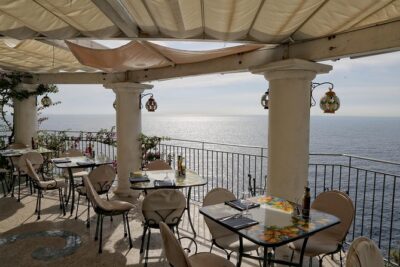
Sorrento, Positano & Amalfi Coast – Small Group Tour
Read our review →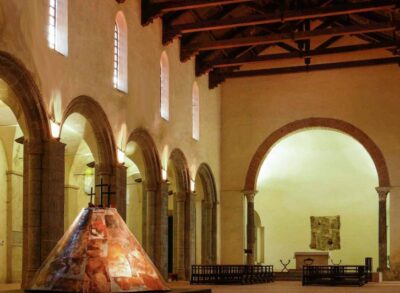
Catacombs of San Gennaro Entry Ticket & Guided Tour
Read our review →
Downtown Tour with Veiled Christ & St Clare Tickets
Read our review →
Pizza-Making Workshop with Drink and Appetizer
Read our review →
Browse the lists this tour appears in