
Reviewed · NAPLES TOURS
Naples: Catacombs of San Gennaro Entry Ticket & Guided Tour
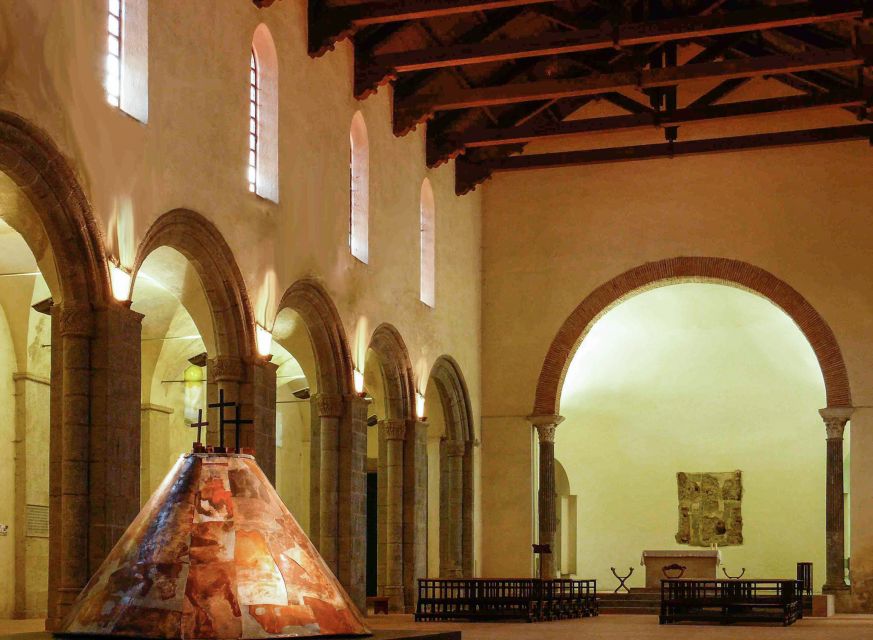
Beneath Naples, the Catacombs of San Gennaro open into broad underground basilicas, old burial chambers, and Christian paintings far older than many of the city’s famous churches. This is not a spooky walk through narrow tunnels. It is a clear, engaging lesson in how Naples grew around faith, burial, art, and local pride.
I like two things here: the guides make complex history easy to follow, and the $15 ticket includes later entry to San Gaudioso and Santa Maria della Sanità. The project also puts ticket money toward the renewal of the Rione Sanità district, which gives the visit a useful local purpose.
The main drawback is access. You must arrive 15 minutes early, and the route includes many steps, so it is not a good choice for anyone with mobility problems. Photography is not allowed, and the walk up from the old town can be tiring.
Key points to know before you go
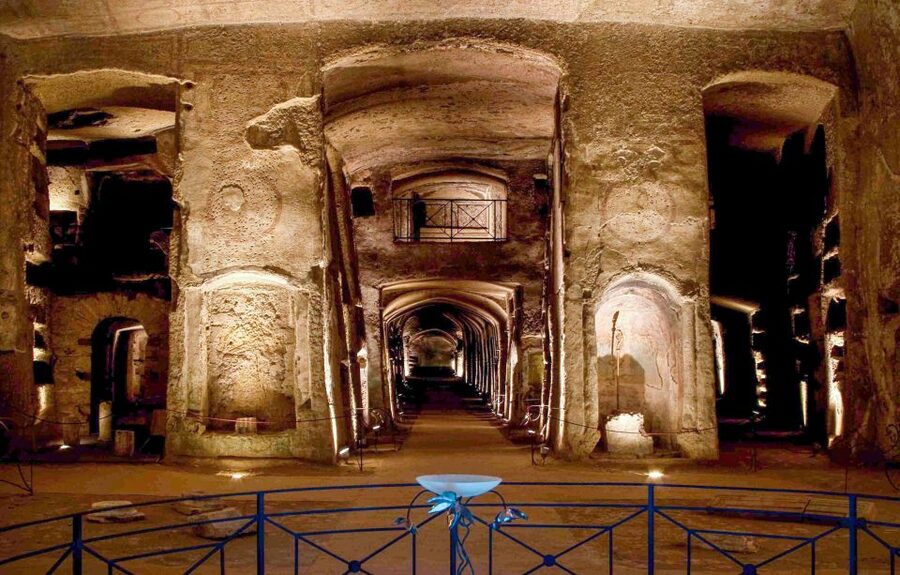
- The catacombs are surprisingly spacious: Expect underground basilicas and large chambers, not only cramped passageways.
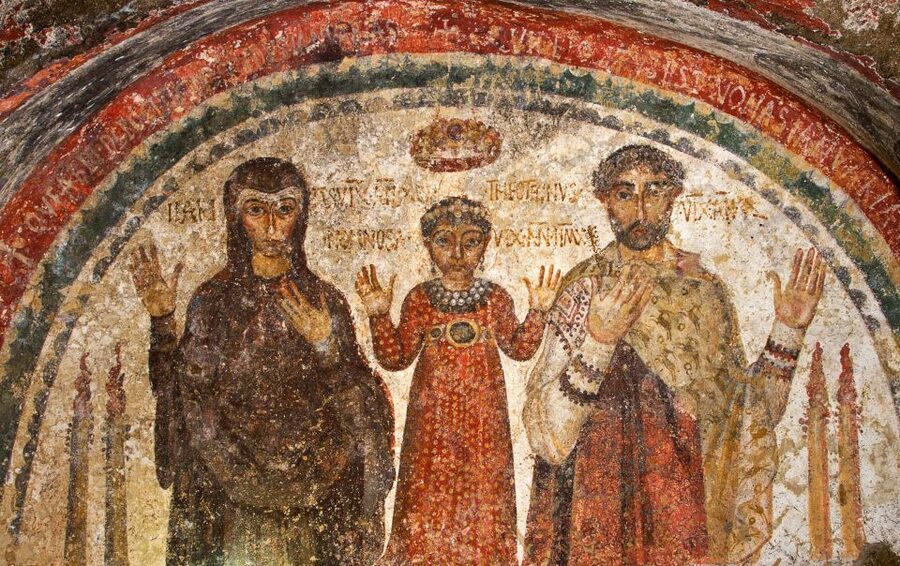
- The art is the real prize: See 3rd-century Christian paintings, 9th and 10th-century Byzantine works, and 5th-century mosaics.
- Guides bring the story to life: Nello, Emmanuel, Antonia, Antonio, and other English-speaking guides have been praised for warmth, humor, and clear explanations.
- Your ticket reaches beyond San Gennaro: You also receive entry to the Catacombs of San Gaudioso and Basilica di Santa Maria della Sanità, valid for 12 months.
- Plan for steps: You descend several flights before reaching the main route, and the walk from central Naples may be uphill.
- This is a cultural visit, not a ghost tour: The focus is early Christianity, art, burial customs, and Naples’ changing neighborhoods.
Entering San Gennaro beneath Capodimonte
You meet at the reception desk of the Catacombs of San Gennaro, at Via Capodimonte 13. The ticket office opens at 9:30 AM. Arrive 15 minutes before your booked time because late arrivals cannot simply join a later departure.
The site sits above the Rione Sanità area, near Capodimonte. If you are coming from the port or old town, allow extra time for the uphill route. One visitor found the walk from the port demanding, and another had trouble following a map app back to the car afterward. The practical lesson is simple: do not cut your arrival close, and check your route before leaving.
Once inside, the guide gives you the setting for the visit. The catacombs are tied to the bond between Naples and its patron saint, San Gennaro, but the story reaches much further back. You are looking at a burial and worship site shaped over more than 2,000 years of art and religious change.
The route is guided in English or Italian. The quality of the explanation matters here because the rooms do not always explain themselves. A fresco may look like a faded patch of color until you understand its age, purpose, and place in the development of Christian art.
A few other Naples mornings to weigh against this
- Naples: Naples Underground Entry Ticket and Guided Tour
★ 4.4 · 21,781 reviews - Naples: Downtown Tour with Veiled Christ & St Clare Tickets
★ 4.9 · 6,462 reviews - Naples: Hop-on Hop-off Bus Tour 24-Hour Ticket
★ 4.3 · 5,157 reviews
The upper catacomb and its early paintings
One of the first important areas is the upper catacomb. Parts of it were decorated in the 3rd century in a style described as Pompeian. These paintings are among the earliest Christian works in Italy.
That date is what makes this section special. You are not simply looking at old decoration. You are seeing early Christians adapt familiar Roman artistic habits to a new faith. The paintings connect Naples to the wider ancient world while also showing how local burial spaces were decorated.
The guide helps you look closely without turning the tour into a lecture. Several guides, including Nello and Emmanuel, have been praised for mixing precise information with humor and a good pace. That balance is useful in a place where too many dates can blur together.
The catacombs are larger than many people expect. You will encounter open chambers and broad spaces rather than spending the whole visit pressed against a tunnel wall. That makes the art easier to view and gives the site a more monumental feel.
Still, keep your expectations sensible. This is an active heritage site, not a brightly lit museum. The atmosphere is quiet, and some artwork has survived in a fragile state. Photography and video are not allowed, so you will need to pay attention in the moment instead of relying on pictures later.
The 4th-century basilica dedicated to Saint Agrippinus
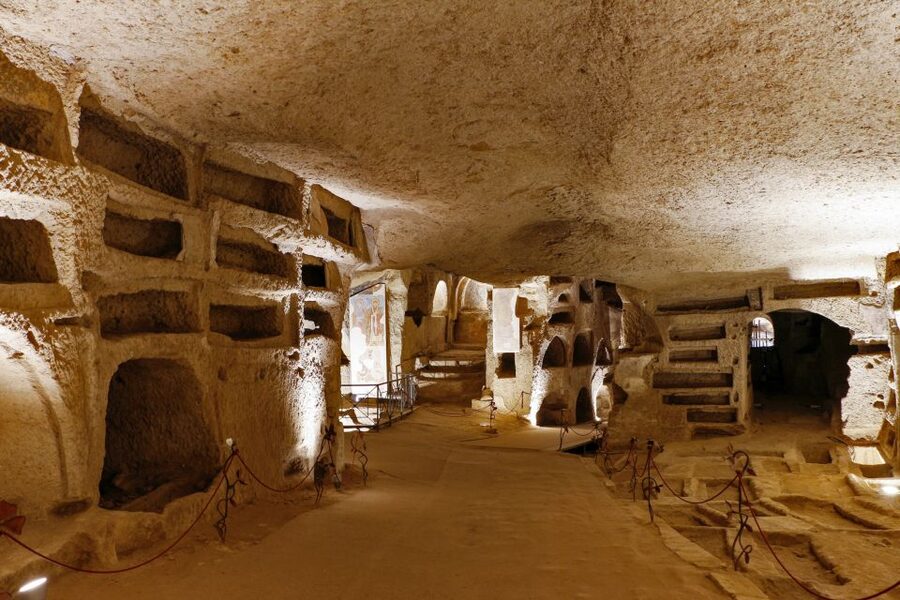
The underground complex expanded in the 4th century after the remains of Saint Agrippinus were moved here. A basilica was dedicated to him, creating a major Christian space below the city.
This is one of the points where the catacombs stop feeling like a simple cemetery. The basilica shows how burial sites could also become places of worship and community. Your guide explains how the site changed as saints, bishops, and local religious traditions shaped Naples.
The scale is part of the surprise. The chambers feel grand because they were designed for more than private burial. Their size reflects the importance of the people honored there and the growing public role of Christianity.
You may also hear about the long process of recovering the area and restoring its place in local life. The catacombs are connected to a wider redevelopment effort in Rione Sanità, a district whose public image has changed over the last 10 to 15 years. Guides such as Nello have made this modern story part of the visit, linking ancient religious sites with present-day community work.
I find that connection valuable. You are not just looking backward at Naples. You are also seeing how a neighborhood uses its cultural sites to create work, attract care, and build local pride.
Bishop Paul II’s baptismal font
Another memorable stop is the baptismal font commissioned by Bishop Paul II. He took refuge in the catacombs during the 8th-century iconoclastic struggles.
The font adds a human layer to the history. It tells you that the catacombs were not only places for the dead. They could also protect religious life when public worship became dangerous or uncertain.
The guide places the object in its political and religious setting, then connects it to the wider story of Christian art. That context helps you see why the catacombs contain such a mix of burial spaces, chapels, paintings, and ceremonial features.
The tour lasts about 45 minutes according to the activity details, while the route is also described elsewhere as a 50-minute guided visit. In practical terms, plan on roughly an hour at San Gennaro once you allow for arriving, gathering, and moving through the rooms. The pace is steady, with time to look and ask questions, but it is not a long archaeological study session.
Same city, an entirely different afternoon:
- From Naples: Pompeii Ruins & Mount Vesuvius Day Tour
★ 4.3 · 11,459 reviews - From Naples: Sorrento, Positano and Amalfi Full-Day Tour
★ 4.6 · 10,988 reviews - From Naples: Sorrento, Positano & Amalfi Coast – Small Group Tour
★ 5.0 · 8,643 reviews - Naples: Pizza-Making Workshop with Drink and Appetizer
★ 4.9 · 5,411 reviews
The Crypt of the Bishops and its 5th-century mosaics
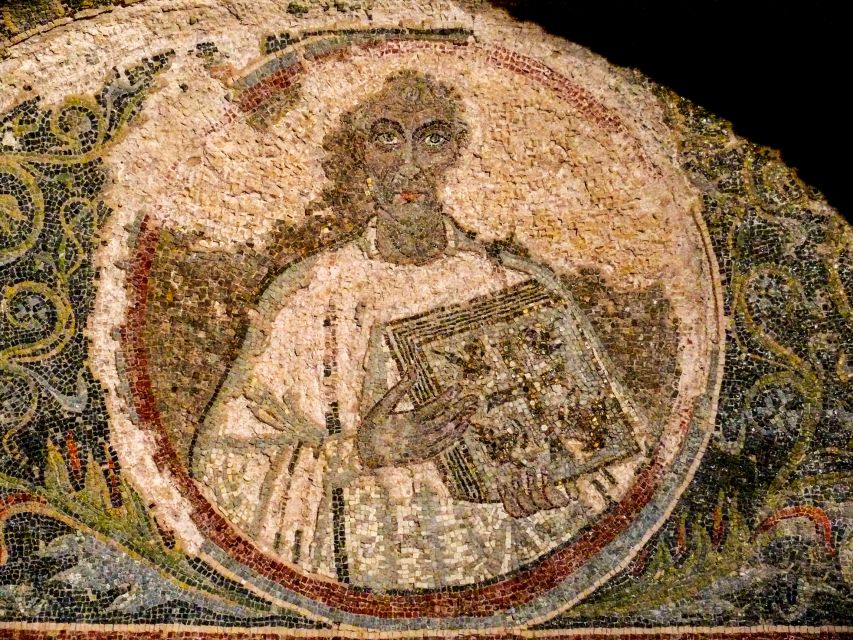
The Crypt of the Bishops is one of the strongest parts of the route. Its 5th-century mosaics include an image of Saint Quodvultdeus, the Bishop of Carthage.
Mosaics can be easy to overlook when you are eager to see the bigger rooms, but stop here. Their survival gives you a direct link to late antiquity, when Christian art was becoming more established and formal. The details may be worn, yet the work still carries a sense of ceremony.
This is where a good guide earns the ticket price. Names and centuries alone are not enough. You want someone to explain why a bishop from Carthage appears in a Neapolitan crypt, what the artwork may have meant, and how the pieces fit into the movement of people and ideas around the Mediterranean.
English-language guides have received especially strong praise for speaking clearly and welcoming questions. Nello has been singled out for an easy sense of humor and strong command of Naples’ past. Emmanuel and Antonia have also been praised for making the material interesting without crowding the tour with facts.
Guide assignments can change, of course, so you should not book on the assumption that one named guide will lead your visit. The useful point is that this experience depends heavily on live interpretation, and the English and Italian options give you a better chance to follow the details than a self-guided visit would.
Why the $15 price works well
At $15 per person, San Gennaro is a good-value stop for anyone interested in Naples beyond its street scenes and grand churches. The price includes admission and a guided visit, which is important because the site’s meaning is not obvious from the architecture alone.
The extra admission improves the deal. After San Gennaro, you receive entry to the Catacombs of San Gaudioso and the Basilica di Santa Maria della Sanità. Those tickets remain valid for 12 months, so you do not have to force every site into one afternoon.
If your schedule allows, visit San Gaudioso on the same day. It lies farther down toward the city, making the two sites a natural pairing. You can also return on another trip to Naples or use the pass later within the validity period.
The value is not only financial. Ticket sales support a redevelopment project in Rione Sanità and help fund local cultural activity and youth work. You should not treat the ticket as a charitable donation, but it is satisfying to know that your entrance fee supports more than the maintenance of an isolated monument.
There are limits. The included sites do not mean you receive hotel pickup, transport, or a private tour. You arrange your own way to Via Capodimonte, and the set departure time means you need to organize the rest of your Naples day around it.
Adding San Gaudioso and Santa Maria della Sanità
San Gennaro is the main event, but San Gaudioso gives the ticket more weight. The second catacomb is farther down the hill, toward the Basilica di Santa Maria della Sanità, and it lets you continue the underground story in a different setting.
The timing is flexible because the pass lasts 12 months. If you can fit it in, visiting both sites close together gives you a fuller picture of Naples’ burial traditions and religious art. If the first tour leaves you ready for lunch or a walk, save the second visit for another day.
The basilica itself adds an above-ground counterpoint to the catacombs. One useful way to plan the day is to visit San Gennaro first, then walk downhill toward San Gaudioso and Santa Maria della Sanità. Follow local directions rather than relying blindly on a map app, since the area includes steep routes and stairs.
The staff at both sites explain the material with warmth and humor. That matters because the subject can feel solemn. The tone remains respectful, but the guides help the visit feel welcoming rather than gloomy.
Practical limits: steps, photos, children, and timing
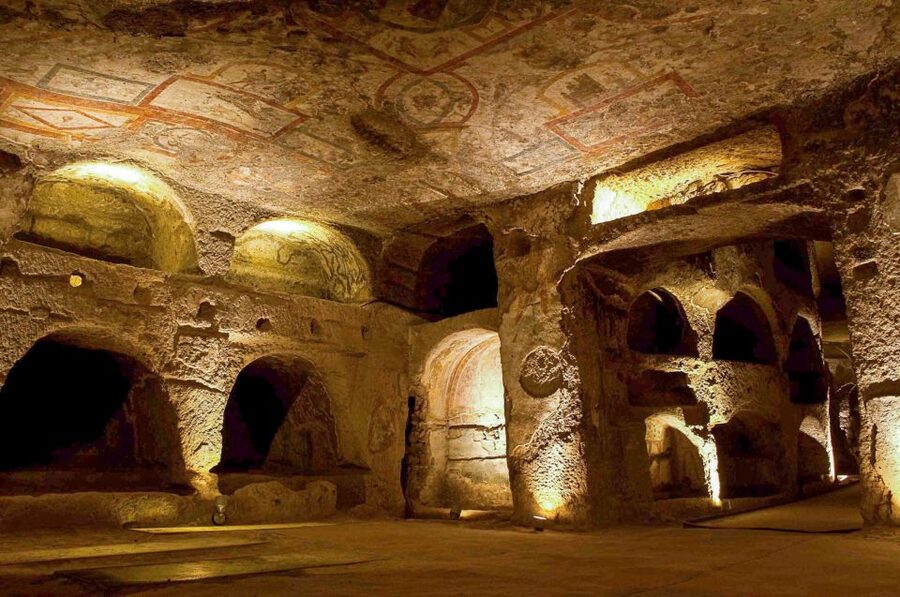
You descend many steps before reaching the main tour route. A carpeted surface makes walking easier in parts of the catacombs, but the stairs remain a real issue. If you have mobility concerns, ask before booking rather than assuming the site will be easy to navigate.
Photography is prohibited. That disappoints some visitors, especially because the frescoes and mosaics are memorable. The rule is understandable for a fragile religious and archaeological site, but you should know it before arriving.
This is best for older children, teenagers, and adults who can listen quietly for nearly an hour. A very young child may find the pace and subject difficult, and noise can interrupt the guide and other people in the group.
The visit is not designed as a horror attraction. There are tombs and human burial remains in the story, but the emphasis is art, worship, history, and the city’s relationship with its saints. I would choose it for a curious child interested in ancient places, not for a child expecting a ghost tour.
Free cancellation is available up to 24 hours before the booked time, and a reserve-now, pay-later option may help if your plans are still shifting. Once you are within the visit window, take the ticket rules seriously: the ticket is tied to the day and time purchased, and late arrival can mean losing the tour.
Who should book the San Gennaro tour
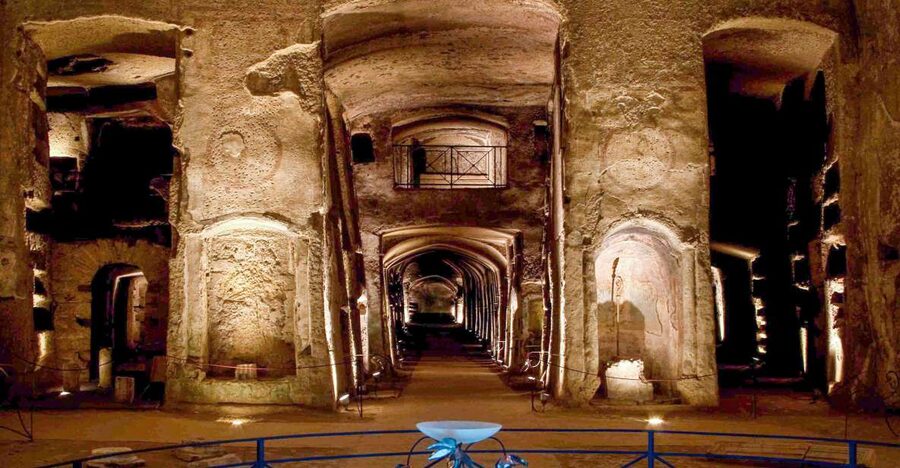
I would book this if you want to understand why Naples’ churches, saints, and neighborhoods matter to one another. The tour works especially well for history fans, art lovers, and people who have already seen the main sights and want a less obvious side of the city.
It is also a smart choice if you like activities with a local purpose. The Rione Sanità redevelopment story gives the visit a present-day edge, and the ticket supports the group working to bring the area’s cultural sites back into daily use.
You may want to skip it if you dislike enclosed underground spaces, cannot manage repeated stairs, or want a completely flexible activity with no fixed start time. You should also pass if photography is central to your enjoyment of a site.
For most able walkers, the combination of ancient basilicas, early paintings, mosaics, strong guides, and two additional admissions makes $15 an easy call. Just allow for the uphill approach, arrive early, and leave room in your day for San Gaudioso.
FAQ
Where does the Catacombs of San Gennaro tour begin?
The meeting point is the reception desk at the Catacombs of San Gennaro, Via Capodimonte 13, 80136 Naples.
How long does the guided visit last?
The activity details give a duration of 45 minutes. The route is also described as a 50-minute guided tour, so allow about an hour for the visit itself.
What languages are available?
Live guided tours are offered in English and Italian.
How much does the tour cost?
The listed price is $15 per person.
What is included in the ticket?
The price includes the guide, entry to the Catacombs of San Gennaro, and entry to the Catacombs of San Gaudioso and Basilica di Santa Maria della Sanità.
How long is the additional admission valid?
Entry to San Gaudioso and Santa Maria della Sanità is valid for 12 months.
Can I visit San Gaudioso on the same day?
Yes. The additional pass can be used after the San Gennaro visit, and it remains valid for 12 months if you prefer to return later.
Are hotel pickup and drop-off included?
No. You must make your own way to and from the meeting point.
How early should I arrive?
Arrive at the ticket office 15 minutes before your booked tour time. The ticket office opens at 9:30 AM.
Can I take photographs inside?
No. Photography and video are not allowed during the visit.
Is the tour suitable for people with mobility problems?
The route includes many steps before reaching the tour area, so it may not suit anyone with mobility problems.
Can I cancel the booking?
You can cancel up to 24 hours in advance for a full refund according to the activity terms. The ticket is not refundable after that point, and the ticket details state that it is valid only for the booked day and time.
Fresh on the Naples list
- Naples Pasta Class: Fettuccine & Ravioli with Grandma’s Recipe★ 5.0 · 506 reviews
- Naples Walking Tour with Underground Roman Ruins Ticket★ 4.5 · 510 reviews
- Private Day tour of Positano, Amalfi and Ravello from Naples★ 5.0 · 522 reviews
- Naples: Street Art & History Tour in the Spanish Quarters★ 4.9 · 540 reviews
- Private Day Tour: Sorrento, Positano, Amalfi, Ravello from Naples★ 4.5 · 546 reviews
- Day Trip of Pompeii, Herculaneum and Vesuvius from Naples★ 4.5 · 547 reviews
- Day Trip of Pompeii, Sorrento and Positano from Naples/Salerno★ 5.0 · 560 reviews
- Naples Underground Official Skip-the-line Ticket★ 4.0 · 563 reviews
Naples Tours, compared.

Naples Underground Entry Ticket and Guided Tour
Read our review →

Sorrento, Positano and Amalfi Full-Day Tour
Read our review →
Sorrento, Positano & Amalfi Coast – Small Group Tour
Read our review →
Downtown Tour with Veiled Christ & St Clare Tickets
Read our review →
Pizza-Making Workshop with Drink and Appetizer
Read our review →
Browse the lists this tour appears in