
Reviewed · MUSEUMS
Naples: National Archaeological Museum Ticket & Audio App
The greatest surprise here is how much of Pompeii and Herculaneum has been brought indoors. After seeing the ruined streets outside Naples, you can stand before the original frescoes, mosaics, cooking pots, glassware, and sculptures that once belonged to those Roman homes. The Pompeii collection gives your archaeological-site visit much more meaning.
I like the museum’s extraordinary Farnese collection, especially the monumental marbles and engraved gems. I also like the calm pace: you can spend three hours on the highlights or four to five hours if you want to read labels and follow the galleries carefully. The main drawback is the digital audio app, which some visitors found slow to download or not much like a proper museum audio guide.
Key points to know before you go
- Pompeii and Herculaneum indoors: See frescoes, mosaics, household objects, and other finds removed from the ancient sites.
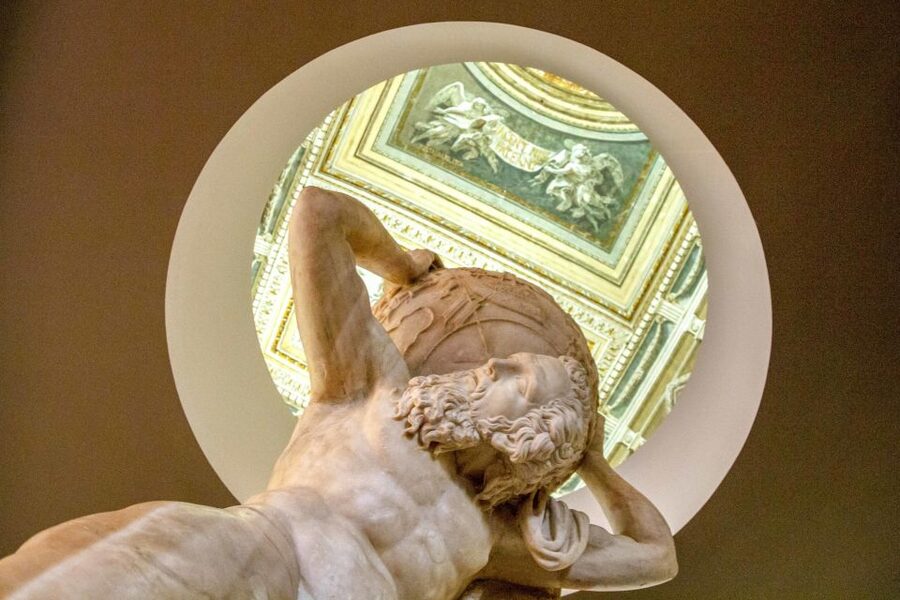
- The Farnese collection: Explore major Greek and Roman sculptures, marbles, and engraved gems inherited by the Bourbon rulers.
- A very large museum: Allow at least three hours for the main collections, and closer to four or five if ancient art is your main interest.
- Independent visit: This includes museum admission and a digital audio app, not a live guide or guided tour.
- Voucher exchange required: Take your smartphone voucher to the museum ticket office and exchange it for the official entrance ticket.
- Plan for one entry: The ticket is valid for one day and one admission, with no reentry after you leave.
Why this museum matters after Pompeii
Naples’ National Archaeological Museum is not just a collection of old statues. It is the place where many of the most important objects from the Bay of Naples sites ended up. If you visit Pompeii first, the museum works like a second chapter.
At Pompeii, you see rooms, streets, walls, and empty spaces where household objects once sat. Here, you see the objects themselves. A small glass vessel, a cooking pot, or a painted wall panel can make an ordinary Roman house feel much less distant. The effect is especially strong when you have already walked through Pompeii or Herculaneum and recognize how the pieces fit into those homes.
You do not have to visit Pompeii first. The museum also works well as preparation. It gives you a sense of Roman art, domestic life, mythology, and decoration before you reach the archaeological sites. That background can help you notice details that otherwise blend into the ruins.
The museum was founded by Charles III of Spain in the mid-18th century. Its core collections come from the Farnese family holdings and royal excavations around Campania. That combination gives the museum two different personalities: one part grand royal collection, one part archaeological archive.
More museums in Naples:
- Vatican: Museums & Sistine Chapel Entrance Ticket
★ 4.5 · 144,003 reviews - Vatican Museums & Sistine Chapel Tour with Optional Basilica
★ 4.3 · 67,413 reviews - Vatican Museums, Sistine Chapel & St Peter’s Basilica Guided Tour
★ 4.5 · 39,149 reviews
The Farnese sculptures and Greco-Roman galleries
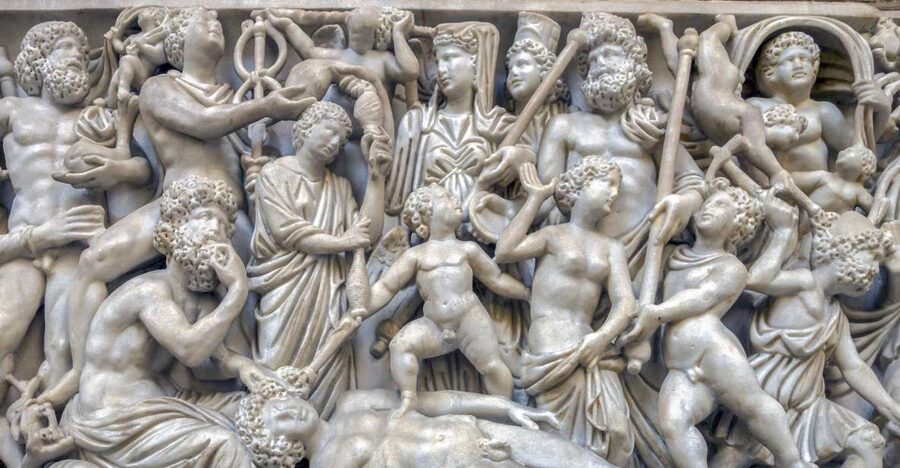
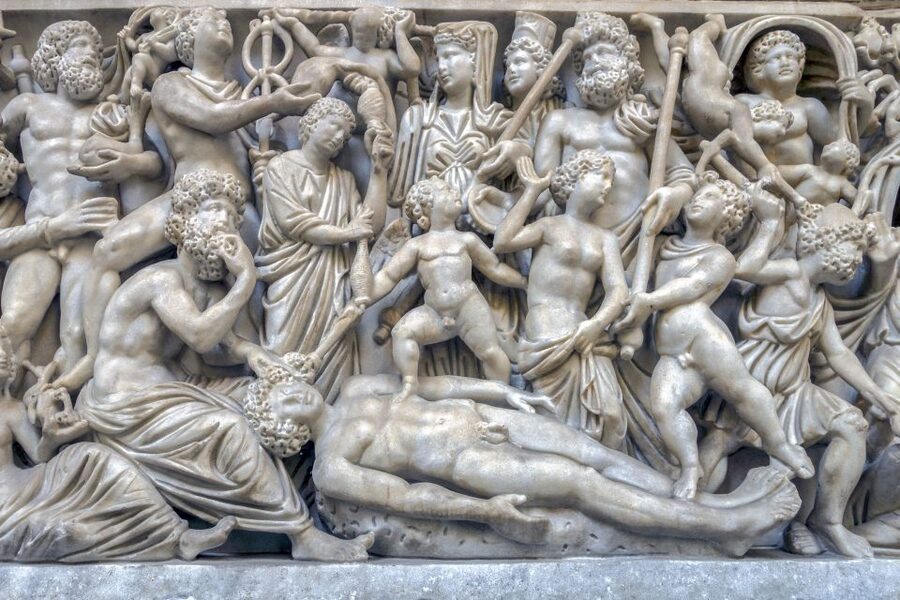
Start with the Farnese collection if monumental sculpture is your priority. The museum holds major Greek and Roman antiquities, including the Farnese Marbles and engraved gems. These are not small decorative pieces tucked into a corner. The sculptures give the visit a sense of scale and make clear how seriously ancient art was collected by later European rulers.
The Greco-Roman galleries are best taken slowly. You might first be impressed by size and polish, but the details reward a closer look: faces, muscles, gestures, carved fabric, and the way the figures occupy the room. The collection is broad enough that you can spend an hour here without feeling you have seen everything.
This section suits visitors who enjoy famous sculpture, but it is not only for specialists. Even if you know little about ancient mythology, you can appreciate the physical skill and the sheer variety of the works. The labels and displays provide useful context, although the amount of material can become tiring.
That is one reason I would not try to cover the whole building at speed. A rushed visit turns a remarkable collection into a parade of marble bodies. Give yourself time to pause at a few major works rather than trying to remember every room.
Pompeii and Herculaneum’s everyday objects
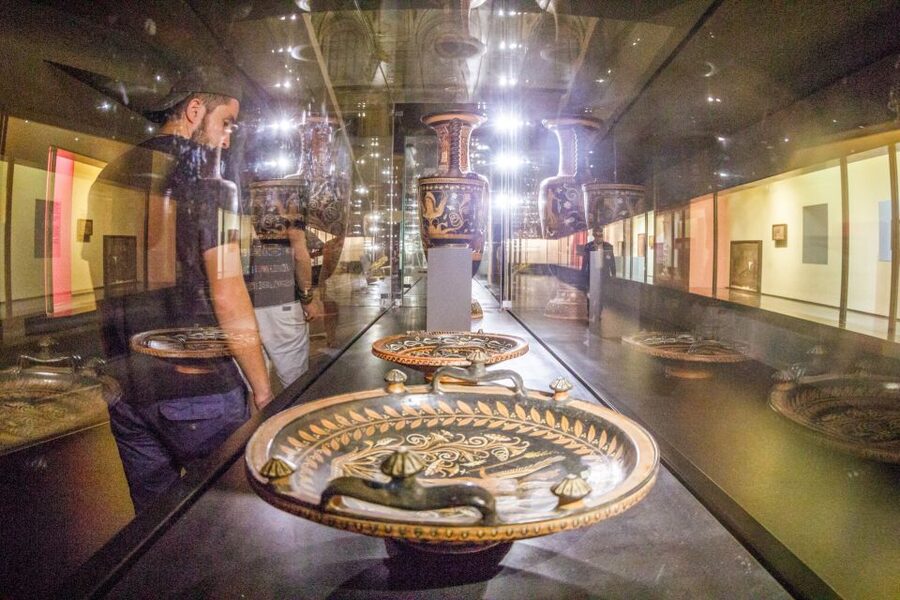
For many people, this is the museum’s most rewarding section. The objects from Pompeii and Herculaneum cover much more than grand frescoes. You can see household vessels, cooking equipment, glassware, mosaics, and other items that bring daily Roman life into focus.
The cooking pots may seem less glamorous than the large sculptures, but they are among the most useful objects for understanding the ancient towns. They show what people handled, stored, served, and used at home. Beautiful glass vessels suggest meals and celebrations, while painted decoration hints at the effort people put into private rooms.
The museum also helps you understand what has been removed from the archaeological sites for protection or study. At Pompeii, you may stand inside a house and see where a fresco once was. In Naples, you can examine that fresco at close range, without the same exposure to sun, weather, and crowds.
A miniature model and a video presentation about Pompeii are also part of the experience. These displays can help you picture the town as a complete place rather than a collection of disconnected ruins. I would make time for them, especially if you are visiting Pompeii later or found the site difficult to understand on foot.
The Herculaneum material adds another layer. The two towns were destroyed in different ways, and the surviving objects can feel different in character. You will find enough material here to justify a visit even if your Naples schedule does not allow time for both archaeological sites.
The Secret Cabinet and ancient Roman sexuality

The celebrated Secret Cabinet presents artifacts connected with the erotic side of ancient Roman life. It is one of the museum’s more distinctive sections and helps correct the idea that ancient art was always solemn, heroic, or religious.
The displays offer a look at Roman attitudes toward sex, humor, fertility, and private decoration. The material may not suit every visitor, and families should decide how it fits their plans. Still, it is a useful part of the collection because it shows a less formal side of ancient society.
Do not treat this room as a quick novelty stop. It belongs to the wider story of Roman homes and public life. The objects make more sense after you have seen the domestic frescoes and household items from Pompeii and Herculaneum.
A few other Naples mornings to weigh against this
- Naples: Naples Underground Entry Ticket and Guided Tour
★ 4.4 · 21,781 reviews - Naples: Catacombs of San Gennaro Entry Ticket & Guided Tour
★ 4.6 · 7,941 reviews - Naples: Downtown Tour with Veiled Christ & St Clare Tickets
★ 4.9 · 6,462 reviews - Naples: Hop-on Hop-off Bus Tour 24-Hour Ticket
★ 4.3 · 5,157 reviews
Egyptian artifacts and other collections
The museum also includes a section devoted to Egyptian artifacts, along with newer displays such as the history of coins. The Egyptian section was listed as closed until March 31, 2023, so check the current status before you plan your visit around it. Museum rooms and exhibitions can change.
The coin display may appeal to visitors who enjoy smaller objects and historical detail. Coins can reveal rulers, political messages, symbols, and changes in trade, but this section is less immediately dramatic than the large sculptures or Pompeii frescoes.
The strength of the museum is its range. You can move from monumental marbles to delicate engraved gems, then from Egyptian objects to Roman kitchenware. That variety is a benefit, but it also means you should choose priorities before entering.
How long you should allow

Three hours is a sensible minimum if you want more than a quick look. That gives you time for the major sculpture galleries, the Pompeii and Herculaneum displays, and at least a few additional sections.
Allow four hours if you want to read labels and take a short café break. Five hours is reasonable for serious ancient-art fans or anyone who wants to explore the museum at a relaxed pace.
The building can be mentally tiring. There is simply a lot to absorb, and the grand galleries do not make every object equally easy to remember. I suggest choosing three anchors before you arrive:
- The Farnese sculptures
- The Pompeii and Herculaneum rooms
- The Secret Cabinet or Egyptian collection, depending on your interests
Then add the coin display, models, videos, and smaller galleries as your energy allows. You will get more from the visit this way than by trying to see every room in one determined sweep.
A café provides a useful pause, and the museum also has a bookstore. Prices at the café were considered reasonable, making it practical to take a break without leaving the building.
The digital audio app: useful extra or weak link?
The ticket includes a digital audio guide accessed through a supplied link. That sounds convenient, but I would treat it as a bonus rather than the main reason to choose this ticket.
Some visitors found the app slow to download. Others felt it was not a true museum audio guide and stopped using it after a few minutes. The practical problem is simple: if your phone, connection, or app access misbehaves, you may lose time before you even reach the galleries.
The museum’s written information is available in Italian and English in many areas, so you can still manage without the app. If you want detailed, room-by-room commentary, do not assume this package replaces a dedicated audio guide purchased from the museum.
Bring a charged phone and make sure you know how to access the digital guide before you arrive. If the app works well for you, it can add useful structure to an independent visit. If not, the ticket remains worthwhile for the collection itself.
There is no live guide included. That gives you freedom and privacy, but you must decide what to see and how long to spend in each section. I prefer that arrangement in a museum this large, provided you arrive with a simple plan.
Tickets, entry, and timing
The price is listed at $29 per person. The value depends on how much time you give the museum. For a quick one-hour visit, it is harder to justify. For three to five hours among some of Europe’s finest Greco-Roman collections, it becomes a solid use of your sightseeing budget.
You exchange your smartphone voucher at the Museo Archeologico di Napoli ticket office for an official entrance ticket. This extra step is easy to overlook. A digital voucher does not take you straight through the doors, so allow time for the exchange and the security check.
Some visits have had no wait at the ticket counter, especially in the off-season. At busier times, booking ahead can save you from a long line. The ticket may help with smoother entry, but do not read that as a guarantee of instant access at every hour.
Go early if you want the quietest experience and the best chance of seeing major rooms without heavy crowds. One visit began at opening time and was far more comfortable during the first couple of hours than later in the day. The museum can shift from peaceful to crowded as the day goes on.
Your ticket is valid for one day, one entry only. You cannot leave for lunch and return on the same ticket, so use the café inside if you need a break. Bring your passport or ID card, since identification is required.
The museum is wheelchair accessible, although the Vittorio Emanuele apartments are not accessible to people with impaired mobility. You should check the route you want to follow if those apartments are important to you.
Who will enjoy this visit most?
I would choose this museum for anyone visiting Pompeii or Herculaneum, especially if you want to understand what you saw at the site. The pairing works exceptionally well: ruins show the setting, while the museum shows the art and objects in a more protected viewing space.
It is also a strong choice for lovers of sculpture, Roman domestic life, ancient mythology, and archaeological collections. Families with older children may find the objects easier to discuss than the bare walls of a ruined house, though the Secret Cabinet requires parental judgment.
You may want to skip it if your Naples schedule is already packed with short stops and you dislike large museums. This is not a quick tick-box attraction. Its size rewards patience, and the sheer number of objects can wear you down.
Cruise passengers should note that the museum can be reached on foot from the port, according to the available visitor information. The exact walk and timing are not provided, so leave a comfortable margin if you need to return to a ship.
A practical route through the museum
I would begin with the main Greco-Roman sculpture collection while your attention is fresh. Move next to the Pompeii and Herculaneum displays, where the frescoes, mosaics, vessels, and models connect the art to real Roman homes.
Take the Pompeii video and miniature model seriously. They may look like introductory material, but they give you a useful map in your head. After that, visit the Secret Cabinet if it suits you, then finish with coins, Egyptian objects, or other galleries that match your interests.
Build in a café break before you become museum-weary. You can easily spend three hours here, and a longer visit becomes much more pleasant when you stop instead of forcing yourself through every corridor.
Keep your ticket with you and do not plan to step outside halfway through. The single-entry rule is the most important logistical detail. For lunch, use the café or schedule food before entering.
Should you book the $29 ticket?
Book it if you want a self-guided museum visit and plan to spend at least three hours inside. The admission gives you access to outstanding Farnese sculpture, major Greco-Roman works, and the objects that make Pompeii and Herculaneum feel personal and real.
I would be less enthusiastic about paying specifically for the audio app. Its performance and content may not meet your expectations, and the museum itself can still be visited with English and Italian information. Think of the app as an extra, not a decisive feature.
If you are visiting in a busy period, reserving ahead is sensible. If you are in Naples during the off-season and see no line, buying directly may be possible, but the prepaid option offers more planning security. Bring identification, allow time to exchange the voucher, arrive early, and choose your priority galleries before you enter.
FAQ
How long is the ticket valid?
The ticket is valid for one day. It allows a single entry and does not include reentry.
Does the ticket include a guided tour?
No. It includes museum entry and access to a digital audio guide, but no live guided tour.
Where do I exchange the smartphone voucher?
Exchange it at the Museo Archeologico di Napoli ticket office for the official entrance ticket.
Do I need identification?
Yes. Bring a passport or ID card.
Is the museum wheelchair accessible?
The activity is wheelchair accessible, but the Vittorio Emanuele apartments are not accessible to people with impaired mobility.
Is the Egyptian section open?
The supplied information states that the Egyptian section was closed until March 31, 2023. Check the current status before visiting, since exhibition access can change.
Can I leave and come back later the same day?
No. The ticket is for one entry only and does not include reentry.
More Audio Tours in Naples
- Pompeii: Entry Ticket with Optional Audio Guide
★ 4.2 · 12,360 reviews - Venice: La Fenice Opera House Entry Ticket with Audio Guide
★ 4.6 · 11,742 reviews - Rome: St. Peter’s Basilica & Dome Entry Ticket & Audio Tour
★ 4.2 · 7,537 reviews - Florence: Cathedral & Brunelleschi’s Dome Ticket & Audio App
★ 4.4 · 6,973 reviews
More Self-Guided Tours in Naples
- Pompeii: Skip-the-Line Entry Ticket with Audio Guide or Tour
★ 4.1 · 1,364 reviews - Herculaneum: Skip-the-Line Entry Ticket with Audio Guide
★ 4.3 · 870 reviews - Rome: Colosseum & Forum with Audio Guide App -Optional Arena
★ 4.2 · 24,770 reviews - Rome: Pantheon Fast-Track Ticket and Official Audio Guide
★ 4.3 · 21,008 reviews
Fresh on the Naples list
- Naples Pasta Class: Fettuccine & Ravioli with Grandma’s Recipe★ 5.0 · 506 reviews
- Naples Walking Tour with Underground Roman Ruins Ticket★ 4.5 · 510 reviews
- Private Day tour of Positano, Amalfi and Ravello from Naples★ 5.0 · 522 reviews
- Naples: Street Art & History Tour in the Spanish Quarters★ 4.9 · 540 reviews
- Private Day Tour: Sorrento, Positano, Amalfi, Ravello from Naples★ 4.5 · 546 reviews
- Day Trip of Pompeii, Herculaneum and Vesuvius from Naples★ 4.5 · 547 reviews
- Day Trip of Pompeii, Sorrento and Positano from Naples/Salerno★ 5.0 · 560 reviews
- Naples Underground Official Skip-the-line Ticket★ 4.0 · 563 reviews
Museums, compared.

Vatican: Museums & Sistine Chapel Entrance Ticket
Read our review →
Vatican Museums & Sistine Chapel Tour with Optional Basilica
Read our review →
Vatican Museums, Sistine Chapel & St Peter’s Basilica Guided Tour
Read our review →
Skip-The-Line Uffizi Gallery Timed Entry Ticket
Read our review →
Vatican Museums, Sistine Chapel & Basilica Tour
Read our review →
Vatican Museums & Sistine Chapel Skip-the-Line Entry Ticket
Read our review →Vatican Museums, Sistine Chapel & Basilica Tour
Read our review →
Vatican Museums & Sistine Chapel Guided Tour
Read our review →Browse the lists this tour appears in