
Reviewed · WALKING TOURS
Matera: Caves and Rock Churches Walking Tour in English
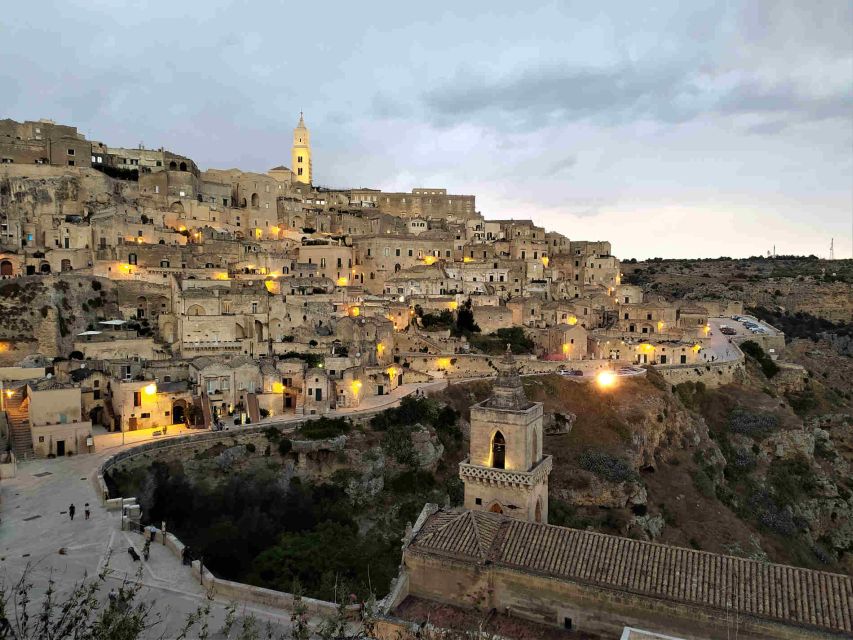
Matera makes the strongest first impression from a viewpoint, but its real story begins inside the rock. This 2.5-hour walk takes you from Piazza S. Pietro Caveoso through the Sassi, into old cave houses, and to the rock church of St. Mary of Idris. You learn not only what you are looking at, but how people managed daily life in a place carved from stone.
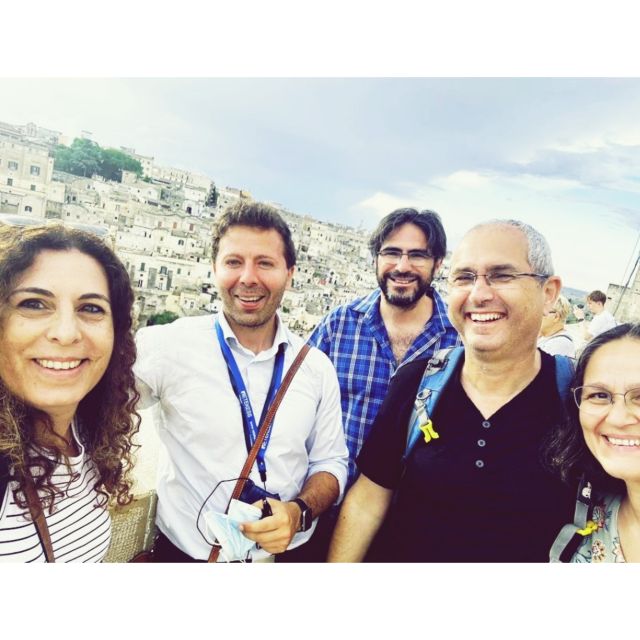
I like the guide-led pace and the local detail. Gaetano Campanile brings the subject alive with history, family stories, humor, and practical tips for the rest of your stay. I also like the focus on the rainwater collection system, a clever part of Matera’s survival that is easy to miss when you explore alone.
The one drawback is the terrain. Matera’s old districts sit on a hill, so you will climb stairs and walk over uneven streets. The pace is relaxed, and one guide has worked well with mixed ages and mobility levels, but this is still a walking tour, not a flat city stroll.
Key points at a glance
- Start in Piazza S. Pietro Caveoso: Meet your guide in front of the church, in one of Matera’s most atmospheric squares.
- Enter the old cave homes: See how families once lived inside rooms cut into the rock.
- Understand water and survival: Learn how rainwater was collected and stored in a dry, rocky setting.
- Visit St. Mary of Idris: Step into one of Matera’s remarkable rock churches.
- Hear the human story: Follow Matera’s shift from the shame of Italy to a UNESCO-listed cultural site.
- Allow for stairs: The route is leisurely, but comfortable shoes are essential.
Why this short walk is a smart start in Matera
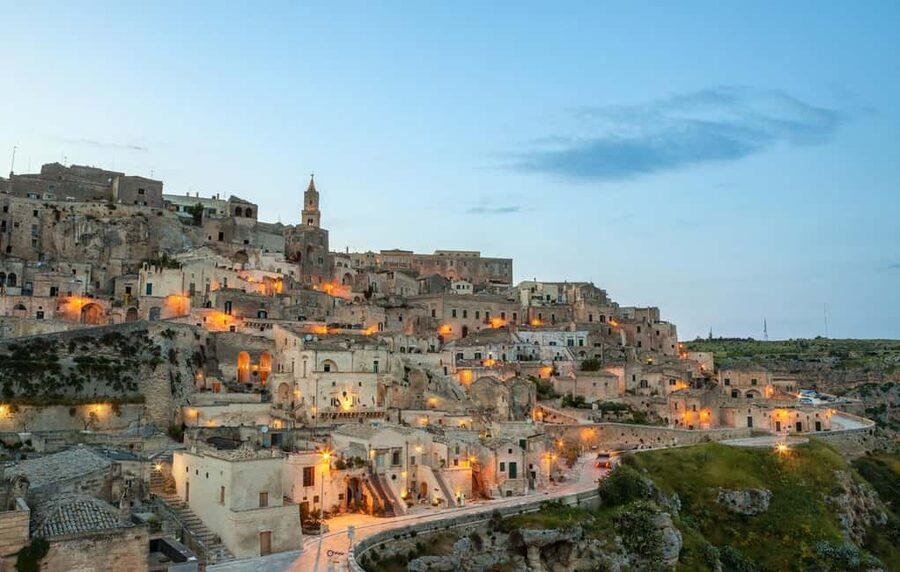
Matera can be confusing at first. The Sassi are not laid out like a tidy museum district. Stone stairways, cave rooms, church facades, small lanes, and sudden viewpoints all fold into one another. A guide gives you a useful frame before you wander off on your own.
I would take this tour early in a Matera stay. Once you understand where the old cave districts begin, how they were arranged, and why water mattered so much, the rest of the city becomes easier to read. A doorway is no longer just a doorway. A dark opening in the rock may reveal an old home, a cistern, or a place of worship.
The experience is also a good choice if you want more than attractive photographs. The focus is on the people who lived in the caves, the practical systems that kept them alive, and the social changes that reshaped Matera. That gives you a better sense of the city than a quick viewpoint stop can offer.
Gaetano Campanile leads the English tour. His background as a historian comes through in the way he explains events, but the tone stays relaxed. He is also a native resident of Matera, and his local knowledge adds family accounts and personal connections to the larger story.
More walking tours in Matera:
- Matera’s Sassi Walking Tour – History & Culture
★ 5.0 · 476 reviews - Sassi di Matera: Guided Walking Tour with Cave House/Church
★ 4.7 · 343 reviews - Matera: Guided Walking Tour
★ 4.8 · 333 reviews
Meeting at Piazza S. Pietro Caveoso
The walk begins at Piazza S. Pietro Caveoso, with the guide waiting directly in front of the church. This is a sensible starting point because you are already close to the Sassi and some of Matera’s most striking views.
Do not treat the meeting point as a place to rush through. The square helps you see the relationship between the built city and the rocky ravine below. From here, the route leads into the older districts, where the city feels less like a conventional Italian town and more like a settlement shaped directly from the hillside.
If you arrive by car, two multi-level car parks are listed nearby: one on Via Pasquale Vena and another on Via Rocco Scotellaro. Parking details can change, so check current conditions before setting out, but these locations give you a practical starting point for planning.
The tour returns to the same meeting point at the end. That makes it easier to combine with lunch, another museum visit, or an independent walk through the streets afterward.
Walking the Sassi and finding the best viewpoints
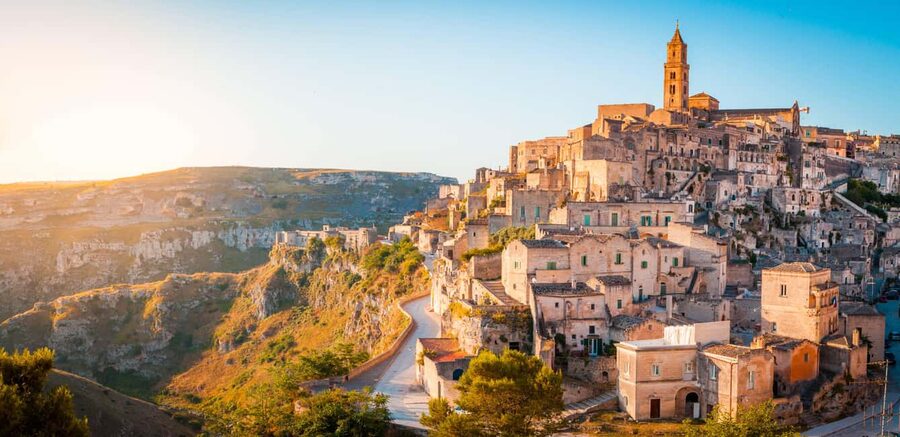
The Sassi are Matera’s ancient districts, made up of homes, churches, stairways, lanes, and rooms cut into the rock. The guide takes you through both well-known views and quieter corners that you might miss on your own.
This part of the route is where the visual drama comes first. You will have chances to look across the stone-built districts and see how tightly the buildings fit into the slope. The views are excellent, but the guide’s explanation gives them meaning. You begin to see why the city developed this way and how families used every available space.
The route is not simply a march from one photo stop to the next. You will pause to discuss the design of the old neighborhoods and the small clues that reveal how they functioned. That is useful in Matera, where a wall, staircase, or opening can have several layers of purpose.
The walking pace is described as leisurely. That should help if your group includes different ages or walking abilities. Still, the Sassi involve stairs, and you should expect some uphill sections. Wear shoes with a firm grip, especially if the stone is smooth or damp.
Inside a Matera cave house
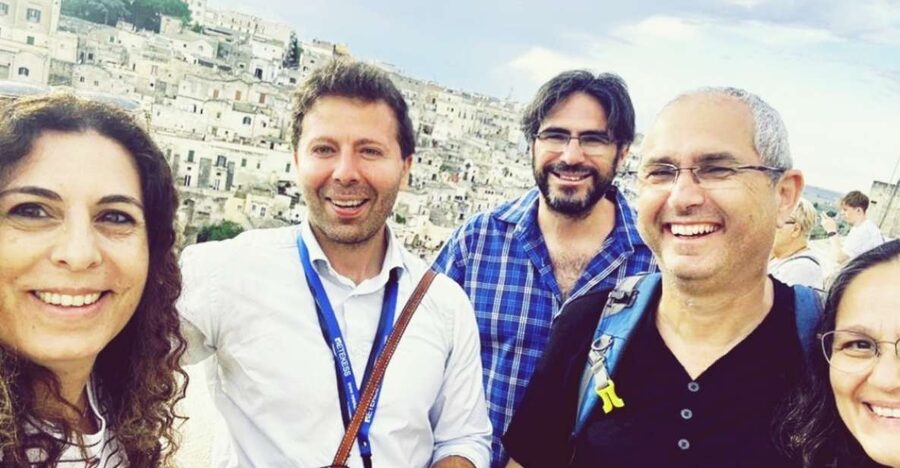
The cave house is the most direct way to understand old Matera. From the outside, a cave may look like a simple opening in the rock. Inside, you begin to grasp how an entire household could be organized in a small, dark space.
The point is not simply that people lived underground. You learn how the rooms were used and how families adapted to the limits of the rock. A visit gives the social history a physical shape. Instead of hearing only dates and labels, you see the setting where daily life took place.
This is one of the tour’s strongest features for first-time visitors. It answers questions that photographs cannot. How did people arrange their homes? How did they deal with water? What made the cave system practical, and what made it difficult?
The experience also puts Matera’s past in human terms. The old districts were not abandoned ruins with no connection to modern life. They were homes for families, with routines, hardships, and local traditions. Gaetano’s stories about residents and family memories help keep the focus on people rather than turning the Sassi into a backdrop.
A few other Matera mornings to weigh against this
- Matera: Sassi Tour with Cave House and Rupestrian Church
★ 4.7 · 6,618 reviews - Discover Matera, the ancient city – English tour
★ 5.0 · 1,771 reviews - Guided Tour of Matera Sassi
★ 4.5 · 1,312 reviews - Matera: Sassi Tour with Entry to Rock Houses and Churches
★ 4.6 · 622 reviews
The rainwater system that kept the city alive
Matera’s water system is one of the most useful subjects on the walk. In a rocky setting where water could not simply be taken for granted, collecting rain was essential.
You learn about the ingenious system used to gather and store rainwater. This detail helps explain why the caves were more than unusual housing. The settlement depended on careful use of the resources available around it, and water storage was central to survival.
I especially like this part because it trains you to look down as well as up. After the tour, you may notice cisterns, channels, and other practical features that would otherwise blend into the stone. One account of the walk also includes an old cistern, along with ancient churches and a workshop, though the exact stops can vary with the guide and route.
The water story also shows why Matera cannot be understood only through its beauty. The Sassi are photogenic, but life there demanded planning and hard work. The guide connects the elegant views with the less glamorous systems that made the city possible.
Entering St. Mary of Idris
The rock church of St. Mary of Idris is a central stop. Carved into the cliff, it combines the natural form of the stone with the marks of religious use over time.
Inside, you get a different sense of the Sassi. The cave home explains family life, while the church shows how the same rock could serve a spiritual purpose. The setting is intimate and unusual, and it adds depth to the tour’s wider look at Matera’s culture.
The church is also a good reminder that Matera’s old districts were not only residential areas. Homes, places of worship, water systems, and work spaces existed close together. The guide helps connect these parts so you can understand the Sassi as a functioning community.
Because this is a walking tour, the church visit is part of a larger route rather than a long, formal church tour. If religious art is your main interest, you may want additional time elsewhere in Matera. If you want to understand how sacred and domestic spaces fit into the rock city, this stop works very well.
From the shame of Italy to UNESCO status
The tour’s most important thread is Matera’s dramatic change in reputation. The old cave districts were once associated with poverty and poor living conditions. Matera became known as the shame of Italy, a label that reflected the severe problems faced by people living in the Sassi.
The story did not end there. Over time, the city changed direction, and the Sassi became recognized as a major part of Italy’s cultural heritage. Today, Matera is a UNESCO site and one of the country’s most distinctive destinations.
A guide matters here because the polished present can hide the difficult past. Restored stone facades, atmospheric lanes, and stylish places to eat may make the Sassi look timeless. The tour reminds you that these were real neighborhoods, not a stage set.
Gaetano explains this shift through social history as well as architecture. That balance is important. You hear about the physical city, but also about the people, policies, and changing attitudes that shaped its future. By the end, you should have a clearer sense of why Matera is both beautiful and complicated.
Gaetano’s guiding style
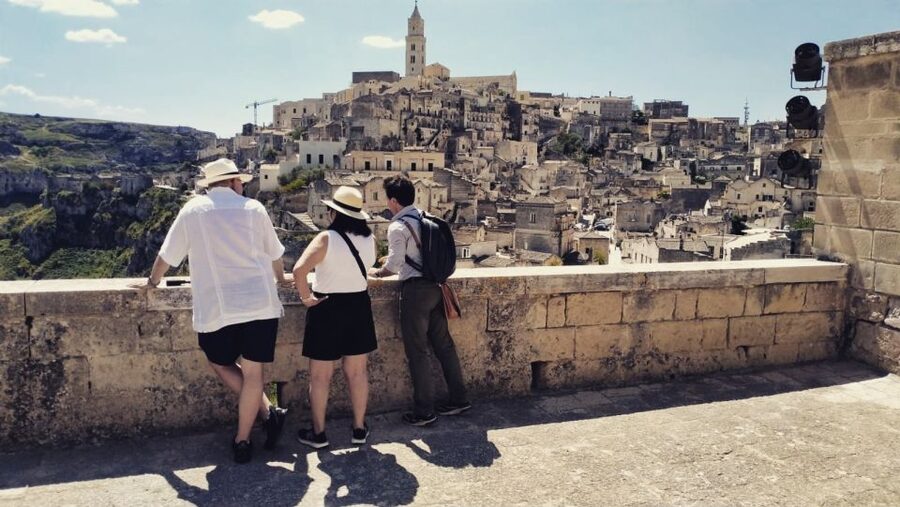
Gaetano Campanile is the main reason this experience feels more personal than a basic orientation walk. He speaks English well and keeps the explanation moving, with a mix of historical facts, local stories, and humor.
His style appears especially suited to people who like to ask questions. You can expect explanations about the city’s past, but also details about individual residents and oral accounts passed down by people whose families lived in the caves. That kind of information gives the tour a human voice.
He also adjusts to the group’s pace and interests. This is useful when a party includes different ages or mobility levels. A relaxed walking speed does not mean the tour lacks substance. The route covers a lot of ground, but the emphasis stays on understanding what you see.
Gaetano has also helped people with practical advice for the rest of their visit, including food suggestions and ideas for other places to see. That can add real value in Matera. A good local recommendation may improve the hours after the tour as much as the official route itself.
Is $28 good value for 2.5 hours?
At $28 per person, this is a strong value if you want context rather than a self-guided walk with a map. You receive a two-and-a-half-hour guided route, access to cave spaces, a visit to St. Mary of Idris, and a detailed explanation of Matera’s social and architectural story.
The price is also reasonable for a small city where the main attraction is not a single monument, but a whole district that takes time to understand. A short walk might show you the views. This experience explains how to read them.
The value depends on your interests. If you only want to photograph the Sassi and explore at your own speed, you may prefer to walk independently. If you want the city’s story, practical details, and local perspective, the fee is easier to justify.
Free cancellation up to 24 hours before the start gives you some flexibility, and you can reserve without paying immediately. Check availability for the current start times.
Who will enjoy this tour most?
I would recommend it to first-time visitors, history fans, and anyone who wants a useful introduction before exploring Matera alone. It suits couples, families with older children, and mixed-age groups that can manage stairs at a relaxed pace.
It is also a good fit if you prefer a guide who explains rather than rushes from sight to sight. The English-language format is clear, and Gaetano’s storytelling style adds warmth without taking away from the facts.
You should think twice if stairs are a serious problem or if you need a fully accessible route. The old city lies on a hill, and the walk includes stairways. The pace is gentle, but the terrain cannot be removed from the experience.
Bring comfortable shoes. You do not need special equipment, but supportive footwear will make the stone streets and climbs much easier.
Should you book the Matera caves and rock churches walk?
Yes, I would book it, especially near the start of your stay. The combination of cave homes, St. Mary of Idris, water systems, viewpoints, and social history gives you a useful picture of Matera in one manageable outing.
Choose this tour if you want to understand why the Sassi matter, not just see them. Gaetano Campanile’s local roots, historical training, clear English, humor, and willingness to answer questions add a personal layer that a guidebook cannot provide.
Skip it only if you strongly prefer solitary wandering or cannot handle stairs. For most visitors who want a thoughtful and fairly priced introduction to Matera, two and a half hours here can make the rest of the city far more rewarding.
FAQ
Where does the tour start?
The tour starts in Piazza S. Pietro Caveoso. The guide waits directly in front of the church.
Where does the tour end?
The activity ends back at the meeting point in Piazza S. Pietro Caveoso.
How long does the walking tour last?
The tour lasts 2.5 hours. Starting times depend on availability.
Is the tour offered in English?
Yes. The tour includes a live English-speaking guide.
What will I see on the tour?
You will explore the Sassi, visit ancient cave houses, see the rock church of St. Mary of Idris, and visit viewpoints and lesser-known corners of Matera.
Will I have to climb stairs?
Yes. Matera’s old city is on a hill, so the route includes stairways. The walk proceeds at a leisurely pace.
What should I bring?
Bring comfortable shoes suitable for walking on the city’s hilly streets and stairs.
Can I cancel the booking?
Yes. You can cancel up to 24 hours in advance for a full refund. You can also reserve now and pay later.
Fresh on the Matera list
- The Sassi of Matera★ 5.0 · 252 reviews
- Matera: Sassi History and Culture Walking Tour★ 4.8 · 267 reviews
- Matera: Open Top Bus Tour with Entrance to Casa Grotta★ 4.2 · 278 reviews
- Matera: 3-hour Private Full Sassi di Matera Guided Tour★ 4.8 · 316 reviews
- Matera: Guided Walking Tour★ 4.8 · 333 reviews
- Discover Matera: Overnight Stay, Meal, and Sassi Tour★ 5.0 · 335 reviews
- Sassi di Matera: Guided Walking Tour with Cave House/Church★ 4.7 · 343 reviews
- Full Private 3h Excursion to the Sassi di Matera★ 5.0 · 451 reviews
Walking Tours, compared.
Guided Walking Tour & Last Supper Visit with Ticket
Read our review →
Rialto Bridge & Offbeat Unusual Venice Walking Tour
Read our review →
Private 3 hrs Venice Tour: St Mark’s, Walking tour & Boat tour
Read our review →
Skip the line: Uffizi and Accademia Small Group Walking Tour
Read our review →Browse the lists this tour appears in