
Reviewed · COOKING CLASSES
Lecce: Pasta Making Class in 1400s-Era Courtyard with Wine
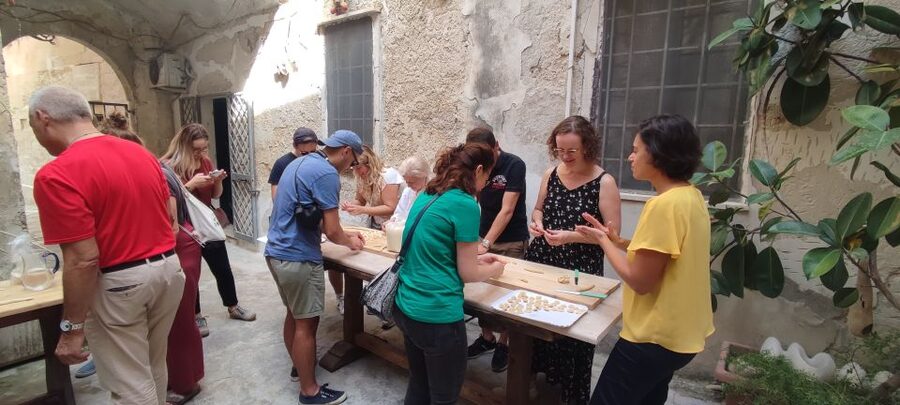
Lecce’s best pasta class takes place in an unlikely kitchen: a 1400s-era courtyard inside the Faggiano Archaeological Museum. You work by hand with flour and water, shape Apulian pasta, then sit down to eat what you made with wine. It feels less like a formal demonstration and more like an evening around an Italian family table.
I like the hands-on teaching and the setting. You are not simply watching a cook turn dough into perfect pasta. You get the tools, try the movements yourself, and receive help from local cooks such as Nonna Teresa, Luciana, and Therese. I also like the social side, since the shared meal brings together people from several countries.
The main thing to consider is group size. Some sessions have had about 20 people, and the room can feel crowded during the busiest classes. The hosts work hard to help everyone, but this is a lively group activity, not a quiet private lesson.
Key points to know before booking
- Pasta in a museum courtyard: The class meets at the Faggiano Archaeological Museum on Via Ascanio Grandi 58, in Lecce’s historic center.
- Two Apulian shapes: You learn to make orecchiette and sagne, with some sessions also described as teaching maccheroni.
- Local cooks lead the work: Nonna Teresa and other local women demonstrate the dough and shaping techniques while language guides help explain each step.
- You eat what you make: The class ends with a shared meal of the fresh pasta, wine, snacks, and, in some sessions, dessert.
- A social evening: The table setup makes it easy to meet people from several countries.
- Good practical flexibility: The experience lasts 2.5 hours, is wheelchair accessible, and offers instruction in Italian, English, and French.
Making pasta inside Lecce’s Faggiano Museum
The meeting point is the Faggiano Archaeological Museum at Via Ascanio Grandi 58, right in the center of Lecce. That location matters. You can reach it while exploring the old town, and the class gives you a reason to step inside one of the city’s more unusual historic spaces.
The cooking area is set in a courtyard dating to the 1400s. The stone surroundings give the class a strong sense of place without turning it into a museum lecture. You are making food in a setting tied to Lecce’s past, not in a generic modern cooking studio.
The Faggiano Museum itself is a working archaeological site with layers beneath a private building. The class information identifies it as the venue, but the focus here remains firmly on pasta. I would plan a separate visit if you want time to study the museum carefully, since the 2.5-hour activity is built around cooking and eating.
On arrival, you’ll meet the local cook and the language guide. Names can vary by session, but past classes have included Nonna Teresa, Luciana, Therese, and Enrica. Luciana has been praised for speaking several languages, while the cooks are there to demonstrate the traditional techniques and correct your work.
More cooking classes in Lecce:
- Cooking class, dinner and wine tasting near Lecce
★ 5.0 · 350 reviews - Orecchiette Cooking Class and Wine Pairing in Lecce
★ 4.5 · 205 reviews - Florence: Pasta Cooking Class with Unlimited Wine
★ 4.9 · 10,285 reviews
Mixing flour and water the Apulian way
The basic ingredients sound simple: flour and water. The work is not quite as easy as the cooks make it look.
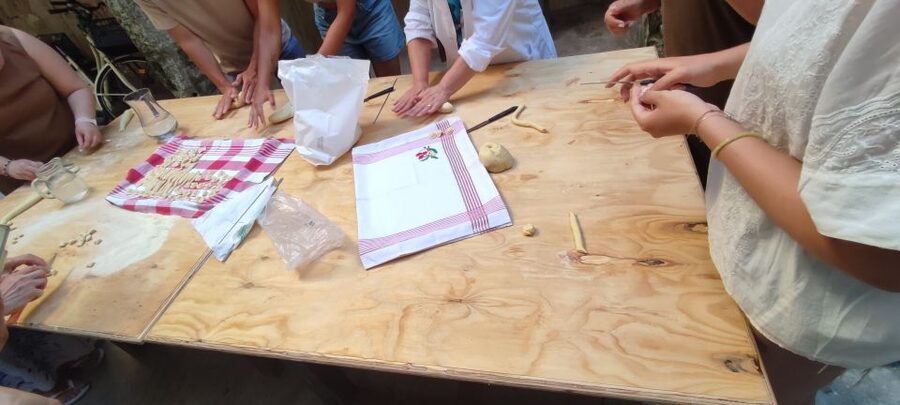
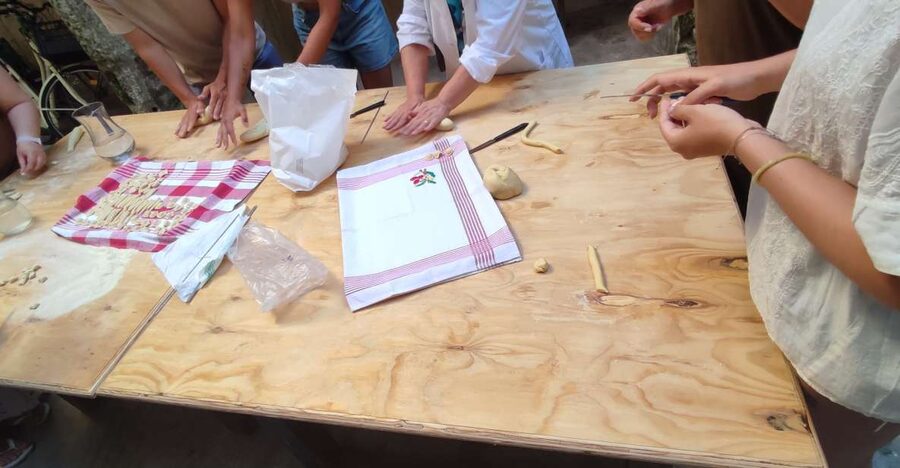
You’ll learn how to combine the ingredients and knead the dough using the equipment provided. The class is designed for direct participation, so expect to handle the dough yourself rather than stand behind a counter and watch. The instructors demonstrate the process, then give you time to copy it.
This is where patience helps. Several people have found the shaping harder than expected, especially because an experienced pasta maker can make each movement seem effortless. If your first pieces look uneven, that is part of the lesson. The cooks and guides are there to show you again and help bring the dough into shape.
I like this part because it gives you something useful to take home. You learn the feel of the dough and the hand movements behind a traditional pasta form. A recipe card alone cannot show you how firm the dough should be or how much pressure to use with your fingers.
The language support also makes a difference. Instruction is available in Italian, English, and French, and the guides help translate the cooks’ demonstrations. English-speaking participants have found the explanations clear, with guides helping to repeat or rephrase steps when needed.
Shaping orecchiette and sagne
Orecchiette means little ears, a name that refers to the small cupped shape. In Puglia, this pasta is closely tied to home cooking and is one of the region’s best-known food traditions.
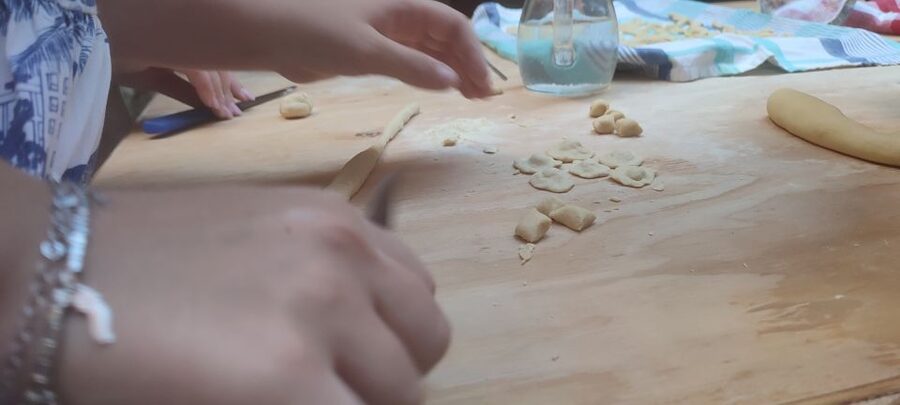
The class teaches you to make the shape by hand. You’ll roll and cut the dough, then use a knife or another basic tool to form the pieces. The precise sequence is taught on site, so the value comes from watching the movement and trying it under supervision.
You may need several attempts before the pieces look consistent. That is not a flaw in the experience. The cooks often keep an eye on quality and step in with corrections. Their standards can be firm, but that attention helps you understand that handmade pasta is a craft, not simply a quick holiday activity.
The program also covers sagne. Some descriptions and class experiences refer to maccheroni as the second pasta, so the exact shape may depend on the session. If the distinction matters to you, confirm the day’s pasta selection when you arrive or ask at booking.
The important point is that you work with typical Apulian forms rather than generic spaghetti or ravioli. You get a clearer sense of how southern Italian pasta differs from the dried shapes most people know at home.
Waiting for the pasta with wine and conversation
Once the pasta is made, the mood shifts from lesson to supper. The fresh pieces are cooked, and you have time to enjoy wine and snacks while waiting. Some sessions have included an appetizer and dessert as part of the evening’s food.
You then eat the pasta you helped prepare. That simple connection makes the final dish more satisfying. Even imperfect pieces taste good when you have spent the previous hour shaping them by hand.
The meal is shared with the whole group. You may sit with people from several countries, and the structure naturally encourages conversation. For a solo visitor or couple, this can be one of the easiest ways to meet others in Lecce without joining a sightseeing tour.
The food itself is presented in a straightforward, local style. Past sessions have included tomato and basil sauce, wine, snacks, and dessert, though the supplied description guarantees the pasta and wine rather than a fixed full menu. I would treat any extra courses as dependent on the particular evening.
The atmosphere can be warm and informal. One past class even included local music while the pasta cooked. That is not listed as a standard part of every session, but it shows the kind of family-style evening that can develop in the courtyard.
A few other Lecce mornings to weigh against this
- Florence Pizza or Pasta Class with Gelato Making at a Tuscan Farm
★ 5.0 · 6,801 reviews - Florence: Pasta & Tiramisu Cooking Class with Unlimited Wine
★ 4.9 · 6,708 reviews - Florence: Pasta Cooking Class with Unlimited Wine
★ 5.0 · 6,413 reviews - Rome: Pasta & Tiramisu Class with Fine Wine by the Vatican
★ 4.9 · 4,852 reviews
Why the setting adds real value
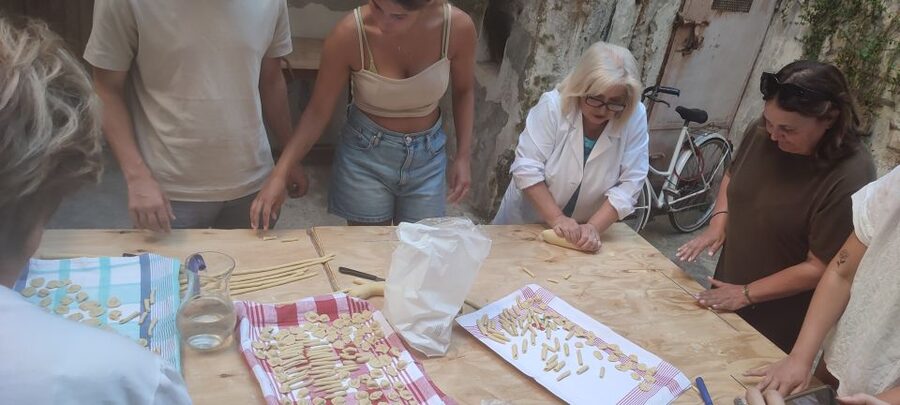
A pasta class can take place anywhere, so the location needs to do more than provide a backdrop. Here, the old courtyard gives the activity a link to Lecce’s architecture and daily traditions.
You are in the historic center, surrounded by a place that has been used and adapted over many centuries. The class does not ask you to admire the courtyard from a distance. You sit, work, talk, and eat there. That makes the historical setting feel practical rather than staged.
The museum location also gives you a handy plan for an evening in Lecce. You can spend the day walking through the old town, meet at the museum, and finish with dinner without arranging transport. Transport is not included, but the central meeting point makes this less of a problem for anyone staying in or near the center.
Keep in mind that the courtyard may be open to the weather. The activity runs rain or shine, so bring clothing suited to the conditions. If you are visiting during a hot period, the outdoor setting may feel more comfortable in the evening, but the class can still involve standing, leaning over the work surface, and handling flour for a long stretch.
How crowded is the class?
The class is designed for a shared group, not private tuition. Some sessions have had around 20 participants. That size can create energy and plenty of conversation, but it can also make personal attention less consistent.
The hosts appear to manage large groups by dividing the demonstrations between the cooks and language guides. You should still expect to wait your turn for help at times, especially when everyone is shaping pasta at once.
I would book this if you enjoy a sociable evening and do not mind a little commotion. If you want detailed one-to-one coaching, ask about the expected group size before paying. The class has been described as well organized even when full, but it is not a small, hushed workshop.
The group format is especially useful for families and mixed-age parties. A 14-year-old and a 10-year-old have both enjoyed the activity, and the practical work gives children something to do throughout the lesson. Younger children may need close help with the dough and tools, so an adult should plan to take part with them.
The instructors make or break the experience
The strongest feature is the combination of local cooks and language guides. The cooks demonstrate the traditional method, while the guides keep the instructions understandable and the group moving.
Nonna Teresa has been singled out for her patient teaching, though some participants also found her firm when their pasta was not up to standard. I see that as a useful balance. You get warmth and humor, but also correction when a shape needs work.
Luciana has served as a guide and translator, and her English has been praised for being clear. Therese has also helped maintain quality during the hands-on work. Enrica has led sessions with conversation, wine, and local music. The team can vary, but the pattern is clear: local women teach the food, and multilingual support helps bridge the language gap.
Do not expect an academic course on Apulian food history. You will learn about the pasta, the tools, and some of the culture of Salento through conversation, but most of the time is spent making and eating. I think that is the right balance for a short evening activity.
Is $68 a fair price?
At $68 per person, the experience is priced above an ordinary restaurant meal but includes much more than dinner. You receive a 2.5-hour activity, a professional local cook, the use of the cooking equipment, instruction, the museum setting, your handmade pasta, and wine.
The value depends on what you want from an evening in Lecce. If you only want to eat orecchiette, a restaurant will cost less and require no work. If you want to understand how the pasta is made, meet local instructors, and share a meal with an international group, the class offers a stronger reason to spend the money.
The central location also saves time and makes the booking easy to fit into a sightseeing day. Since transport is not included, the price is best viewed as covering the class and meal rather than a complete door-to-door excursion.
The high rating of 4.7 from 369 reviews supports the idea that the experience is consistently well received. Still, I would not ignore the crowd issue. The price feels strongest for people who value participation and atmosphere more than private attention.
Booking details that matter
The activity lasts 2.5 hours, and starting times depend on availability. Check the schedule carefully before booking, especially if you have a train, dinner reservation, or evening walk planned afterward.
You can cancel up to 24 hours in advance for a full refund. The reserve-now, pay-later option lets you hold a place without paying immediately, which is useful when your Lecce plans are still changing.
Bring a passport or identity card. The course runs rain or shine, and the venue is wheelchair accessible. If the minimum number of participants is not reached, the course can be canceled, with notification and a refund.
The meeting point is direct: Faggiano Archaeological Museum, Via Ascanio Grandi number 58. Since there is no included transport, allow enough time to find the entrance and arrive ready to start.
Who should book this pasta class?
I would recommend it to couples, families, solo visitors, and friends who like food with a social side. It suits anyone who wants a practical introduction to Apulian cooking without committing to a full-day food tour.
It is also a good choice for a second or third night in Lecce, when you have already seen the main churches and piazzas and want an activity that connects you with local life. The shared meal gives the evening a relaxed finish.
You may want something else if you dislike group activities, have limited mobility with standing or hand work, or expect restaurant-style service. The venue is accessible, but the class still involves making dough and shaping pasta. The instructors can help, yet the experience is built around taking part.
Should you book it?
Book this Lecce pasta-making class if you want to make traditional pasta with your own hands, eat it soon afterward, and spend an evening talking with people from around the world. The 1400s courtyard and the local cooks give it a clear sense of place, while the central museum location keeps the logistics simple.
Skip it if you want a private chef lesson or a guaranteed small group. For most visitors, though, $68 is a reasonable price for the instruction, meal, wine, and setting. Bring patience, an appetite, and a willingness to make pasta that may look less perfect than Nonna Teresa’s.
FAQ
Where does the pasta-making class meet?
The meeting point is the Faggiano Archaeological Museum at Via Ascanio Grandi 58, in the center of Lecce.
How long does the experience last?
The class lasts 2.5 hours. Starting times vary, so check availability when choosing a date.
Which pasta shapes will I learn to make?
The activity teaches Apulian orecchiette and sagne. Some class sessions have also described the second pasta as maccheroni.
Is food and wine included?
You eat the pasta you make and receive wine. Past sessions have also included snacks, an appetizer, and dessert, but those extras are not specified as guaranteed inclusions.
What languages are available?
Instruction and guide support are available in Italian, English, and French.
Can I cancel or pay later?
You can cancel up to 24 hours before the activity for a full refund. The reserve-now, pay-later option allows you to book without paying immediately.
More Workshops in Lecce
- 3 in 1 Cooking Class near Navona: Fettuccine, Ravioli & Tiramisu
★ 5.0 · 7,376 reviews - Naples: Pizza-Making Workshop with Drink and Appetizer
★ 4.9 · 5,411 reviews - Cooking Class and Lunch at a Tuscan Farmhouse with Local Market Tour from Florence
★ 5.0 · 4,831 reviews - Authentic Pizza Making Class in Naples with Appetizers and Drink
★ 5.0 · 3,178 reviews
Fresh on the Lecce list
- Ostuni, Alberobello and Polignano a Mare. Departing from Lecce★ 5.0 · 195 reviews
- Lecce: Street Food Tasting and Sightseeing Tour★ 4.8 · 197 reviews
- Orecchiette Cooking Class and Wine Pairing in Lecce★ 4.5 · 205 reviews
- Porto Selvaggio kayak tour + cliff diving + cold spring immersion★ 5.0 · 227 reviews
- Lecce guided tour with underground discoveries★ 4.5 · 230 reviews
- 3-hour Boat Tour in Santa Maria di Leuca★ 5.0 · 233 reviews
- Lecce: City Highlights Guided Tour by Rickshaw★ 4.8 · 236 reviews
- Santa Maria di Leuca: Capo di Leuca Boat Tour★ 4.8 · 245 reviews
Cooking Classes, compared.
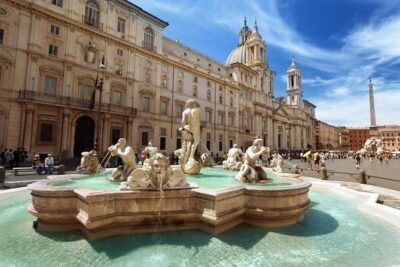
3 in 1 Cooking Class near Navona: Fettuccine, Ravioli & Tiramisu
Read our review →
Florence Pizza or Pasta Class with Gelato Making at a Tuscan Farm
Read our review →
Pasta & Tiramisu Cooking Class with Unlimited Wine
Read our review →
Cooking Class and Lunch at a Tuscan Farmhouse with Local Market Tour from Florence
Read our review →
Authentic Pizza Making Class in Naples with Appetizers and Drink
Read our review →
Pasta Making Class with Wine, Limoncello, and Dessert
Read our review →Browse the lists this tour appears in