
Reviewed · COOKING CLASSES
Hands on Italian Cooking Classes
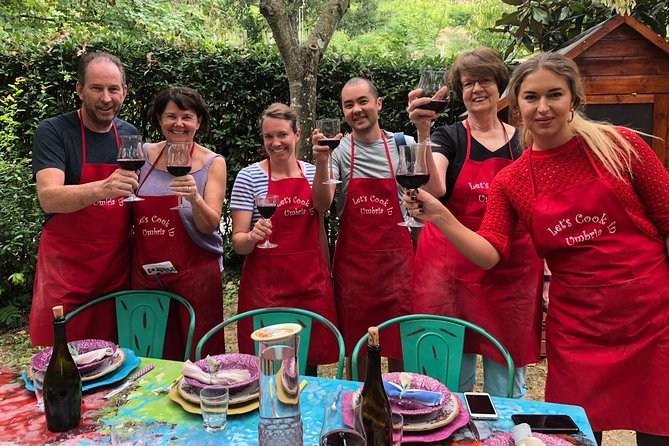
Making pasta from scratch is only the beginning here. At Farmhouse La Volpe E L’Uva, Raffaella guides you through a full Umbrian meal, then sits you down to eat it with wine made on the farm. The class is genuinely hands-on, not a cooking demonstration where you stand around watching.
I especially like the small group size, capped at eight, and the setting in a working farmhouse with an organic garden. I also like that the recipes, apron, and certificate give you something useful to take home. The main consideration is practical: there is no hotel pickup, and the booking is non-refundable if your plans change.
Key points to know before booking
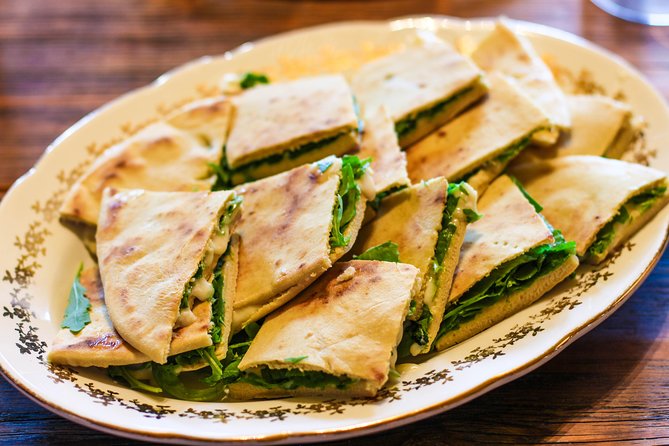
- Four-course meal from scratch: Prepare an appetizer, first course, main course with side dish, and dessert.
- Raffaella teaches in English: Expect traditional techniques, recipe background, patience, and plenty of practical tips.
- Farm-grown ingredients: Vegetables come from the organic garden, while the farm produces its own extra virgin olive oil and red wine.
- Small-group format: A maximum of eight people makes it easier to work at the counter and ask questions.
- Long, food-filled morning: The class begins at 10 a.m. and usually lasts three to four hours, including lunch.
- Come prepared to arrange your own transport: The class starts and ends at Farmhouse La Volpe E L’Uva in Perugia.
A farmhouse kitchen outside Perugia
The first thing to understand is that this is not just a lesson in assembling a few Italian dishes. You spend the morning at Farmhouse La Volpe E L’Uva, a family home and working farm at Strada Comunale S. Marino 25, outside central Perugia.
That setting matters. The vegetables used in class grow in the farmhouse’s organic garden, and the extra virgin olive oil and organic red wine come from the property. Other ingredients are bought at local markets, so the meal reflects both the farm and the wider Umbrian kitchen.
I like this mix. It gives you a direct connection to the food without pretending every ingredient comes from one small plot. You get farm olive oil and wine, garden produce, and the sort of market ingredients that make up everyday Italian cooking.
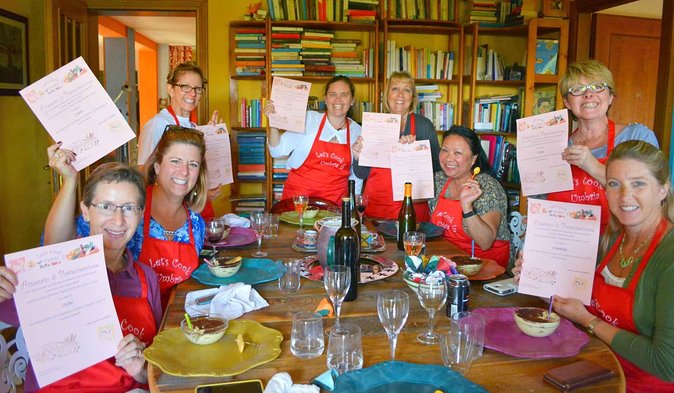
The class is offered in English, and the group is limited to eight people. That is a useful number for a practical lesson. You should have a better chance to handle the dough, shape the pasta, and follow the cooking instead of watching from the back of a crowded room.
More cooking classes in Italy:
- Florence: Pasta Cooking Class with Unlimited Wine
★ 4.9 · 10,285 reviews - 3 in 1 Cooking Class near Navona: Fettuccine, Ravioli & Tiramisu
★ 5.0 · 7,376 reviews - Florence Pizza or Pasta Class with Gelato Making at a Tuscan Farm
★ 5.0 · 6,801 reviews
Starting at 10 a.m. with Umbrian cooking
Plan to arrive ready to work at 10 a.m. The class generally runs for three to four hours, so this is a substantial half-day activity rather than a quick morning stop.
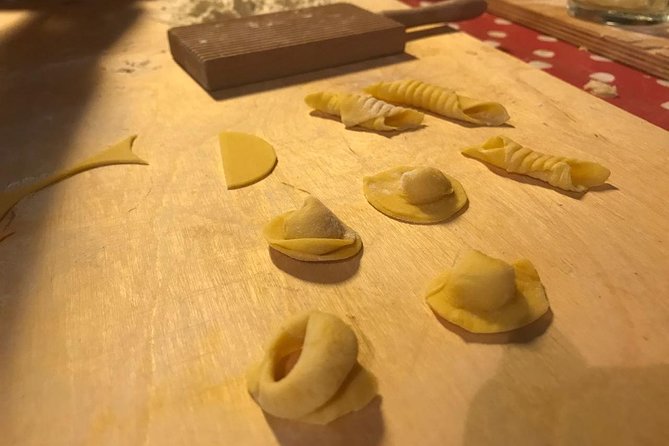
Raffaella teaches traditional Italian methods and explains the background of each recipe as you go. The emphasis is on doing the work yourself. You may be making pasta, forming gnocchi, preparing a filling, stirring a sauce, or helping with the main course and dessert, depending on the day’s menu.
That hands-on approach is the real reason to choose this class. Watching a professional cook roll pasta can be entertaining, but doing it yourself shows you how the dough feels, how much pressure to use, and how the texture changes as you work. Those are the details that are hard to pick up from a recipe alone.
The pace also seems well suited to mixed abilities. Raffaella is described as patient with beginners, while still offering tips that more experienced home cooks can use. A parent cooking with a child, a couple, or a group of friends can all take part without needing advanced kitchen skills.
Pasta, gnocchi, ravioli, and truffle dishes
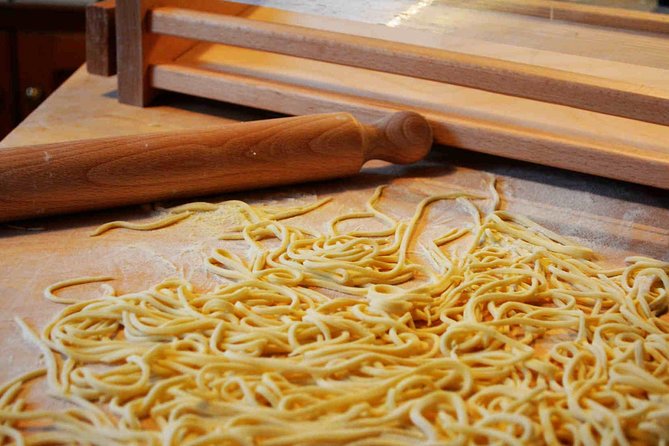
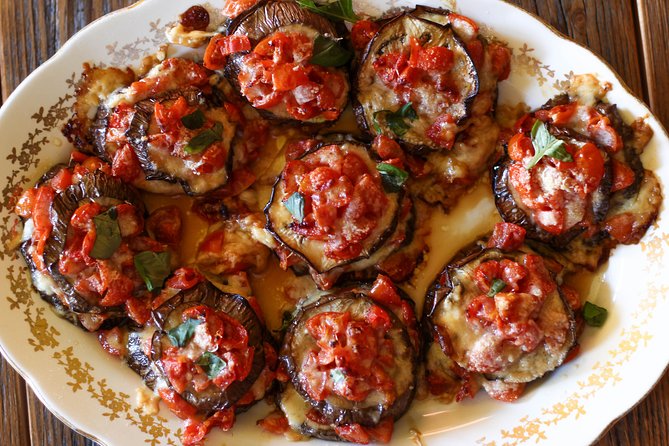
The menu can vary, but the sample choices show the range of food you may prepare. Possible first courses include homemade tagliatelle with sausage ragù, potato gnocchi, ravioli filled with spinach and fresh ricotta, or strangozzi with truffle.
This is a good introduction to Umbrian pasta because it does not focus on one famous dish alone. Tagliatelle teaches a familiar fresh pasta shape and a hearty sauce. Gnocchi brings a different texture and technique. Ravioli adds filling, sealing, and portioning. Strangozzi, a rustic Umbrian pasta, gives you a taste of a local style that you may not find on every Italian cooking course.
The menu description labels several of these as starters, but they are better understood as possible first courses rather than a parade of every pasta listed. You should expect one complete meal, with the exact dishes depending on the class.
If you are especially interested in pasta, this experience has a strong case. Several of the most enthusiastic accounts focus on learning pasta-making tips, and one parent chose it specifically to cook pasta with a son who enjoyed the activity. The class also covers more than pasta, so you do not spend four hours making the same dough in different shapes.
Main courses with a proper Umbrian feel
After the first course, the meal moves to a main dish with a side. The sample menu includes pork tenderloin with dried plums, chicken alla cacciatora, and veal alla Perugina.
These dishes give the class a more complete view of Italian home cooking. You are not just learning how to make a restaurant-style pasta plate. You are also seeing how meat, sauce, herbs, and side dishes fit together in a traditional meal.
Chicken alla cacciatora is the most immediately familiar choice, a rustic preparation with the kind of direct, home-kitchen character that suits a farmhouse setting. Pork with dried plums offers a sweeter contrast, while veal alla Perugina connects the meal more closely to the local area.
The class includes a side dish with the main course, although the supplied information does not specify which side will be served. That is worth keeping in mind if you have a particular preference or dietary restriction. Tell the provider about dietary needs when you book so the kitchen has notice.
A few other Italy mornings to weigh against this
- Florence: Pasta & Tiramisu Cooking Class with Unlimited Wine
★ 4.9 · 6,708 reviews - Florence: Pasta Cooking Class with Unlimited Wine
★ 5.0 · 6,413 reviews - Naples: Pizza-Making Workshop with Drink and Appetizer
★ 4.9 · 5,411 reviews - Rome: Pasta & Tiramisu Class with Fine Wine by the Vatican
★ 4.9 · 4,852 reviews
Dessert, coffee, and wine from the farm
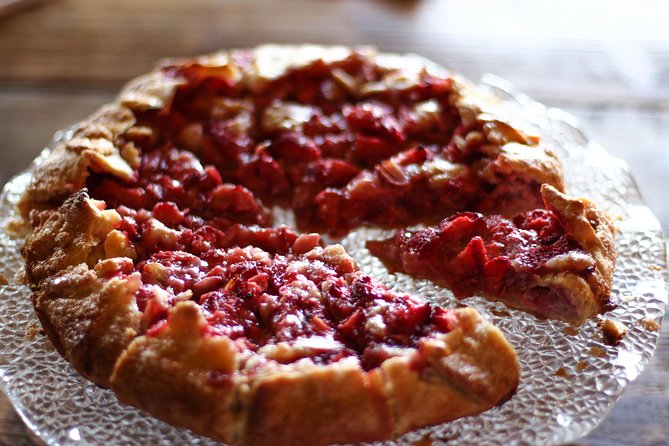
Dessert is part of the work, not an afterthought. Possible choices include homemade tiramisu, chocolate and pear cake with cream, or crostata.
These are useful recipes for a home cook because they are familiar Italian endings with different levels of technique. Tiramisu teaches assembly and balance. Chocolate and pear cake brings baking into the lesson. Crostata offers the classic pastry-and-jam combination that works well with coffee.
Once the food is ready, you sit down to eat the four-course meal. The class includes Umbrian wine during the meal and coffee afterward. Since the farm produces its own organic red wine, the meal has a clear sense of place rather than relying only on a generic bottle brought in from elsewhere.
I consider the shared meal one of the strongest parts of the experience. You get to see whether the techniques worked, ask final questions, and enjoy the food at a relaxed pace. The cooking has a useful payoff: you eat what you made instead of leaving with a few samples and an empty stomach.
Why the small group makes a difference
A maximum of eight people is an important detail, especially for a class advertised as hands-on. In a larger group, the teacher may need to do most of the shaping and mixing while everyone else waits. Here, the smaller format should give you more access to the work surface and more time with Raffaella.
The personal setting is also part of the appeal. The farmhouse functions as a home and a working property, so the experience feels closer to being invited into an Italian household than attending a formal culinary school.
That intimacy will not suit everyone. If you prefer polished demonstration kitchens, fixed menus, or a fast-moving professional format, this may feel informal. I see the informality as a benefit for most people, but it is still useful to know what you are booking.
Raffaella’s teaching style is another strong point. She brings patience and humor to the lesson, and she explains both cooking methods and the background of the recipes. That makes the class more useful than a simple meal with a quick demonstration.
The value of $169.38 per person
At $169.38 per person, this is not a budget lunch. But the price covers a half-day class, a four-course meal, estate wine, coffee, an apron, a recipe folder, and a certificate of participation.
The meal alone is only one part of the value. You are also paying for instruction, ingredients, access to a small group, and the time required to prepare several dishes. If you want an activity you can repeat at home, the recipe folder helps justify the cost. The apron is a practical souvenir, too, rather than another decorative trinket.
I would compare this price with the cost of a guided food activity plus a good meal in Perugia. The class combines both, while adding the farm setting and the chance to learn from Raffaella directly. For people who care about food, that makes the price reasonable. For someone who only wants to eat and has little interest in cooking, a market tour or restaurant meal may be a better use of money.
The included wine is worth noting, but you should not book this as a wine tasting. Wine is served with the meal, while the main focus is cooking.
Getting there and planning the morning
The class begins and ends at Farmhouse La Volpe E L’Uva, at Strada Comunale S. Marino 25, 06125 Perugia, Italy. Hotel pickup and drop-off are not included.
The property is near public transportation, but no exact route or travel time is provided. You should check your route to the farmhouse before booking, especially if you are staying in central Perugia and have another appointment afterward.
Because the class can last up to four hours, avoid scheduling a tight midday train, museum entry, or transfer. The cooking, meal, wine, and coffee are all part of the experience, and rushing away would undercut the best part.
Confirmation is sent within 48 hours, subject to availability. You should provide any dietary requirements at the time of booking. The activity is non-refundable and cannot be changed after booking, so choose your date carefully.
Who will enjoy this class most
I would choose this for anyone who wants to connect food with daily life in Umbria. It suits couples, families, solo cooks, and small groups, provided everyone is happy to take part rather than simply watch.
It is especially good for:
- First-time pasta makers who want clear, patient instruction
- Home cooks looking for traditional Umbrian recipes
- Families who want a shared activity
- People who prefer a small farmhouse setting to a large cooking school
- Food-focused visitors who value a full meal after the lesson
You do not need to be an expert. The class is built around participation, and the teaching style is suited to people with little experience. If you have dietary needs, give advance notice rather than waiting until the morning of the class.
The experience may be less suitable if you dislike cooking, need hotel transport, or want a short activity with a guaranteed finish time. It also may not be ideal for a very strict itinerary, since the class is designed to unfold over a relaxed three to four hours.
What you take home besides lunch
The recipe folder is the most useful takeaway. It gives you a chance to repeat the dishes once you return home, which is often the difference between a pleasant holiday activity and a skill you actually keep.
You also receive an apron and a certificate of participation. The certificate was not received by at least one person at the end of the class, so it is sensible to check before leaving if that item matters to you. The provider may be able to send it afterward, but that follow-up is not guaranteed in the supplied details.
The better souvenir, in my view, is the technique. Fresh pasta, gnocchi, ravioli, a rustic meat dish, and a traditional dessert give you several starting points for future meals. You leave with more than a list of ingredients because you have worked through the process.
Should you book Hands on Italian Cooking Classes?
I would book this class if you want an authentic, participatory food experience near Perugia and have half a day to spare. Raffaella’s patient teaching, the maximum group size of eight, the organic garden, and the farm-produced wine give it a personal feel that a large city cooking school may not match.
The $169.38 price is fair when you count the lesson, full four-course lunch, wine, coffee, apron, recipes, and certificate. Just arrange your own transport, disclose dietary needs early, leave plenty of time after the class, and remember that the booking cannot be refunded or changed.
For food lovers, pasta fans, and families who enjoy making things together, this is one of the stronger choices around Perugia. If you would rather spend the morning sightseeing or simply sit down to a meal, choose a less hands-on activity.
FAQ
Where does the cooking class take place?
It takes place at Farmhouse La Volpe E L’Uva, Strada Comunale S. Marino 25, 06125 Perugia PG, Italy.
What time does the class start?
The class begins at 10 a.m.
How long does the experience last?
The cooking class and meal generally take about three to four hours.
Is the class taught in English?
Yes. An English-speaking teacher leads the class.
How many people can join the class?
The activity has a maximum of eight participants.
What food will I prepare?
You will prepare a four-course meal consisting of an appetizer, first course, main course with side dish, and dessert. Possible dishes include tagliatelle with sausage ragù, potato gnocchi, spinach and ricotta ravioli, strangozzi with truffle, chicken alla cacciatora, pork tenderloin with dried plums, tiramisu, chocolate and pear cake, or crostata.
Is lunch included?
Yes. You eat the four-course meal prepared during the lesson. Umbrian wine is served with the meal, and coffee is included afterward.
What is included besides the cooking class and meal?
You receive Umbrian wine during the meal, coffee after lunch, a certificate of participation, a folder containing the recipes, and an apron from Let’s Cook in Umbria.
Is transportation from my hotel included?
No. Hotel pickup and drop-off are not included. The activity starts and ends at the farmhouse meeting point, which is near public transportation.
Fresh on the Italy list
- Rome: Guided Catacombs Tour & Capuchin Crypt (Audio Guide)★ 4.3 · 191 reviews
- Guided tour of the Colosseum, Roman Forum and Palatine in Spanish★ 4.5 · 191 reviews
- Bolgheri: Winery Tour with Wine Tasting★ 4.7 · 191 reviews
- Stories of Pompeii: Small Group tour with archeology expert guide★ 5.0 · 191 reviews
- Palinuro: Costa del Mito Boat Tour★ 4.9 · 191 reviews
- From Palau/La Maddalena: All inclusive Yacht Tour★ 4.8 · 191 reviews
- Small-Group Cooking Class in Positano: Gnocchi, Tiramisù & Drinks★ 5.0 · 191 reviews
- Semi Private Deep Wine Chianti and San Gimignano from Florence★ 5.0 · 191 reviews
Cooking Classes, compared.
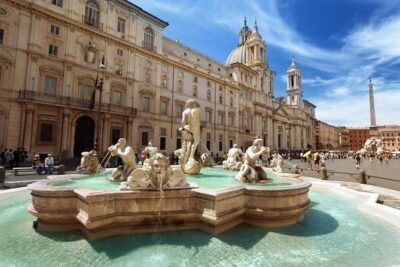
3 in 1 Cooking Class near Navona: Fettuccine, Ravioli & Tiramisu
Read our review →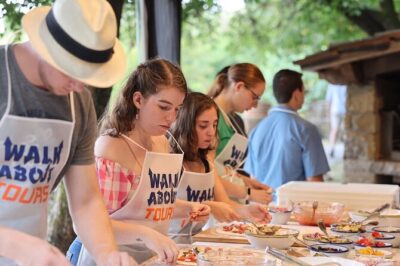
Florence Pizza or Pasta Class with Gelato Making at a Tuscan Farm
Read our review →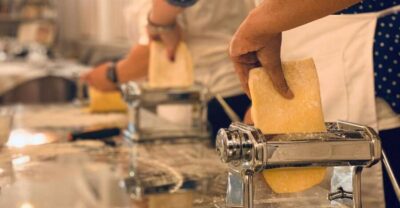
Pasta & Tiramisu Cooking Class with Unlimited Wine
Read our review →
Cooking Class and Lunch at a Tuscan Farmhouse with Local Market Tour from Florence
Read our review →
Authentic Pizza Making Class in Naples with Appetizers and Drink
Read our review →
Pasta Making Class with Wine, Limoncello, and Dessert
Read our review →Browse the lists this tour appears in