
Reviewed · MUSEUMS
Florence: Timed Entrance Ticket to San Marco Museum
San Marco Museum gives you something Florence’s superstar museums often cannot: a quiet look at a working Dominican convent filled with art made for prayer. Fra Angelico’s frescoes are the main event, but the small cells, old kitchens, cloisters, and worn corridors explain how the art once fit into daily monastic life.
I like the timed entry, which makes the visit easy to plan, and the intimate scale. I also like that you can see several sides of Florentine religious life in one place, from Fra Angelico’s serene paintings to Girolamo Savonarola’s austere cell. The main consideration is that this is an unescorted visit, and there is no audio guide included. Some labels are only in Italian, and a few rooms may occasionally be closed.
Key points to know before you go
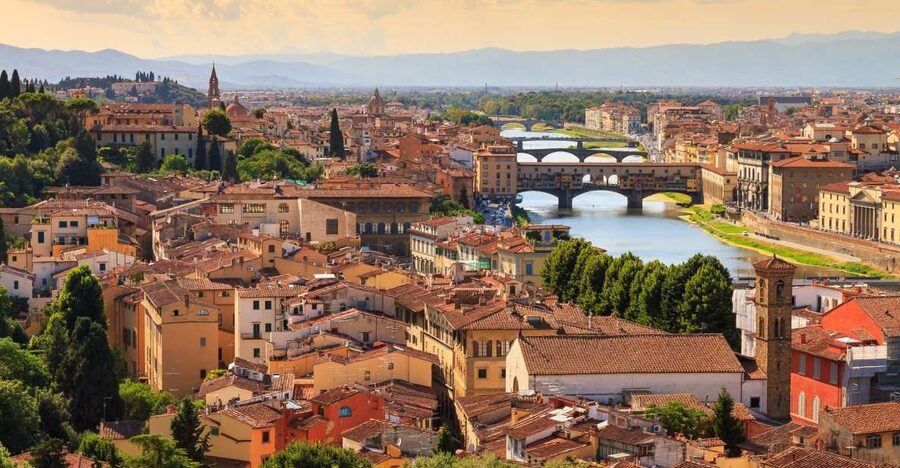
- Fra Angelico’s Annunciation: One of the museum’s essential sights, presented within a convent built for Dominican life.
- Savonarola’s cell: See the plain room connected with the fiery friar who challenged corruption in the clergy.
- Michelozzo’s convent: Walk through a major 15th-century Florentine building still linked to Dominican monks.
- A calm alternative to Florence’s major museums: The visit is quieter and more personal than the Uffizi or Accademia.
- Timed admission at Piazza San Marco 3: Your selected date and time are binding, so arrive ready for that slot.
- Self-guided format: You set your own pace, but you must supply your own background information since no guided tour is included.
Why San Marco Museum deserves a place in your Florence plans

Florence can turn art viewing into a full-contact sport. The Uffizi and Accademia draw big crowds, and the Duomo area rarely feels quiet. San Marco offers a different kind of visit. You enter a former convent where paintings, architecture, and religious purpose remain closely connected.
The museum is not simply a gallery arranged inside an old building. The rooms were made for Dominican monks, and many works were created for specific spaces within that religious setting. That connection changes how you look at Fra Angelico. His paintings are not just beautiful panels on a wall. They were part of a daily rhythm of prayer, study, meals, and silence.
The visit also gives you a useful counterpoint to Florence’s grand Medici palaces. San Marco has elegant architecture, but much of its appeal comes from restraint. The cells are small. The corridors are plain. The devotional paintings are often quiet rather than theatrical. You get a better feel for the spiritual side of Renaissance Florence, not just its wealth and public show.
At $15 per person, the ticket is fairly priced for Florence, especially if you care about Renaissance painting or religious architecture. It is not a full guided experience, though, so the value depends on how much you want to explore independently. If you need a detailed explanation of every fresco, you may prefer to pair the visit with your own guidebook or a separate tour.
More Museums in Florence
- Florence: Skip-The-Line Uffizi Gallery Timed Entry Ticket
★ 4.5 · 27,832 reviews - Florence: Leonardo Interactive Museum Entry Ticket
★ 4.5 · 11,763 reviews - Florence Accademia Gallery Tour with Entrance Ticket Included
★ 4.5 · 6,148 reviews
Entering at Piazza San Marco 3
The museum is at Piazza San Marco, 3, in Florence. You begin at the ticket office inside the museum, then enter during the exact time slot selected when you book.
The timed ticket is useful during a busy Florence trip because it gives you a firm place in your schedule and lets you skip the ticket line. It does not mean you can arrive whenever you wish. The selected date and time are binding, and entry can be refused if you miss the allotted time. Plan to arrive with enough margin to find Piazza San Marco and reach the ticket office without rushing.
The booking also covers the entrance fee and booking fee. A 10 percent discount at the Hard Rock Shop and Hard Rock Cafe in Piazza della Repubblica is included, though those offers are a small extra rather than a reason to choose this museum.
The museum is wheelchair accessible. Accompanying people still need their own admission ticket, so do not assume one timed booking covers everyone in your party.
The church and the convent’s plain beauty
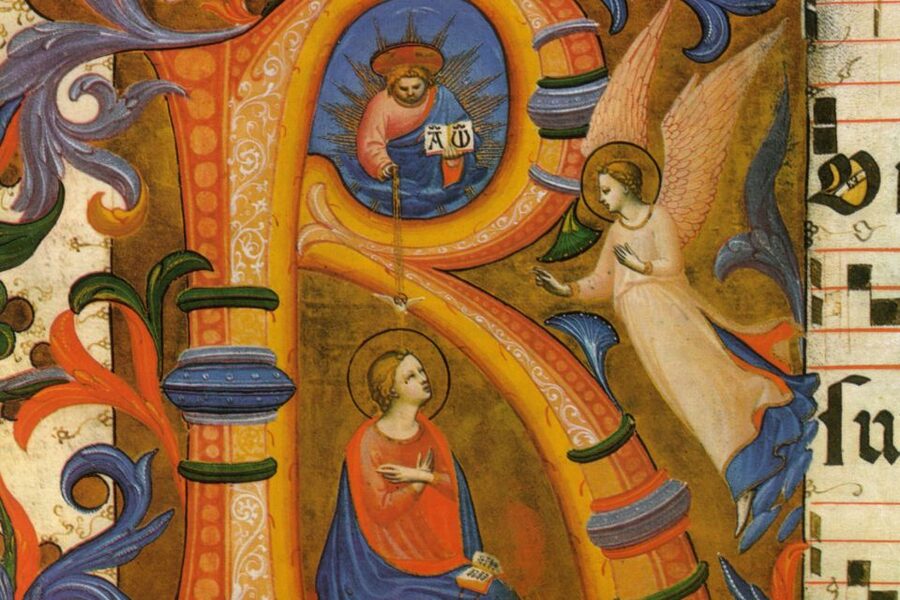
Before going inside, take a moment with the exterior. The building includes both a church and a 15th-century Dominican convent. From the outside, it has the dignified, orderly look you expect from a major Florentine religious complex.
The convent is considered one of the important examples of Florentine architecture from its period. Cosimo I de’ Medici, Grand Duke of Tuscany, commissioned the complex, and Michelozzo carried out its renovation. Michelozzo was one of the leading architects of the Renaissance, and his work here gives the convent a controlled elegance rather than an overloaded one.
The architectural experience is important because it sets the tone for everything that follows. You are not entering a giant palace filled with unrelated masterpieces. You are moving through a place designed for a particular community. The proportions, courtyards, cells, and service rooms make sense as parts of a monastery.
The Dominican monks still live in the convent. That fact gives the museum a sense of continuity that you will not get in a converted palace or a former government building. The visit is still arranged for public access, but the setting retains the feel of a religious house rather than a standard art museum.
The Cloister of St. Anthony
The elegant Cloister of St. Anthony is one of the first spaces to slow you down. Its open design, age-old doors, and frescoed surfaces give you a chance to look closely before reaching the main collection.
The doors are decorated with frescoes, and their worn surfaces are part of the appeal. Do not rush through the cloister on the way to the famous paintings. This is where you begin to understand how decoration served the monks’ daily environment. Art was not restricted to a grand public hall. It appeared along routes used for ordinary movement through the convent.
The cloister also provides a welcome change of pace after Florence’s louder streets. You might find the space especially rewarding if you prefer architecture and atmosphere to a checklist of major paintings. At the same time, the visit is not designed as a performance or a guided presentation. You need to take your time and read what information is available.
Same city, an entirely different afternoon:
- Tuscany Day Trip from Florence: Siena, San Gimignano, Pisa and Lunch at a Winery
★ 5.0 · 21,634 reviews - Florence: Timed Entrance Ticket to Michelangelo’s David
★ 4.6 · 16,983 reviews - Florence: Michelangelo’s David Skip-the-Line Entry Ticket
★ 4.5 · 12,764 reviews - The Best tour in Florence: Renaissance & Medici Tales – guided by a STORYTELLER
★ 5.0 · 12,316 reviews
Fra Angelico’s frescoes and the Annunciation
Beato Angelico, also known as Fra Angelico, is the central artistic reason to visit San Marco. The Dominican monk is one of the major figures of the Florentine Renaissance, and the convent contains a remarkable group of his religious works.
The famous Annunciation is the painting many people come to see. Its importance is not only artistic. Its placement within the convent gives it a direct relationship with the building and the religious community that used it. The quiet mood is a good match for San Marco’s small rooms and restrained architecture.
You will also see frescoes and religious paintings throughout the convent. Their effect is different from a grand altarpiece viewed in a crowded church. The setting encourages close attention to line, gesture, and expression. Fra Angelico’s work rewards patience. Give yourself time to notice the calm faces, simple spaces, and careful use of light.
One practical point matters here: information is not always presented in both English and Italian. Some labels are in Italian only. If you want to understand the artistic and religious context in detail, bring a guidebook or read about Fra Angelico before arriving. The museum experience is perfectly possible without that preparation, but your visit will be more rewarding if you know what you are looking at.
There is also no guided tour included with this ticket and no audio guide option noted in the available information. That keeps the $15 visit simple and flexible, but it also means you will not receive a running explanation of the frescoes. One review praised a guide named Sabine, but that appears to refer to a separate guided experience, not this standard timed ticket.
The monks’ cells and Savonarola’s room
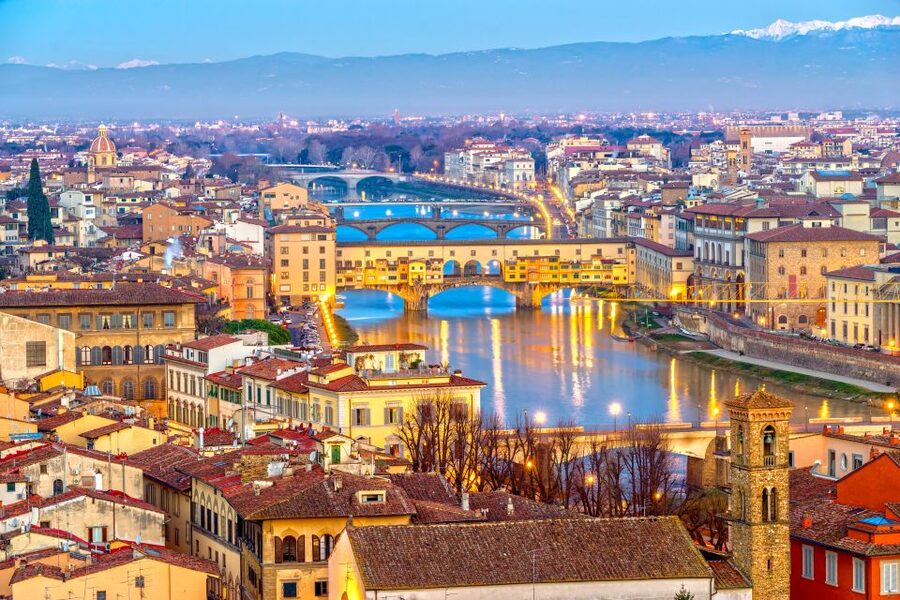
The small cells are among the most affecting parts of San Marco. They show the practical side of religious life and make the large Renaissance story feel personal. You can see how a monk’s world was shaped by limited space, prayer, and repeated daily routines.
The cell associated with Girolamo Savonarola is especially notable. Savonarola was a passionate preacher who attacked corruption and declining morals among members of the clergy. His political and religious influence grew powerful in Florence, but his story ended in Piazza della Signoria, where he was hanged and burned at the stake.
Seeing his cell adds a human and political layer to the museum. Fra Angelico represents contemplative religious painting. Savonarola represents public conflict, reform, and dangerous conviction. Both stories belong to the same Florentine religious world, and San Marco lets you encounter them within the same convent.
Do not expect a luxurious room or a dramatic memorial. The point is its austerity. The simple setting makes Savonarola’s forceful public life seem even more striking. It also helps you picture the contrast between a friar’s private room and the heated public life of Renaissance Florence.
The Great Refectory, kitchen, and service areas
The Great Refectory gives you a look at another part of convent life. This was a communal dining space, and its function helps connect the paintings with the routines of the Dominican community.
You can also visit the old kitchen and service areas. These spaces may not have the fame of the Annunciation, but they add essential context. A convent needed food preparation, storage, cleaning, and daily work. Without these areas, it would be easy to picture San Marco as a place built only for art and prayer.
The museum displays paintings by Fra Bartolomeo, another important painter and Dominican monk who lived in the convent in the early 16th century. His presence reinforces one of San Marco’s best features: the building was both a religious home and a place where major artists worked.
The refectory and service rooms are also a good reason not to treat this as a quick Fra Angelico stop. If you only rush in for the Annunciation, you miss the building’s fuller story. The most rewarding visit moves between the art and the rooms that explain how the community lived.
How long to allow and how to use your time
The ticket is valid for one day, but the important detail is the reserved entry time. You should treat the time slot as your arrival appointment, not as a promise of unlimited flexibility throughout the day.
The available information does not set a fixed visit length. That is useful because the museum works well at different speeds. You can make a focused stop for the Annunciation, Savonarola’s cell, and the cloister, or take longer with the frescoes, cells, refectory, and service rooms.
I would plan enough time to avoid rushing. The museum’s quieter character rewards careful looking, especially in the small cells and frescoed spaces. If you are visiting Florence on a tight schedule, it can fit neatly into a half-day around Piazza San Marco. If you are passionate about Fra Angelico, allow more time and bring background reading.
Some rooms have occasionally been closed, so you should keep expectations flexible. The core spaces can still make the visit worthwhile, but not every section is guaranteed to be open on every date.
Is the timed ticket good value at $15?
For $15, this is one of Florence’s more approachable art visits. The ticket gives you reserved entry, skips the ticket line, and includes access to a site that combines painting, architecture, and monastic life.
The value is strongest for:
- People who want to see Fra Angelico in the setting for which much of the work was made
- Visitors who prefer a quiet, intimate museum to a huge collection
- Anyone interested in Dominican history or Savonarola
- Repeat visitors to Florence who have already seen the main landmarks
- Architecture fans who want to experience Michelozzo’s convent
The value is less certain if you want a guided lesson in Renaissance art. Since no guided tour is included and labels may be limited in English, you will need to organize your own context. You may also find the visit less powerful if your main interest is secular Renaissance art, sculpture, or large collections.
Advance booking may not always be essential at a quiet time of day, but the reserved slot removes uncertainty. That matters if you have a tight itinerary or want to coordinate San Marco with other Florence sights. The flexibility is decent because you can reserve now and pay later, and cancellation is free up to 24 hours in advance. Once the date and time are booked, however, that slot is fixed.
Who should book this museum visit?
I would recommend San Marco to anyone who wants to see Florence beyond its headline attractions. It is particularly good for art lovers who want Fra Angelico, history-minded visitors interested in Savonarola, and people who appreciate buildings that still retain their original purpose.
Families with older children may also find the cell and convent layout easier to grasp than a huge gallery. The spaces tell a clear story: monks lived here, artists worked here, and religious ideas shaped daily life. Younger children may find the quiet rooms and devotional paintings less immediately exciting.
This is also a smart choice for a second or third day in Florence. The Uffizi and Accademia offer more famous names and larger collections, but San Marco provides a more focused experience. You can see the major work without giving up an entire day.
If you need constant explanation, consider arranging a separate guide instead. The standard ticket gives you access, not interpretation. That distinction is important and should shape your expectations.
Should you book the San Marco Museum ticket?
Book it if you want a peaceful, focused look at Fra Angelico, a genuine convent setting, and the story of Savonarola. The Annunciation alone gives the visit a strong artistic purpose, while the cloister, cells, refectory, kitchen, and service rooms make the experience broader than a single painting.
Skip it only if your Florence schedule is already packed with art museums and you have little interest in religious architecture or monastic life. For most visitors, the $15 price is reasonable, the timed entry is easy to use, and the museum offers a welcome pause from Florence’s busiest sights. Bring a little background reading, arrive on time, and let the quiet spaces do their work.
FAQ
Where is the San Marco Museum?
The museum is at the ticket office inside the museum at Piazza San Marco, 3, 50121 Firenze, Italy.
What does the timed ticket include?
It includes timed entrance to the San Marco Museum and the booking fee. The ticket also comes with a 10 percent discount at the Hard Rock Shop and Hard Rock Cafe on Via dei Brunelleschi, 1, with stated exclusions.
Is a guided tour included?
No. The ticket is for entry only, and a guided tour is not included.
Can I enter at any time during the day?
No. The date and time slot selected at booking are binding. You may be refused entry if you do not arrive for the allotted time.
Is the museum wheelchair accessible?
Yes, the activity is listed as wheelchair accessible.
Can I cancel the booking?
Yes. You can cancel up to 24 hours in advance for a full refund. You can also reserve now and pay later, subject to the booking terms.
Fresh on the Florence list
- Semi Private Deep Wine Chianti and San Gimignano from Florence★ 5.0 · 191 reviews
- Small Group Florence Cathedral Guided Tour with Priority Access★ 4.0 · 192 reviews
- From Florence: Wine Tasting and Dinner in Chianti Vineyards★ 4.6 · 192 reviews
- Hard Rock Cafe Florence with Set Menu for Lunch or Dinner★ 4.5 · 193 reviews
- Florence Sunset Food Tour with Wine & Dine at a Tuscan farmhouse★ 5.0 · 194 reviews
- Wine Experience In Chianti Hills from Florence★ 4.5 · 195 reviews
- Florence: Duomo Complex Guided Tour★ 4.2 · 195 reviews
- Brunelleschi’s Dome and Cathedral Complex Reserved Ticket★ 4.5 · 195 reviews
Museums, compared.
Vatican: Museums & Sistine Chapel Entrance Ticket
Read our review →
Vatican Museums & Sistine Chapel Tour with Optional Basilica
Read our review →
Vatican Museums, Sistine Chapel & St Peter’s Basilica Guided Tour
Read our review →
Skip-The-Line Uffizi Gallery Timed Entry Ticket
Read our review →
Vatican Museums, Sistine Chapel & Basilica Tour
Read our review →
Vatican Museums & Sistine Chapel Skip-the-Line Entry Ticket
Read our review →Vatican Museums, Sistine Chapel & Basilica Tour
Read our review →
Vatican Museums & Sistine Chapel Guided Tour
Read our review →Browse the lists this tour appears in