
Reviewed · VERONA TOURS
Verona: Priority Access Arena Guided Tour
Verona’s Arena is not just an old Roman ruin. It is a working performance venue where opera still fills the stone tiers, and that mix of ancient blood sport and grand music gives the monument its special pull. This 45-minute guided tour gets you past the main line and explains what you are seeing instead of leaving you to puzzle it out alone.
I like two things right away: skip-the-line entry saves valuable time on a short Verona visit, and the guides bring the building to life with stories about gladiators, construction, earthquakes, and opera. The main tradeoff is the short running time. You get a strong introduction, but not a long archaeological visit, and summer stage equipment can hide some of the Arena’s original interior.
Key points at a glance
- Enter through a separate priority entrance: This matters most in the hot months, when the Arena is one of Verona’s busiest sights.
- Hear the building explained in English or Italian: A live guide points out details that are easy to miss on your own.
- Meet guides with real personality: Frank, Franco, Francesco, and Isabella are among the guides praised for clear, funny, and lively presentations.
- See a Roman amphitheater still used for opera: The Arena’s past and present are part of the same visit.
- Plan around the summer stage: From June through October, performance equipment may change the view of the original interior.
- Allow extra time after the talk: The guided portion lasts 45 minutes, and you can continue looking around inside afterward.
Why the Verona Arena deserves your time
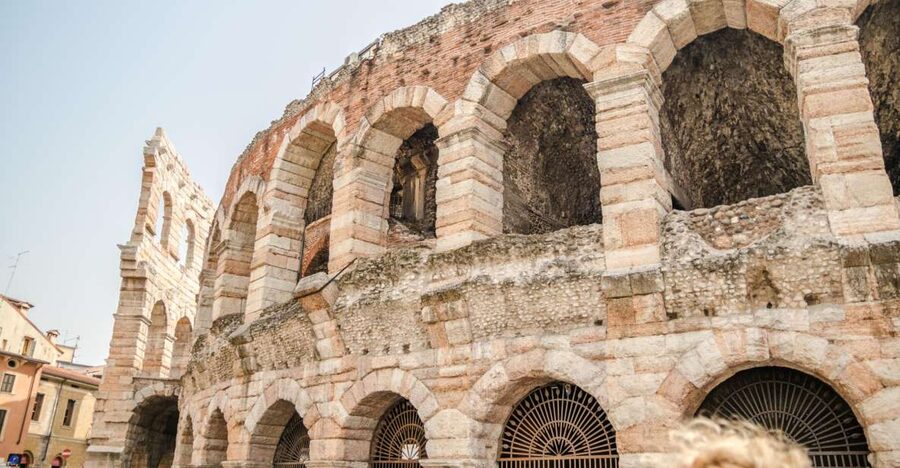
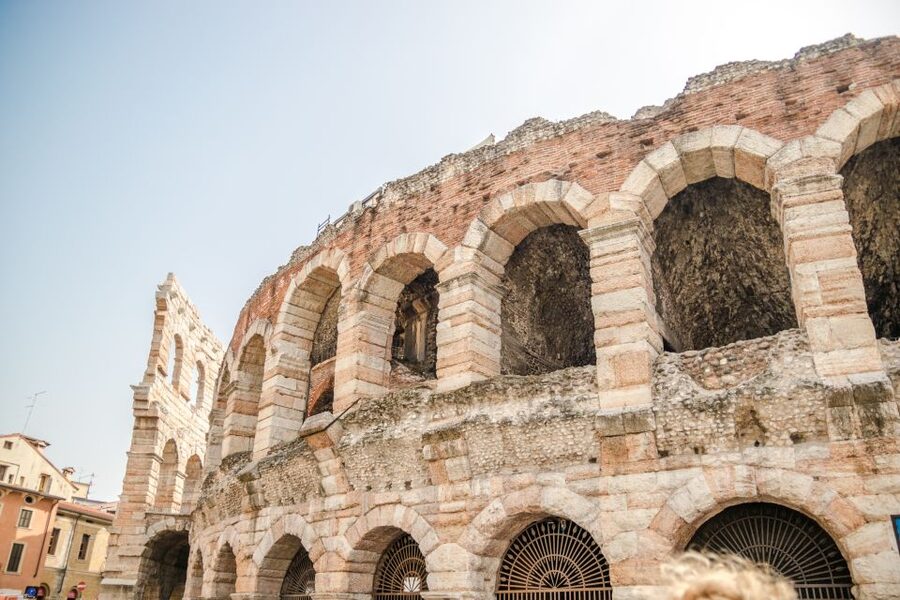
The Arena sits on Piazza Bra, Verona’s broad central square, and its pink-tinged marble façade is hard to miss. From outside, you see the familiar curved wall and the surviving outer arches. Inside, the scale becomes clearer: this was built to hold large crowds, not a small civic gathering.
The amphitheater dates from the 1st century AD, when Roman public entertainment was a major part of city life. Gladiator contests are the obvious subject, and the guide covers that Roman use, but the Arena’s story did not end with antiquity.
A major earthquake in the 12th century damaged the monument, leaving the outer ring incomplete. That missing section is one of the Arena’s most recognizable features. Rather than making the building less interesting, the broken outer wall helps you read its past. You can see where time and disaster took their toll.
The Arena later found a new life as Verona’s favorite concert venue. Opera performances are still held here, especially during the summer season. That gives the visit a useful sense of continuity: the same structure built for public spectacle continues to gather a crowd for music nearly two thousand years later.
A few other Verona mornings to weigh against this
- Verona: History and Hidden Gems Guided Walking Tour
★ 5.0 · 1,379 reviews - Verona: Juliet’s House Fast-Track Entry Ticket & Audio Guide
★ 4.2 · 1,121 reviews - Verona: Small Group Guided Walking Tour with Arena Tickets
★ 4.9 · 848 reviews
What happens during the 45-minute tour
The experience begins at a meeting point that can vary according to the option you book. Check your confirmation carefully, arrive early, and do not assume that the meeting place is directly at the most obvious part of Piazza Bra.
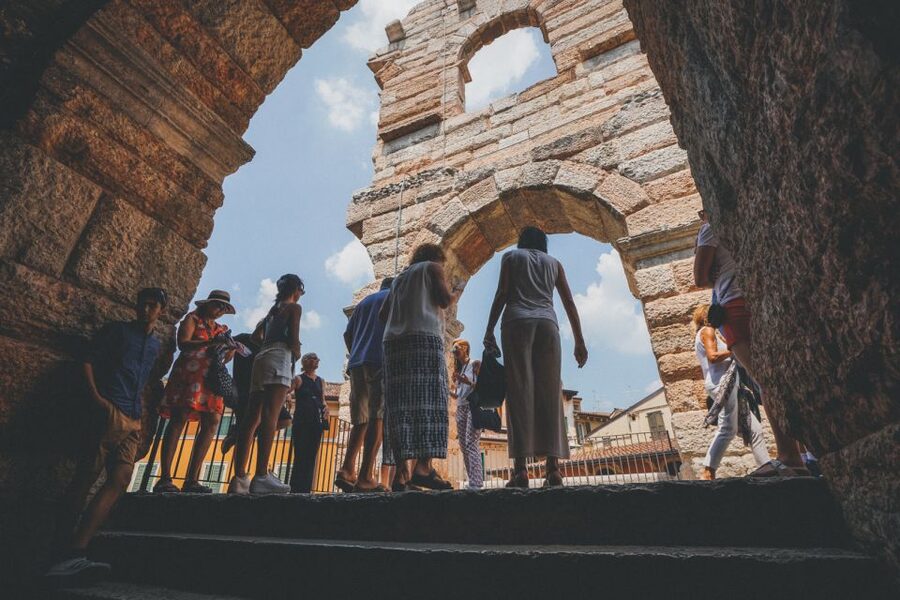
After meeting the guide, you use the separate entrance for priority access. This is the practical heart of the booking. The main queue can be frustrating, particularly in summer heat, so paying for entry with a guide makes more sense than buying a plain admission ticket if the line is long and you want context as well as access.
The guide begins with the Arena’s setting and background, then moves into the monument. You learn about its Roman construction, its use for gladiator contests, and the changes it has seen across the centuries. The talk also covers the opera tradition and the way the building functions today.
The best guides use the stonework as their prompt. Frank is repeatedly praised for humor, energy, and passion. Franco is noted for explaining both how the Arena was built and how it is used now. Francesco and Isabella also receive strong praise for clear storytelling and an engaging manner.
At the end of the guided portion, you have an opportunity to explore further inside. This matters because 45 minutes can feel brief if you want to linger over every arch, climb through the seating area, or take in the views from higher levels. The guide gives you the framework, then you can spend a little extra time absorbing the space at your own pace.
Roman construction, gladiators, and the missing outer ring
A visit without a guide can still show you the Arena’s size, but it may not explain why the building looks the way it does. The guided talk helps connect the surviving stones to the Roman world that created them.
The pink marble gives the monument its warm color, especially in sunlight. Look beyond the famous façade and pay attention to the repeating arches and the way the seating rises around the central performance area. These details are easier to understand when someone explains their purpose instead of treating them as a backdrop for photographs.
The gladiator stories add human scale to an otherwise huge structure. The Arena was designed for public spectacles, and the guide places those contests within Roman entertainment. You hear about the monument as a place built for crowds, ceremony, noise, and carefully organized events.
The damaged outer ring also becomes more meaningful with an explanation of the 12th-century earthquake. On your own, you might simply see an incomplete wall. With the guide, the missing section becomes part of the building’s long story.
One limitation is that the tour does not promise access to every area associated with the Arena’s past. A few visitors hoped for more information about where gladiators were housed and more time inside the monument itself. If that is your main interest, treat the tour as an introduction rather than a specialist archaeological study.
Opera changes how you see the ancient monument
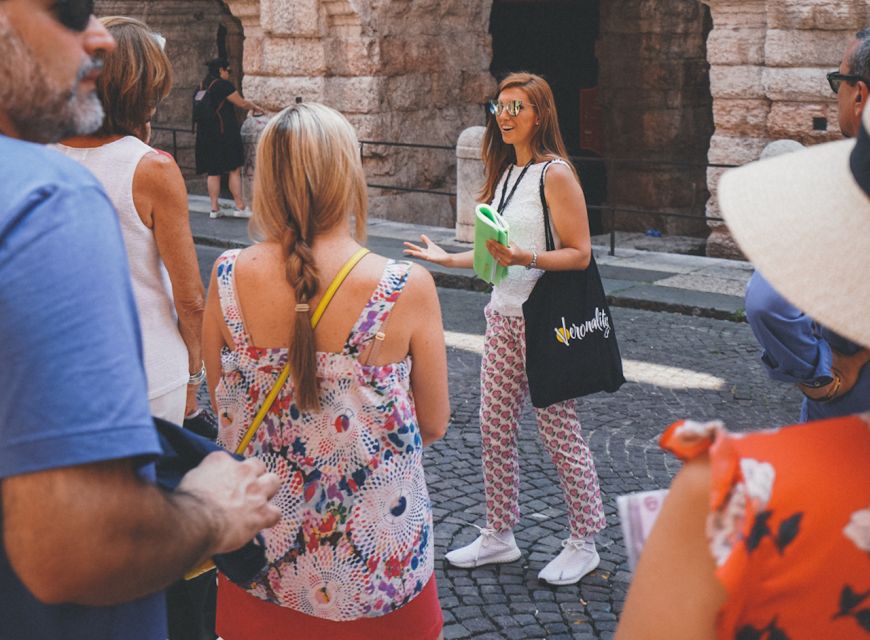
The most interesting feature here is the Arena’s modern use. You are not touring a structure that has been sealed off from ordinary life. You are seeing a Roman amphitheater that still hosts opera and other music performances.
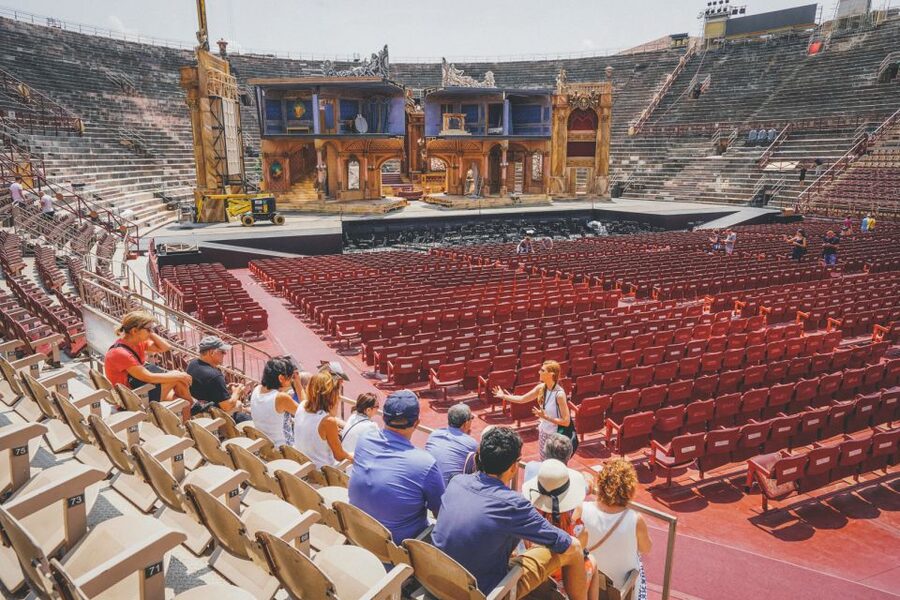
That modern purpose affects what you see. From June through October, the interior may be arranged as a music venue, with a stage and related equipment in place. This can obstruct some views of the Arena’s original shape. If you want the clearest look at the interior in a less altered state, the cooler months from November through May are the better choice according to the practical advice from recent visits.
On the other hand, visiting during the performance season lets you understand why the Arena remains important to Verona. The stage, seating, and concert setup show how an ancient structure can still work as a public venue.
If you are attending an opera later the same day, the tour is especially useful. It explains what you are looking at before the evening performance, and it can make the opera setting feel less like a temporary event inside an old ruin and more like the latest chapter in the Arena’s life.
Same city, an entirely different afternoon:
- Verona: Hop-on Hop-off Tour 24 or 48-Hour Ticket
★ 4.4 · 2,010 reviews - Verona: Arena di Verona Opera Ticket
★ 4.6 · 721 reviews - Verona: Pasta and Tiramisu Cooking Class with Fine Wine
★ 4.8 · 633 reviews - Verona: Classic and Hidden Gems Bike Tour
★ 4.9 · 577 reviews
Is $41 good value?
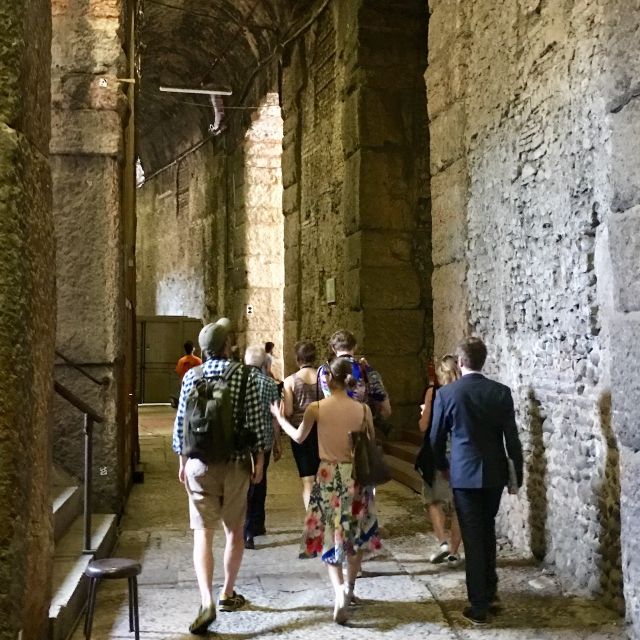
At $41 per person, this is not the cheapest way to enter the Arena. The value depends on two things: how busy the entrance is and how much you want an explanation.
If you arrive to find a long queue, priority access can be worth a great deal. You save time, avoid standing in the sun, and gain a live introduction at the same time. For a day trip with a tight schedule, that combination is useful.
If the Arena is quiet and you are happy to read the monument on your own, the price feels less attractive. The building can be seen in about an hour, and one recent visitor chose to skip the guided meeting and explore independently after buying the ticket. That approach gives you freedom, but it also means giving up the history and stories that make the stonework easier to understand.
I see the cost as fair for first-time visitors who value a guide and want reliable entry at a busy sight. It is less compelling for repeat visitors, independent history buffs who prefer their own research, or anyone hoping for a long, highly technical tour.
The guides are the main reason to book
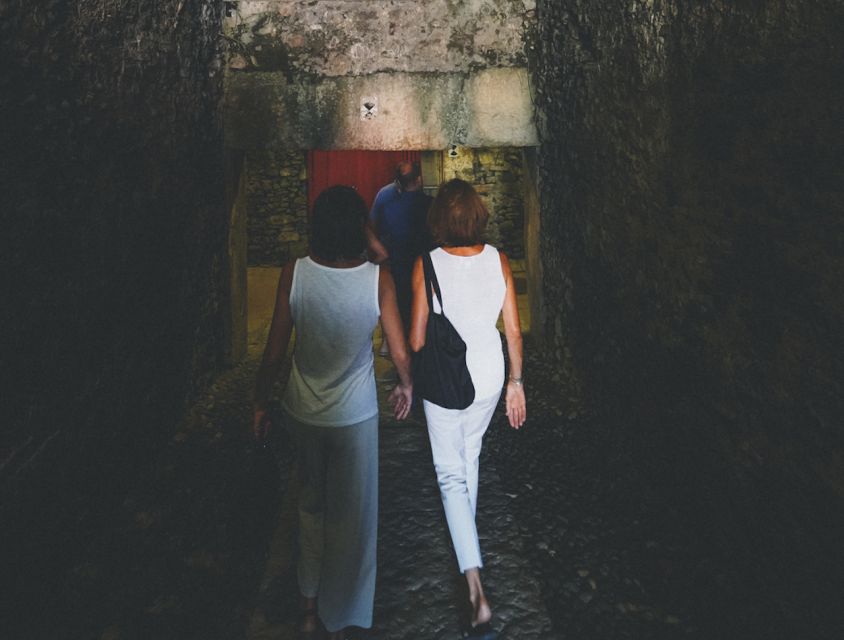
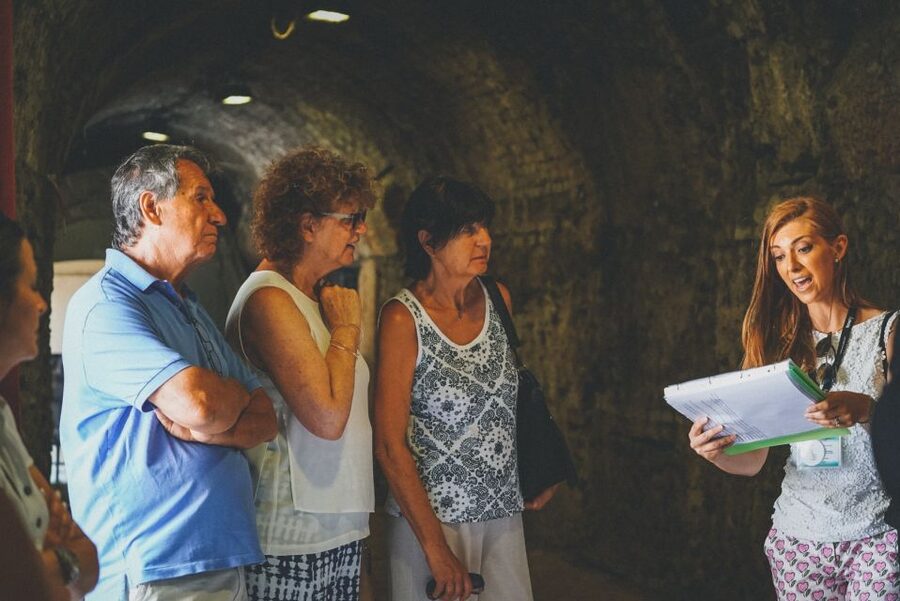
The strongest part of this experience is the quality of the live presentation. The comments are unusually consistent about the guides being funny, passionate, clear, and easy to follow.
Frank receives especially strong praise for combining humor with detailed information. Several people describe him as enthusiastic and memorable, with a clear love for Verona and the Arena. One guide even used the nerd as a playful identity, which tells you something about the tone: expect interest and personality, not a dry recitation of dates.
Franco is praised for explaining the Arena’s construction and its continued use. Francesco is described as fun and well informed, while Isabella is singled out for lively storytelling and a friendly way with questions.
Guides can vary, of course, so you should not book expecting a particular person unless your chosen option specifically names one. Still, the pattern is clear: this tour works best when you enjoy learning through stories and conversation.
The guide also adds value for families and teenagers. The 45-minute length is manageable, and the mix of gladiators, architecture, earthquakes, and opera gives younger visitors several ways into the subject. Children must be accompanied by an adult, and unaccompanied minors are not allowed.
Timing, comfort, and access
This tour runs rain or shine, so dress for the forecast. The Arena offers limited protection from hot sun, cold weather, or rain, and the open interior can make conditions more noticeable than they are on the surrounding streets.
Do not bring large bags or luggage. Pets and smoking are not allowed. These rules are easy to overlook when you are moving around a busy city, so plan to leave bulky belongings elsewhere before meeting the guide.
The Arena is not suitable for wheelchair users or people with mobility impairments. Some parts may also be difficult for people with reduced mobility or other disabilities. If access is important for your visit, contact the activity provider before booking and ask for precise details rather than relying on general assumptions about the site.
The meeting point varies with the selected option, so check the booking information closely. This is one area where clearer directions would help. Give yourself enough time to find the guide, especially if you are arriving from the train station or fitting the tour between other Verona sights.
Who will enjoy this tour most?

I would choose this experience if you are visiting Verona for the first time, have limited time, or want the Arena explained by a person rather than an audio recording. It is also a smart choice before an evening opera because the guide gives you useful context for the performance setting.
Families should find the length manageable, and the storytelling approach works well for teenagers. The priority entrance is also helpful if you are visiting during a crowded summer day.
You may prefer independent entry if you have already toured the Arena, want to spend a long time taking photographs, or dislike following a fixed presentation. You may also want a different option if you need step-free access or detailed specialist information about Roman engineering and backstage areas.
The tour is in English or Italian, so select the language that suits your group. The guide is live, which means you can ask questions and follow up on points that interest you. That personal exchange is a major advantage over simply walking through with a recording.
How to make the most of your visit
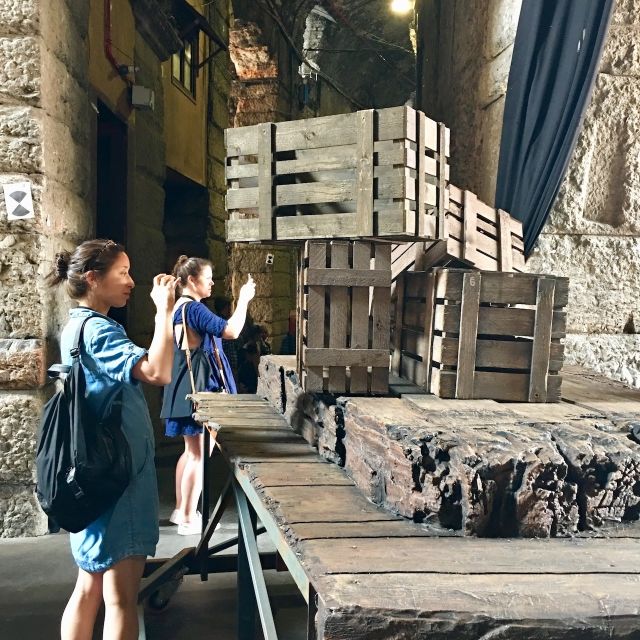
Try to visit before your opera if you have a ticket for a performance. The daytime tour helps you recognize the Arena’s shape, seating, and stage arrangement, and you will enter the evening event with a better sense of place.
If seeing the unaltered interior matters most, aim for November through May. From June to October, the music setup may block parts of the view, although the seasonal arrangements also show how the Arena functions today.
Keep an hour or so in your schedule beyond the formal 45 minutes if you like to look around slowly. The tour itself is compact, but the opportunity to remain inside and explore after the explanation gives you more control over the visit.
Finally, do not treat skip-the-line access as a minor extra. At a popular monument in a busy Italian city, time saved at the entrance can be the difference between a relaxed visit and a rushed one.
Should you book the Verona Arena guided tour?
Book it if you want context, quick entry, and a lively introduction to one of Verona’s essential sights. The price is reasonable when queues are long, and the guides, especially those such as Frank, Franco, Francesco, and Isabella, appear to be the experience’s strongest feature.
Choose another approach if you need wheelchair access, want a long archaeological tour, or prefer total freedom inside. For most first-time visitors, though, 45 minutes with a strong guide is a practical way to understand the Arena without giving up the rest of your day.
FAQ
How long does the Verona Arena guided tour last?
The tour lasts 45 minutes. You may have time to continue exploring inside afterward.
What languages are available?
The live tour guide is available in English or Italian.
Does the ticket include priority entry?
Yes. The package includes a skip-the-line entrance ticket using a separate entrance.
How much does the tour cost?
The listed price is $41 per person.
Is the tour suitable for children?
Yes. The tour is suitable for children and families, but anyone underage must be accompanied by an adult.
Can I bring luggage or a large bag?
No. Luggage and large bags are not allowed inside the experience.
Is the Arena accessible for wheelchair users?
No. The tour is not suitable for wheelchair users or people with mobility impairments. Some parts may also be difficult for people with reduced mobility or other disabilities.
Can I cancel the booking?
Yes. You can cancel up to 24 hours in advance for a full refund. You can also reserve now and pay later, if that option is available when you book.
Fresh on the Verona list
- From Verona: Sirmione and Lake Garda Day Tour with Cruise★ 4.6 · 520 reviews
- Verona: Pasta and Tiramisu Cooking Class With Free Flowing Wine★ 5.0 · 575 reviews
- Verona: Classic and Hidden Gems Bike Tour★ 4.9 · 577 reviews
- Verona: Pasta and Tiramisu Cooking Class with Fine Wine★ 4.8 · 633 reviews
- Verona: Arena di Verona Opera Ticket★ 4.6 · 721 reviews
- Wine Tasting with Panoramic View of Verona★ 5.0 · 240 reviews
- Verona: Wine Tasting with Snacks and Panoramic Views★ 4.8 · 494 reviews
- From Verona: Valpolicella and Amarone Wine Tasting Tour★ 4.9 · 560 reviews
Verona Tours, compared.
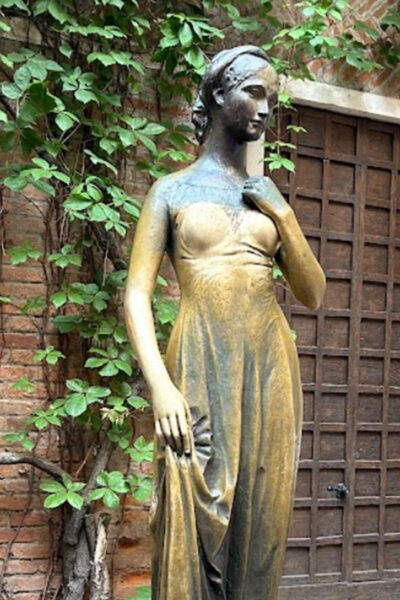
Juliet’s House Fast-Track Entry Ticket & Audio Guide
Read our review →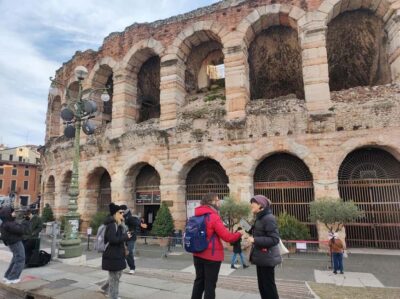
Small Group Guided Walking Tour with Arena Tickets
Read our review →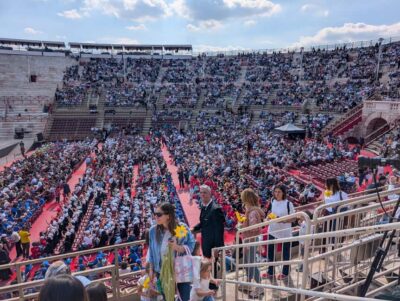
Pasta and Tiramisu Cooking Class with Fine Wine
Read our review →

Pasta and Tiramisu Cooking Class With Free Flowing Wine
Read our review →
Browse the lists this tour appears in