
Reviewed · WINE TASTINGS
Siena: A Wine Tour and Tasting Experience
The best part of this Siena wine tour is its full farm-to-glass approach. You start among the organic vines, move into the cellar, and finish with four wines, olive oil, and a seasonal lunch. It is not just a pretty tasting with a few pours. You get a clear look at how grapes become wine.
I like the small group limit of 12, which gives the sommelier room to answer questions. I also like the generous food and wine pairing, especially for the price of $102.84. The main consideration is transport: the winery is outside central Siena, and arranging a taxi can be difficult at busy times.
Key points to know before booking
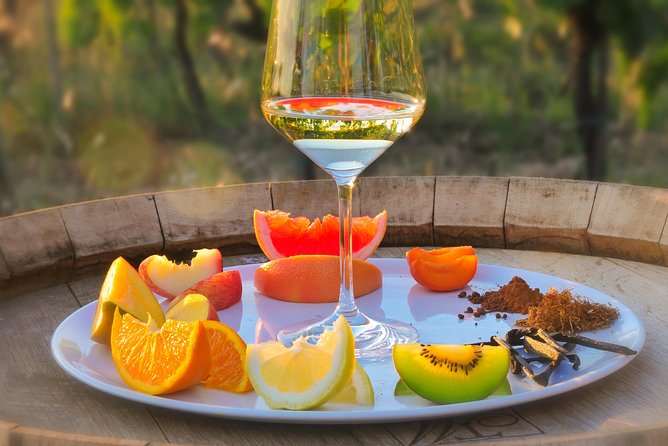
- Four organic wines: Taste local bottles while learning how color, aroma, texture, and flavor work together.
- A real vineyard and cellar visit: The tour covers grape growing, fermentation, bottling, and aging rather than stopping at the tasting room.
- Seasonal Tuscan lunch: Wine is paired with food and the winery’s organic extra-virgin olive oil.
- Small English-speaking group: The maximum of 12 people makes it easier to ask questions and meet others.
- Three hours at La Lastra: The tour begins at 11:30 a.m. and ends back at the winery.
- Useful for solo visitors: The shared table and relaxed format make it easy to join on your own.
Why La Lastra works for a Siena wine day
A visit to Azienda Agricola La Lastra gives you a break from Siena’s stone streets without requiring a full day in the countryside. The meeting point is at Strada della Befana, 2/A, a short drive from the city, and the whole program lasts about three hours.
That timing is well judged. You have enough time to learn something useful, eat well, and taste at a relaxed pace. You do not spend an entire day being driven from one winery to another. For a visitor with limited time in Tuscany, that makes this a practical choice.
La Lastra focuses on organic wine and olive oil. The word organic can mean different things to different people, so the value here is that the tour explains the work behind it. You hear about soil care, pruning, grape genetics, seasonal growth, and harvesting. This gives you more context than a simple statement on a wine label.
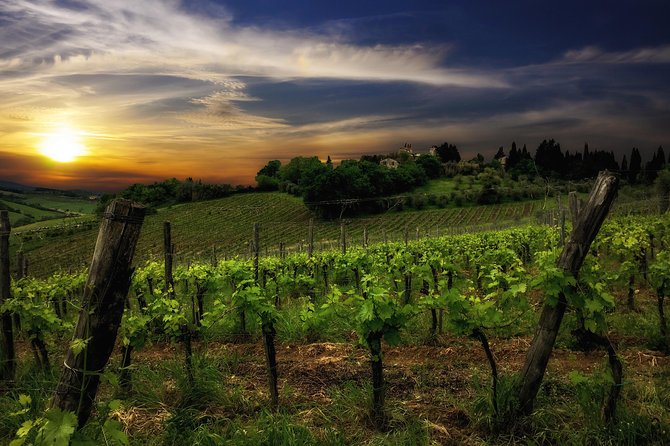
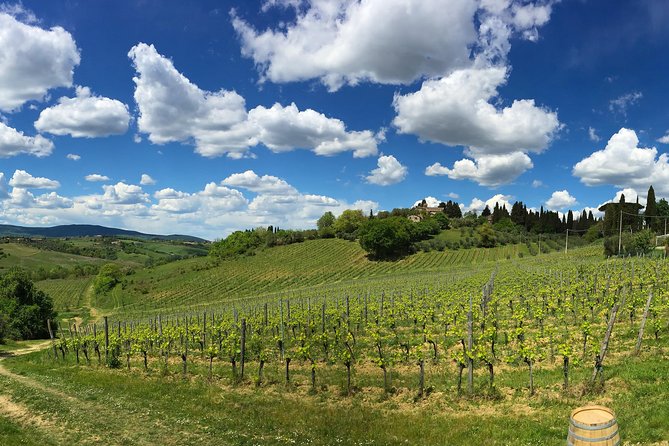
The setting also matters. The first part takes place directly in the vineyards, where the connection between farming and wine is easy to see. You can expect a working agricultural setting rather than a formal museum-style attraction. Wear shoes you can walk comfortably in, particularly if the ground is uneven or damp.
More Wine Tastings in Siena
- From Florence: San Gimignano, Siena, and Chianti Wine Tour
★ 4.5 · 3,762 reviews - Small-Group Brunello di Montalcino Wine-Tasting Trip from Siena
★ 5.0 · 952 reviews - From Siena: Chianti and Castles Tour with Wine Tastings
★ 4.6 · 631 reviews
Stop one: reading the vines at La Lastra
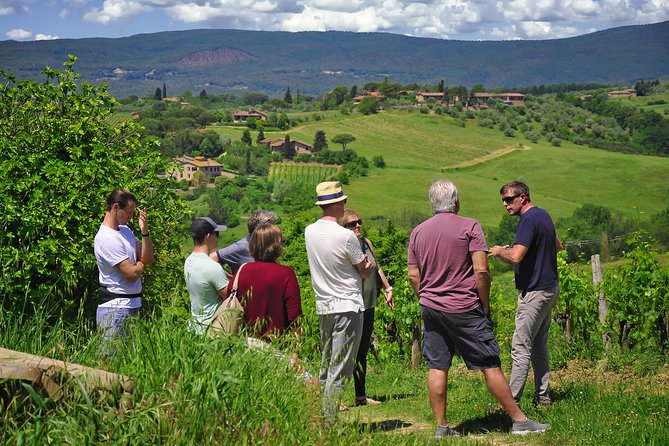
The vineyard portion lasts about 50 minutes. It covers the agronomic cycle of organic grapes, including plant physiology, ecology, pruning, soil handling, and harvesting.
That may sound technical, but it is useful information for anyone who wants to understand why two bottles made from similar grapes can taste different. Soil, weather, pruning choices, and the health of the vines all affect the fruit long before fermentation begins.
This is also where the effects of climate change may come up. One guide, Maia, has been praised for explaining how changing conditions affect the region. That adds a current note to the visit without turning it into a lecture.
I would pay attention to the seasonal rhythm here. A vineyard is not simply planted, harvested, and forgotten until the next vintage. Much of the work happens between those obvious moments. Learning that makes the final tasting more meaningful, because you can connect each bottle with the care required in the fields.
The drawback is that this section will appeal more to curious wine drinkers than to people who only want scenic photographs. The tour uses terms from agriculture and wine production. The guide keeps the session approachable, but you should expect real instruction.
Stop two: from grape to wine in the cellar
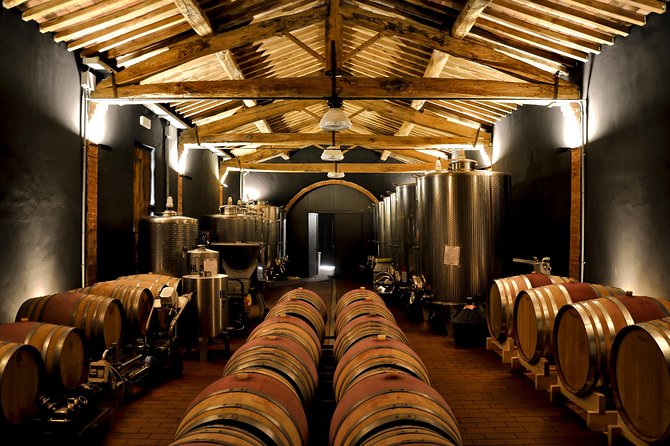
The cellar visit lasts about 40 minutes and follows the major stages of production. You learn about stemming and crushing, alcoholic fermentation, maceration, malolactic fermentation, racking, stabilization, bottling, and refinement.
That sequence gives the tour its educational edge. Many tastings focus almost entirely on the finished bottle. Here, you learn what happens before the cork is pulled. The guide also covers chemical, physical, and microbiological details, though the explanations are presented for ordinary wine drinkers rather than laboratory specialists.
Malolactic fermentation, for example, is one of those terms you may have seen on a wine sheet without fully understanding. Hearing how the process affects the final wine helps you make sense of differences in softness, acidity, and texture.
The cellar stop is especially useful if you are new to wine. You do not need a trained palate or a large vocabulary. The guide explains the process in plain terms and gives you a framework for asking better questions later.
I would not book this tour expecting a large historic estate, grand architecture, or a long parade of production rooms. The appeal is the working process and the direct explanation. La Lastra is a family-owned agricultural business, and the atmosphere is casual rather than theatrical.
Stop three: four organic wines and a better palate
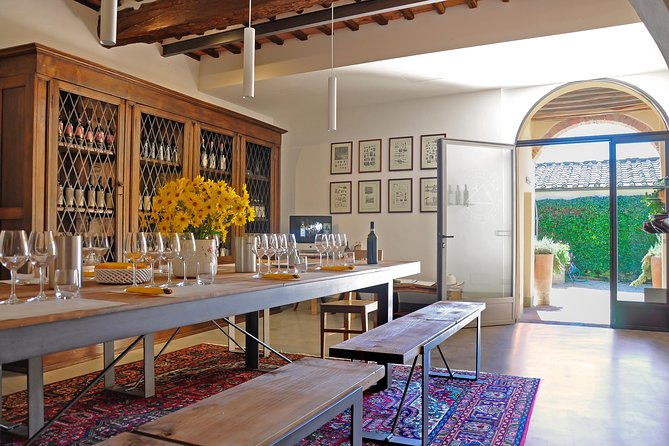
The tasting room session lasts about 40 minutes. You taste four organic wines typical of the area, using your eyes, nose, and palate to identify sensory notes.
The word tasting is important here. This is not simply four glasses placed in front of you with a quick description. The sommelier helps you notice color, aroma, acidity, body, and finish. You are shown how to taste with more purpose, which is valuable even if you do not plan to become a wine expert.
The pours are described as generous, and the selection includes both red and white organic wines. Chianti Colli Senesi has been singled out as a favorite, and the wines are paired with local food rather than served in isolation.
This style suits beginners because it gives you a vocabulary without making you feel tested. It also works for experienced wine drinkers who want to ask about organic farming, production decisions, or regional styles.
The guide makes a difference. Maia, also written as Maya in some tour details, is described as warm, witty, interactive, and clear. Other tour comments refer to hosts as Mia or Miya, so the exact guide may vary by date. The consistent point is that the host leads the tasting with personality and makes room for questions.
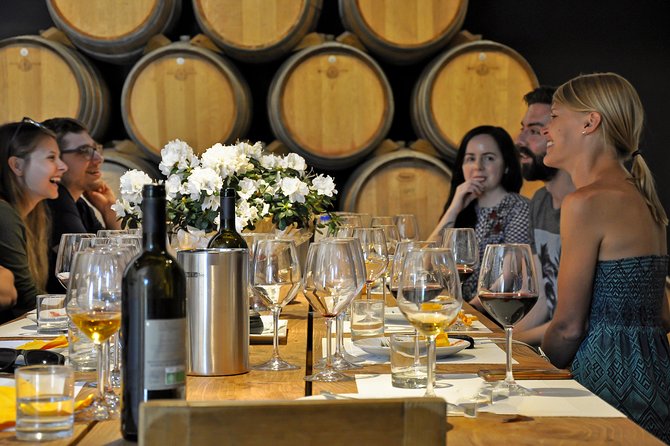
The social side is worth noting. You sit with a small group, so solo visitors are not left at a private table. The shared tasting and meal create an easy way to meet people visiting Siena from different places. If you prefer complete privacy, this format may feel more communal than personal.
Same city, an entirely different afternoon:
- Siena: Siena Cathedral and Piccolomini Library Entry Ticket
★ 4.5 · 3,462 reviews - Siena: Cathedral Complex Pass with Audio Guide (OPA SI PASS)
★ 4.4 · 2,773 reviews - Siena: Walking Tour and Skip-the-Line Duomo Tickets
★ 4.8 · 1,116 reviews - Skip the Line: Siena Duomo and City Walking Tour
★ 5.0 · 689 reviews
Stop four: the light lunch is part of the value
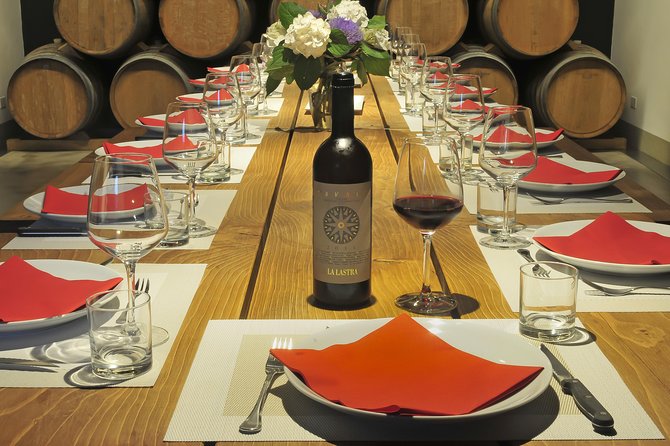
The final 50 minutes combine the wine tasting with a seasonal light lunch. Food is paired with one of the wines and the estate’s organic extra-virgin olive oil.
Do not read light lunch as a token snack. The food is repeatedly described as substantial and delicious, with some visitors finding the meal larger than expected. It is still a seasonal menu, so the exact dishes can change. That is a strength in a Tuscan setting, but it means you should not book expecting a fixed menu.
The pairing helps explain why food matters in wine tasting. A wine can seem sharp or heavy on its own and more balanced with the right dish. Olive oil adds another useful comparison, since it lets you taste the character of the estate beyond its bottles.
Dietary needs may be manageable. A gluten-free meal has been provided successfully, but you should communicate any requirement when booking rather than assume every request can be handled at the last minute.
Lunch also keeps the tour from feeling like a rushed commercial tasting. You have time to sit, talk, and enjoy the setting. Several bottles may tempt you by this point, and the winery can arrange shipping to the United States. Buying wine is optional, but the opportunity is convenient if you find a favorite.
The setting outside Siena
La Lastra offers the sort of countryside setting many people picture when planning a Tuscan visit: working vines, open views, and a place to sit down with local food. The grounds are well suited to photographs, particularly during the vineyard portion.
Still, this is a farm and winery, not a staged photo stop. Weather affects the outdoor section, and the vineyard visit may be less comfortable during rain, cold, or strong heat. That is the main practical risk of an outdoor wine tour.
The meeting point is fixed at the winery, and the tour ends there. No hotel pickup or city transfer is included in the supplied details. If you are staying in Siena, plan the ride in advance. One visitor had trouble finding a taxi after missing the 11:30 a.m. start, although that person was able to join a later 4 p.m. tasting.
The start time is 11:30 a.m., so the standard schedule fits neatly before an afternoon in Siena. You should arrive early enough to avoid losing part of the vineyard talk. A late arrival can be inconvenient because the group moves through several parts of the property.
Is $102.84 a fair price?
At $102.84 per person, this is not the cheapest way to taste wine in Tuscany. It is also more than a quick glass-and-snack stop in Siena. The price makes more sense when you count the vineyard lesson, cellar explanation, four wines, olive oil, and seasonal meal.
You are paying for about three hours of instruction and hospitality in a small group. The maximum of 12 people is important here. A large bus group could offer the same number of wines, but it would be harder to ask questions or get attention from the sommelier.
The meal strengthens the value. Several tasting rooms serve a few crackers and call it lunch. La Lastra provides a proper seasonal spread with wine pairing, and the portions are described as generous. If you would otherwise pay for lunch in Siena, the comparison becomes more favorable.
I would call it good value for someone who wants a guided wine lesson and a meal, not just a tasting. It is less attractive if you are mainly looking for transport through several famous estates or a luxury winery setting.
Who will enjoy this tour most?
This visit is a strong fit for:
- First-time wine tasters who want simple explanations.
- Couples who want a relaxed countryside outing.
- Solo visitors who enjoy sharing a table with a small group.
- Wine fans interested in organic farming and production.
- People who want a half-day activity close to Siena.
- Anyone who appreciates food and olive oil as much as wine.
It may not suit you if you dislike group activities, have limited mobility that makes vineyard walking difficult, or want a full-day tour with several wineries. The supplied details say most people can participate, but they do not provide specific accessibility information, so ask the operator if you have mobility concerns.
The minimum age is 18. Since the program includes four pours and lunch, plan your afternoon accordingly. You can taste thoughtfully rather than rush through the glasses.
Booking, weather, and cancellation details
The tour is offered in English and uses a mobile ticket. Confirmation arrives when you book, and the activity is commonly reserved well in advance, with an average booking lead time of 36 days. That suggests you should reserve early if the 11:30 a.m. date is important to your schedule.
Free cancellation is available when you cancel at least 24 hours before the local start time. Cancellations or changes made within 24 hours are not refunded or accepted. This matters because the vineyard portion is outdoors. If severe weather is forecast, contact the operator and booking company as early as possible, and do not assume a same-day cancellation will qualify for a refund.
The tour has earned a five-star average from 352 ratings, with 100 percent of customers recommending it. Those numbers support the idea that the format works well, but they should not replace practical planning. The fixed meeting point and outdoor setting remain the two details most likely to affect your day.
Should you book the La Lastra wine tour?
Book it if you want one well-rounded Tuscan outing rather than a quick tasting. The combination of vineyard work, cellar production, four organic wines, olive oil, and a generous seasonal lunch gives you a useful understanding of what you are drinking.
I would especially recommend it to solo visitors, beginners, and anyone staying in Siena without time for a full-day wine route. Guides such as Maia bring humor and warmth to the technical material, and the group size keeps the experience personal.
Think twice if you want grand estate architecture, several wineries, or complete control over your schedule. Arrange your transport before the morning begins, allow time to reach the meeting point, and remember that weather can affect the outdoor portion.
For most visitors who want good food, thoughtful tasting, and an honest look at organic winemaking near Siena, La Lastra earns its place on the itinerary.
FAQ
Where does the wine tour begin?
The tour begins at Azienda Agricola La Lastra, Strada della Befana, 2/A, 53100 Siena SI, Italy.
What time does the tour start?
The scheduled start time is 11:30 a.m.
How long does the experience last?
The full visit lasts approximately three hours.
Where does the tour end?
The activity ends back at the La Lastra meeting point.
How many wines are included?
You taste four organic wines typical of the area.
Is lunch included?
Yes. The wine tasting ends with a seasonal light lunch paired with wine and organic extra-virgin olive oil.
Is the tour offered in English?
Yes. The experience is offered in English.
What is the minimum age?
Participants must be at least 18 years old.
How large is the group?
The maximum group size is 12 people.
Can I cancel for a full refund?
Yes, if you cancel at least 24 hours before the experience start time. Cancellations or changes made less than 24 hours before the start are not refunded or accepted.
Fresh on the Siena list
- Siena: San Gimignano, Chianti & Montalcino Small-Group Tour★ 4.6 · 195 reviews
- Siena’s Ultimate Food Tour: Full Tuscan Meal by Do Eat Better★ 5.0 · 203 reviews
- Siena: Educational Wine Tour & Tasting★ 5.0 · 203 reviews
- From Siena: Pienza and Montepulciano Small-Group Tour★ 4.9 · 220 reviews
- A Brunello Cooking Class with Vineyards View Winery★ 5.0 · 221 reviews
- Discover the Medieval Charm of Siena on a Private Walking Tour★ 5.0 · 247 reviews
- Wine Class – Tuscan Classics★ 5.0 · 264 reviews
- Siena: Pasta and Tiramisu Cooking Class with Wine★ 4.8 · 274 reviews
Wine Tastings, compared.
Tuscany Day Trip from Florence: Siena, San Gimignano, Pisa and Lunch at a Winery
Read our review →
Pisa, Siena, San Gimignano, and Chianti Experience
Read our review →
Small-Group Wine Tasting Experience in the Tuscan Countryside
Read our review →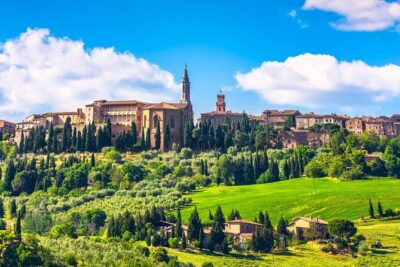
Tuscany & Montepulciano Day Trip with Lunch & Wine Tasting
Read our review →
SMALL-GROUP Wine Safaris: Tuscan Wine Tasting Tours from Florence
Read our review →
Winner 2025 Florence Sunset Food & Wine Tour by Eating Europe
Read our review →
Siena, San Gimignano, Pisa & Lunch at Winery
Read our review →Browse the lists this tour appears in