
Reviewed · COOKING CLASSES
Culurgiones Cooking Class Cagliari
Culurgiones are Sardinia’s answer to the stuffed pasta question, but they are more than a plate of food. Their pleated edges and potato, cheese, and mint filling carry the feel of a Sunday kitchen, where pasta is made by hand while the sauce simmers. This Cagliari class puts you right into that old routine, with Damiano guiding you through each step in his home.
I like the hands-on format and the small group, which gives you time to practice the tricky seal instead of watching a quick demonstration. I also like the meal afterward: local cheeses, seasonal vegetables, wine, your own pasta, and a final taste of myrtle liqueur.
The main thing to consider is the shared filling. Everyone seasons and shapes pasta, but the finished culurgiones are combined for the meal. If you are not fond of cheese, or have strong preferences about seasoning, ask about the filling before you begin.
Key points at a glance
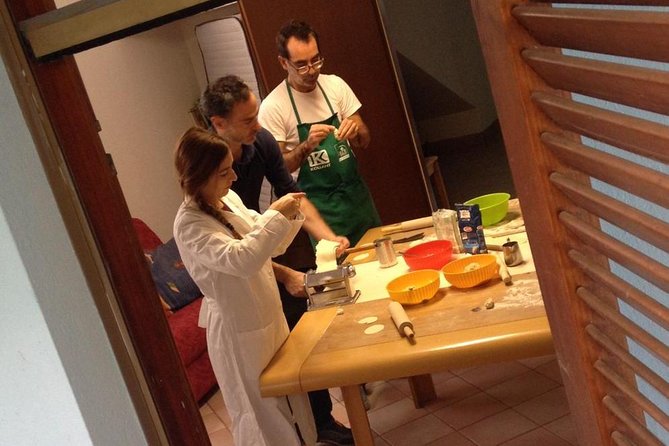
- Traditional Sardinian pasta: Learn to prepare and seal culurgiones, a dumpling filled with potato, cheese, mint, garlic, and seasonings.
- A real home setting: The class takes place in Damiano’s home, giving the meal a relaxed, communal feel.
- Small group size: The activity accepts a maximum of eight people, so instruction can stay personal.
- Lunch is part of the lesson: Your food is served with Sardinian cheese, vegetable appetizers, wine, and myrtle liqueur.
- Good for beginners and families: The minimum age is four, and the teaching is patient and practical.
- Useful timing for cruise visitors: The class begins at 11 a.m. and ends back at Via Cettigne, about three hours later.
Why culurgiones tell Sardinia’s story
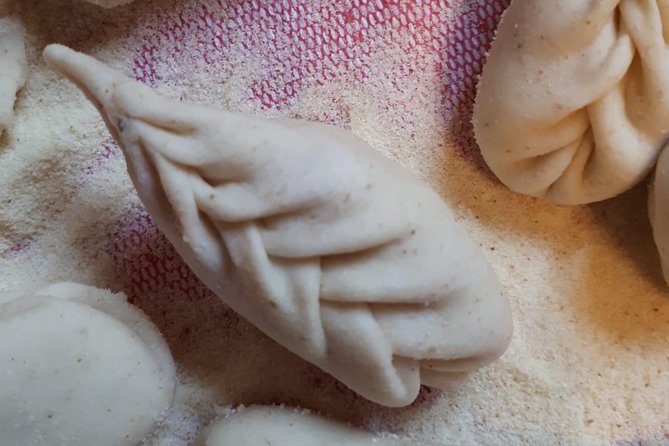
Culurgiones are not ordinary ravioli. They are handmade Sardinian dumplings, often filled with mashed potato, cheese, mint, garlic, and other seasonings. The shape matters. Each piece is sealed with a distinctive braided edge, and that final pattern is the part that takes practice.
That is why this class offers more than a recipe. You are learning a food tied to home cooking and family meals. The idea behind the class is an old Sunday routine: make pasta together while potatoes and sauce cook, set the table, then eat what you have prepared.
I find this kind of lesson more useful than a polished demonstration. You do not just see a finished dumpling. You handle the dough, spoon in the filling, pinch the edges, and learn why some pieces hold together while others open in the pot.
The ingredients also keep the focus local. The flour comes from a Sardinian producer, while the potatoes, mint, and cheese come from local farmers. That connection matters because the food is simple. With only a few main ingredients, freshness and balance do much of the work.
More cooking classes in Sardinia:
- Florence: Pasta Cooking Class with Unlimited Wine
★ 4.9 · 10,285 reviews - 3 in 1 Cooking Class near Navona: Fettuccine, Ravioli & Tiramisu
★ 5.0 · 7,376 reviews - Florence Pizza or Pasta Class with Gelato Making at a Tuscan Farm
★ 5.0 · 6,801 reviews
Arriving at Via Cettigne for an 11 a.m. start
The meeting point is Via Cettigne, 20, in Cagliari. The experience begins at 11 a.m. and finishes back at the same location, so you do not need to arrange a second pickup point.
That morning schedule works well if you want a substantial lunch rather than a late afternoon activity. It can also fit a port visit. A taxi ride from the port has been described as roughly 10 minutes, and one group walked from the port, though the exact walking time depends on your pace and starting point.
Give yourself enough time to find the address. This is a home-based class, not a large cooking school with a prominent shopfront. The personal setting is part of the appeal, but it also means you should pay attention to the meeting instructions.
The class lasts about three hours. That is enough time for instruction, shaping, cooking, and the shared meal without turning the experience into an all-day commitment. If you have a tight ship departure or another timed activity, check your return plan carefully.
Entering Damiano’s home kitchen
Damiano is the named experience provider and host. The class takes place in his home, where the cooking space and table become the setting for the day.
A home kitchen changes the mood. You are not being moved through stations or watching a chef work behind a counter. You sit with the other participants, prepare food side by side, and later eat at the same table. Several people found the welcome warm and the group atmosphere easy, even when they arrived as strangers.
The group limit is eight people. That is a useful size for pasta making. You need enough space to roll and fill the dough, and you want the instructor to notice when your seal is too loose or your dough too thick.
The teaching style is aimed at beginners. Damiano is described as patient, friendly, and willing to give individual tips. That matters here because the first few culurgiones may look more like folded parcels than neat Sardinian dumplings. You should expect to improve as you go.
Children from age four can take part, and families have used the class successfully. Very young children may need help with the finer hand movements, especially the final pleating, but the general format allows them to participate in the preparation.
Making the dough from Sardinian durum wheat
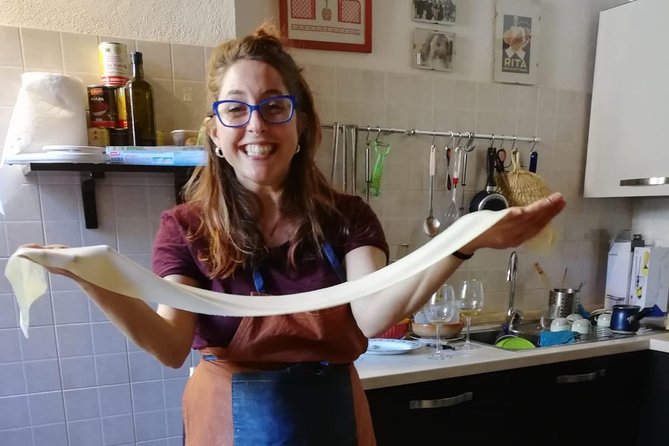
The first cooking task is the pasta dough. You work with durum wheat flour from a Sardinian producer, following the host’s method for bringing it together and preparing it for shaping.
Fresh pasta rewards patience. The dough must be workable enough to roll but firm enough to hold the filling. This is where direct instruction helps. You can ask about texture as you go, rather than trying to judge everything from a written recipe later.
The class is hands-on, but some preparation has already been done before you arrive. That is sensible. If every stage began from zero, much of the three hours would be spent waiting for dough or potatoes. The advance work leaves you with the enjoyable parts: rolling, filling, sealing, cooking, and eating.
The process runs alongside the potato and sauce preparation. This gives the class a natural rhythm. You make pasta while the filling and sauce cook, then return to the table when everything is ready.
A few other Sardinia mornings to weigh against this
- Florence: Pasta & Tiramisu Cooking Class with Unlimited Wine
★ 4.9 · 6,708 reviews - Florence: Pasta Cooking Class with Unlimited Wine
★ 5.0 · 6,413 reviews - Naples: Pizza-Making Workshop with Drink and Appetizer
★ 4.9 · 5,411 reviews - Rome: Pasta & Tiramisu Class with Fine Wine by the Vatican
★ 4.9 · 4,852 reviews
Learning the culurgiones seal
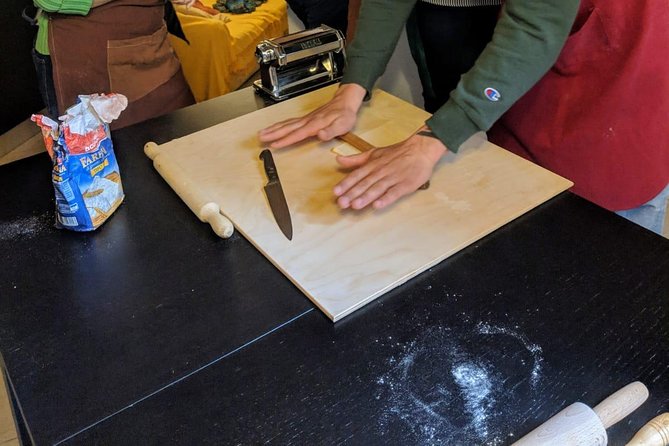
The signature skill is sealing each dumpling. You place the filling inside the pasta, then close and pleat the edge. It looks simple when an experienced hand does it. Your first attempts may be less tidy.
That is not a problem. The point is to learn the movement and find a method that works for your hands. The instruction includes demonstrations, practice, and personal correction. Some classes also try different techniques and styles, so you may leave with more than one way to shape the edge.
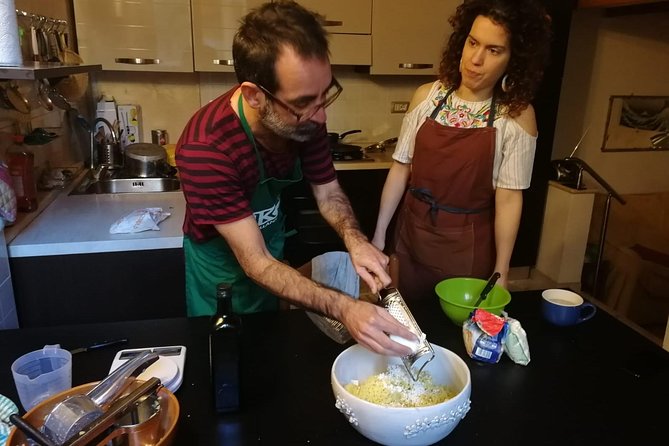
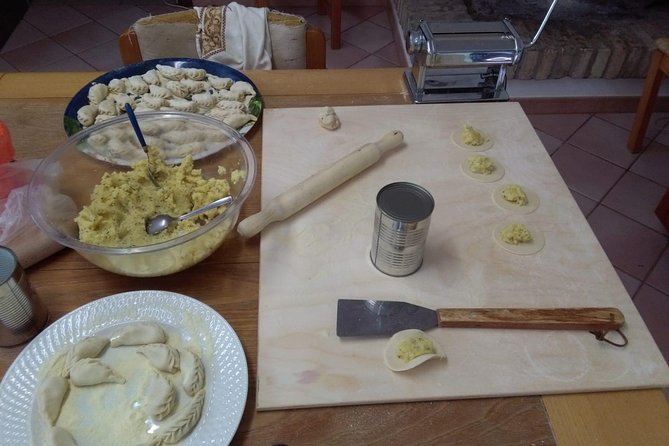
The filling includes potato, cheese, garlic, mint, and seasonings. Mint gives the dumplings a clear Sardinian character, while the cheese brings the savory weight. The mixture is not meant to be flashy. It is the kind of filling that depends on good ingredients and a restrained hand.
One practical detail deserves attention: participants season their own filling, but the finished pasta is combined for the group meal. This encourages sharing, yet it may not suit someone who avoids cheese or prefers very mild seasoning. If that describes you, ask before mixing and shaping so you understand how the meal will be handled.
From worktable to shared Sardinian lunch
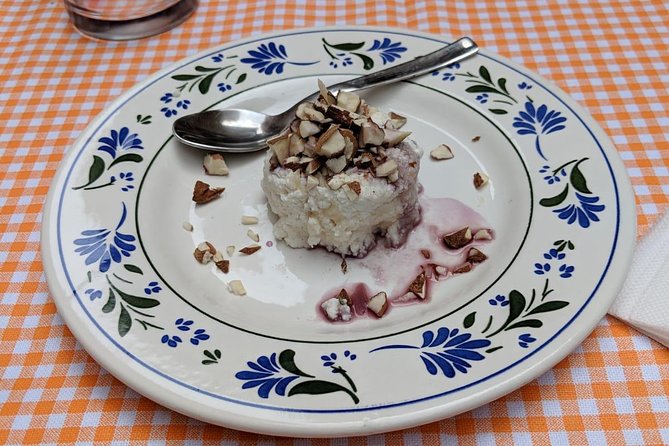
After the pasta is made, the class moves to lunch. The meal begins with a selection of at least two Sardinian cheeses, along with seasonal vegetarian appetizers such as pickled vegetables or vegetables preserved in oil.
This opening course gives you a taste of the island beyond pasta. The cheeses are especially important because cheese is part of the culurgiones filling as well. If you are a cheese lover, the meal will feel generous and well matched to the main dish. If you are not, the starter and filling may seem a little heavy in the same direction.
Wine is served with lunch. The food is simple, and that is the right setting for it. You are not being promised a formal restaurant menu. You are sitting down to eat the result of a morning’s work, with local products and conversation doing much of the work.
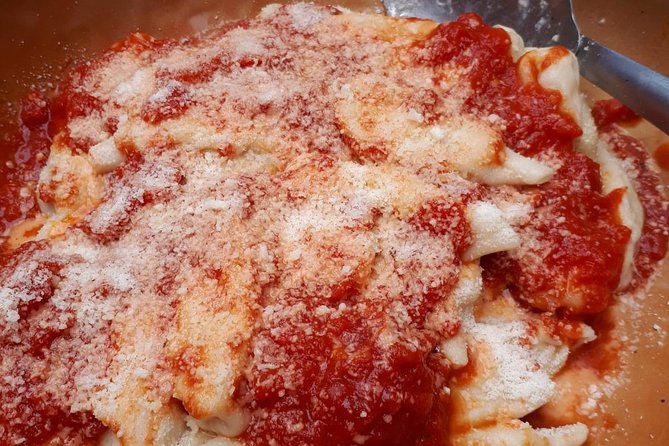
The main course is the culurgiones you helped prepare. The more the group makes, the more there is to eat. Some pasta may be served with tomato sauce, while other batches have been enjoyed with olive oil and a sprinkling of Parmesan. The sauce gives the dumplings a familiar, comforting finish, while the simpler preparation lets the filling and pasta speak more clearly.
The final touch is myrtle liqueur, a traditional Sardinian digestif made from myrtle berries. It is served as a dessert liquor rather than as a separate dessert course. The portion and style are not described in detail, so think of it as a small local tasting to finish the meal, not a full sweet course.
What makes the group meal worthwhile
The communal table is one of the strongest parts of the experience. You prepare food with people from different places, then eat together. That shared work gives the meal a natural reason to exist.
I like this more than a class where everyone cooks alone and leaves with a box. Here, the final dish is connected to the people around you. The meal lets you compare shapes, laugh at the rough first attempts, and see how the pasta behaves once cooked.
The social side is not forced. The format simply creates time for it. Damiano and his helpers sit and eat with the group in some sessions, which makes the meal feel less like a transaction and more like a hosted lunch.
The group size helps. With no more than eight participants, the table should remain manageable, and the instructor has a fair chance to check everyone’s technique. Still, a small group is not the same as a private class. You will share the work surface, the food, and the host’s attention.
The value of the $96.79 price
At $96.79 per person, this is not a cheap way to get lunch. You are paying for instruction, ingredients, a three-hour activity, appetizers, cheese, wine, and myrtle liqueur, not just a plate of pasta.
The value is strongest if you want a food experience tied to Sardinia. You get to work with local flour and ingredients, learn a distinctive pasta shape, and eat the result in a home setting. That combination is difficult to reproduce with a standard restaurant meal.
It is also a good use of time for a short stay. The class fills a morning and lunch, then returns you to the same meeting point. For cruise passengers, the port access can make it practical, provided your ship schedule leaves a safe margin.
The value is weaker if your main goal is to collect a precise recipe with complete control over every ingredient. The shared filling means your final meal reflects the group, and the published menu is informal rather than highly detailed.
Group discounts are available, which may improve the price for families or larger bookings. The maximum group size is eight, so this is still intended to feel personal rather than crowded.
Who should book this Cagliari class
I would point this experience toward several types of visitors:
- First-time pasta makers: The lesson is built around practice, and the teaching is suitable for beginners.
- Families with older children: The minimum age is four, and the handwork gives children a clear task.
- Food-focused visitors: You learn a local dish rather than a generic pasta shape and eat local products afterward.
- Cruise passengers: The 11 a.m. start, three-hour duration, and return to the meeting point can fit a port day.
- People who enjoy shared meals: The class is social by design, with cooking and lunch around one table.
I would hesitate if you dislike cheese, do not want to eat a shared meal, or need a completely private and tightly controlled lesson. I would also be cautious about booking it on a day when your departure time leaves little room for delay.
The class is offered in English. Confirmation arrives at booking, service animals are allowed, and the meeting point is near public transportation. Free cancellation is available until 24 hours before the start time. Cancellations or changes made inside that window are not accepted for a refund.
How the experience compares with a restaurant lunch
A restaurant can serve you culurgiones more quickly and may offer more choices. This class gives you something a restaurant cannot: the feel of making the dish with your own hands, then seeing how the dough and filling come together.
The food itself is intentionally straightforward. The menu includes cheese, vegetables, pasta, wine, and myrtle liqueur. If you want a long tasting menu or a formal lesson in several Sardinian dishes, this is not that.
I see the simplicity as a strength for most people. Culurgiones are the subject, so the class does not scatter your attention across a dozen recipes. You learn one dish properly enough to try it again at home.
You may even leave with a practical memory rather than just a photograph. The recipe, the shaping method, and the feel of the dough can travel home with you. One participant carried homemade pasta onward and later cooked it during the trip, which is possible if you can keep it cool and safe.
Should you book Culurgiones Cooking Class Cagliari?
Yes, if you want a friendly, practical introduction to Sardinian food and like the idea of lunch in a local home. The strongest reasons to book are the personal instruction, the small group, the distinctive culurgiones seal, and the chance to eat what you make with local wine and products.
Before booking, make sure you are comfortable with a shared filling built around potato and cheese. Also check the timing against your port or sightseeing plans. If those points work for you, $96.79 buys more than a meal. It buys a useful skill, a local food story, and three relaxed hours at a shared table in Cagliari.
FAQ
Where does the culurgiones cooking class meet?
The meeting point is Via Cettigne, 20, 09129 Cagliari, Italy.
What time does the class start?
The class starts at 11 a.m.
How long does the activity last?
The experience lasts approximately three hours.
Where does the activity end?
The activity ends back at the meeting point on Via Cettigne.
How much does the class cost?
The listed price is $96.79 per person.
What language is the class offered in?
The class is offered in English.
What age can children be?
The minimum age is four years old.
How many people can join?
The activity accepts a maximum of eight travelers.
What food is included?
The meal includes Sardinian cheese, seasonal vegetarian appetizers, the culurgiones prepared during the class, wine, and myrtle dessert liqueur.
Can I cancel for a full refund?
Yes. You can cancel at least 24 hours before the local start time for a full refund. Cancellations or changes made less than 24 hours before the start time are not refunded or accepted.
Fresh on the Sardinia list
- Half Day Sea Kayak Trip★ 5.0 · 192 reviews
- Daily 4 stop – boat excursion La Maddalena Archipelago★ 4.5 · 197 reviews
- Cagliari Segway Tour★ 5.0 · 199 reviews
- Luxury Catamaran in the Maddalena Archipelago from PALAU★ 5.0 · 201 reviews
- Sailing boat tour in the Maddalena Archipelago★ 5.0 · 217 reviews
- Cagliari: natural cultural walking, food wine tasting experience★ 5.0 · 231 reviews
- A day excursion to La Maddalena★ 4.5 · 235 reviews
- Villasimius: Capo Carbonara Boat and Snorkeling Tour★ 4.6 · 242 reviews
Cooking Classes, compared.
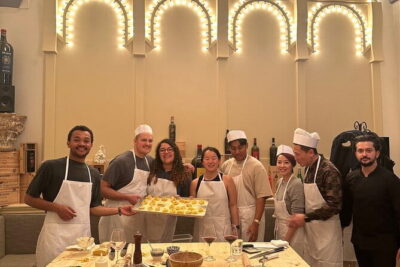
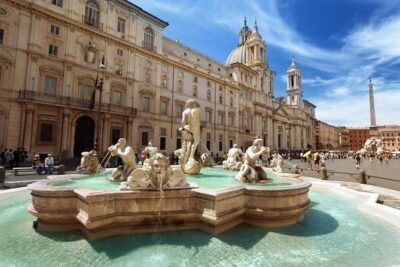
3 in 1 Cooking Class near Navona: Fettuccine, Ravioli & Tiramisu
Read our review →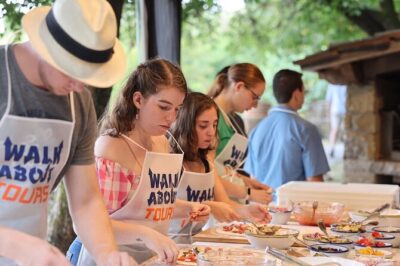
Florence Pizza or Pasta Class with Gelato Making at a Tuscan Farm
Read our review →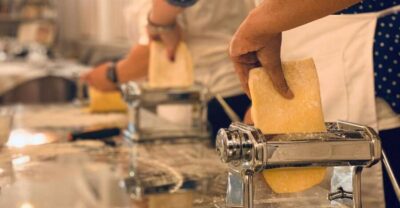
Pasta & Tiramisu Cooking Class with Unlimited Wine
Read our review →
Cooking Class and Lunch at a Tuscan Farmhouse with Local Market Tour from Florence
Read our review →
Authentic Pizza Making Class in Naples with Appetizers and Drink
Read our review →
Pasta Making Class with Wine, Limoncello, and Dessert
Read our review →Browse the lists this tour appears in