
Reviewed · WALKING TOURS
Rome City, Pantheon, and Trevi Fountain Walking Tour
Rome reveals itself in layers on this compact walk. You move from imperial forums and Renaissance streets to Baroque churches, a secretive Art Nouveau courtyard, the Trevi Fountain, and the Pantheon. It is a smart way to get your bearings fast, especially before tackling Rome on your own.
I like the small group limit of 15, which makes it easier to hear the guide and ask questions. I also like the mix of major sights and easy-to-miss places such as Galleria Sciarra and the tiny Capella Della Madonna. The main consideration is the Pantheon admission: entry is not included, and two hours of walking on Rome’s uneven streets may be tiring if you have a foot injury.
Key points at a glance
- Small groups capped at 15: Easier to hear guides such as Dan, Sharon, Anna, Domenica, and Vlad.
- Six central Rome stops: The route links Piazza Venezia, Trevi Fountain, Sant’Ignazio, the Pantheon, and Piazza Navona.
- A useful first-day orientation: You get practical pointers for returning to sights, eating, drinking, and finding gelato.
- Good mix of famous and overlooked places: Galleria Sciarra and small chapels add texture beyond the standard postcard stops.
- Two-hour pace: The walk is short enough to fit into a busy itinerary, but you should still wear comfortable shoes.
- Pantheon ticket extra: The guide explains the building, but admission is not part of the price.
Why this two-hour route works in Rome
At $24.20 per person, this is priced as an affordable introduction rather than a full-day sightseeing program. You are paying for a local guide, a clear route, and the chance to understand what you are seeing instead of simply moving from one photo stop to the next.
That distinction matters in Rome. A column, fountain, or church façade can look impressive while its story slips past you. Guides on this tour have explained political changes, Roman building methods, religious art, city customs, and small details that are easy to miss when you walk alone.
The route also makes practical sense. It starts near Piazza Venezia and ends at Piazza Navona, leaving you in a central area with restaurants and bars. You can continue exploring afterward, return to one of the sights with more time, or stop for dinner.
I would book this early in your stay. Several guides, including Sharon and Dan, have been especially good at pointing out places to revisit and helping first-time visitors understand how central Rome fits together. It gives you a working map in your head, not just a checklist of monuments.
More City Tours in Rome
- Rome: City Sightseeing Hop-on Hop-off Bus with Audioguide
★ 4.0 · 16,045 reviews - City Sightseeing Rome Hop-On Hop-Off Bus Tour
★ 3.5 · 5,446 reviews - Rome: Fettuccine Pasta Cooking Class in Rome’s City Center
★ 4.8 · 2,414 reviews
Piazza Venezia and the Ancient City
The walk begins at Piazza d’Aracoeli, at Via di S. Venanzio 8, close to Piazza Venezia. Take a little care here: one person had trouble locating the meeting point, so check the address and map before setting out. This is a busy part of central Rome, and a few extra minutes can prevent a rushed start.
The first stop covers about 20 minutes. Piazza Venezia is one of Rome’s great crossroads, but it is also a useful place to understand the city’s changing identity. The guide connects the ancient emperors and their forums with Renaissance Rome and the period shaped by Napoleon.
You will not get a long archaeological excavation visit here. Instead, this stop gives you a broad frame for the rest of the walk. Rome is not one story placed neatly on top of another. Ancient, papal, Renaissance, Baroque, and modern Rome overlap in the same streets.
That overview is one of the tour’s strongest features. If you have already visited the Colosseum or Vatican City, this route adds another side of the city. It helps you see how the monumental center extends beyond those two headline sights.
Galleria Sciarra, an Art Nouveau surprise
The ten-minute stop at Galleria Sciarra is brief, but it may be one of the most memorable. This 19th-century building is decorated with Art Nouveau frescoes and paintings, and it is easy to pass without knowing what is inside.
Here, the guide points out a more private-looking corner of Rome, away from the biggest monuments. The short stop also breaks up the walk nicely. You get a chance to look closely at decorative details rather than spending the entire tour beside large crowds and grand façades.
This is the sort of place I value on a city walk. You could probably find it yourself with enough preparation, but a guide makes sure it enters your day. One guide also showed a small chapel, Capella Della Madonna, which was not expected as part of the main route. Small discoveries like this give the walk its local character.
Trevi Fountain and the art of seeing it
The Trevi Fountain receives about 20 minutes. That is enough time for the guide to explain the sculpture and its setting, though not enough for an extended pause if you want to linger, take several photographs, and study every figure.
The fountain is famous for good reason, but fame can flatten a place into a quick picture. A guide helps bring the sculpture into focus. You learn how the scene works as a piece of public art and why the fountain has such a powerful effect when lit after dark.
Some departures have been especially enjoyable at dusk or at night. If you choose an evening time, confirm the exact schedule when booking, since the main options are listed as morning and afternoon. The atmosphere can change greatly with the light, but the area can also be busy, so stay close to the guide.
Do not expect an empty fountain or a private viewing area. This is one of Rome’s most visited spots. The value here is not solitude. It is having someone explain what you are looking at and then move you along before the stop consumes your whole day.
More Walking Tours in Rome
- Rome: Trastevere & Campo de Fiori Street Food Walking Tour
★ 4.9 · 2,768 reviews - Rome: Paranormal Night Walking Tour & Secret Backstreets
★ 4.9 · 1,921 reviews - Rome by Night Walking Tour – Legends & Criminal Stories
★ 4.5 · 1,003 reviews - Rome: Guided City Center Evening Sightseeing Walking Tour
★ 4.4 · 953 reviews
Sant’Ignazio and Rome’s painted illusion
The 15-minute stop at Chiesa di Sant’Ignazio di Loyola introduces one of Rome’s best-known Baroque churches. Its artificial dome is the key detail.
The church demonstrates how painters and architects used perspective to create an effect that looks much grander than the physical structure allows. A guide can point out the visual trick, helping you understand why the ceiling is more than a pretty photograph.
This stop also shows why a walking tour is useful even if you already know the main names. You may recognize the Pantheon and Trevi Fountain, but churches such as Sant’Ignazio reward a closer look. The guide gives you a reason to pause and explains the cultural setting around the art.
The visit is short, so you should not treat it as a full church tour. Think of it as a focused introduction, with enough time to look upward and understand the illusion.
The Pantheon, Rome’s great engineering lesson
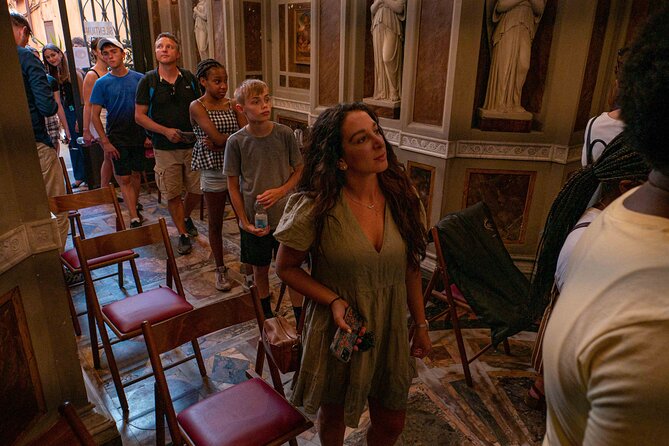
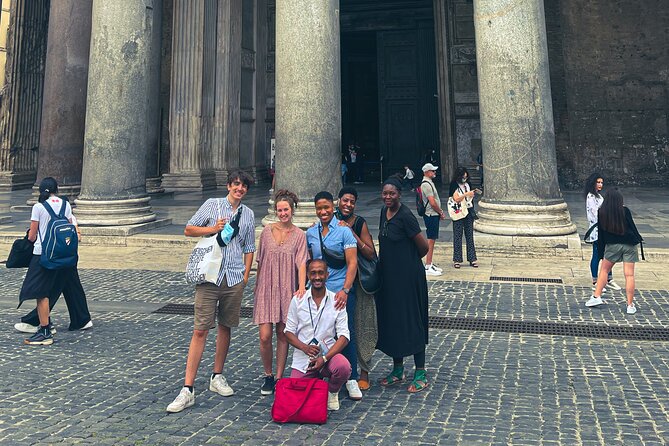
The Pantheon gets roughly 20 minutes. It is one of the best-preserved buildings from ancient Rome and later became a church, a change that helped preserve it through the centuries.
The guide explains the building’s design and the secrets behind its remarkable architecture. This is where the tour’s Roman engineering story comes into sharp focus. You see how an ancient structure can remain useful, sacred, and visually powerful long after its original purpose has changed.
Admission is not included. That is important when you compare this tour with other Rome walks. You can still receive the exterior explanation, but entering requires an additional ticket or payment arranged separately. The information provided does not specify the current entry process, so check the official access rules for your date.
The 20-minute time slot is useful for orientation, but it may feel short if you want a slow interior visit. If the Pantheon is high on your list, plan to return with more time, subject to opening arrangements. The tour gives you context; it does not replace a dedicated visit.
Piazza Navona and a good place to finish
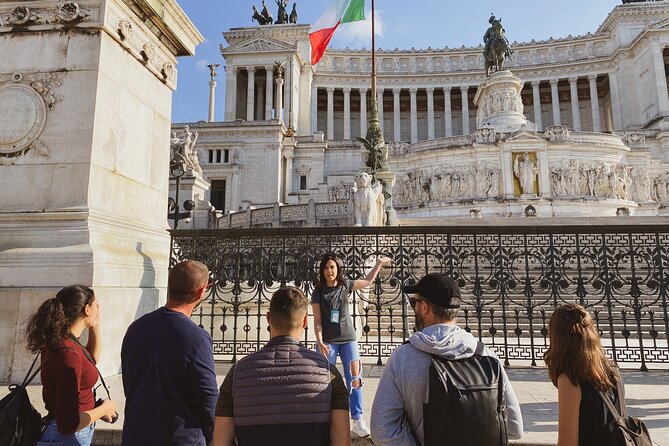
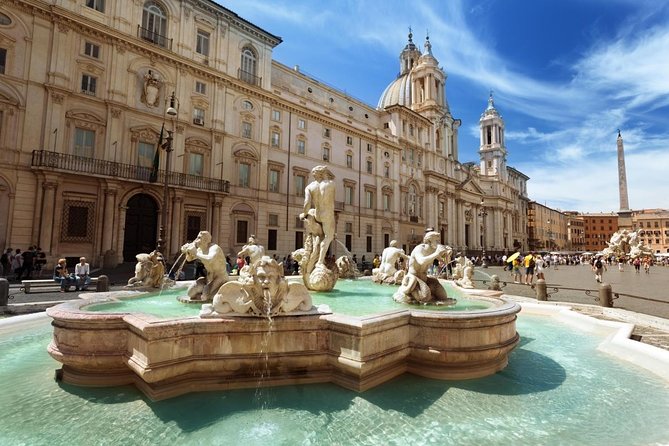
The final 15-minute stop is Piazza Navona, one of Rome’s most elegant public squares. It contains three fountains and the Baroque church of Sant’Agnese in Agone, all arranged within the long shape of an ancient stadium site.
The tour ends here, which is a practical choice. You are not left beside a highway or sent back to the starting point. Piazza Navona has restaurants and bars, and the operator can recommend local places to eat, drink, or find gelato. You should still use your own judgment when choosing a restaurant, but having a guide’s suggestions can save time after a long day.
I like this ending because it leaves room for an evening plan. You can stay in the square, walk toward another central sight, or stop for a meal. The route does not try to fill every minute with a lecture. It gives you enough information to continue independently.
What the guides add to the walk
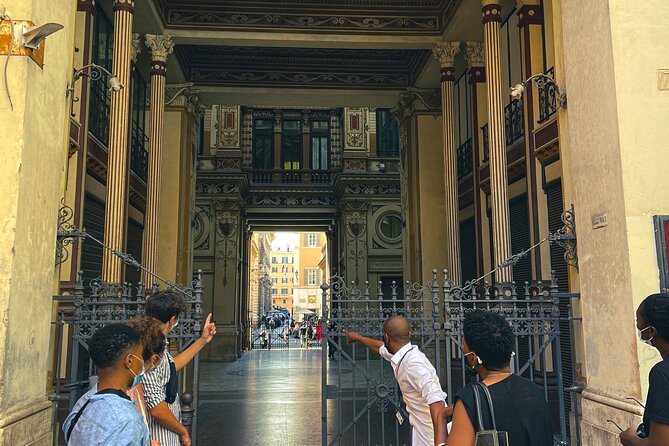
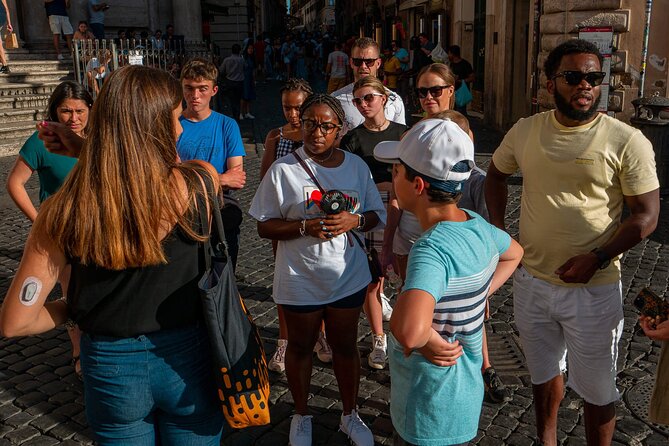
The guide is the main variable in any walking tour, and the feedback here is unusually consistent. Dan has been praised for clear explanations, humor, and the ability to answer questions beyond the planned route. Sharon has helped first-time visitors organize the rest of their sightseeing and offered practical suggestions.
Domenica, also written as Dominica in some feedback, has led both daytime and evening walks. Anna has been described as patient, funny, friendly, and easy to follow. Vlad kept a group of 13 engaged and made a point of speaking with everyone.
Other named guides include Sila, Pollina, Eleonora, Cayie, Victor, Sarah, Paulina, and Den. That range tells you the company uses more than one guide, so the exact personality and teaching style will vary. The common thread is an emphasis on Roman history, clear storytelling, and a relaxed manner.
The group size helps. With no more than 15 people, you are less likely to lose the guide’s voice or spend the whole walk at the back. One especially small group had only four people, but you should book with the stated maximum in mind rather than expect a private tour.
Pace, footwear, and timing
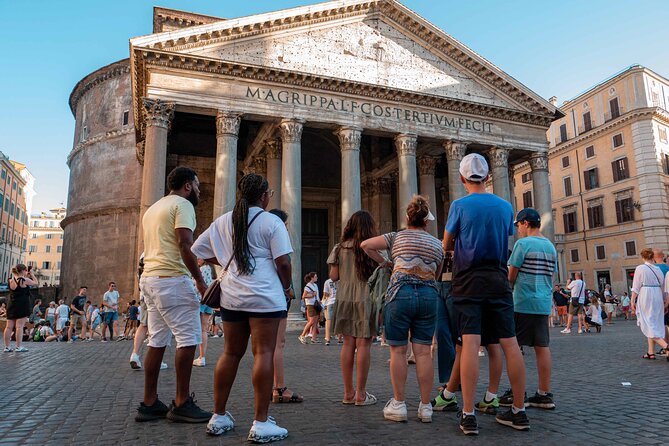
The advertised duration is about two hours. One person described the walk as considerable but manageable, while others found it not too arduous and appreciated pauses to catch their breath and get a drink.
Rome’s center is compact, but compact does not mean effortless. You will be on foot between six stops, and the route includes busy streets, public squares, and historic paving. Wear shoes you can walk in comfortably. This is not a good pick if you have a foot injury.
Morning and afternoon departure choices make it easier to fit the tour around other plans. I would avoid placing it immediately after a demanding full-day excursion. It works best as a first morning, first afternoon, or arrival-day activity, when you want an overview without committing to a much longer walk.
The dusk and night accounts suggest that some time slots may offer evening conditions. These can make Trevi Fountain and the city’s churches feel different, but confirm the available departure before booking if nighttime is important to you.
Who gets the best value
This tour suits first-time Rome visitors who want a clear introduction to the historic center. It is also useful if you have already seen the Colosseum and Vatican City and want a guided look at another group of major sights.
You will get the most from it if you ask questions. Guides such as Dan have welcomed questions about places beyond the formal stops, and the tour works well as a planning session for the rest of your trip.
It is less suitable if you want long interior visits, extensive time for photographs, or a slow archaeological study. The route covers six places in two hours, so each stop is focused. You also need to budget separately for Pantheon entry.
At $24.20, I consider it good value for a small-group introduction. The price is low enough to leave room in your budget for a separate Pantheon visit, a meal in Piazza Navona, or another attraction. The strongest return comes from the orientation and explanations, not from the number of minutes spent inside any one monument.
Free cancellation is available if you cancel at least 24 hours before the start time. Changes or cancellations inside that window are not accepted for a refund, and the local cut-off time applies. The tour also requires a minimum number of participants, so a cancellation by the operator would result in another date or experience, or a full refund.
Should you book this Rome walking tour?
Book it if you want a friendly, efficient introduction to central Rome, especially during your first day or two. The small group, strong guide feedback, useful restaurant suggestions, and mix of major monuments with quieter corners make it more helpful than a simple landmark checklist.
Skip it if you dislike walking, need long visits at each stop, or want Pantheon admission included in the price. For most visitors who want context, orientation, and a manageable two-hour route, this is a sensible first step into Rome.
FAQ
How much does the tour cost?
The listed price is $24.20 per person. Group discounts are available.
How long does the walking tour last?
The tour lasts approximately two hours.
How many people can join the group?
The group is capped at a maximum of 15 participants.
Is Pantheon admission included?
No. Access to the Pantheon is not included in the tour price.
What sights does the tour visit?
The route includes Piazza Venezia and the Ancient City, Galleria Sciarra, Trevi Fountain, Chiesa di Sant’Ignazio di Loyola, the Pantheon, and Piazza Navona.
Where does the tour start?
It starts at Piazza d’Aracoeli, Via di S. Venanzio 8, 00186 Rome, Italy.
Where does the tour end?
It ends at Piazza Navona in central Rome.
Are there different departure times?
Yes. Morning and afternoon departure times are offered. Some experiences described by participants took place at dusk or at night, so confirm the specific time available when booking.
Can I cancel for a full refund?
Yes, if you cancel at least 24 hours before the experience start time. Cancellations or changes made less than 24 hours beforehand are not accepted for a refund.
Fresh on the Rome list
- Rome: Guided Catacombs Tour & Capuchin Crypt (Audio Guide)★ 4.3 · 191 reviews
- Guided tour of the Colosseum, Roman Forum and Palatine in Spanish★ 4.5 · 191 reviews
- Rome: Borghese Gallery Guided Tour with Skip-the-Line Ticket★ 4.5 · 192 reviews
- Rome: Arena Colosseum Tour with Arena Access★ 4.6 · 193 reviews
- Colosseum, Forum, Palatine Hill with audio guide and Arena or Bus option★ 4.0 · 193 reviews
- Rome: Colosseum & Roman Forum Guided Tour★ 5.0 · 194 reviews
- Rome: Domus Aurea Guided Tour and Virtual Reality Experience★ 4.7 · 194 reviews
- Rome Vintage Fiat 500 car Tour With Photographer★ 5.0 · 194 reviews
Walking Tours, compared.
Guided Walking Tour & Last Supper Visit with Ticket
Read our review →
Rialto Bridge & Offbeat Unusual Venice Walking Tour
Read our review →
Private 3 hrs Venice Tour: St Mark’s, Walking tour & Boat tour
Read our review →
Skip the line: Uffizi and Accademia Small Group Walking Tour
Read our review →Browse the lists this tour appears in