
Reviewed · COOKING CLASSES
Sicilian Cooking Class
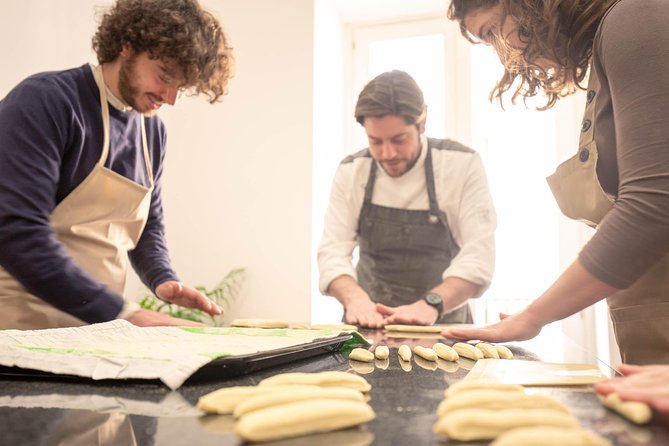
Palermo’s best food lesson begins before you reach the kitchen. With Chef Michael, you shop at Mercato del Capo, choosing fresh ingredients while learning how Palermo cooks and eats. I like the small maximum of eight people and the hands-on format. You are not watching from a corner while someone else does the work. You clean, shape, fry, stir, and sit down to eat the result.
I also like the local menu. Panelle, pasta con le sarde, fried artichokes, swordfish, cannoli, and almond granita feel far more rooted in Palermo than the usual pizza-and-pasta routine. The main drawback is practical: the cooking studio may involve a steep flight of stairs, and heavy rain can affect the market visit.
Key points at a glance
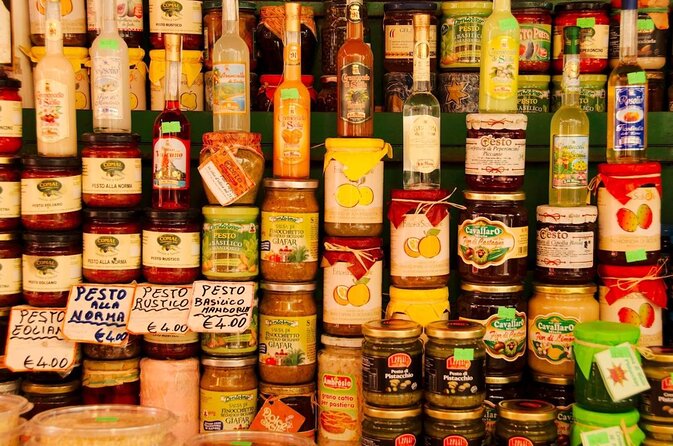
- Mercato del Capo first: Shop for the day’s ingredients near Porta Carini, with explanations about Sicilian produce and food customs.
- A genuinely hands-on class: You help make dishes rather than simply watching a chef demonstrate them.
- Four courses with drinks: Finish with a starter, pasta, main course, dessert, Sicilian wines, coffee, and homemade liqueurs.
- Small group size: The class is limited to eight people, which gives Michael time to answer questions and guide each task.
- Seasonal cooking: The exact dishes can change according to what is fresh and available at the market.
- Good English instruction: Michael teaches in English and explains both the cooking method and the reason behind it.
Why this Palermo cooking class feels different
Many cooking classes promise local food but quietly fall back on familiar Italian standards. This one takes a more distinctly Sicilian path. You may make panelle, the fried chickpea fritters associated with Palermo street food, or arancine al burro, saffron rice balls filled with ham and cheese.
The class also brings in ingredients and combinations that tell you something about Sicily’s food culture. Pasta con le sarde may include sardines, wild fennel, saffron, currants, pine nuts, and toasted breadcrumbs. That sweet-savory mix is a useful reminder that Sicilian cooking has its own character. It is not simply mainland Italian food with a different accent.
Michael leads the class in clear English and has a relaxed, sociable teaching style. His Irish background and life in Palermo give the experience an easy cross-cultural feel, while his Sicilian family connection helps keep the food tied to local practice. Assistants such as Elena or Melissa may help in the kitchen, adding another friendly set of hands.
The group size matters. With no more than eight people, you get a real chance to handle ingredients, ask questions, and learn small techniques. Several class descriptions praise the pace: organized, active, but not rushed. That is important during a four-and-a-half-hour session. You want enough time to cook, but not so much waiting that the afternoon drags.
More cooking classes in Palermo:
- Palermo: Pizza and Gelato Cooking Class with Dinner and Wine
★ 4.9 · 951 reviews - Palermo’s Delight: Unleash the Secrets of Pizza and Gelato Making
★ 5.0 · 497 reviews - Wanna be Sicilian: Palermo Cooking Class and Market Tour
★ 5.0 · 197 reviews
Meeting near Porta Carini and entering Mercato del Capo
The class starts at 10:00 a.m. near the Parcheggio Orlando on Piazza Vittorio Emanuele Orlando, close to Porta Carini, the entrance to Mercato del Capo. From there, the market visit sets the tone for everything that follows.
Michael selects the ingredients needed for the meal and explains what you are buying as you go. This is not just a shopping stop to fill a basket. It gives you a quick lesson in how a Sicilian cook chooses food, how seasonal menus take shape, and why freshness matters more than sticking to a fixed recipe.
The market is especially useful if you are still finding your bearings in Palermo. You get an introduction to the old town through its food stalls rather than through a long historical lecture. You might see the ingredients for fried artichokes, fresh fish, herbs, fruit, or vegetables that will later appear on your plate.
There is one weather-related limitation. In heavy rain, parts of the market may be closed, so the visit can be less lively or shorter than expected. The cooking class still works as the main event, but if the market is a priority for you, choose a dry morning when possible.
Moving into the air-conditioned cooking studio
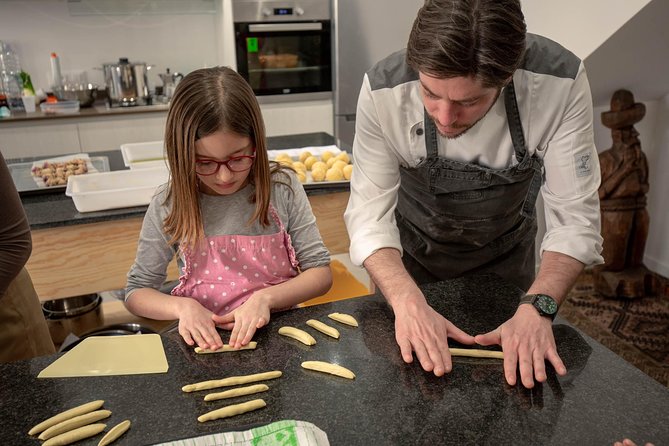
After the market, you walk to the cooking school and dining room. The kitchen is air-conditioned, a useful feature during Palermo’s warmer months and after time spent outdoors.
The studio is described as a quaint, attractive space suited to small groups. It is set up for both preparation and the final meal, so you do not need to leave for a restaurant afterward. The transition from market to kitchen is short, keeping the morning focused.
The class is practical. Michael explains what you are making, why the dish is prepared that way, and how to repeat it at home. You may learn useful basics such as handling a knife, using a scraper for fresh pasta, cleaning vegetables, seasoning breadcrumbs, and managing several courses at once.
The teaching does not appear to be stressful. You participate heavily, but Michael and his assistants keep the work organized. If one person has more cooking experience than another, the small group format makes it easier to share tasks without turning the lesson into a contest.
The Sicilian dishes you may prepare
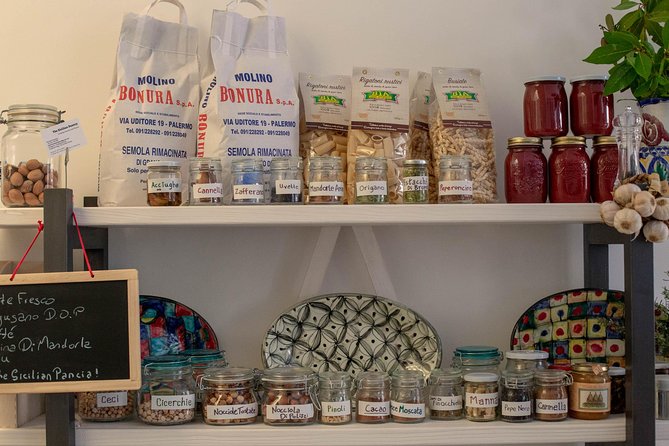
The menu changes with the season, but the listed dishes give you a clear idea of the cooking style.
A few other Palermo mornings to weigh against this
- Florence: Pasta Cooking Class with Unlimited Wine
★ 4.9 · 10,285 reviews - 3 in 1 Cooking Class near Navona: Fettuccine, Ravioli & Tiramisu
★ 5.0 · 7,376 reviews - Florence Pizza or Pasta Class with Gelato Making at a Tuscan Farm
★ 5.0 · 6,801 reviews - Florence: Pasta & Tiramisu Cooking Class with Unlimited Wine
★ 4.9 · 6,708 reviews
Panelle and other Palermo street food
Panelle are fresh chickpea fritters, fried and served with lemon. They are simple, inexpensive, and closely linked to Palermo street food. Making them yourself gives you a better sense of how a few basic ingredients can become a much-loved local snack.
You may also prepare arancine al burro. These are saffron-flavored rice balls filled with ham and cheese, then breaded and fried. They take more handling than panelle, which makes them a useful lesson in shaping, filling, and frying.
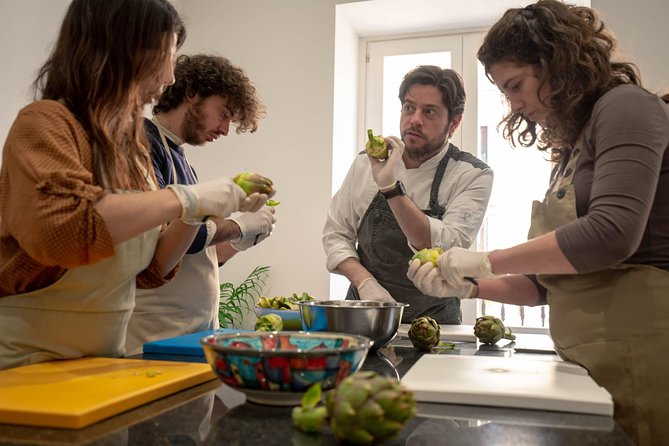
Fried artichokes can also appear. You clean the artichokes, quarter them, bread them, and fry them. This is the sort of task that sounds straightforward until you need to remove the tough outer leaves and keep the pieces in good shape. Michael’s instruction is helpful here.
Fresh pasta and pasta con le sarde
Making fresh pasta is one of the most appealing parts of the class. You work the dough by hand and learn how to form southern Italian-style pasta. The process is direct and tactile, with no need for complicated equipment.
The pasta may be paired with a fresh tomato sauce, allowing you to focus on the dough and the balance of a simple sauce. Another possible dish is pasta con le sarde, a classic Palermitan preparation with sardines, wild fennel, saffron, currants, pine nuts, and toasted breadcrumbs.
That recipe is especially worthwhile because it shows how Sicilian cooking handles contrast. Fish, herbs, dried fruit, nuts, and saffron bring different flavors to one plate. It is also the kind of dish you may not order automatically in a restaurant, so learning it here adds something to your time in Palermo.
Meat rolls and swordfish
Involtini di carne are thin meat rolls filled with cheese, breadcrumbs, currants, and almonds. They are skewered, breaded, and roasted. The filling combines savory and sweet notes, a pattern you will notice in several Sicilian dishes.
Pesce spada panato offers a seafood option. Slices of swordfish are dipped in extra-virgin olive oil and coated with breadcrumbs seasoned with parsley, mint, and lemon zest. The technique is accessible and practical, so you can recreate it at home without a long list of difficult steps.
You will not necessarily make every dish listed. The menu depends on the market and the season, and a four-course meal cannot include every possible starter, main course, and dessert. That flexibility is a benefit, not a flaw, if you want food that reflects what Palermo has available that day.
Dessert, wine, coffee, and homemade liqueurs
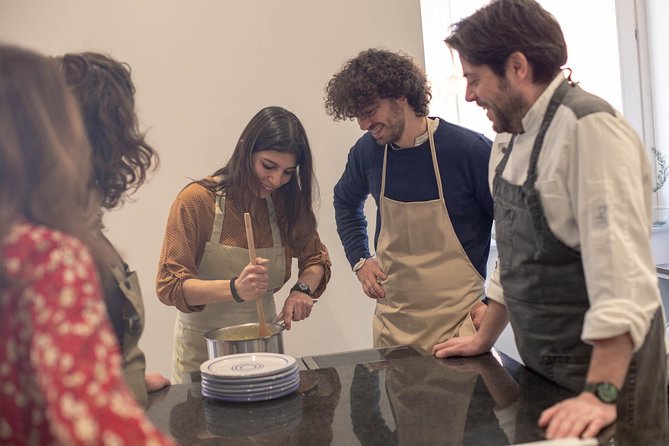
The meal ends with a choice of Sicilian sweets and a proper sit-down meal. Cannoli may feature fried pastry shells filled with sweet ricotta, candied orange peel, and pistachios from Bronte.
Cassata is another possibility. This substantial Sicilian cake uses sponge cake, almond paste, sweet ricotta cream, and candied fruit. It is much heavier than cannoli, so it gives you a different idea of the island’s dessert tradition.
For something lighter, you may prepare almond granita, made with water, sugar, and almonds. This is a useful contrast to the richer pastries and suits Palermo’s warm climate.
The meal comes with a selection of Sicilian wines, followed by coffee and homemade liqueurs. Orange liqueur has been served in some classes, though the exact drink can vary. The drinks are not an afterthought. They help turn the cooking lesson into a shared lunch or dinner, with time to talk about the food and compare the results.
The portions are described as generous enough to feel like a full meal without becoming uncomfortably large. That balance matters after several hours of cooking. You get to taste everything you made, but the afternoon remains enjoyable rather than sluggish.
What makes Michael’s teaching useful
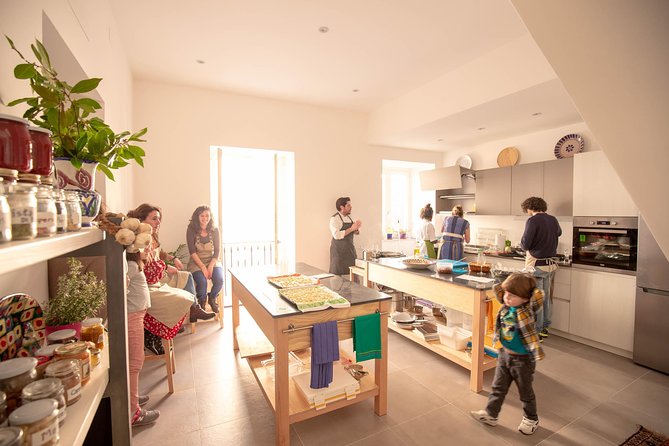
Michael’s strongest role here is not simply chef. He acts as a translator between the market, the recipe, and your own kitchen.
At the market, he explains the ingredients and gives context about Palermo’s food culture. In the studio, he covers the method and the reason behind each step. At the table, he answers questions and talks about the dishes you have just prepared.
That combination makes the lesson more useful than a recipe card alone. You learn why ingredients are paired, how the menu changes with the season, and which steps deserve care. Several practical details have been especially useful to past participants, including knife handling and working with pasta dough.
The class can also adjust for dietary needs in some cases. A vegetarian menu adjustment has been made without changing the meal for everyone else. Still, the experience is not recommended for people with severe food allergies, and you should contact the provider about dietary requirements before booking.
The language setup is straightforward. The class is offered in English, and Michael’s English is described as excellent. That makes a difference when you are learning a technique rather than simply following a recipe by sight.
Group size, pace, and the social side
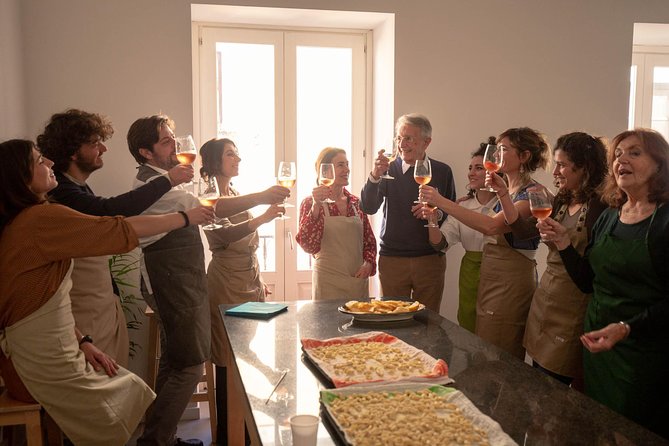
A maximum of eight people keeps this from feeling like a factory-style cooking demonstration. You work beside a small, mixed group and then share the meal at one table.
The social part is built into the experience. Michael introduces people at the beginning, and the market and kitchen give you easy subjects for conversation. By the meal, you have already done something together, which makes the final lunch feel more natural than a standard restaurant stop.
The pace is another strength. There is enough guidance to keep beginners comfortable, but not so much instruction that you simply stand around. The class is suited to adults and can also work for older children or teenagers who enjoy practical activities. A 13-year-old has taken part successfully.
You should not expect a quiet, private lesson for just your own party unless your booking arrangements specify that. The small group is part of the appeal, but it also means you share preparation tasks and conversation with other people.
Is $118.56 a fair price?
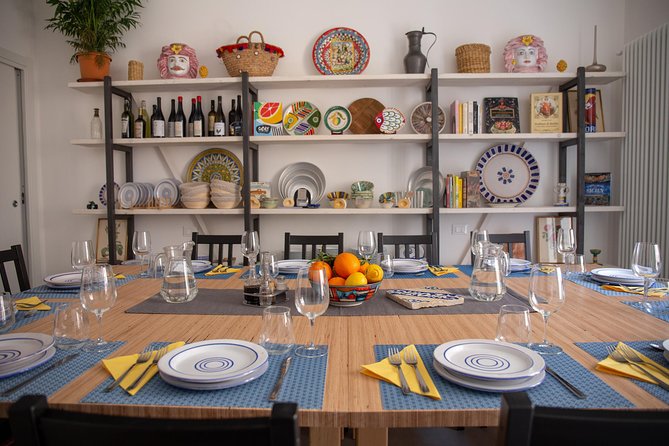
At $118.56 per person, this is not a cheap meal. It is also more than the cost of buying the same basic ingredients yourself. The value comes from the full package: the market orientation, four-and-a-half hours of instruction, hands-on preparation, a multi-course meal, wine, coffee, homemade liqueurs, and a small group.
For comparison, a restaurant meal would give you the finished food but not the techniques or the market context. A cheaper cooking class might offer one or two dishes, but this experience gives you a starter, pasta, main course, and dessert. If you enjoy food and want skills to take home, the price is reasonable.
The value is strongest for people who care about local dishes and conversation. It is less compelling if you only want a quick meal or prefer to spend the morning sightseeing. The class occupies a large part of the day, and the four-course lunch means you should not plan another major food activity immediately afterward.
The class is often booked well ahead, around 77 days in advance on average. That suggests you should reserve it early if the date matters, especially during a busy Palermo visit.
Who should book this experience?
I would choose this class if you want to understand Palermo through its food rather than simply sample it. It suits first-time cooks because Michael gives clear instructions, and it suits experienced home cooks because the menu and techniques are more distinctive than standard Italian fare.
It is also a good choice for couples, families with food-loving teenagers, and small groups of friends. The air-conditioned kitchen helps in hot weather, while the market visit adds an outdoor element before the cooking begins.
You may want to skip it if you have severe food allergies, dislike group activities, or cannot manage a steep flight of stairs. The experience is also a poor fit if you want a fixed menu, since dishes change with the season and what is available at the market.
The meeting point is near public transportation, and the activity ends back at the starting point. Service animals are allowed. Free cancellation is available if you cancel at least 24 hours before the 10:00 a.m. start time.
Should you book the Sicilian Cooking Class?
Book it if you want a long, social, food-focused morning that gives you more than a recipe. The strongest reasons are the Capo Market visit, the small group, Michael’s clear English instruction, and the chance to make real Palermitan dishes such as panelle, pasta con le sarde, and almond granita.
I would especially recommend it for a first stay in Palermo, when a market walk and a local meal can help you understand the city quickly. Just confirm any dietary needs in advance, allow for the steep stairs, and keep your schedule open for the full four-and-a-half hours.
FAQ
Where does the Sicilian cooking class begin?
The class begins at 10:00 a.m. near Porta Carini, at Parcheggio Orlando on Piazza Vittorio Emanuele Orlando, 49, in Palermo. It ends back at the meeting point.
How long does the cooking class last?
The experience lasts approximately four hours and 30 minutes.
Is the class offered in English?
Yes. The experience is offered in English, and Chef Michael teaches the class in English.
How many people can join the class?
The maximum group size is eight people.
What food might I make during the class?
The seasonal menu may include panelle, arancine al burro, fried artichokes, fresh pasta, pasta con le sarde, meat rolls, breaded swordfish, cannoli, cassata, or almond granita. The exact dishes depend on the season and market ingredients.
Are drinks included with the meal?
Yes. After cooking, you sit down to a four-course meal with a selection of Sicilian wines, followed by coffee and homemade liqueurs.
Fresh on the Palermo list
- Palermo: Full-Day Snorkeling Boat Tour with Lunch and Wine★ 5.0 · 196 reviews
- Wanna be Sicilian: Palermo Cooking Class and Market Tour★ 5.0 · 197 reviews
- From Palermo: Erice and Marsala Day Trip with Lunch★ 4.8 · 199 reviews
- Sicily: Etna Volcano & Taormina Tour★ 4.4 · 199 reviews
- Palermo: Cappella Palatina and Palazzo dei Normanni Tour★ 4.8 · 214 reviews
- Palermo Half Day Boat Tour with Palermo Experiences★ 5.0 · 224 reviews
- Palermo : Private Custom Walking Tour with a Local Guide★ 4.5 · 237 reviews
- Palermo: Markets and Monuments City Center Walking Tour★ 4.9 · 238 reviews
Cooking Classes, compared.
3 in 1 Cooking Class near Navona: Fettuccine, Ravioli & Tiramisu
Read our review →
Florence Pizza or Pasta Class with Gelato Making at a Tuscan Farm
Read our review →
Pasta & Tiramisu Cooking Class with Unlimited Wine
Read our review →
Cooking Class and Lunch at a Tuscan Farmhouse with Local Market Tour from Florence
Read our review →
Authentic Pizza Making Class in Naples with Appetizers and Drink
Read our review →
Pasta Making Class with Wine, Limoncello, and Dessert
Read our review →Browse the lists this tour appears in