
Reviewed · WINE TASTINGS
Total Immersion Wine Tour in Chianti
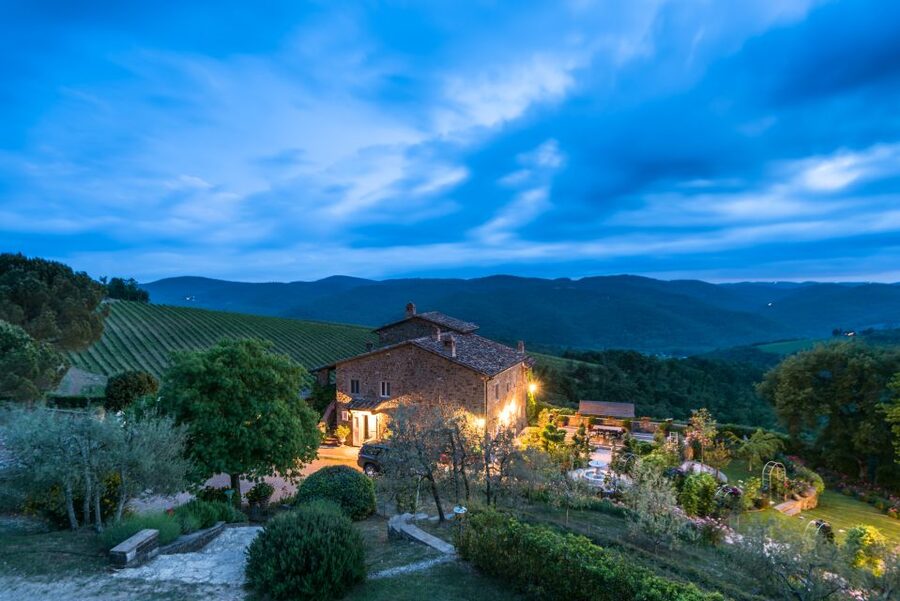
Chianti Classico tastes best when you see where it grows. At Fattoria di Montemaggio, a small organic winery above Radda in Chianti, you begin on the cellar roof with broad views over Tuscany, then walk through the vineyard and production rooms before sitting down to taste the estate’s wines. The setting is rural and wonderfully remote, not a polished tasting bar near a main road.
I like two things here: the tour explains the full chain from grape to bottle, and the guides, especially Francesco, make the lesson lively rather than stiff. You also get a useful mini-course on smelling, tasting, and serving wine, plus local cheese, salami, bread, and estate olive oil. The catch is the access road. The final section is gravel and unpaved, with narrow, twisting stretches and rain ruts, so allow extra time and follow the directions closely.
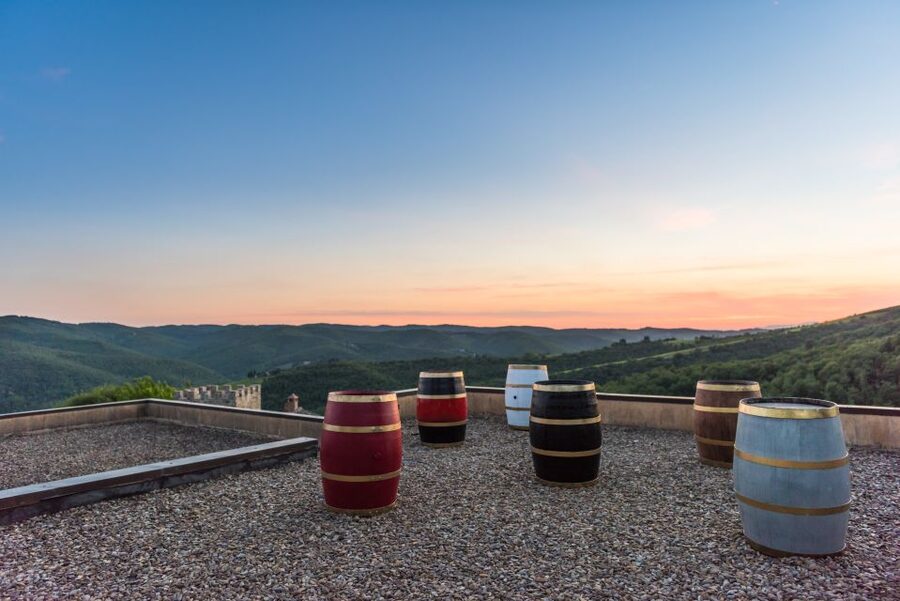
- A 600-meter rooftop view: Begin with a sweeping look across Chianti’s wooded hills and vineyards.
- Organic wine from a small estate: Learn how the winery handles agriculture, harvest, grape selection, fermentation, and aging.
- Five estate products: Taste a mix of red, white, rosé, and sparkling wine, with grappa also available.
- A proper tasting lesson: Learn how to smell, taste, and serve wine instead of simply drinking through a lineup.
- Tuscan snacks included: Olive oil, bread, cold cuts, and cheese turn the tasting into a light country meal.
- Remote access matters: You need to reach Fattoria di Montemaggio at Località Montemaggio, Radda in Chianti, Siena, without hotel transportation.
A Small Winery Above Radda in Chianti
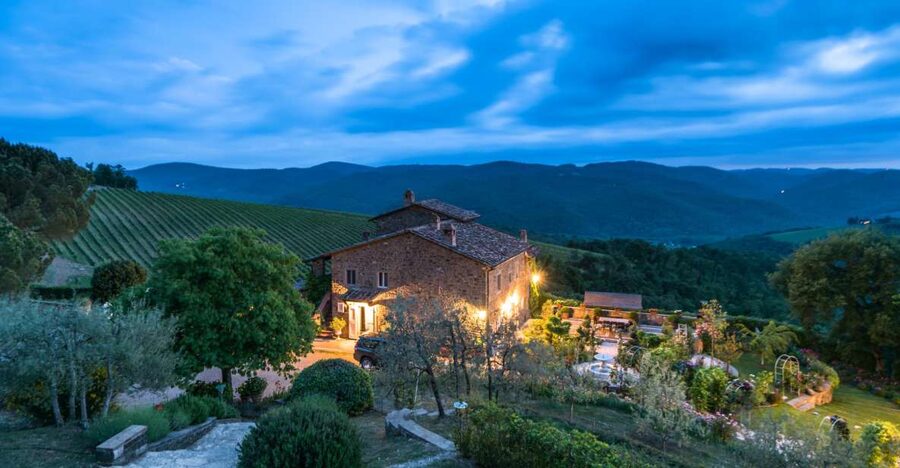
Fattoria di Montemaggio feels far removed from the busier wine routes. The estate sits at roughly 600 meters above sea level, and the last approach runs through forest on an unpaved road. That remoteness is part of the appeal, but it is also the main practical issue to solve before booking.
The tour lasts about two hours, which is enough time for a real introduction without turning into an all-day commitment. You are not just handed a glass and pointed toward a view. The visit follows the work of the estate in a clear order: panorama, vineyard, cellar, then tasting room.
That order matters. By the time you taste the wines, you have seen the place where the grapes grow and heard how the estate handles them. I find that this makes the glass in front of you more interesting. You can connect its style to the altitude, farming methods, grape selection, and aging choices discussed during the visit.
The tour is conducted in English, and the guides are a major part of its appeal. Francesco appears frequently in the experience, along with Ilaria and Stefano. Their approach is warm and personal, with plenty of room for questions. If you are new to wine, you should feel comfortable asking basic questions. If you already know a fair bit, the production details give the visit more substance than a simple tasting stop.
The Rooftop View and the Black Rooster
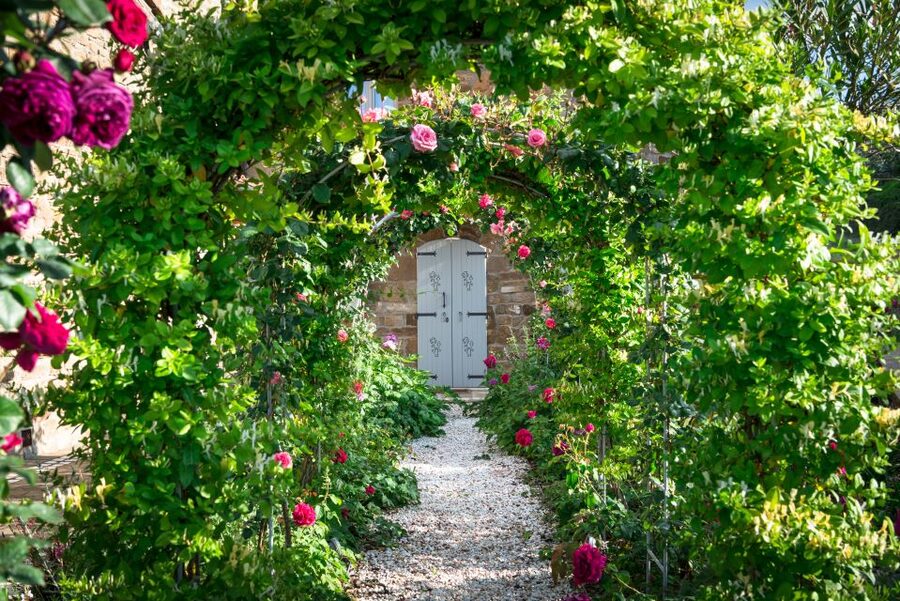
Your first stop is the roof of the cellar. From here, you get the big Tuscan scene: rolling hills, wooded valleys, and vineyards stretching across the Chianti countryside. The height gives the view extra reach, and the open setting helps explain why location matters so much in wine country.
The introduction also covers the estate and the Chianti Classico Black Rooster. The black rooster is the familiar symbol of Chianti Classico, and learning its story gives you a useful foothold in the region’s identity and wine rules. This is not just decoration for a label. It helps explain the distinction between Chianti Classico and other wines sold under the wider Chianti name.
The rooftop is exposed, so think about the weather. On a sunny day, the view is a highlight, but there may not be enough shade for everyone. One practical suggestion is to bring sun protection, especially during the warmer months. On a rainy day, the scenery still has its charm, but closed shoes are a smart choice.
More Wine Tastings in Siena
- From Florence: San Gimignano, Siena, and Chianti Wine Tour
★ 4.5 · 3,762 reviews - Small-Group Brunello di Montalcino Wine-Tasting Trip from Siena
★ 5.0 · 952 reviews - From Siena: Chianti and Castles Tour with Wine Tastings
★ 4.6 · 631 reviews
Walking Through Organic Agriculture
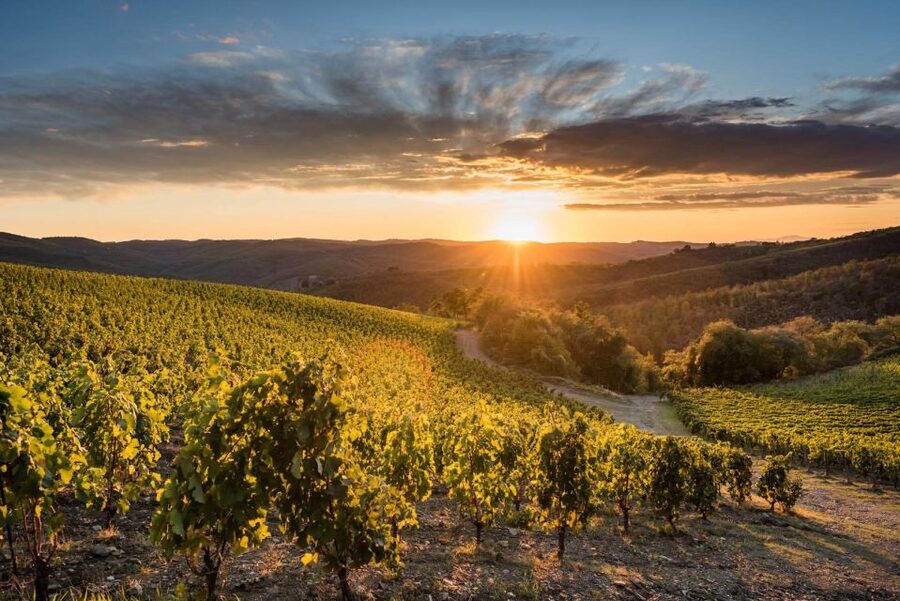
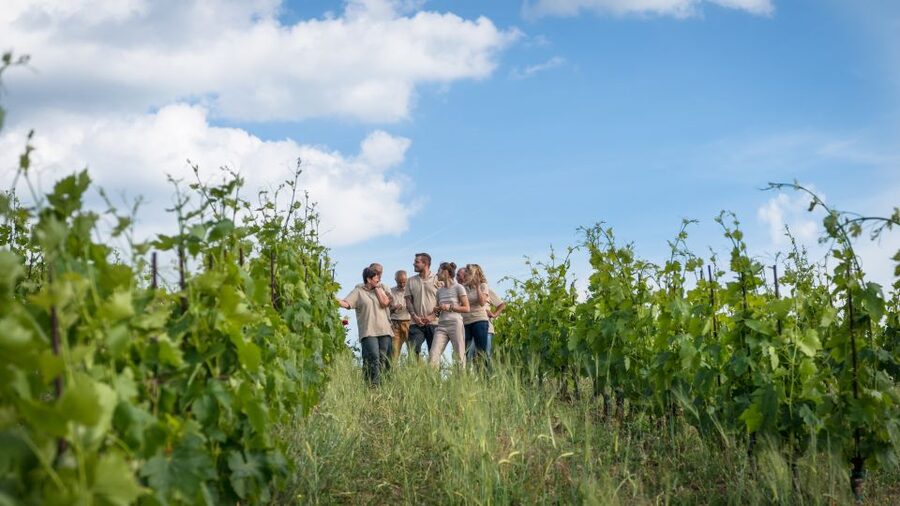
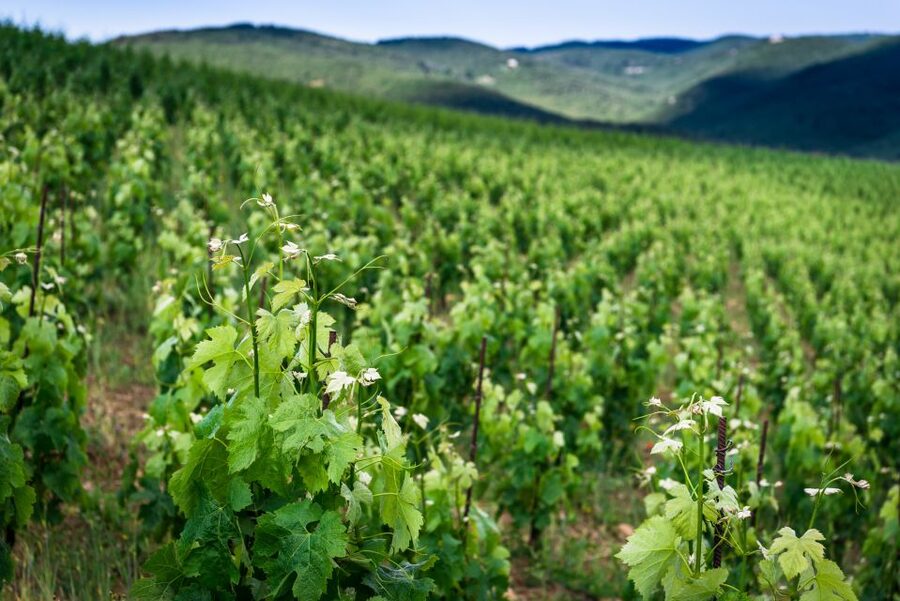
Next, you visit one of the vineyards. The guide explains the estate’s organic farming methods and how agricultural choices affect the grapes. This is one of the most useful parts of the tour because it moves the discussion away from vague talk about tradition and into the actual work of growing wine grapes.
You learn about the care of the vines and the conditions that shape the crop. The high position and local microclimate are part of the explanation for the estate’s wines. The tour does not treat organic farming as a marketing label alone. It connects the method to the day-to-day process of producing grapes and making wine.
Expect this section to be more educational than theatrical. You are there to understand how the vineyard works, not to watch a staged demonstration. The timing of your visit will affect what you see. During harvest season, the conversation about grape selection and picking has an especially clear connection to the work happening around you, though the tour is offered throughout the year.
Wear shoes suited to an outdoor farm setting. The estate is wheelchair accessible, but the combination of vineyard ground and the unpaved approach road is worth considering when planning your visit. The available accessibility information confirms access, but it does not describe every surface or slope in detail.
Inside the Cellar, From Harvest to Aging
The cellar is where the tour becomes a practical lesson in winemaking. The guide explains what happens during harvest, how grapes are selected, and how fermentation begins. You also hear about later aging in the cellar and the choices that shape the finished wine.
I like this stop because it fills in the gaps between vineyard and bottle. Many tastings give you a few sentences about production, then move on. Here, you follow the sequence more closely: grapes are grown, harvested, sorted, fermented, and aged. That makes the tasting more than a parade of unrelated samples.
The small scale of the winery is important. A family-run estate does not operate like a large commercial producer, and the explanations focus on the particular methods used at Montemaggio. You can ask about the process and get a direct answer from a guide closely connected to the estate.
The cellar visit also gives beginners a better way to think about wine. Instead of asking only if you like a bottle, you can start asking why it tastes the way it does. Was it made to show freshness? Was it aged longer? How does the fruit compare with the structure? The tour does not require you to use technical language, but it gives you a few tools for making sense of it.
The Tasting Room and Five Estate Products
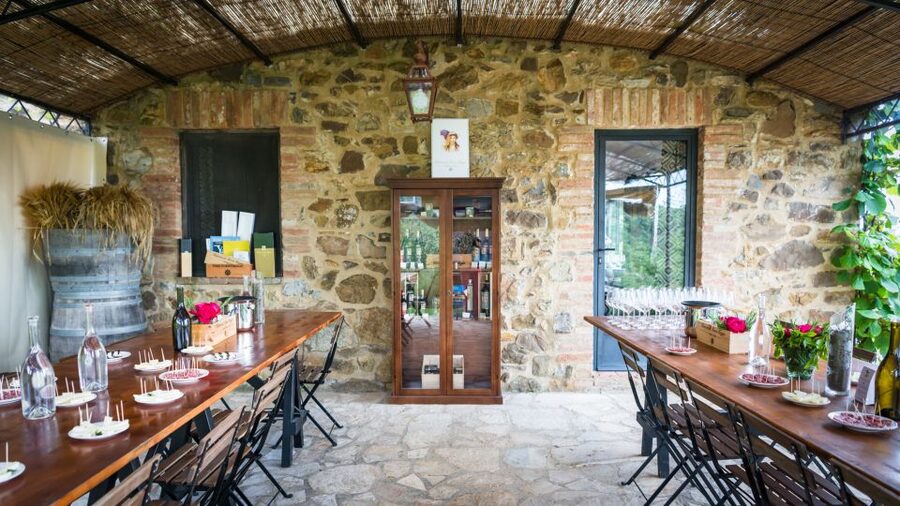
The final stop is the tasting room. The included lineup covers five products from the estate, including red, white, rosé, and sparkling wine. The precise number of pours can vary, and some tasting accounts describe six or more wines, including older and younger bottles, so you should expect a generous sampling rather than one token taste.
The variety is a real strength. Chianti Classico is best known for red wine, but tasting white, rosé, and sparkling examples gives you a broader picture of what the estate produces. You can compare different styles in one sitting instead of judging the winery from a single bottle.
The mini tasting course is especially useful. You learn how to smell wine, how to taste it properly, and how to serve it. This is practical information you can use at dinner later in your trip, or when you open a bottle at home. It also helps first-time wine tasters relax. There is no need to pretend you detect obscure aromas. The point is to pay attention and notice what you actually experience.
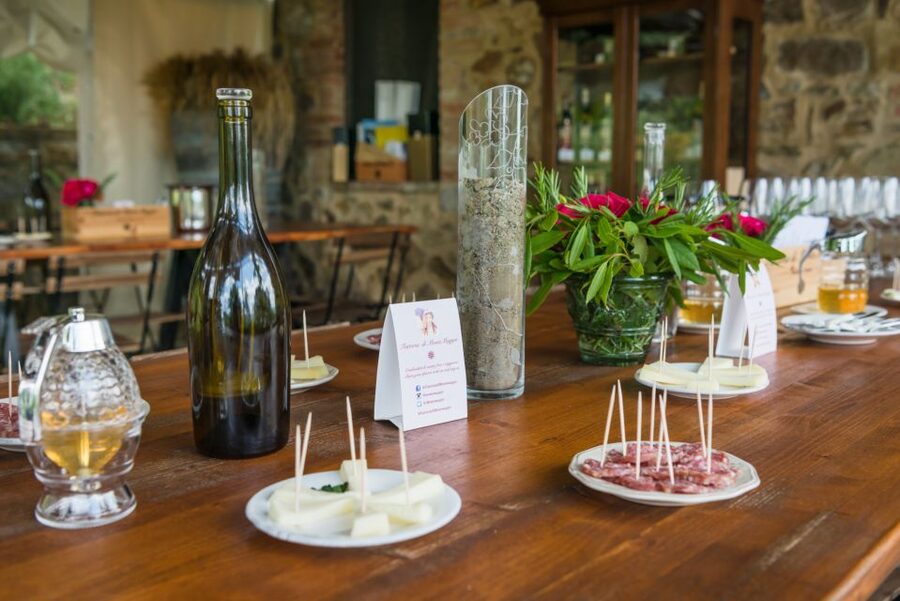
The pours are served with a small spread of cheese, salami, and bread, along with the estate’s extra-virgin olive oil. It is not a full meal, but it is more substantial than a few crackers. The food also shows how naturally wine fits into everyday Tuscan eating.
If you have dietary restrictions, mention them when booking. Gluten-free options are available, and dietary alternatives are offered, but the food selection may be limited for some intolerances. If food is a major reason for booking, treat the platter as a pleasant accompaniment rather than a guaranteed custom meal.
Same city, an entirely different afternoon:
- Siena: Siena Cathedral and Piccolomini Library Entry Ticket
★ 4.5 · 3,462 reviews - Siena: Cathedral Complex Pass with Audio Guide (OPA SI PASS)
★ 4.4 · 2,773 reviews - Siena: Walking Tour and Skip-the-Line Duomo Tickets
★ 4.8 · 1,116 reviews - Skip the Line: Siena Duomo and City Walking Tour
★ 5.0 · 689 reviews
Grappa and the Extra Tasting Lesson
Grappa is the final extra for those who want it. The guide explains how it is produced and offers a chance to consider its lighter, more delicate character. If you are already tasting several wines, you may prefer to take this slowly. Grappa is stronger than wine, and the educational point is more important than finishing a large pour.
This small detail gives the visit a wider view of the estate’s production. You are not only tasting table wines. You are also hearing how another spirit can come from the winemaking process and how its character differs from the bottles served earlier.
The tasting can become quite generous, so pace yourself. The tour is short, but the combination of several wines and grappa can add up. Eat the bread and cheese, drink water if available, and remember that the best part is noticing the differences rather than racing to the final glass.
What the $47 Price Buys You
At $47 per person, this is a strong value for a two-hour winery visit in Chianti, especially if you want more than a view and a quick glass of red. The price includes the vineyard and cellar visit, an English-speaking guide, five estate products, and the snack plate with olive oil, bread, cold cuts, and cheese.
The value comes from the teaching. You are paying for access to a small working estate and for someone to explain the decisions behind the wine. The tasting course adds something you can carry into the rest of your trip. You may understand restaurant wine lists a little better by the end of the afternoon.
Bottle prices are a separate matter. Do not assume that buying directly at the winery means a discount from retail. That is not promised, and the estate may sell bottles at regular prices. Buy a bottle because you like it, not because you expect a special bargain.
The price does not include hotel pickup or drop-off. For that reason, the experience is a better fit if you have a rental car or another reliable way to reach the estate. A taxi or private transfer may be possible in your wider plans, but no transport service is included here.
Getting to Fattoria di Montemaggio
The meeting point is Fattoria di Montemaggio, Località Montemaggio, Radda in Chianti, Siena. The approach is not a casual roadside turnoff. You travel into a secluded rural area, and the final kilometers include gravel or unpaved road.
Take the driving directions seriously. Narrow sections, bends, and deep rain ruts can make the last part slower than expected. Set out early enough that you are not rushing to arrive at the start time. Missing the opening vineyard explanation would be a shame, since it sets up the rest of the visit.
A vehicle gives you the most freedom in this part of Tuscany. It also lets you combine the winery with other Chianti villages and stops, although the tour itself lasts only two hours. If you are staying in Siena without a car, check transportation carefully before booking. The remote location is a key part of the atmosphere, but it makes the visit less convenient.
The Best Season and Weather Plan
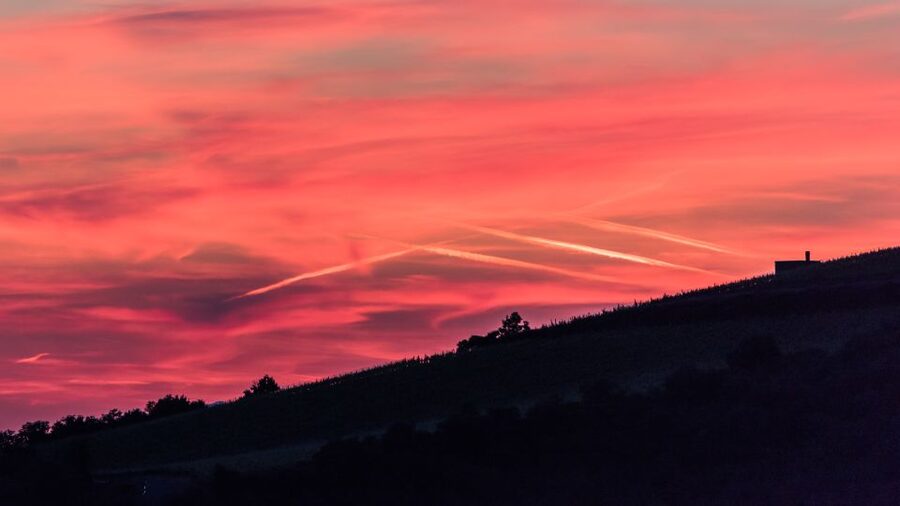
The tour runs in every season, and each period gives you a different view of the estate. Harvest season can add energy to the discussion of picking and grape selection. Summer offers the clearest chance of enjoying the rooftop view in warm weather, though shade may be limited.
Spring and autumn are good choices if you prefer cooler conditions. Winter visits can still work well because the cellar and tasting room provide the main structure, but the outdoor portion may feel shorter or less comfortable.
Rain does not automatically ruin the day. The winery can still provide the vineyard and cellar explanations, and a rainy Tuscan setting can be beautiful. Bring closed shoes, though, since the road and outdoor surfaces can be wet and rough. A light jacket is also sensible because the rooftop and vineyard are exposed.
Who Will Enjoy This Most
I would recommend this tour to couples, friends, and solo visitors who want an approachable introduction to Chianti wine. It works especially well for people who want to understand the process rather than simply collect tasting stops.
It is also a good choice for first-time wine tasters. The mini-course gives you a method, and the guides explain the subject in plain, lively English. Experienced wine drinkers should appreciate the organic farming discussion, the small-estate setting, and the chance to compare several styles from one producer.
This is not suitable for children under 18. The tasting is built around alcoholic drinks, and the activity is intended for adults. A family with a very young child has been accommodated in the past, but that should not be confused with the stated age restriction. If you are traveling with children, confirm arrangements before booking.
Booking Details Worth Knowing
The tour is offered in English and has live guiding rather than an audio recording. You can reserve now and pay later, which helps if your Tuscany plans are still shifting. Free cancellation is available up to 24 hours before the start time for a full refund.
The published rating is 4.9 from 430 reviews, with repeated praise for the guides’ warmth, wine knowledge, storytelling, views, and generous tasting. Those strengths line up with what the itinerary provides: a personal visit at a small estate rather than a quick commercial stop.
One minor comfort issue is sun on the rooftop. One practical access issue is the gravel road. Those are not deal-breakers, but they are the details that separate a pleasant visit from a rushed or uncomfortable one.
Should You Book the Montemaggio Wine Tour?
Book it if you want a small, family-run winery, a clear explanation of organic production, and a tasting that includes red, white, rosé, sparkling wine, olive oil, local snacks, and possibly grappa. At $47, the combination of instruction, scenery, food, and pours is good value.
Skip it if you need hotel pickup, dislike rough rural roads, or want a quick tasting near a city center. For everyone else, Fattoria di Montemaggio offers the kind of Chianti visit that connects the bottle with the hill, vineyard, cellar, and people behind it.
FAQ
Where does the Total Immersion Wine Tour in Chianti take place?
The tour takes place at Fattoria di Montemaggio, Località Montemaggio, Radda in Chianti, Siena, Tuscany.
How long does the tour last?
The activity lasts two hours.
How much does the tour cost?
The listed price is $47 per person.
Which language is the tour offered in?
The live tour guide speaks English.
What wines and products are included?
You taste five estate products, including red, white, rosé, and sparkling wine. The tasting may also include grappa as an additional part of the experience.
Is food included?
Yes. The tasting includes olive oil, bread, cold cuts of meat, and cheese.
Are dietary and gluten-free options available?
Yes. Dietary options and gluten-free options are available.
Is hotel transportation included?
No. Hotel pickup and drop-off are not included, so you must arrange your own transportation to the estate.
Is the tour suitable for children?
No. The activity is not suitable for children under 18.
What should I know about reaching the winery?
The estate is in a remote forested area, and the final part of the route is gravel or unpaved. Follow the road instructions carefully, and wear closed shoes if rain is expected.
Fresh on the Siena list
- Siena: San Gimignano, Chianti & Montalcino Small-Group Tour★ 4.6 · 195 reviews
- Siena’s Ultimate Food Tour: Full Tuscan Meal by Do Eat Better★ 5.0 · 203 reviews
- Siena: Educational Wine Tour & Tasting★ 5.0 · 203 reviews
- From Siena: Pienza and Montepulciano Small-Group Tour★ 4.9 · 220 reviews
- A Brunello Cooking Class with Vineyards View Winery★ 5.0 · 221 reviews
- Discover the Medieval Charm of Siena on a Private Walking Tour★ 5.0 · 247 reviews
- Wine Class – Tuscan Classics★ 5.0 · 264 reviews
- Siena: Pasta and Tiramisu Cooking Class with Wine★ 4.8 · 274 reviews
Wine Tastings, compared.

Tuscany Day Trip from Florence: Siena, San Gimignano, Pisa and Lunch at a Winery
Read our review →
Pisa, Siena, San Gimignano, and Chianti Experience
Read our review →
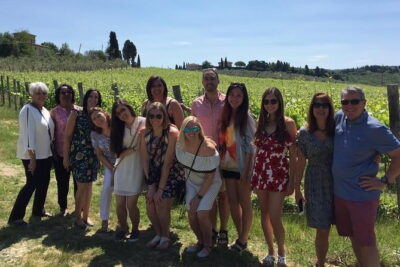
Small-Group Wine Tasting Experience in the Tuscan Countryside
Read our review →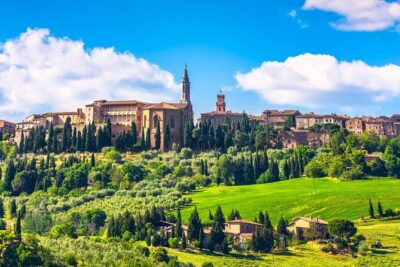
Tuscany & Montepulciano Day Trip with Lunch & Wine Tasting
Read our review →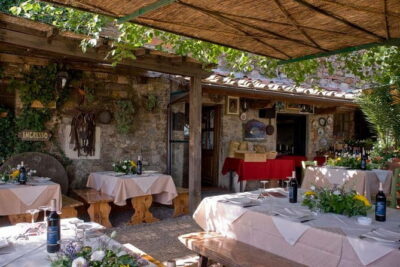
SMALL-GROUP Wine Safaris: Tuscan Wine Tasting Tours from Florence
Read our review →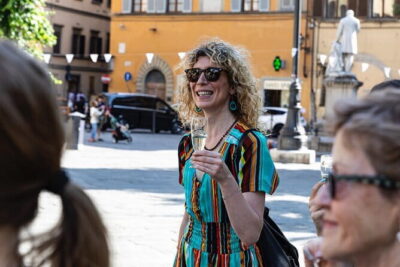
Winner 2025 Florence Sunset Food & Wine Tour by Eating Europe
Read our review →
Siena, San Gimignano, Pisa & Lunch at Winery
Read our review →Browse the lists this tour appears in