
Reviewed · CONCERTS
Venice: Vivaldi’s Four Seasons Live Classical Music Concert
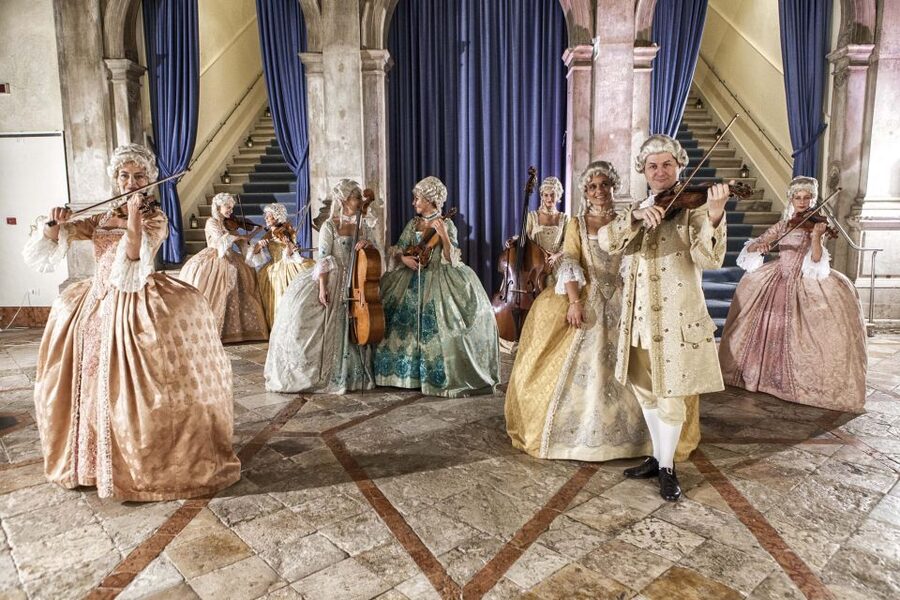
Vivaldi’s Four Seasons sounds different when you hear it in Venice, the composer’s home city. In this 75-minute concert, I Musici Veneziani brings the famous violin concertos to life with fast, expressive playing, period costumes, and a setting that feels far removed from a standard modern concert hall. The lead violinist is the main event, especially during the stormy passages of Summer and Winter.
I like the strong visual side of the performance, and I like its manageable length. The costumes give the evening a Baroque flavor, while 75 minutes is long enough to feel substantial without taking over your night. The main drawback is practical: seating can be tight and uncomfortable, and you may need to climb two flights of stairs to reach the performance space.
Key points to know before booking
- Vivaldi in Vivaldi’s home city: Hear the Venetian composer’s best-known work in the place closely linked with his life and career.
- A powerful lead violin performance: The soloist may perform without sheet music, with especially demanding passages in Summer and Winter.
- Period costumes add atmosphere: The musicians and staff dress in Baroque-style clothing, giving the concert a theatrical touch.
- A short evening activity: The concert lasts 75 minutes, making it easy to pair with dinner or an evening walk.
- Arrive early for better seats: The venue can fill quickly, and late arrivals may find themselves toward the back.
- Plan for limited facilities: Food and drinks are not allowed, and bathroom access may be limited.
Why Vivaldi’s Four Seasons works so well in Venice
Antonio Vivaldi was born in Venice and became one of the leading composers and violinists of the Baroque period. The Four Seasons, composed around 1716, was unusual for its time because it used instruments to suggest real scenes from nature.
You can hear birdsong, running water, barking dogs, summer thunder, icy winds, and the crackle of a winter fire. Vivaldi did not need modern sound effects or a narrator. He built these images into the rhythm, melody, and attack of the strings.
That gives you a useful way to listen. Instead of treating the concert as a single block of classical music, follow the changing pictures. Spring opens with light, cheerful energy. Summer grows tense and physical, with heat, insects, and a storm. Autumn brings dance-like movement and hunting scenes. Winter shifts between shivering cold and the warmth of a fire.
I find the piece especially friendly to first-time classical concertgoers. You have probably heard parts of it in films, advertisements, or television, but the live sound makes its structure clearer. You hear the solo violin answer the ensemble, push ahead of it, and then fold back into the larger group.
A few other Venice mornings to weigh against this
- Venice: Interpreti Veneziani Concert at Church of San Vidal
★ 4.8 · 3,256 reviews - Venice: Vivaldi’s Four Seasons Concert & Music Museum Visit
★ 4.8 · 2,065 reviews - Venice: Vivaldi Four Seasons Concert at Vivaldi Church
★ 4.8 · 1,864 reviews
Entering the concert and finding your seat
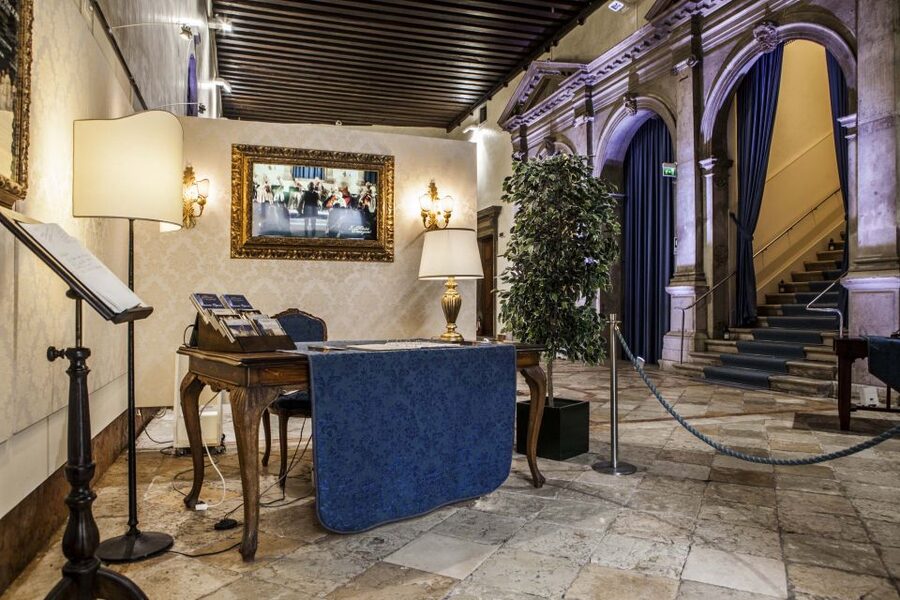
You present your voucher at the ticket office from 8 pm. That timing matters because the audience may begin gathering well before the music starts. Several bookings describe an 8:30 pm start, although you should check the time shown for your date rather than assume every performance follows the same schedule.
I would arrive at 8 pm even if you are not worried about sitting near the front. Early arrival gives you time to find the entrance, handle the ticket check, and settle in without rushing. It also improves your chances of choosing a clear view if the seating arrangement allows it.
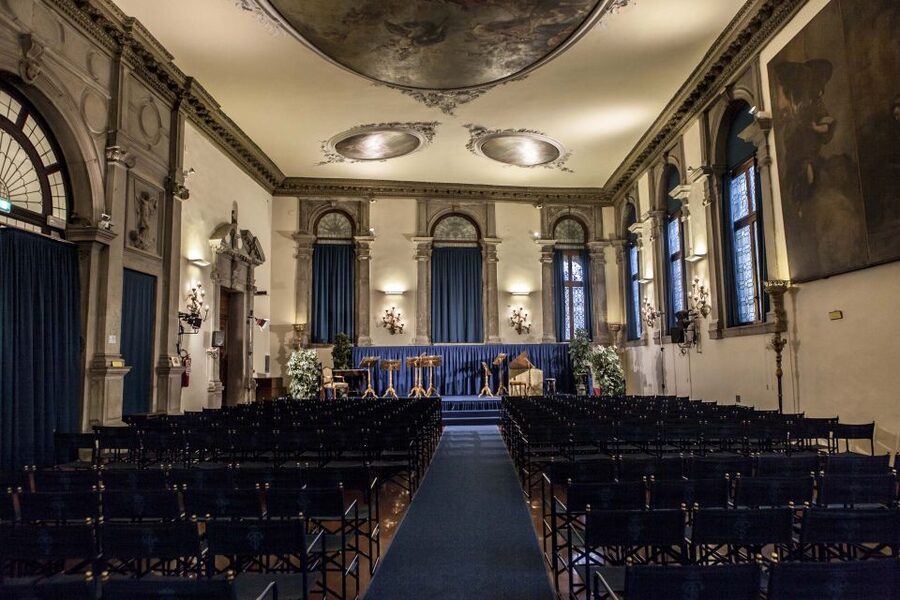
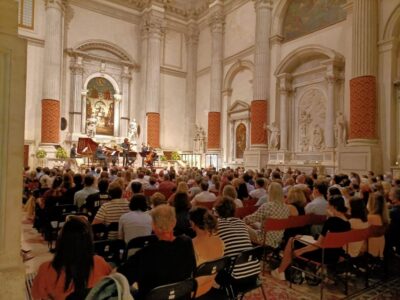
The performance space is described as beautiful, historic, and intimate, with good acoustics. Those qualities suit chamber-style Baroque music. You are close enough to watch the musicians work, rather than hearing the sound from a distant stage.
The tradeoff is comfort. Some seats are basic and have drawn complaints for being hard or uncomfortable, especially considering the ticket price. The view can also change sharply by row. A seat near the back may still offer good sound, but the soloist’s hand movements and facial expressions will be harder to see.
If seeing the violin technique matters to you, consider a front or VIP ticket if available. Front sections are also useful if you want the costumes and playing style to be a major part of the evening. A less expensive seat can still deliver the music, but you should not expect the same visual connection.
The first half: hearing nature take shape
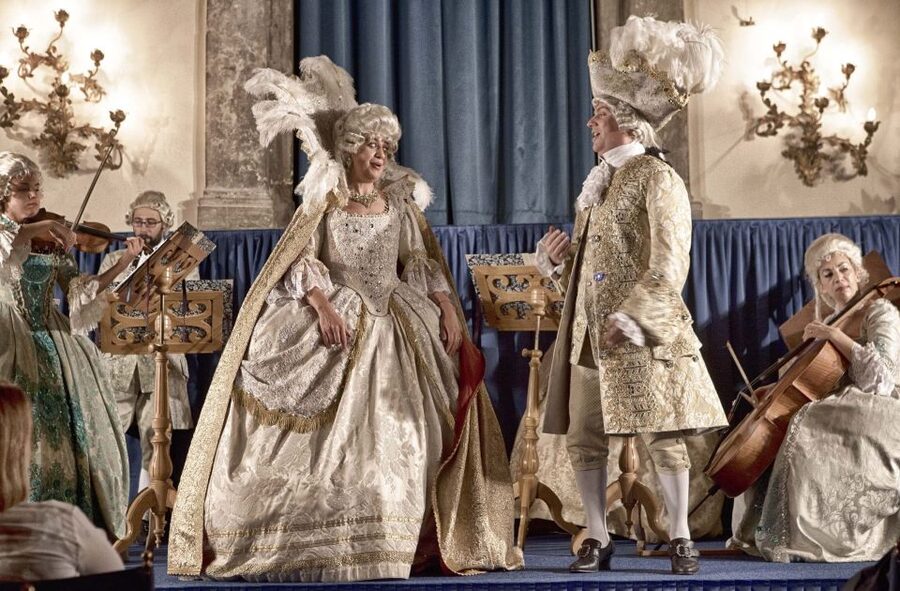
The concert centers on four violin concertos, one for each season. The musicians of I Musici Veneziani perform the string parts, with the lead violin carrying the most visible and technically demanding role.
Spring is an inviting beginning. Its melodies are familiar and open, and the musical images are easy to follow. You may hear the piece as a celebration of birds, flowing water, and fresh weather, but the soloist also shows how much control sits beneath the pleasant surface.
Summer usually brings the sharpest contrast. The music can feel restless and hot before the storm arrives. The rapid violin passages require speed, stamina, and precise coordination, and this is where the lead player’s skill becomes easiest to appreciate.
The first half may also include singing in some performances. Several descriptions of the event refer to a soprano or female opera singer, but the Four Seasons itself is an instrumental work. Think of the singing as an added part of the wider program, not as a replacement for the concertos.
The performance is not presented as a music lecture. You will not necessarily receive introductions to each musician or a detailed explanation of the work. If you enjoy learning the background as you listen, read a short guide to the four concertos before arriving. That small bit of preparation will help you notice the sound effects and contrasts Vivaldi built into the score.
The second half: where the performance gathers force
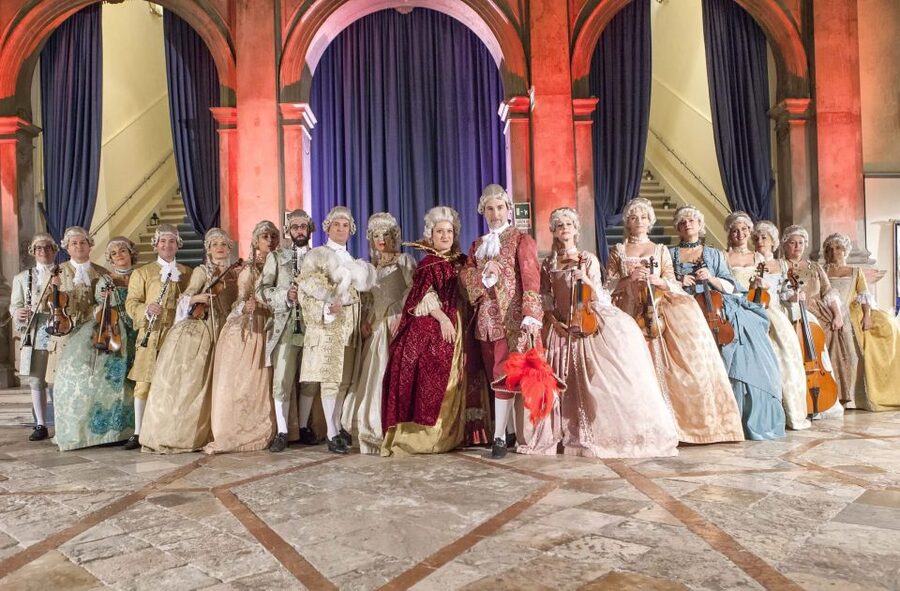
For many people, the second half is the strongest part of the evening. Autumn and Winter offer plenty of contrast, and the musicians often seem to gain momentum as the concert progresses.
Autumn has a more social, dance-like character. Its rhythms can suggest celebration, hunting, and movement through the countryside. The music is playful in places, but it also has weight and precision. Listen for the way the ensemble supports the solo violin rather than simply accompanying it.
Winter is the natural finale. The concerto moves from cold, sharp discomfort to the shelter of a fire, then back into icy weather. Its quick notes and abrupt changes make it one of the most demanding sections for the soloist.
The lead violinist has been praised for playing the complete cycle without sheet music. That is a striking thing to watch, but the real value is musical rather than theatrical. The soloist must remember the structure, react to the ensemble, and maintain control through passages that call for speed and stamina.
The cello also receives strong attention during the performance. If you sit where you can see the lower strings, watch how the cellist anchors the sound while the violin races above it. This interplay is easy to miss on a recording.
The soprano may return during the program, depending on the performance format. If you are expecting only strings, the vocal section may feel like a surprise. If you enjoy opera, it adds another color to the night.
Same city, an entirely different afternoon:
- Venice: Doge’s Palace Reserved Entry Ticket
★ 4.6 · 42,716 reviews - Venice: Grand Canal Gondola Ride with App Commentary
★ 4.1 · 18,908 reviews - Boat Trip: Glimpse of Murano, Torcello & Burano Islands
★ 4.3 · 15,699 reviews - Venice: Grand Canal by Gondola with Live Commentary
★ 4.1 · 13,681 reviews
Costumes, acoustics, and the sense of occasion
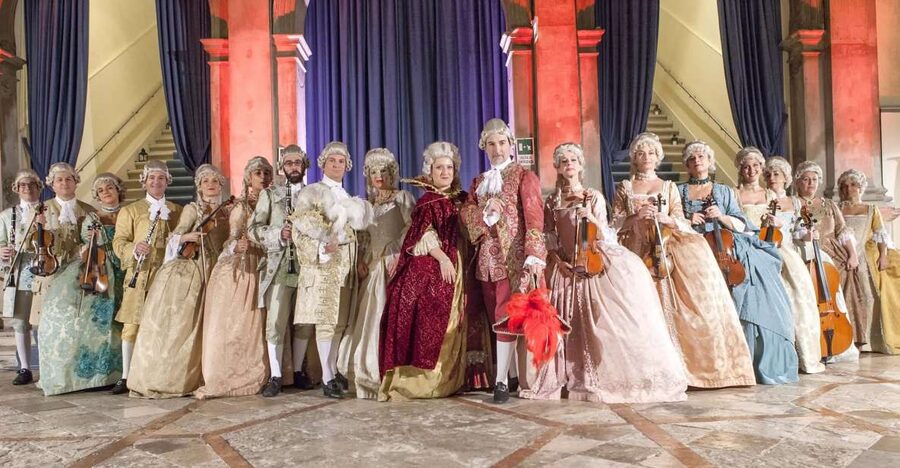
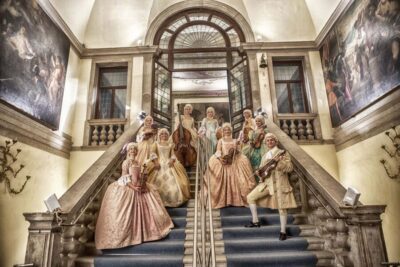
The musicians perform in period-style costumes, and staff may also dress to match the setting. These outfits do not change the music, but they help frame the evening as a historical performance rather than a routine recital.
I would keep your expectations sensible. The costumes are theatrical interpretations, not a museum reconstruction of an exact Baroque concert. Their purpose is atmosphere, and they do that job well. Seeing the musicians walk onstage in period clothing makes the concert feel connected to Venice’s past.
The venue’s intimate scale is another advantage. You can watch the soloist’s concentration, the bow movement, and the ensemble’s coordination. Good acoustics matter here because Vivaldi’s music depends on quick changes between a single voice and the full group.
There are also small limits. A compact venue can mean narrow seating, busy restrooms, and less room to stretch. Bathroom facilities have been described as limited, sometimes with only one facility for each gender or just two in the building. Use the facilities before the concert if you can, particularly if you are attending with children.
Food and drinks are not allowed inside. That is standard for many concert spaces, but it means you should eat beforehand if you need a full meal. The performance is short enough that most people can wait until afterward.
Timing the night around Venice
This concert works well as an evening break from sightseeing. At 75 minutes, it does not demand the commitment of a full opera or a long orchestral program. You can schedule it after a day around Venice’s main sights and still have time for a late meal or a walk afterward.
Allow extra time to reach the venue. Venice is easy to misjudge on foot, especially after dark, and a route that looks short on a map can involve bridges, crowds, or confusing turns. One booking describes the location as easy to reach by water bus, but the exact route depends on where you are staying.
The finish may be around 10 pm when the concert begins at 8:30 pm, though the advertised duration is 75 minutes. If you need a train or a fixed connection, check the actual start time and allow time to leave the building. One attendee had to depart early to catch a train to Trieste, so this is not an event to schedule casually before a tight onward journey.
A late dinner can pair nicely with the concert, as some restaurants remain open afterward. I would reserve that meal in advance if dining after the performance is important to you, since Venice’s evening options vary by neighborhood and night.
Is $41 a good value?
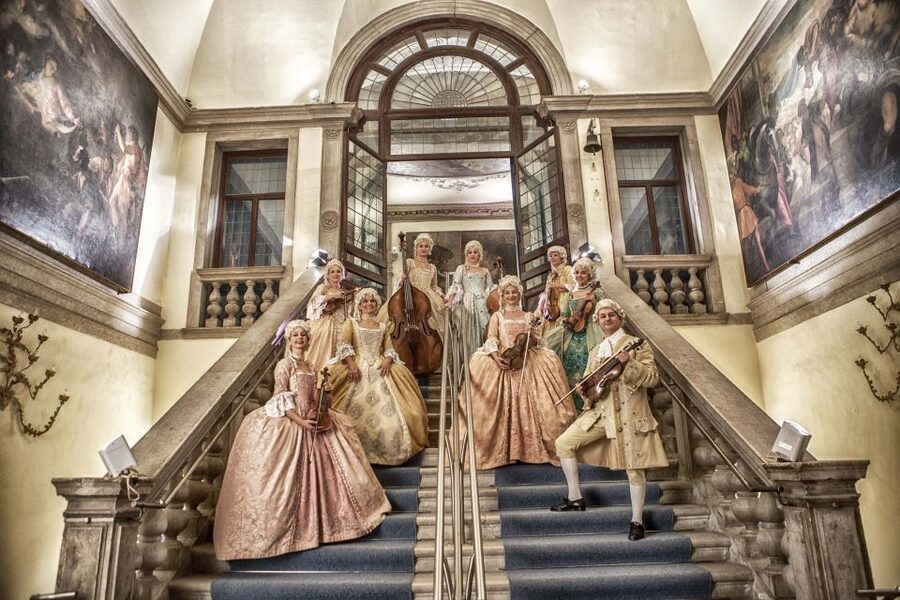
At $41 per person, this is not the cheapest way to hear classical music, but it offers more than a bare concert ticket. You are paying for a professional performance, a historic Venetian setting, period costumes, and the chance to hear a major Baroque work in the composer’s home city.
The value is strongest if you care about the complete evening atmosphere. A recording gives you the music for less, of course, but it cannot give you the live tension of the solo violin, the visual detail of the costumes, or the shared quiet of a room listening together.
The price feels less attractive if your only goal is a close-up view of every technical detail. Seats toward the back may provide good sound but a weaker sightline, and the basic chairs can be uncomfortable. In that case, paying more for a forward section may make more sense than buying the cheapest available seat.
For a family, the 75-minute format is helpful. One child as young as eight has been reported to enjoy the performance, and the costumes give younger audience members something visual to follow. It is still a classical concert, so children who need constant activity may find the quiet format difficult.
Who should book this concert?
I would recommend it to you if you enjoy classical music, want a polished evening activity, or are curious about hearing Vivaldi in Venice. It also works for couples, solo visitors, families with older children, and anyone who wants something more distinctive than another crowded sightseeing stop.
You do not need to be an expert. Knowing the basic idea behind the seasons is enough. The music is famous because it communicates clearly, even when you cannot name the technical details.
I would think twice if you have mobility concerns, difficulty climbing stairs, or need highly comfortable seating. Contact the provider in advance if mobility support is required. Also reconsider it if you dislike formal concerts, cannot sit quietly for 75 minutes, or need a guaranteed early finish for a train or dinner reservation.
Practical tips for a better evening
- Arrive at the ticket office around 8 pm, especially if the performance time is listed as 8:30 pm.
- Choose a forward seat if watching the soloist is important to you.
- Check the start time carefully before booking transport afterward.
- Use the restroom before the concert because facilities may be limited.
- Eat before entering, since food and drinks are not allowed.
- Keep your voucher ready at the ticket office.
- Contact I Musici Veneziani ahead of time if you need mobility assistance.
- If your plans may change, cancellation is available up to 24 hours before the activity for a full refund. Reserve-now, pay-later booking is also offered.
FAQ
How long does the Vivaldi concert last?
The concert lasts 75 minutes.
What music is performed?
The central work is Antonio Vivaldi’s Four Seasons, a set of four violin concertos representing Spring, Summer, Autumn, and Winter.
Who performs the concert?
The performance is by the professional musicians of I Musici Veneziani.
Is the concert held in Venice?
Yes. The experience takes place in Veneto, Italy, in Venice.
How much does the concert cost?
The listed price is $41 per person.
What time should I arrive?
You can present your voucher at the ticket office from 8 pm. Some performance times are listed around 8:30 pm, so check the exact time for your chosen date and arrive early.
Are the musicians in period costumes?
Yes. The performance uses period-accurate costumes as part of the presentation.
Is singing included?
Some performances include a soprano or female opera singer for a short portion of the program, although the Four Seasons itself is an instrumental composition.
Can I bring food or drinks?
No. Food and drinks are not allowed.
Is the venue suitable for people with impaired mobility?
People with impaired mobility should contact the provider in advance so access support can be arranged. Some seating areas require climbing stairs, including reports of two flights to the performance space.
Should you book it?
Book this concert if you want a focused, atmospheric night of music rather than a long formal concert. The strongest reasons are the expressive lead violin, the costumes, the intimate acoustics, and the clear connection between Vivaldi and Venice.
Choose your seat with care, arrive early, and plan around the limited facilities and possible stairs. With those points in mind, $41 buys a memorable Venetian evening, especially for first-time classical concertgoers and anyone who already loves the Four Seasons.
Fresh on the Venice list
- Murano: Glass Blowing Demonstration and Artistic Glass Gift★ 4.6 · 507 reviews
- From Venice: Dolomites, Lake Misurina, and Cortina Day Trip★ 4.6 · 508 reviews
- Venice Islands: Murano Glass & Burano Colors Guided Visit★ 4.5 · 510 reviews
- The Majestic Teatro La Fenice: Guided Tour in Venice★ 4.3 · 513 reviews
- Real Venetian Kayak – Tour of Venice Canals with a Local Guide★ 4.5 · 518 reviews
- Venetian Carnival Mask Making Class in Venice, Italy★ 4.5 · 525 reviews
- Half Day Murano and Burano Island Tour by Private Boat★ 4.5 · 529 reviews
- Venice Trilogy: Murano, Burano & Torcello by Lagoon Boat★ 4.5 · 532 reviews
Concerts, compared.
Interpreti Veneziani Concert at Church of San Vidal
Read our review →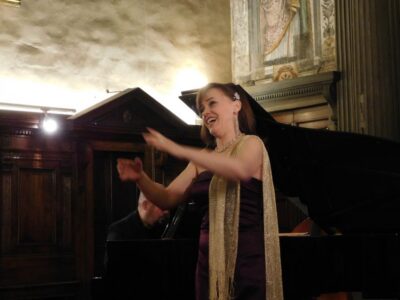
Santa Monaca Church Italian Opera Concert Ticket
Read our review →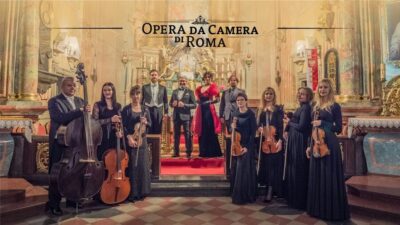
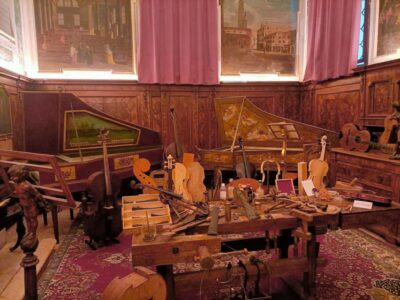
Vivaldi’s Four Seasons Concert & Music Museum Visit
Read our review →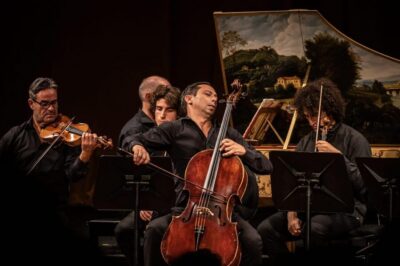
Vivaldi Four Seasons Concert at Vivaldi Church
Read our review →
Opera Concert at Palazzo Poli – Fontana di Trevi
Read our review →Browse the lists this tour appears in