Reviewed · TICKETS
Rome: St. Paul’s Within the Walls Church Opera Arias Ticket
Rome does opera well, but you do not need a full evening at the Teatro dell’Opera to hear the big melodies. This 90-minute concert at St. Paul’s Within the Walls Church strings together famous arias, duets, overtures, and instrumental pieces by Puccini, Verdi, Mozart, Rossini, Bizet, and others.
I like the Gothic Revival church setting and the compact format. You get an easy introduction to Italian opera, with soprano, tenor, and baritone voices backed by a six-instrument ensemble. The main caution is seating: category B can put you far from the performance area, so category A or VIP is worth considering if seeing the singers clearly matters to you.
Key points at a glance
- Famous arias in one evening: Hear music from La Traviata, Tosca, La Bohème, Carmen, Don Giovanni, and more.
- A memorable church setting: St. Paul’s Within the Walls offers unusual architecture and strong acoustics for vocal music.
- Small ensemble, big voices: Violin, cello, piano, flute, clarinet, and horn accompany professional singers.
- Choose your view carefully: Category A and VIP seating place you closer than category B, which may be quite distant.
- A good first opera: The familiar tunes and dramatic gestures make the concert approachable even if you do not speak Italian.
- Simple evening logistics: You receive a concert ticket, but transportation is not included. Exchange your voucher at the church ticket counter before the performance.
Famous opera without a four-hour commitment
This is a concert of selections, not a staged opera. That difference matters.
You will not follow one complete plot from beginning to end, and there are no elaborate sets carrying you from a Paris attic to a Roman prison. Instead, you hear the best-known musical moments from several operas in one sitting. For many people, this is the better first taste of opera in Rome. You recognize the melodies, hear several types of voices, and get a clear sense of how opera uses music to express love, jealousy, comedy, grief, and bravado.
The concert lasts about 1.5 hours, making it easy to fit after a day of sightseeing. You can hear serious vocal music without giving up an entire evening or needing prior opera knowledge.
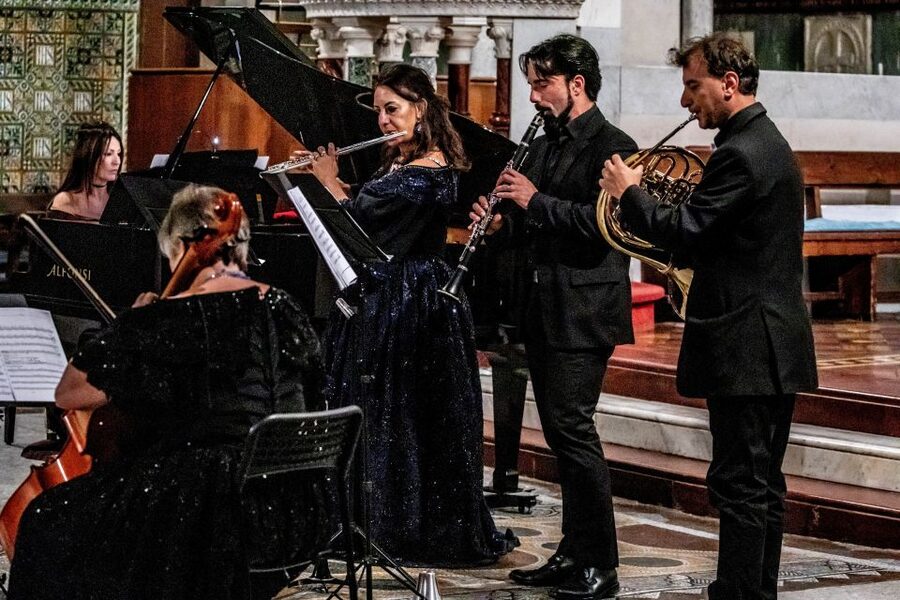
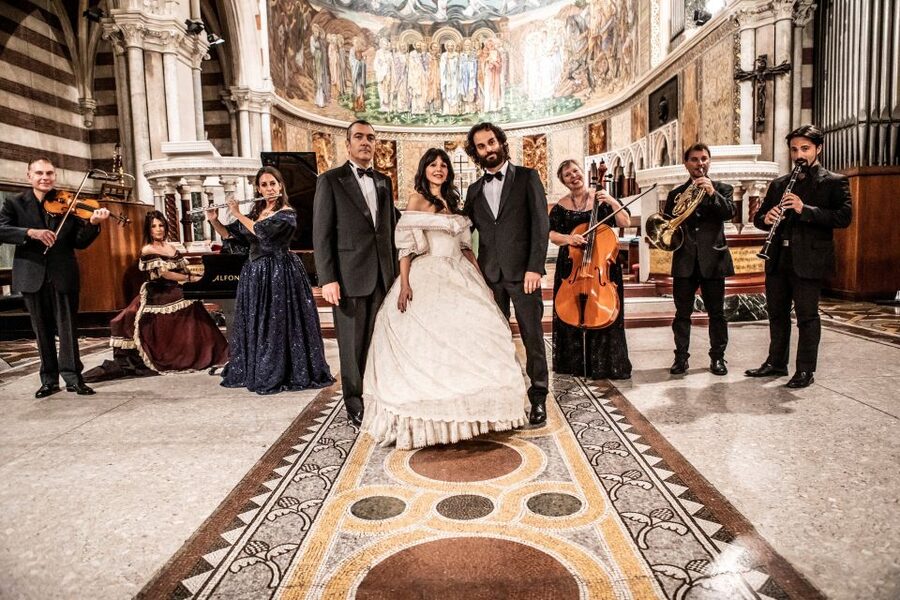
The musicians come from I Virtuosi dell’opera di Roma, an ensemble formed by professors from prestigious Italian conservatories. The group specializes in the Italian lyrical tradition and performs with a soprano, tenor, and baritone. The accompaniment is not a full symphony orchestra. It uses violin, cello, piano, flute, clarinet, and horn, which gives the performance a more intimate scale.
That smaller format suits a church. You hear the singers directly, while the building carries the sound through the nave.
A few other Rome mornings to weigh against this
- Rome: Pantheon Fast-Track Ticket and Official Audio Guide
★ 4.3 · 21,008 reviews - Rome:Hop-On Hop-Off Panoramic Open Bus Ticket 3 Circuits x 1
★ 4.0 · 15,405 reviews - Vatican Museums & Sistine Chapel Skip-the-Line Entry Ticket
★ 4.4 · 13,838 reviews
St. Paul’s Within the Walls makes the evening
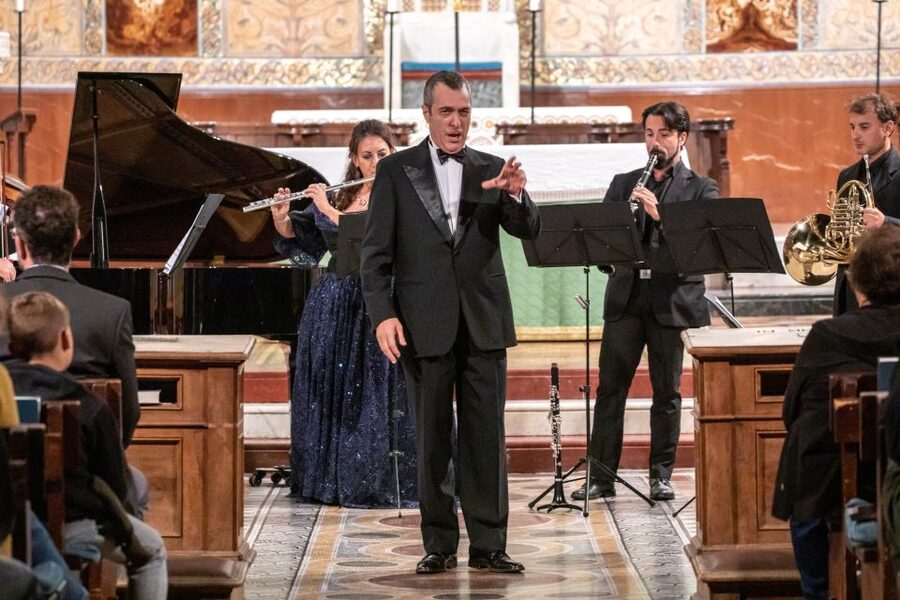
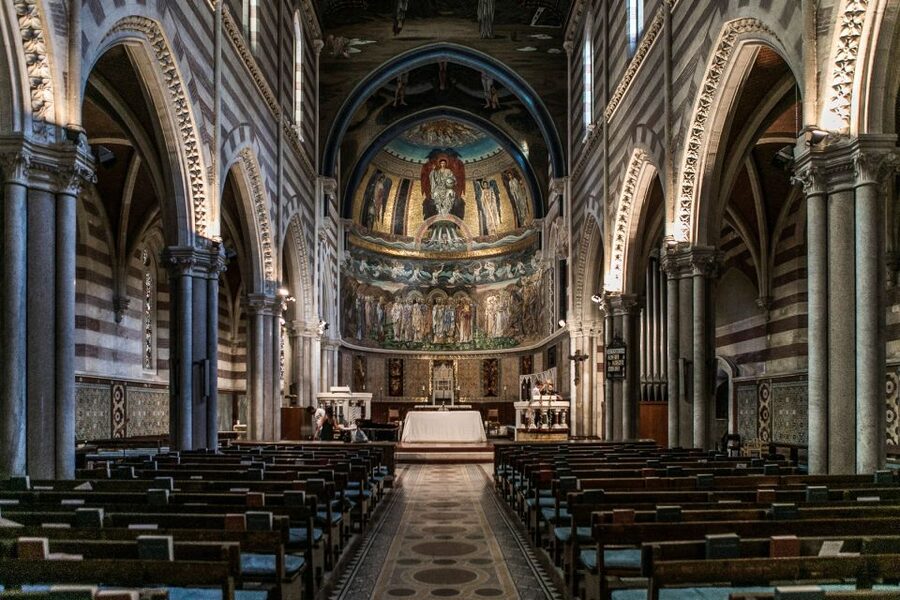
The venue is not merely a place to sit until the music starts. St. Paul’s Within the Walls is a Gothic Revival church, and its architecture gives the concert a sense of occasion without requiring formal opera-house dress.
The church setting also changes how the music feels. A powerful operatic voice can fill a sacred space in a way that a hotel lounge or ordinary concert hall cannot. The acoustics are especially useful for the long vocal lines of Puccini and Verdi, though church acoustics can also make fast passages less sharply defined.
You should expect a performance area inside the church rather than a full theatrical stage. Costumes and gestures help communicate the mood, especially when you do not understand every Italian word. This is useful in comic selections such as Figaro’s arias and in dramatic pieces from Tosca.
One practical point: the building is described as a church, and one rating specifically found the venue less extraordinary than the performance. That is a fair reminder not to expect Rome’s grandest basilica. The appeal is the combination of unusual architecture, music, and atmosphere, not a monumental church interior on the scale of St. Peter’s.
What you hear in the first act
The first part opens with the Prelude from Verdi’s La Traviata. It is a quiet, polished beginning, with the ensemble setting the tone before the voices arrive.
The mood then shifts to Nabucco and the famous Va, pensiero. This chorus is one of the best-known pieces in the Italian opera tradition, though in this concert format it is presented as part of the selection rather than a complete choral scene.
Rossini brings comic energy with Largo al factotum della città from The Barber of Seville. This is the swaggering Figaro number, built around fast words, theatrical confidence, and a lively baritone part. It helps break up the more reflective pieces.
The program then includes Leoncavallo’s Mattinata and Rossini’s Una voce poco fa. The latter gives the soprano a chance to show both musical control and comic character. You should expect contrast here: not every aria is grand and tragic, and that variety keeps the concert moving.
Mozart’s Là ci darem la mano from Don Giovanni is a duet, giving you a change from solo voices. Duets are often the easiest way to hear how opera creates tension between characters. One singer may coax while the other resists, and the music lets you hear that exchange even if your Italian is limited.
Puccini follows with E lucevan le stelle from Tosca, a tenor aria filled with memory and sorrow. This is one of the evening’s more emotional moments, and the church’s acoustics can give the sustained notes extra reach.
The first act also includes the Barcarolle from Offenbach’s The Tales of Hoffmann. Its gentle, flowing character offers a pause before Verdi’s Libiamo ne’ lieti calici from La Traviata, better known as the drinking song. That familiar finale brings a buoyant, celebratory finish to the opening half.
The exact order or selection may change. Think of the printed program as a guide rather than a fixed promise.
The second act moves from Carmen to Figaro
The second part begins with the Entr’acte from Bizet’s Carmen. An entr’acte is an instrumental passage between scenes, so this gives the singers a short break while keeping the musical mood alive.
Puccini’s Quando me’n vo from La Bohème follows. It is a character piece with a teasing, self-aware quality, and it is often one of the evening’s most accessible selections for someone new to opera.
Bizet’s Toreador song provides another change in tone. Its bold rhythm and confident melody are instantly recognizable, even to people who have never sat through Carmen. It is followed by Verdi’s La donna è mobile from Rigoletto, a short tenor showpiece with a tune that tends to stay with you long after the concert ends.
Mascagni’s Intermezzo from Cavalleria rusticana slows the pace again. This instrumental work is reflective and lyrical, making good use of the violin, cello, piano, and wind instruments.
The second act returns to Tosca with Vissi d’arte, a soprano aria built around pain, faith, and personal sacrifice. This is the sort of piece that shows why opera can be so moving even when you understand only a few words. The vocal line carries the emotion, while the singer’s acting supplies the situation.
Mozart’s Non più andrai, farfallone amoroso from The Marriage of Figaro brings back comic swagger. The final selection listed is Zitti, zitti, piano, piano from The Barber of Seville, another lively ensemble number that sends the concert out with speed and humor.
This mix is the program’s main strength. You get solemn music, comic music, duets, instrumental passages, and high-energy finales rather than 90 minutes of one unbroken emotional color.
Same city, an entirely different afternoon:
- Vatican Museums & Sistine Chapel Tour with Optional Basilica
★ 4.3 · 67,413 reviews - Colosseum, Roman Forum & Palatine Guided Tour
★ 4.7 · 63,148 reviews - Vatican Museums, Sistine Chapel & St Peter’s Basilica Guided Tour
★ 4.5 · 39,149 reviews - Rome: Colosseum, Palatine Hill and Roman Forum Guided Tour
★ 4.8 · 32,814 reviews
The singers and musicians are the real reason to book
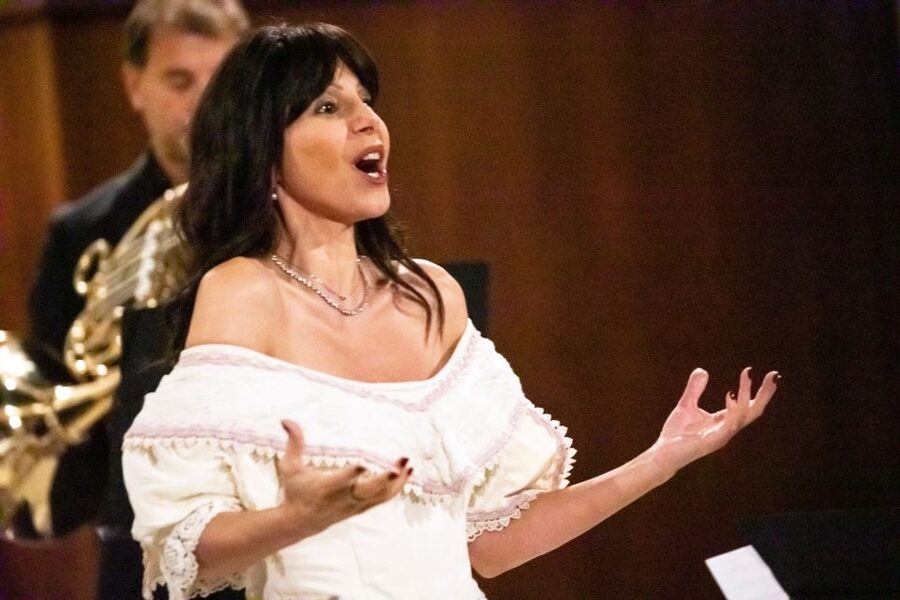
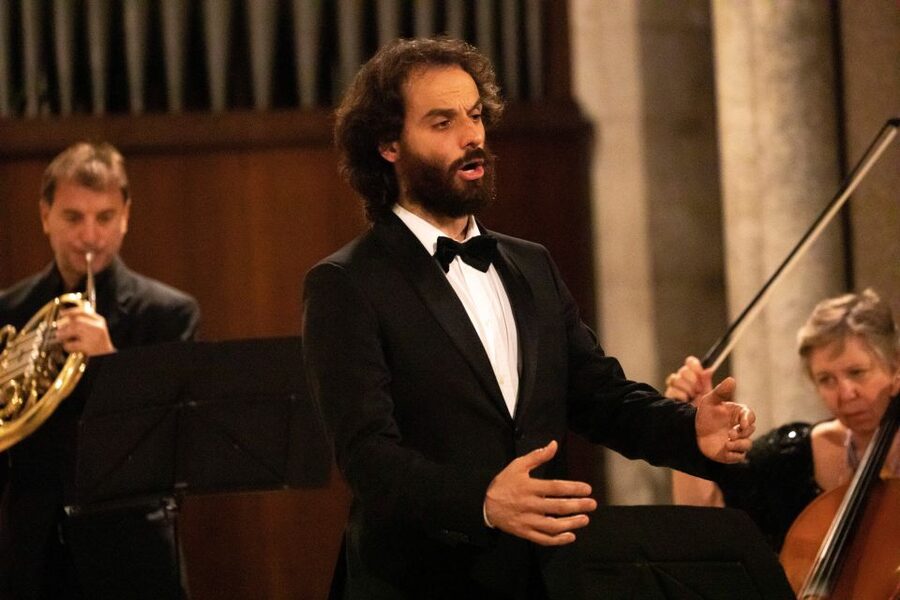
The performance uses three principal voice types: soprano, tenor, and baritone. That gives you a useful introduction to the range of opera singing, from the soprano’s high, ringing notes to the tenor’s lyrical power and the baritone’s darker, more conversational sound.
The musicians work as a compact ensemble rather than a large orchestra. Violin, cello, piano, flute, clarinet, and horn create the musical frame, with the violinist also serving as director. This arrangement keeps the singers at the center, but it can feel less grand than a full production with a large pit orchestra.
The strongest praise for this concert has focused on vocal power, musical quality, and the way the church carries the sound. One rating singled out the young male singer’s remarkable voice, while another praised the violinist-director. You should still allow for some variation among individual performers. A rating also found one male singer less convincing than the others.
Costumes and simple dramatization help bridge the language gap. You do not need an English translation to understand that a singer is flirting, grieving, boasting, or celebrating. If you already know these operas, the gestures add a little theatrical flavor. If you do not, they help you follow the mood.
Seating can change the whole evening
Your ticket choice deserves more thought than the low starting price might suggest. Category A and category B seating are available, with VIP seats as the upgrade. The seating sections are chosen in advance, but individual seats may not be assigned, so arriving early can help you find the best available place within your section.
Category B may put you very far from the performance area. That is not a major problem if you mainly want to listen, but it matters if you want to see facial expressions, costumes, and the singers’ gestures. For a first opera experience, I would lean toward category A.
VIP seating is the choice for people who want the closest view and time-saving skip-the-line access. The value depends on your priorities. At a listed price of $29 per person, the basic ticket is inexpensive for a live concert in a historic Roman church. Paying more for VIP makes sense for a special celebration, a limited schedule, or anyone who dislikes waiting and wants a better view.
Arriving early is useful even if you do not buy VIP. The ticket exchange takes place at the St. Paul’s Within the Walls ticket counter before the performance, and early arrival can give you more control over where you sit within your category.
The $29 price and what it includes
At $29 per person, this is a reasonable cultural evening, particularly because the ticket combines live musicians, professional opera voices, costumes, and a distinctive venue.
The value is strongest when you want a short, self-contained activity. You are paying for a concert ticket only. Transportation is not included, and the experience does not include a full opera production, guided commentary, or a meal.
That last point helps you compare it fairly with other Rome performances. A full opera will usually offer more staging, scenery, and plot, but it also demands more time and often costs more. This concert gives you the recognizable musical highlights with less commitment.
You can also reserve now and pay later, which is useful when you are still arranging your Rome schedule. Cancellation is allowed up to 24 hours in advance for a full refund, according to the booking terms.
Timing, access, and small practical details
The concert duration is 1.5 hours, though the available start times can vary. Check the schedule for your date before you book, especially if you are pairing it with dinner or a late sightseeing visit.
The host or greeter language is Italian, and the activity information lists Italian as the available language. Do not book this as an English-language opera lesson. The music is the focus, and the visual performance helps you follow the action.
The church is wheelchair accessible. Pets are not allowed.
The program is subject to change, so do not choose this event because one single aria is guaranteed. The listed selections are an excellent guide to the musical style and likely highlights, but the evening may not follow the exact order shown.
Who will enjoy this Rome opera concert
I would recommend it to you if you want to hear Italian opera but are not sure you are ready for a complete production. The familiar selections make the evening approachable, and the short running time leaves room for dinner or a nighttime walk.
It also works well for couples, families with older children, and anyone marking a birthday or anniversary. One couple used the concert to celebrate a father’s 75th birthday, and the combination of live music and church setting suited the occasion.
Music lovers should appreciate the range of composers and the quality of the ensemble. You can compare Verdi’s drama with Rossini’s comic speed, Puccini’s emotional sweep, Mozart’s elegance, Bizet’s rhythmic energy, and Mascagni’s reflective orchestral writing all in one evening.
I would be more cautious if you want a fully staged opera with scenery, a complete storyline, and English explanations. This is a selection of arias and concert pieces, not an opera performance from start to finish.
Should you book it?
Book this concert if you want famous Italian arias in an atmospheric setting and prefer a manageable 90-minute event to a full opera night. The church, strong voices, familiar melodies, and compact ensemble make it an easy addition to a Rome itinerary.
Choose category A or VIP if seeing the singers matters to you. Category B is the budget option, but it may leave you sitting far from the performance area. Arrive early, exchange your voucher at the church counter, and treat the program as changeable.
For $29, this is a good-value introduction to opera, provided you understand what you are buying: a concert of highlights, not a complete staged opera.
FAQ
Where does the opera concert take place?
The concert takes place at St. Paul’s Within the Walls Church in Rome, in Italy’s Lazio region.
How long does the concert last?
The concert lasts about 1.5 hours.
How much does the ticket cost?
The listed price is $29 per person.
Which operas and composers are included?
The program includes selections from works by Verdi, Rossini, Leoncavallo, Mozart, Puccini, Offenbach, Bizet, and Mascagni. Featured operas include La Traviata, Nabucco, The Barber of Seville, Don Giovanni, Tosca, The Tales of Hoffmann, Carmen, La Bohème, Rigoletto, Cavalleria rusticana, and The Marriage of Figaro.
Is this a complete opera production?
No. It is a concert of famous arias, duets, overtures, and instrumental pieces from several operas, performed by singers and an ensemble.
What instruments are used?
The ensemble includes violin, cello, piano, flute, clarinet, and horn, together with soprano, tenor, and baritone voices.
What seating choices are available?
You can choose category A or category B seating, or upgrade to VIP seating. VIP includes skip-the-line access.
Where do I exchange my voucher?
You must exchange your voucher at the St. Paul’s Within the Walls ticket counter before the concert begins.
Is the activity wheelchair accessible, and are pets allowed?
The activity is wheelchair accessible. Pets are not allowed.
Fresh on the Rome list
- Rome: Guided Catacombs Tour & Capuchin Crypt (Audio Guide)★ 4.3 · 191 reviews
- Guided tour of the Colosseum, Roman Forum and Palatine in Spanish★ 4.5 · 191 reviews
- Rome: Borghese Gallery Guided Tour with Skip-the-Line Ticket★ 4.5 · 192 reviews
- Rome: Arena Colosseum Tour with Arena Access★ 4.6 · 193 reviews
- Rome: Colosseum & Roman Forum Guided Tour★ 5.0 · 194 reviews
- Colosseum, Forum, Palatine Hill with audio guide and Arena or Bus option★ 4.0 · 193 reviews
- Rome: Domus Aurea Guided Tour and Virtual Reality Experience★ 4.7 · 194 reviews
- Rome Vintage Fiat 500 car Tour With Photographer★ 5.0 · 194 reviews
Tickets, compared.
Vatican: Museums & Sistine Chapel Entrance Ticket
Read our review →
Cathedral and Duomo’s Terraces Entrance Ticket
Read our review →
Skip-The-Line Uffizi Gallery Timed Entry Ticket
Read our review →
Naples Underground Entry Ticket and Guided Tour
Read our review →
Pantheon Fast-Track Ticket and Official Audio Guide
Read our review →
Entry Ticket and Guided Tour with an Archaeologist
Read our review →