
Reviewed · MUSEUMS
Rome: Skip-the-Line Borghese Gallery Guided Tour
The Borghese Gallery packs an astonishing amount of art into a small, elegant museum. In one visit, you can stand inches from Bernini’s marble figures, study Caravaggio’s hard-edged light, and see Canova turn a powerful Roman woman into a polished goddess. A guide helps you make sense of it all instead of wandering from masterpiece to masterpiece without a clue.
I especially like the focused 135-minute format and the way the best guides connect art to politics, family ambition, and Roman society. I also like the practical priority entry, since Borghese tickets are limited and pre-booking removes one major worry. The main drawback is that the tour can feel brisk if you want long, quiet stretches in front of every painting.
Key Points
- Bernini takes center stage: See The Rape of Proserpina and Apollo and Daphne, two marble sculptures famous for motion, emotion, and startling detail.
- Caravaggio’s light gets proper attention: Study Boy with a Basket of Fruit and David with the Head of Goliath with context about the painter’s bold style.
- Guides make the collection approachable: Simona, Simone, Alexandra, Alessandra, Suzanne, Susanne, and Lorena are among the guides praised for lively explanations and strong art knowledge.
- Priority tickets save planning time: Your admission is booked in advance, so you do not need to wait in the ordinary ticket line.
- The gardens add breathing room: After the museum, you can walk through Villa Borghese toward the Pincio Terrace and views of Rome.
- Pack light and arrive early: Bags must go in the wardrobe, and you should reach the Piazzale del Museo Borghese meeting point 10 minutes before departure.
Why the Borghese Gallery Deserves Two Hours of Your Rome Schedule
Rome has churches full of paintings and ruins around every corner, but the Borghese Gallery offers something different: a concentrated collection in rooms where the art is close, the pace is controlled, and the setting feels personal.
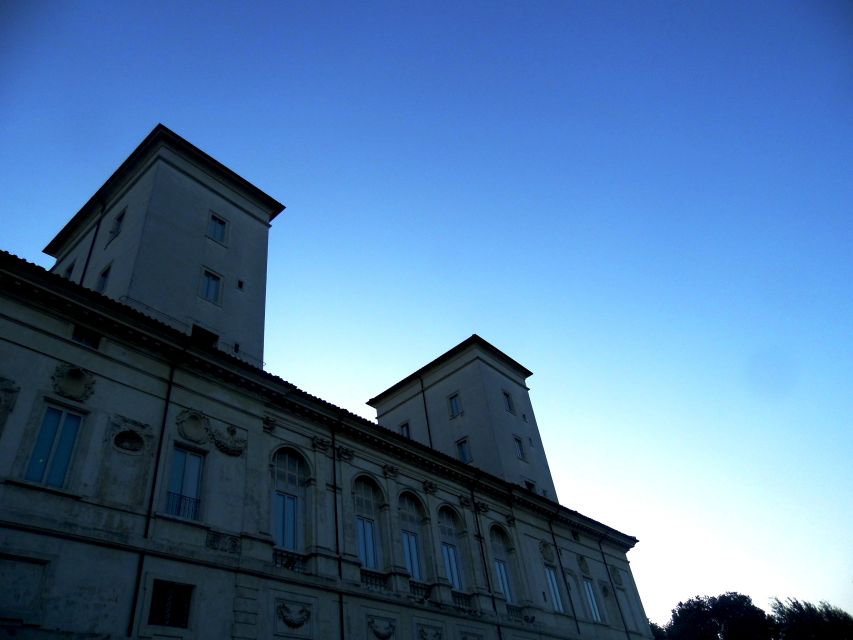
The museum occupies the former Villa Borghese, linked to Cardinal Scipione Borghese, one of Rome’s great collectors and patrons. His eye favored bold, ambitious work, especially sculpture by Gian Lorenzo Bernini. The result is not a random pile of famous names. The collection reflects a family using art to display taste, status, power, and connections.
That background matters. Bernini’s sculptures are not only technical feats. They also helped make the Borghese family look cultured and important. Caravaggio’s paintings bring a rougher, more human energy. Canova’s polished Pauline Bonaparte as Venus Victrix points to a later taste for ideal beauty and classical references.
I would not treat this as a museum where you simply check off famous objects. The pleasure comes from seeing how the pieces interact. A guide can point out the contrast between Bernini’s twisting bodies and Canova’s calm surface, or explain why Caravaggio’s figures feel so immediate compared with the formal elegance of other rooms.
More Museums in Rome
- Vatican Museums & Sistine Chapel Tour with Optional Basilica
★ 4.3 · 67,413 reviews - Vatican Museums, Sistine Chapel & St Peter’s Basilica Guided Tour
★ 4.5 · 39,149 reviews - Rome: Vatican Museums, Sistine Chapel & Basilica Tour
★ 4.3 · 13,872 reviews
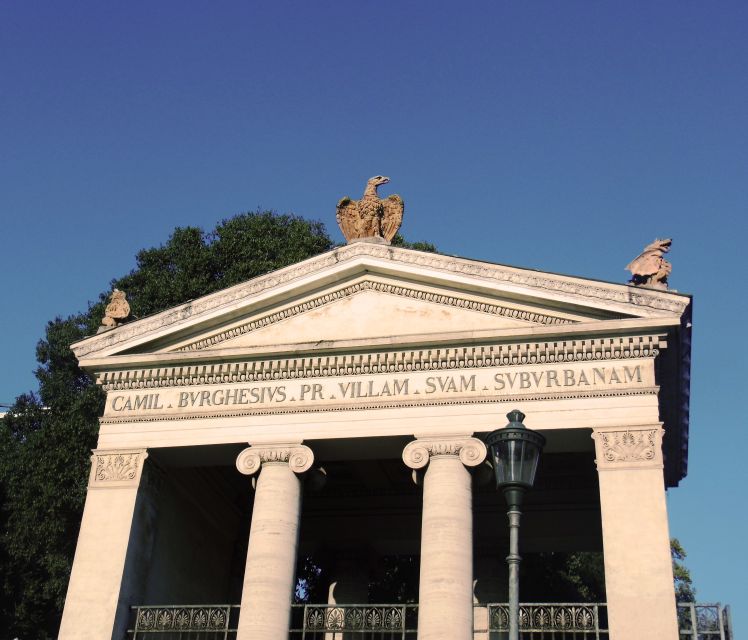
Meeting at Piazzale del Museo Borghese
The meeting point is at the entrance of the Borghese Gallery in Piazzale del Museo Borghese. Look for the guide holding a Tourismotion sign. Arrive at least 10 minutes early, since a late arrival can be stressful when the museum has timed admission.
Getting there takes a little planning. Barberini is the closest metro station listed, but it is about a 20-minute walk from the gallery. Bus routes 83 and 223 are also options. The Spagna metro stop is specifically not advised for this meeting point, so do not assume it is the easiest choice simply because it is near the Spanish Steps.
The location inside Villa Borghese is pleasant, but the approach is not quite a step-off-the-metro arrangement. I would allow extra time, especially if you are unfamiliar with Rome’s streets or carrying a phone with an unreliable map connection.
Bring a passport or identity card, comfortable shoes, and as little luggage as possible. Backpacks and bags must be left in the museum wardrobe. The tour provides single-use earphones, though you may bring your own to avoid disposable equipment.
Bernini’s Marble Figures on the Ground Floor
The ground floor is the emotional heart of the visit. This is where Bernini’s major sculptures demand your attention.
In The Rape of Proserpina, the myth shows Pluto carrying Proserpina away to the underworld. Bernini makes the marble feel almost soft. The fingers pressing into her leg are the detail most people remember, but the whole group matters: her body twists away, her hair and drapery react to the movement, and Pluto’s strength drives the scene forward.
A guide can help you look from several angles, which is essential with sculpture. Bernini designed these works to reward movement around them. From one side you see the action clearly. From another, the expressions and physical tension change.
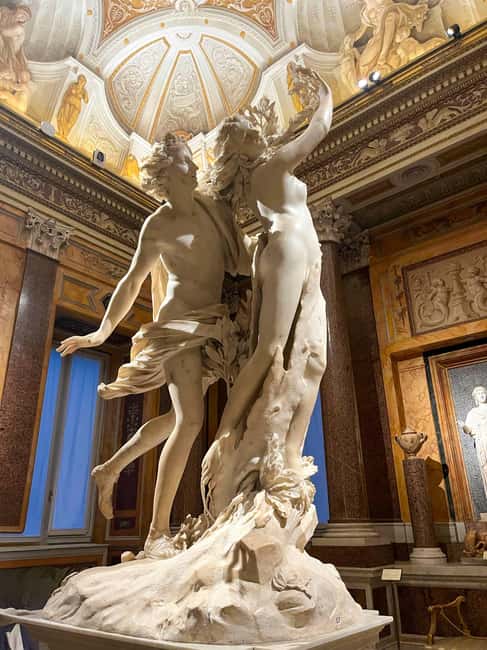
Apollo and Daphne is another high point. Apollo reaches for Daphne as she transforms into a laurel tree. Leaves emerge from her hands, bark climbs her body, and the figures seem caught at the exact instant when human form gives way to nature. It is an excellent example of how a sculptor can tell a complete story without a single spoken word.
This is also where a guided visit earns its fee. On your own, you will see exquisite marble. With a good explanation, you notice the sequence of movement, the mythological references, and the ways Bernini controls your view. Several guides, including Simona, Simone, and Alexandra, have been praised for making the sculptures feel alive rather than treating them as static monuments.
The pace can be demanding. You may want to stay with one sculpture longer than the group schedule allows. The tour does include short pauses for photographs and closer looks, but it is not designed as an unhurried sketching or meditation session.
Canova, Caravaggio, and the Gallery’s Other Major Names
Antonio Canova’s Pauline Bonaparte as Venus Victrix offers a sharp change of mood. Pauline reclines on a couch as Venus, the Roman goddess of love. The sculpture is smooth, controlled, and deliberately glamorous. A guide can explain the portrait’s mixture of private identity, public image, and classical costume.
The painting collection adds another layer. Caravaggio’s Boy with a Basket of Fruit looks simple at first, but the fruit, skin, leaves, and light show his careful observation. The picture feels close enough to touch, yet it also carries a quiet sense of impermanence.
In David with the Head of Goliath, Caravaggio gives the biblical scene unusual psychological force. David holds the severed head, and the image is dark, direct, and unsettling. The guide’s explanation is useful here because the painting is not just a dramatic Bible story. The expressions, lighting, and personal choices behind the image give it extra weight.
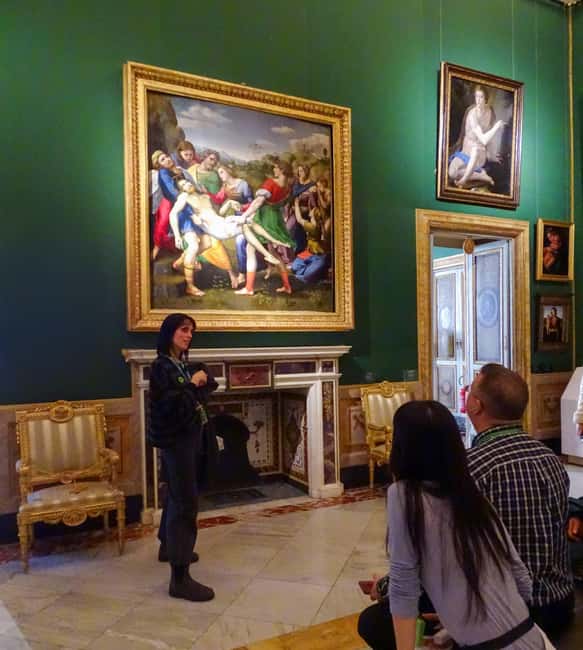
Raphael’s Deposition brings a different kind of beauty. Its figures and arrangement reflect a careful balance between sorrow and order. Titian’s Sacred and Profane Love is more elusive, with symbolism that benefits from patient explanation. These are the works where a guide can save you from looking for five minutes and then moving on because the meaning is not immediately clear.
The collection also includes elegant ceilings and decorated rooms, not just isolated paintings and sculptures. Give yourself a moment to look upward. It is easy to focus on the famous names at eye level and miss the setting that makes the museum feel like a princely home.
More Skip-the-Line Tickets in Rome
- Vatican Museums & Sistine Chapel Skip-the-Line Entry Ticket
★ 4.4 · 13,838 reviews - Skip-the-Line Group Tour of the Vatican, Sistine Chapel & St. Peter’s Basilica
★ 4.5 · 12,779 reviews - Vatican, Sistine Chapel & St. Peter’s Skip-the-Line Tour
★ 4.5 · 7,770 reviews - Skip-the-Line Vatican, Sistine Chapel & St. Peter’s | Small Group
★ 5.0 · 7,060 reviews
What the Guide Adds to the Experience
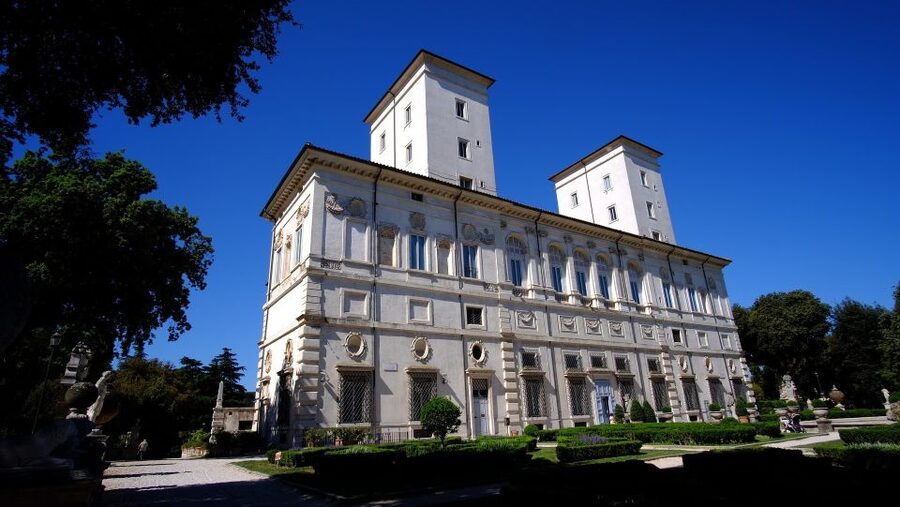
The strongest part of this tour is the human voice in the room. The guides have different styles, but the praised qualities are consistent: clear explanations, passion for art, and an ability to connect an object with the time and people behind it.
Simona has been singled out for speaking clearly and bringing energy to the stories. Simone is described as especially entertaining and engaged, with formal art studies informing the way the collection is presented. Alexandra and Alessandra have been praised for making complicated ideas easy to follow, even if you do not normally study art.
Suzanne and Susanne have been noted for their explanations of Villa Borghese and its art. Lorena has been appreciated for her enthusiasm and clear background on the sculptures and paintings. These names are useful to know, but your assigned guide is not guaranteed, so book this for the guided format rather than for a specific person.
The best guides do more than recite dates. They explain why the Borghese family wanted these works, how artists built reputations, and what you should actually look at in the object itself. One particularly strong approach combines the personal and social setting of the artists with close attention to hands, facial expressions, light, fabric, and posture.
There is one fair caution. A guide with a strong accent or a habit of giving long background stories may be harder to follow at times. The experience is offered in English or Spanish, and earphones help you hear in the galleries, but the amount of detail can vary with the guide and the group.
The 135-Minute Route and Its Limits
The published duration is 135 minutes, or two hours and 15 minutes. The itinerary identifies the ground-floor sculptures as a guided stop and then continues through the Borghese Gallery before returning to the entrance.
That length is sensible for a first visit. You have enough time to understand the major works without turning the museum into an all-day commitment. It also fits well between other Rome plans, provided you allow time to reach the gallery and collect your bags afterward.
Still, do not expect to examine every painting at length. The Borghese collection is dense, and the famous sculptures can easily absorb the whole visit. If you already know the museum and want to study particular paintings, an unguided visit or a longer return visit may suit you better.
The tour’s structure works best if you decide what kind of visit you want. If your goal is to understand the key masterpieces and the Borghese family’s role in Rome, 135 minutes is a good working length. If your goal is to sit quietly before each work, take extensive notes, or photograph every room, you may find the group pace too quick.
Walking Through Villa Borghese Afterward
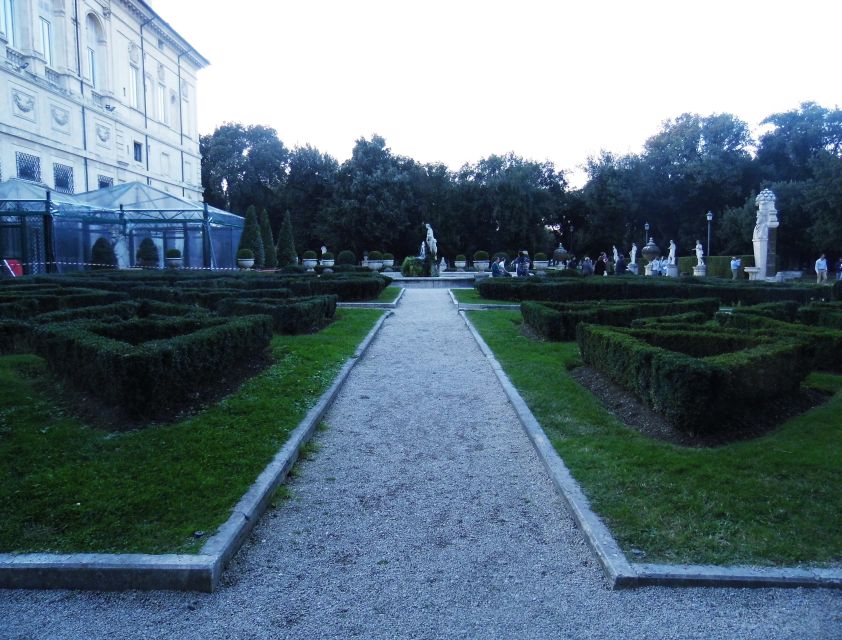
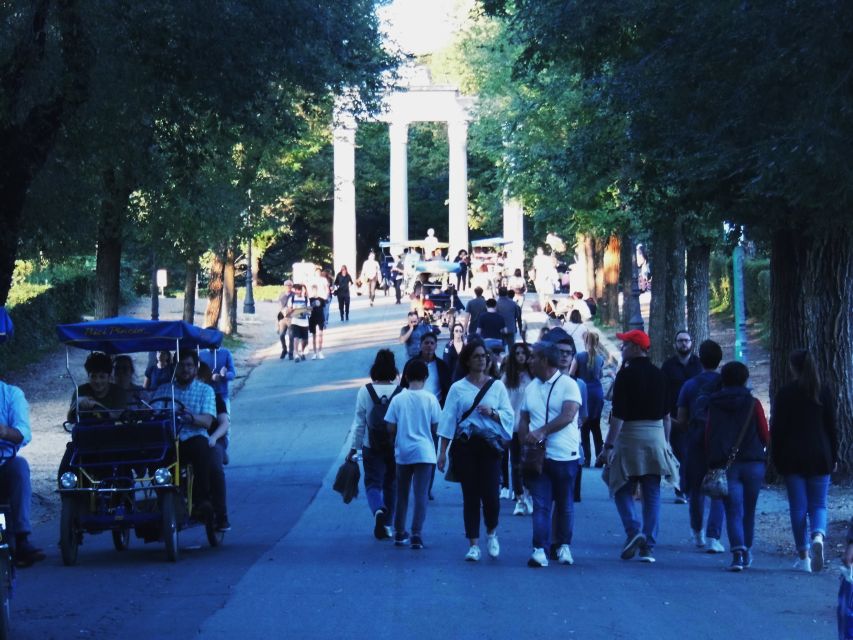
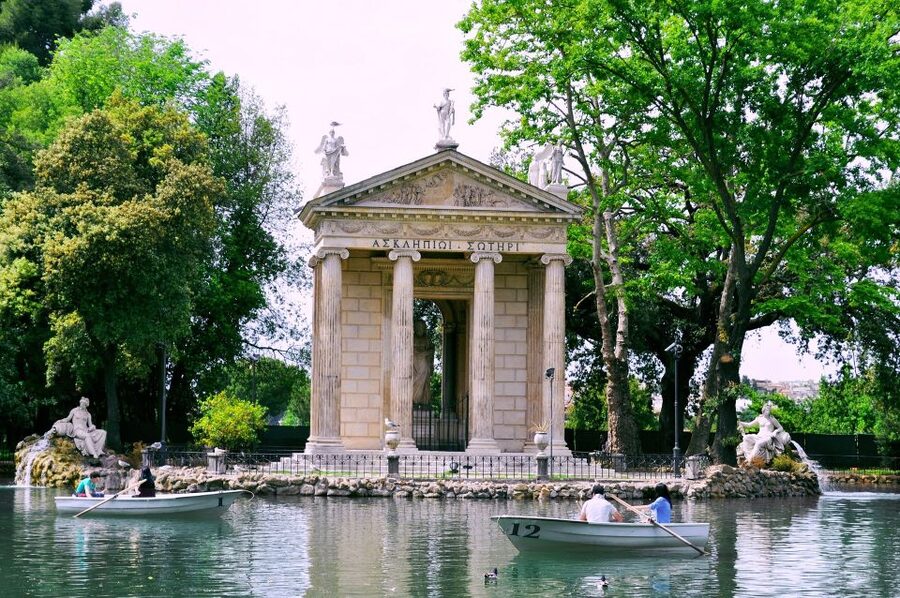
The museum sits inside Villa Borghese Gardens, one of the few places in central Rome where you can trade stone streets for trees and open space.
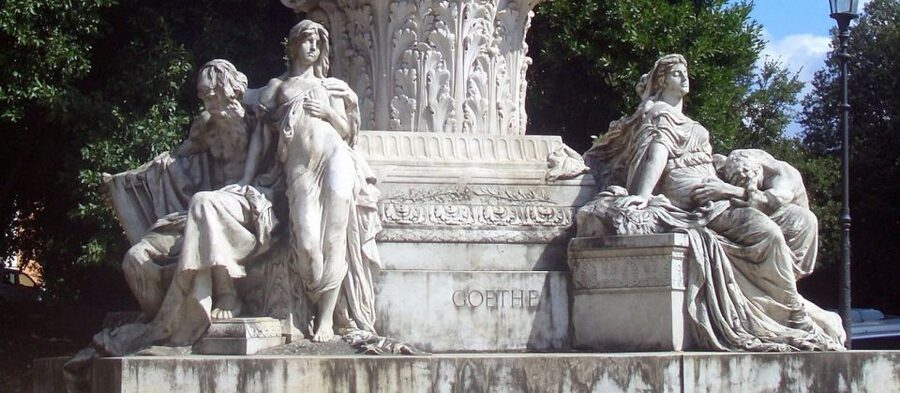
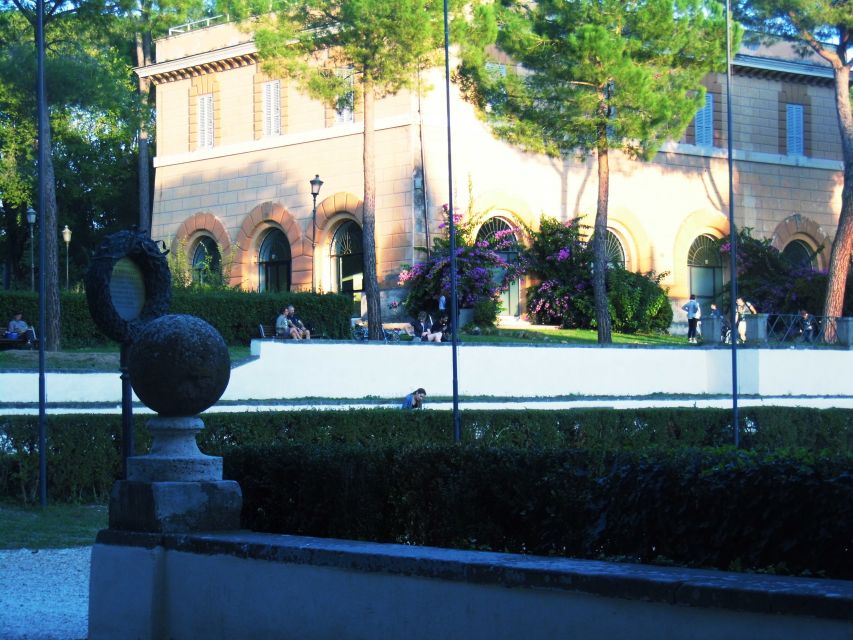
The garden walk is not the main guided museum route, so plan to explore it on your own after the tour. You can stroll among old trees, fountains, and outdoor sculpture, then continue toward the Pincio Terrace for a broad view across Rome. St. Peter’s Basilica is among the landmarks visible from the terrace.
This add-on is one of the smartest ways to shape the afternoon. After two hours of close attention to art, the gardens give you room to reset. You might continue toward Piazza del Popolo or the Spanish Steps, both mentioned as pleasant walking destinations through the park.
Do not treat the garden as a guaranteed extended guided stop. The supplied schedule ends back at the gallery meeting point. The value here is the location: you can create your own short walk without booking another activity.
Is the $100.09 Price Worth It?
At $100.09 per person, this is not a bargain museum entry. You are paying for a pre-booked ticket, priority access, a live guide, earphones, and help at the meeting point.
The price makes more sense if you place a high value on interpretation. Borghese is not a vast museum where you can wander for half a day and gradually find your way. Its best works reward context, and a strong guide can show you details you might miss, especially in Bernini’s sculptures and Caravaggio’s paintings.
I would be less inclined to pay this amount if you already have strong art-history knowledge, dislike group pacing, or prefer to read labels quietly. I would be more inclined to book it if this is your first visit, if Bernini and Caravaggio are priorities, or if you want one well-organized art stop rather than several unstructured museum visits.
The high rating of 4.7 from 933 ratings supports the idea that the guided format works well for many people, but it does not erase the normal limits of a group tour. The guide is the key variable. The best experience will be lively and precise. A less effective guide may spend too long on background and leave you wishing for more time with the paintings.
Who Should Book This Gallery Tour?
I would recommend it to:
- First-time visitors who want the major works explained in plain language
- Art lovers who especially want Bernini, Caravaggio, Raphael, Titian, and Canova
- Couples and families who prefer a clear route through a compact but demanding museum
- People with limited time in Rome who want priority admission and a fixed 135-minute plan
- Anyone curious about how the Borghese family shaped the collection
I would hesitate if you need wheelchair or pushchair access, since the activity is not suitable for either. I would also think twice if you want a completely private visit or need long periods alone with each artwork.
Comfortable shoes matter because the metro walk can take about 20 minutes, and the museum visit itself involves standing and moving between rooms. A small bag is the wise choice because backpacks and larger bags go into the wardrobe.
How to Get the Most From Your Visit
Before entering, decide which works matter most to you. Bernini’s Apollo and Daphne and The Rape of Proserpina deserve close attention, while Caravaggio’s paintings reward a few quiet minutes after the guide has explained them.
Listen for the guide’s suggestions about where to stand. Sculpture changes as you move, and a quick turn around Bernini’s works can reveal a new expression or line of motion. For paintings, notice the lighting and the placement of hands and faces rather than trying to remember every date.
Use the short pauses for photographs and personal looking. Do not spend the entire break checking your phone. The museum’s strength is physical presence: the marble is near, the brushwork is visible, and the rooms themselves are part of the experience.
Afterward, remain in Villa Borghese for a while. The Pincio Terrace gives you a useful Rome orientation, and the walk toward Piazza del Popolo or the Spanish Steps turns the museum visit into part of a larger afternoon.
Should You Book the Borghese Gallery Tour?
Book it if you want the collection explained rather than simply viewed. The combination of priority entry, a focused route, and guides such as Simona, Simone, Alexandra, Alessandra, Suzanne, Susanne, and Lorena can turn a beautiful museum into a much more understandable one.
Skip it if you prefer complete independence, need accessibility for a wheelchair or pushchair, or want unlimited time with each painting. At $100.09, the tour earns its price through the guide’s interpretation, not through the ticket alone.
For most first-time visitors with a serious interest in Bernini and Caravaggio, I think it is a sensible splurge. Arrive early, travel light, wear comfortable shoes, and save time for the gardens after the gallery.
FAQ
How long does the Borghese Gallery guided tour last?
The activity lasts 135 minutes, or two hours and 15 minutes. Starting times vary, so check availability when booking.
Where do I meet the guide?
Meet the guide at the entrance of the Borghese Gallery in Piazzale del Museo Borghese. The guide will hold a Tourismotion sign.
Which languages are available?
The live tour guide is available in English or Spanish.
Is priority admission included?
Yes. Pre-booked priority tickets are included, along with assistance and earphones.
How should I get to the meeting point?
Barberini is the closest metro station listed, about a 20-minute walk away. Bus lines 83 and 223 are also options. The Spagna metro stop is not advised for this meeting point.
Can I bring a backpack or pushchair?
Backpacks and bags must be left in the wardrobe. The tour is not suitable for wheelchairs or pushchairs.
Fresh on the Rome list
- Exclusive Golf Tour Private VIP with Local & Gelato o Wine★ 5.0 · 500 reviews
- Colosseum, Palatine Hill and Roman Forum with Guided Tour★ 5.0 · 500 reviews
- Rome by Night Walking Tour★ 4.5 · 506 reviews
- Rome Trastevere Pasta Making Class with Eating Europe★ 5.0 · 505 reviews
- Rome: Colosseum Express Tour with Forum & Palatine Access★ 4.5 · 511 reviews
- Rome Food Experience Max 6 People Group Tour | w/Private Option★ 5.0 · 516 reviews
- Rome: Navona Square Underground Ticket with Audio Guide★ 4.0 · 518 reviews
- Rome: Escorted Papal Audience Experience with Entry Ticket★ 4.4 · 518 reviews
Museums, compared.
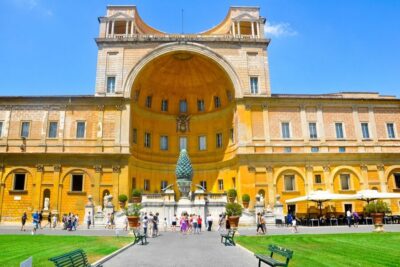
Vatican: Museums & Sistine Chapel Entrance Ticket
Read our review →
Vatican Museums & Sistine Chapel Tour with Optional Basilica
Read our review →
Vatican Museums, Sistine Chapel & St Peter’s Basilica Guided Tour
Read our review →
Skip-The-Line Uffizi Gallery Timed Entry Ticket
Read our review →
Vatican Museums, Sistine Chapel & Basilica Tour
Read our review →
Vatican Museums & Sistine Chapel Skip-the-Line Entry Ticket
Read our review →Vatican Museums, Sistine Chapel & Basilica Tour
Read our review →
Vatican Museums & Sistine Chapel Guided Tour
Read our review →Browse the lists this tour appears in