
Reviewed · FOOD TOURS
Rome Food Tour in the Historic Centre with 8+ Food Tastings
Rome’s best food lesson may come with a fork in one hand and a bit of ancient stone underfoot. This three-hour walking tour links Roman dishes with the streets, squares, temples, fountains, and neighborhoods that shaped them, beginning at Piazza Navona and ending near Largo di Torre Argentina.
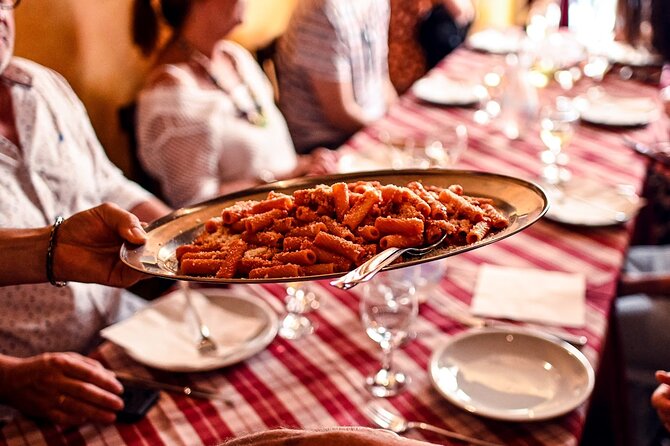
I like the generous spread, especially the two kinds of homemade pizza, two Roman pastas, supplì, cold cuts, cheeses, cannoli, and artisanal gelato. I also like the small maximum group of 12 people, which gives guides such as Massimiliano, Rocio, Luda, Federico, and Robbie room to explain dishes and answer questions.
The main consideration is the pace and amount of food. You walk between several stops, sometimes in heat, and the portions add up quickly. Come hungry, wear comfortable shoes, and do not plan a large dinner afterward.
Key points to know before booking
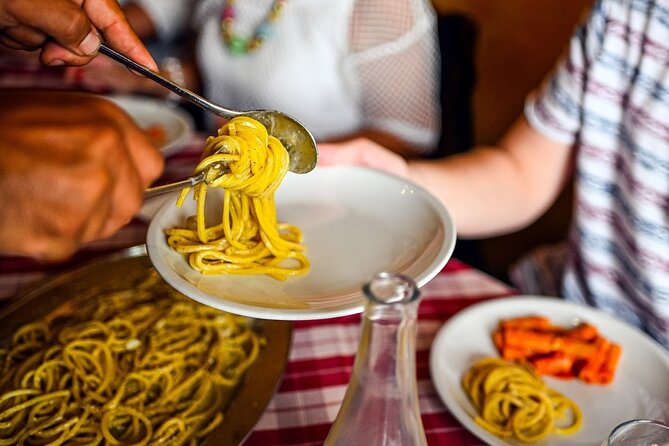
- Eight or more tastings: Pizza, supplì, pasta, cheeses, cold cuts, cannoli, gelato, and a secret dish make this a full meal, not a nibble-only stroll.
- Piazza Navona to Torre Argentina: The route connects major sights with food stops, so you get sightseeing and lunch in one outing.
- Small groups of up to 12: This is a more personal setup than a large coach-style food walk.
- Strong guide element: Massimiliano is often praised for his Roman history and food stories, while Rocio, Luda, Federico, Eduardo, and Robbie are also named as engaging hosts.
- Vegetarian flexibility: One past booking included vegetarian pasta and other alternatives, but you should state your needs when booking.
- Free cancellation until 24 hours before: Cancel at least a day ahead for a full refund. Late changes are not accepted.
Why this Rome food walk works so well
At $118.51 per person, this is not a cheap street-food snack run. It is priced more like a guided meal with sightseeing added, and the value depends on how much you want from both sides of the experience.
If you bought every dish, dessert, drink, and coffee separately, the cost could add up. The bigger saving is time and guesswork. Your guide chooses the stops, explains what you are eating, and ties the food to Rome’s streets instead of leaving you to decode a menu on your own.
The tour has earned a 4.9 rating from 1,000 reviews, with 99 percent recommending it. That strong response is especially consistent around three things: the quantity of food, the warmth of the guides, and the way Roman history is mixed into the meal.
You should see this as an introduction to Roman food rather than a formal cooking class. You will taste many dishes, hear the background behind them, and get useful ideas for meals later in your visit. You will not learn to make pasta or spend a long time inside one kitchen.
More Food Tours in Rome
- Winner 2025 Rome Twilight Trastevere Food Tour by Eating Europe
★ 5.0 · 5,157 reviews - Rome: Trastevere or Jewish Quarter Street Food Tour
★ 4.8 · 3,839 reviews - Rome Food Tour: Unlimited Tastings with Fine Wine & Barolo
★ 5.0 · 3,365 reviews
Starting at Piazza Navona
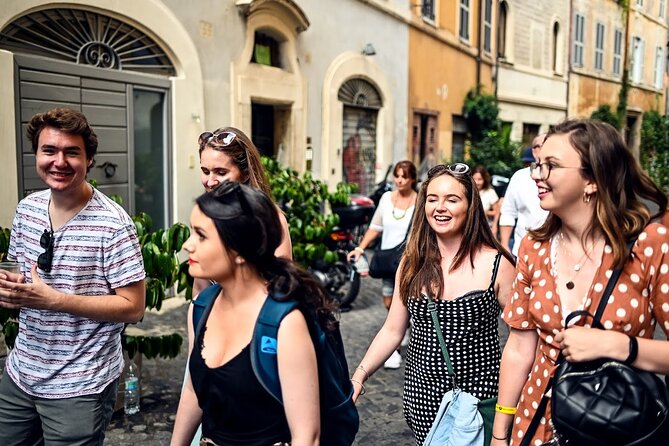
The meeting point is Sant’Agnese in Agone at Piazza Navona, one of the easiest places in central Rome to recognize. The square occupies the site of an ancient Roman stadium and is framed by Baroque buildings, fountains, cafés, and open pedestrian space.
Your guide uses this setting to begin the connection between place and plate. Piazza Navona is a natural starting point for a food walk because you can see the layers of Rome at once: an ancient sporting site beneath a grand later square, with everyday food culture all around it.
The first stop lasts about 20 minutes, and admission to the piazza is free. That matters because you are not spending part of the tour waiting in a ticket line or entering a paid attraction. The focus stays on orientation, stories, and the first tastes.
You may see or hear about foods associated with casual Roman eating here, including pizza bianca, supplì, gelato, and espresso. The exact order of dishes can change, so think of the piazza as your introduction rather than a fixed restaurant course.
Palaces, fountains, and Roman stories between bites
From Piazza Navona, the route passes an important High Renaissance palace that now houses the French embassy in Italy. The building adds a political and architectural layer to the walk, and your guide may use it to explain how central Rome changed long after the ancient period.
The route also includes the famous 17th-century fountain dedicated to four rivers. Its Roman obelisk and dove-topped design make it one of the square’s main visual prizes. This is a useful pause between tastings because you are not simply walking from one food counter to another.
The experience works best when the guide keeps these explanations short and connected to what is around you. Massimiliano is repeatedly praised for doing just that, mixing food details with general Roman history in clear English. Other named guides, including Rocio and Luda, are described as funny, friendly, and good at keeping the group involved.
Do not expect a lecture on every building. This is a food tour first. The history gives the food a setting, and the food keeps the sightseeing relaxed.
The Jewish Ghetto and Rome’s layered food culture
The route continues into Rome’s ancient Jewish Ghetto in the Rione Sant’Angelo. Established in 1555, this neighborhood has a distinct identity and a difficult past, along with its own food traditions and small eateries.
This is one of the most valuable parts of the tour because the neighborhood does not feel like a random food district added to a sightseeing route. It gives you a chance to see how community, faith, migration, and local cooking meet in one compact part of Rome.
Your guide may explain the background of the area while introducing foods from Roman daily life. The route includes Italian cold cuts and cheeses, along with pizza and pasta. Those tastings help show the difference between food eaten casually at a counter and dishes served as part of a longer meal.
The Ghetto streets can be uneven and crowded at points, so sensible shoes matter. The walk is manageable for most people, but this is not a sit-down tasting where you remain at one table for three hours. If you have limited mobility, ask about the route before booking.
Same city, an entirely different afternoon:
- Vatican Museums & Sistine Chapel Tour with Optional Basilica
★ 4.3 · 67,413 reviews - Colosseum, Roman Forum & Palatine Guided Tour
★ 4.7 · 63,148 reviews - Vatican Museums, Sistine Chapel & St Peter’s Basilica Guided Tour
★ 4.5 · 39,149 reviews - Rome: Colosseum, Palatine Hill and Roman Forum Guided Tour
★ 4.8 · 32,814 reviews
Pizza, supplì, and the pleasure of Roman street food
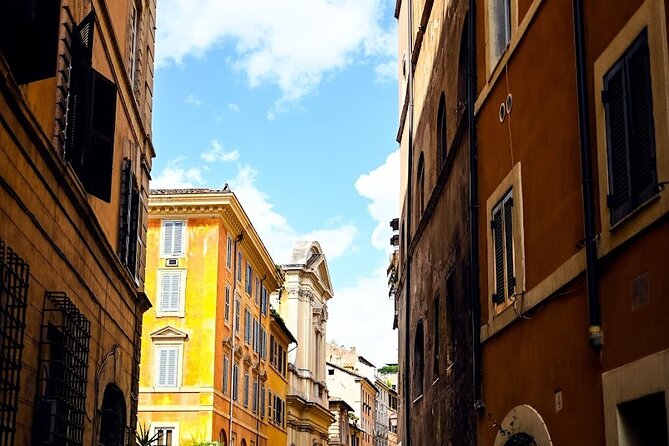
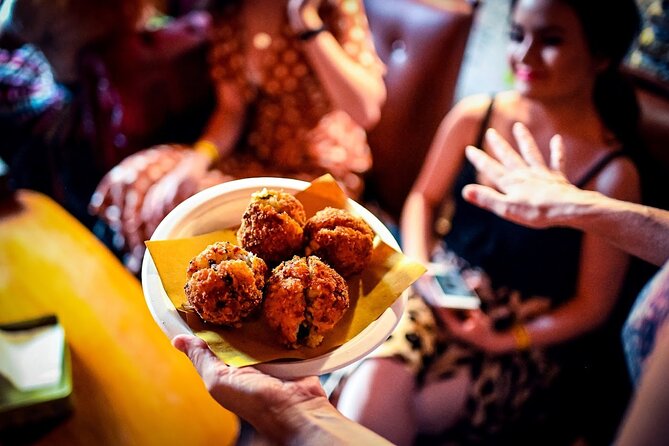
The pizza portion includes two different types of homemade pizza. That is a small detail with real value. It lets you compare styles and textures instead of treating pizza as one generic Italian dish.
Supplì gives you another side of Roman eating. This fried rice snack is commonly associated with a crisp exterior and a soft center, making it a good contrast to pizza and pasta. You get a feel for food designed to be eaten quickly, not just famous dishes presented in a formal restaurant.
The route is especially useful early in a Rome visit. After tasting these foods, you will have a better sense of what to look for at bakeries, cafés, and casual counters during the rest of your stay.
The menu can change because of weather, location availability, or other conditions. That is worth keeping in mind if you book mainly for one exact dish. The overall food range is dependable, but the precise stop or course is not guaranteed.
Roman pasta as the main meal
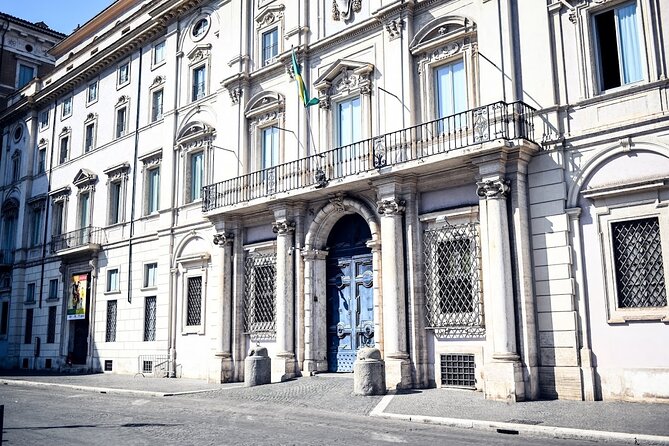
Two Roman pastas are included, and this is where the tour shifts from snack food to a proper meal. Pasta takes more time to explain because sauces, ingredients, and local habits say a great deal about Roman cooking.
You may learn how the dishes fit into Roman food culture, not just what ingredients appear on the plate. Several guides are praised for explaining the origins of the food and for making the information easy to follow rather than overly academic.
The portion size is another point to plan around. Multiple reviews describe people leaving very full, and one guide was praised for serving so much food that dinner became unnecessary. I would schedule this tour as lunch or an early afternoon meal, not as an appetizer before a major restaurant booking.
Vegetarians are not automatically left out. One booking included vegetarian pasta and alternatives at other stops, along with wine. Still, the supplied information does not promise a full vegetarian menu for every departure, so share dietary needs before you arrive.
Cold cuts, cheeses, coffee, and the secret dish
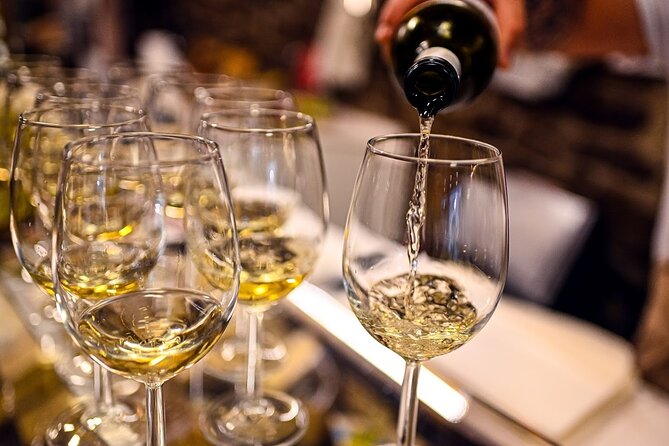
The cold cuts and cheeses add variety after the pasta. They also give you a chance to compare the simple products that often form the backbone of an Italian meal.
Some past tours have included coffee and wine. The minimum drinking age is 18, and the food list specifically includes the cold cuts and cheeses, but drinks are not described as a guaranteed part of every booking. Ask ahead if wine is important to your plans.
The secret dish is a deliberate surprise. Since it is not identified in advance, it gives the guide room to respond to the day’s best available food. It also means you should not book this tour if you need a fully fixed menu before paying.
Families can take part. A guide named Massi was praised for keeping a nine-year-old engaged and arranging a different drink while adults had coffee and wine. Another booking included children aged four and six, though the walking and amount of food still require some planning.
Campo de’ Fiori and the old Campus Martius
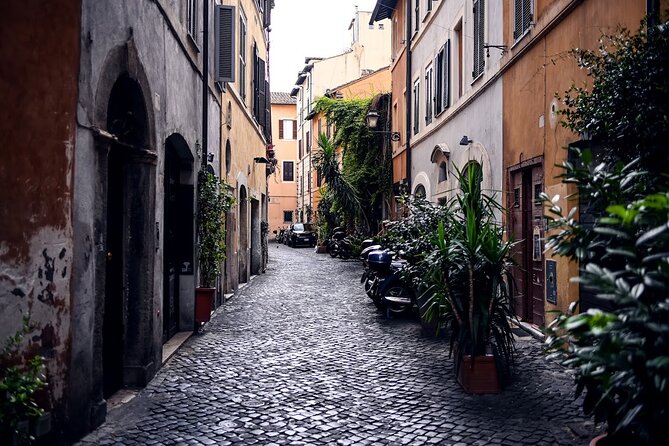
The walk includes Campo de’ Fiori, a rectangular square south of Piazza Navona. Its name means field of flowers, and it adds another open public space to the route.
This stop helps you see how Rome’s food life extends beyond the most famous monuments. Markets, shops, bakeries, and casual eating places are part of the city’s daily rhythm, and a guide can point out the difference between a place designed for local use and one aimed mainly at sightseers.
The route also reaches Largo di Torre Argentina, where four Roman Republican temples and the remains of Pompey’s Theatre can be seen. This area lies in the ancient Campus Martius and is a fitting end because the food walk finishes among substantial Roman ruins rather than at a transport hub or hotel.
The end point is Largo di Torre Argentina, not Piazza Navona. That makes the tour useful for continuing toward other central sights, but you will need to arrange your own way back to your hotel. The area is near public transportation.
Gelato and cannoli at the finish
Dessert arrives in the form of cannoli and artisanal gelato. These are not minor afterthoughts. The sweet courses help balance the salty snacks, pasta, cheeses, and meats that come earlier.
Gelato is often the final reward on a Rome food walk, and several guide-led experiences have ended with a particularly memorable serving. The useful point for you is timing: do not fill up on dessert before the tour, since the savory courses come first and are substantial.
Cannoli can divide opinion, but this tour has converted at least one person who normally does not care for them. That suggests the quality and freshness of the stop matter more than the label alone. As always, the exact shop can change with availability.
By the end, you should expect to feel fed rather than merely entertained. The combination of pasta, pizza, fried food, cheese, meat, coffee, and dessert is closer to a generous lunch than a tasting flight.
The guide makes the difference
The food list is appealing, but the guide is what turns it into a useful Rome experience. Massimiliano receives especially strong praise for his English, humor, Roman history, food knowledge, and practical advice for the rest of a stay.
Rocio is described as funny and engaging, while Luda is praised for being informative and friendly. Federico has handled vegetarian substitutions and included pleasant wine tastings, and Robbie has offered suggestions for places to eat later in the visit. Eduardo is also praised for connecting local history to the dishes.
Guide assignments can change, so you should not assume a particular person will lead your departure. The pattern is clear, though: the tour depends on a personable host who can keep a small group moving, fed, and interested.
That small group limit of 12 helps. You can hear explanations more easily, ask questions, and avoid the slow shuffle of a large crowd. If your group is only two people, the company has sometimes operated the tour rather than canceling, though that cannot be promised for every date.
Practical planning for the three-hour route
Wear shoes you can walk in for three hours. The route is central and not described as strenuous, but Rome’s older streets can be hard underfoot, and summer heat can make food and walking feel heavier.
The tour is offered in English and uses a mobile ticket. Confirmation is sent within 48 hours of booking, subject to availability. Most people can participate, and the experience is near public transportation.
Hotel pickup and drop-off are not included. Plan to meet at Sant’Agnese in Agone, Piazza Navona 14, and remember that you finish at Largo di Torre Argentina.
Pets are not allowed on the food tour. If weather or the availability of a food stop causes a change, the itinerary or menu may be adjusted. That flexibility protects the quality of the day, but it is another reason not to treat the published order as a promise.
Free cancellation is available up to 24 hours before the start time for a full refund. Less than 24 hours ahead, the payment is not refunded, and changes are not accepted.
Who should book this Rome food tour
I would book this for a first or second day in Rome, when you want a useful introduction to local dishes and central neighborhoods. It is also a good choice for people who like history in small portions, with food giving the walking a clear purpose.
Families can make it work, especially with guides who keep children involved. Couples, solo visitors, and small groups will benefit from the 12-person limit. Vegetarians may also be comfortable, provided they communicate their needs before the tour.
I would think twice if you dislike eating several courses in quick succession, need a fully fixed menu, or want a slow restaurant meal. The price is fair for a guided meal with eight or more tastings, but it is not the best use of money if you only want a cheap slice of pizza and a gelato.
Should you book it?
Book this tour if you want Rome explained through food, not just monuments. The strongest reasons are the full menu, the route from Piazza Navona through the Jewish Ghetto to Torre Argentina, and the guides’ ability to add useful local advice.
Skip it if you prefer to choose every dish yourself or already have a carefully planned food itinerary. For most first-time visitors, though, the generous tastings and small group make $118.51 a sensible splurge, especially when you count it as lunch plus a guided walk.
FAQ
How long does the Rome food tour last?
The experience lasts approximately three hours.
Where does the tour start?
The meeting point is Sant’Agnese in Agone, Piazza Navona 14, 00186 Rome.
Where does the tour end?
The tour ends at Largo di Torre Argentina in central Rome.
What food is included?
The menu includes two types of homemade pizza, supplì, Italian cold cuts and cheeses, two Roman pastas, cannoli, artisanal gelato, and a secret dish.
Is the tour offered in English?
Yes. The tour is offered in English.
How many people can join the tour?
The maximum group size is 12 people.
Are drinks included?
Some experiences have included coffee and wine, but the supplied food list does not guarantee drinks on every departure. The minimum drinking age is 18.
Can vegetarians join?
Yes, vegetarian alternatives have been provided, including vegetarian pasta. You should communicate your dietary needs when booking.
Can I cancel for a full refund?
Yes. You can cancel at least 24 hours before the local start time for a full refund. Cancellations or changes made less than 24 hours ahead are not accepted for a refund.
More Historic Sites in Rome
- Rome in a Day Tour with Vatican, Colosseum and Historic Center
★ 4.5 · 1,042 reviews - Rome: Ancient History and Colosseum Underground Tour
★ 4.5 · 996 reviews - Rome: Forbidden History Walking Tour & Pub Crawl with Drinks
★ 4.9 · 688 reviews - Venice: St. Mark Basilica Ticket, Audioguide+History Gallery
★ 3.9 · 4,780 reviews
Fresh on the Rome list
- Exclusive Golf Tour Private VIP with Local & Gelato o Wine★ 5.0 · 500 reviews
- Colosseum, Palatine Hill and Roman Forum with Guided Tour★ 5.0 · 500 reviews
- Rome Trastevere Pasta Making Class with Eating Europe★ 5.0 · 505 reviews
- Rome by Night Walking Tour★ 4.5 · 506 reviews
- Rome: Colosseum Express Tour with Forum & Palatine Access★ 4.5 · 511 reviews
- Rome Food Experience Max 6 People Group Tour | w/Private Option★ 5.0 · 516 reviews
- Rome: Navona Square Underground Ticket with Audio Guide★ 4.0 · 518 reviews
- Rome: Escorted Papal Audience Experience with Entry Ticket★ 4.4 · 518 reviews
Food Tours, compared.
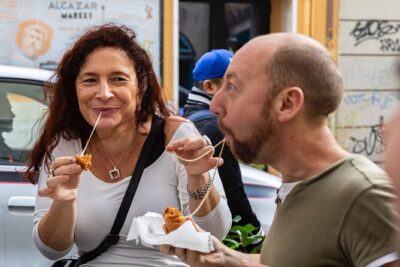
Winner 2025 Rome Twilight Trastevere Food Tour by Eating Europe
Read our review →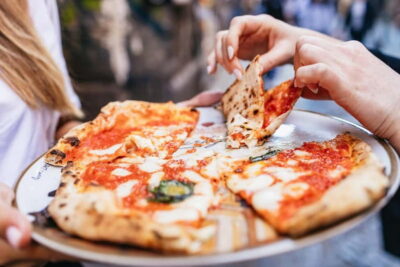
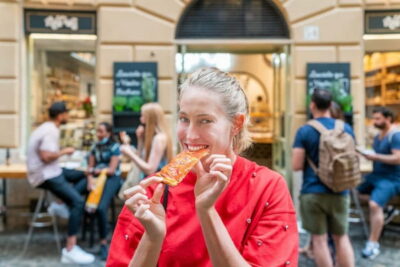
Trastevere or Jewish Quarter Street Food Tour
Read our review →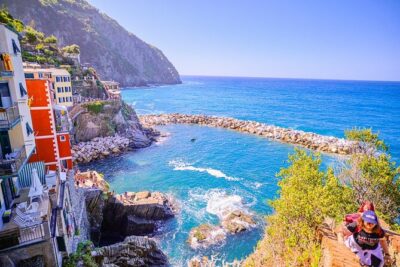
Cinque Terre Park Day Trip with Optional Street Food
Read our review →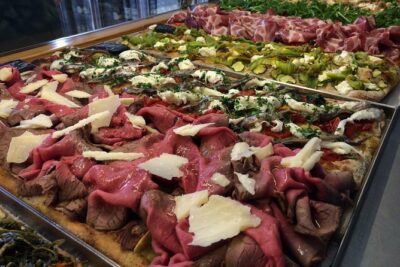
Rome Food Tour: Unlimited Tastings with Fine Wine & Barolo
Read our review →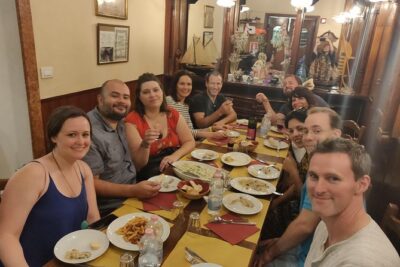
Eat Like a Local: Venice 3-Hour Small-Group Food Tasting Tour
Read our review →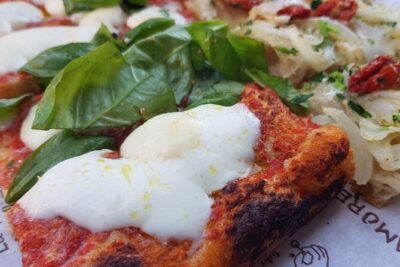
Trastevere Food tour with Free-Flowing Fine Wine
Read our review →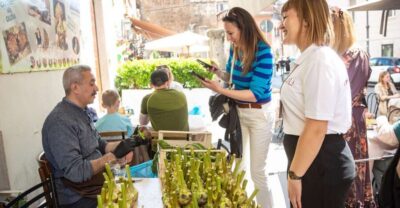
Trastevere & Campo de Fiori Street Food Walking Tour
Read our review →Browse the lists this tour appears in