
Reviewed · FOOD TOURS
Rome: Eat Like a Roman Ghetto & Campo de’ Fiori Food Tour
Rome’s best food lessons often arrive in small, messy portions. This 2.5-hour walking tour takes you from Piazza di San Simeone through Campo de’ Fiori and the Jewish Ghetto, pairing supplì, porchetta, Roman pizza, fried artichokes, and gelato with stories about the streets around you.
I especially like the morning market stop, where you can sample olive oil, truffle products, and vinegar, and the way the route connects food with places such as the Portico d’Ottavia and Largo di Torre Argentina. The main drawback is dietary: this is not suitable for vegans or people with gluten intolerance, and drinks cost extra.
Key points at a glance
- Five Roman tastings: Expect supplì, porchetta panini, Roman-style pizza, Jewish-style fried artichokes, and artisanal gelato.
- Morning tours add the market: Early departures include Campo de’ Fiori’s fruit market and tastings of olive oil, truffle, and vinegar.
- Food and history share equal billing: You pass the Pantheon, Teatro Marcello, the Jewish Ghetto, and the site linked to Julius Caesar’s assassination.
- A guide makes the difference: Julia, Claudio, Fiammetta, Daniele, Matteo di Marco, and others have led recent departures, with a friendly, story-driven approach.
- Good value at $36: Five tastings plus a guided walk through central Rome make this a useful first-day orientation.
- Check the dietary limits: Vegetarian food is available, but vegan and gluten-free participation is not suitable for this tour.
Why this food walk works so well in central Rome
This is not a restaurant crawl built around long meals. You walk, stop, taste, and keep moving. That format suits Rome, where a short lane, fountain, church façade, or ancient wall can change the mood every few minutes.
The route begins near Piazza Navona at the fountain in Piazza di San Simeone. From there, you pass the Chiostro del Bramante before reaching the first food stop. The walk is central and urban, with several short stretches on foot rather than one long march, but you should still wear comfortable shoes.
I like the balance here. You are not simply handed a slice of pizza and sent on your way. Your guide explains the difference between Roman food and broader Italian cooking, then places each dish within the neighborhoods where it belongs. Guides such as Julia, Fiammetta, Claudio, and Daniele have been praised for mixing food talk with easy explanations of Rome’s past.
That personal touch matters. Claudio, for example, has been singled out for answering questions, suggesting additional places to eat, and adjusting the conversation to the person in front of him. Julia has been described as warm, patient, and clear, while Fiammetta brought particular energy to the market and Jewish Ghetto portions. The guide changes, so do not book around one specific person unless the operator confirms who is leading your date.
More Food Tours in Rome
- Winner 2025 Rome Twilight Trastevere Food Tour by Eating Europe
★ 5.0 · 5,157 reviews - Rome: Trastevere or Jewish Quarter Street Food Tour
★ 4.8 · 3,839 reviews - Rome Food Tour: Unlimited Tastings with Fine Wine & Barolo
★ 5.0 · 3,365 reviews
Starting at Piazza di San Simeone
Meeting at the fountain in the center of Piazza di San Simeone is practical, though you should allow time to find the exact square. This is a small central meeting point, not a major transport hub, so having the address ready on your phone is sensible.
The opening walk passes the Chiostro del Bramante. You do not enter for a full visit, but the brief passage gives the tour an early taste of Rome’s layered streets. The point is not to check off a major monument. It is to move from the familiar center around Piazza Navona toward food stops that you might miss if you followed only the big sights.
The first tasting takes place at a local restaurant and lasts about 15 minutes. Expect a regional street-food portion rather than a full sit-down meal. This is where the tour begins to show its value: you can try a Roman specialty with a guide explaining what you are eating, instead of guessing from a counter menu.
Supplì, porchetta, and the Roman way of eating
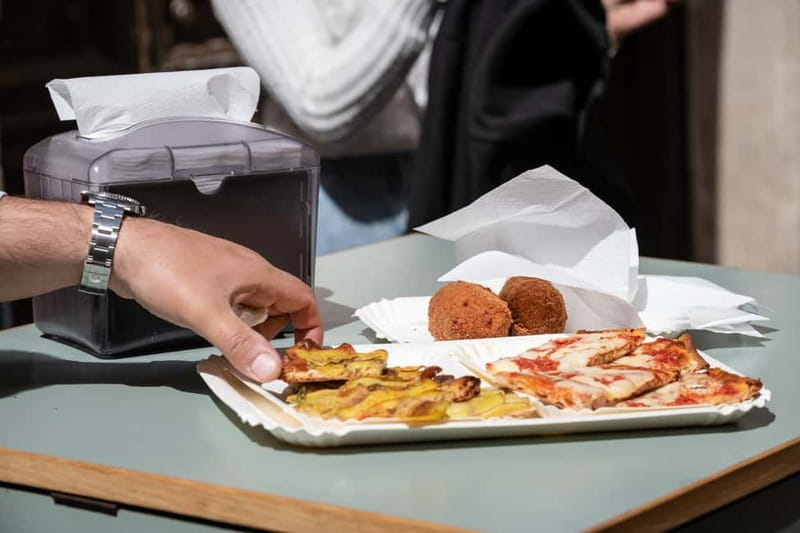
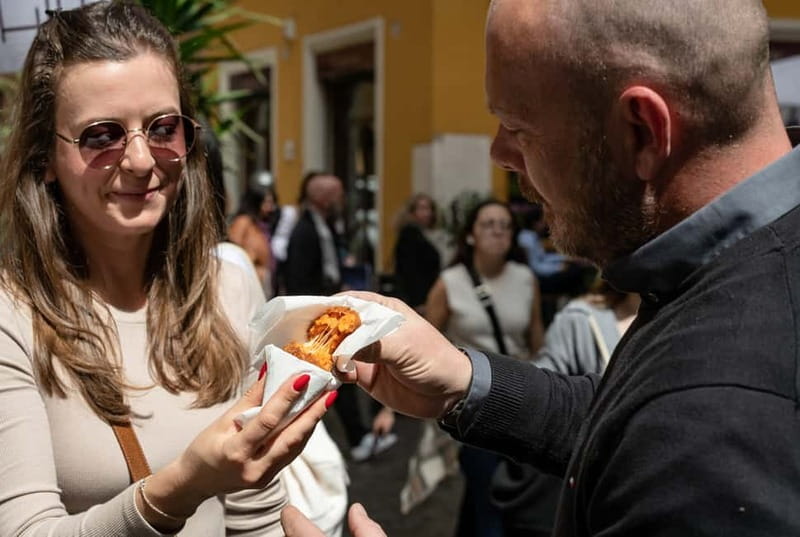
Supplì is one of the essential Roman snacks. It is a deep-fried rice ball with a crisp outside and a soft, savory center. Eat it carefully, since the filling can be hot, and expect it to be more substantial than its small size suggests.
The next tasting introduces porchetta in a panino. This is tender roast pork served in bread, and it gives you a direct sample of the hearty side of central Italian food. The portion helps set expectations for the rest of the walk: five tastings can add up to a very filling outing, especially if you have a small appetite.
The tour also includes Roman-style pizza at a bakery. Roman pizza is generally associated with a thinner, crisper base than the softer, puffier style many people expect from Naples. The bakery stop lasts around 15 minutes, enough time to taste and hear a little about the local food tradition without turning the tour into a formal meal.
Vegetarian options are available, which makes the experience workable for vegetarians who can eat gluten and dairy. You should tell the operator about allergies or restrictions in advance. The stated limits are important: the experience is not suitable for vegans or people with gluten intolerance.
Campo de’ Fiori and the value of going early
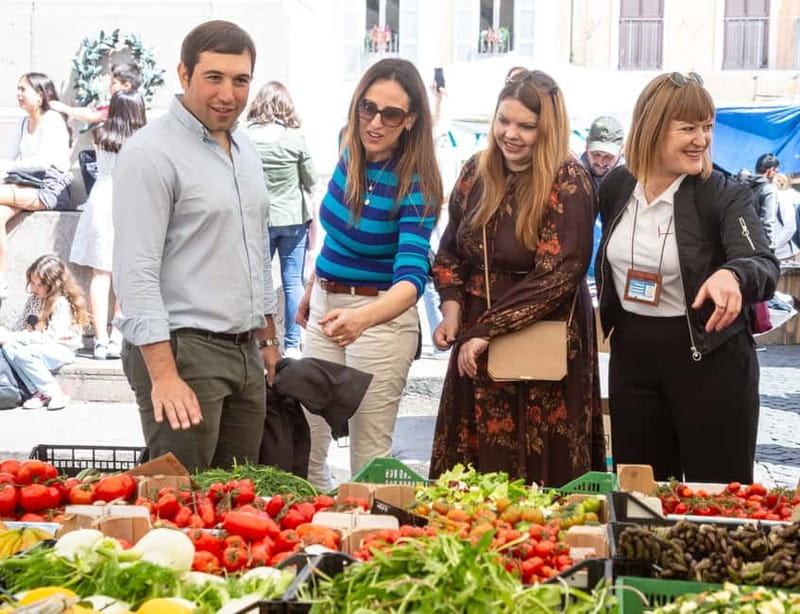
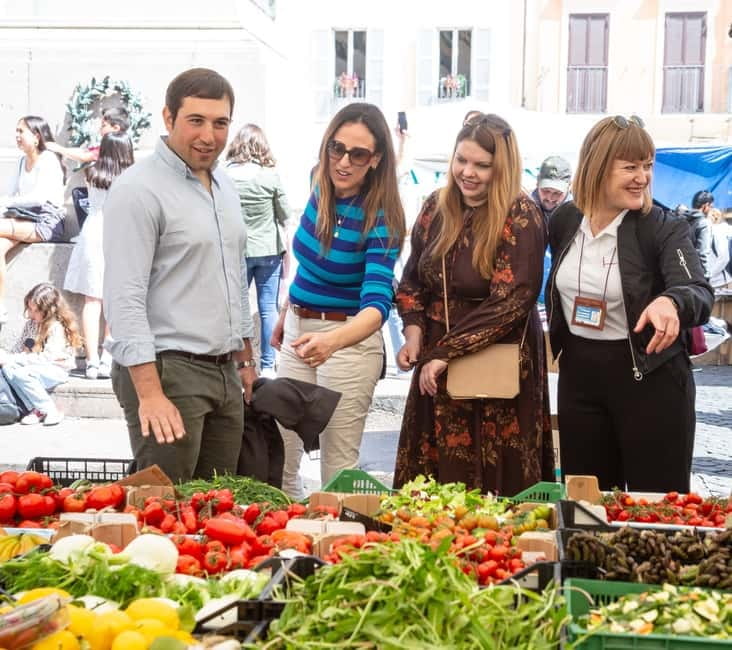
Campo de’ Fiori is one of the most useful stops on the route because it gives you both food and street life. Morning departures include the local fruit market, while later tours do not. If the market matters to you, check the starting time carefully before booking.
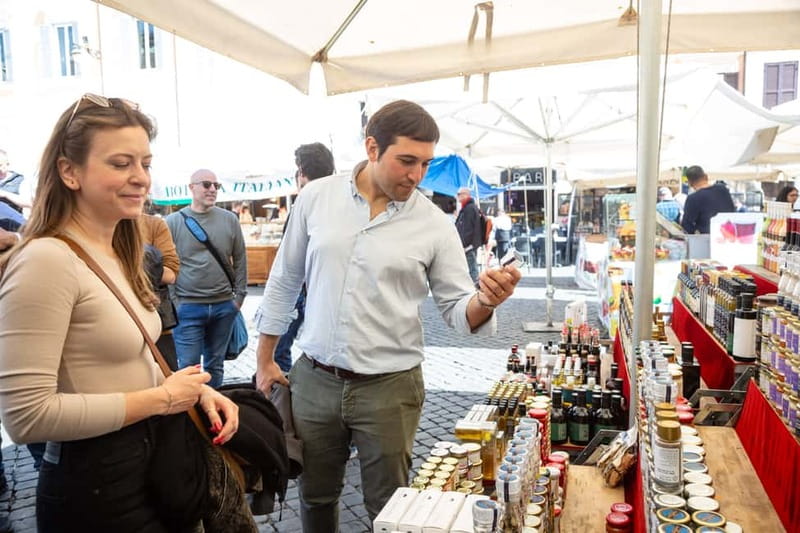
At the morning market, the tour includes tastings of olive oil, truffle products, and vinegar. These are small samples, but they offer a helpful lesson in Italian pantry goods. You can compare flavors and ask questions before moving on to the more filling street food.
The market also gives the guide a natural setting for explaining how Romans shop and eat. The experience is more interesting when you pay attention to the ingredients rather than treating the stop as a quick photo opportunity. You might see fruit, produce, and specialty items that look familiar but taste different from what you find at home.
Campo de’ Fiori has a complicated identity. It is a food market by day and a busy social square later on, with historic associations that your guide may explain as you walk. The tour uses it as a bridge between modern Roman eating and the older city around it.
A morning start does mean eating earlier than some people prefer. If you are looking for an evening activity after a long day of sightseeing, a later departure may suit you better, but you will give up the market and product tastings.
Same city, an entirely different afternoon:
- Vatican Museums & Sistine Chapel Tour with Optional Basilica
★ 4.3 · 67,413 reviews - Colosseum, Roman Forum & Palatine Guided Tour
★ 4.7 · 63,148 reviews - Vatican Museums, Sistine Chapel & St Peter’s Basilica Guided Tour
★ 4.5 · 39,149 reviews - Rome: Colosseum, Palatine Hill and Roman Forum Guided Tour
★ 4.8 · 32,814 reviews
The Jewish Ghetto and carciofo alla giudia
The walk continues toward Rome’s Jewish Ghetto, one of the tour’s most distinctive areas. Here the food story becomes closely tied to community, custom, and place.
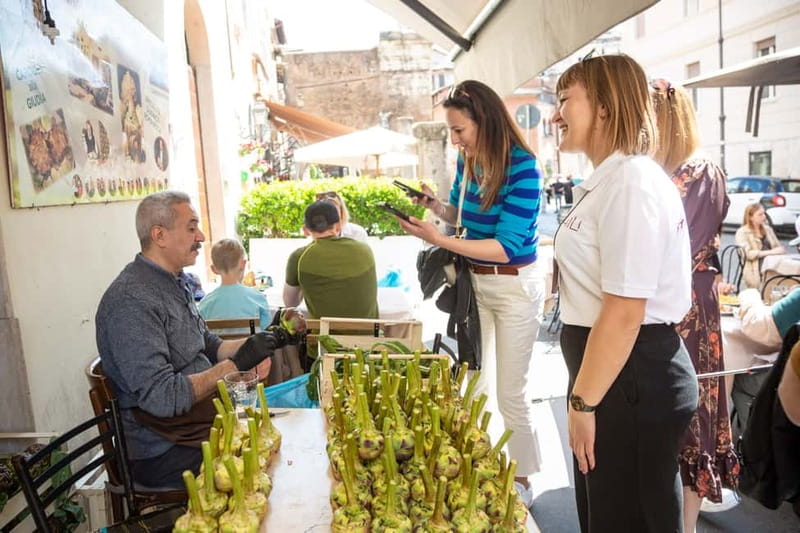
The key tasting is carciofo alla giudia, a Jewish-style fried artichoke. The artichoke is prepared so it opens outward as it fries, creating a crisp, flower-like shape. It is one of Rome’s signature dishes, and tasting it in the neighborhood associated with the tradition gives the food more meaning than ordering a generic vegetable side elsewhere.
The Jewish Ghetto stop lasts about 20 minutes. Your guide also points out the Portico d’Ottavia and the Turtle Fountain. The area is not presented simply as a backdrop for lunch. You hear about its cultural importance and how local cooking developed under particular historical conditions.
This is one of the strongest parts of the route for curious eaters. The fried artichoke is memorable on its own, but the story behind it helps you understand why Roman food can be simple, forceful, and closely linked to a neighborhood.
You should pace yourself here. By this point, you may already have eaten rice, pork, and pizza. The artichoke is a welcome change, but the full set of tastings is closer to a generous snack-meal than a light sample platter.
Ancient Rome between bites
The walking sections provide more than time to digest. The route passes Teatro Marcello, Largo di Torre Argentina, and the Pantheon before ending near Piazza di Sant’Eustachio.
At Largo di Torre Argentina, your guide discusses the murder of Julius Caesar. The ruins are tied to one of the best-known events in Roman history, and seeing the site during an ordinary city walk helps connect the ancient past to the streets you are using now.
The Pantheon is another strong visual stop. You pass by rather than receive a full guided visit, so do not treat this tour as a replacement for a dedicated Pantheon tour. Still, the brief stop adds scale and context. You are tasting food in a city where ancient temples, medieval lanes, Renaissance buildings, and modern cafés occupy the same few blocks.
Teatro Marcello gives the route another ancient landmark, while the Portico d’Ottavia links Roman ruins with the history of the Jewish neighborhood. I appreciate that the sights are not random extras. They create a clear line between Rome’s food customs and the city’s long, sometimes difficult past.
The route includes several walks of three to ten minutes. None is described as a long transfer, but central Rome has uneven paving and crowded streets. The activity is listed as wheelchair accessible, though you should still discuss your specific needs with the operator because food stops and historic streets can vary in ease.
Finishing with gelato near Piazza Sant’Eustachio
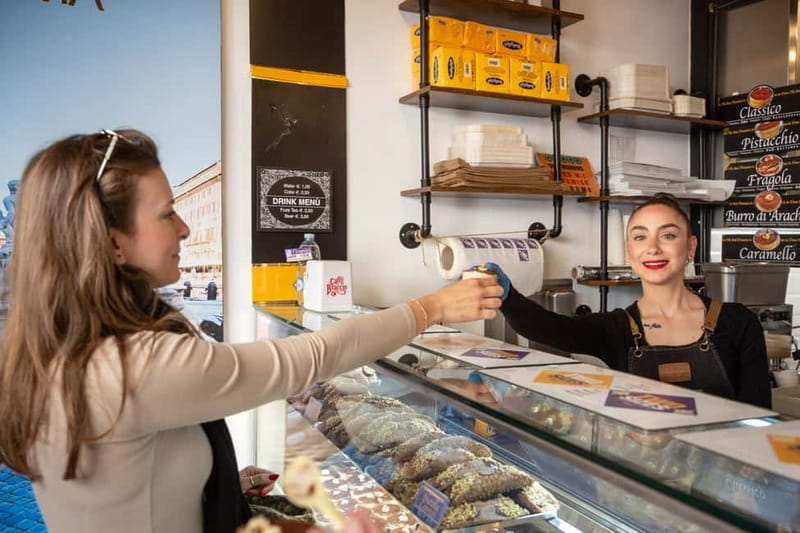
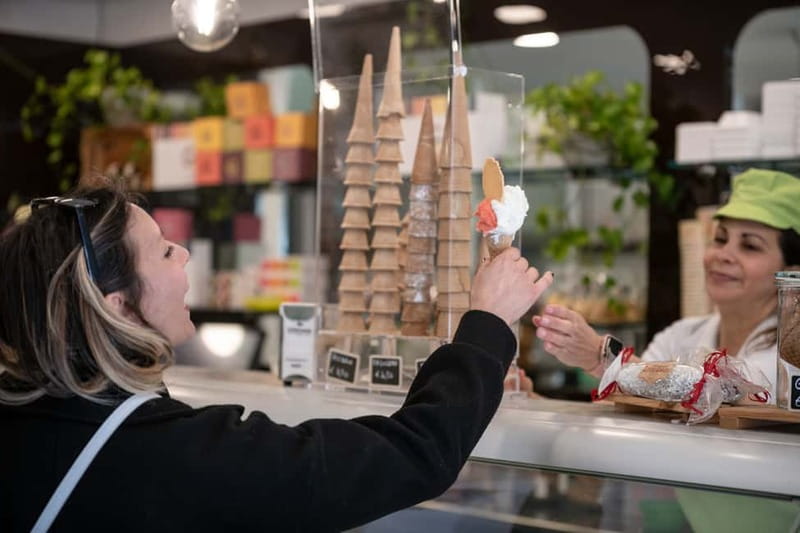
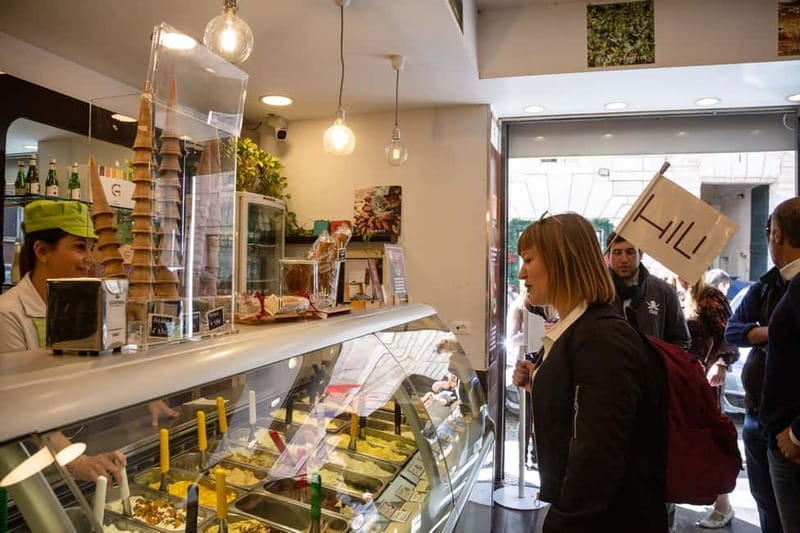
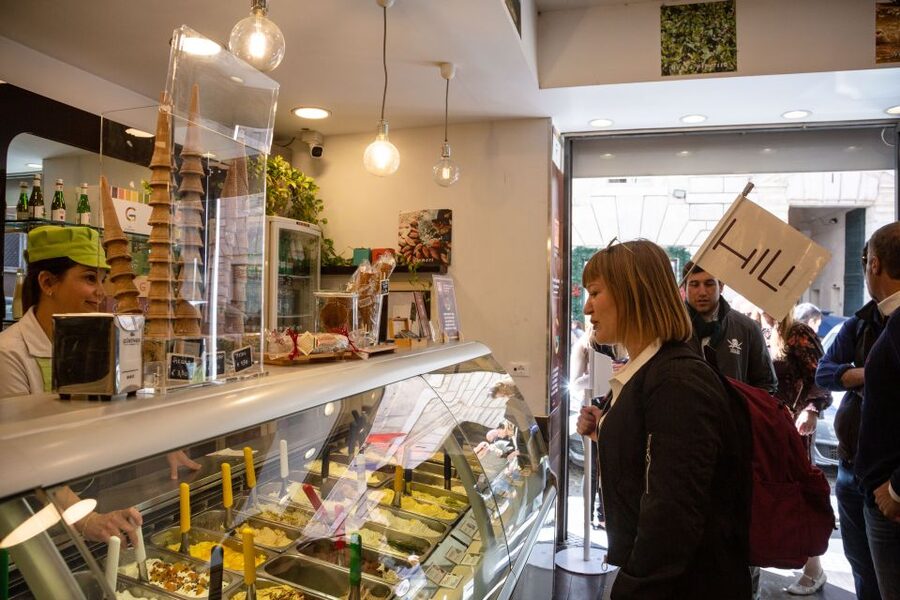
The last tasting is artisanal gelato at Gunther Gelateria, with about ten minutes set aside for dessert. This is a smart finish after the salty foods, and it gives you a chance to ask for help choosing a flavor.
Gelato is not simply ice cream with an Italian label, so the stop can be useful if you want to understand texture and flavor differences. The information provided does not promise a particular flavor selection, so you should expect to choose from what is available on the day.
The itinerary lists the finish at Piazza di Sant’Eustachio, close to the Pantheon. The meeting information also says the activity ends back at the meeting point, so confirm the exact finish arrangement when you book. Either way, you will remain in a useful central area for continuing your sightseeing or finding a nearby café.
How much food do you really get for $36?
At $36 per person, the tour offers five tastings, a local English-speaking guide, and a 2.5-hour walk through several of Rome’s most central districts. I consider that a fair price if you want both a meal introduction and a short orientation to the city.
The value is strongest when you take the tour early in your stay. You can learn what supplì, Roman pizza, porchetta, and carciofo alla giudia should taste like, then use that knowledge for later meals. Guides may also suggest additional restaurants and food addresses, which adds value beyond the tasting portions.
The price does not include drinks. That is easy to overlook, particularly if the food is salty or the weather is warm. Bring money for water or another drink, and remember that the tour is not a substitute for a full restaurant dinner.
I would not choose this experience solely because it is cheap. Its real value comes from the combination of food and place. If you only want a large meal, $36 may feel less satisfying than spending the same amount at a trattoria. If you want several Roman bites, local context, and a walk through the Ghetto, the price is more convincing.
Who should book this Roman food tour?
I would recommend it to first-time visitors, families with older children, and anyone who likes history explained in plain language. One particularly useful detail is that teenagers have enjoyed the mix of food, street scenes, and stories, even when they were not initially excited about a food tour.
It also suits solo participants. A small or reduced group can give you more time with the guide, though group size is not specified and should not be assumed. Guides have been praised for being friendly, patient, and willing to answer questions.
You should skip it if you are vegan, strictly gluten-free, or hoping for a quiet, seated meal. The route is active, the food comes in several portions, and drinks are separate.
Families should mention allergies before arrival. Vegetarian alternatives are available, but the operator needs advance notice of dietary restrictions. You should also be ready to walk over historic paving for much of the 2.5 hours.
Practical advice before you book
Choose a morning departure if Campo de’ Fiori’s market and the oil, truffle, and vinegar tasting appeal to you. A later start still includes the main street foods and landmarks, but the market portion is limited to morning tours.
Take the tour near the beginning of your Rome visit. You will gain a quick sense of local specialties and may receive useful suggestions for later meals. Several guides, including Julia, Claudio, Fiammetta, Daniele, and Matteo di Marco, have been praised for making recommendations beyond the planned route.
Eat lightly beforehand. Supplì, porchetta, pizza, fried artichokes, and gelato are not tiny decorative samples. The portions are described as generous enough to make the outing feel like a substantial meal.
Wear comfortable shoes and bring water money. The tour includes short walks between stops, but Rome’s center rewards shoes that can handle stone streets and uneven paving.
Finally, tell the operator about allergies and dietary restrictions. The tour is listed in English and led by a licensed local guide. Free cancellation is available up to 24 hours before the activity, and you can reserve now and pay later, which helps if your Rome schedule is still changing.
Should you book it?
Book this tour if you want a friendly introduction to Roman food with real neighborhood context. The strongest reasons are the morning market option, the Jewish Ghetto’s fried artichoke, and the guide-led links between food, Caesar’s assassination site, ancient monuments, and daily Roman life.
I would choose it for the first or second day of a Rome stay, especially at the morning time. Skip it if your diet rules out gluten and animal products, or if you prefer a single long meal instead of several tastings while walking. For most omnivorous and vegetarian visitors who want food, stories, and a useful central route, $36 is a sensible buy.
FAQ
How long does the Rome food tour last?
The tour lasts 2.5 hours. Starting times vary, so check availability for the date you want.
Where does the tour begin?
Meet your guide at the fountain in the center of Piazza di San Simeone.
Where does the tour end?
The itinerary lists Piazza di Sant’Eustachio as the finish. The meeting information also says the activity ends back at the meeting point, so confirm the precise end location when booking.
What food is included?
The tastings include a panino with porchetta, supplì, Roman-style pizza, Jewish-style fried artichokes, and artisanal gelato.
Are drinks included?
No. Drinks are not included in the price.
Does the tour visit Campo de’ Fiori market?
Yes, but the local fruit market is included only on morning tours.
What extra tastings are available on morning tours?
Morning tours include tastings of olive oil, truffle products, and vinegar.
Are vegetarian options available?
Yes, vegetarian options are available. The operator asks you to provide allergy and dietary information in advance.
Is the tour suitable for vegans or people with gluten intolerance?
No. The activity is listed as unsuitable for vegans and people with gluten intolerance.
Is the tour wheelchair accessible?
Yes, the activity is listed as wheelchair accessible. You should still tell the operator about your specific accessibility needs before the tour.
What language is the tour offered in?
The tour is conducted in English by a live local guide.
Can I cancel the booking?
You can cancel up to 24 hours in advance for a full refund. The activity also offers a reserve-now, pay-later option.
Fresh on the Rome list
- Exclusive Golf Tour Private VIP with Local & Gelato o Wine★ 5.0 · 500 reviews
- Colosseum, Palatine Hill and Roman Forum with Guided Tour★ 5.0 · 500 reviews
- Rome Trastevere Pasta Making Class with Eating Europe★ 5.0 · 505 reviews
- Rome by Night Walking Tour★ 4.5 · 506 reviews
- Rome: Colosseum Express Tour with Forum & Palatine Access★ 4.5 · 511 reviews
- Rome Food Experience Max 6 People Group Tour | w/Private Option★ 5.0 · 516 reviews
- Rome: Navona Square Underground Ticket with Audio Guide★ 4.0 · 518 reviews
- Rome: Escorted Papal Audience Experience with Entry Ticket★ 4.4 · 518 reviews
Food Tours, compared.
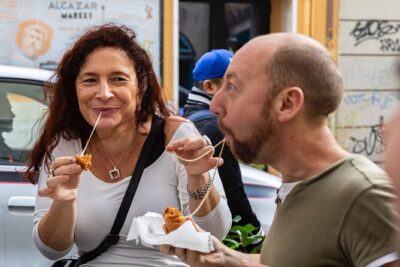
Winner 2025 Rome Twilight Trastevere Food Tour by Eating Europe
Read our review →
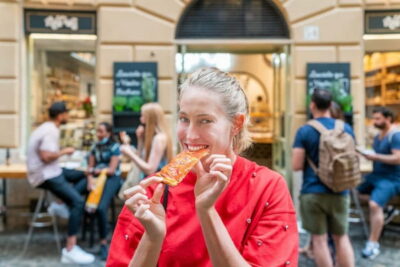
Trastevere or Jewish Quarter Street Food Tour
Read our review →
Cinque Terre Park Day Trip with Optional Street Food
Read our review →
Rome Food Tour: Unlimited Tastings with Fine Wine & Barolo
Read our review →
Eat Like a Local: Venice 3-Hour Small-Group Food Tasting Tour
Read our review →
Trastevere Food tour with Free-Flowing Fine Wine
Read our review →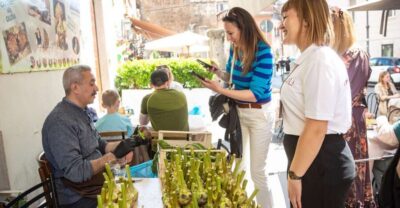
Trastevere & Campo de Fiori Street Food Walking Tour
Read our review →Browse the lists this tour appears in