Reviewed · ROME TOURS
Rome: Domus Aurea Tour with Virtual Reality Experience
The most memorable part of this Domus Aurea tour is the way it joins fragile ancient rooms with a 3D reconstruction of Nero’s unfinished Golden House. I like the newly reopened west wing, with its frescoed halls and lofty passageways, and I like the way the virtual reality section helps you picture the palace before later emperors buried it beneath their own buildings.
The main caution is practical: the meeting point can be hard to find, and the outside introduction may feel long before you enter. The site itself is also unsuitable for wheelchair users and people with mobility limitations. Still, a strong guide such as Alexei, Rosario, Linda, or Yev can make a complicated story easy to follow.
Key points to know before you book
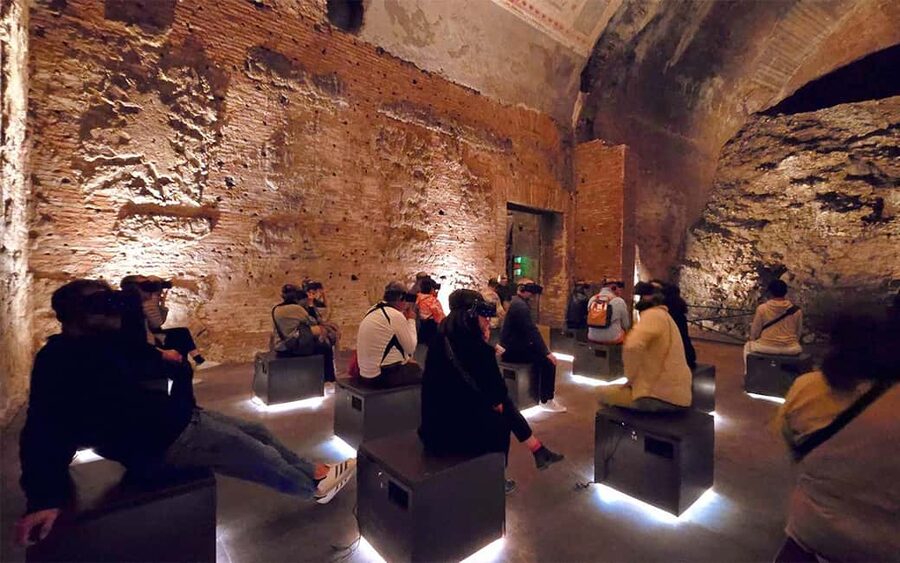
- The virtual reality reconstruction gives the missing palace back to you: You see how Nero’s halls, porticoes, gardens, fountains, and light-filled spaces may have looked at their peak.
- The newly reopened west wing adds real value: You explore both the east and west sections, including around 30 frescoed halls.
- The story reaches far beyond Nero: The tour connects the palace to the fire of 64 AD, the Colosseum, Trajan’s Baths, and the Renaissance rediscovery of Roman art.
- The site feels different from Rome’s headline monuments: The Domus Aurea is an active archaeological site with limited access and fewer crowds than the Colosseum.
- The meeting point needs care: Look for the guide holding an Open Mind Tours sign outside the Domus Aurea, and allow extra time to get oriented.
- You need comfortable shoes and a jacket: Large bags, luggage, selfie sticks, tripods, professional cameras, drones, pets, weapons, aerosols, and glass objects are not permitted.
Why the Domus Aurea feels so different
Rome gives you plenty of monuments that are open to the sky. The Domus Aurea is the opposite. You enter a buried palace, walk through shadowy vaulted spaces, and try to read delicate wall paintings that survived centuries of neglect, moisture, and later construction.
That hidden setting changes the mood. You are not looking at a complete imperial residence with polished floors and intact furniture. You are seeing a vast archaeological shell, with walls and ceilings under constant care. The pleasure comes from working out what is still there, then using the virtual reality presentation to fill in the gaps.
The scale is the first surprise. Nero’s palace was far larger than many people expect, and the tour takes you through about 30 frescoed rooms and passages. The surviving rooms are only part of the original complex, but they give you a strong sense of its ambition.
I especially like that the visit does not treat the Domus Aurea as a collection of pretty paintings. The guide explains the palace as a political statement, a work of engineering, and a reflection of Nero’s taste. That makes the rooms easier to understand and keeps the visit from becoming a parade of names and dates.
A few other Rome mornings to weigh against this
- Vatican Museums & Sistine Chapel Tour with Optional Basilica
★ 4.3 · 67,413 reviews - Colosseum, Roman Forum & Palatine Guided Tour
★ 4.7 · 63,148 reviews - Vatican Museums, Sistine Chapel & St Peter’s Basilica Guided Tour
★ 4.5 · 39,149 reviews
Meeting your guide outside the palace
Your meeting point is outside the Domus Aurea at approximately 41.891132, 12.495589. Look for the guide carrying an Open Mind Tours sign. Your GetYourGuide voucher is not the admission ticket, since the guide holds the actual entry materials.
This detail matters. Do not walk up expecting to show the voucher at the entrance and go straight in. The guide first gathers the group and gives an introduction, while entry into the Domus takes place at least 20 minutes after the scheduled guide presentation.
Finding the exact meeting spot has caused trouble for some people. The address can be unclear, and one person had to call the company to locate the guide. I would arrive early, save the coordinates on your phone, and avoid cutting things close after another appointment.
The opening talk sets Nero within the larger story of Rome, from the city’s early development through the Republic and the imperial period. Guides such as Alexei have been praised for making this background lively and approachable. Rosario has also been singled out for a clear introduction to Nero’s palace and its construction.
The quality of this first section can vary with the guide. Some people find it useful preparation. Others feel it is longer than needed, especially because the guide inside the Domus provides the strongest explanation of the site. If you already know Roman history well, you may be ready to move on sooner.
Entering the east and west wings
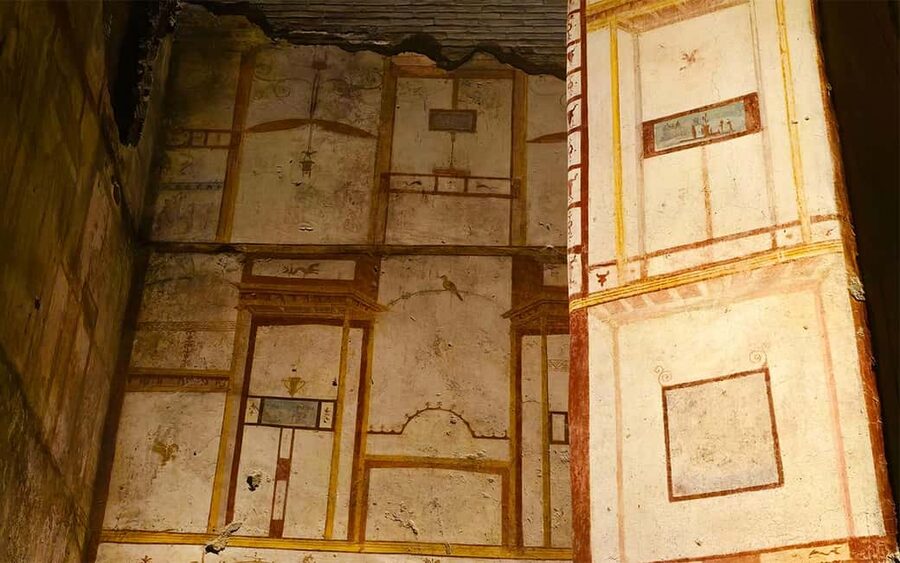
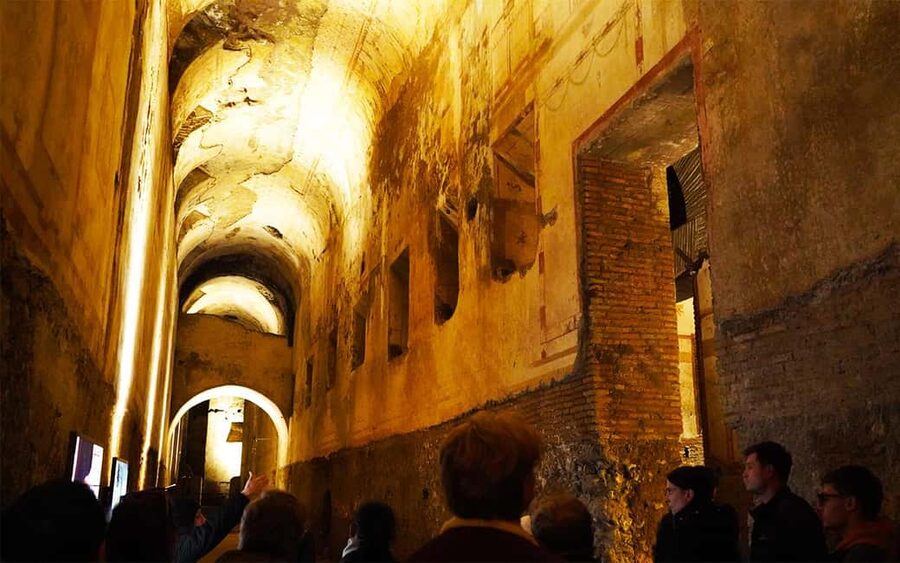
The guided visit inside the archaeological site lasts about 105 minutes. You walk through both the east wing and the recently reopened west wing, seeing vaulted rooms, high corridors, and surviving wall decoration.
The west wing is an important reason to choose this version of the tour. A return visit can feel substantially different because access now includes areas that were not part of earlier visits. The reopening also gives you a broader idea of the palace’s size and layout.
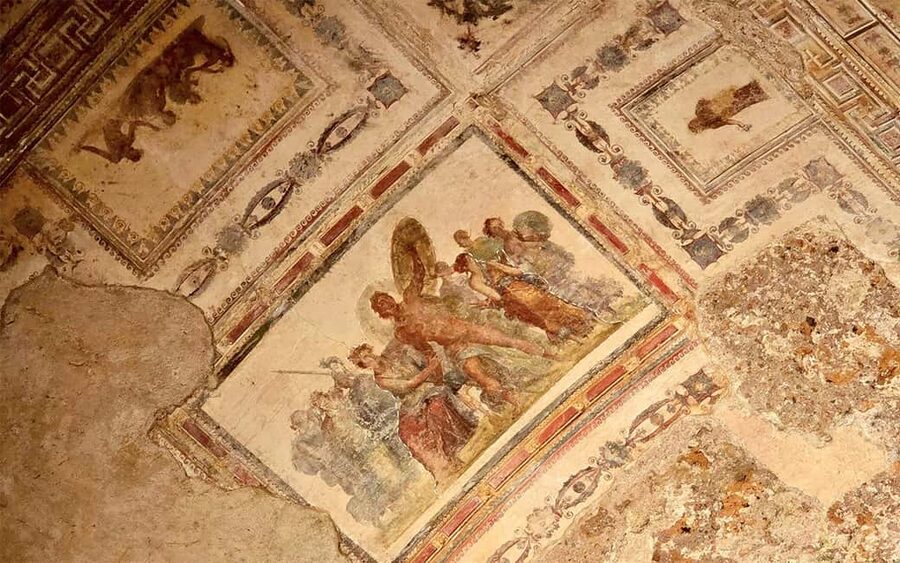
The frescoes are the visual prize. Their designs include unusual figures and imaginative motifs that later influenced Renaissance artists. The paintings are not displayed in the bright, open setting they once had. Instead, you see them in carefully managed rooms where conservation comes first.
That restraint is worth accepting. Some areas may feel dark, and you may not always have a clear view of every detail if the group is spread through a large room. One person found that the guide began speaking before the whole group had gathered, while another found it hard to hear when standing away from the guide.
For that reason, stay close and watch where the group stops. The rooms are not ideal for a large crowd, and there is limited written information to fall back on if you miss part of the explanation. A smaller group would make the visit easier, but the supplied details do not promise a particular group size.
Nero, the fire, and the Golden House
Nero’s reputation often arrives before he does. Popular culture presents him as a mad emperor fiddling while Rome burned. The tour takes a more careful approach, separating later stories from what can be said about his actions and character.
The fire of July 64 AD destroyed much of Rome and caused enormous loss of life. The explanation here presents Nero as being at his seaside villa outside Rome when the fire began, rather than personally setting it. Afterward, he opened his gardens to people without homes, distributed essential supplies, lowered the price of grain, and introduced building rules intended to reduce the chance of another disaster.
Those measures did not save his reputation. He was accused of delaying rescue work and failing to provide enough money for rebuilding. The destruction also gave him room to expand his palace into areas of the city that had burned.
This is where the Domus Aurea becomes politically uncomfortable. Nero’s palace was not merely a private house. It spread across a huge section of Rome and included a private lake, lavish decoration, gardens, fountains, porticoes, and grand halls. Even if some stories about Nero are exaggerated, the building itself explains why public anger grew.
A good guide also points out that Nero was not simply a cartoon villain. The tour looks at his artistic sensitivity, unusual tastes, and sharp intellect. The strange images in the frescoes can be read as signs of an eccentric artistic culture, not proof that the emperor was insane.
That wider view is one of the tour’s strongest features. You are encouraged to judge the building and its owner in context, without excusing the excess or accepting every old accusation as fact.
Same city, an entirely different afternoon:
- Rome: Colosseum, Palatine Hill and Roman Forum Guided Tour
★ 4.8 · 32,814 reviews - Rome: Guided Tour of Colosseum, Roman Forum & Palatine Hill
★ 4.7 · 27,897 reviews - Rome: Colosseum & Forum with Audio Guide App -Optional Arena
★ 4.2 · 24,770 reviews - Rome: Colosseum, Roman Forum and Palatine Hill Guided Tour
★ 4.5 · 23,903 reviews
The Octagonal Room and Roman engineering
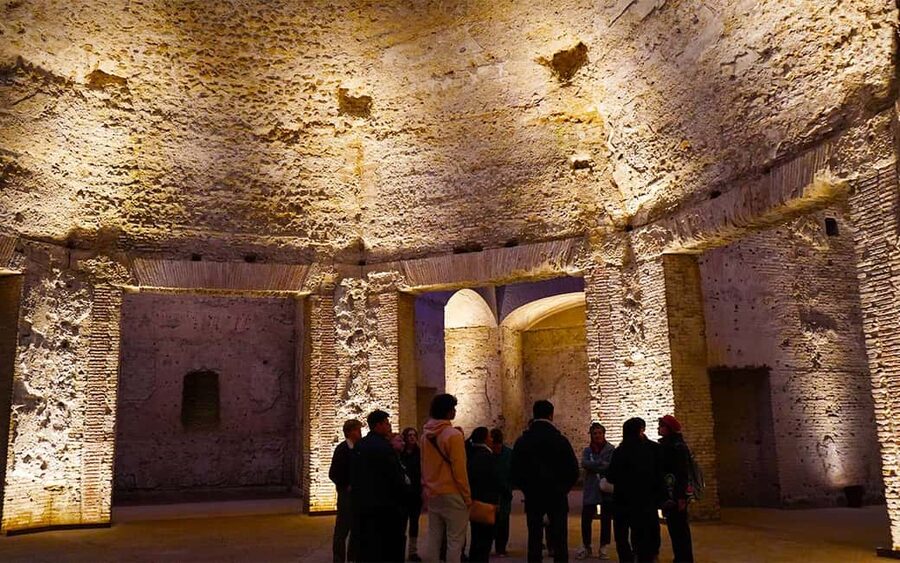
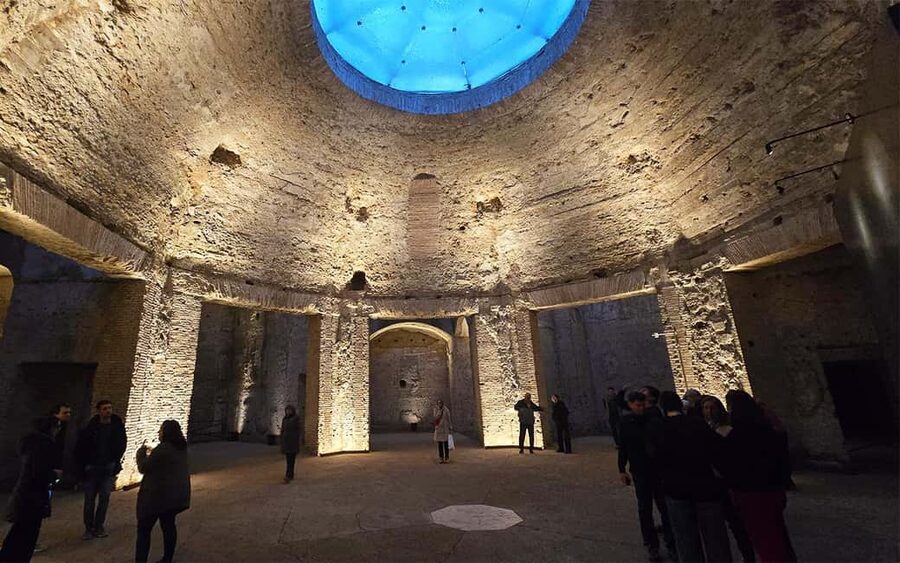
The walk eventually brings you to the impressive Octagonal Room, one of the most memorable spaces in the complex. Its design has led to the idea that the ceiling may once have rotated, allowing the room to create a theatrical effect for the emperor and his guests.
The tour uses this room to show what Roman builders could accomplish. The Domus Aurea was a technical project as much as an artistic one, with vast vaults, carefully planned corridors, water features, and controlled light.
You might be especially interested if you work in construction, architecture, engineering, or conservation. One visitor with a background in heavy construction found the ancient materials, building systems, and surviving artwork particularly absorbing. You do not need that background, though. The guide explains enough for you to understand why the structure remains remarkable.
The contrast between engineering and extravagance is part of the fun. Roman builders created a palace that manipulated space, water, shade, and light, all to produce wonder. At the same time, the project consumed resources at a moment when ordinary Romans were dealing with a devastated city.
The virtual reality finale
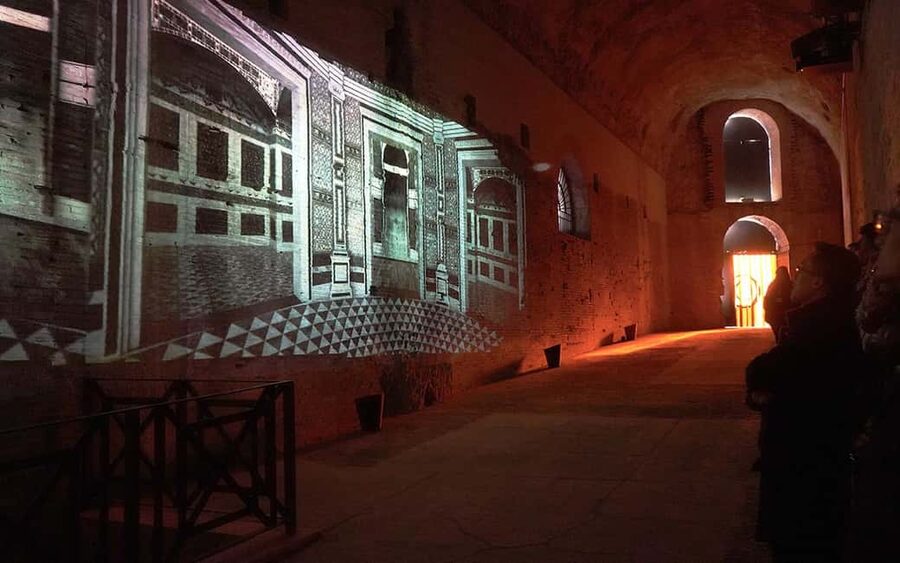
The virtual reality reconstruction is the clearest reason to take a guided version rather than simply walk through the ruins alone. During the seated portion, you see the palace rebuilt in 3D, including interior halls and an elaborate exterior portico.
The presentation shows the Domus Aurea at its height, even though construction was not complete when Nero died. It helps you understand the relationship between rooms, gardens, fountains, porticoes, and the streams of light that once shaped the palace.
Pay attention in every direction during the virtual section. The reconstruction is designed to surround you, and looking only straight ahead means missing part of the effect.
The technology does not replace the ruins. It works because you first see the actual walls, ceiling forms, and fresco fragments. Once the virtual reconstruction begins, you can match the imagined palace to the archaeological evidence. That connection makes the experience more useful than a stand-alone digital show.
The VR section is seated, which gives you a short break during the visit. It has also been a particular highlight for people who visited Pompeii or other Roman sites earlier in the week. If you have trouble following a long spoken explanation, the visual reconstruction may make the palace much easier to grasp.
From Nero’s lake to the Colosseum
The story does not end with Nero’s death in June 68 AD. The next emperor, Vespasian, built the Colosseum where Nero’s private lake had been. That choice was practical, symbolic, and political.
A giant public arena helped Vespasian present himself as an emperor who served Rome rather than one who claimed vast private spaces. The popular gladiator games also gave the public a new reason to support the ruling family.
About 50 years later, Trajan built a large bath complex over the buried Golden House. The Domus Aurea disappeared from view for roughly 1,500 years. This layering is one of the best reasons to visit the site. You are not seeing an isolated palace. You are seeing one stage in Rome’s habit of building over its own past.
Renaissance artists rediscovered the buried rooms in the 1500s. They entered through openings from above and copied the fresco designs, helping spark renewed European interest in ancient Roman art. The word grotesque itself is tied to these underground discoveries, since the paintings were found in what seemed like grottoes.
The guide’s job is to connect these periods without making the visit feel like a lecture. Linda has been praised for explaining the discovery and excavation clearly, while Yev has been remembered for a detailed and engaging presentation from start to finish. You may have two guides, one for the outside introduction and another from the Domus itself.
Comfort, access, and practical limits
Wear comfortable shoes. The visit involves walking through an archaeological site rather than a smooth museum gallery, and the building’s buried setting makes a jacket useful even in Rome’s summer heat.
The Domus Aurea is not suitable for wheelchair users or people with mobility impairments. Large bags and luggage are not allowed, so plan to visit before collecting your bags or after leaving them somewhere permitted.
The tour is conducted in English. Several guides have been praised for clear speech and strong command of the subject, but communication is not perfect in every group. One person found the inside guide difficult to understand, and another felt that the guide did not manage a large group well.
I would choose a place near the guide and ask politely if you cannot hear. The rooms can swallow sound, and a guide may start before everyone has arrived. This is a site where missing two minutes of explanation can leave you confused about the room you are standing in.
The entrance uses a separate access point, which helps with timing. Still, do not assume skip-the-line access means no waiting at all. The guide needs to assemble the group and coordinate entry.
Is the two-hour experience good value?
No price is provided here, so I cannot judge the exact cost. I can judge what you receive for the fee: a two-hour visit, an English-speaking guide, organized admission, access to the east and west wings, and a 3D reconstruction that would be difficult to understand from the ruins alone.
The value is strongest if you want context. The palace is large, partly buried, and not self-explanatory. A person interested in art, archaeology, Roman engineering, or imperial politics will get much more from a guided visit than from wandering past the rooms without a clear plan.
The value is weaker if you prefer to move at your own speed or already know the Domus Aurea well. The outside introduction may feel unnecessary, and the main guide’s quality matters greatly. If a direct booking with the archaeological site is available at a much lower cost, compare what it includes before paying extra for the third-party organization.
Free cancellation is available up to three days in advance, which gives you some planning flexibility. Check the available starting times before building the rest of your day around the visit.
Who should book the Domus Aurea tour?
I recommend it most strongly for first-time visitors who have already seen the Colosseum or Roman Forum and want a less familiar side of imperial Rome. It is also a good fit for anyone who likes archaeology, ancient construction, wall painting, or the way technology can explain damaged places.
Families with older children may enjoy the VR reconstruction, though the dark rooms, walking, and long explanations will not suit every child. Anyone with mobility limitations should choose another Roman site.
You should also book it if the west wing matters to you. That recently reopened section adds a genuine reason to visit now, especially if you saw the Domus Aurea several years ago.
Should you book this Rome Domus Aurea tour?
Book it if you want the palace explained rather than merely seen. The best parts are the newly opened west wing, the surviving frescoes, the Octagonal Room, and the virtual reconstruction that restores the palace’s lost scale.
Approach it with realistic expectations. This is a delicate archaeological site, not a fully restored imperial palace. The meeting point can be confusing, the opening talk may run long, and large groups can make hearing difficult.
If you arrive early, stay near the guide, wear a jacket, and keep an open mind about Nero, you get one of Rome’s more unusual historical visits. The Colosseum shows imperial power in public. The Domus Aurea shows what that power looked like when one emperor turned much of Rome into his private stage.
FAQ
How long does the Domus Aurea tour last?
The full activity lasts about two hours. The guided visit inside the Domus Aurea lasts approximately 105 minutes, with the remaining time used for meeting, introduction, entry, and the virtual reality presentation.
What language is the tour conducted in?
The tour is conducted in English with a live English-speaking guide.
Where do I meet the guide?
Meet outside the Domus Aurea at approximately 41.891132, 12.495589. Look for the guide holding an Open Mind Tours sign.
Is the voucher the admission ticket?
No. The voucher is not the entry ticket. The guide holds the admission materials, so wait for the guide before going to the entrance.
How early should I arrive?
The entry takes place at least 20 minutes after the scheduled guide presentation. Arrive early because the meeting point can be difficult to locate.
Does the tour include the newly reopened west wing?
Yes. The experience includes both the east wing and the recently reopened west wing of the Domus Aurea.
Is the virtual reality portion seated?
Yes. The virtual reality experience takes place during a seated section of the tour.
Is the Domus Aurea accessible for wheelchair users?
No. The activity is not suitable for wheelchair users or people with mobility impairments.
Fresh on the Rome list
- Guided tour of the Colosseum, Roman Forum and Palatine in Spanish★ 4.5 · 191 reviews
- Rome: Guided Catacombs Tour & Capuchin Crypt (Audio Guide)★ 4.3 · 191 reviews
- Rome: Borghese Gallery Guided Tour with Skip-the-Line Ticket★ 4.5 · 192 reviews
- Rome: Arena Colosseum Tour with Arena Access★ 4.6 · 193 reviews
- Rome: Colosseum & Roman Forum Guided Tour★ 5.0 · 194 reviews
- Colosseum, Forum, Palatine Hill with audio guide and Arena or Bus option★ 4.0 · 193 reviews
- Rome: Domus Aurea Guided Tour and Virtual Reality Experience★ 4.7 · 194 reviews
- Rome Vintage Fiat 500 car Tour With Photographer★ 5.0 · 194 reviews
Rome Tours, compared.
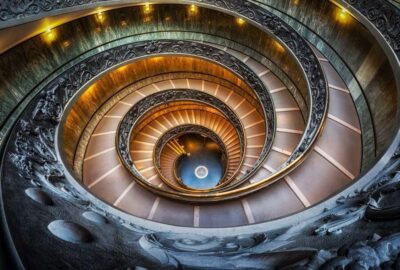
Vatican Museums & Sistine Chapel Tour with Optional Basilica
Read our review →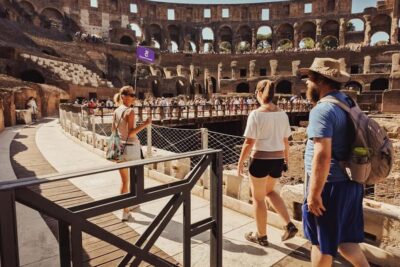
Colosseum, Roman Forum & Palatine Guided Tour
Read our review →
Vatican Museums, Sistine Chapel & St Peter’s Basilica Guided Tour
Read our review →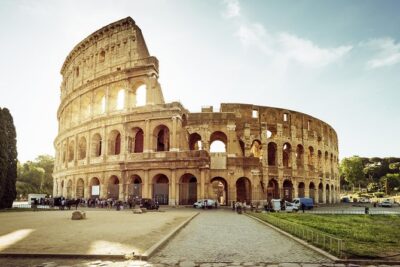
Colosseum, Palatine Hill and Roman Forum Guided Tour
Read our review →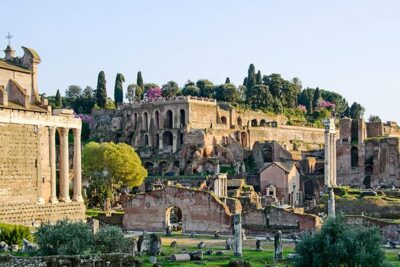
Guided Tour of Colosseum, Roman Forum & Palatine Hill
Read our review →
Colosseum & Forum with Audio Guide App -Optional Arena
Read our review →
Colosseum, Roman Forum and Palatine Hill Guided Tour
Read our review →