Reviewed · TICKETS
Rome: Catacombs of Priscilla Entry Ticket & Guided Tour
Rome’s Catacombs of Priscilla preserve an unusually intimate view of early Christian life. Below Via Salaria, you’ll walk through old burial galleries, see fragile paintings from the third century, and learn why this place became one of Rome’s most important Christian cemeteries. The famous image of the Virgin Mary and child is a major highlight.
I like the small group of up to 10 people, which matters in narrow underground passages. I also like the guides’ mix of archaeology, art, and faith, especially when guides such as Sister Lydia, Sister Lidia, Alexandra, and Clara lead the discussion. The main drawback is the short 45-minute visit, and the catacombs are not suitable for people with mobility impairments.
Key things to know before you go
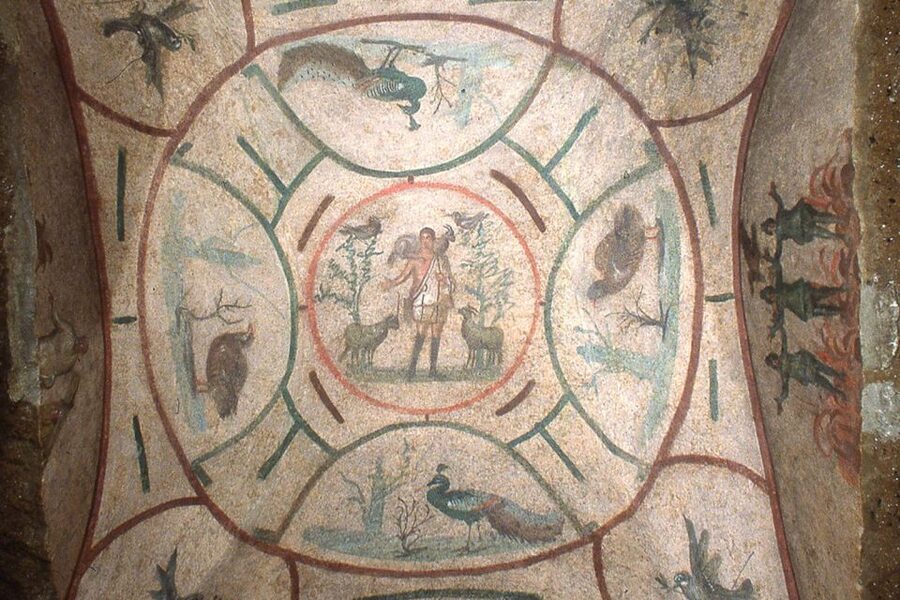
- Third-century Christian art: See some of the oldest surviving Christian paintings, including an early image of Mary and Jesus.
- A different kind of Roman site: This is quieter and more reflective than the Colosseum or Trevi Fountain.
- Two underground levels: The catacomb began as an abandoned sand quarry and later became a Christian burial ground.
- Small guided groups: Tours are limited to 10 people, making it easier to hear and ask questions.
- Cool and narrow below ground: The temperature offers relief from Rome’s summer heat, but bring an extra layer.
- No photography: Cameras and phones must stay away inside the catacombs, though postcard prints of the artwork may be available.
Why the Catacombs of Priscilla feel different from Rome’s big sights
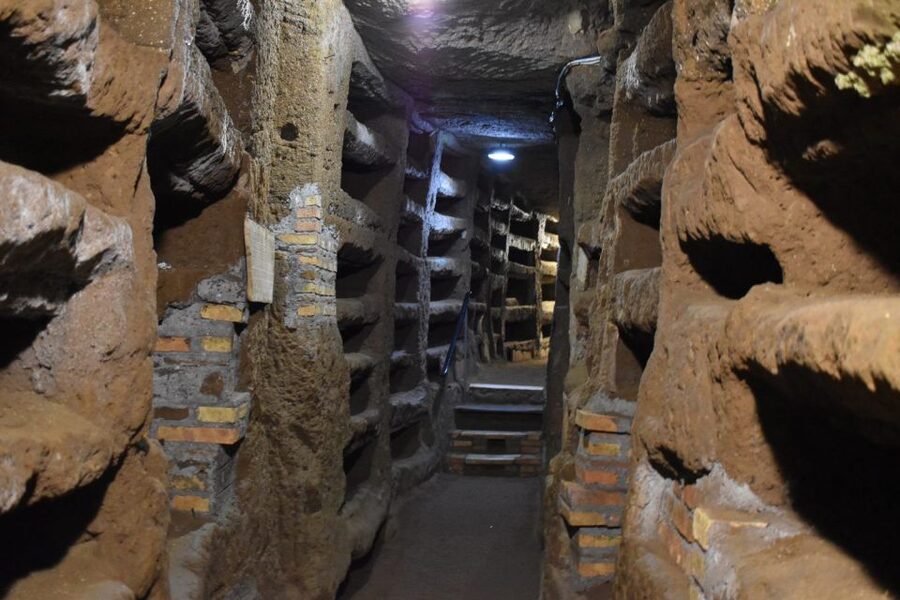
Rome can make you feel as if you are racing from one monument to the next. The Catacombs of Priscilla slow things down. You leave the busy streets and enter a dark network of galleries created for burial and funeral remembrance by Rome’s early Christian community.
The site is on Via Salaria, away from the main concentration of ancient monuments. That distance is part of the appeal. You won’t get the grand scale of the Colosseum or the polished drama of the Vatican Museums. Instead, you get a modest entrance, a cool underground setting, and a close look at how people remembered their dead nearly two thousand years ago.
I find the setting especially useful if you have already seen Rome’s standard sights. The catacombs provide a different window into the city, one focused less on emperors and public spectacle and more on family, belief, burial, and community.
The tour is also a good choice on a hot afternoon. The underground rooms are cool, though the same conditions mean you may want a light top, even in summer. One practical point matters: the paths are narrow and the experience is not suitable for people with mobility impairments.
A few other Rome mornings to weigh against this
- Rome: Pantheon Fast-Track Ticket and Official Audio Guide
★ 4.3 · 21,008 reviews - Rome:Hop-On Hop-Off Panoramic Open Bus Ticket 3 Circuits x 1
★ 4.0 · 15,405 reviews - Vatican Museums & Sistine Chapel Skip-the-Line Entry Ticket
★ 4.4 · 13,838 reviews
From abandoned quarry to Christian cemetery
The Catacombs of Priscilla did not begin as a purpose-built Christian cemetery. The underground site was first an arenarium, a place where sand was extracted. After it was abandoned, Christians began using its irregular galleries for burials around the start of the third century.
That unusual beginning helps explain the shape of the site. Rather than following a neat plan, the passages developed through existing underground spaces and later excavation. On the first floor, early Christians created about 20 larger niche tombs and cut hundreds of smaller burial niches into the walls.
Your guide helps you read these spaces. Without an explanation, a corridor lined with rectangular openings can look repetitive. With context, each section reveals a practical burial system and a record of a growing religious community. The walls show how much work went into making room for the dead, while the surviving paintings show how early Christians expressed their beliefs.
The catacomb extends over two floors. The first level contains the large, irregular galleries associated with the earliest Christian use of the site. Nearby, you’ll hear about the cryptoporticus and the Greek Chapel, an underground space linked to a former noble family burial area.
The tour does not turn the catacombs into a theatrical attraction. That restraint is a strength. The place remains focused on archaeology and religious memory, rather than effects, loud interpretation, or staged scenes.
The paintings that make Priscilla worth your time
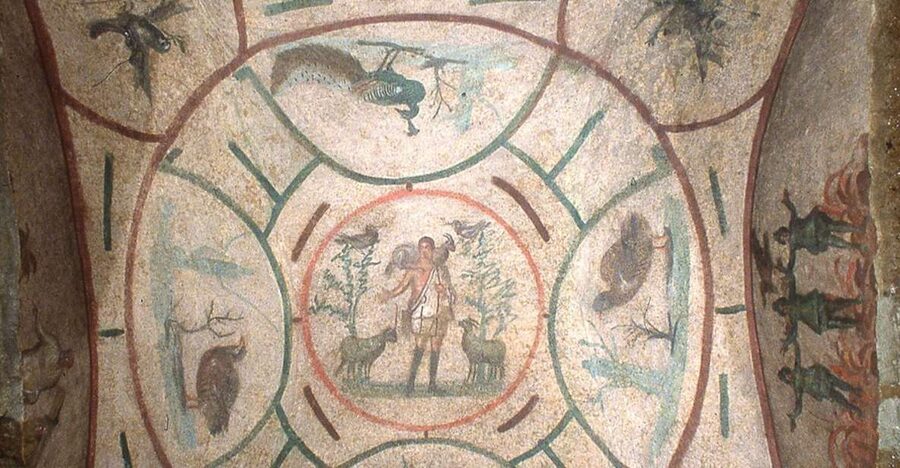
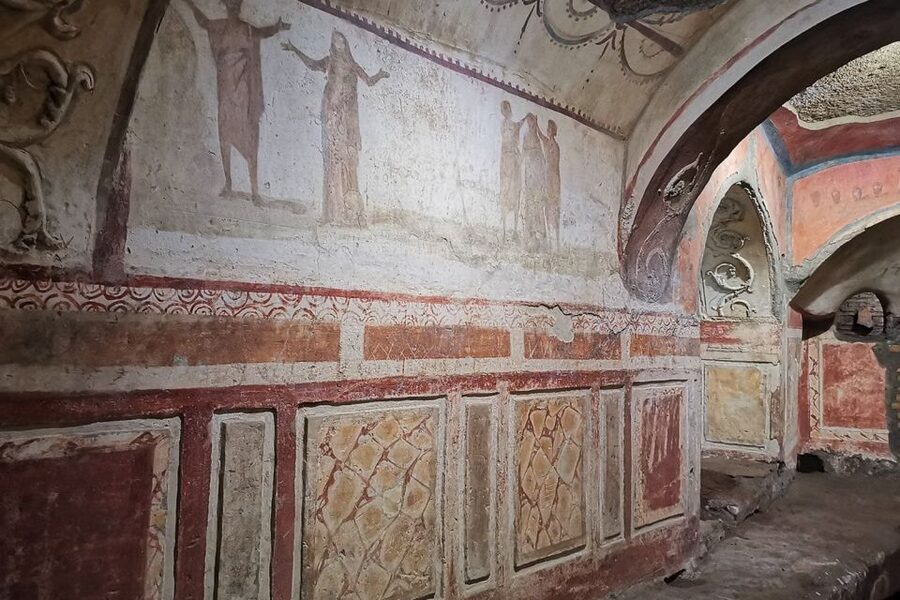
For many people, the paintings are the main reason to visit. Some date from around 240 to 280 AD, and their survival underground is remarkable. You may see Christian symbols and scenes connected with faith, burial, and the hope of eternal life.
The most widely noted image is an early depiction of the Virgin Mary with the infant Jesus. It is often described as the oldest known image of Mary and Jesus found so far. You should not expect a large, bright fresco like those in a major church. The artwork is ancient, delicate, and viewed in a confined setting.
That scale is exactly what makes it moving. You are looking at marks made by people in the early Christian era, preserved in the same underground world that served their community. The experience asks you to look closely rather than stand back and admire a vast wall.
Photography is not allowed inside. That may disappoint you, especially if you are used to recording every Roman sight on your phone. I think the rule also encourages you to pay attention to the guide and the artwork itself. If you want a keepsake, postcard prints of some art may be available for a small price.
Your guide’s explanation adds much of the value here. Several guides are students or teachers of ancient Christian art, and the strongest tours connect what you see with the beliefs and burial practices of the people who created it. The best guides also pause for questions instead of rushing past the fragile paintings.
Martyrs, popes, and the people buried here
Priscilla was not simply a collection of anonymous graves. The site is linked with several martyrs, including Felice and Filippo, who were likely killed during the reign of Diocletian. Their mother, Saint Felicita, and their brothers Alessandro, Marziale, Vitale, Silano, and Gennaro are also associated with the catacomb.
The stories of these people give the site a human scale. You are not only seeing holes cut into stone. You are hearing about families, religious commitment, persecution, and the way early Christian communities honored those who died for their faith.
Several popes were buried at Priscilla as well. The list includes Marcellino, Marcello, Silvestro, Liberius, Siricius, Celestino, and Vigilius. Their burials show the importance of the cemetery during the early centuries of Christianity.
The tour does not promise access to every historic burial location or an intact set of remains. In fact, one practical detail is easy to miss before booking: the tombs are empty today, and the bodies were moved. The value lies in the underground cemetery itself, the inscriptions, the art, and the story of how the site was used and preserved.
Same city, an entirely different afternoon:
- Vatican Museums & Sistine Chapel Tour with Optional Basilica
★ 4.3 · 67,413 reviews - Colosseum, Roman Forum & Palatine Guided Tour
★ 4.7 · 63,148 reviews - Vatican Museums, Sistine Chapel & St Peter’s Basilica Guided Tour
★ 4.5 · 39,149 reviews - Rome: Colosseum, Palatine Hill and Roman Forum Guided Tour
★ 4.8 · 32,814 reviews
The Acili hypogeum and the Greek Chapel
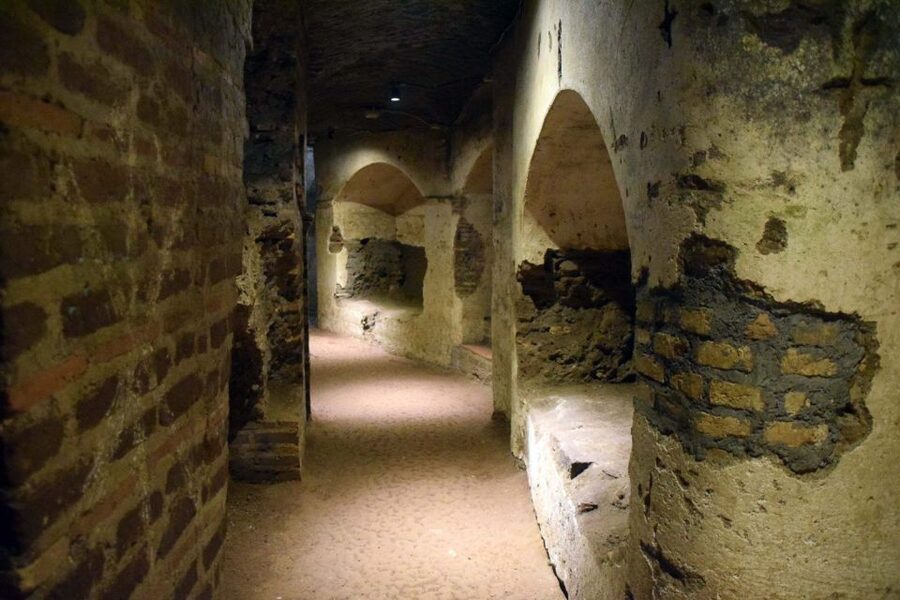
One of the more unusual features connected with Priscilla is the hypogeum of the Acili. It began as a water cistern and later held inscriptions connected with the Acili senatorial family. The name Priscilla probably comes from a woman of that family whose name appears in one of the inscriptions.
These details show that the site had a long life before and alongside its Christian use. The catacomb was not an isolated world created from scratch. It developed in spaces shaped by Roman engineering, family burial customs, and later Christian practice.
Nearby, the cryptoporticus includes the Greek Chapel and a large underground room. The area first served as a noble family burial ground before being connected to the catacomb. The guide’s job is to explain these changes, since the spaces themselves cannot tell you exactly when each passage or chamber was added.
This is where the tour’s short format can feel limiting. Forty-five minutes is long enough for a clear introduction and a look at the principal features, but not long enough for an unhurried archaeological study of every connected area. One visitor found the tour so interesting that they wished it lasted longer, while another appreciated the brisk length and felt that 45 minutes was about right for an underground visit.
What the 45-minute tour is like
The experience begins at the catacomb ticket office on Via Salaria. You should go directly there and show your reservation at least 10 minutes before the scheduled start. The booking includes the entrance ticket and guided tour, but not transportation or hotel pickup.
Once the tour begins, expect a compact route through underground galleries and burial areas. Your guide provides the structure, pointing out the artwork, tombs, inscriptions, and historic figures connected with Priscilla.
A small group is a real benefit here. The maximum is 10 people, and that gives you a better chance of hearing in the tight corridors. It also makes it easier to stand in the right place when the guide points out a painting or explains a section of the wall.
The route can still feel confined. One guide had to make sure the group did not get separated in the twists and turns, and another made a point of ensuring that everyone could see the details in the small rooms. Keep close to the group and wear comfortable shoes.
The guide languages are Italian, English, and Spanish. The quality of interpretation is central to the experience, since much of what matters is not immediately visible. Guides praised by name include Sister Lydia, Sister Lidia, Alexandra, and Clara, though the guide assigned to your time may be different.
Some tours run longer than the stated 45 minutes if the guide is answering questions or adding context. That can be welcome, but you should avoid scheduling another activity immediately afterward.
Getting there and planning the rest of your day
The catacombs are on Via Salaria, outside the core cluster of ancient Rome. The site is not directly in the middle of the Colosseum and Trevi Fountain area, so allow time to reach it. A bus can provide an inexpensive option, and the stop and route information deserve a little attention because signage near the catacombs may not be as clear as you expect.
You should plan this as a dedicated outing rather than a quick detour between central sights. The underground visit itself is short, but the trip to and from Via Salaria adds time. That is not a flaw, but it affects the value of a tightly scheduled day.
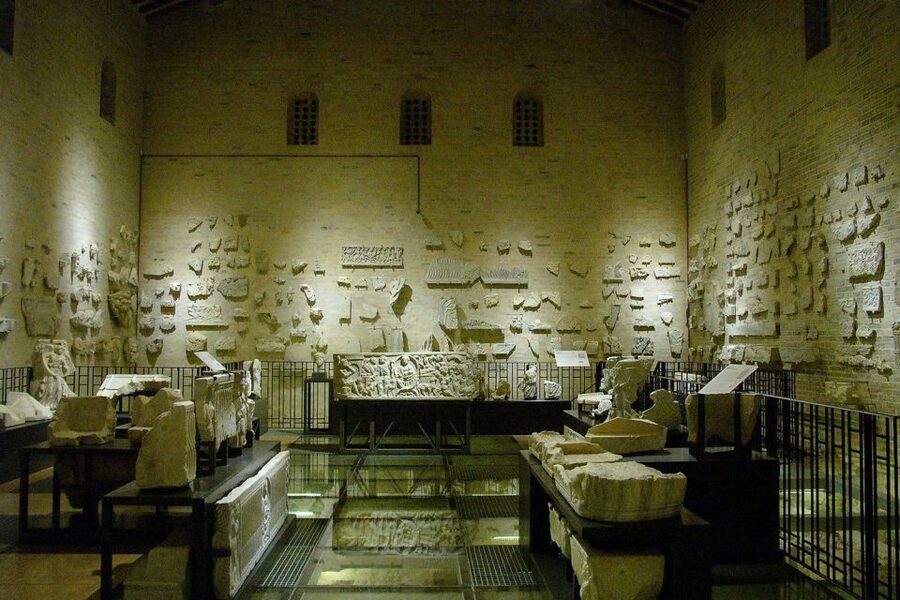
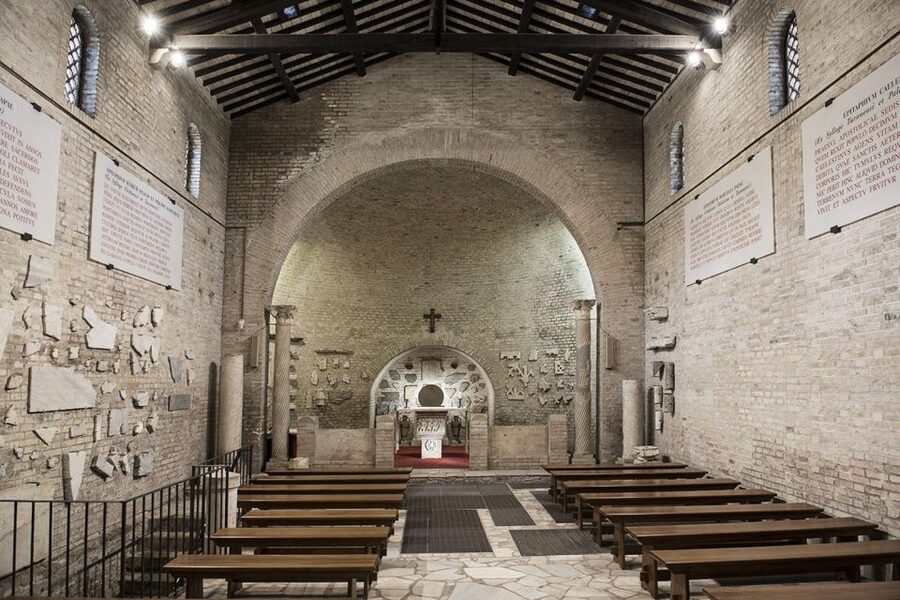
A good plan is to combine Priscilla with other nearby interests instead of trying to squeeze it between major central attractions. The provided information also connects the area with Villa Ada, the Basilica built by Pope Saint Silvestro near the tomb of Felice and Filippo, and a museum containing hundreds of sarcophagus fragments found during excavations.
The basilica and museum may give your visit more context, but the ticket described here covers the Catacombs of Priscilla and its guided tour. Do not assume that transportation, hotel transfers, or every nearby site is included.
Is $16 a fair price?
At $16 per person, this is a strong-value experience if you care about archaeology, Christian art, or less familiar parts of Rome. The price includes both admission and a live guide, and the group limit of 10 adds real value in a place where the walls and passages are close together.
You are not paying for a long outing or a large number of rooms. The tour lasts 45 minutes, and some people may find that there is not enough to see for a dramatic wow effect. The appeal is depth rather than scale.
I would compare the cost with what you want from your Rome itinerary. If you need a spectacular monument for photographs, this is not the best use of your time. If you want to understand early Christian burial customs and see ancient paintings in their original underground setting, $16 is reasonable.
The strongest value comes from the guide. A bare entry into dark corridors would not be worth nearly as much. A guide who can explain the Acili family, the martyrs, the popes, and the paintings turns the visit into a clear story about Roman society and early Christianity.
Who should book this experience?
I would recommend Priscilla to you if you enjoy ancient history, religious art, archaeology, or unusual Roman sites. It also suits families with older children and teenagers. Young people who find long museum visits tiring may respond well to the short format and the sense of moving through a real underground place.
It is a particularly good second or third day choice after you have seen the headline sights. The contrast is useful: the Colosseum shows Rome’s public power, while Priscilla shows how a community dealt with death, memory, and belief.
You should think twice if you dislike enclosed spaces, need step-free access, or want to take photographs. The catacombs are not suitable for people with mobility impairments, baby strollers are not allowed, and photography inside is prohibited.
The tone can also include a religious perspective. Guides often explain both the archaeology and the faith that shaped the site. That is appropriate here, but you should choose another Roman attraction if you want a strictly secular presentation with little attention to Christian belief.
My booking advice
Book the Catacombs of Priscilla if you want a short, serious, and unusual look at Rome beneath the streets. The ancient paintings, the early image of Mary and Jesus, and the stories of martyrs and popes give the visit more substance than its modest length suggests.
Before booking, check three things: the language you need, your ability to manage narrow underground passages, and the time required to reach Via Salaria. Arrive at the ticket office at least 10 minutes early, bring a light layer, and leave your camera in your bag.
I would skip it only if your Rome schedule is packed with major landmarks or if underground spaces are uncomfortable for you. For most history-minded visitors, the $16 price and small group make this a worthwhile change of pace.
FAQ
Where are the Catacombs of Priscilla located?
The catacombs are located on Via Salaria in Rome, in the Lazio region of Italy.
How long does the guided tour last?
The scheduled tour duration is 45 minutes. Some tours may run longer when the guide answers questions or provides extra context.
What does the ticket include?
The ticket includes entrance to the Catacombs of Priscilla and a guided tour.
Is transportation included?
No. Transportation and hotel pickup or drop-off are not included.
How early should I arrive?
Go directly to the catacomb ticket office and show your reservation at least 10 minutes before the scheduled tour time.
Which languages are available?
The live tour guide may lead the tour in Italian, English, or Spanish.
How large is the tour group?
The tour is limited to 10 participants.
Can I take photographs inside?
No. Photography is not allowed inside the catacombs.
Are the catacombs suitable for people with mobility impairments or baby strollers?
No. The experience is not suitable for people with mobility impairments, and baby strollers are not allowed.
Can I cancel the booking?
Yes. You can cancel up to 24 hours in advance for a full refund.
Fresh on the Rome list
- Rome: Guided Catacombs Tour & Capuchin Crypt (Audio Guide)★ 4.3 · 191 reviews
- Guided tour of the Colosseum, Roman Forum and Palatine in Spanish★ 4.5 · 191 reviews
- Rome: Borghese Gallery Guided Tour with Skip-the-Line Ticket★ 4.5 · 192 reviews
- Rome: Arena Colosseum Tour with Arena Access★ 4.6 · 193 reviews
- Colosseum, Forum, Palatine Hill with audio guide and Arena or Bus option★ 4.0 · 193 reviews
- Rome: Colosseum & Roman Forum Guided Tour★ 5.0 · 194 reviews
- Rome: Domus Aurea Guided Tour and Virtual Reality Experience★ 4.7 · 194 reviews
- Rome Vintage Fiat 500 car Tour With Photographer★ 5.0 · 194 reviews
Tickets, compared.
Vatican: Museums & Sistine Chapel Entrance Ticket
Read our review →
Cathedral and Duomo’s Terraces Entrance Ticket
Read our review →
Skip-The-Line Uffizi Gallery Timed Entry Ticket
Read our review →
Naples Underground Entry Ticket and Guided Tour
Read our review →
Pantheon Fast-Track Ticket and Official Audio Guide
Read our review →
Entry Ticket and Guided Tour with an Archaeologist
Read our review →