Reviewed · TICKETS
Rome: Bioparco di Roma Zoological Garden Entry Ticket
Rome’s Bioparco puts an unexpectedly large zoo inside Villa Borghese, just beyond the city’s famous museums and fountains. You can see about 1,200 animals from five continents, then stroll beneath trees and take a break in the park instead of spending another day among ancient stones.
I like the easy-to-follow layout, which lets you see a wide range of animals without constantly retracing your steps. I also like the conservation focus, with education and research built into the park’s work. The main caution is space: some enclosures have drawn mixed impressions, and a few animals may be asleep, hidden, or under construction when you visit.
Key points
- A surprisingly large park in central Rome: The 42-acre Bioparco occupies part of the Villa Borghese estate.
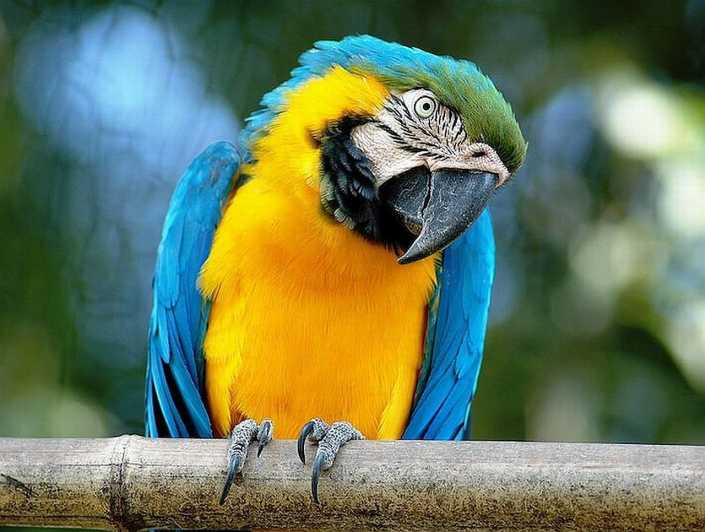
- A strong mix of species: Expect mammals, birds, reptiles, and amphibians, including lemurs, chimpanzees, tigers, bears, elephants, giraffes, and wolves.
- The Reptile House is a highlight: Iguanas, snakes, and lizards make this indoor section especially useful on hot or wet days.
- Best timing is morning or a cooler afternoon: Animals are often more active early, while summer heat can make the open paths uncomfortable.
- Useful for families and adults: Play areas, benches, toilets, cafés, and a broad collection of animals make this more than a quick children’s stop.
- A separate entry line saves time: Your ticket provides access through a dedicated ticket line, though the regular line may already be short on quiet weekdays.
Bioparco’s setting inside Villa Borghese
The first surprise is the setting. Bioparco is not out on the edge of Rome, where you need to spend half a day reaching it. It occupies 42 acres of the original Villa Borghese estate, giving the visit a leafy, relaxed feel that is a welcome change from the hard stone of the historic center.
You are still in Rome, but the pace changes once you enter. The paths lead through planted areas and animal enclosures, with places to sit and pause. Peacocks roam freely, adding a little extra life between the main exhibits.
The surrounding Villa Borghese area can also fill out your day. You might combine the zoo with a walk through the gardens or nearby attractions, but do not underestimate the distance. One person walking from Trevi Fountain and back covered about six miles, so a taxi or bus may suit you better if your legs are already tired from sightseeing.
A few other Rome mornings to weigh against this
- Rome: Pantheon Fast-Track Ticket and Official Audio Guide
★ 4.3 · 21,008 reviews - Rome:Hop-On Hop-Off Panoramic Open Bus Ticket 3 Circuits x 1
★ 4.0 · 15,405 reviews - Vatican Museums & Sistine Chapel Skip-the-Line Entry Ticket
★ 4.4 · 13,838 reviews
How long you need for the animal route
The advertised validity is one day, and you should treat that as useful rather than excessive. A brisk visit can take around two hours, while a more relaxed circuit usually lasts three to four hours. Families with young children may spend longer if they use the play areas and rest stops.
The park map is laid out so you can follow a sensible route without much backtracking. That matters with children, strollers, or anyone who has already walked all morning around Rome. The collection is large enough to feel substantial, but it is still manageable in a single visit.
I would allow at least three hours if the animals are a main reason for booking. Start early if you want to catch more activity. Feeding time can bring animals out into view, while the heat of a summer afternoon may leave some resting or less visible.
Sunday hours can sometimes run later than weekday hours, with one reported visit lasting until 7 p.m. rather than 4 p.m. Check the current opening hours before you go, since the available time varies.
What you will see on the mammal circuit
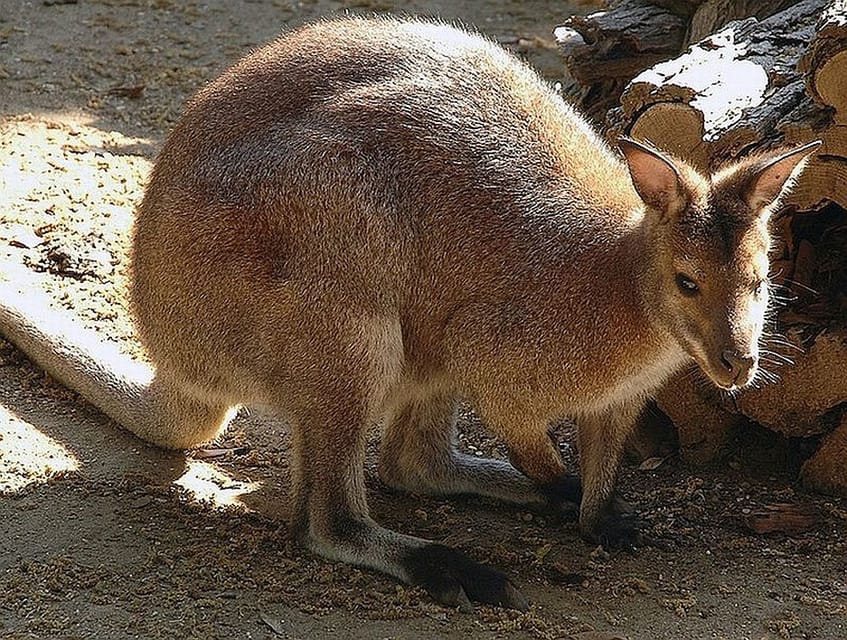
The mammal collection gives the park its broad appeal. You can expect lemurs and chimpanzees, tigers and bears, along with elephants, giraffes, wolves, lions, and other species. The appeal is not just the number of animals, but the chance to see species that are uncommon in British or smaller local zoos.
The brown bears are particularly rewarding when they are active. Their enclosure includes a water view, allowing you to watch them swim and play from a useful angle. Wolves also receive praise from many visitors, and the elephants and giraffes are natural favorites for children.
Animal activity is never guaranteed. Some animals may be sleeping or out of sight, so avoid judging the whole visit by one empty viewing area. Going early improves your odds, especially after the morning opening period, when feeding may encourage movement.
The tigers, lions, and sea lions have prompted some concern about enclosure size and enrichment. Other areas appear clean and cared for, and several enclosures offer clear viewing. I would see the park as a place that combines solid animal variety with ongoing room for improvement, rather than assuming every exhibit will match the best modern zoo standards.
That balanced view matters. Bioparco works in endangered-species conservation, environmental education, and scientific research, but a conservation mission does not erase the need to assess the individual enclosures. Pay attention to what you see, enjoy the animals, and keep your expectations realistic.
Why the Reptile House deserves extra time
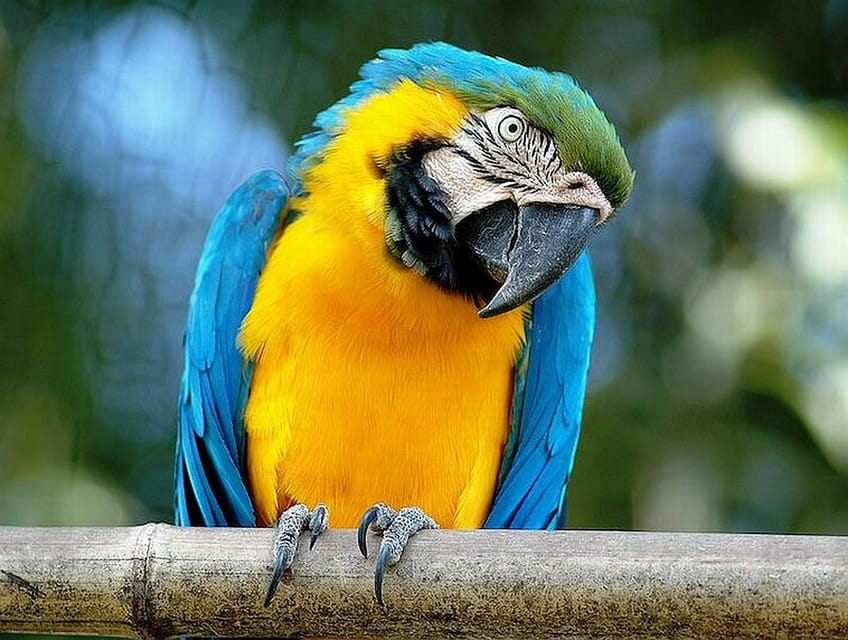
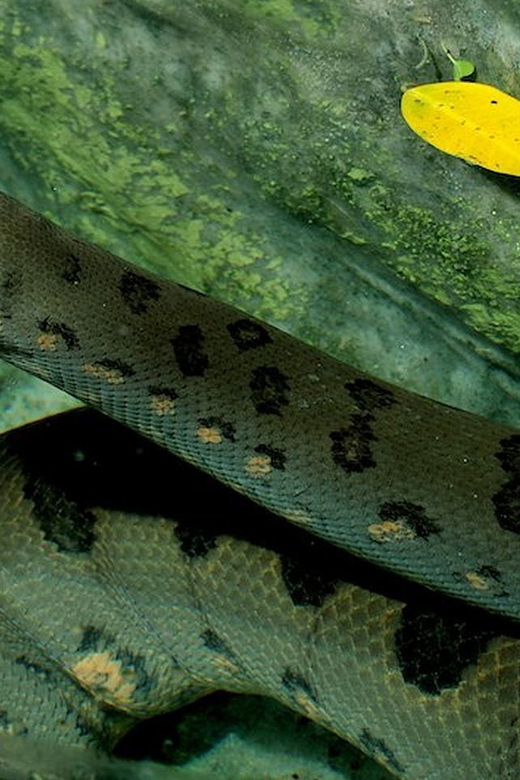
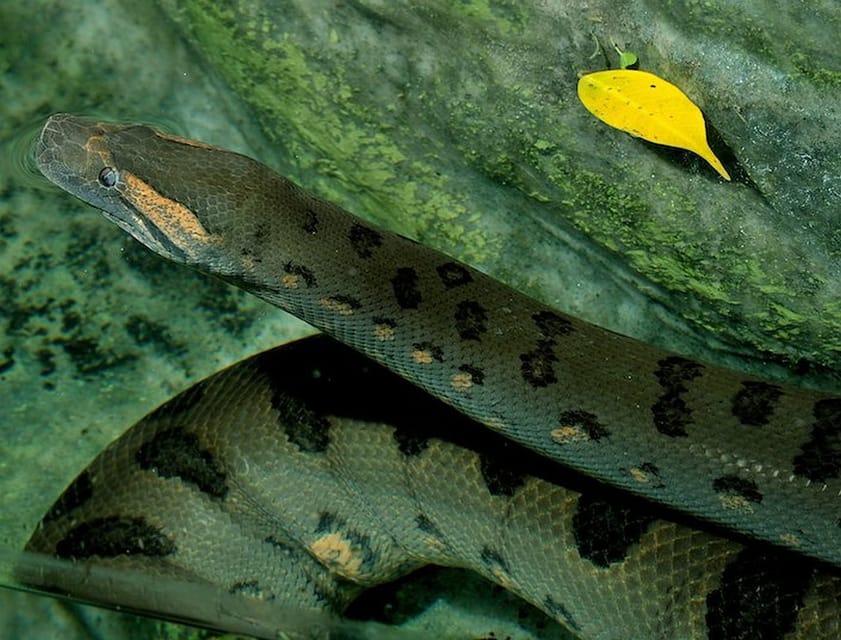
The Reptile House is one of the most dependable highlights because it brings together iguanas, snakes, and lizards in one concentrated indoor stop. Reptiles can be easier to see here than animals spread across large outdoor spaces, and the building offers shade during Rome’s hottest hours.
It also gives the visit more variety. A zoo day can otherwise become a steady sequence of large mammals, especially for children who want constant change. The reptiles, birds, and amphibians help break up that rhythm.
Plan this section around the rest of your route rather than treating it as a quick add-on. If an outdoor animal is hiding, the Reptile House gives you a better chance of seeing something active and unusual. Signboards are generally provided in both Italian and English, which helps you understand the species without needing a guide.
Same city, an entirely different afternoon:
- Vatican Museums & Sistine Chapel Tour with Optional Basilica
★ 4.3 · 67,413 reviews - Colosseum, Roman Forum & Palatine Guided Tour
★ 4.7 · 63,148 reviews - Vatican Museums, Sistine Chapel & St Peter’s Basilica Guided Tour
★ 4.5 · 39,149 reviews - Rome: Colosseum, Palatine Hill and Roman Forum Guided Tour
★ 4.8 · 32,814 reviews
Signs, layout, and conservation work
Bioparco’s signs are a practical strength. Most animal information is available in Italian and English, so you can learn about the species as you go instead of simply moving from cage to cage.
The educational side connects with the zoo’s work in endangered-species protection, environmental education, and scientific research. For children, this adds a useful lesson about habitats and threats to wildlife. For adults, it gives the visit more purpose than a simple photo stop.
Do not expect a guided tour or a named guide. This is a self-guided entry ticket, so you set the pace and choose how much time to spend at each enclosure. That suits independent visitors, but anyone wanting detailed commentary or scheduled animal talks should check separately for current programs.
The one weakness is that staff interaction may be limited. You are mainly reading the signs and watching the animals on your own. That is fine for a flexible visit, but it may feel less engaging if you prefer regular keeper talks.
Food, water, toilets, and taking a break
Food is available inside the zoo, but choices are limited. Café and snack stops offer familiar items such as burgers, hot dogs, chicken nuggets, soft drinks, ice cream, and ice lollies. Prices are described as typical for a zoo: higher than a shop outside, but not unusually extreme.
I would bring a picnic if you want a proper lunch. There are places to sit, including a picnic area, and packing food gives you more control over both cost and timing. You can also buy drinks inside, though vending machines may be cheaper than the snack bars.
Toilets are spread around the park, which is useful with small children. There are also several places to sit and rest, so you do not need to rush from enclosure to enclosure. If you visit on a hot day, bring plenty of water and plan shade breaks. One summer visit felt uncomfortably hot, so midday can be a poor choice for a long walk.
At four locations inside Bioparco, Bar Ninfeo, Ristorante Mascagni, Chiosco Oasi del Lago, and Bar Voliera, a tramezzino can be picked up between 11 a.m. and 5 p.m. Confirm the exact conditions of that provision when booking, since the main activity description lists the zoo entry as the included item.
The $25 ticket and what it is worth
At about $25 per person, this is not Rome’s cheapest casual attraction, but the value improves if you use several hours of the day. A two-hour visit makes the price reasonable; a relaxed three-to-four-hour visit, especially with children, makes it easier to justify.
The ticket includes skip-the-line entry through a separate ticket line. That is convenient on busy weekends and during school holidays. On quiet weekdays, the ordinary queue may be short, so the time saving may be modest. The benefit is less about guaranteed instant entry and more about avoiding the main ticket-purchase process.
Check the child rule carefully. Children under one meter enter free. Children over one meter and up to age 10 need the child rate, and staff measure height at the entrance. A child’s age alone does not determine the ticket price, so a three-year-old over the height limit may need a paid child ticket.
The activity is non-refundable, so check your plans and the weather before committing. The park is wheelchair accessible, and a disabled person with a certified 100 percent disability, along with one companion, can receive free entrance tickets directly from the Bioparco ticket office by showing the required documents.
Getting there and choosing the right day

Hotel pickup and drop-off are not included. You need to make your own way to Villa Borghese, using local transport or a taxi. Bus connections run near the entrance, and some visitors use the bus afterward to reach the Trevi Fountain.
A taxi can be useful for families, though confirm the fare and route before setting off. One reported taxi journey from the Best Western Universo area cost between €10 and €14 each way, but prices depend on the starting point and traffic.
For the calmest visit, choose a weekday morning. This gives you fewer crowds, clearer views, and better chances of seeing animals moving about. Weekends can be busier, especially when families arrive, though longer Sunday hours may help spread out the visit.
In summer, consider a late afternoon slot if the opening schedule allows it. The heat can be intense on exposed paths, but do not wait so late that you lose time before closing. Spring and cooler months are especially pleasant for walking, though rain does not make the visit impossible if you bring waterproof clothing.
Who will enjoy Bioparco most
Families with toddlers and school-age children are the obvious audience. The zoo offers a contained route, play areas, toilets, food stops, and enough animal variety to keep a young visitor interested. The green setting also gives children room to burn off energy between exhibits.
Teenagers and adults can enjoy it too, especially if you have already seen Rome’s main monuments and want a change of pace. The Reptile House, wolves, bears, elephants, and unusual species give the visit more substance than a small city petting zoo.
It is less suitable if you want a polished, high-tech attraction with constant keeper presentations. Some animals may be hidden, a few enclosures are being improved, and the food selection is basic. If your time in Rome is extremely short, the Colosseum, Vatican Museums, and Forum may deserve priority.
Should you book the Bioparco ticket?
Book it if you want a relaxed half-day or full-day break from Rome’s historic center, particularly with children or an interest in animals. The central Villa Borghese location, broad collection, bilingual signs, Reptile House, and simple walking route make it an easy addition to a longer city stay.
I would choose a weekday morning, bring water and a picnic, and allow three hours rather than trying to hurry through. The $25 ticket is fair when you use the park as a substantial outing, and the separate entrance is a useful extra during busy periods.
Skip it if your Rome schedule is already packed or if you expect every enclosure to be spacious and modern. Bioparco offers good variety and a pleasant setting, but it also has visible limitations. Go with realistic expectations, and you will get a worthwhile animal-focused day in the middle of the city.
FAQ
Where is Bioparco di Roma located?
Bioparco di Roma is in Lazio, Italy, on part of the original Villa Borghese estate in Rome.
How many animals can I see at Bioparco?
The zoo has more than 1,200 animals representing about 200 species from five continents. The collection includes mammals, birds, reptiles, and amphibians.
How long is the ticket valid?
The ticket is valid for one day. Allow at least two hours, while three to four hours gives you time to see more animals and take breaks.
Does the ticket include skip-the-line entry?
Yes. The ticket provides entry through a separate ticket line at the gate. This can save time, although the regular queue may be short on quiet weekdays.
Are children charged by age or height?
Children under one meter enter free. Children over one meter and up to 10 years old should use the child rate. Height is checked at the entrance, and any difference must be paid there.
Is Bioparco wheelchair accessible?
Yes, the activity is wheelchair accessible. A person with a certified 100 percent disability and one companion can receive free tickets at the Bioparco ticket office by showing the required documents.
Can I buy food and drinks inside the zoo?
Yes. Food and drinks are available at cafés and snack locations, with options including burgers, hot dogs, chicken nuggets, soft drinks, ice cream, and ice lollies. A picnic is also practical.
Is hotel transportation included?
No. Hotel pickup and drop-off are not included. You must arrange your own transport to Bioparco, using public transportation or a taxi.
Fresh on the Rome list
- Exclusive Golf Tour Private VIP with Local & Gelato o Wine★ 5.0 · 500 reviews
- Colosseum, Palatine Hill and Roman Forum with Guided Tour★ 5.0 · 500 reviews
- Rome Trastevere Pasta Making Class with Eating Europe★ 5.0 · 505 reviews
- Rome by Night Walking Tour★ 4.5 · 506 reviews
- Rome: Colosseum Express Tour with Forum & Palatine Access★ 4.5 · 511 reviews
- Rome Food Experience Max 6 People Group Tour | w/Private Option★ 5.0 · 516 reviews
- Rome: Navona Square Underground Ticket with Audio Guide★ 4.0 · 518 reviews
- Rome: Escorted Papal Audience Experience with Entry Ticket★ 4.4 · 518 reviews
Tickets, compared.
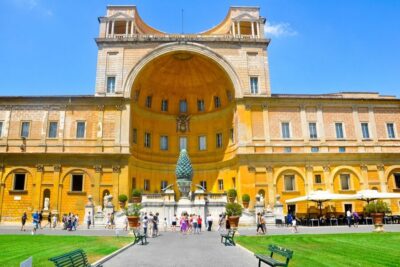
Vatican: Museums & Sistine Chapel Entrance Ticket
Read our review →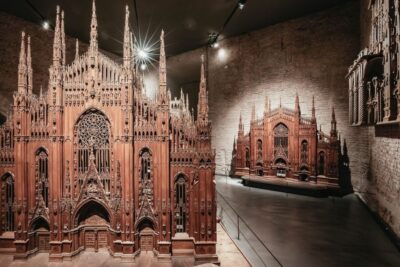
Cathedral and Duomo’s Terraces Entrance Ticket
Read our review →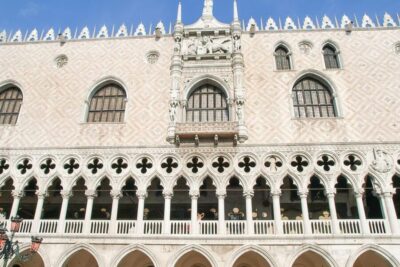

Skip-The-Line Uffizi Gallery Timed Entry Ticket
Read our review →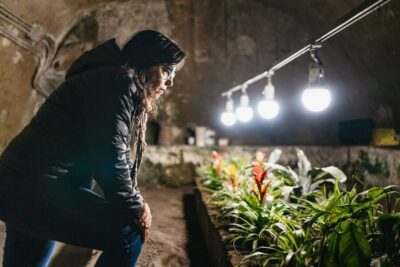
Naples Underground Entry Ticket and Guided Tour
Read our review →
Pantheon Fast-Track Ticket and Official Audio Guide
Read our review →
Entry Ticket and Guided Tour with an Archaeologist
Read our review →