
Reviewed · PALERMO TOURS
Palermo: Teatro Massimo Opera House Guided Tour
Palermo’s Teatro Massimo is more than a pretty opera house. It is a working theater, and during a tour you might hear an orchestra rehearse, watch singers audition, or catch dancers practicing beneath the grand auditorium’s gold and velvet details. I especially like the royal box and the chance to see how the theater functions, not just how it looks. The rooftop views over Palermo are another fine bonus.
At $14, this is an easy cultural win, especially if you have limited time in Palermo. The main caution is the short schedule: the tour usually lasts about 40 minutes, and some groups see only public rooms. Access to the stage and behind-the-scenes spaces depends on what is happening in the theater.
Key points at a glance
- A working opera house: You may see an orchestra, ballet group, lighting crew, or singers rehearsing.
- Grand public rooms: The route includes the foyer, auditorium, royal box, Coat of Arms, and Pompeian Rooms.
- Multilingual guiding: Tours are offered in Italian, English, French, Spanish, and German.
- A short, focused visit: Plan on roughly 40 minutes, though some tours run closer to 30 minutes or just under an hour.
- Good value at $14: The tour gives you access to one of Palermo’s signature buildings without committing to a full performance.
- Stage access is uncertain: The advertised route may include the stage, but theater activity can limit what you see.
Why Teatro Massimo deserves a place in your Palermo day
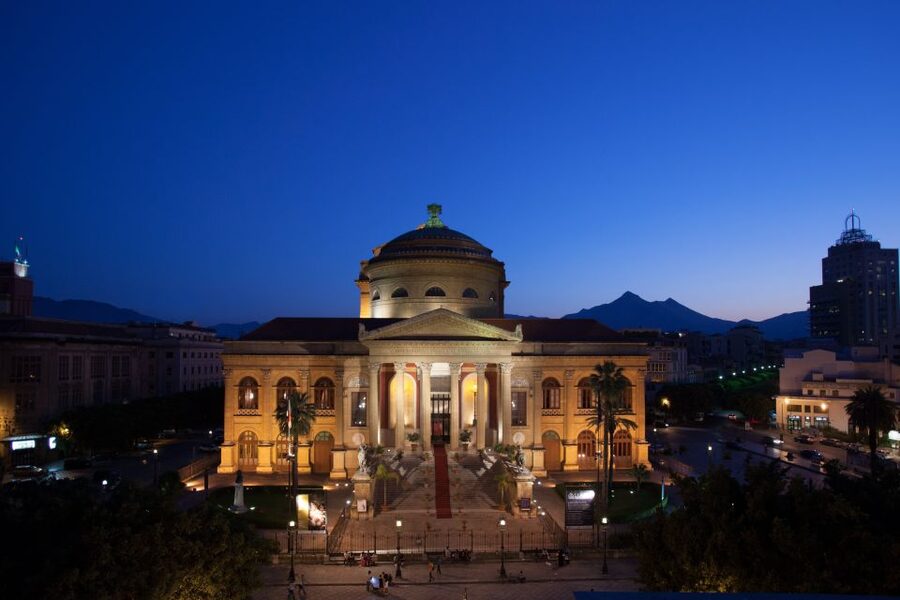
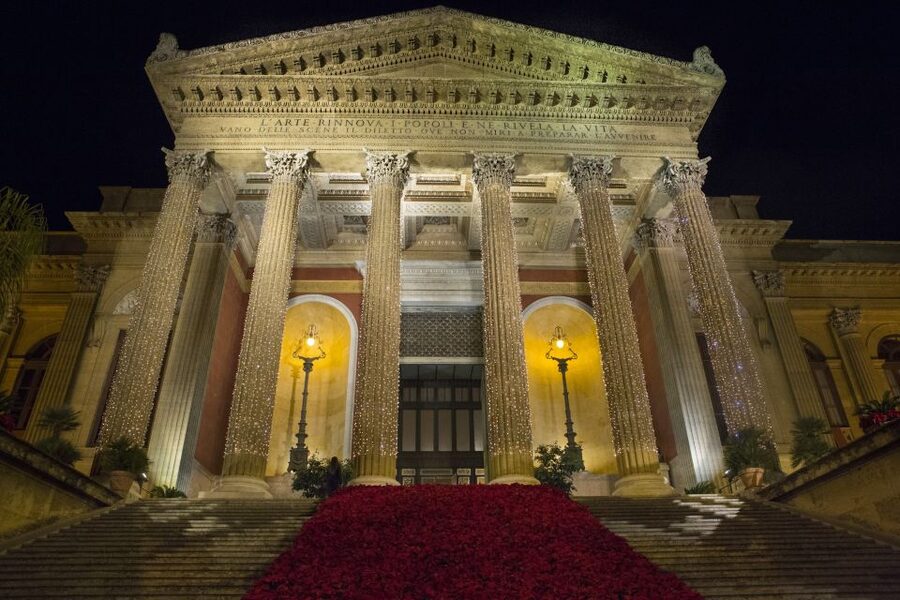
Teatro Massimo is one of Palermo’s defining buildings and the third-largest opera house in Europe. Even if opera is not part of your usual holiday plans, the building earns a visit for its scale, decoration, and connection to Palermo’s performing arts.
I like this tour because it gives you a practical introduction without taking half a day. You move through the main rooms, hear how they were used, and get enough time for photographs. It is a good match for a first visit to Palermo, particularly if you want one grand interior between markets, churches, and street food stops.
The tour is also a useful choice for people who do not have tickets to an opera or ballet. You get to see the auditorium and royal box during the day, when the theater may be preparing for its next performance. That can make the building feel less like a museum and more like a place still doing its job.
A few other Palermo mornings to weigh against this
- Palermo: Private Custom Walking Tour with Local Guide
★ 4.7 · 661 reviews - Palermo: Street Food Walking Tour with Local Guide & Tasting
★ 4.9 · 632 reviews - Palermo: UNESCO World Heritage Sites Guided Walking Tour
★ 4.8 · 548 reviews
Starting at the foyer
Your visit begins at the theater’s ticket office, where you exchange your booking voucher for an admission ticket. Give yourself a little time to find the correct desk and join the next available language group. Several people have found this process straightforward, and prebooking can help you avoid waiting in the regular ticket line.
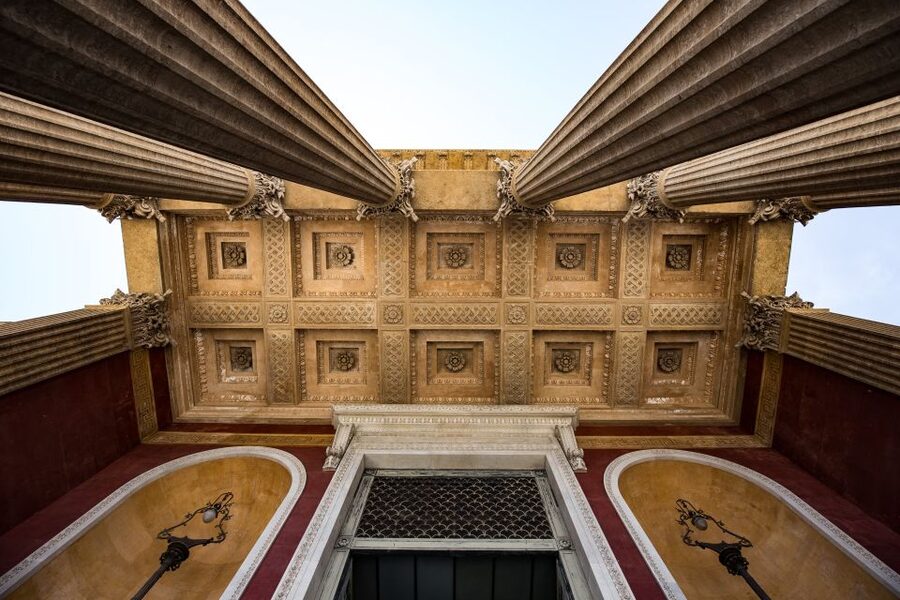
The foyer sets the tone. Sculptures and bronze-decorated candelabra give the room a formal, theatrical look, but your guide will also explain how the space fits into the building’s design. This is a good place to look upward and around you before the group moves on, since the tour pace can pick up once the explanations begin.
The foyer may feel crowded at the start, especially when several language groups are gathering. Once the tour moves inside, the flow is usually easier. If you want photographs without people in every frame, take a few quickly before the guide leads you onward.
The auditorium, where decoration meets function
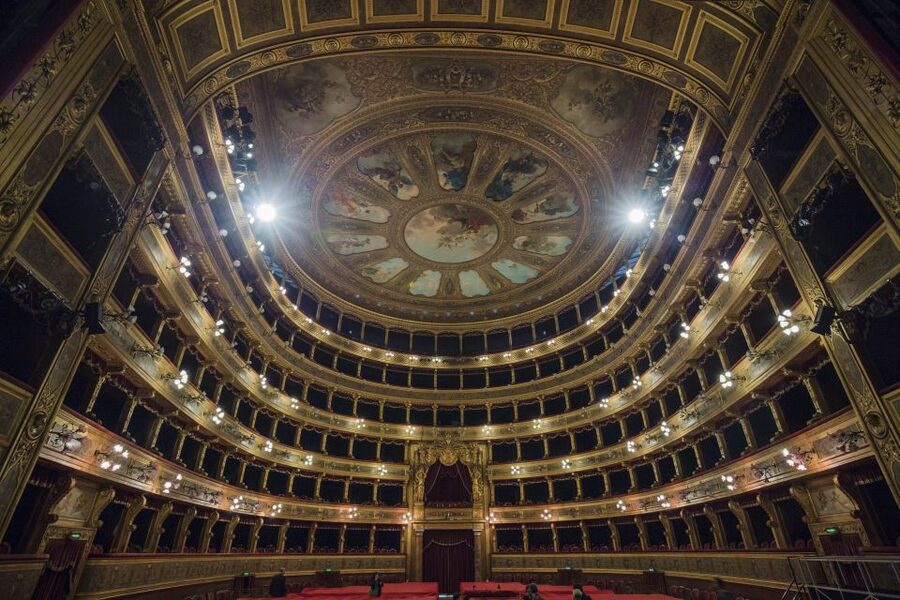
The auditorium is the heart of the visit. Here you see golden stuccoes, woodwork, velvet, and glass arranged in a grand but carefully planned interior. The scale is impressive from the floor, and the theater can look even larger once you understand how the seating and boxes are arranged.
Your guide explains details that are easy to miss on your own. The decoration is not simply there to impress. The rooms, viewing areas, and circulation spaces were designed around public ceremony, social display, and the practical needs of opera audiences.
Acoustics may become part of the visit. Some tours have included time in the Echo Room, where you can experience the unusual sound created by the space. If the auditorium is being used for a rehearsal, lighting session, or audition, parts of the tour may be darker or more restricted. That can be a minor inconvenience for photographs, but hearing the theater in use is a worthwhile trade.
The auditorium is also where multilingual tours can feel slow or rushed. Guides often give the explanation first in one language and then repeat it in another. That gives you extra time to look around, but when the group is large or the guide is serving two language groups, the English section can feel abbreviated.
The royal box and the best viewpoint
The royal box is one of the most memorable stops. From here, you get a different view of the auditorium and a sense of how important seating was in the theater’s social order. It is also an excellent place to take photographs, since the full interior opens out below you.
The tour may not include the ordinary boxes. That is worth knowing if you are expecting to inspect several private seating areas. The royal box is the main focus, and the route is designed to keep the group moving through the building rather than linger in every room.
I would pay close attention to the guide here. The view is attractive, but the explanation gives it meaning. You learn how the box functioned and why it was given such prominence within the auditorium.
Same city, an entirely different afternoon:
- Palermo: NO Mafia Walking Tour
★ 4.8 · 2,431 reviews - Palermo: Hop-on Hop-off Bus Tour 24-hour Ticket
★ 3.9 · 2,410 reviews - Palermo Original Street Food Walking Tour by Streaty
★ 5.0 · 2,105 reviews - Segesta, Erice and Salt Pans Full-Day Excursion from Palermo
★ 4.2 · 1,791 reviews
The Pompeian Rooms and Coat of Arms
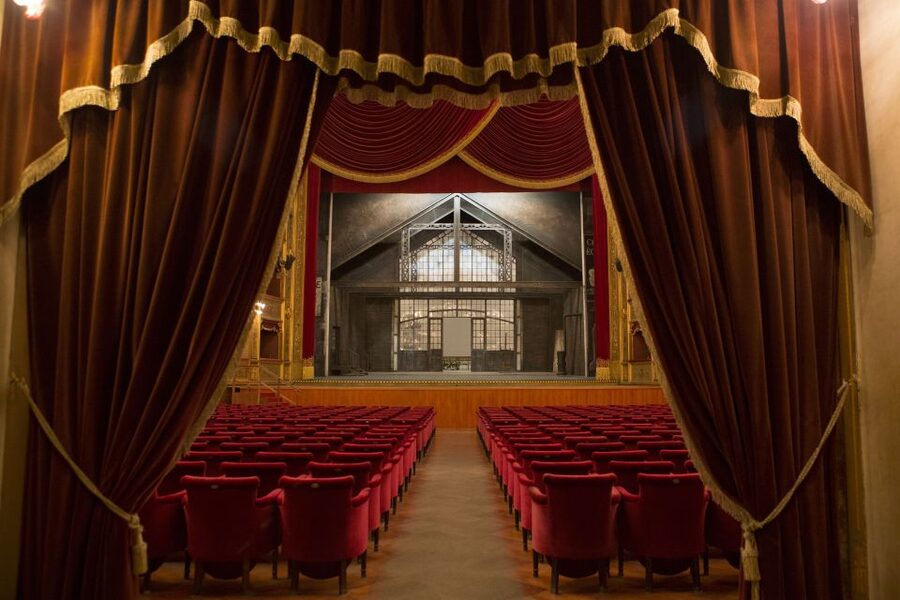
The tour continues through rooms such as the Pompeian Rooms and the Coat of Arms. These smaller spaces provide a change from the huge auditorium and show how the theater accommodated people before and during a performance.
The Pompeian Rooms are particularly useful for understanding the theater as a social setting. You are not only looking at decoration. You are seeing the waiting and gathering spaces that helped turn an evening at the opera into a public occasion.
The Coat of Arms room adds another layer of ceremony. These stops are brief, so listen closely as the guide begins each explanation. If you wander too far to take a photograph, you may find the group has already moved on.
Some tours include two smaller waiting rooms as well as the main foyer. The exact order and amount of time in each area can vary with rehearsals, private events, maintenance, or other theater work.
Can you really visit the stage?
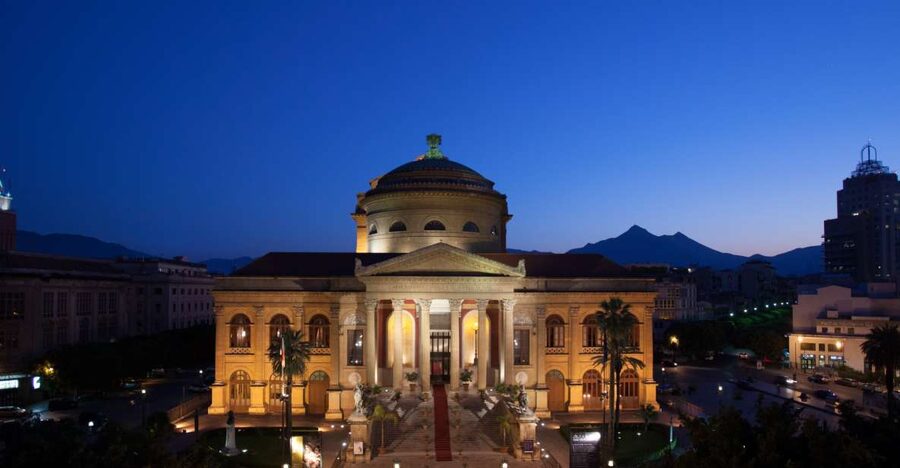
This is the biggest point to clarify before booking. The activity description includes a visit to the stage and an explanation of what is needed to put on an opera. In practice, access is not guaranteed.
Some groups have seen rehearsals, auditions, or production activity. That might mean an orchestra practicing in the auditorium, a ballet rehearsal, singers working on auditions, or a lighting session. These moments are among the strongest parts of the tour because they show the theater as a working place.
Other groups have remained in the public areas and had no access to the stage or backstage spaces. A private event, technical work, or a rehearsal schedule can close certain areas. If stage access is essential to you, treat it as a possible extra rather than a promise.
I think this limitation is reasonable for a working theater, but the description could make it clearer. The tour is still worthwhile without stage access, provided you book it for the architecture and story of the building first.
The guide makes the difference
The guide is central to this short visit. The best guides use clear explanations, keep the group together, and make room for questions and photographs. Daniele has been singled out for a lively, professional presentation, and Martha has also led well-organized multilingual tours. Other guides have been praised for speaking fluent, easy-to-follow English and Italian.
Because the tour can be conducted in two languages, the guide may repeat nearly every explanation. That arrangement often works well. You can examine the details and take photographs during the second-language presentation.
The downside is pace. If one language group is much larger than the other, the smaller language section may feel hurried. A few tours have also felt crowded or disorganized in the foyer. I would stay close to the guide, especially in busy rooms, and avoid delaying the group for a long series of photos.
A good question can improve the visit. The tour is short, but guides have answered many questions when time allowed. If you want a more personal discussion, ask early rather than waiting until the final room.
Timing, languages, and daily planning
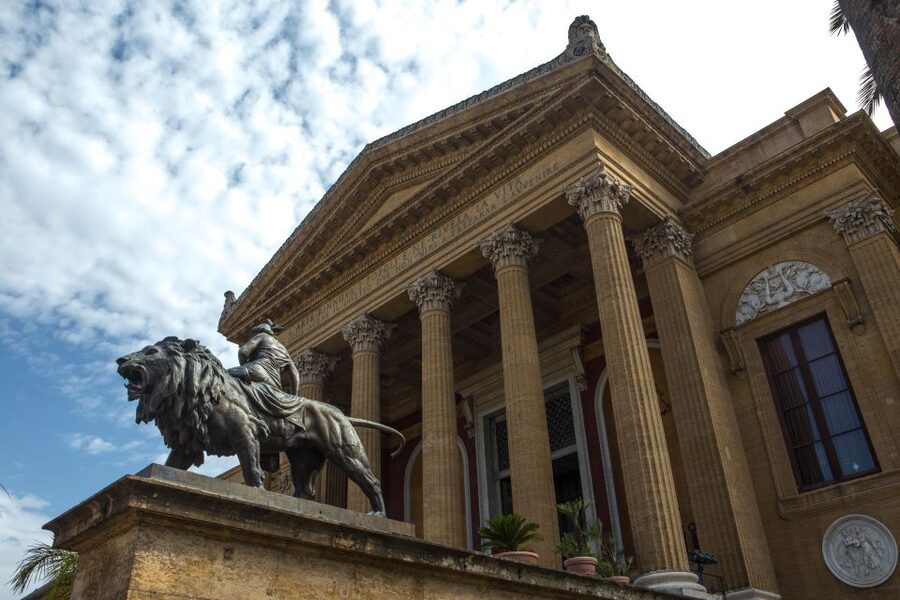
Guided tours are available between 9:30 AM and 5:30 PM, with the last tour beginning at 5:00 PM. Starting times depend on availability, so check the schedule rather than assuming a tour leaves at a fixed interval.
The ticket is valid for one day, which gives you useful flexibility. If your first choice of time does not work, you can check with the ticket office and join an available group that day. Arrive at the Teatro Massimo ticket office with your voucher and ask to exchange it for the theater ticket.
The tour is offered in Italian, English, French, Spanish, and German. The information also lists live guiding in Italian, French, English, and Spanish, so confirm the language options at the time you book if German is important to you.
At about 40 minutes, this fits neatly into a Palermo walking day. I would place it near other central sights rather than make it the only plan for the day. The short length is useful for families and people with tight schedules, though anyone fascinated by opera houses may wish it lasted longer.
What $14 gets you
The $14 price is fair. You are paying for a guided look inside one of Palermo’s best-known buildings, not simply entry to a room. The guide adds context to the architecture, explains the function of the public areas, and may point out activity that you would otherwise miss.
The value is strongest if you have no plan to attend a performance. An opera ticket requires more time, money, and advance planning. This visit lets you see the main interior and understand the theater without building your entire evening around it.
The value is slightly lower if you expect a full technical tour. You may not see backstage areas, a normal box, or the stage. In that case, the price still buys a beautiful interior visit, but you should keep your expectations focused.
Free cancellation up to 24 hours before the visit and reserve-now, pay-later booking make it easier to fit into an uncertain itinerary. Those policies are useful in Palermo, where weather, day trips, and crowded sightseeing plans can change quickly.
Who should book this tour?
I would recommend it to first-time visitors who want a strong introduction to Palermo’s architecture. It also suits opera fans, photographers, and anyone curious about how a major theater works when no performance is taking place.
Families may like the short length, especially if children are interested in costumes, stages, or grand rooms. People who dislike long guided visits can still get a lot from 40 minutes, though the two-language format may extend the standing and listening time.
I would be more cautious if your main goal is backstage access. The route can be limited to public areas, and stage access depends on theater operations. Also consider your language group: the guide may need to speak in two languages, which can make the presentation feel less relaxed.
Practical tips for a better visit
- Arrive at the Teatro Massimo ticket office with your voucher ready for exchange.
- If you have flexibility, ask about joining the next available group rather than waiting for a specific time.
- Stay near the guide in the foyer and corridors, since the group may move quickly.
- Bring a camera, but take photographs efficiently so you do not fall behind.
- Listen for information about rehearsals and acoustics. A working session may be more interesting than an empty stage.
- Do not count on stage or backstage access. Consider it a bonus when theater activity permits it.
- If you want to attend an opera later, use the tour to decide which parts of the building and auditorium appeal to you most.
Should you book Teatro Massimo?
Yes, if you want to see Palermo’s grand opera house without spending much time or money. The auditorium, royal box, foyer, Pompeian Rooms, and city views provide plenty for a short visit, and a strong guide can turn the architecture into a clear story about theater and Palermo.
Book it with one sensible condition: the public rooms are the reliable core of the tour. Rehearsals, auditions, the stage, and extra areas depend on the day. At $14, that is still a good deal, and hearing an orchestra or seeing dancers at work can make the visit even better.
FAQ
How long does the Teatro Massimo guided tour last?
The advertised guided tour lasts about 40 minutes. Some recorded visits have been closer to 30 minutes, while others have lasted just under an hour.
How much does the tour cost?
The listed price is $14 per person.
Where do I meet the guide?
Exchange your booking voucher at the Teatro Massimo ticket office. The tour begins from the theater after you receive your ticket.
What time are tours available?
Guided tours are available between 9:30 AM and 5:30 PM. The last tour begins at 5:00 PM.
Which languages are available?
The activity information lists Italian, English, French, Spanish, and German. Live guiding is specifically listed in Italian, French, English, and Spanish.
What rooms are included?
The route includes the foyer, auditorium, royal box, Coat of Arms, and Pompeian Rooms. The exact areas visited can vary with theater activity.
Can I visit the stage?
Stage access is described as part of the tour, but it is not guaranteed. Some tours have had no stage or backstage access because of rehearsals, private events, lighting work, or other theater operations.
Might I see a rehearsal?
You might. Some visits have included orchestra practice, ballet rehearsals, operatic auditions, or lighting sessions. This depends on what is happening at the theater during your visit.
Is the ticket valid for the whole day?
Yes. The activity is listed as valid for one day, so you can check available tour times and join a group during that day.
Can I cancel the booking?
You can cancel up to 24 hours in advance for a full refund. A reserve-now, pay-later option is also listed.
Fresh on the Palermo list
- Palermo: Street Food and Local Market Tasting Tour★ 4.9 · 540 reviews
- Palermo: UNESCO World Heritage Sites Guided Walking Tour★ 4.8 · 548 reviews
- Palermo: Small Group Night Street Food Tour★ 4.8 · 589 reviews
- Palazzo Conte Federico★ 5.0 · 650 reviews
- Palermo: Private Custom Walking Tour with Local Guide★ 4.7 · 661 reviews
- Palermo: Pizza and Gelato Cooking Class with Dinner and Wine★ 4.9 · 951 reviews
- Palermo: Agrigento and the Valley of the Temples Day Tour★ 4.2 · 1,240 reviews
- Palermo: Street Food Walking Tour with Local Guide & Tasting★ 4.9 · 632 reviews
Palermo Tours, compared.
Palermo Original Street Food Walking Tour by Streaty
Read our review →
Segesta, Erice and Salt Pans Full-Day Excursion from Palermo
Read our review →

Agrigento and the Valley of the Temples Day Tour
Read our review →
Palermo No Mafia walking tour: discover the Anti-mafia culture in Sicily
Read our review →Browse the lists this tour appears in