
Reviewed · FOOD & DRINK
Jewish Ghetto & Piazza Navona: Food, Wine & Sightseeing Rome Tour
Rome’s best food tours do more than move you from one plate to the next. This four-hour evening walk links Roman-Jewish cooking with ancient ruins, grand squares, and the streets around Largo Argentina, where Julius Caesar was killed. You eat in several family-run spots instead of sitting through one long meal.
I like the small cap of 15 people and the generous range of seven tastings. Guides such as Maria, Fabrizia, Andrea, Marco, and Greta have been praised for mixing food with art, architecture, and Roman history. The main caution is pace: this is a walking dinner over cobblestones, and the food can feel either abundant or a little light depending on the stops and your appetite.
Key points to know before booking
- Seven food stops cover fried artichoke, cured meat, cheese, pizza, pasta, tiramisu, coffee, and gelato.
- The Jewish Ghetto is a neighborhood, not a synagogue tour, and the food is not kosher.
- Ancient Rome provides the backdrop, including the Theatre of Marcellus, Portico of Octavia, Pompey Theatre, and Largo Argentina.
- Groups are limited to 15 people, which gives the guide a better chance to answer questions and manage the tastings.
- The 5:45 pm start suits dinner plans, but you should arrive ready to walk and eat for about four hours.
- Dietary limits matter: vegetarian requests may be possible with advance notice, but gluten-free, dairy-free, and vegan diets cannot be accommodated.
Why this Rome food walk works so well
I like the way this tour combines three things that can be hard to join together in Rome: a proper meal, a neighborhood walk, and historical commentary. You are not simply shown a plate of pasta and sent on your way. The food is tied to the places around you, from the old Jewish quarter to the ruins of ancient theaters.
The route moves through Campo Marzio and the Jewish Ghetto, two central districts with very different moods. Along the way, you see churches, government buildings, archaeological remains, fountains, and busy piazzas. The evening setting is useful because many major landmarks are easier to view after the daytime crowds thin out.
At $107.63 per person, this is not a cheap dinner. It can still be good value if you count the seven food stops, wine, beer, soft drinks, a local guide, and four hours of sightseeing. You also avoid the work of choosing restaurants in an area where menus and quality can vary from block to block.
The value drops if you are mainly looking for a formal sit-down meal or a specialized Jewish culinary tour. Some tastings are eaten standing up, and one lower-rated experience found the portions too small to satisfy a hungry diner. I would treat this as a progressive dinner with sightseeing, not as a long restaurant meal.
A few other Rome mornings to weigh against this
- Winner 2025 Rome Twilight Trastevere Food Tour by Eating Europe
★ 5.0 · 5,157 reviews - Rome: Trastevere or Jewish Quarter Street Food Tour
★ 4.8 · 3,839 reviews - Rome Food Tour: Unlimited Tastings with Fine Wine & Barolo
★ 5.0 · 3,365 reviews
Starting at Piazza Mattei at 5:45 pm
The meeting point is Piazza Mattei, in central Rome. You should arrive ready for an evening on foot, with comfortable shoes and smart-casual clothing. Hotel pickup is not included, so plan to reach the square by taxi or bus.
Piazza Mattei is a sensible starting place because the route quickly leads into the old Jewish quarter. Your guide will introduce the group and set the rhythm for the night. With a maximum of 15 people, the group is small enough for conversation, though the experience still depends on the guide keeping everyone together.
This point matters for older visitors and anyone who walks slowly. One excellent guide was praised for adjusting the pace for a husband who could not walk fast, while another group had trouble because the guide and quicker walkers moved ahead. Tell the guide at the start if you need a slower pace. Do not wait until the group has stretched down the street.
Walking through Rome’s Jewish Ghetto
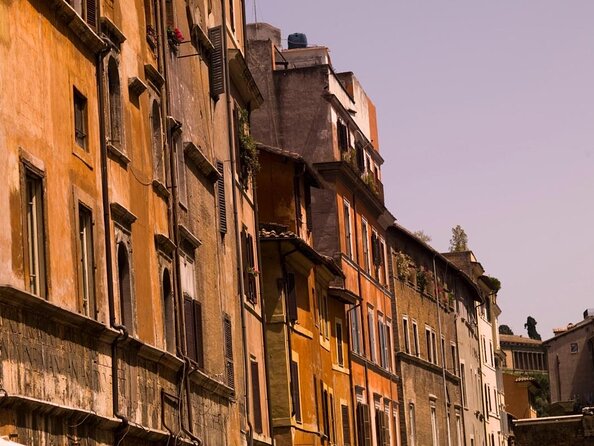
The name Jewish Ghetto refers to a historic Roman neighborhood with a long Jewish presence. This tour gives you an introduction to the district, its food, and its monuments, but you should not book it expecting a full Jewish history program.
That distinction is important. The tour does not visit the interior of the synagogue, and the food is not kosher. The route does pass the synagogue from the outside, along with the Portico of Octavia and other landmarks in the quarter.
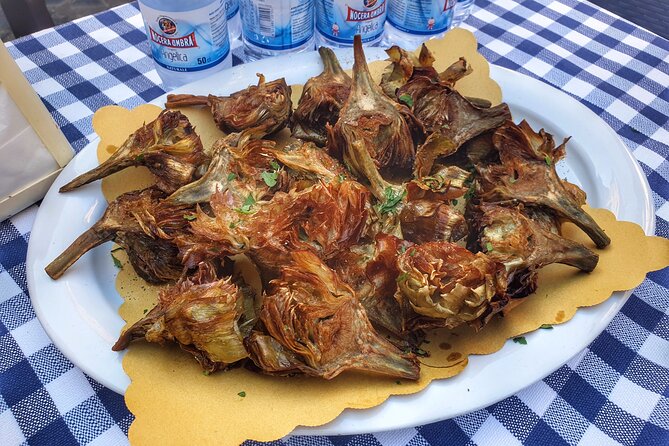
The first food highlight is usually carciofo alla giudia, a Roman-Jewish fried artichoke. The whole artichoke is prepared until the outer leaves become crisp, making it one of the clearest links between the meal and the neighborhood.
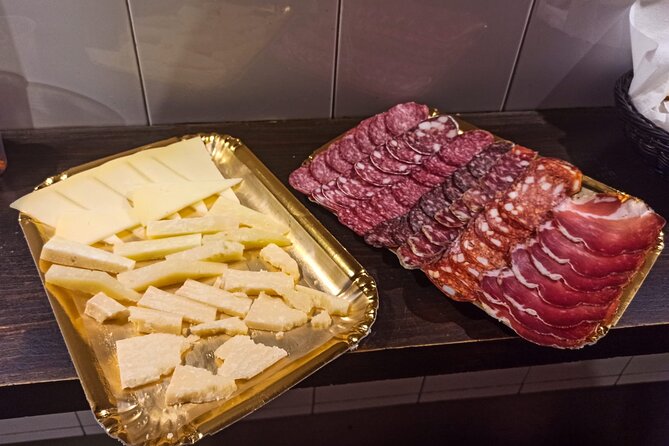
You may also receive cured meats from Norcia and local cheese with Italian wine. Soft drinks are available at the stops, which helps if you do not drink alcohol. These early tastings set up the evening well: one dish shows the area’s Jewish-Roman cooking, while the platter gives you familiar Italian flavors in a social format.
The pace here is fairly gentle on paper, with about 30 minutes around the old quarter and another 30 minutes near the Portico of Octavia. In practice, restaurant service and group movement can affect the timing.
Portico of Octavia and the ancient theater setting
The Portico of Octavia is one of the route’s more memorable sights because the ancient remains are woven into ordinary city life. Your guide narrates the area while you move between restaurants and archaeological sites.
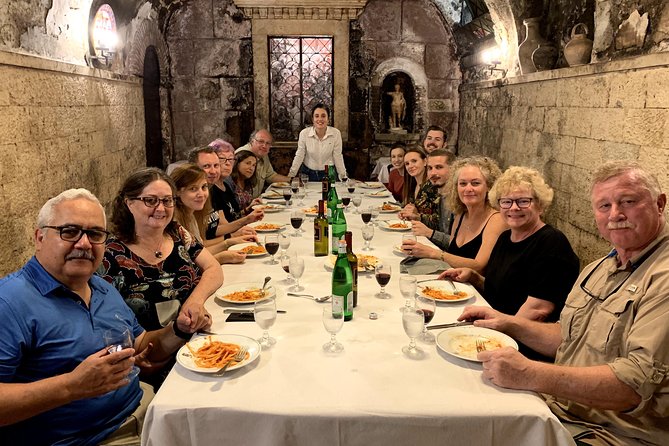
The tour also includes dinner among the ruins of one of Rome’s oldest theaters. That setting gives the meal a sense of place that a standard restaurant cannot provide. You are eating traditional Roman main courses while ancient stonework and the modern neighborhood share the same view.
The exact restaurants and dishes can change. That flexibility is useful for the operator, but it means you should not expect every evening to follow the same sequence. If a particular dish matters to you, ask the guide where it was served before the group moves on. One practical improvement would be a simple list of the food stops, since it can be hard to remember the name and location of a favorite bakery or trattoria after a four-hour walk.
Same city, an entirely different afternoon:
- Vatican Museums & Sistine Chapel Tour with Optional Basilica
★ 4.3 · 67,413 reviews - Colosseum, Roman Forum & Palatine Guided Tour
★ 4.7 · 63,148 reviews - Vatican Museums, Sistine Chapel & St Peter’s Basilica Guided Tour
★ 4.5 · 39,149 reviews - Rome: Colosseum, Palatine Hill and Roman Forum Guided Tour
★ 4.8 · 32,814 reviews
Campo de’ Fiori, pizza, and a drink break
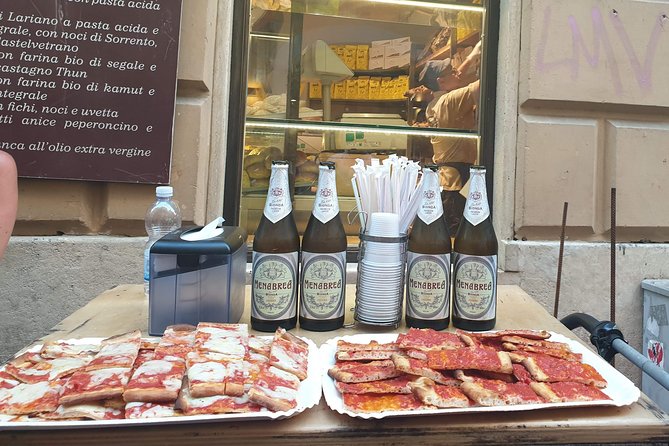
Campo de’ Fiori brings the route into one of Rome’s most recognizable public squares. The tour uses the square as both a sightseeing stop and a bridge between the Jewish Ghetto and the streets around Piazza Navona.
Here, you can expect Roman pizza from a family bakery operating since 1972, paired with an award-winning Italian beer. This is more casual than a restaurant course, but it gives you a chance to try a Roman staple without committing to a full pizza dinner.
The food is plentiful across the whole evening according to several accounts, but the balance can vary. One person found the servings small and the standing stops disappointing. If you are used to American-size dinner portions, do not skip lunch entirely, but leave room for the tastings. The tour aims to fill you gradually, not serve one huge plate at the beginning.
Campo de’ Fiori is also a place where your guide’s personality matters. Good guides use the walk between tastings to explain the buildings and the city’s past rather than rushing silently to the next snack. Maria, Andrea, and Marco have been singled out for adding stories and answering questions along the route.
Pasta among ruins near Pompey Theatre
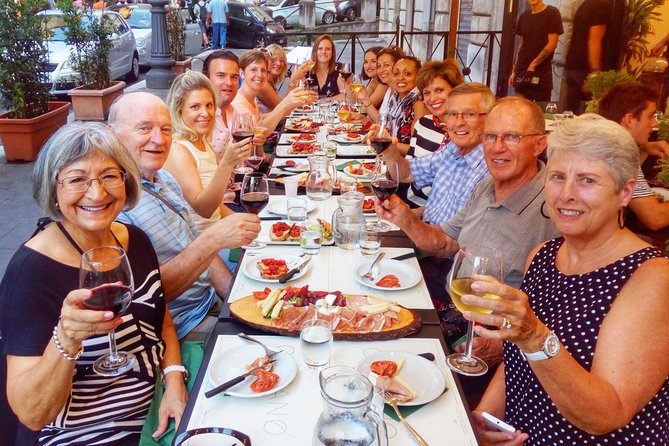
The main savory course is a selection of traditional Roman dishes served in a trattoria setting. The menu description refers to several Roman main courses rather than one fixed plate, so you might try more than one preparation during the stop.
This is also where the route connects with the Pompey Theatre, the site traditionally associated with Julius Caesar’s assassination. The ruins make a strong backdrop for dinner, and the guide uses the setting to connect the meal with ancient Rome.
Keep your expectations practical. You are sampling several dishes as part of a moving group, not ordering from a full menu. The food should give you a taste of Roman cooking, but it is not designed to let you choose every ingredient or cooking style.
Dietary planning is essential here. Vegetarian alternatives may be available if you advise the operator in advance. The tour cannot accommodate gluten-free, dairy-free, or vegan diets. If you have a nut allergy, cross-contamination remains possible even when a dish does not appear to contain nuts.
Piazza Navona and the final sweet stops
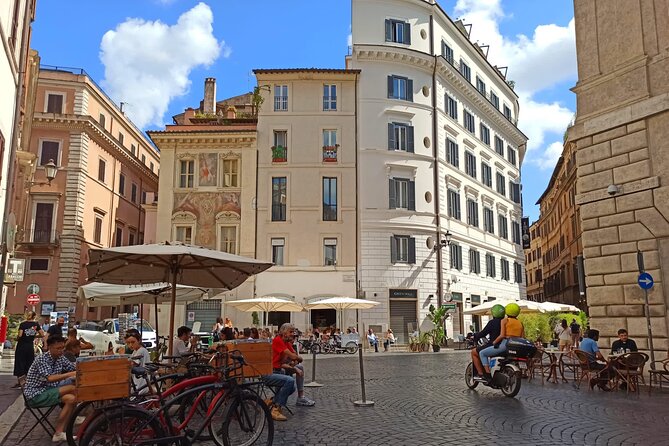
Piazza Navona is one of the route’s major visual rewards. The square is famous for its Baroque architecture and fountains, and the evening light can make the walk feel more relaxed than a midday visit.
Near the piazza, the dessert portion begins. Tiramisu comes in three varieties, giving you a small choice within the set menu. This is a welcome change from tours that offer one fixed bite and call it dessert.
The coffee stop has its own character. You visit a coffee shop founded in 1938, known for home-roasted beans and coffee made with water from an ancient aqueduct. Coffee is served as a brief cultural stop rather than a long break, so do not expect a full café sitting.
Gelato closes the evening at a traditional family shop using fresh products. Ending with gelato makes practical sense: it is easy to share, requires little waiting, and leaves you close to the final point at Largo di Torre Argentina.
Largo Argentina and the route’s Roman landmarks
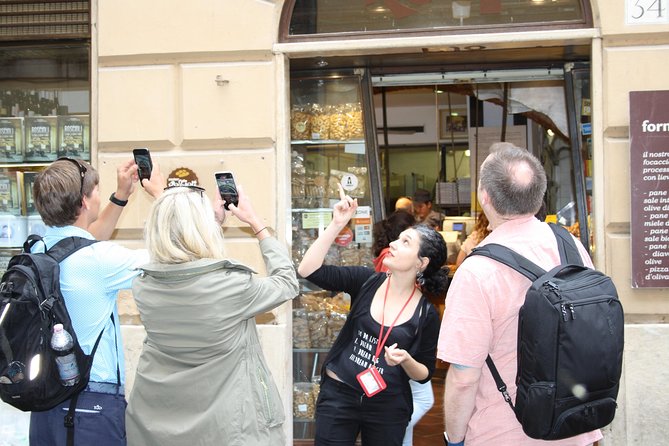
The tour ends at Largo di Torre Argentina. This archaeological area is associated with Pompey’s Theatre complex and the assassination of Julius Caesar. It also gives you a final chance to look back at how Rome layers ancient remains into its modern streets.
Other sights along the way include the Church of St. Eustace, the Senate House of Italy, the Theatre of Marcellus, the Temple of Apollo, and the Portico of Octavia. You may not stop for a long explanation at each place, but the route gives you a useful overview of central Rome beyond the Colosseum and Trevi Fountain.
The tour is particularly useful early in a Rome visit. You can return later to places that caught your eye, especially a bakery, coffee shop, or trattoria. Write down the names of your favorite stops as you go, since the route includes enough food and conversation to blur together by the end.
How much walking and eating should you expect?
The activity lasts about four hours and requires a moderate level of physical fitness. The route includes city streets and cobblestones, and wet stones can become slippery after rain. Comfortable shoes are more important than stylish footwear, although the stated dress code is smart casual.
You will eat at seven stops, but not every stop is a full seated course. Some are standing tastings, while the theater-area meal is more substantial. Several accounts describe the food as generous and filling, while one person finished still hungry. Your appetite, portion sizes that evening, and the pace of service will all affect how much you feel you received.
The wine, beer, and soft drinks are included. You should not need to buy drinks along the way unless you want something extra. Since this is an evening tour, it can replace dinner for many people, but I would not count on it if you need large portions or have a restricted diet.
The guide can make or break the evening
The strongest part of this experience is the guide-led connection between food and place. Maria is praised for her food knowledge and art history background. Fabrizia is described as warm, informed, and entertaining. Andrea, Marco, Greta, and Bruno are also noted for explaining both the dishes and the neighborhoods.
That range of guide styles means your night will not be identical to anyone else’s. A good guide will explain how a dish fits Roman cooking, point out details you might miss, and keep the group moving without making the walk feel hurried.
Group management matters just as much. The small size helps, but the guide still needs to speak to everyone and watch the slower walkers. If you are with older relatives or anyone with limited stamina, mention this before setting off.
The tour also works well as a social activity. Several people enjoyed meeting others in the group and sharing food around the stops. You will get more from it if you are comfortable eating in a communal setting and chatting with people you have just met.
Who should book this food tour?
I would choose this tour if you want a first taste of Roman food without spending an entire evening in one restaurant. It suits couples, friends, and solo visitors who enjoy walking, small tastings, and stories about the streets around them.
It is also a good fit if you have already seen Rome’s headline monuments and want a different part of the center. The Jewish Ghetto, Campo de’ Fiori, Piazza Navona, and Largo Argentina create a compact route with plenty of visual variety.
I would hesitate if you want a focused Jewish cultural tour, a kosher meal, or access inside the synagogue. I would also skip it if you need vegan, dairy-free, or gluten-free food, since those requirements cannot be met.
At $107.63, the price makes sense when you value the drinks, seven tastings, guide, and four hours of orientation. It makes less sense if you plan to eat a large dinner afterward or prefer to select each dish yourself.
Should you book the Jewish Ghetto and Piazza Navona tour?
Book it if you want a social progressive dinner with Roman history, especially early in your stay. The fried artichoke, theater ruins, Roman pasta, coffee, and gelato give the evening a clear local flavor, while the small group keeps it more personal than a large coach excursion.
Before paying, be honest about your walking speed, dietary needs, and expectations. Tell the operator about vegetarian requirements in advance, wear sensible shoes, arrive hungry but not starving, and ask for the names of the stops you want to revisit.
If that sounds like your kind of Rome evening, this is a strong choice. If you want a serious Jewish history lesson or a guaranteed full seated meal, choose a more specialized tour.
FAQ
Where does the tour begin?
The tour begins at Piazza Mattei, 00186 Roma RM, Italy.
What time does the tour start?
The start time is 5:45 pm.
Where does the tour end?
The tour ends at Largo di Torre Argentina, 00186 Roma RM, Italy.
How long does the experience last?
The tour lasts approximately four hours.
How many people can join the group?
The group is limited to a maximum of 15 people.
Is the synagogue interior included?
No. The tour visits the Jewish Synagogue from the outside only and does not include entry to the interior.
Can the tour accommodate dietary restrictions?
Vegetarian options may be available if requested in advance. The tour does not accommodate gluten-free, dairy-free, or vegan diets. Nut cross-contamination is also possible.
What is included in the price?
The price includes wine, beer, soft drinks, several food tastings, dinner among ancient theater ruins, a local guide, and seven food stops. Hotel pickup and drop-off are not included.
Fresh on the Rome list
- Rome: Guided Catacombs Tour & Capuchin Crypt (Audio Guide)★ 4.3 · 191 reviews
- Guided tour of the Colosseum, Roman Forum and Palatine in Spanish★ 4.5 · 191 reviews
- Rome: Borghese Gallery Guided Tour with Skip-the-Line Ticket★ 4.5 · 192 reviews
- Rome: Arena Colosseum Tour with Arena Access★ 4.6 · 193 reviews
- Rome: Colosseum & Roman Forum Guided Tour★ 5.0 · 194 reviews
- Colosseum, Forum, Palatine Hill with audio guide and Arena or Bus option★ 4.0 · 193 reviews
- Rome: Domus Aurea Guided Tour and Virtual Reality Experience★ 4.7 · 194 reviews
- Rome Vintage Fiat 500 car Tour With Photographer★ 5.0 · 194 reviews
Food & Drink, compared.
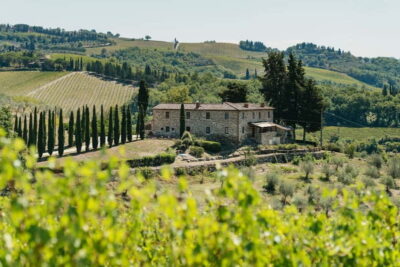
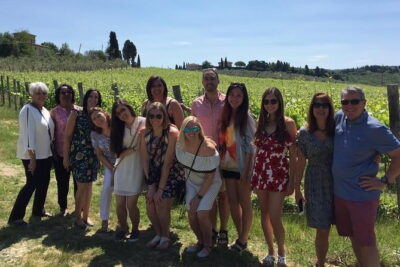
Small-Group Wine Tasting Experience in the Tuscan Countryside
Read our review →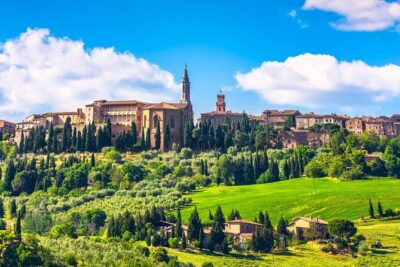
Tuscany & Montepulciano Day Trip with Lunch & Wine Tasting
Read our review →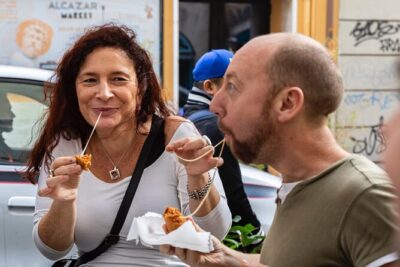
Winner 2025 Rome Twilight Trastevere Food Tour by Eating Europe
Read our review →
SMALL-GROUP Wine Safaris: Tuscan Wine Tasting Tours from Florence
Read our review →
Winner 2025 Florence Sunset Food & Wine Tour by Eating Europe
Read our review →
San Gimignano, Siena, Monteriggioni, Chianti Day Trip with Lunch & Wine Tasting
Read our review →
Browse the lists this tour appears in