Reviewed · ROME TOURS
Golf Cart Tour Rome: Glide By Ancient Wonders & Hidden Gems
Rome is a city where a short walk can turn into a long afternoon. This small-group golf cart tour solves that problem neatly, carrying you from the Colosseum to the Trevi Fountain, Spanish Steps, Pantheon, Piazza Navona, and broad city viewpoints without asking you to march between them.
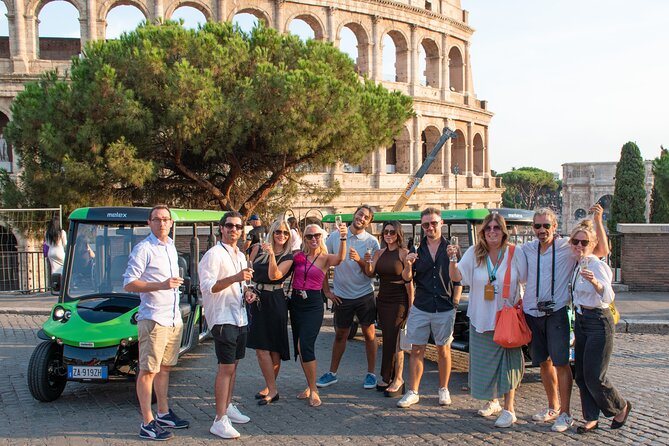
I like the maximum group size of seven, which gives the guide room to answer questions and adjust the pace. I also like the practical photo stops, especially at the Trevi Fountain, where guides such as Vladimir and Vitaly are often praised for finding strong camera angles and taking pictures for the group.
The tradeoff is clear: this is an outside tour. You will not enter the Colosseum or Pantheon, and traffic can affect the Trevi Fountain stop. At $163.33 per person, the price is also high unless you value the comfort, small group, and broad city overview.
Key Points Before You Book
- Seven people maximum: This feels far more personal than a large coach tour and makes it easier to hear the guide.
- A fast first look at Rome: In about two and a half hours, you cover major sights spread across the historic center.
- External visits only: You stop for views, stories, and photos, but admission tickets are not part of the experience.
- Strong guide element: Vladimir, Vitaly, Federico, and Antonio are among the guides praised for humor, history, flexibility, and local advice.
- Useful first-day activity: You can see how Rome’s main sights fit together before choosing where to return for a longer visit.
- Comfort over walking: The cart saves your feet in hot weather, on a first day, or when you are traveling with older family members.
Why a Golf Cart Works Well in Rome
Rome’s main sights are not arranged in one tidy row. The Colosseum sits east of the historic center, the Spanish Steps and Trevi Fountain lie farther north, and Piazza Navona and Campo de’ Fiori are west of the Pantheon. You can walk between them, but the distances add up quickly, especially in summer.
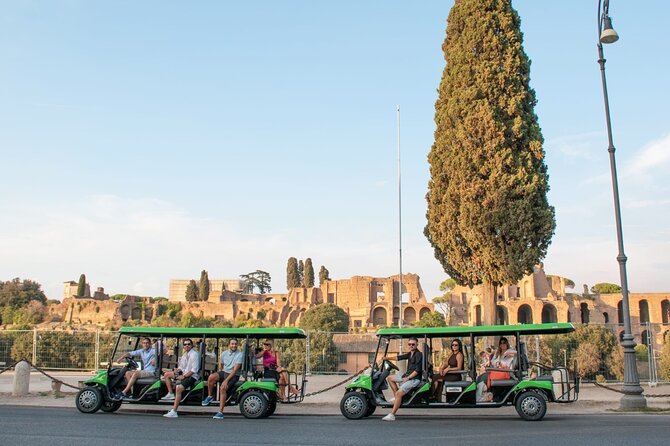
A golf cart gives you a moving view of the city while keeping the group close to the street. You are not sealed behind bus windows, and you are not trying to keep up with a guide while crossing crowded piazzas. You can hear stories as you ride, then get out at selected stops for pictures.
The wraparound design is useful for sightseeing. You may see a church façade, fountain, palace, or street scene from the side rather than only looking straight ahead. It is a good way to catch the shape of Rome, not just a checklist of monuments.
The small size matters even more. With no more than seven people, the guide can respond to questions, help with photographs, and sometimes adapt the route to the group’s interests and available time. One account describes Vladimir adjusting the tour after communicating about delays, which is the sort of flexibility a large group rarely allows.
Still, do not confuse this with a private walking tour of each monument. The golf cart is the main tool, and the tour aims to show you many places efficiently. If you want long explanations inside ancient buildings, you need separate Colosseum and Pantheon visits.
A few other Rome mornings to weigh against this
- Vatican Museums & Sistine Chapel Tour with Optional Basilica
★ 4.3 · 67,413 reviews - Colosseum, Roman Forum & Palatine Guided Tour
★ 4.7 · 63,148 reviews - Vatican Museums, Sistine Chapel & St Peter’s Basilica Guided Tour
★ 4.5 · 39,149 reviews
Starting at the Colosseum
The tour begins at Largo Gaetana Agnesi, near the Colosseum. This is a sensible opening because Rome’s most famous ancient monument immediately gives the outing a strong sense of place.
You get a view of the amphitheater, a short account of gladiatorial contests, and time for a memorable photograph. The guide’s background is especially relevant here. The company says its guides began their careers at the Colosseum, so you can expect more than the usual basic line about emperors, gladiators, and crowds.
A good guide can also explain what the arena meant in Roman public life, how the spectacles worked, and why popular images of gladiators do not always match the historical record. This stop is brief, about 10 minutes, so think of it as an introduction rather than a full lesson.
You do not enter the Colosseum. That is the largest limitation at the first stop. If this is your first visit and the interior is a priority, arrange an admission tour separately, ideally on another part of your day. The golf cart outing helps you understand the monument’s setting, but it does not replace a proper visit inside.
Rome’s Earliest Hills and the Circus Maximus
After the Colosseum, the route passes through the area associated with the earliest days of Rome. You get wide views, stories about emperors’ palaces, and a sense of how the ancient city spread across its hills.
This portion is valuable because it connects the famous ruins. You are not just seeing isolated stones. The guide helps explain how the Palatine area, the valley below, and the great public buildings worked together. Some of the most useful moments on a city tour happen while moving between headline sights, when the guide can point out details you would likely miss on foot.
The cart then travels along Circus Maximus, the immense ancient racing ground. Imagine chariots charging around the track while thousands of spectators shouted from the stands. The stop lasts about 10 minutes and includes time for photos.
The guide also teaches a playful way to use a Roman fountain, a small detail that gives this stop a lighter touch. That balance is welcome. Rome can feel like one long parade of dates and emperors, so a practical local trick helps keep the experience human.
Circus Maximus is less visually complete than the Colosseum. You will not see a standing stadium with intact seats and arches. Its value lies in scale, location, and imagination. The golf cart helps by letting you view the long open space without spending energy walking around it.
A Roman Theater With a Curious Detail
The route includes a stop at a historic Roman theater, where you can admire its arches and hear about its architecture and performances. The material supplied for the tour does not name this stop, so you should treat it as a passing architectural highlight rather than expect a major scheduled visit with an admission ticket.
The guide uses one memorable question to draw you in: why does this ancient building have windows? That sort of detail is exactly what separates a good city tour from a list of dates. You look more closely, ask a question, and begin noticing how Roman structures were reused and changed over time.
You will stop for photographs and hear the story from outside. As with the other sites, there is no entry included. If architecture interests you, keep your eyes open during the ride. Rome’s appeal often lies in the way ancient masonry sits beside later buildings, shops, churches, and modern traffic.
Same city, an entirely different afternoon:
- Rome: Colosseum, Palatine Hill and Roman Forum Guided Tour
★ 4.8 · 32,814 reviews - Rome: Guided Tour of Colosseum, Roman Forum & Palatine Hill
★ 4.7 · 27,897 reviews - Rome: Colosseum & Forum with Audio Guide App -Optional Arena
★ 4.2 · 24,770 reviews - Rome: Colosseum, Roman Forum and Palatine Hill Guided Tour
★ 4.5 · 23,903 reviews
The Pantheon and the Fire Without Rain
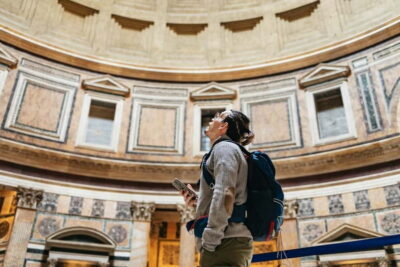
The Pantheon is one of Rome’s essential sights, even from the outside. Its monumental façade and famous dome represent a remarkable survival from antiquity, and the golf cart brings you close enough to appreciate the building’s scale.
You have about 10 minutes here. The guide points out the oculus, the opening at the top of the dome, and explains how the building has lasted so long. You will not have time to go inside, so plan a separate Pantheon visit if you want to see the interior, the dome from below, and the famous floor.
The tour adds an unusual visual explanation through a private video about why rain does not simply pour through the oculus. The guide explains the so-called fireplace effect, along with the movement of warm air and the way the building’s design handles water. This is a clever teaching moment because it gives you something to watch for when you later visit inside.
One caution: the claim that it never rains inside should not be taken too literally. The point is that air movement and the floor’s drainage system help manage water. The short video can make that design easier to grasp than a quick spoken explanation in a crowded square.
Trevi Fountain With Time for Photos
The Trevi Fountain is the most camera-ready stop on the route. You get about 15 minutes to see the fountain, take photographs, and take part in the familiar coin-toss tradition.
The guide’s photography help is a real advantage here. Trevi is one of Rome’s most photographed places, and a person who knows where to stand can often produce a better picture than a rushed phone held at arm’s length. Guides are also prepared to find distinctive angles when the street allows it.
The traffic note matters. The stop is possible only when conditions permit, so you should not assume the cart can always pause exactly as planned. Rome’s center has changing traffic patterns, pedestrian congestion, and limited stopping space. The guide may need to shorten, shift, or manage this part of the route.
The fountain is usually crowded, so do not expect solitude. Its strength is atmosphere and scale, not quiet reflection. You can toss a coin, hear the story behind the custom, and move on without losing half a day in the surrounding streets.
Spanish Steps, Films, and Local Life
The Spanish Steps stop lasts about 15 minutes. You can climb a few steps, pause at the square, take pictures, and watch the steady stream of people passing through.
The guide adds stories from Roman life and Hollywood films, which helps explain why this staircase has become more than a piece of urban design. You also get advice about where to stand for photographs. The best experience here is often not a long historical lecture. It is understanding how the steps connect the upper church, the lower square, nearby streets, and the daily rhythm of the city.
You do not need to climb the entire staircase for the stop to work. That is useful if you are conserving energy or dealing with sore knees. The cart lets you enjoy the setting without turning the visit into a test of endurance.
The area can feel crowded, and the steps are not a place for lingering in the middle of the flow. Listen carefully to the guide’s meeting instructions and keep personal items secure. The allotted time is enough for a look and a group picture, not an extended break.
Piazza Navona and the Route Toward Campo de’ Fiori
Piazza Navona brings the tour into one of Rome’s grandest public spaces. You see Bernini’s fountains, the river-god figures, street performers, and the long oval shape of the square.
This is a good place to ask the guide about food. The guides can point you toward a restaurant in or near the square for an Italian lunch or dinner. Treat that advice as a starting point rather than a guarantee of the best meal in Rome. Ask what they would order and what nearby alternatives they use themselves.
Piazza Navona also shows how Rome’s public spaces are layered. A site with ancient origins now functions as a place for fountains, cafés, performers, conversation, and photographs. That mixture is part of the city’s appeal.
The outing ends at Piazza Campo de’ Fiori. The endpoint is useful if you plan to continue exploring the historic center on foot. It also gives the tour a natural finish near restaurants, markets, and streets leading toward other central sights.
The route may also include additional viewpoints or monuments depending on traffic and timing. One person specifically praised the Vittoriano, while others enjoyed stops away from the standard list. Do not assume every extra stop is guaranteed, but the guides appear to use the available time to add more when the route permits.
The Final Panoramic View
A peaceful garden viewpoint closes the experience. From above the city, you can take final photographs and see Rome spread across the rooftops and domes.
The exact garden is not named in the supplied details, so you should not book this tour expecting a specific monument or garden by name. The value is the pause. After the traffic, fountains, ruins, and crowds, a broad view gives you time to take stock of the city.
A panoramic ending also helps you understand the route. You have seen ancient Rome, the historic center, major fountains, and grand squares. From above, those pieces begin to feel like one city rather than separate attractions.
What the $163.33 Price Really Buys
At $163.33 per person, this is not a budget way to see Rome. Since admission tickets are not included and the main stops are external, you are paying for transport, a small group, a guide, comfort, and efficient use of time.
The value improves if you are in Rome for only a short stay, have just arrived, or want to avoid a long first day on foot. It can also make sense for a family group of up to seven, since the vehicle and guide provide a more private feel without requiring you to arrange a completely separate private tour.
The price is harder to justify if you are staying for a week, enjoy walking, and plan to visit each monument inside on your own. In that case, a free map and public transport may cover the basic movement, while your money is better spent on timed entry tickets and an in-depth Colosseum guide.
The most useful way to view this activity is as an orientation tour. You see where the main sights sit in relation to one another, hear enough background to choose your priorities, and save your legs for the places you want to explore properly later.
Bottled water is included. Tips are not included, so budget separately if your guide provides the attentive service described by many customers.
Guides, Timing, and Comfort
The guide can make or break a short city tour. Vladimir receives repeated praise for humor, clear communication, historical detail, photography, and thoughtful care. Vitaly, also referred to as Vitale in one account, is praised for giving a detailed tour and covering many places in limited time.
Federico, also spelled Frederico, is associated with evening outings and restaurant suggestions. Antonio is described as engaging and proud of the city where he lives. These names matter because the experience depends heavily on the person driving and explaining Rome, not just on the cart itself.
Choice of departure times helps you fit the tour around a museum visit, meal, or evening plan. Night outings can offer illuminated monuments and a cooler ride, while daytime departures may make architectural details easier to see. The available choice lets you decide what suits your schedule.
The tour lasts about two and a half hours. That is long enough for a useful overview but short enough to fit into a busy day. Since the tour does not include interiors, leave time afterward for the Colosseum, Pantheon, or another site you want to enter.
Most people can participate, and service animals are allowed. The activity is near public transportation. If you have specific mobility needs, contact the provider before booking, since the supplied details do not explain cart access or boarding arrangements.
Free cancellation is available up to 24 hours before the start time for a full refund. Changes or cancellations made within 24 hours are not accepted for a refund.
Who Should Book This Rome Tour
I would recommend it most strongly for first-time visitors who want a clear city overview, families trying to protect their energy, older relatives, and anyone arriving in Rome with limited time.
It is also useful on your first day. You can see the main areas, learn which sights deserve a return visit, and get practical suggestions from a guide who knows the city. One customer even planned to bring elderly parents back for the same style of outing, which makes sense if walking long distances is a concern.
The tour is less suitable for you if your main goal is entering ancient monuments, spending an hour at each site, or traveling at a slow archaeological pace. You should also be comfortable with the possibility that traffic may alter a stop, especially at the Trevi Fountain.
Should You Book the Golf Cart Tour?
Book this tour if you want Rome’s major sights in one comfortable sweep, with a guide who can add stories, answer questions, and help with pictures. The small group and frequent photo pauses make it more personal than a coach tour, while the cart saves substantial walking time.
Skip it if $163.33 feels too steep for an outside-only visit or if you already know Rome well. For first-time visitors, short stays, hot weather, and family groups, the convenience can make the price worthwhile. Use it as your city orientation, then return to the Colosseum and Pantheon for the interior visits they deserve.
FAQ
How long does the golf cart tour last?
The tour lasts approximately 2 hours and 30 minutes.
What landmarks are included?
The route includes external stops or views of the Colosseum, Circus Maximus, the Pantheon, Trevi Fountain, Spanish Steps, Piazza Navona, and a panoramic garden viewpoint.
Can I go inside the Colosseum or Pantheon?
No. The tour includes outside visits only, and admission tickets are not included.
How many people can join the tour?
The maximum group size is seven people.
Is the tour offered in English?
Yes. The experience is offered in English.
Where does the tour start and end?
It starts at Largo Gaetana Agnesi in Rome and ends at Piazza Campo de’ Fiori.
What happens if I need to cancel?
You can cancel up to 24 hours before the experience start time for a full refund. Cancellations or changes made less than 24 hours before the start time are not refunded.
Fresh on the Rome list
- Rome: Guided Catacombs Tour & Capuchin Crypt (Audio Guide)★ 4.3 · 191 reviews
- Guided tour of the Colosseum, Roman Forum and Palatine in Spanish★ 4.5 · 191 reviews
- Rome: Borghese Gallery Guided Tour with Skip-the-Line Ticket★ 4.5 · 192 reviews
- Rome: Arena Colosseum Tour with Arena Access★ 4.6 · 193 reviews
- Colosseum, Forum, Palatine Hill with audio guide and Arena or Bus option★ 4.0 · 193 reviews
- Rome: Colosseum & Roman Forum Guided Tour★ 5.0 · 194 reviews
- Rome: Domus Aurea Guided Tour and Virtual Reality Experience★ 4.7 · 194 reviews
- Rome Vintage Fiat 500 car Tour With Photographer★ 5.0 · 194 reviews
Rome Tours, compared.
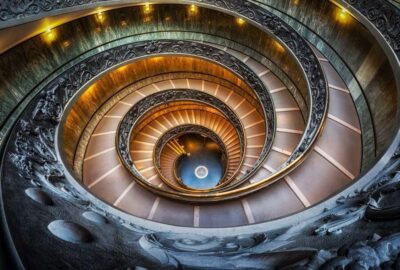
Vatican Museums & Sistine Chapel Tour with Optional Basilica
Read our review →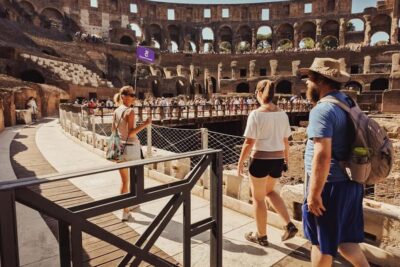
Colosseum, Roman Forum & Palatine Guided Tour
Read our review →
Vatican Museums, Sistine Chapel & St Peter’s Basilica Guided Tour
Read our review →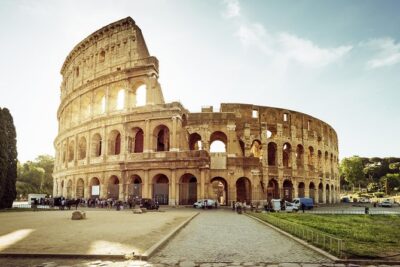
Colosseum, Palatine Hill and Roman Forum Guided Tour
Read our review →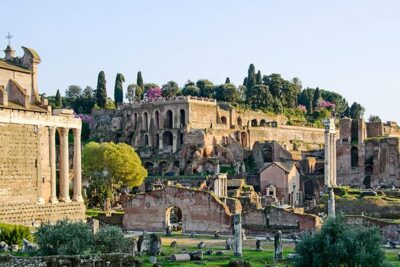
Guided Tour of Colosseum, Roman Forum & Palatine Hill
Read our review →
Colosseum & Forum with Audio Guide App -Optional Arena
Read our review →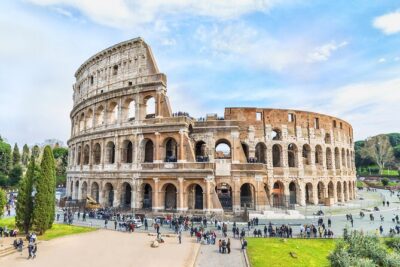
Colosseum, Roman Forum and Palatine Hill Guided Tour
Read our review →